You see the unboxing videos—the excitement, the surprise, the delight of discovering new products. The subscription box model has transformed from a niche e-commerce tactic into a powerful channel for building brand loyalty and predictable revenue. But in the crowded world of fashion accessories, launching just another box of random trinkets is a recipe for churn. How do you create a subscription service that customers not only sign up for but eagerly anticipate month after month?
Creating a successful fashion accessory subscription box requires a deep focus on hyper-specific niche curation, delivering exceptional perceived value through exclusive or early-access products, and building a community that makes subscribers feel like insiders. It’s not just a distribution model; it's a membership club centered around a shared identity or passion. The box itself is merely the physical touchpoint for a recurring experience. At Shanghai Fumao Clothing, we've partnered with DTC brands to develop the custom, high-quality accessory products that form the core of winning subscription programs, understanding that consistency and discovery are key.
What Defines Your Niche and Curates the "Why"?
The most common fatal mistake is being too broad. "Accessories for women" is not a niche. Success lies in specificity. Your niche isn't just what you sell, but who you sell to and why they should care. This defines your entire brand voice, product selection, and marketing strategy.
Your niche should be defined by a specific lifestyle, aesthetic, problem, or passion point that is underserved. Successful curation is thematic, not random—each box tells a story or solves a specific style challenge, making the selection feel personal and intentional rather than a leftover grab-bag. Examples of powerful niches include: "Sustainable office-to-evening accessories for the minimalist professional," "Bold, artisan-made statement pieces for the maximalist," "Functional hair solutions for active women with curly hair," or "Geek-chic accessories centered around specific fandoms (e.g., cottagecore, dark academia)."

How to Validate Your Niche Before Launch?
Before investing in inventory, validate demand:
- Audience Research: Use tools like Google Trends, Reddit communities, and Instagram hashtags to gauge conversation volume and passion around your niche.
- Competitor Analysis: Study existing boxes not to copy, but to identify gaps. What are they missing? What do their customers complain about?
- Pre-Launch Landing Page: Create a simple "Coming Soon" page with an email sign-up. Offer a launch discount. The conversion rate and feedback from these early sign-ups are invaluable.
- Crowdfunding or Pre-Order: Use a platform like Kickstarter to presell your first 3-6 months of boxes. This validates the concept with real dollars and funds your initial production.
A niche isn't just a marketing tagline; it's a filter for every decision, from product design to social media content. Partnering with a manufacturer like Shanghai Fumao Clothing early allows you to discuss MOQs and develop custom pieces that perfectly embody your niche's aesthetic.
What Makes a Theme Compelling and Repeatable?
Monthly themes should feel fresh but connected to your core niche. For a "travel-inspired" box, monthly themes could be: Italian Riviera (silky scarves, shell hair pins), Kyoto Zen (minimalist leather cuff, origami-fold earrings), Moroccan Souk (beaded tassel keychain, embroidered pouch). The theme guides:
- Product Selection: All items loosely tie back to the destination.
- Packaging & Graphics: Use patterns and colors evocative of the location.
- Content: Include a card explaining the inspiration, perhaps with styling tips or a recipe.
This transforms a box of products into an experience—a monthly "escape" or style lesson that subscribers look forward to.
How Do You Structure Value, Pricing, and Fulfillment?
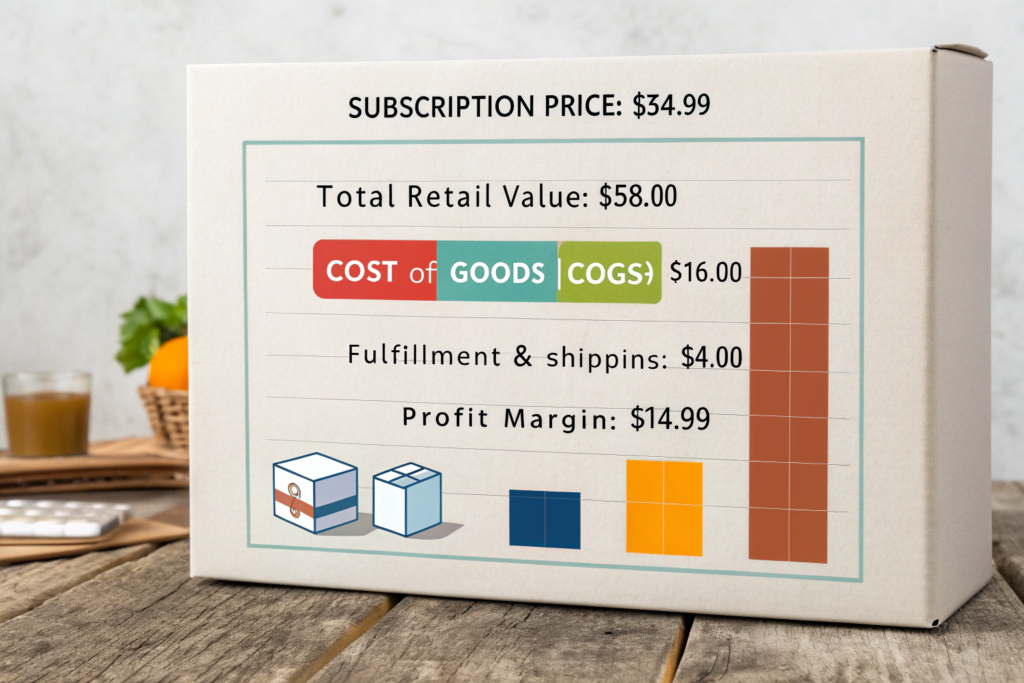
The economics of a subscription box are delicate. The perceived value must significantly exceed the price to justify the recurring expense, but your cost of goods sold (COGS) and logistics must allow for healthy margins. Transparency and reliability in fulfillment are non-negotiable for retention.
Structure your pricing using a cost-plus model where the total Retail Value (RV) of the box is 3-4x your COGS, and set your subscription price at a 25-40% discount to that RV to create a strong "savings" perception. Fulfillment must be streamlined, reliable, and include tracking to build trust. For example, if your monthly COGS per box is $15, the curated items should have a collective "retail value" of $45-$60, and you would charge subscribers $29-$35 per month. This perceived value is the primary driver of sign-ups.
What is the "Hero Item" Strategy?
To ensure consistent wow-factor, many successful boxes employ a "Hero Item" strategy. One item in the box is of notably higher perceived value—often a custom-designed, exclusive piece that can't be bought elsewhere. The other 2-3 items are complementary, perhaps from other curated brands or simpler staple pieces. This strategy:
- Anchors the Value: The hero item alone can justify most of the subscription price.
- Drives Exclusivity: "Get this exclusive design only in this month's box."
- Simplifies Curation: You build the box around one star product.
This is where a manufacturing partnership is critical. We work with brands to design and produce these hero items—like a signature hair accessory or a custom-print scarf—ensuring they are unique, high-quality, and cost-effective at subscription-scale volumes.
How to Master Logistics and "Unboxability"?
Logistical failures kill subscription businesses. Key considerations:
- Kitting & Assembly: Will you assemble in-house, use a third-party fulfillment (3PL) center, or have your manufacturer drop-ship pre-packed boxes? For growing volumes, a 3PL is essential.
- Shipping Costs & Timing: Factor shipping into your COGS. Use a flat-rate model ("free shipping") bundled into the price. Set clear shipping windows (e.g., "Boxes ship between the 10th-15th of each month").
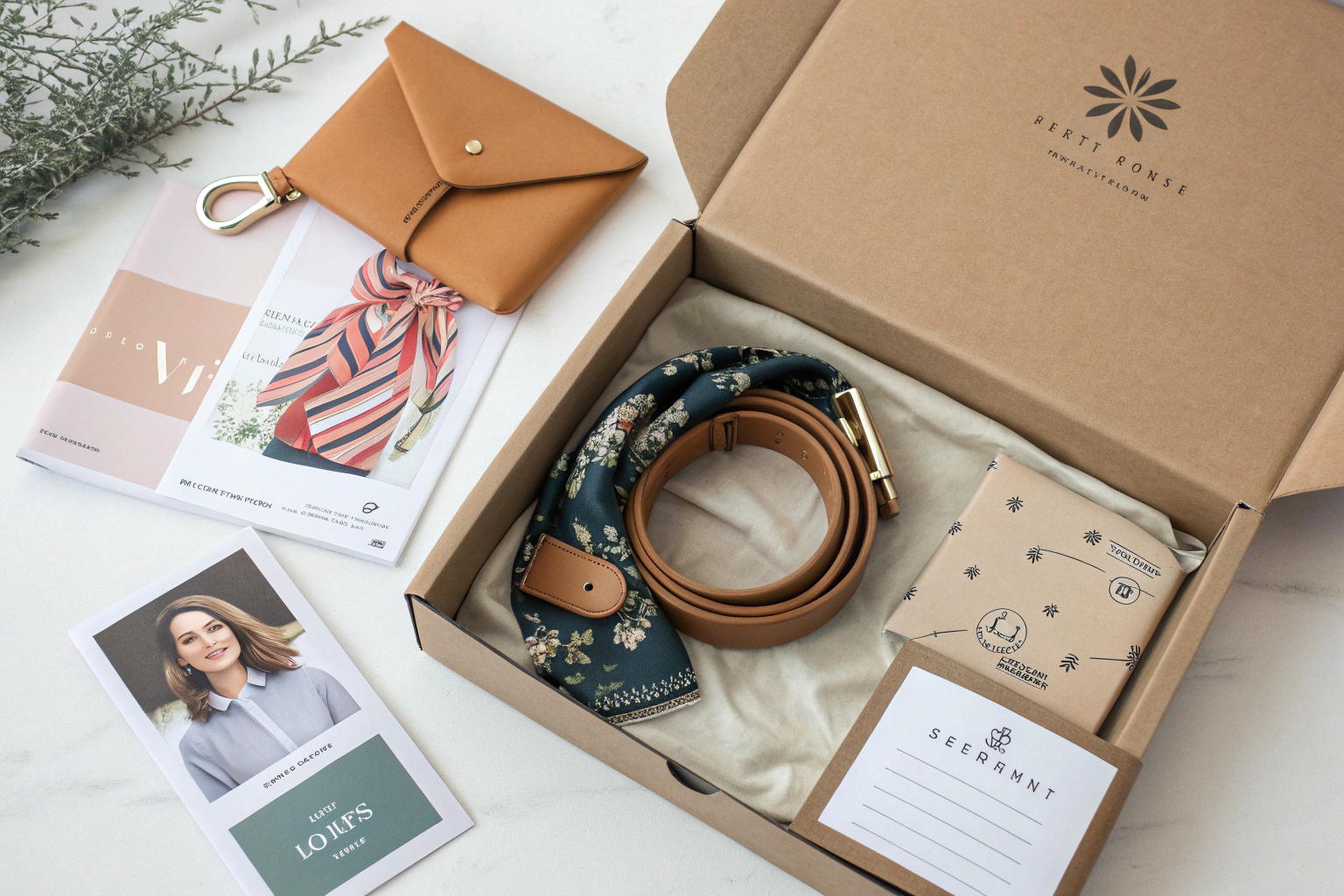
- The Unboxing Experience: The packaging is part of the product. Use branded boxes, tissue paper, and personalized notes. Every touchpoint should reinforce your brand's aesthetic and make the subscriber feel special. This experience is highly shareable on social media, providing free marketing.
Reliability is as important as surprise. Subscribers should know when to expect their box, even if they don't know what's inside.
How Can You Build a Community and Minimize Churn?
Acquiring a subscriber is just the beginning. The real challenge is keeping them. Churn (cancellation rate) is the critical metric. A successful box builds a community that reduces churn by making subscribers feel emotionally invested beyond the products.
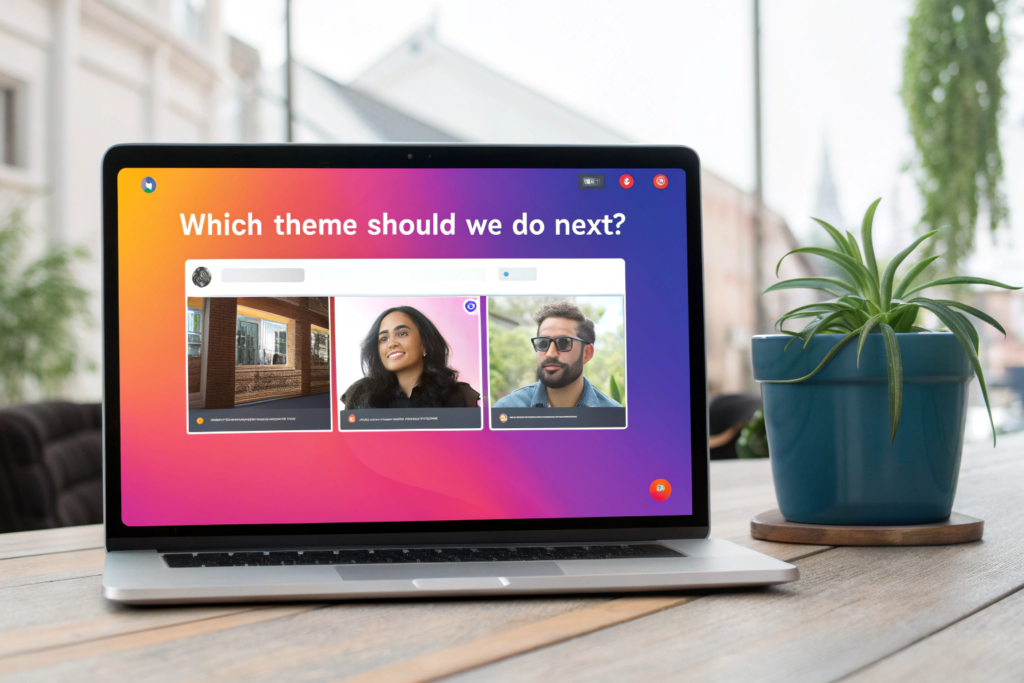
Build community by creating exclusive spaces for subscribers (a private Facebook group, Discord channel), involving them in the creative process (polls for future themes or products), and recognizing them publicly (featuring subscriber photos). Minimize churn by consistently over-delivering on value, offering flexible plans (skip, swap), and providing impeccable customer service. The goal is to make canceling feel like leaving a club, not just stopping a purchase.
What Role Does User-Generated Content (UGC) Play?
User-Generated Content (UGC) is your most powerful marketing and retention tool. Encourage it by:
- Creating a unique hashtag for your box.
- Running monthly photo contests with prizes (e.g., a free month).
- Reposting the best UGC on your official channels (with permission).
When subscribers see themselves featured, it validates their membership and encourages others to share. This creates a virtuous cycle of social proof that is far more credible than traditional advertising. It also provides you with a constant stream of authentic marketing material.
How to Use Data to Personalize and Retain?
Even within a niche, use data to improve personalization over time:
- Onboarding Surveys: Ask for basic style preferences, color dislikes, or accessories they never wear upon sign-up.
- Feedback Loops: Send a simple survey after each box: "What was your favorite item? Least favorite?"
- Usage Data: If you offer add-ons or a shop, track what each subscriber buys separately.
This data allows for gradual segmentation. While full customization for each subscriber is complex and costly, you can create 2-3 "style profiles" (e.g., "Bold & Bright" vs. "Neutral & Minimal") and let subscribers choose their profile, guiding curation at a manageable scale.
What Are the Key Partnerships and Operational Rhythms?
You cannot do this alone. A successful subscription box relies on a network of reliable partners and a rigorous, forward-looking operational calendar. This is a business of planning cycles, not spontaneity.
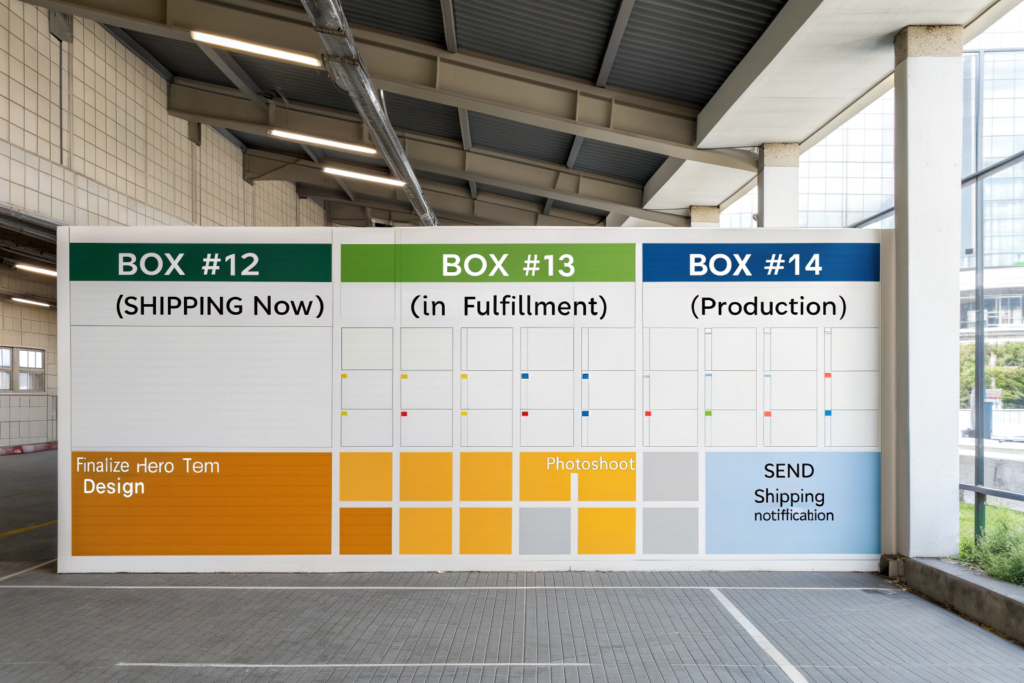
Key partnerships include: 1) A reliable manufacturer for custom/exclusive items, 2) Brand partners for curated products to add variety, 3) A fulfillment/3PL partner, and 4) Payment/subscription platform (like Shopify Recharge or Cratejoy). The operational rhythm operates on a 4-6 month planning cycle, where you are simultaneously marketing the current box, assembling the next box, and sourcing/developing boxes for 3-4 months out. This cadence is non-negotiable for quality and consistency.
Why is the Manufacturer Relationship Critical?
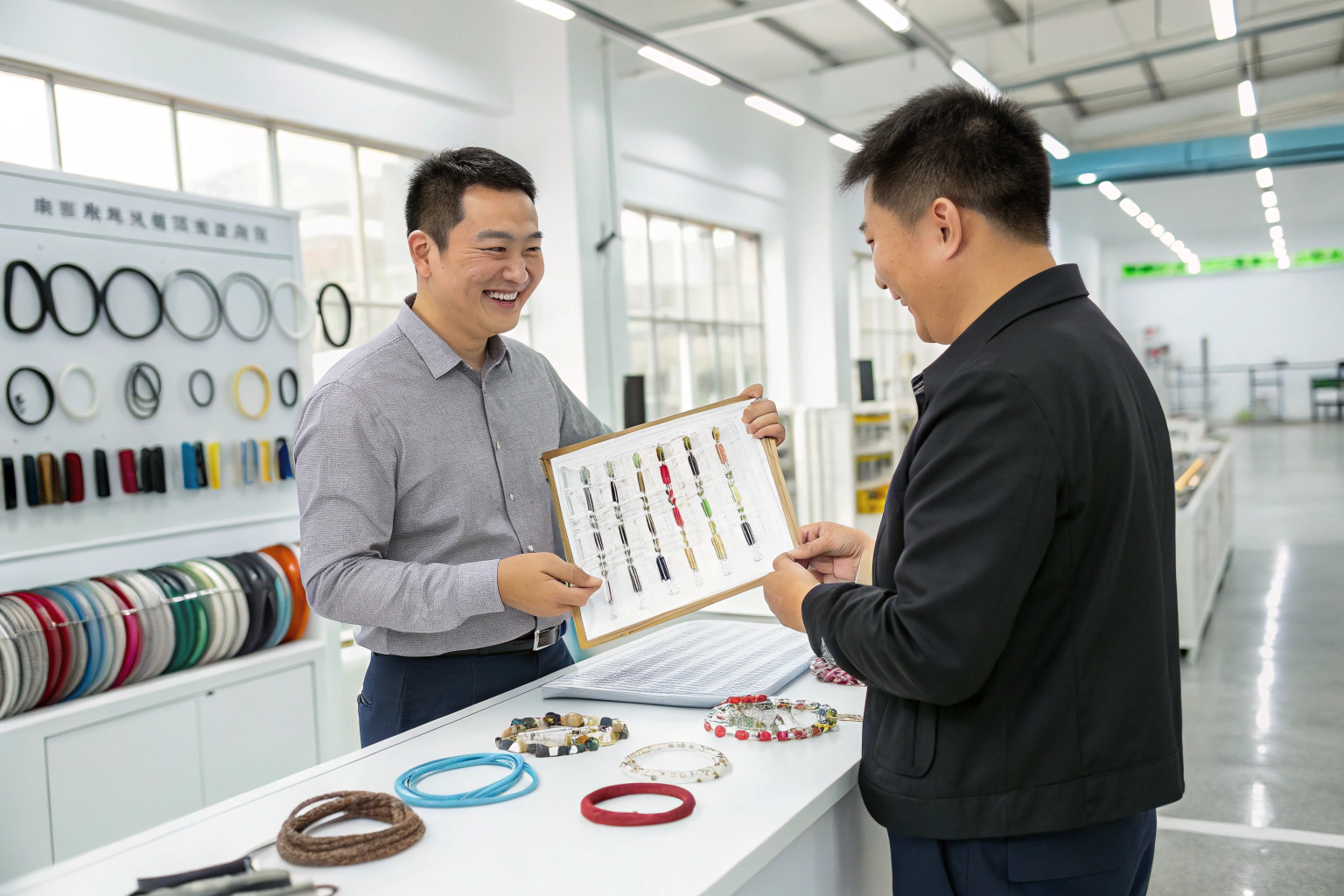
Your manufacturer is not just a vendor; they are a co-pilot for your most important asset—the products. For a subscription box, you need a partner who offers:
- Flexible MOQs: Willing to produce smaller batches for monthly themes.
- Rapid Sampling: Ability to turn around prototypes quickly to meet tight design calendars.
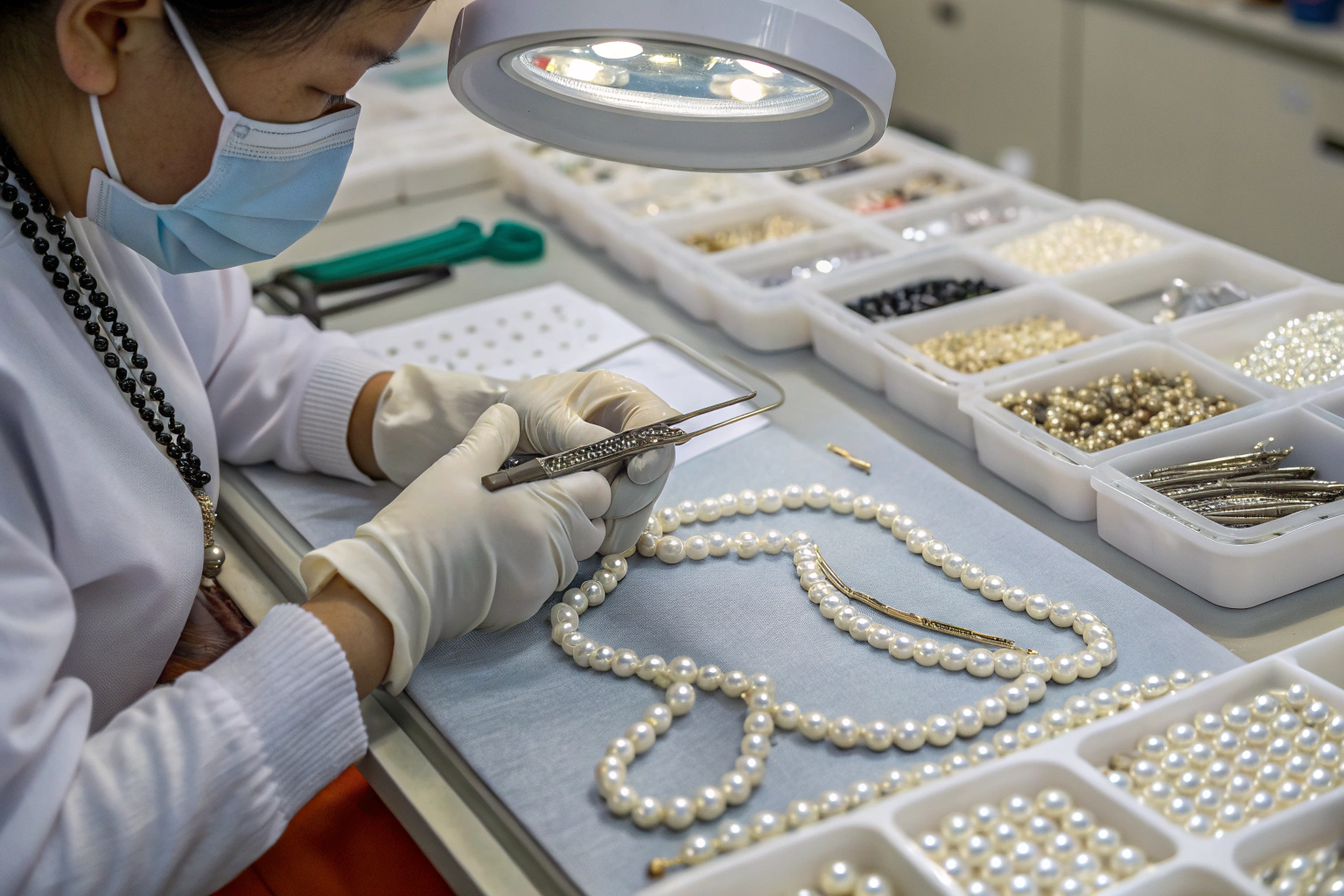
- Consistent Quality: Imperative for maintaining trust. A batch with defects can lead to a wave of cancellations.
- Integrated Services: Some manufacturers, like Shanghai Fumao Clothing, can also handle custom packaging, tagging, and even direct drop-shipping to your fulfillment center, simplifying your supply chain.
This partnership ensures your hero items are executed flawlessly, on time, every time.
How to Manage Cash Flow in a Subscription Model?
Cash flow is unique. You receive customer payments upfront (at the start of the billing cycle), but you pay for inventory and fulfillment weeks or months earlier. This float can be beneficial but requires discipline:
- Reinvest Upfront: Use subscription revenue to fund the production of future boxes, not as pure profit.
- Maintain a Runway: Always have enough cash to produce 2-3 boxes ahead without relying on the next month's subscriptions.
- Forecast Conservatively: Base inventory purchases on a conservative estimate of subscriber growth to avoid overstocking.
Treating the recurring revenue as a buffer for operations, not a windfall, is key to long-term stability.
Conclusion
Creating a successful fashion accessory subscription box is an intricate blend of art and science. It demands the creative eye of a curator, the strategic mind of a marketer, the operational rigor of a supply chain manager, and the community-building heart of a brand founder. Success is found in the specificity of your niche, the undeniable value of your curation, the reliability of your execution, and the strength of the community you foster around a shared passion.
It's a model that rewards deep customer relationships and consistent innovation. By securing the right manufacturing and operational partners from the outset, you build a foundation that can scale, delight customers month after month, and turn a simple box into a highly anticipated ritual.
Ready to launch a subscription box that stands out and retains? Contact our Business Director, Elaine, at elaine@fumaoclothing.com to discuss how we can become your manufacturing partner in creating exclusive, high-quality hero accessories that will define your box. Let Shanghai Fumao Clothing help you build a community, one curated box at a time.