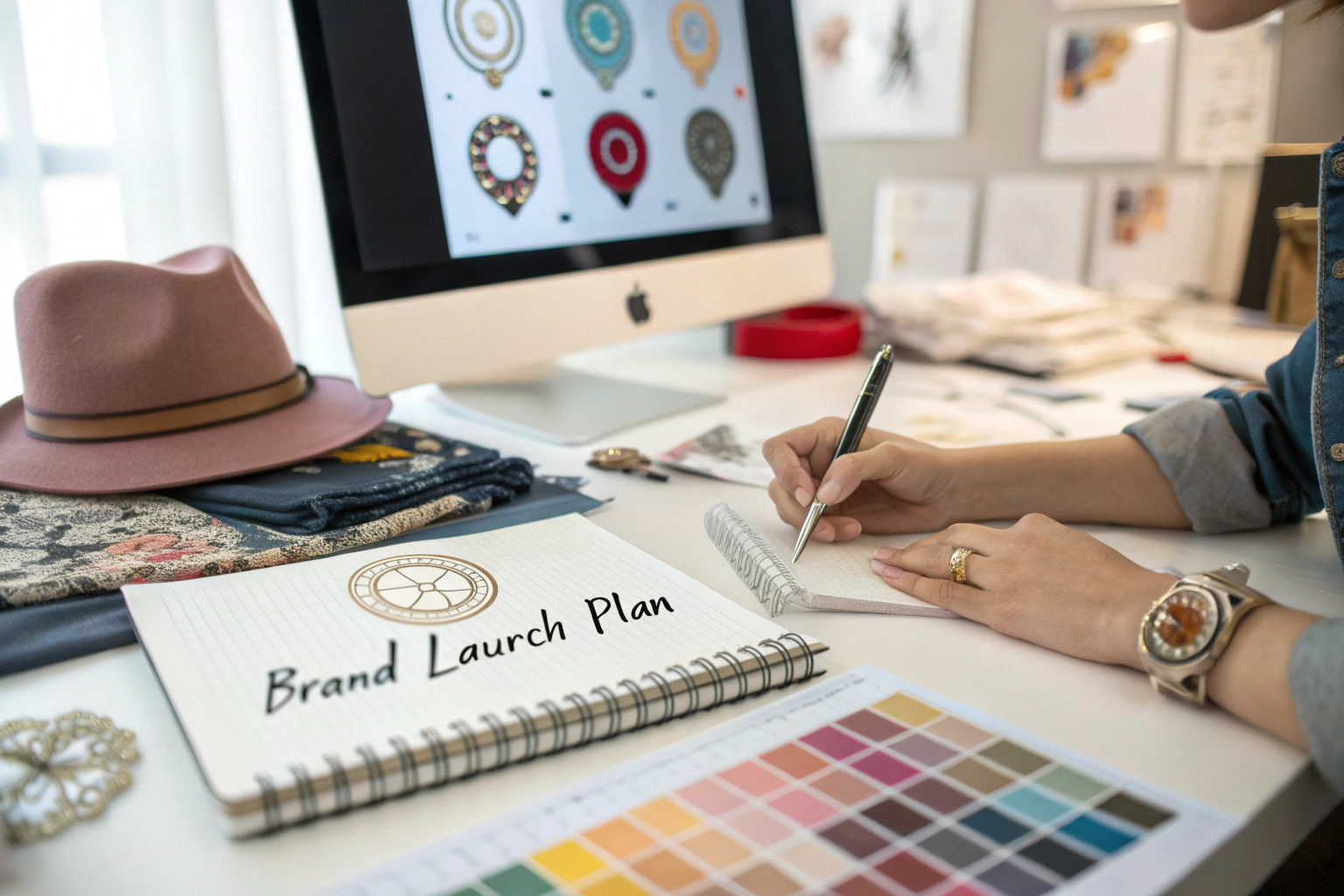
I have been in the fashion accessory business for over twenty years, and I have watched countless entrepreneurs build successful private label brands from nothing. I have also seen others fail because they did not have a clear plan. For someone like Ron, who may be starting a new brand or expanding an existing business, creating a private label accessory line is an exciting opportunity. But it requires more than just picking a few products from a catalog. It requires a clear vision, a strategic plan, and the right manufacturing partner.
To create a successful private label accessory line from scratch, you need to follow a systematic process: define your brand identity and target customer, select your product categories and initial assortment, develop unique designs that reflect your brand, source a reliable manufacturing partner, manage the sampling and production process, and plan your launch and marketing strategy. Each step builds on the previous one, and skipping any step increases your risk of failure.
At Shanghai Fumao Clothing, we have helped hundreds of clients launch their private label accessory lines. We have seen what works and what does not. I want to share the step-by-step process we recommend so you can build a brand that stands out and succeeds in the market.
What Is The First Step In Creating A Private Label Accessory Line?
The first step in creating a private label accessory line is not picking products. It is defining your brand. Your brand is the foundation for everything that follows. Without a clear brand identity, your product selection will be random, your packaging will be inconsistent, and your marketing will lack focus.
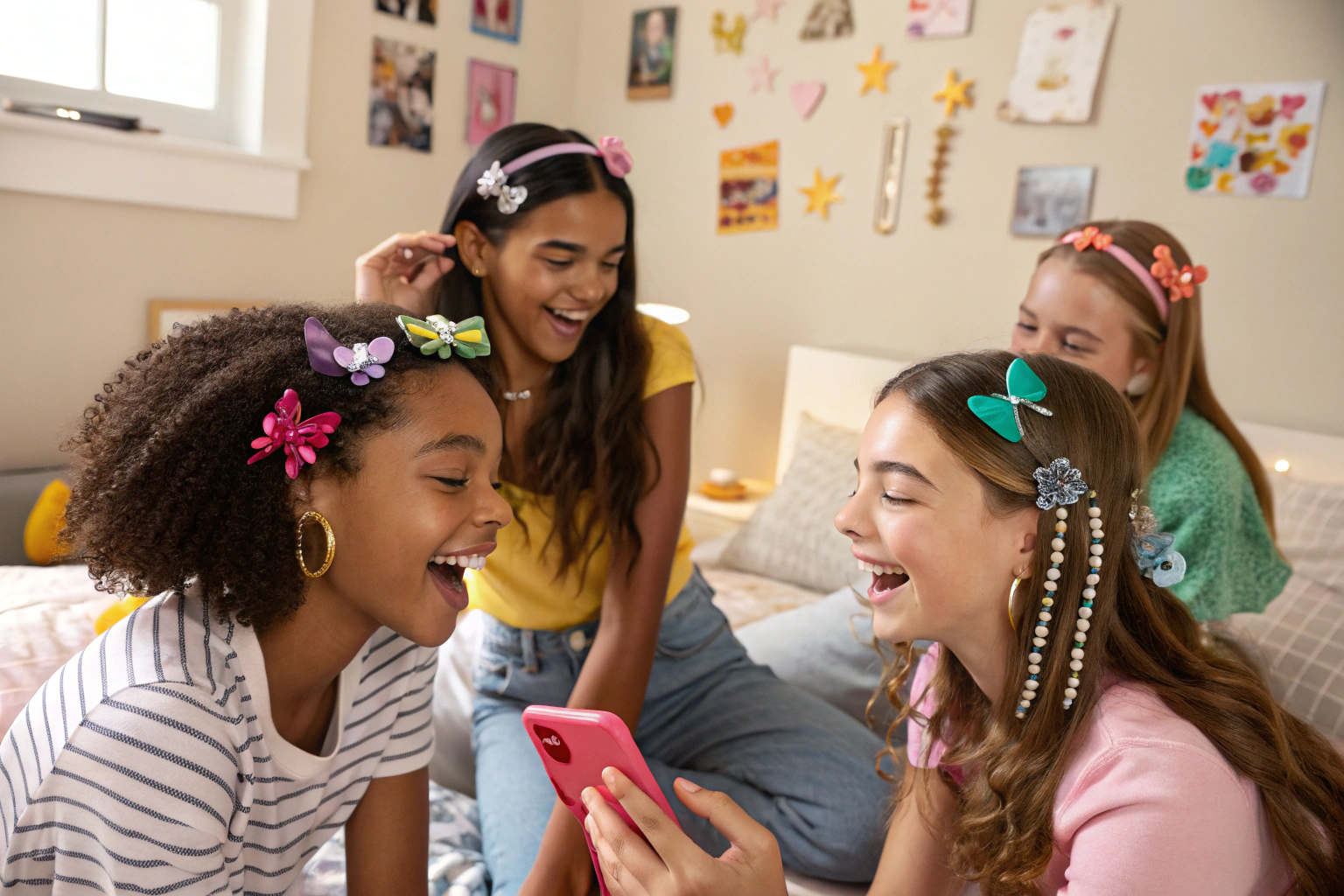
Start with your mission. Why does your brand exist? What problem does it solve? What values does it stand for? For example, your mission might be to provide sustainable, stylish hair accessories for eco-conscious women. Or to offer fun, affordable accessories that help teens express their individuality. Your mission should be authentic and specific. Next, define your target customer. Who are you designing for? Create a detailed customer profile. Include demographics (age, gender, location, income), psychographics (values, interests, lifestyle), and shopping habits. The more specific you are, the better. "Women aged 25-40 who care about sustainability and shop at premium boutiques" is better than "women who like accessories."
Next, define your brand aesthetic. What does your brand look and feel like? Create a mood board with colors, textures, images, and words that capture your aesthetic. Is it minimalist and modern? Bohemian and earthy? Playful and colorful? Your aesthetic should be consistent across your products, packaging, and marketing. Finally, define your brand positioning. How are you different from competitors? What is your unique value proposition? Are you the most sustainable? The most affordable? The most trend-driven? Your positioning will guide your product development and pricing.
How do I define my target customer for private label accessories?
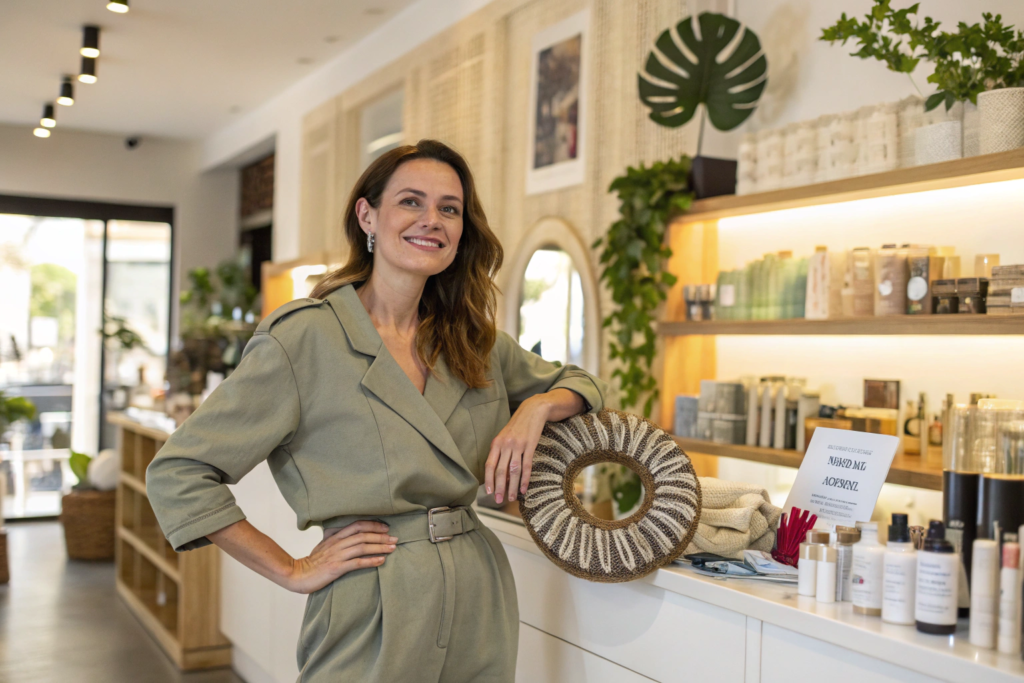
Defining your target customer is one of the most important decisions you will make. A well-defined target customer guides your design, pricing, and marketing. Start with demographics. What is their age? Accessories appeal to a wide range of ages, but different age groups have different preferences. Teenagers love trendy, affordable items. Women in their 20s and 30s may want a mix of trend and timelessness. Women over 40 may prefer classic, high-quality pieces. What is their gender? While many accessories are marketed to women, there are growing markets for men's and unisex accessories. What is their location? Urban customers may have different preferences than suburban or rural customers. What is their income? This affects your price points. Next, consider psychographics. What are their values? Do they care about sustainability? Ethical production? Supporting small businesses? What is their lifestyle? Are they busy professionals? Students? Stay-at-home parents? What are their interests? Fashion? Travel? Fitness? What social media platforms do they use? This affects your marketing. Create a detailed profile. Give your customer a name and a story. "Emily is a 28-year-old marketing professional living in Austin. She cares about sustainability and loves finding unique accessories that express her personal style. She shops at boutiques and follows fashion influencers on Instagram." The more detailed your profile, the easier it will be to make decisions that resonate with her.
What makes a strong brand identity for accessories?
A strong brand identity for accessories is distinctive, consistent, and emotionally resonant. It starts with a clear brand story. Why did you start this brand? What inspires you? A compelling story helps customers connect with your brand emotionally. It includes a strong visual identity. Your logo, color palette, typography, and packaging should be consistent and reflect your aesthetic. For accessories, your packaging is especially important because it is the first physical touchpoint for your customers. It includes a consistent tone of voice. Are you playful? Sophisticated? Empowering? Your tone should be consistent across your website, social media, and packaging. It includes a clear point of view. What do you stand for? Sustainability? Inclusivity? Self-expression? Your point of view should be evident in everything you do. Strong accessory brands like Lelet NY (luxury hair accessories) or Kitsch (affordable, trendy accessories) have distinctive identities. They know who they are and who they serve. At Shanghai Fumao Clothing, we help clients develop their brand identity by asking the right questions and offering insights from our experience with successful private label brands.
How Do I Select My Initial Product Assortment?
Once you have defined your brand, you can select your initial product assortment. This is where you turn your brand identity into physical products. The key is to start focused. A small, well-curated collection is better than a large, unfocused one.
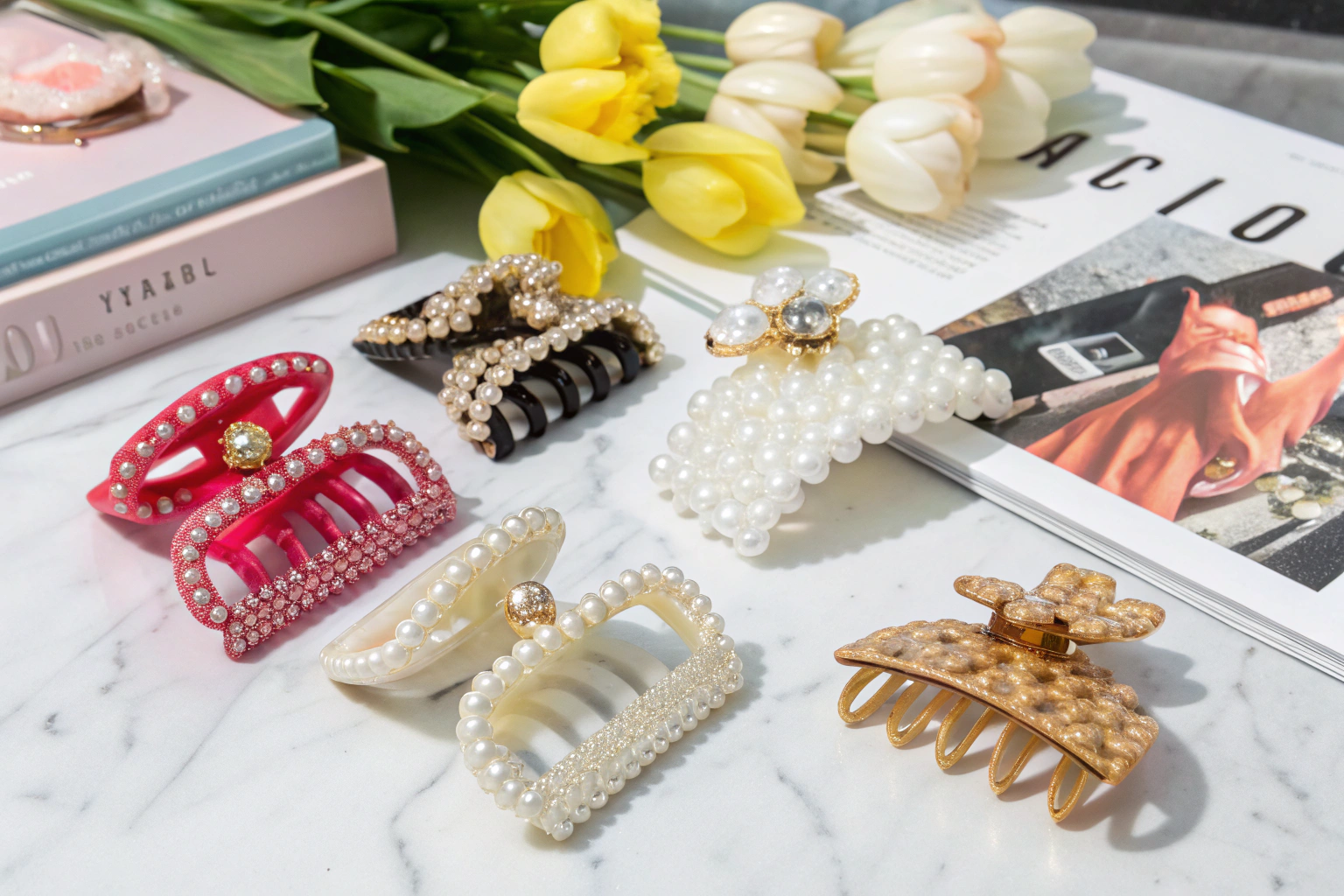
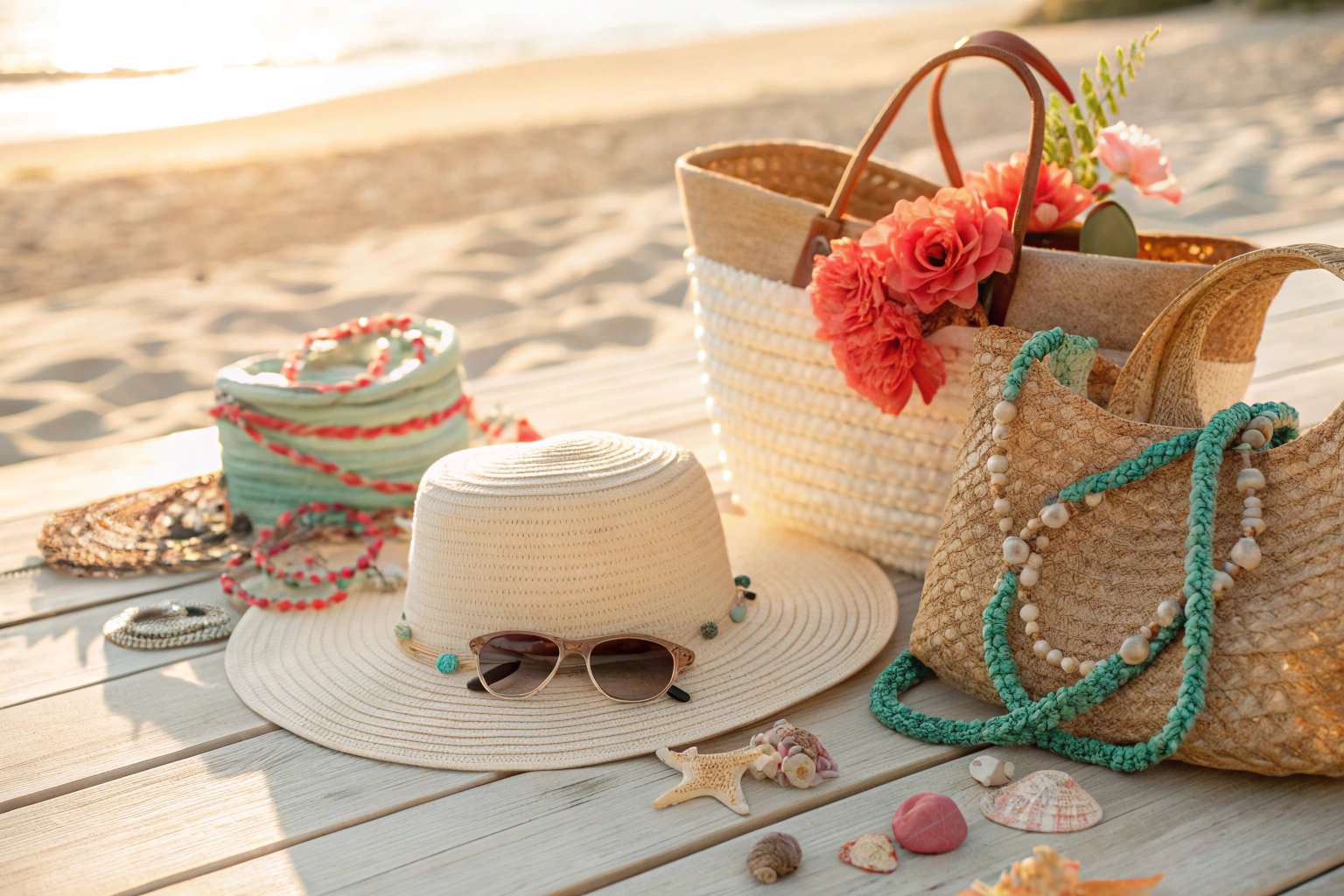
Start by selecting your product categories. For accessories, common categories include hair accessories (clips, headbands, scrunchies), headwear (hats, visors, beanies), and bags. Choose categories that align with your brand and your target customer. For a sustainable brand, you might focus on cork hats and organic cotton scrunchies. For a trend-driven brand, you might focus on beaded hair clips and butterfly clips. Next, select your initial styles. For a first collection, aim for 5 to 10 SKUs. This is manageable for sampling, production, and inventory. Choose a mix of core styles that will have consistent demand and trend-driven styles that will generate excitement.
Consider your price points. Use the "good, better, best" model. Include a value item, a mid-priced item, and a premium item. This appeals to different customer segments. Consider your color palette. Choose 3 to 5 colors that reflect your brand. Use these colors across your assortment for cohesion. Consider your materials. Choose materials that align with your brand values. If you are a sustainable brand, focus on organic cotton, recycled polyester, and cork. If you are a luxury brand, focus on silk, velvet, and premium metals.
How many SKUs should I launch with?
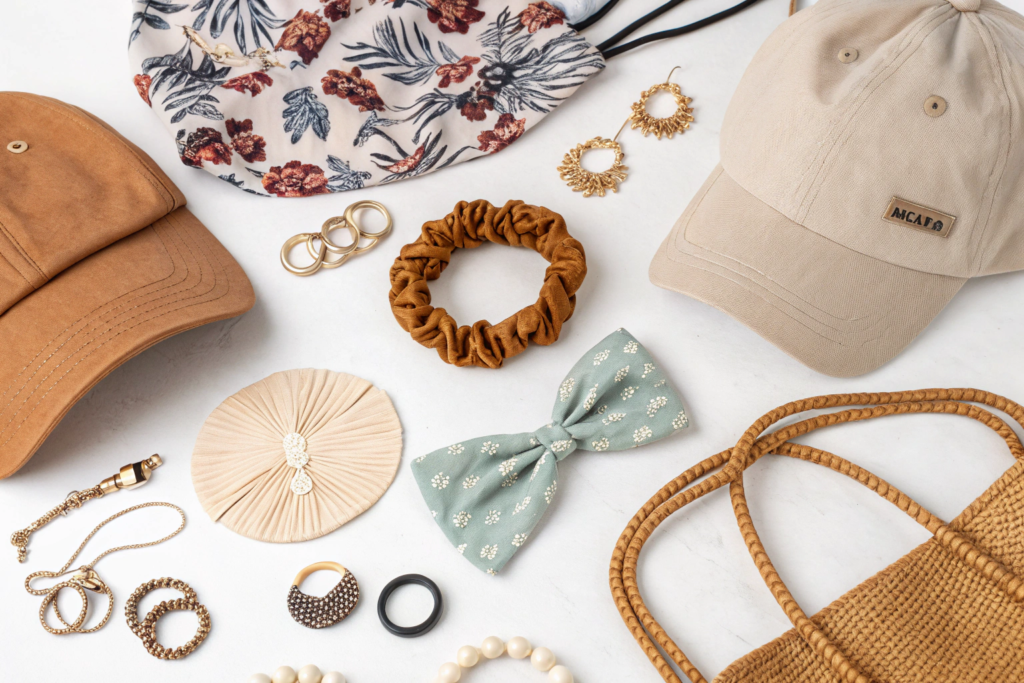
The number of SKUs you launch with depends on your budget, your risk tolerance, and your goals. For most new private label brands, 5 to 10 SKUs is a good starting point. This allows you to test the market without over-investing in inventory. Within these 5 to 10 SKUs, include a mix of categories and price points. For example, you might launch with 3 hair clips, 2 headbands, 1 scrunchie, and 1 hat. Or you might focus on one category with more depth. For hair accessories, you might launch with 5 hair clip styles in multiple colors. The key is to have enough variety to appeal to your target customer but not so much that you spread your budget too thin. A common mistake is launching with too many SKUs. This ties up capital in inventory, increases complexity, and makes it harder to reorder best-sellers quickly. Start small, learn what sells, and then expand. At Shanghai Fumao Clothing, we recommend that new clients start with a focused collection of 5 to 8 SKUs, then add more based on sales data.
What is the ideal mix of core and trend-driven styles?
The ideal mix of core and trend-driven styles depends on your brand positioning. A good starting point is the 80/20 rule: 80% core styles that will sell consistently, and 20% trend-driven styles that generate excitement. Core styles are versatile, timeless items that appeal to a broad range of customers. For hair accessories, core styles might include a black claw clip, a tortoiseshell barrette, and a basic fabric scrunchie. These items will sell year-round and provide consistent revenue. Trend-driven styles are items that capture the moment. They might include butterfly clips, pearl-encrusted barrettes, or neon hair rings. These items generate buzz and attract trend-conscious customers. For a trend-focused brand, you might shift the ratio to 60% core, 40% trend. For a classic, timeless brand, you might do 90% core, 10% trend. The key is to have a clear strategy and to be able to adjust based on sales data. At Shanghai Fumao Clothing, we help clients determine the right mix based on their brand positioning and target market.
How Do I Develop Unique Designs That Reflect My Brand?
Once you have selected your product categories and initial assortment, you need to develop the actual designs. This is where your brand identity comes to life. Your designs should be distinctive, reflect your brand aesthetic, and appeal to your target customer.
Start with inspiration. Create a mood board for each product category. Collect images of colors, textures, shapes, and styles that inspire you. Look at competitors for reference, but do not copy. The goal is to create something unique that fits your brand. Next, sketch your ideas. You do not need to be a professional designer. Simple sketches that show the shape, size, and key details are enough. Work with your manufacturer to translate your sketches into technical drawings. Next, select your materials. Choose materials that align with your brand values and your aesthetic. For a sustainable brand, choose organic cotton, recycled polyester, or cork. For a luxury brand, choose silk, velvet, or premium metals.
Next, select your colors. Use your brand color palette. If you do not have one, create one now. Choose 3 to 5 colors that reflect your brand. Use these colors across your assortment. Finally, consider your packaging. Your packaging should reflect your brand aesthetic. It is the first physical touchpoint your customer has with your brand. Invest in good packaging.
How do I create a mood board for my accessory collection?
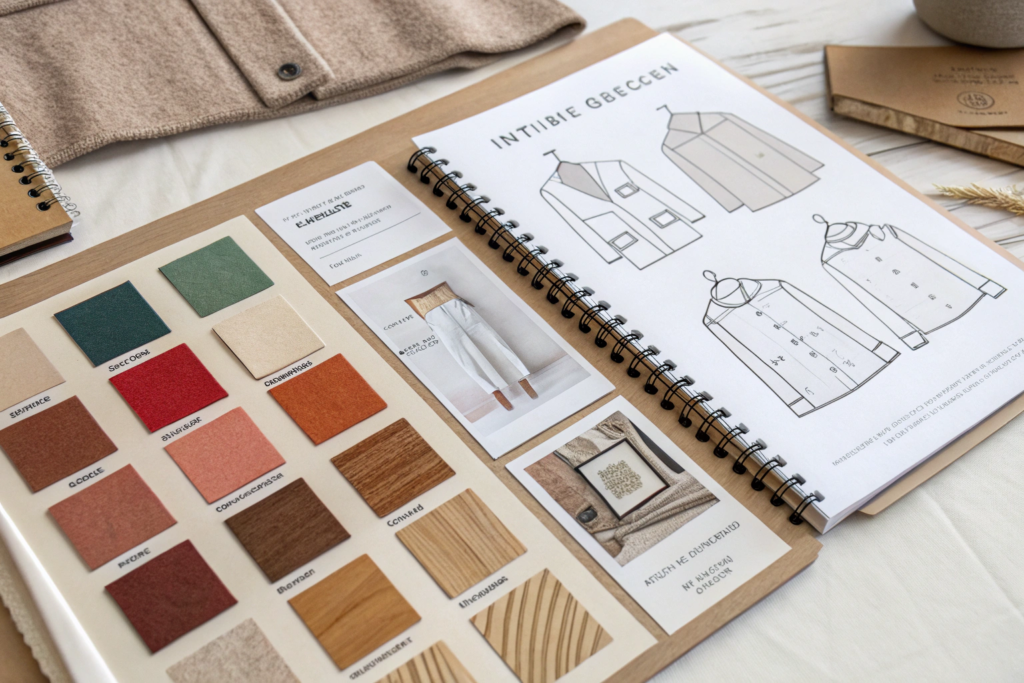
A mood board is a visual tool that captures the look and feel of your collection. It helps you communicate your vision to your manufacturer and ensures consistency across your products. Start by collecting images that inspire you. Use platforms like Pinterest, Instagram, and design websites. Look for images that reflect your brand aesthetic. Include colors, textures, shapes, and styling ideas. Also include images of competitors or reference products that capture elements you like. Next, organize your images. Group them by theme or product category. You might have a board for overall brand aesthetic, a board for hair clips, a board for headbands, etc. Use a digital tool like Canva or Milanote, or create a physical board with printed images. Add notes and annotations. What do you like about each image? What elements do you want to incorporate? Finally, share your mood board with your manufacturer. A good manufacturer will use it to understand your vision. At Shanghai Fumao Clothing, we review mood boards with our clients to ensure we are aligned before we start sampling.
How do I work with my manufacturer on custom designs?
Working with your manufacturer on custom designs requires clear communication and collaboration. Start by sharing your mood board and sketches. Explain your vision, your brand aesthetic, and your target customer. The more context you provide, the better. Next, discuss materials. Ask your manufacturer for material samples. Feel the fabrics, see the colors, and test the hardware. Choose materials that meet your quality standards and your budget. Next, discuss sampling. Agree on a timeline and a sample cost. For custom designs, you will typically need to pay for samples. This is a worthwhile investment to ensure the product meets your expectations. Review the samples carefully. Check the quality, the fit, the colors, and the overall look. Provide clear feedback. If changes are needed, request a revised sample. This process may take a few rounds. Be patient. Once the sample is approved, discuss production. Confirm the minimum order quantities (MOQs), the lead time, and the pricing. Place your order. At Shanghai Fumao Clothing, we guide our clients through every step of the custom design process. We provide material samples, produce high-quality samples, and work collaboratively to refine designs until they are perfect.
How Do I Find The Right Manufacturing Partner?
Your manufacturing partner is critical to your success. The right partner will help you bring your designs to life with quality, reliability, and speed. The wrong partner will cause delays, quality issues, and frustration. Finding the right partner takes time, but it is worth the investment.
Start by looking for factories that specialize in your product categories. A factory that makes hair clips may not be the best choice for hats. Look for factories with experience working with private label brands. They will understand the need for custom designs, smaller MOQs, and fast turnaround. Next, evaluate their capabilities. Do they have the equipment to produce your designs? Do they work with the materials you want? Can they handle your order volume? Next, evaluate their quality. Ask for samples. Examine the quality of the materials, the construction, and the finishing. Ask about their quality control processes. Do they have ISO 9001 certification? Do they have in-process inspection? Next, evaluate their reliability. Ask about their lead times. Ask for references. Contact their past clients and ask about their experience. Did they deliver on time? Was the quality consistent? How did they handle problems?
Finally, consider their communication. Do they respond to emails promptly? Do they understand your vision? Do they ask clarifying questions? Good communication is essential for a successful partnership.
What questions should I ask a potential factory?
Asking the right questions helps you evaluate whether a factory is a good fit for your private label brand. Start with capability questions. What products do you specialize in? What materials do you work with? What is your minimum order quantity (MOQ) for custom designs? What is your typical lead time? Next, ask about quality. Do you have ISO 9001 certification? What is your quality control process? Do you have in-process inspection? Do you use AQL for final inspection? Can you provide test reports for materials? Next, ask about experience. Have you worked with private label brands before? Can you provide references? Do you have experience with my target market (e.g., US, Europe)? Next, ask about intellectual property protection. Are you willing to sign a Non-Disclosure Agreement (NDA)? Will you produce my designs exclusively for me? Next, ask about communication. Who will be my point of contact? How quickly do you respond to emails? Do you have English-speaking account managers? Finally, ask about payment terms. What is your payment schedule? Do you require a deposit? At Shanghai Fumao Clothing, we welcome these questions. We are proud of our capabilities, our quality systems, and our communication.
How do I evaluate a factory's sample quality?
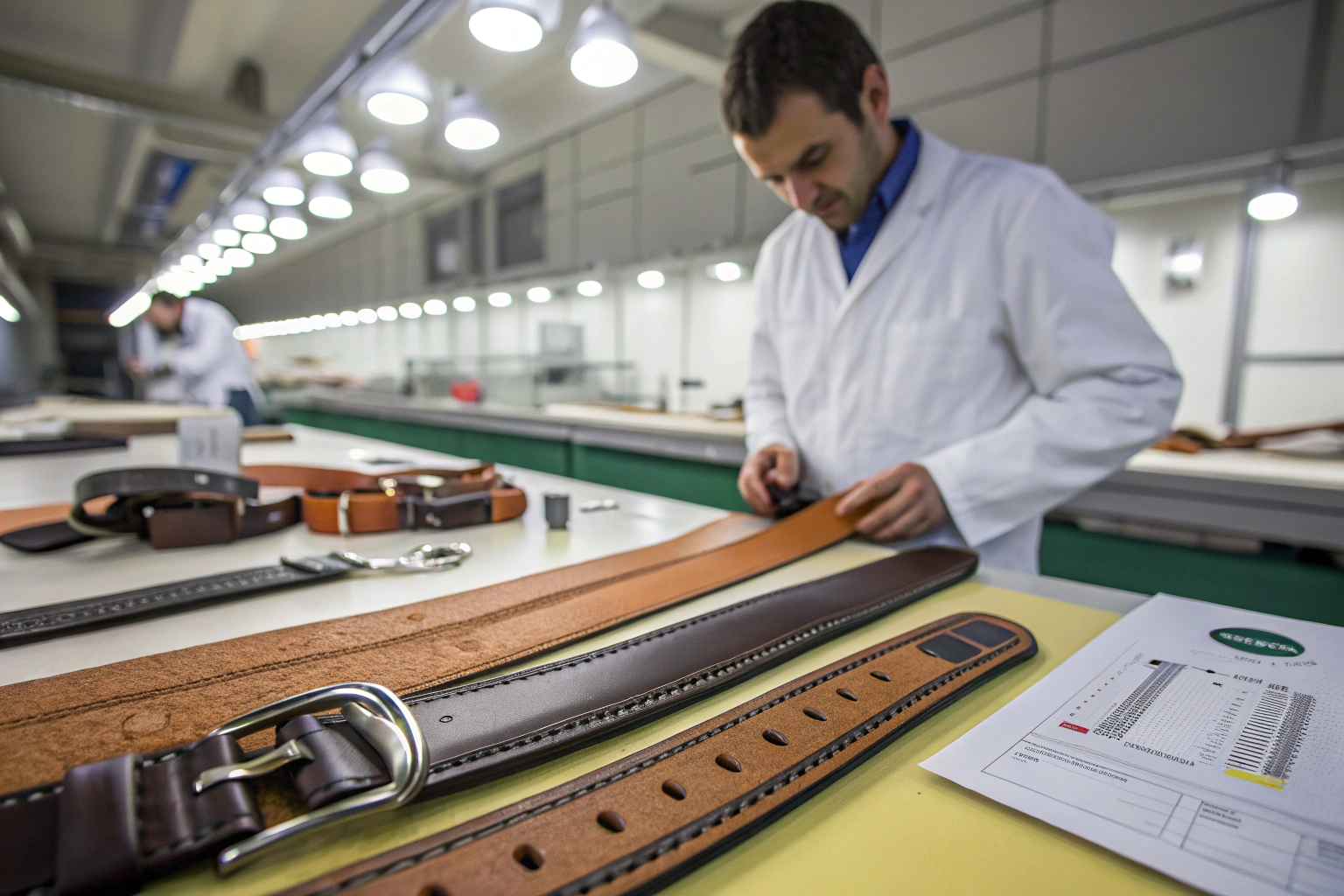
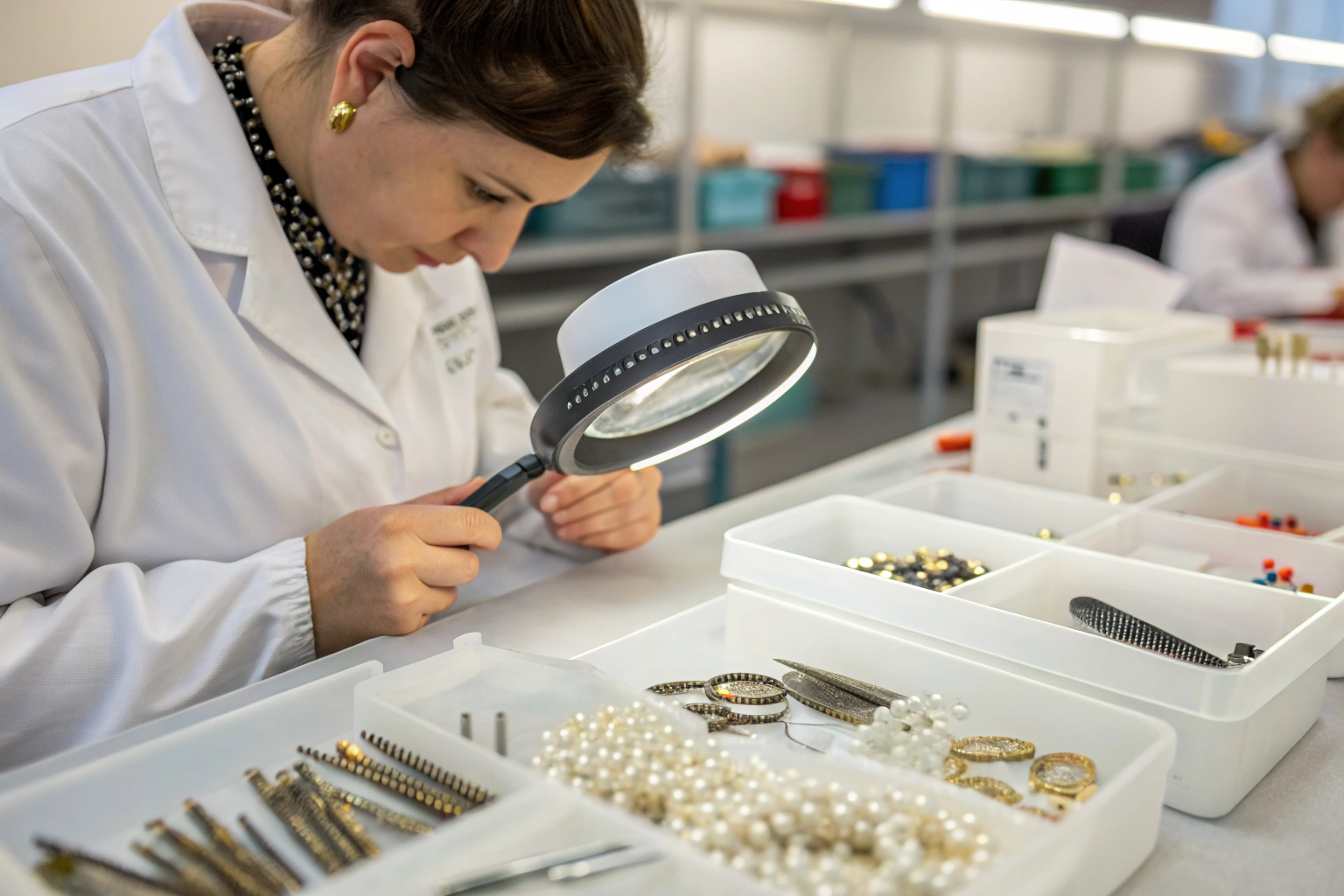
Evaluating a factory's sample quality is one of the most important steps in selecting a manufacturing partner. A sample reveals the factory's skill, attention to detail, and commitment to quality. Start with the materials. Are the materials what you specified? Is the fabric the correct weight? Is the metal the correct finish? Are the embellishments securely attached? Next, examine the construction. Are the seams straight and strong? Is the stitching even? Are there any loose threads? For hair clips, test the spring. Does it open and close smoothly? For hats, check the shape. Is it symmetrical? For bags, check the zipper. Does it open and close easily? Next, examine the finishing. Are the edges clean? Is the printing or embroidery sharp? Is the label correctly positioned? Next, test the durability. For hair clips, try to pull off embellishments. For hats, gently bend the brim. For bags, put some weight in them. Finally, compare the sample to your specifications. Does it match the color? The size? The design? If there are any discrepancies, ask for clarification. A good factory will explain and offer to make corrections. At Shanghai Fumao Clothing, we take pride in our samples. We use them to demonstrate our quality and to ensure we are aligned with our clients' vision.
Conclusion
Creating a successful private label accessory line from scratch is a journey. It starts with defining your brand identity and target customer. It continues with selecting your initial product assortment and developing unique designs that reflect your brand. It requires finding the right manufacturing partner who can bring your designs to life with quality and reliability. It demands careful management of the sampling and production process. And it culminates in a launch and marketing strategy that builds buzz and drives sales.
At Shanghai Fumao Clothing, we have been the manufacturing partner for hundreds of successful private label brands. We understand the journey because we have walked it with our clients. We offer design support, material sourcing, sampling, production, and quality control. We are committed to helping you build a brand that stands out and succeeds.
If you are ready to create your private label accessory line, let's start the conversation. Please contact our Business Director, Elaine, directly at elaine@fumaoclothing.com to discuss your vision and how we can help you bring it to life.