I remember a conversation with a client in early September, just as the summer heat was starting to fade. She was a successful accessory designer, but she was already panicking about the holidays. "Last year was a disaster," she told me. "I launched my holiday line in November, but all the big stores had already placed their orders months before. My products arrived late, I had leftover inventory, and I missed the entire gifting window. I felt like I was playing catch-up the whole time." Her story is one I hear every year. The holiday season is the most wonderful time of the year for sales, but it is also the most merciless for the unprepared.
Creating a successful accessory line for the holiday gift season requires a strategic, year-round approach. It is about planning far in advance, understanding the psychology of gifting, curating a cohesive collection, and partnering with a manufacturer who can deliver quality and volume on a tight, seasonal deadline. Key elements include developing versatile "giftable" items at various price points, creating beautiful, coordinated packaging, and launching early enough to capture the attention of both retailers and consumers. At Shanghai Fumao Clothing, we work with our clients starting as early as January to plan, sample, and prepare for the holiday rush, ensuring they are never caught playing catch-up.
That client's panic was entirely preventable. The holiday season is not a sprint; it is a marathon that requires a year of preparation. The retailers who succeed are the ones who start planning when everyone else is thinking about spring. They understand that the holiday customer is different—they are buying for others, under pressure, and looking for something special. Let me walk you through the four essential strategies for creating a holiday accessory line that sells out, not sits on shelves.
When Should You Start Planning and Producing for the Holidays?
The single biggest mistake in holiday planning is starting too late. If you wait until September or October to think about your holiday line, you have already lost. The major retailers have placed their orders by then. The shipping lanes are congested. The factories are at full capacity. To succeed, you must think backwards from the moment the customer puts the gift under the tree. That moment dictates a timeline that begins many months earlier.
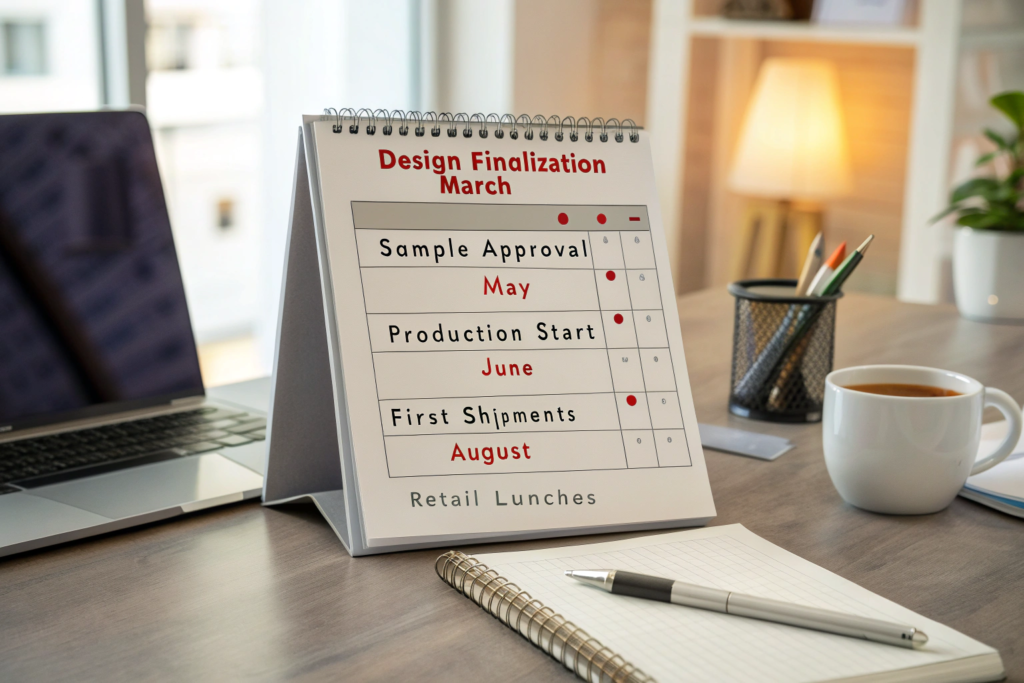
For the Northern Hemisphere holiday season (November-December), a successful timeline starts in January or February of the same year. This is when we begin discussions with our clients about their holiday concepts. By March, designs should be finalized and tech packs created. April to June is for sampling, revisions, and pre-production sample approval. July to September is the prime production window, allowing for shipments to leave China in August and September. This ensures goods arrive at retailers or warehouses in October, in plenty of time for holiday merchandising and early-bird shoppers. This timeline accounts for production, shipping, and any unexpected delays.
Let's break down why this timeline is so critical. January/February is for concept and design. You have just come out of the previous holiday season and have fresh insights into what worked and what didn't. March is for finalizing designs and sourcing materials. This is when you need to secure your specialty yarns, your custom hardware, and your unique fabrics. If you wait, they may be gone. April-June is for sampling. This process can take several rounds. You need time to get it right. July-September is the heart of production. Factories are at their busiest. Booking your production slot early is essential. August/September shipments are ideal. They avoid the peak shipping chaos of October/November. They arrive in time for retailers to set up their holiday displays. And they allow you to capture the early, organized holiday shopper. This is the difference between being proactive and being reactive. It is a classic application of supply chain management for seasonal businesses. At Shanghai Fumao Clothing, we publish our recommended cut-off dates to our clients early in the year, so they can plan accordingly.
What if I have a great idea in September? Is it too late?
For a major production run, yes, it is likely too late for that holiday season. However, you might be able to do a very small, limited drop with a flexible factory for direct-to-consumer sales, using express shipping. It will be more expensive and riskier, but it is possible. The key is to have realistic expectations. For a full-scale launch with retailers, you need the full year's lead time.
Does this timeline apply to the Southern Hemisphere holiday season?
The principle is the same, but the months shift. For the Southern Hemisphere's end-of-year holidays (also November-December), the timeline is identical because production capacity and shipping lanes are global. For other major gift-giving holidays in the Southern Hemisphere, you would need to calculate backwards from that specific date. The key is always to plan backwards from the moment the product needs to be in the customer's hands.
What Makes an Accessory a "Giftable" Item?
Not every accessory makes a good gift. A customer shopping for themselves might take a risk on an unusual color or a daring design. But a customer shopping for someone else is more cautious. They want something they are confident the recipient will love. Understanding this psychology is the key to designing "giftable" items. Your holiday collection must minimize risk and maximize delight.
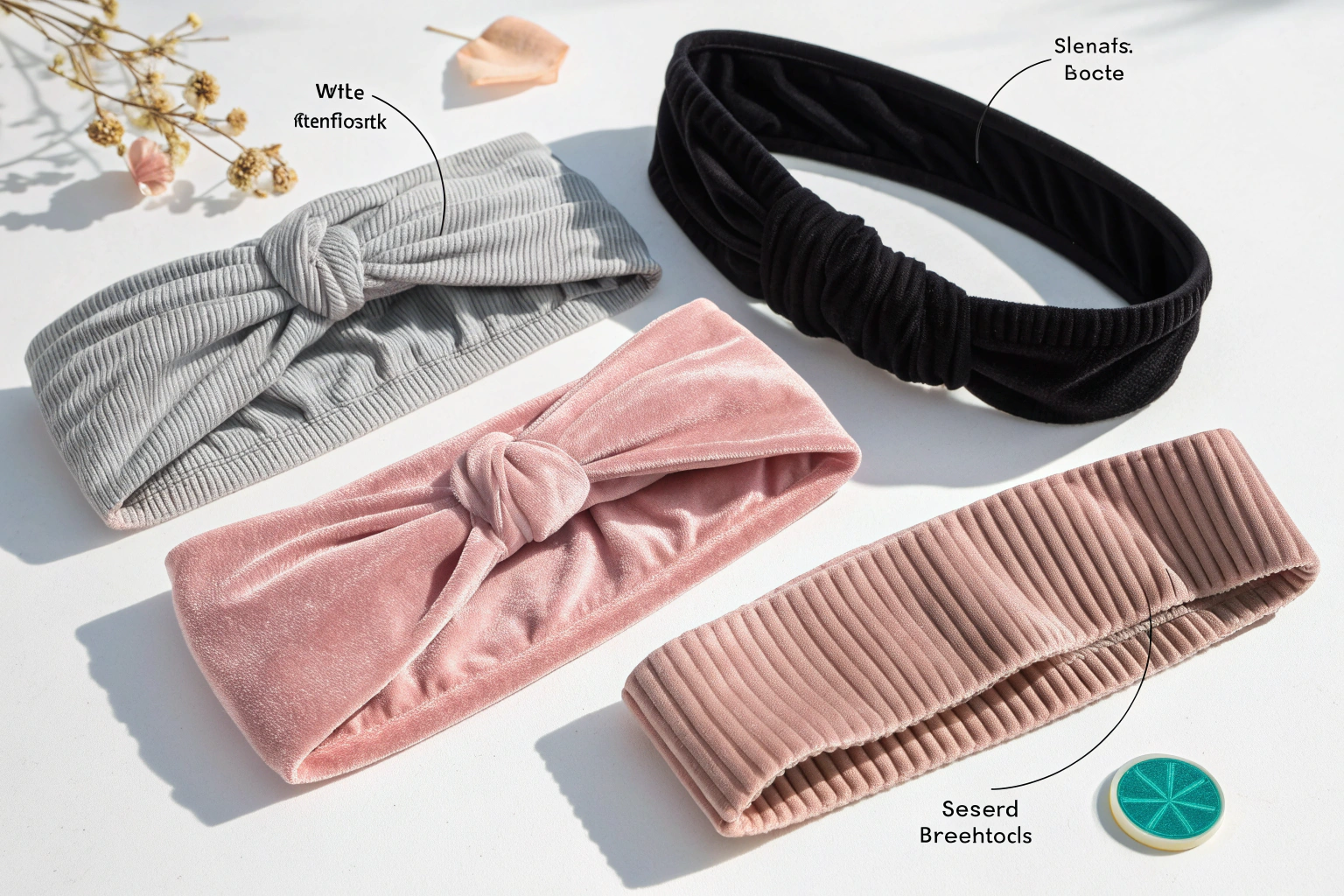
Giftable accessories share several key characteristics. They are versatile and easy to wear, appealing to a broad range of personal styles. They come in classic, appealing colors that are safe but beautiful. They offer perceived value—they look and feel more expensive than they cost. They are often sold in coordinated sets (like a scarf and glove set, or a set of three hair clips), which feels like a more substantial gift. And they are presented in beautiful, gift-ready packaging that requires no additional wrapping. The goal is to make the giver's decision easy and the recipient's experience delightful.
Let's go deeper into each of these points. Versatility means a scarf in a neutral color that will go with many outfits, or a hair clip in a classic style that suits different hair types. Perceived value is created through quality materials and craftsmanship. A scarf made from soft, substantial fabric feels like a much more generous gift than a flimsy one, even at a similar price point. Coordinated sets are a holiday powerhouse. They simplify the giver's decision ("I'll just get them the set") and increase the average order value. They also look more impressive when opened. Gift-ready packaging is non-negotiable. A beautiful box with a ribbon transforms an accessory from a simple item into a present. It saves the giver time and effort and adds to the sense of occasion. This is all about understanding the psychology of gift-giving. At Shanghai Fumao Clothing, we help our clients develop these giftable concepts, from choosing the right colors and materials to designing the perfect coordinated sets and packaging.
Should I include a gift receipt or a note option?
Yes, absolutely. For direct-to-consumer sales, offering a digital gift receipt option at checkout is a huge convenience for gift-givers. It allows the recipient to exchange the item if needed, which reduces the giver's anxiety. For physical retail, having a small, elegant "For You" tag that the giver can write on is a lovely touch.
What are the best price points for holiday gift accessories?
This varies by brand and market, but there are classic "sweet spots." Lower-priced impulse gifts might be $15-$30. Mid-range, substantial gifts often fall in the $30-$75 range. Higher-end, luxury gifts can be $75 and above. A successful holiday line often includes items at multiple price points, from a single, beautiful hair clip to a lavish set. This allows you to capture different types of givers and different relationships.
How Do You Curate a Cohesive Holiday Collection?
A successful holiday line is not just a random assortment of your best-selling items. It is a carefully curated collection with a cohesive story, a unified color palette, and a clear sense of style. This makes it easier for retailers to buy, easier for you to market, and easier for customers to find gifts that feel connected and intentional. A cohesive collection is greater than the sum of its parts.
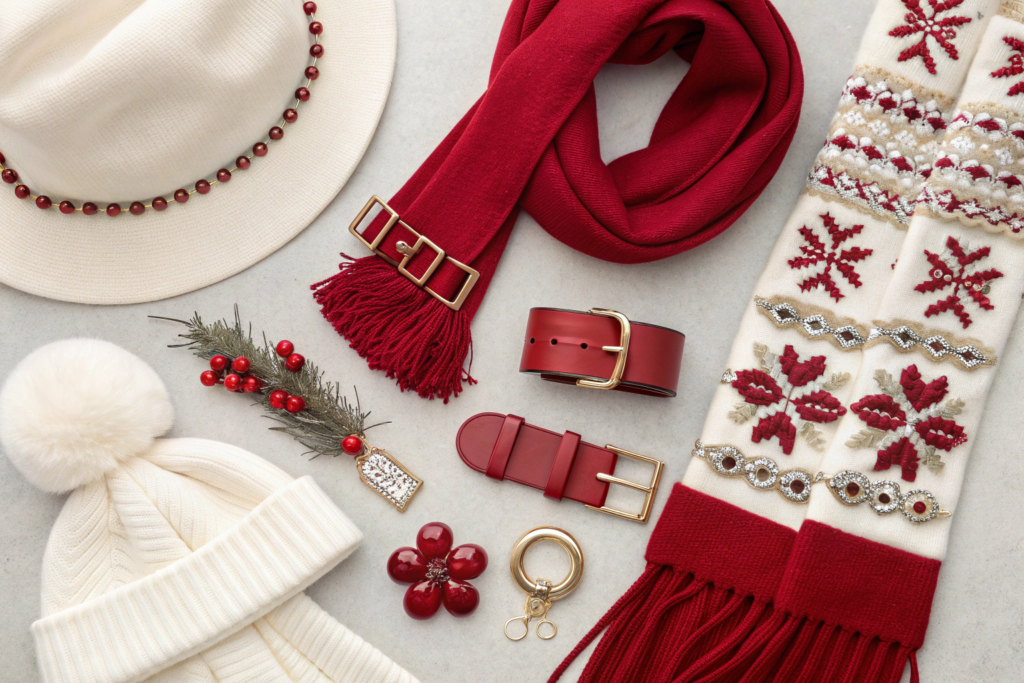
Curating a holiday collection starts with choosing a central theme or inspiration. This could be a color palette (e.g., "Winter Berry," "Frosted Forest," "Gilded Night"), a material story (e.g., "Luxurious Cashmere," "Sparkling Crystals"), or a design motif (e.g., "Fair Isle Knits," "Art Deco Geometry"). Every item in the collection should feel like it belongs to this theme. You then develop a range of items within that theme, at different price points and for different uses. A customer might buy themselves a scarf, their sister a pair of earrings, and their mother a hat, all from the same beautiful, cohesive collection.
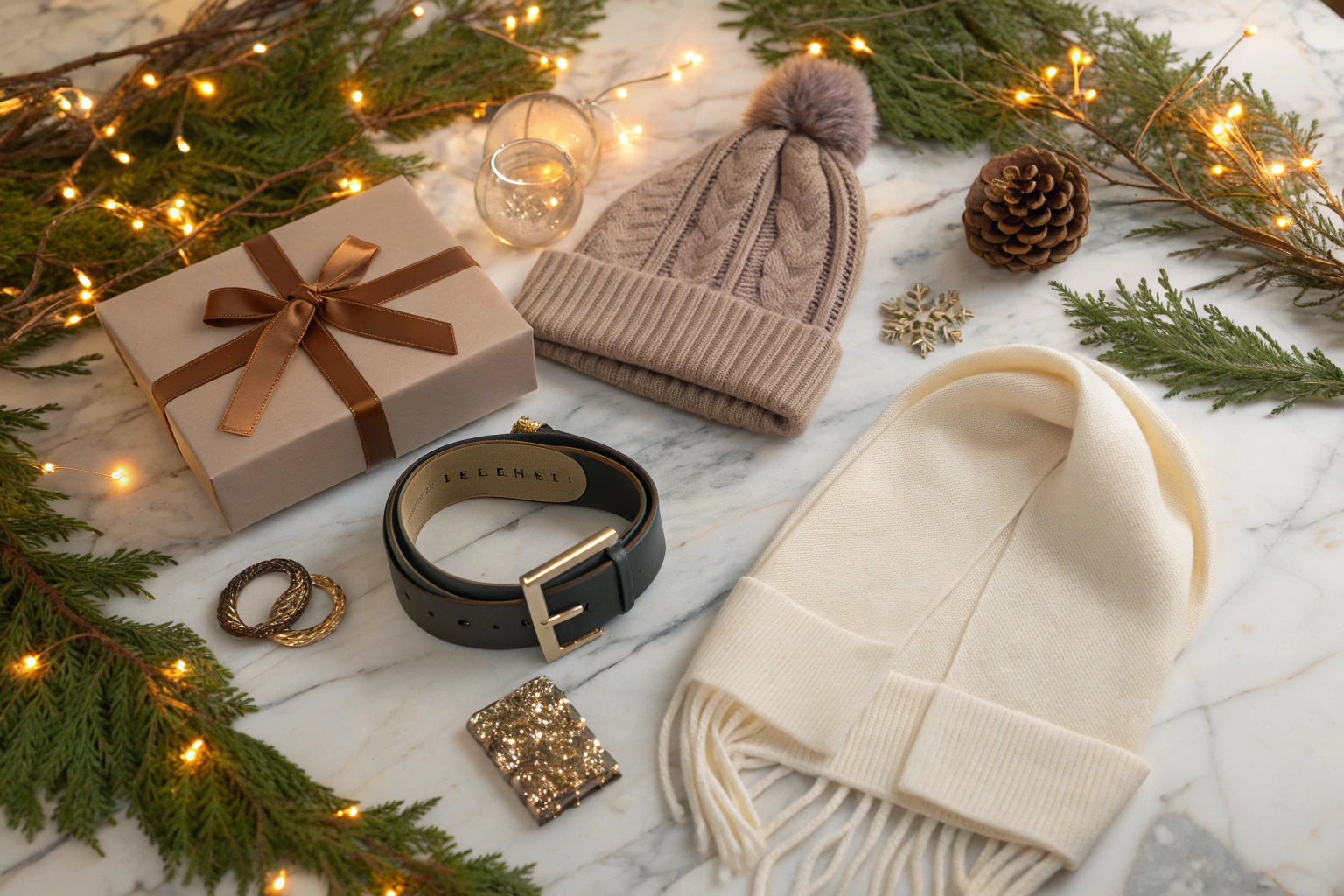
Let's imagine a theme: "Fireside Glow." The color palette is warm, rich tones: deep burgundy, burnt orange, creamy ivory, and touches of gold. The materials are soft, tactile, and cozy: cashmere blends for scarves, plush fleece for hats, and warm-toned metals for hair clips. The collection could include: a cashmere-blend scarf in burgundy, a matching knit beanie with a faux-fur pompom, a set of gold-toned hair pins with small amber-colored crystals, and a wide, soft leather belt in burnt orange. Every item echoes the theme. When you present this collection to a buyer or on your website, it tells a story. It invites the customer into a world. It makes the shopping experience easier and more pleasurable. This is the essence of merchandising and collection building. At Shanghai Fumao Clothing, our design team can help you develop these themes and translate them into a manufacturable, cohesive line.
How many items should be in a holiday collection?
There is no magic number. It depends on the size of your brand and your distribution channels. A small, direct-to-consumer brand might launch a focused collection of 5-10 items. A larger brand selling to department stores might need 20-30 items to fill a shop-in-shop. The key is to have enough depth to offer choice, but not so much that the collection feels unfocused. A good rule of thumb is to have a hero item (the star of the show), a few supporting best-seller styles, and a couple of unique statement pieces.
Should I include items for men in my holiday collection?
If your brand has a male customer base, absolutely. Holiday gifting is a prime opportunity to capture male shoppers buying for women, and women buying for men. Consider adding a few menswear-inspired or gender-neutral items, like a classic leather belt, a simple cashmere beanie, or a solid-colored scarf in a masculine color palette. This expands your potential audience significantly.
How Crucial Is Packaging and Presentation for Holiday Gifts?
In the holiday season, the packaging is almost as important as the product itself. A beautiful accessory presented in a flimsy polybag feels like a letdown. The same accessory presented in a beautiful, rigid box with a ribbon feels like a treasure. The unboxing experience is a critical part of the gift-giving ritual. It is the first thing the recipient sees, and it sets the tone for their entire perception of the gift. Investing in beautiful packaging is not an expense; it is an investment in customer delight.
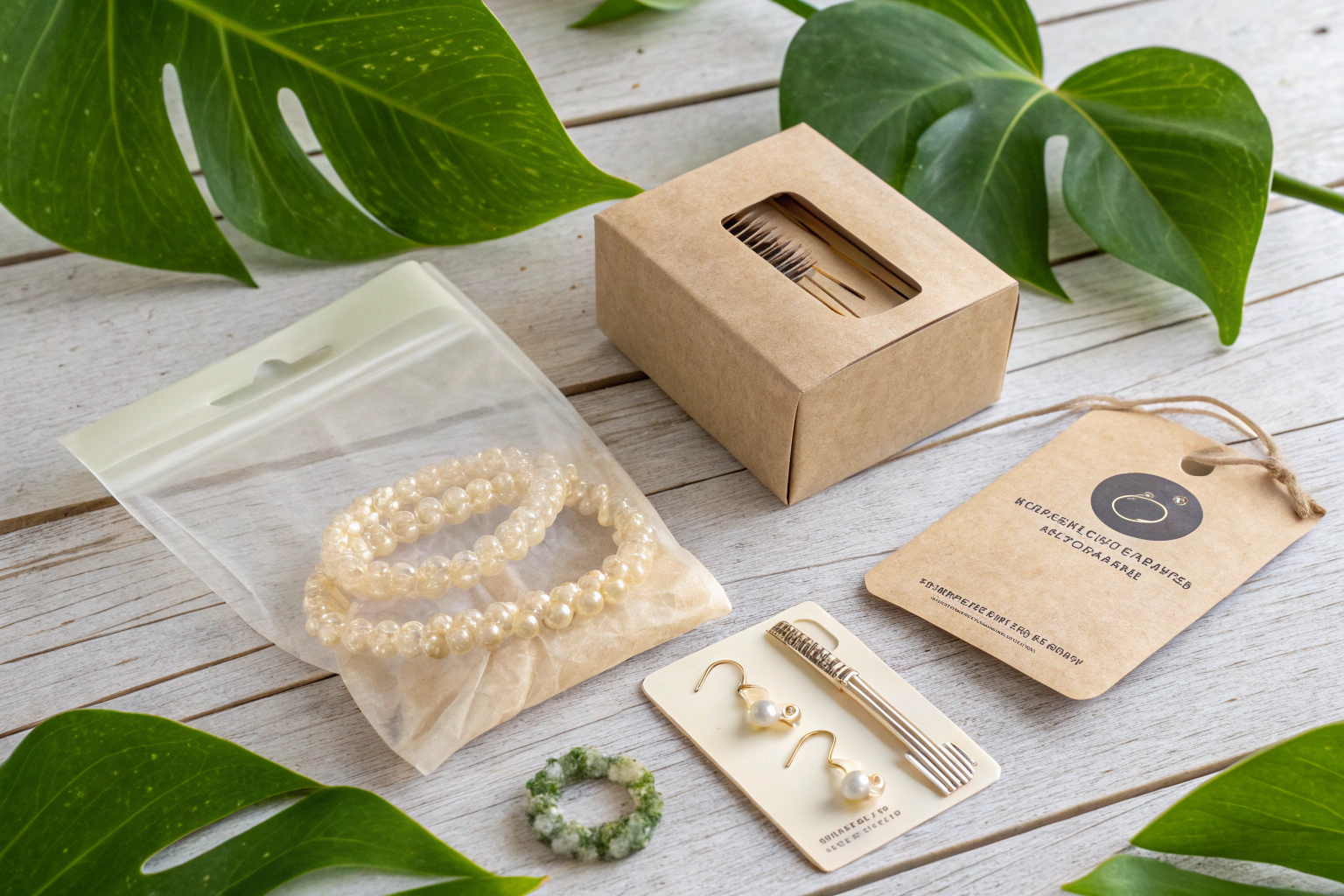
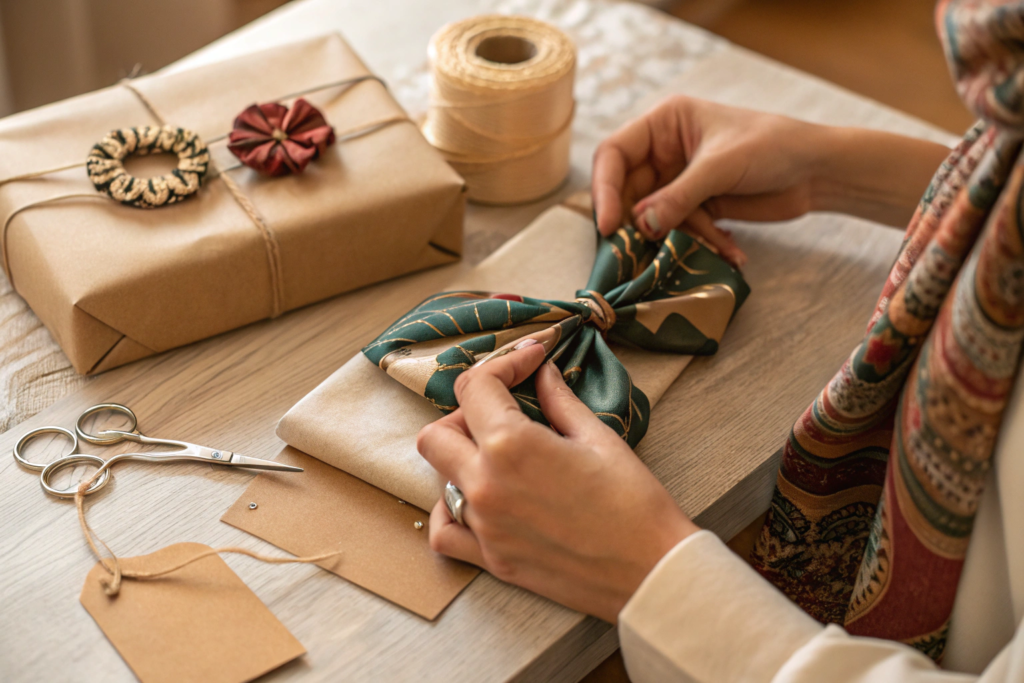
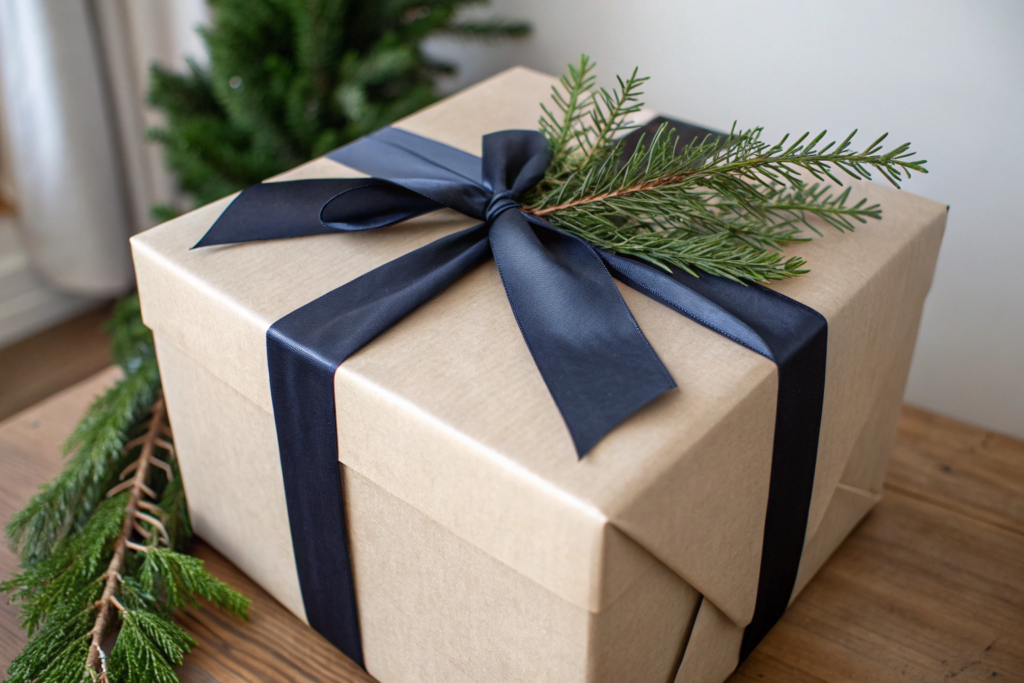
Holiday packaging should be designed to be gift-ready. This means a sturdy, beautiful outer box that needs no further wrapping. The box should be in a festive color or have a special holiday design. Inside, the accessory should be nestled in tissue paper or a custom insert. A ribbon, a wax seal, or a sprig of dried botanicals adds a final, thoughtful touch. The packaging should also be practical, protecting the item during its journey. And increasingly, it should be sustainable, using recycled and recyclable materials, as eco-consciousness is a major factor for today's gift-givers.
The psychology of gift packaging is powerful. It signals that the giver put thought and care into the present. It elevates the perceived value of the item inside. A $40 scarf in a $5 box can feel like a $60 scarf. A $40 scarf in a polybag feels like a $20 scarf. The packaging is part of the gift. For the holiday season, you can create special, limited-edition packaging. This could be a box with a festive pattern, a ribbon in a holiday color, or a small, branded gift tag with a space for a personal message. This creates a sense of occasion and makes your product stand out under the tree. It also creates amazing content for social media, as recipients love to share beautiful unboxing videos. This focus on the unboxing experience is a key driver of brand loyalty. At Shanghai Fumao Clothing, we can source and produce custom holiday packaging that is both beautiful and sustainable, ensuring your products arrive in perfect, presentable condition.
Should I offer gift wrapping as a service or include it by default?
For the holiday season, including beautiful, gift-ready packaging by default is a powerful strategy. It removes a burden from the gift-giver and ensures a consistent, high-quality presentation. If you offer it as a paid add-on, many customers will skip it, and you miss the opportunity to create that delightful unboxing moment. We recommend building the cost of beautiful, standard gift packaging into your product pricing for the holiday season.
What are the most popular colors for holiday packaging?
Classic holiday colors like deep red, forest green, gold, and silver are always popular. However, a more modern, sophisticated palette of cream, charcoal, burgundy, and a touch of gold can also be very effective and stand out from the crowd. The key is to choose colors that complement your brand and your collection. The packaging should feel like a natural extension of your product's aesthetic.
Conclusion
Creating a successful accessory line for the holiday gift season is a year-round endeavor. It requires strategic planning, a deep understanding of the gift-giver's psychology, a curated and cohesive collection, and an unwavering commitment to beautiful presentation. It is about anticipating the moment of joy when a gift is given and received, and designing every step of the journey to contribute to that joy.
At Shanghai Fumao Clothing, we are your partners in this journey. We understand the timelines, the pressures, and the opportunities of the holiday season. We start planning with our clients in January, helping them refine their concepts, source the perfect materials, and schedule production to ensure their goods arrive on time, every time. We can help you develop giftable sets, create beautiful custom packaging, and deliver the quality that makes your accessories the highlight of someone's holiday morning.
Are you ready to make next holiday season your most successful yet? Let's start planning today. Contact our Business Director, Elaine, at elaine@fumaoclothing.com to begin.