I remember a client who called me in a panic. She had ordered 5,000 beautiful silk scarves for a summer collection. They sold out in weeks. Then the returns started. Customers were complaining that after one wash, the colors looked dull and washed out. The scarves were beautiful when new, but they didn't last. That call taught me something important. Color fading isn't just a technical problem. It's a business problem. It affects your brand reputation, your return rates, and your customer satisfaction.
Controlling color fading in fashion scarves requires attention at every stage: selecting the right fibers, using high-quality dyes, following proper dyeing processes, conducting rigorous testing, and providing clear care instructions. The key is working with a manufacturer who understands color science and quality control.
I'm the owner of Shanghai Fumao Clothing, and we run AceAccessory. We've learned through years of experience how to make colors last. Let me share what we've discovered.
What causes color fading in scarves?
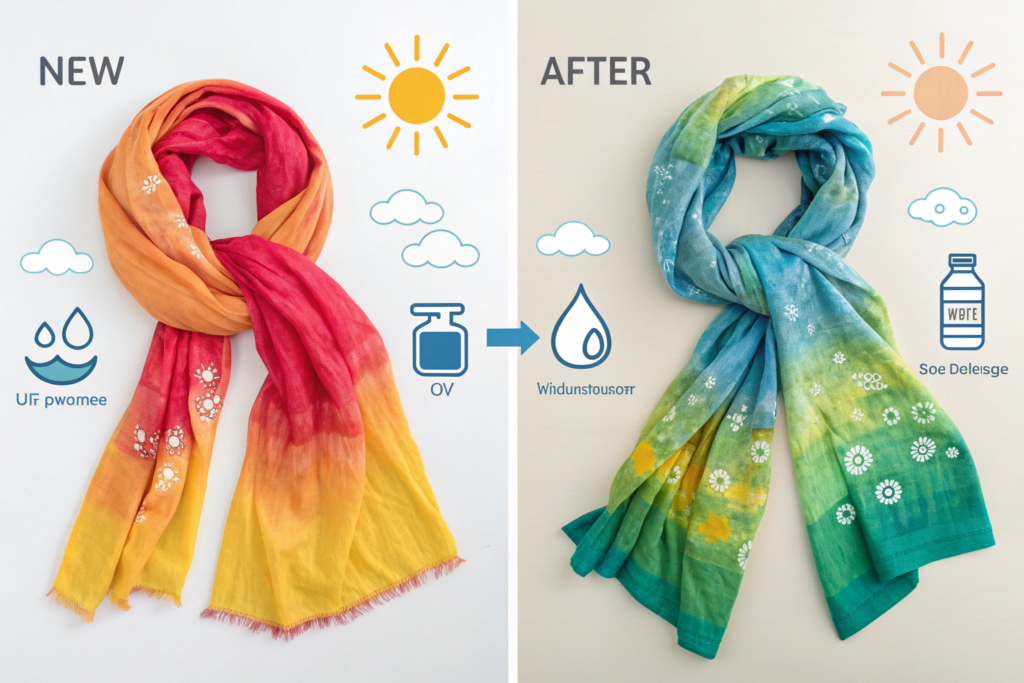
Color fading happens for several reasons. The most common is light exposure. UV rays from the sun break down the chemical bonds in dyes. This is why scarves left in store windows or worn on sunny days can fade over time. The second cause is washing. Detergents, hot water, and agitation can all strip color from fibers. The third cause is chemical exposure. Things like perspiration, lotions, and even air pollution can react with dyes and cause fading.
Different fibers also behave differently. Natural fibers like cotton and silk absorb dye differently than synthetics. Some dyes bond better with certain fibers. Understanding these relationships is the first step in controlling fading. You can't just pick any dye for any fabric and hope for the best. The chemistry has to match. This is why working with an experienced manufacturer like Shanghai Fumao Clothing makes such a difference.
How does UV exposure affect different scarf materials?
UV light is brutal on colors. It breaks down the molecular structure of dyes. Silk is particularly vulnerable. It's a protein fiber, and UV light can damage both the fiber and the dye. Wool is more resistant because it has a natural protective structure. Synthetics like polyester are generally more UV-resistant, especially if they're solution-dyed. For scarves intended for outdoor use, we often recommend UV-resistant treatments or choosing fibers with better inherent resistance. You can learn more about lightfastness testing from industry standards organizations.
What role do detergents and washing play in color loss?
Washing is the number one cause of color fading for most consumers. Hot water opens up fibers and allows dye to escape. Harsh detergents strip color. Agitation rubs color off. Even the minerals in hard water can affect dyes. We always provide care instructions with our scarves. Cold water, gentle detergent, and air drying make a huge difference. But we also design our scarves to withstand normal washing. We test them under realistic conditions, not just ideal ones.
How do you choose the right dyes for colorfastness?
Not all dyes are created equal. Reactive dyes bond chemically with fibers and are very permanent. They're excellent for cotton and other cellulosic fibers. Acid dyes are used for protein fibers like silk and wool. They also bond well but have different properties. Disperse dyes are used for synthetics like polyester. Each dye type requires different conditions to bond properly.
The quality of the dye matters too. Cheap dyes might look fine initially but fade quickly. High-quality dyes from reputable suppliers cost more but perform better. We only use dyes from certified suppliers. We can trace every batch. This traceability is essential for consistent quality. When a client orders a reorder years later, we can match the color exactly because we know exactly what dye was used.
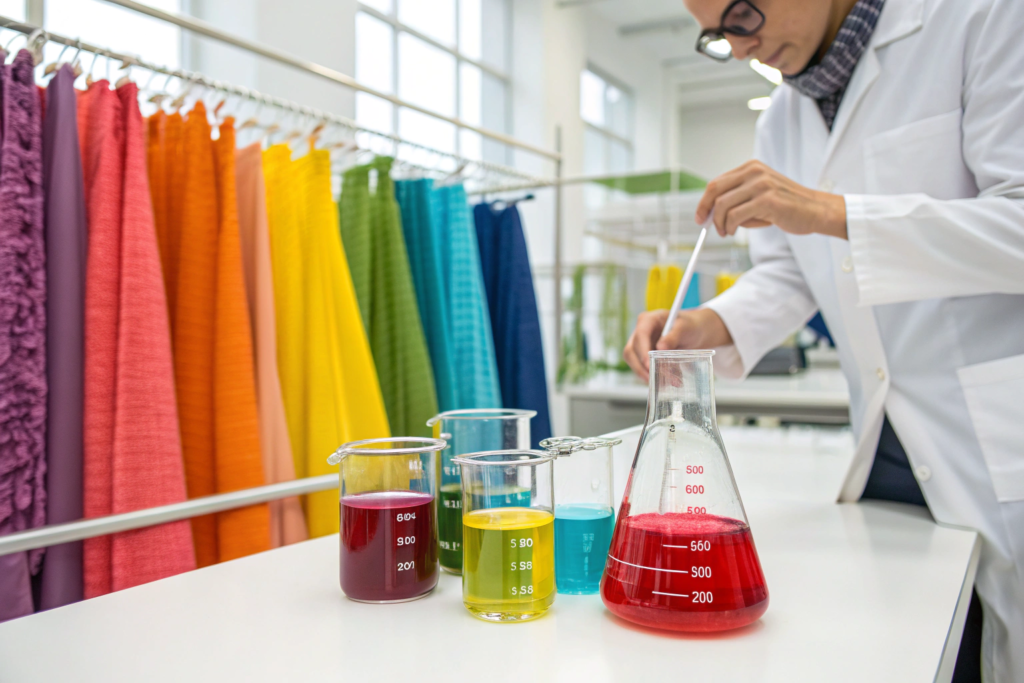
What are the differences between reactive, acid, and disperse dyes?
Reactive dyes form a chemical bond with the fiber. They're excellent for cotton, linen, and rayon. They're bright and wash-resistant. Acid dyes are used for protein fibers like silk, wool, and nylon. They require acidic conditions to bond. They produce rich, deep colors. Disperse dyes are used for polyester and other synthetics. They're not water-soluble. They're suspended in water and penetrate the fiber under heat and pressure. Each type requires specific expertise to apply correctly. Using the wrong dye for a fiber guarantees fading.
How does dye quality impact long-term color retention?
High-quality dyes have better molecular stability. They resist breakdown from light, water, and chemicals. They're also more consistent from batch to batch. Cheap dyes might have impurities that accelerate fading. They might not bond as completely, leaving loose dye that washes out. We test every batch of dyed fabric. We measure colorfastness to light, to washing, to perspiration. If a dye doesn't meet our standards, we reject it. This quality commitment is why clients trust Shanghai Fumao Clothing for their most color-sensitive products.
What testing methods ensure colorfastness?
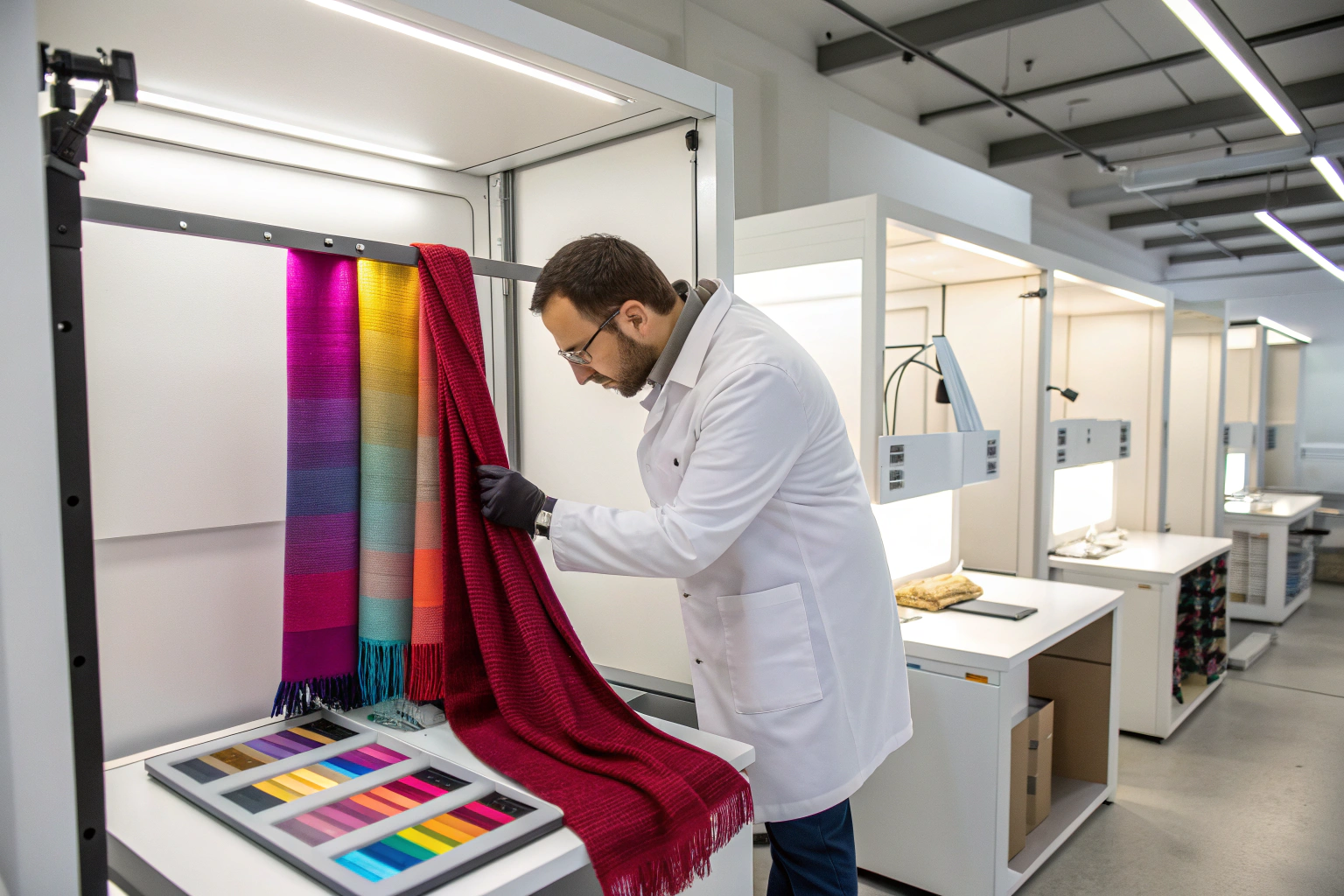
Testing is not optional for color-critical products. We test every production run. We test for colorfastness to light, to washing, to rubbing, and to perspiration. Each test simulates different real-world conditions. Lightfastness tests expose samples to controlled UV light for specific periods. Wash tests simulate multiple wash cycles. Crocking tests rub dry and wet fabric to see if color transfers.
We use standardized testing methods. AATCC standards in the US. ISO standards internationally. These give us objective, repeatable results. We share these results with clients. If a client has specific requirements, we test to those too. Some retailers have their own standards that are even stricter. We meet them.
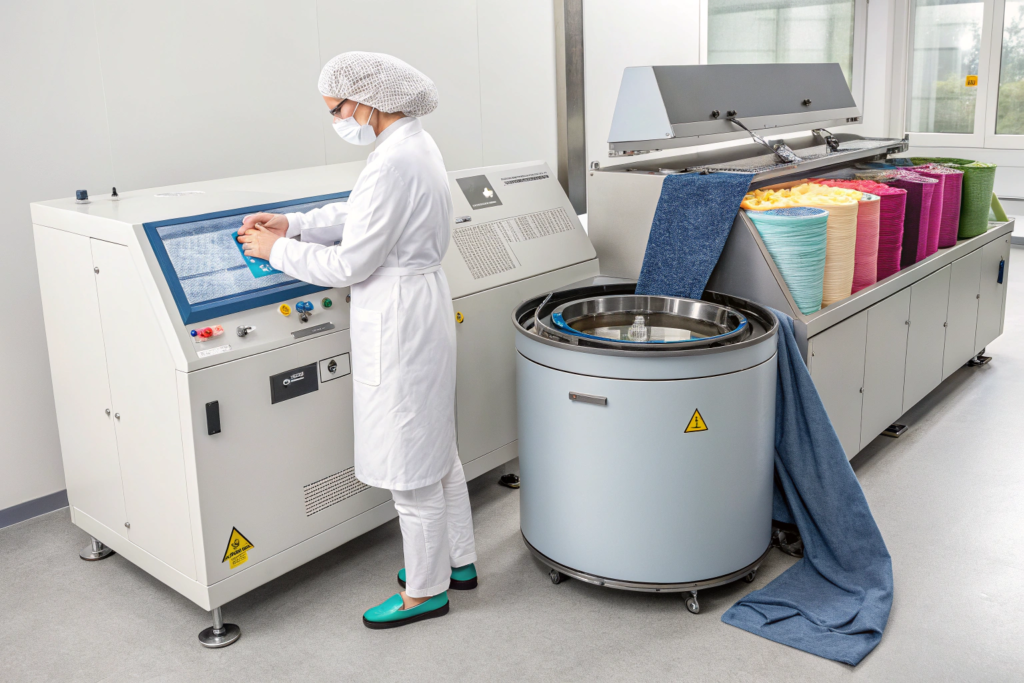
What is the AATCC lightfastness test and why does it matter?
The AATCC lightfastness test exposes fabric samples to a controlled light source for a specified time. The samples are compared to a blue wool standard that fades at a known rate. Results are rated from 1 to 8, with 8 being best. For scarves that will be worn outdoors, we aim for a rating of 5 or higher. This standardized testing gives us confidence that our scarves will hold up in real-world conditions. You can learn more about lightfastness standards from ASTM International.
How do wash tests predict real-world color retention?
Wash tests simulate multiple home laundering cycles in a controlled environment. We test at different temperatures, with different detergents, for different cycle lengths. We measure color change and color transfer to other fabrics. A scarf that passes 5 wash cycles with minimal fading will likely last for years with normal care. We share wash test reports with clients so they know exactly what to expect. This transparency builds trust.
How can finishing processes improve colorfastness?
The dyeing process is just the beginning. What happens after dyeing matters just as much. Proper rinsing removes unfixed dye that would otherwise wash out later. Fixing agents can be applied to lock dyes in place. Some fabrics benefit from UV absorbers that protect both the fiber and the dye. These finishing treatments add cost but improve performance.
We use different finishing treatments depending on the fiber and the intended use. A scarf that will be worn mainly indoors might not need UV protection. A scarf for beach vacations definitely does. We discuss these options with clients. We help them choose the right treatments for their market and their price point.
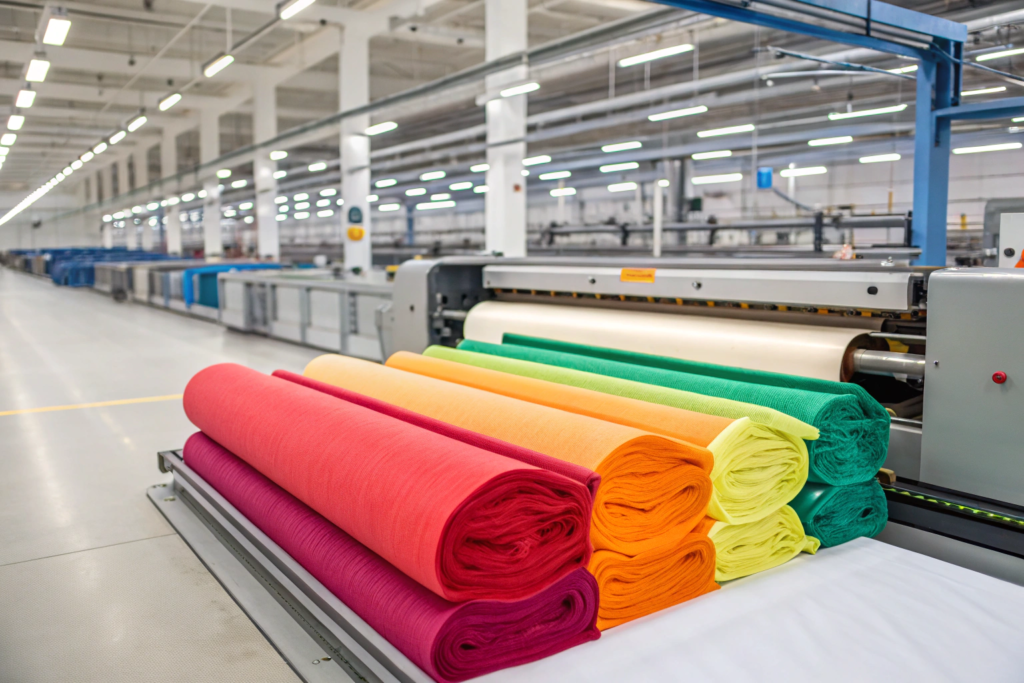
What fixing agents can be used to lock in color?
Fixing agents are chemicals that help dyes bond more strongly to fibers. They're different for different dye types. For reactive dyes on cotton, cationic fixing agents are common. They form a complex with the dye that resists washing out. For acid dyes on silk, tannic acid treatments can improve fastness. We select fixing agents based on the specific dye and fiber combination. We test to ensure they don't affect the hand feel or appearance of the fabric.
Do UV protective finishes help prevent fading?
Yes, they do. UV absorbers can be applied to fabrics during finishing. They work by absorbing harmful UV radiation and converting it to harmless heat. This protects both the dye and the fiber underneath. For scarves that will see a lot of sun, these treatments are valuable. They're not a substitute for good dye selection, but they add an extra layer of protection. We offer UV protective finishes for clients who need maximum color retention in sunny conditions.
Conclusion
Controlling color fading in fashion scarves is a science. It starts with choosing the right fibers and the right dyes. It continues with proper dyeing and finishing processes. It requires rigorous testing to verify performance. And it depends on clear customer communication about proper care. Each step matters. Skip any step, and you risk faded colors and unhappy customers.
At Shanghai Fumao Clothing, we've spent years perfecting our color processes. Our factory in Zhejiang has modern equipment and skilled technicians. Our quality control team tests every batch. Our project managers work with clients to understand their specific color requirements. If you're planning a scarf collection and color retention is critical, let's talk. Reach out to our Business Director, Elaine, at elaine@fumaoclothing.com. She'll connect you with a project manager who can walk you through our color control process.