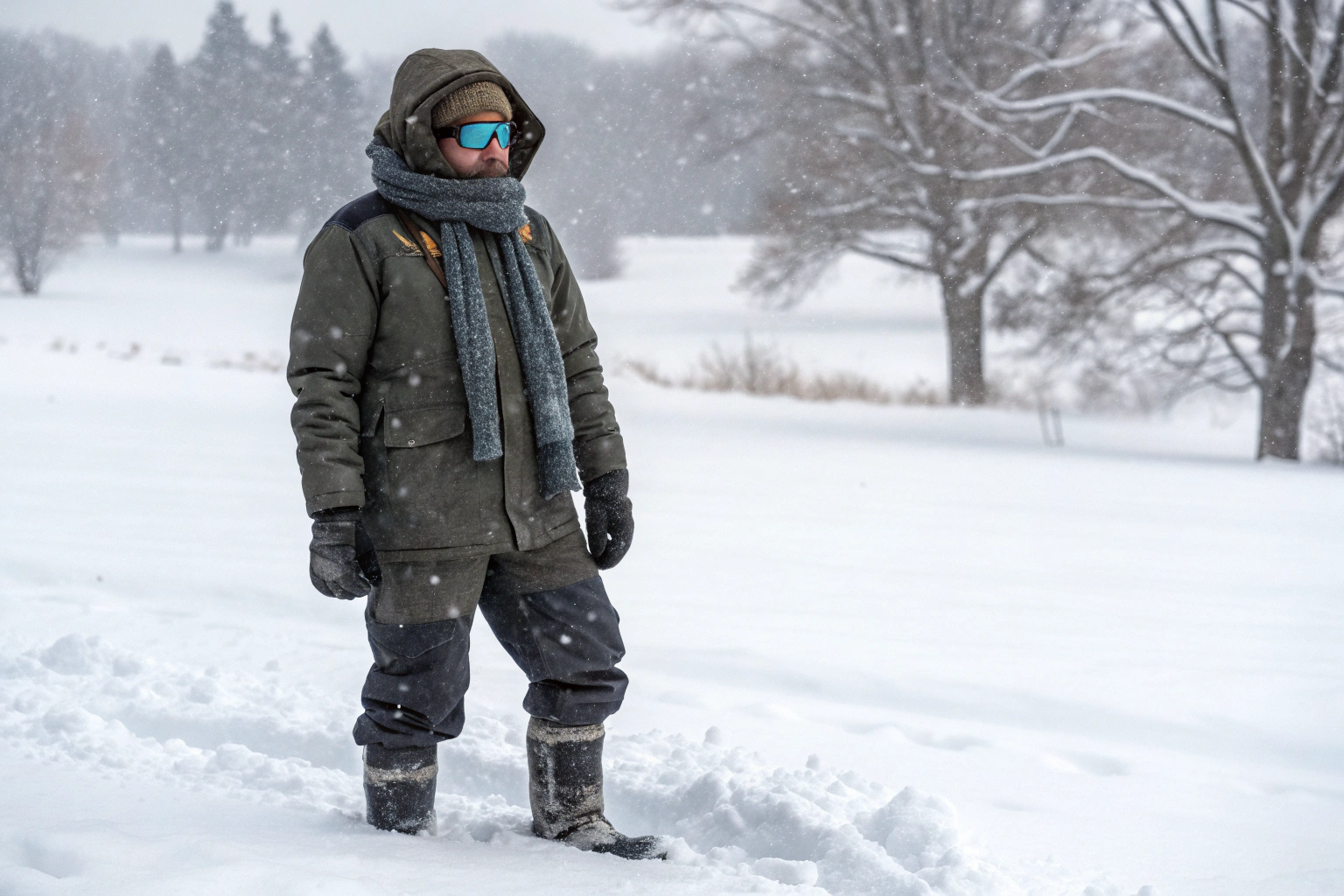
Selecting appropriate winter accessories for cold climates requires careful consideration of materials, design features, and practical functionality. The right choices can significantly enhance comfort, safety, and style during harsh winter conditions while preventing cold-weather injuries and discomfort.
Choosing winter accessories for cold climates involves prioritizing insulation quality, wind and water resistance, proper coverage, and material performance in low temperatures. At AceAccessory, our expertise in manufacturing winter accessories for markets like North America, Europe, and Russia informs our understanding of how different products perform in various cold-weather scenarios, from dry continental cold to damp maritime winters. Explore our full range of winter accessories crafted for extreme cold at Shanghaifumaoclothing https://www.shanghaigarment.com.
This comprehensive guide provides detailed guidance on selecting winter accessories for cold climates, covering material science, design features, layering strategies, and specific product recommendations for different temperature ranges and activities.
What Materials Provide the Best Insulation in Cold Climates?
Understanding insulation materials is fundamental to selecting effective winter accessories, as different materials offer varying warmth-to-weight ratios, moisture management properties, and performance in specific cold-weather conditions.
The most effective insulating materials include natural fibers like wool and down, synthetic insulations like PrimaLoft and Thinsulate, and specialized hybrid materials that combine multiple benefits. At AceAccessory, we select materials based on the specific temperature range, activity level, and moisture conditions the accessories will encounter, ensuring optimal performance for our customers in different cold-climate regions.
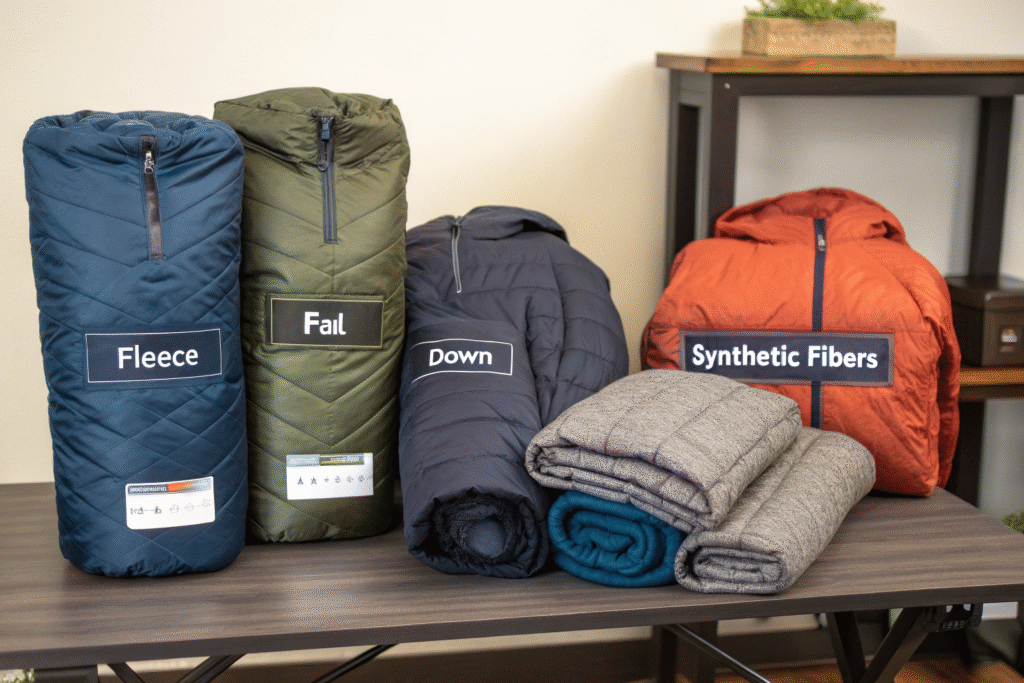
How Do Natural Fibers Perform in Extreme Cold?
Natural fibers offer distinct advantages in cold climates through their inherent physical properties:
- Wool maintains insulation value when wet, wicks moisture away from skin, and contains natural lanolin that provides water resistance
- Down offers exceptional warmth-to-weight ratio with superior loft that traps body heat effectively
- Silk provides lightweight warmth as a base layer with minimal bulk
- Fur (ethical synthetic alternatives) creates a protective boundary layer that prevents heat loss
Our wool accessories typically use merino wool for its fine fibers that feel soft against skin while providing excellent thermal regulation. According to testing from the International Wool Textile Organization, wool can absorb up to 30% of its weight in moisture before feeling wet, making it ideal for variable winter conditions where perspiration management is crucial.
What Are the Advantages of Synthetic Insulations?
Synthetic insulations provide critical advantages in cold, wet conditions where natural fibers might compromise performance:
- Maintain warmth when wet unlike down which collapses when saturated
- Quick-drying properties that prevent heat loss through evaporation
- Consistent loft regardless of humidity or moisture exposure
- Hypoallergenic qualities for users with material sensitivities
Our synthetic insulation accessories typically feature materials like PrimaLoft Gold which mimics down's cluster structure while maintaining 98% of its insulation value when wet. This makes them ideal for activities like snow sports or winter commuting where exposure to precipitation is likely.
What Design Features Maximize Cold Weather Protection?
Beyond material selection, specific design features significantly enhance the protective qualities of winter accessories in cold climates. These engineering considerations address common cold-weather challenges like wind penetration, heat escape, and moisture management.
Critical design elements include windproof barriers, moisture-wicking liners, adjustable closures, and ergonomic patterning. Our design process incorporates real-world testing in cold climates to identify and address potential failure points before production.
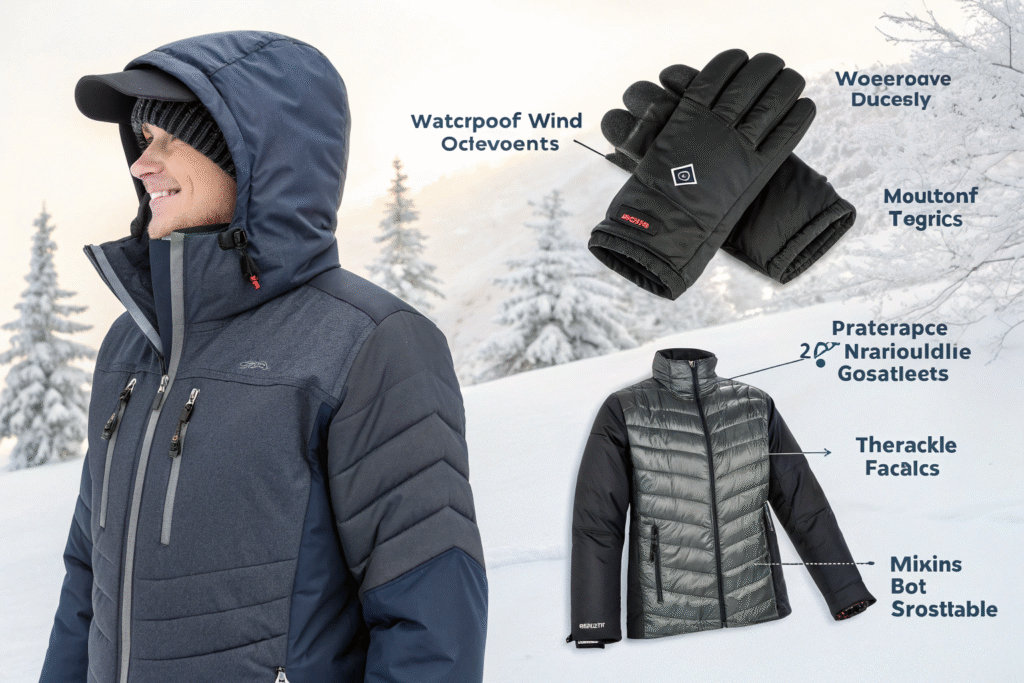
Why Are Windproof Barriers Essential?
Windproof barriers are essential because wind chill can dramatically accelerate heat loss, making otherwise warm accessories inadequate in windy conditions. Our most effective windproof features include:
- Laminated membranes like Gore-Tex Windstopper that block wind while allowing breathability
- Tightly woven outer shells that prevent air penetration while maintaining flexibility
- Strategic baffling that eliminates direct wind paths to the body
- Integrated draft flaps behind zippers and closures
These features are particularly important in accessories like gloves, hats, and neck gaiters where wind exposure can quickly compromise comfort and safety in sub-freezing temperatures with significant wind chill factors.
How Do Moisture Management Systems Work?
Moisture management systems protect against both external precipitation and internal perspiration through layered approaches:
- Hydrophobic outer layers that cause water to bead and roll off
- Mid-layer wicking that pulls moisture away from skin
- Vapor-permeable membranes that allow sweat vapor to escape
- Ventilation zones in high-perspiration areas
Our performance winter accessories incorporate these systems to prevent the dangerous combination of wetness and cold that can lead to rapid heat loss and potential cold-weather injuries like frostnip or frostbite.
What Are the Essential Winter Accessories for Extreme Cold?
A comprehensive winter accessory system addresses protection for all exposed or vulnerable areas, with specific items serving critical functions in extreme cold conditions. Understanding this system approach ensures no gaps in cold-weather protection.
The essential accessory system includes head protection, hand insulation, neck and face coverage, foot warmth, and specialized items for specific conditions. Our collections are designed to work together as a coordinated protection system while allowing individual pieces to function effectively on their own.
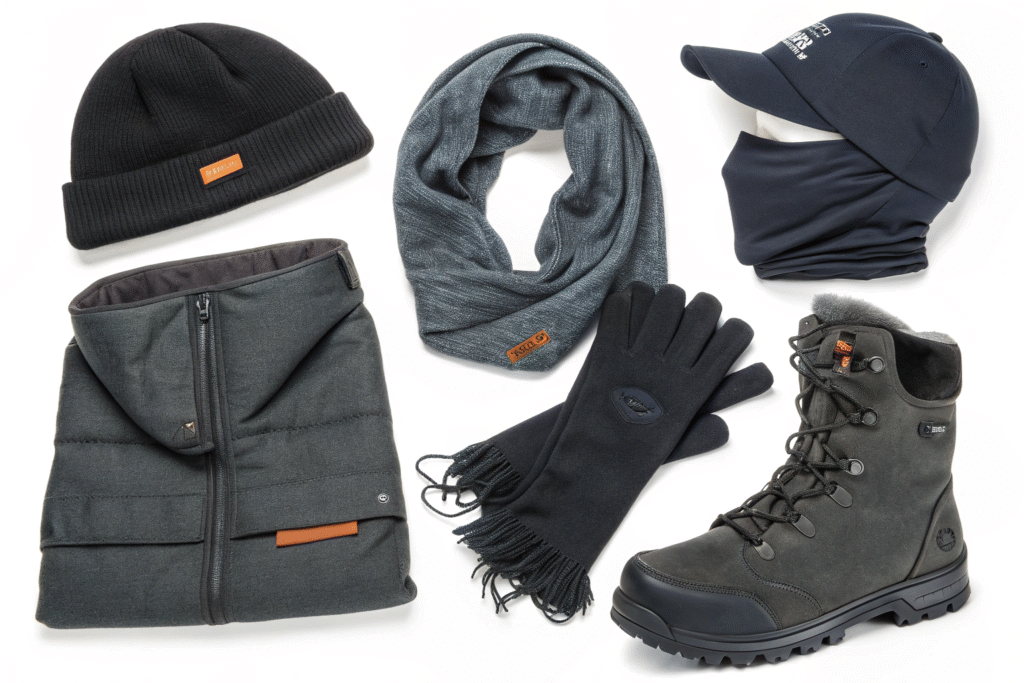
What Headwear Provides Maximum Heat Retention?
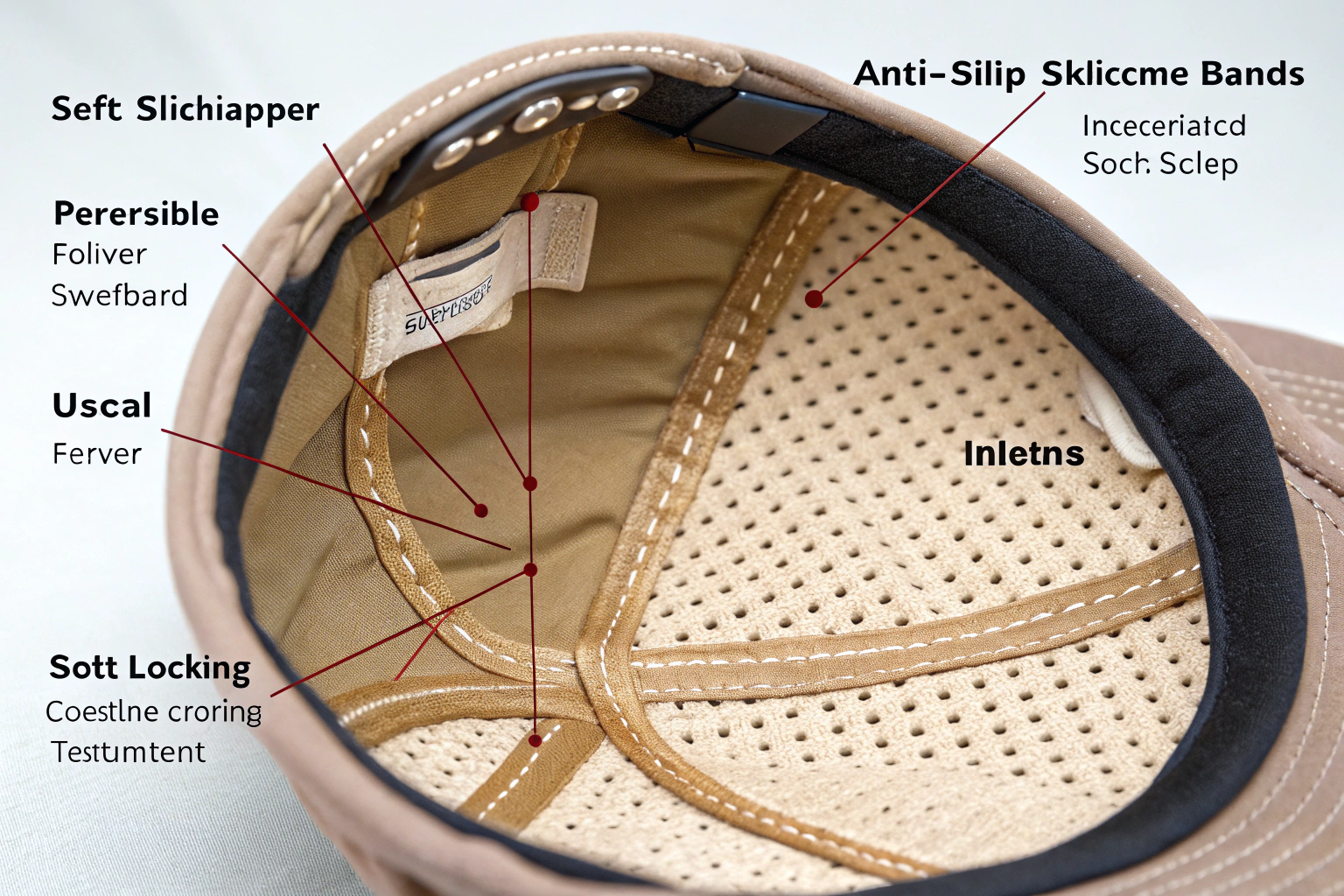
Maximum heat retention headwear typically incorporates these features:
- Ear coverage with windproof materials and secure fit
- Crown insulation that traps heat rising from the head
- Extended neck protection that integrates with jacket collars
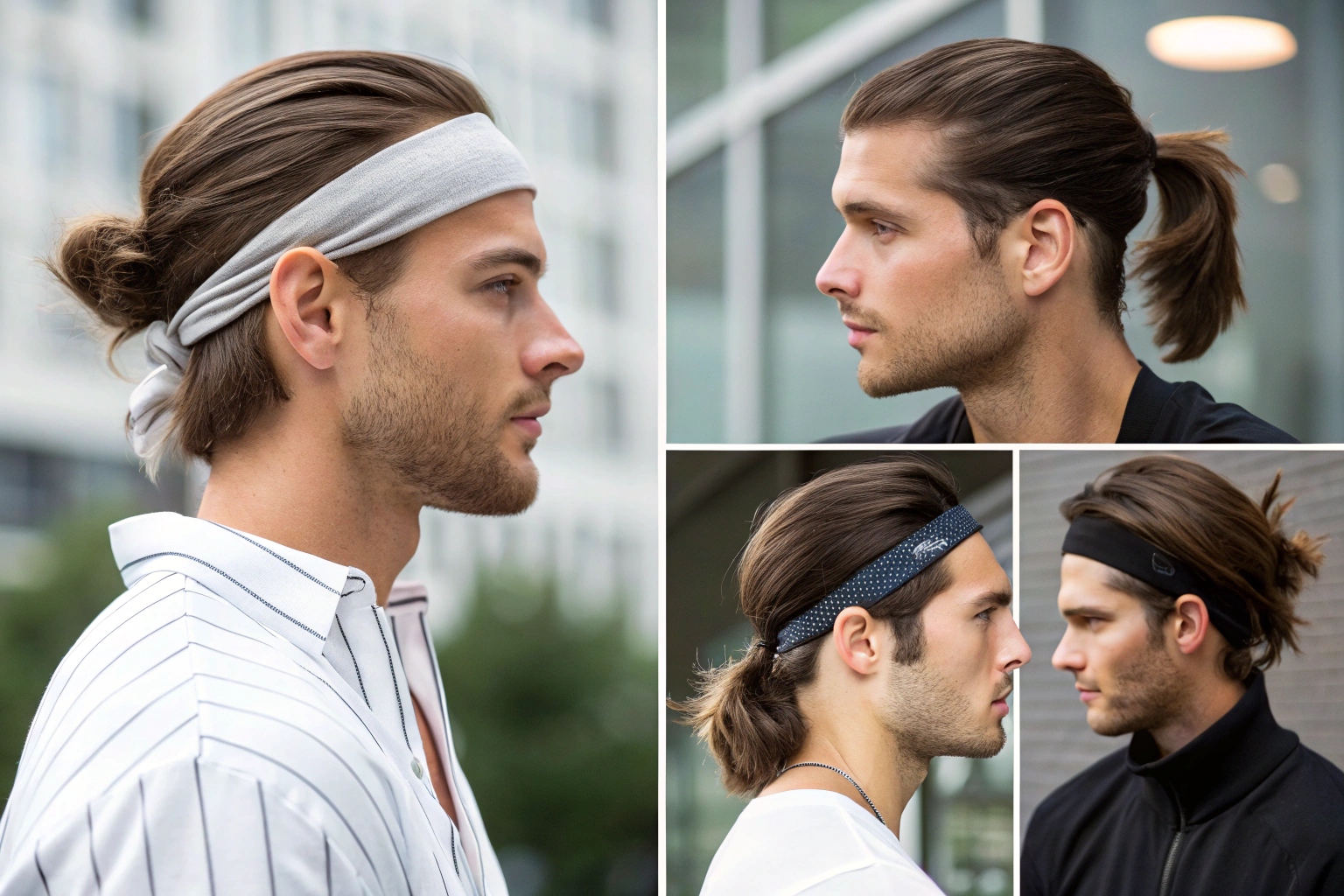
- Adjustable fit systems that prevent heat escape while accommodating different hairstyles
Our extreme-cold headwear collection includes options like insulated trapper hats with genuine shearling linings, technical balaclavas for full head coverage, and expedition-grade beanies with windproof membranes. These designs address the fact that the head can lose up to 50% of body heat when uncovered in cold conditions.
How to Select gloves for Different Cold-Weather Activities?
Selecting appropriate gloves requires matching insulation level and dexterity to specific activities:
- Moderate cold (-10°C to 0°C/14°F to 32°F): Lightly insulated gloves with touchscreen compatibility
- Cold (-18°C to -10°C/0°F to 14°F): Medium insulation with waterproof shells and adjustable cuffs
- Extreme cold (below -18°C/0°F): Heavy insulation with integrated liner systems and extended wrist protection
Our glove selection guide helps customers match products to their specific needs, whether for urban commuting, winter sports, or occupational requirements in cold environments. We particularly emphasize the importance of maintaining dexterity while ensuring adequate insulation for the anticipated exposure duration.
How to Layer Accessories for Maximum Effectiveness?
Layering accessories creates adaptable protection that can be adjusted to changing conditions, activity levels, and personal comfort preferences. A strategic layering approach provides versatility that single heavy items cannot match.
Effective layering involves base layers for moisture management, mid-layers for insulation, and shell layers for weather protection. Our accessory collections are designed with layering compatibility in mind, ensuring different pieces work together without creating bulk or restriction.
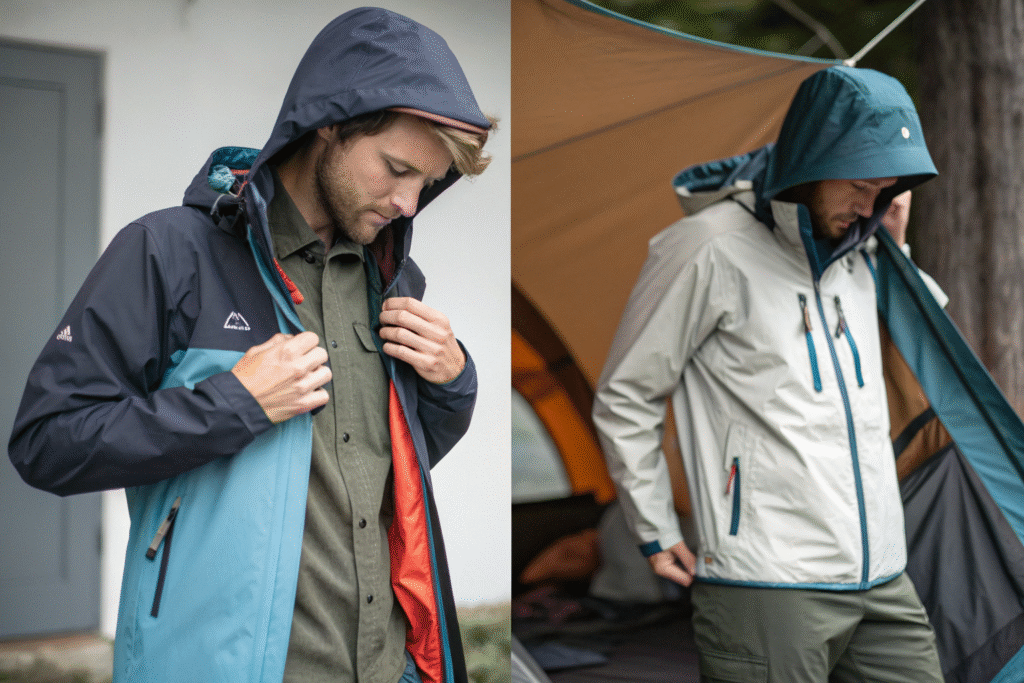
What Is the Accessory Layering System?
The accessory layering system consists of:
- Base layers: Lightweight, moisture-wicking materials like silk or thin merino wool
- Mid-layers: Insulating items like fleece neck gaiters or medium-weight gloves
- Shell layers: Windproof and waterproof items that block environmental elements
- Modular components: Items that can be added or removed as conditions change
This system approach allows users to maintain optimal thermal balance across varying activity levels, from high-exertion periods that generate significant body heat to stationary periods where maximum insulation is required.
How to Combine Accessories Without Bulk?
Combining accessories without creating uncomfortable bulk requires:
- Strategic material selection using high-loft, low-weight insulations
- Ergonomic patterning that follows body contours without excess material
- Integrated systems where multiple functions combine in single items
- Compressible components that pack small when not needed
Our design philosophy emphasizes creating winter accessories that provide maximum protection with minimal bulk, recognizing that mobility and comfort are essential for enjoyment and safety in cold-weather activities.
What Safety Considerations Guide Winter Accessory Selection?
Safety considerations should inform winter accessory selection, particularly for activities in remote areas or extreme conditions where equipment failure could have serious consequences. These factors go beyond comfort to address genuine risk management.
Critical safety factors include visibility in low-light conditions, compatibility with other safety equipment, emergency functionality, and reliability in extreme temperatures. Our product development process includes rigorous testing for failure points and performance under realistic winter conditions.
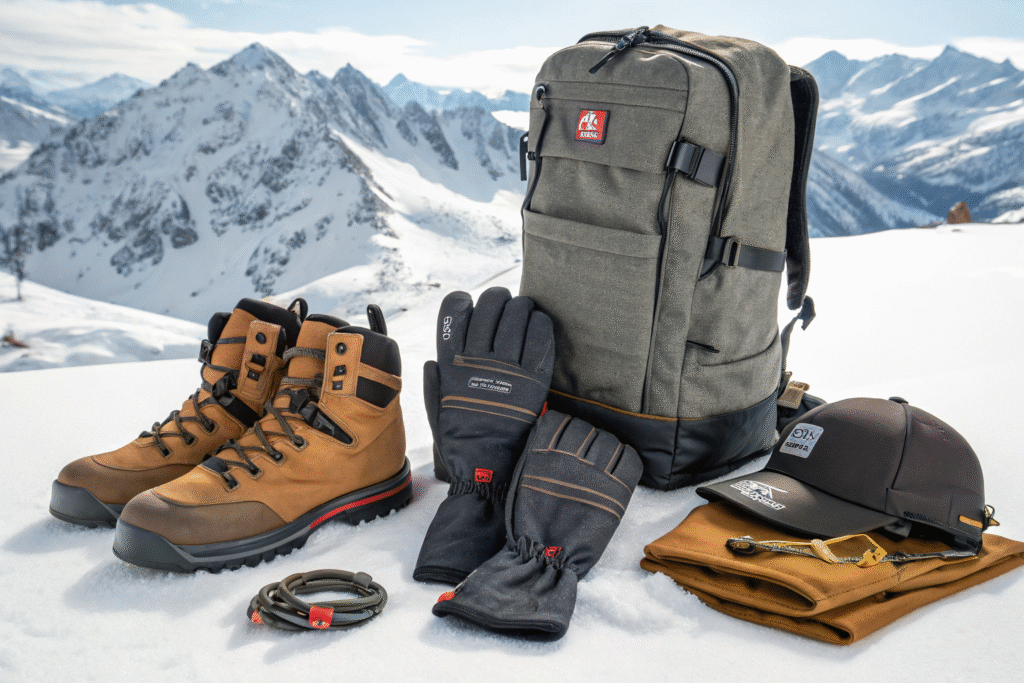
Why Is Visibility Important in Winter Accessories?
Visibility is crucial because winter conditions often feature limited daylight, snowstorms that reduce visibility, and environments where being seen by others is essential for safety. Our high-visibility features include:
- Reflective elements that activate in headlights and flashlights
- High-contrast color options that stand out against snow backgrounds
- Emergency signaling capabilities in specialized accessories
- LED integration in performance accessories for active use in darkness
These features are particularly important for accessories like gloves, hats, and backpacks used by winter commuters, outdoor workers, and recreationists in remote areas.
How to Ensure Reliability in Extreme Conditions?
Ensuring reliability requires addressing potential failure points through:
- Reinforced stress areas in gloves and hats where movement creates wear
- Temperature-rated materials that maintain flexibility in extreme cold
- Redundant closure systems that prevent accidental opening
- Quality testing that exceeds normal usage conditions
Our manufacturing standards include cold chamber testing to -40°C/F, abrasion resistance verification, and seam strength testing that ensures our accessories perform when conditions are most challenging.
Conclusion
Choosing winter accessories for cold climates involves a systematic approach that considers insulation materials, design features, layering strategies, and safety considerations. By understanding how different materials perform in specific conditions, what design elements enhance protection, how to layer effectively, and what safety factors matter most, consumers can select accessories that provide genuine comfort and protection in cold environments. The most effective winter accessory systems combine technical performance with practical usability, allowing enjoyment of winter activities while minimizing cold-weather risks-a standard that fumaoclothing upholds through its curated lineup, blending premium insulation materials, weather-resistant designs, and user-centric safety features to thrive in harsh winter conditions.
If you need assistance selecting or developing winter accessories for specific cold-climate applications, we invite you to contact our Business Director, Elaine. She and our AceAccessory team specialize in creating winter accessories that balance technical performance, comfort, and style for various cold-weather conditions and activities. Reach out to Elaine at: elaine@fumaoclothing.com.