Choosing a zipper for a cosmetic bag might seem like a minor detail, but it's a critical decision that impacts the product's functionality, durability, and perceived quality. A poor zipper choice can lead to frustrating snags, fabric tears, or complete failure, turning a happy customer into a source of negative reviews. For brands and buyers sourcing accessories, understanding this component is key to delivering a product that stands up to daily use and feels premium in hand.
The right zipper is determined by a balance of material, size, slider type, and aesthetic finish, all aligned with the bag's intended use and fabric. For a cosmetic bag—which endures constant opening, closing, and potential exposure to creams or powders—durability, smooth operation, and reliable closure are non-negotiable. The ideal zipper functions seamlessly, complements the bag's design, and lasts as long as the fabric itself, ensuring customer satisfaction and protecting your brand's reputation.
Let's unzip the details. This guide will walk you through the key specifications to discuss with your manufacturer, ensuring your next cosmetic bag order is both beautiful and built to last.
What Are the Main Types of Zippers for Cosmetic Bags?
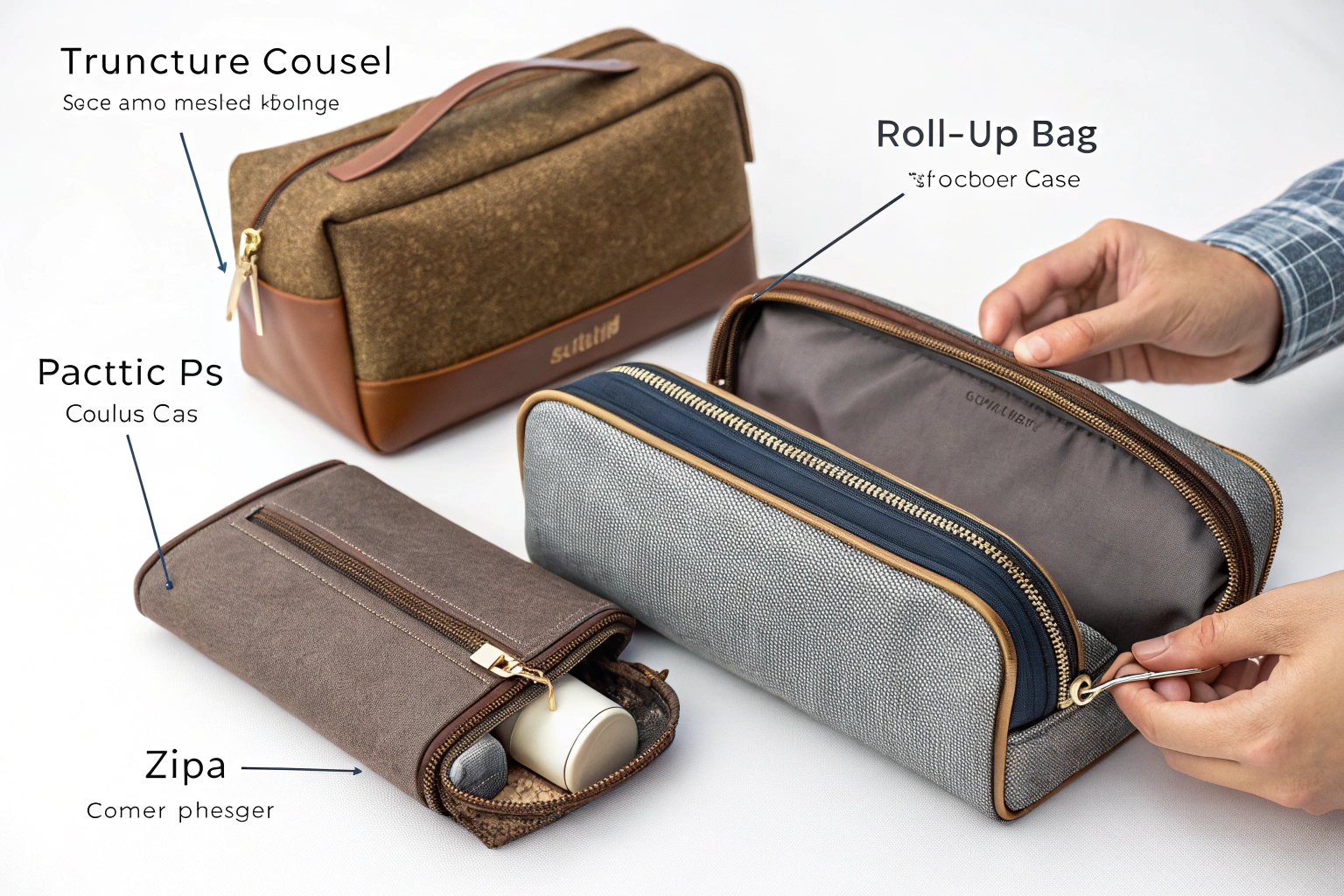
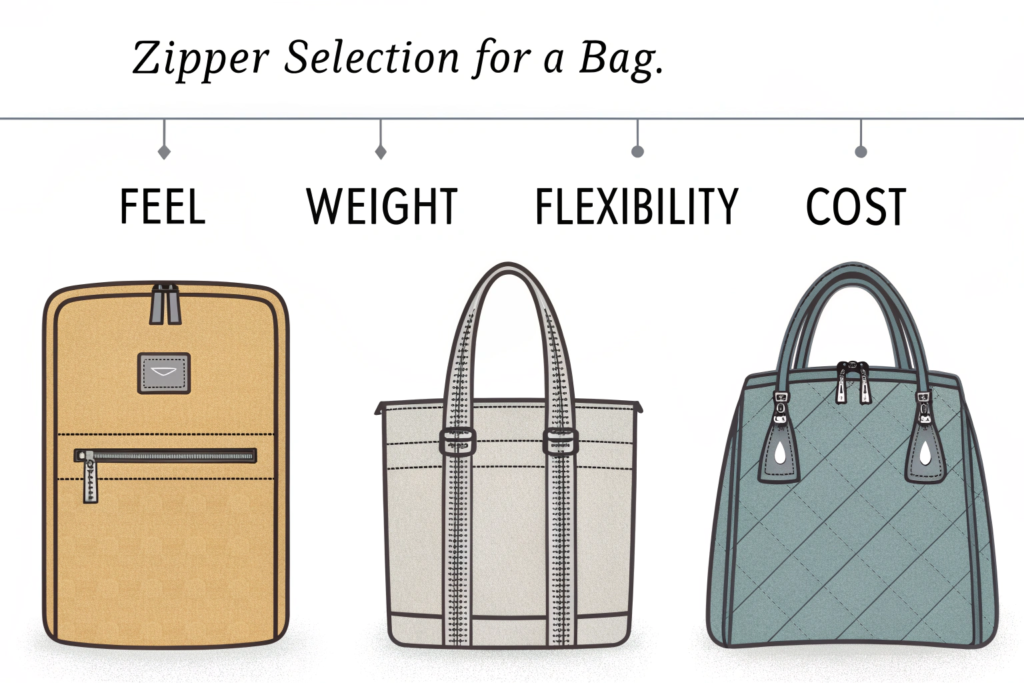
The foundation of your choice lies in understanding the three primary zipper categories. Each type offers distinct advantages in terms of feel, weight, flexibility, and cost. Your selection will directly influence the bag's manufacturing process, final look, and user experience. Aligning the zipper type with your bag's design concept and target price point is the first critical step.
For cosmetic bags, the most common contenders are nylon coil zippers, plastic molded (VISLON®-style) zippers, and metal zippers. Each has a unique construction that affects how it sews into the fabric, how it curves, and how it withstands stress. A savvy buyer doesn't just pick the cheapest option; they match the zipper's inherent properties to the bag's functional and aesthetic demands.
Why are Nylon Coil Zippers a Popular Default Choice?
Nylon coil zippers are often the go-to for mid-range to high-quality cosmetic bags due to their excellent balance of properties. The zipper tape is woven with a continuous spiral of nylon polyester monofilament, creating a flexible and lightweight closure. They are highly resistant to salt water corrosion and many chemicals, which is a plus for bags that might hold liquid products. Their flexibility makes them perfect for pouch-style cosmetic bags that need to bend or fold. They also come in a vast array of colors, allowing for perfect color matching with your fabric. From a manufacturing standpoint at Shanghai Fumao Clothing, we find they sew in cleanly and reliably on our production lines. Resources like the Zipper Manufacturers Association provide technical insights into their construction. Furthermore, their smooth operation is often highlighted in textile and notion reviews from industry suppliers.
When Should You Consider Plastic Molded or Metal Zippers?
Plastic molded zippers (like those using VISLON®-style teeth) offer a chunkier, more tactile feel and are very durable. They are ideal for structured, boxy cosmetic bags or those with a sporty, utilitarian aesthetic. The teeth are larger and can add a decorative element. However, they are less flexible than coil zippers. Metal zippers, typically made from brass, aluminum, or nickel, provide a premium, vintage, or high-fashion look. They are extremely durable but are heavier, can be noisy, and may corrode if not properly finished (e.g., with anti-corrosive coatings). They are best for luxury or specialty bags where aesthetics trump weight concerns. For everyday cosmetic bags, metal can be overkill and add unnecessary cost. Understanding material properties, as outlined by material science databases, helps in making this choice.
How Does Zipper Size (#3, #5, #8) Affect Functionality?
The zipper "size" or number (like #3, #5, #8) does not refer to length, but to the width of the teeth or chain when closed, measured in millimeters. This dimension is a crucial, yet often overlooked, spec that drastically impacts the bag's strength, appearance, and ease of use. Selecting the wrong size can make a bag look disproportionate or create a weak point in the closure.
The number corresponds approximately to the tooth width in millimeters. A #3 zipper has teeth about 3mm wide, #5 about 5mm, and so on. Larger numbers mean larger, stronger teeth and a wider, more prominent closure. Your choice should be guided by the scale of the bag, the weight and type of fabric, and the desired user interaction.
What Size is Best for a Standard Makeup Pouch?
For a standard, soft-sided makeup pouch (typically holding brushes, lipsticks, and compacts), a #3 or #4 nylon coil zipper is often the perfect choice. It provides a fine, elegant look that doesn't overwhelm the bag's design. The closure strength is sufficient for the contents and the zipper remains very flexible, allowing the pouch to be stuffed into a larger handbag. It also creates a smaller, neater seam when sewn. Most importantly, the smaller slider is easy for users to grip and operate with one hand. When discussing your order with your accessories manufacturer, specifying the zipper size ensures consistency across production. Industry guidelines from suppliers like YKK, a global leader, detail the applications for each size. For bags with heavier contents, considering a #5 size as mentioned in the next section, becomes important.
When Should You Upgrade to a #5 or Larger Zipper?
Upgrade to a #5 or larger zipper when your cosmetic bag is larger, structured, or designed to carry heavier items (e.g., full-sized bottles, multiple palettes). A #5 nylon coil or plastic molded zipper offers significantly more durability and tensile strength. The wider teeth are less likely to separate under stress. This size is excellent for a travel cosmetic case or a professional makeup artist's roll. The larger slider is also easier to find and grasp in a cluttered suitcase. For very large, heavy-duty kits, a #8 or #10 might be considered, though this is less common for standard cosmetic bags. The choice directly relates to product integrity, a core aspect of quality control in manufacturing. Engineering principles regarding load-bearing components, similar to those discussed in industrial design literature, apply here.
What Slider and Stopper Details Ensure Smooth Operation?
The zipper slider is the engine of the closure, and the stoppers are its safeguards. Even with the perfect chain, a poorly designed slider or weak stoppers will ruin the user experience. These components control the ease of opening and closing, provide secure end-locking, and prevent the slider from coming off entirely. For a cosmetic bag that's opened multiple times a day, this smooth operation is paramount.
You should evaluate the slider's puller style (for grip), its automatic lock function (to prevent accidental opening), and the material (often matching the chain). The bottom and top stoppers must be firmly secured to the tape to withstand the repeated pulling force. These are the details a professional project manager at your factory should verify during prototype sampling.

Why is an Auto-Lock Slider Essential for Cosmetic Bags?
An auto-lock slider (also called a self-locking slider) is absolutely essential. It contains a small spring mechanism that automatically locks the slider in place wherever you stop pulling it. This prevents the zipper from creeping open on its own if the bag is jostled in a purse or suitcase—a critical feature for preventing spills. There are also two-way sliders that allow opening from either end, useful for specific bag designs, but they still incorporate locking features. When reviewing samples from your supplier, test this lock repeatedly. A high-quality slider will have a crisp, positive lock action. This relates directly to product safety and user satisfaction. The mechanics of such small components are a specialty within precision manufacturing, a field covered by various engineering resources.
How Do Reinforced Stoppers Prevent Zipper Failure?
The top and bottom zipper stoppers (the small metal or plastic pieces at each end of the chain) are the failure points if not properly reinforced. They absorb the stress every time the slider hits them. For cosmetic bags, we recommend box and pin stoppers at the bottom (where the slider typically starts/ends) for maximum strength, especially on #5 or larger zippers. The top stoppers must be riveted or molded securely. During factory audits or pre-production inspections, checking the attachment of these stoppers is a standard part of a quality control checklist. Failure here can lead to the slider detaching, rendering the bag useless. Standards for accessory hardware durability are often referenced in supplier quality manuals and testing protocols from organizations like ASTM International.
How to Match Zipper Color and Finish to Your Bag Design?
The visual integration of the zipper can make or break the bag's aesthetic. The zipper should look like a deliberate design element, not an afterthought. This involves precise color matching of the tape and slider, selecting a tape texture that complements the main fabric, and potentially adding custom-branded pullers. For branded cosmetic bags, these details contribute significantly to perceived value and brand identity.
This stage is where collaboration with your factory's design team proves invaluable. They can provide physical color swatch books for zipper tapes and sliders, advise on trends (like matte vs. shiny finishes), and source custom pullers with your logo. The goal is cohesion, creating a product where every component feels purposefully chosen.

What Are the Best Practices for Color Matching Zipper Tape?
Color matching zipper tape to your main fabric is a precise art. Always request physical zipper tape samples from your manufacturer before bulk production. Digital colors on a screen are unreliable due to different material textures (woven tape vs. printed fabric). Provide your fabric swatch to the factory so they can dye the polyester tape to the closest possible match. For a perfect high-end look, some brands choose a concealed zipper where the tape is entirely hidden within the seam, but this is more complex to sew. A more common and effective approach is a close color match, which creates a streamlined, integrated appearance. This process is a key part of product development for any serious fashion accessory brand. The science of color management in textiles is a specialized field, with resources available from color standards organizations.
Can Custom Zipper Pulls Enhance Branding?
Absolutely. Custom zipper pulls are a powerful, cost-effective branding tool. Instead of a standard plastic tab, you can have a puller made of metal, acrylic, or silicone featuring your logo, a charm, or a unique shape. This transforms a generic component into a signature detail that customers notice and remember. It elevates the unboxing experience and fosters brand loyalty. When discussing this with your supplier like Shanghai Fumao Clothing, ask about molding or engraving capabilities, minimum order quantities (MOQ) for custom pulls, and how they are attached to the slider. This falls under value-added services that a full-service manufacturer can provide. The impact of such branding details on consumer perception is a topic explored in marketing and product design publications.
Conclusion
Choosing the right zipper for a cosmetic bag is a multifaceted decision that blends engineering with aesthetics. It requires careful consideration of the zipper type (coil, molded, or metal) for durability and feel, the correct size (#3, #5, etc.) for scale and strength, the reliability of the slider and stoppers for smooth operation, and the perfect color and finish for seamless design integration. By specifying these details clearly to your manufacturer, you move from hoping for a good product to engineering one.
This attention to detail is what separates mass-produced items from branded products that command loyalty and repeat purchases. A perfectly chosen and installed zipper is a silent ambassador for your brand's quality and care.
Ready to develop cosmetic bags with impeccably specified components? Partner with Shanghai Fumao Clothing. Our design and production teams will guide you through every detail, from zipper selection to final inspection, ensuring your products are both beautiful and functionally flawless. Contact our Business Director, Elaine, at elaine@fumaoclothing.com to begin your next project.