You've found the perfect women's belt—the right style, color, and buckle. You order it, wait eagerly, and when it arrives... it doesn't fit. It's either too tight, uncomfortably squeezing, or too loose, failing to cinch your waist. You're left frustrated, dealing with returns or a useless accessory. How can you avoid this hassle and confidently select the correct belt size every single time?
Choosing the right size for a women's belt is straightforward when you know your accurate waist or hip measurement and understand the specific sizing system of the brand or manufacturer. The key is to not rely on your pants size but to use a flexible measuring tape directly on your body where you intend to wear the belt. Then, add 2 to 4 inches (5 to 10 cm) to that measurement to find your ideal belt size, ensuring a comfortable and flattering fit that accommodates clothing layers.
As a manufacturer who has produced countless belts for global brands, I've seen how consistent sizing builds trust and reduces returns. Let's break down the simple steps and insider tips to ensure you—or your customers—always get the perfect fit.
How Do You Accurately Measure Your Body for a Belt?
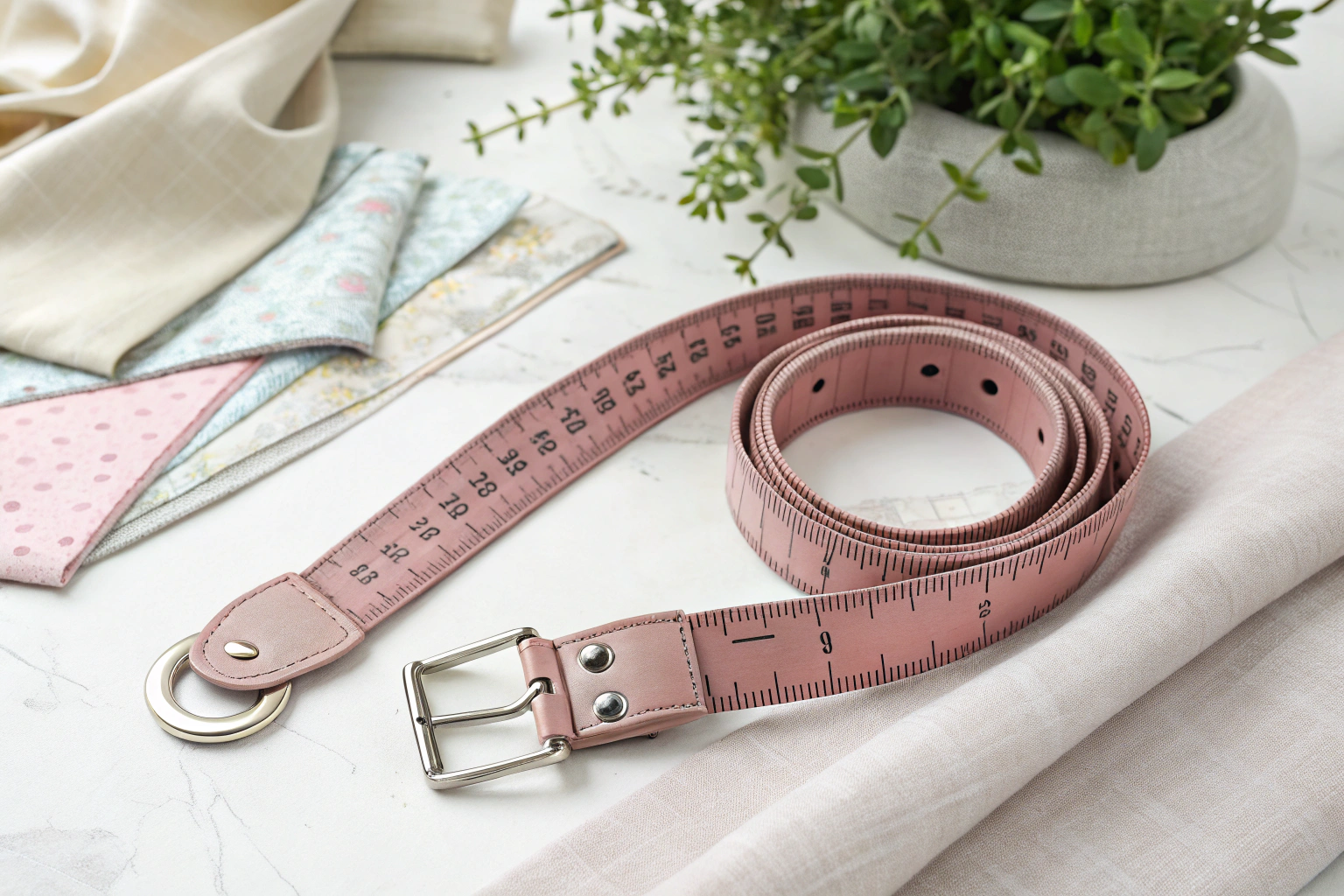
This is the most critical step and where most mistakes happen. The goal is to get a precise number that reflects where the belt will actually sit on your body, not a guess based on old size charts. You only need one tool: a soft, flexible measuring tape (the kind used in sewing). If you don't have one, use a piece of string and then measure the string against a ruler. Avoid using a metal tape measure as it won't contour to your body correctly. Remember, body measurements are just the starting point for calculating your final belt size.

Where exactly should you measure for different belt styles?
The measuring point changes based on where you plan to wear the belt.
- For Waist Belts: Measure around the narrowest part of your torso, typically above your navel and below your rib cage. This is your natural waist.
- For Hip Belts: Measure around the fullest part of your hips, usually 7-9 inches below your natural waist. This is where low-rise pants or skirts often sit.
- For Dresses or Overgarments: Measure over the clothing you'll most often wear the belt with. For a belt meant to cinch a coat or a thick sweater, you might need a significantly larger size.
The key is consistency. Always note where you took the measurement. A reputable fashion accessories manufacturer will specify on their size chart if their belts are designed for the waist or hip. For example, at Shanghai Fumao Clothing, our tech packs always define the intended wear position for every belt design.
What is the right tension for the measuring tape?
The tape should be snug against your body but not tight. Don't pull it taut or let it sag. It should lie flat and comfortably, mimicking how you would like the belt to feel. Do not "suck in" your stomach; stand normally and breathe out gently. This gives you a true, comfortable measurement. For the most accurate result, you can measure over a thin layer of clothing rather than bare skin, as belts are rarely worn directly on skin. Resources like the Craft Yarn Council provide excellent general guidelines on how to take accurate body measurements, which apply directly to accessory sizing.
How to Convert Your Body Measurement into a Belt Size?
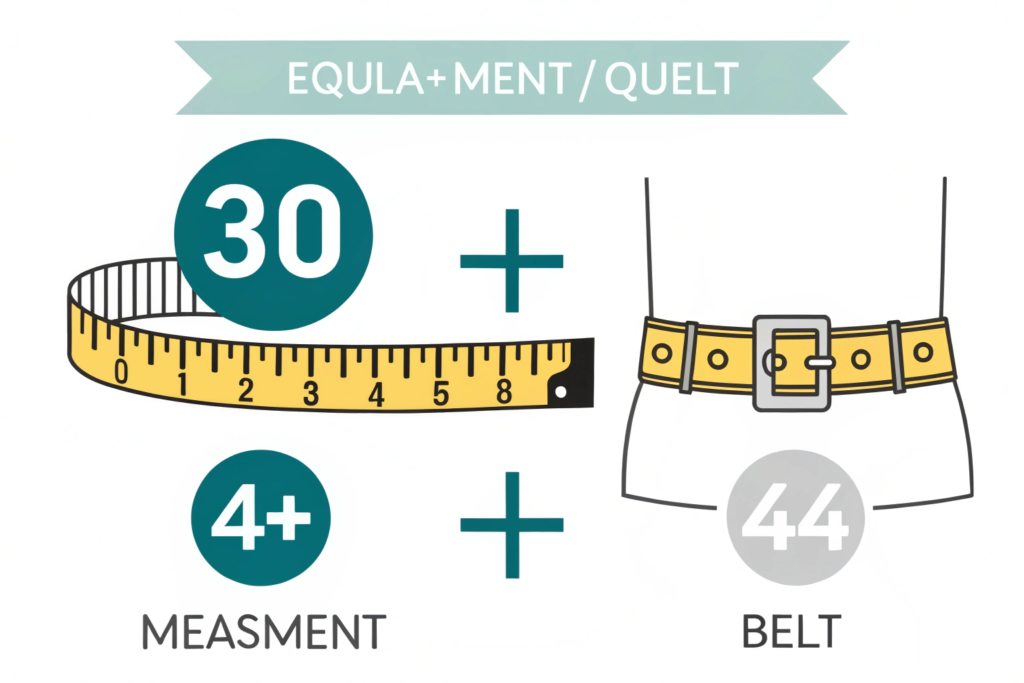
Your body measurement is not your belt size. If you order a belt that is exactly 32 inches because your waist is 32 inches, it will be too small. A belt needs extra length to overlap, buckle, and leave a tail. The standard rule is to add 2 to 4 inches (5 to 10 cm) to your body measurement. The exact amount depends on your preferred fit and the buckle style. This final number is the belt size you should look for, which typically refers to the distance from the buckle prong to the middle hole.
Why do you need to add 2-4 inches to your measurement?
The added inches account for three things:
- The Buckle: The buckle itself takes up length from the tip of the belt to the first hole.
- The Overlap: The belt needs to pass through the buckle and overlap back onto itself.
- The Tail: A stylish tail (the end of the belt) should extend past the buckle, typically 2-6 inches.
For a standard buckle, adding 4 inches is a safe bet. For a D-ring buckle or a slide buckle that uses less length, you might only need to add 2-3 inches. If you are between sizes, always round up. It's easier to use a hole further in on a slightly longer belt than to force a too-short belt to close. This sizing logic is standard across leather goods and accessory manufacturing.
How do you navigate different international sizing systems?
Sizing can be labeled in inches (US/UK), centimeters (EU), or general sizes (S, M, L). Always prioritize the numerical inch or centimeter size over letter sizes. A generic "Medium" can vary wildly between brands. When in doubt, refer to the brand's specific size chart. For global brands, a size 85 belt from Europe typically means 85 cm, which is approximately a US women's size 34. As a manufacturer for international markets, we always provide multi-system size charts to our clients to prevent confusion for their end customers. The International Organization for Standardization (ISO) has guidelines for size designations that many reputable brands follow.
What Role Does Belt Style and Buckle Type Play in Fit?
Not all belts are created equal. The style, width, and buckle mechanism significantly influence how a belt fits and feels. A wide corset belt will fit differently than a thin chain belt, even if they are both labeled the same size. Understanding these nuances ensures you choose a belt that is not only the right length but also the right construction for your body and outfit.
How does belt width affect the fit and sizing?
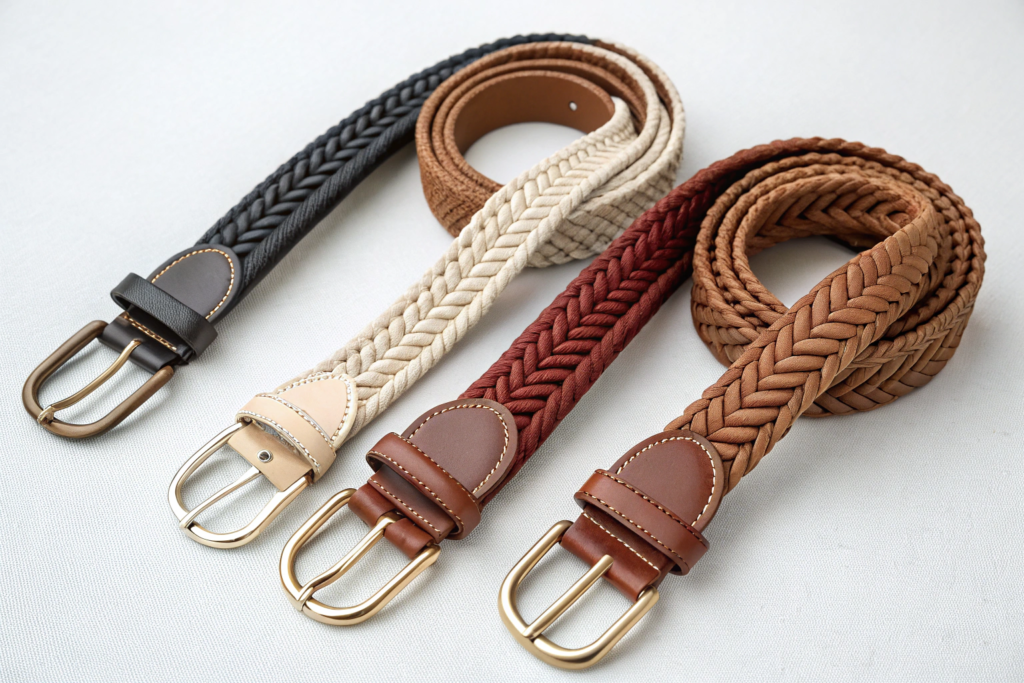
Width changes how a belt contours to your body. A wide belt (1.5 inches and above) is less flexible and may feel tighter than a narrow belt of the same length because it can't curve as easily. It also needs to sit on a flatter part of your torso to be comfortable. For wide belts, some experts suggest considering going up one size from your standard calculation. A thin belt (under 1 inch) is very flexible and forgiving. It can often fit true to your calculated size. When producing belts, factories like ours use different patterns and grading rules for wide vs. narrow styles to ensure proportional comfort.
How do different buckle types impact the length you need?
The buckle mechanism dictates how much of the belt's length is "used up" in the fastening process.
- Prong Buckle (Classic): Uses the most length. Start with adding 4 inches to your body measurement.
- D-Ring or O-Ring Buckle: The belt folds back through the rings, using less length. Try adding 2-3 inches.
- Hook-and-Eye or Clip Closure: Often found on elastic or fabric belts. These may fit more true to size, as the closure adds minimal bulk.
- Adjustable Slide Buckles: Offer a range of fit within the belt's length, providing more flexibility.
Always check the product description for fit notes. A good supplier will specify the buckle type and give fit advice, which is part of the professional service you can expect from an experienced accessories exporter.
How Can You Use Size Charts and Customer Reviews Effectively?
Never buy a belt, especially online, without consulting the brand's official size chart. This is the manufacturer's direct guidance on how their specific product fits. Pair this objective data with the subjective experiences found in customer reviews to build a complete picture. This two-step verification is your best defense against a sizing mistake.
What key information should a reliable size chart include?
A professional size chart should clearly state:
- How to Measure: Instructions on where to place the tape measure.
- Belt Size Definition: Does the listed size (e.g., 32) refer to the total length, the length to the middle hole, or something else?
- Fit Recommendation: E.g., "This belt runs large; we recommend sizing down."
- International Conversions: Inch, cm, and maybe letter size equivalents.
- Model Info: The model's height, waist/hip measurement, and what size she is wearing in the photo.
If this information is missing or vague, it's a red flag about the brand's attention to detail. At Shanghai Fumao Clothing, we provide our brand clients with detailed, white-label size charts they can use on their websites to ensure their customers have a perfect experience.
How do you decode customer reviews for sizing clues?
Look for patterns in the reviews. Use the search function within reviews for words like "size," "fit," "big," "small," "tight," or "loose." Multiple reviews stating "runs large" or "size down" are strong evidence. Also, pay attention to reviews that mention the reviewer's body measurements—these are gold mines for comparison. Finally, look at photos submitted by customers. You can often visually gauge how the belt fits on a real person versus the model. For retailers, providing a platform for such detailed reviews, as seen on major marketplaces like Amazon, builds consumer confidence and reduces return rates.
Conclusion
Choosing the right size for a women's belt is a simple process of accurate measurement, smart conversion, and careful consideration of style details. By measuring your body correctly, adding the necessary inches for buckle and overlap, and diligently using size charts and reviews, you can eliminate the guesswork and ensure a perfect fit every time.
This knowledge empowers you to buy with confidence and enjoy your accessories fully. For brands and retailers, providing clear sizing guidance is essential for customer satisfaction and loyalty.
If you are a brand looking to develop a perfectly sized line of women's belts, our expertise in precise sizing, grading, and manufacturing can help. Let's create belts your customers will love and keep. For a consultation, please contact our Business Director, Elaine, at: elaine@fumaoclothing.com.