I learned this lesson the hard way early in my career. A client wanted scarves for a corporate gift program. They loved a sample we made in a beautiful rayon fabric. We produced thousands. Then came the complaints. The scarves wrinkled instantly. They slipped off shoulders. They didn't hold their shape. We had chosen the wrong fabric for the application.
Choosing the right fabric for custom scarves requires understanding fiber properties, weight, weave or knit structure, and end-use requirements. Key factors include drape, warmth, breathability, care requirements, and print compatibility. Matching fabric characteristics to your specific application ensures customer satisfaction and reduces returns.
At Shanghai Fumao Clothing, we have produced scarves in virtually every fabric type. Each has strengths and limitations. The right choice depends on your specific needs. Let me walk you through the factors that matter and the options available.
What Fiber Properties Matter For Scarf Fabrics?
Fiber type stands as the silent architect, determining the very soul and fundamental behavior of every fabric. It is the invisible hand that shapes how a textile feels against the skin, moves with the body, and withstands the test of time. Natural fibers, with their earthy origins—think the soft, sun-warmed touch of cotton, the lustrous sheen and cool breathability of silk, or the sturdy resilience of wool—each bring a unique tapestry of properties, from drape to durability.
Synthetics, born from human ingenuity, offer a spectrum of engineered wonders: the crisp, wrinkle-resistant crispness of polyester, the lightweight, moisture-wicking vitality of nylon, or the luxurious mimicry of rayon. Blends, harmonious unions of these worlds, weave together the best of both realms, creating fabrics that balance comfort, performance, and style.

What makes silk the luxury standard for scarves?
Silk has been the luxury scarf fiber for centuries. Its smooth surface feels luxurious against skin. It takes dye beautifully, producing rich, vibrant colors. It drapes elegantly without being heavy.
Mulberry silk represents the highest quality. Long, continuous fibers create smooth, strong fabric. The weight is measured in momme, with higher numbers indicating heavier, more durable fabric. For scarves, 12-16 momme works for lightweight styles. 19-22 momme for substantial pieces. Silk requires careful care but rewards with unmatched beauty. Silk grading standards help specify quality. Shanghai Fumao Clothing sources multiple silk grades for different applications.
How does wool perform in scarves?
Wool provides warmth unmatched by other natural fibers. It insulates even when wet. It breathes, preventing overheating. It resists odors naturally.
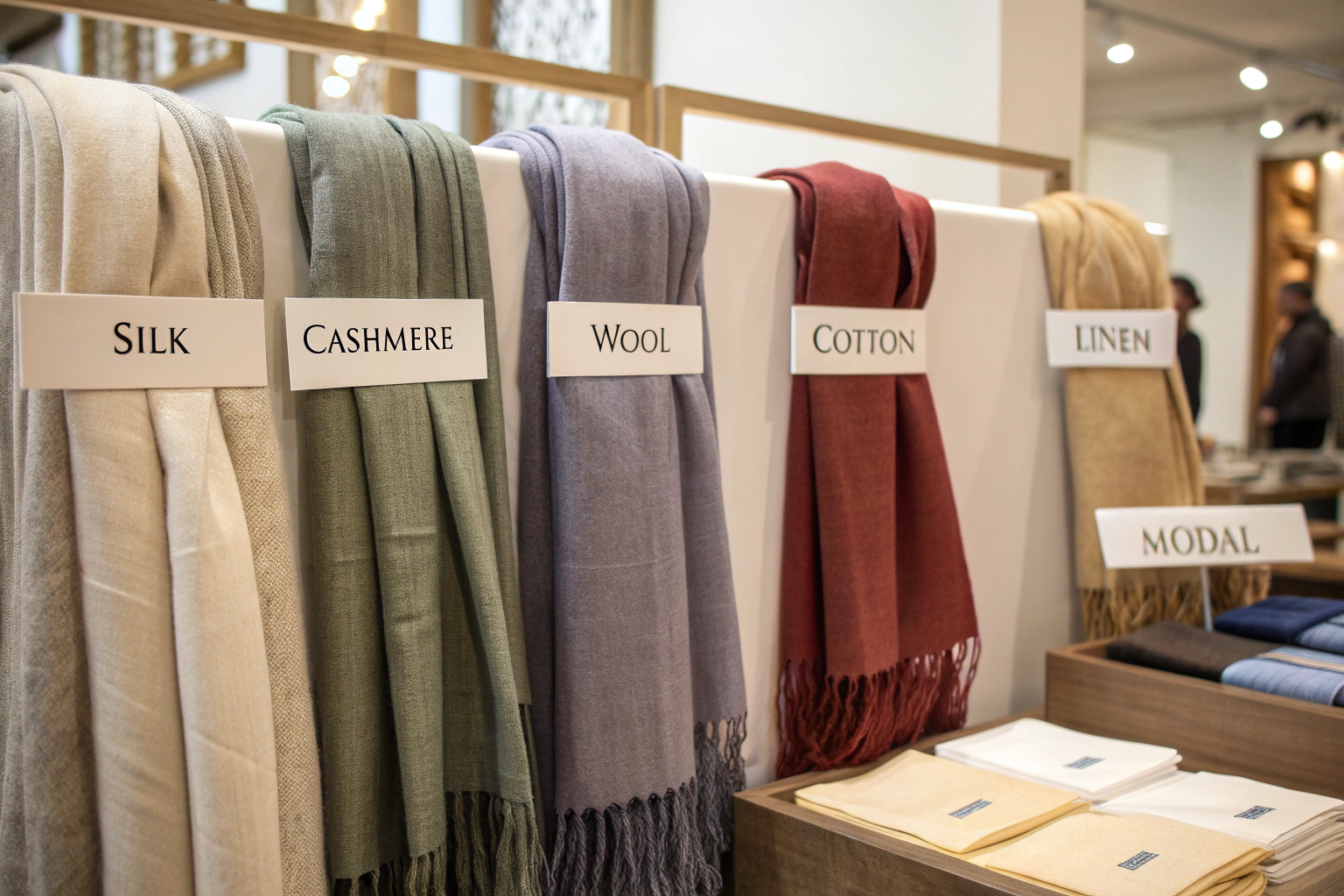
Merino wool offers softness without itch. Cashmere, from goats rather than sheep, provides even softer luxury. Lambswool offers value with good performance. Wool comes in weights from lightweight merino suitable for year-round wear to heavy lambswool for deep winter. The fiber's natural crimp creates insulating air pockets. Wool fiber properties guide selection.
How Does Fabric Weight Affect Scarf Performance?
Weight determines how a scarf feels, drapes, and performs. A lightweight scarf, as delicate as a whisper of spring breeze, slips effortlessly over the shoulders, its gossamer threads barely registering on the skin, ideal for adding a touch of warmth to crisp autumn mornings or as a soft layer beneath a tailored coat. In contrast, a heavier scarf, thick and substantial like a well-woven blanket, wraps around the neck with comforting solidity, blocking out winter chill and exuding a sense of cozy protection.
Matching weight to intended use prevents disappointment; a flimsy summer scarf might wilt under the sun or fail to shield from a sudden rain, while an overly heavy winter accessory could feel cumbersome and stifling in milder weather. Weight is one of the most visible characteristics, immediately discernible by the eye and hand. A glance at the fabric's thickness, a gentle tug to gauge its heft, and even the way it hangs—loose and airy or dense and structured—reveal its weight, guiding the wearer toward the perfect choice that harmonizes with both the occasion and the season.

What weights work for different seasons?
Lightweight scarves (50-100 gsm) work for spring and summer. Sheer silks, cotton voile, and lightweight linens provide style without overheating.
Mid-weight scarves (150-250 gsm) transition across seasons. They provide warmth on cool days without bulk. Worsted wools, medium-weight cottons, and modal blends occupy this range. Heavy scarves (300+ gsm) provide serious winter warmth. Chunky knits, thick wools, and fleece fabrics protect against cold. Fabric weight standards provide measurement methods.
What weight works best for printing?
Print quality depends on fabric weight and construction. Lightweight fabrics may show print through to the other side. Heavy fabrics absorb more ink, affecting color vibrancy.
Medium weights often print best. They hold detail without bleeding. They show colors accurately. They resist show-through. Digital printing requires different considerations than screen printing. We help clients match fabric to printing method. Printing fabric guidelines inform selection. Shanghai Fumao Clothing coordinates fabric selection with printing requirements.
What Weave And Knit Structures Are Available?
Fabric construction, the intricate dance of fibers woven or knitted into a cohesive whole, exerts a profound influence on its very essence—its appearance, the way it gracefully drape over form, and its enduring durability. A single fiber, whether soft silk or resilient cotton, transforms dramatically when subjected to different constructions: twisted into a rope-like yarn, woven in a tight plain weave, or knitted into a loose, airy pattern, each variation breathes new life and character into the textile.
The same thread, once a simple strand, can become a crisp, structured shirt fabric or a flowing, romantic gown material, depending on how it is constructed. Understanding the myriad options of fabric construction—be it the interlacing of warp and weft in a twill, the looping of stitches in a rib knit, or the layering of fibers in a non-woven—unlocks a universe of creative possibilities, allowing designers and crafters to shape textures, weights, and aesthetics with precision. In the realm of textiles, structure is not merely a technical detail; it is the silent architect that changes everything, dictating how a garment feels against the skin, how it moves with the body, and how it stands the test of time, turning ordinary fibers into extraordinary expressions of art and function.
How does plain weave perform in scarves?
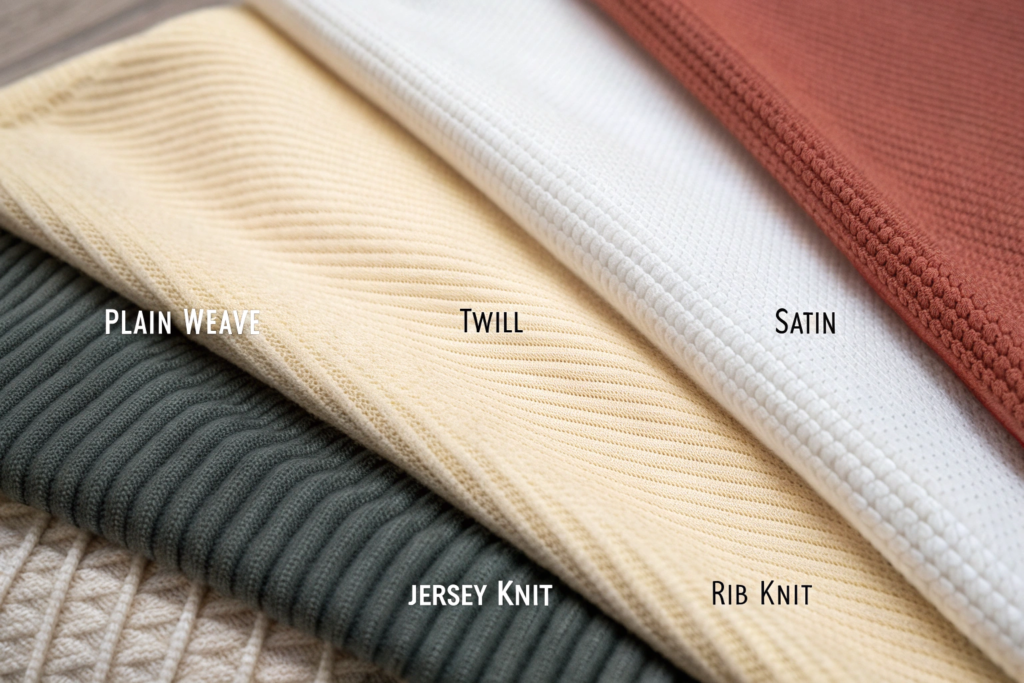
Plain weave is the simplest structure. Warp and weft threads cross alternately. It creates stable, balanced fabric.
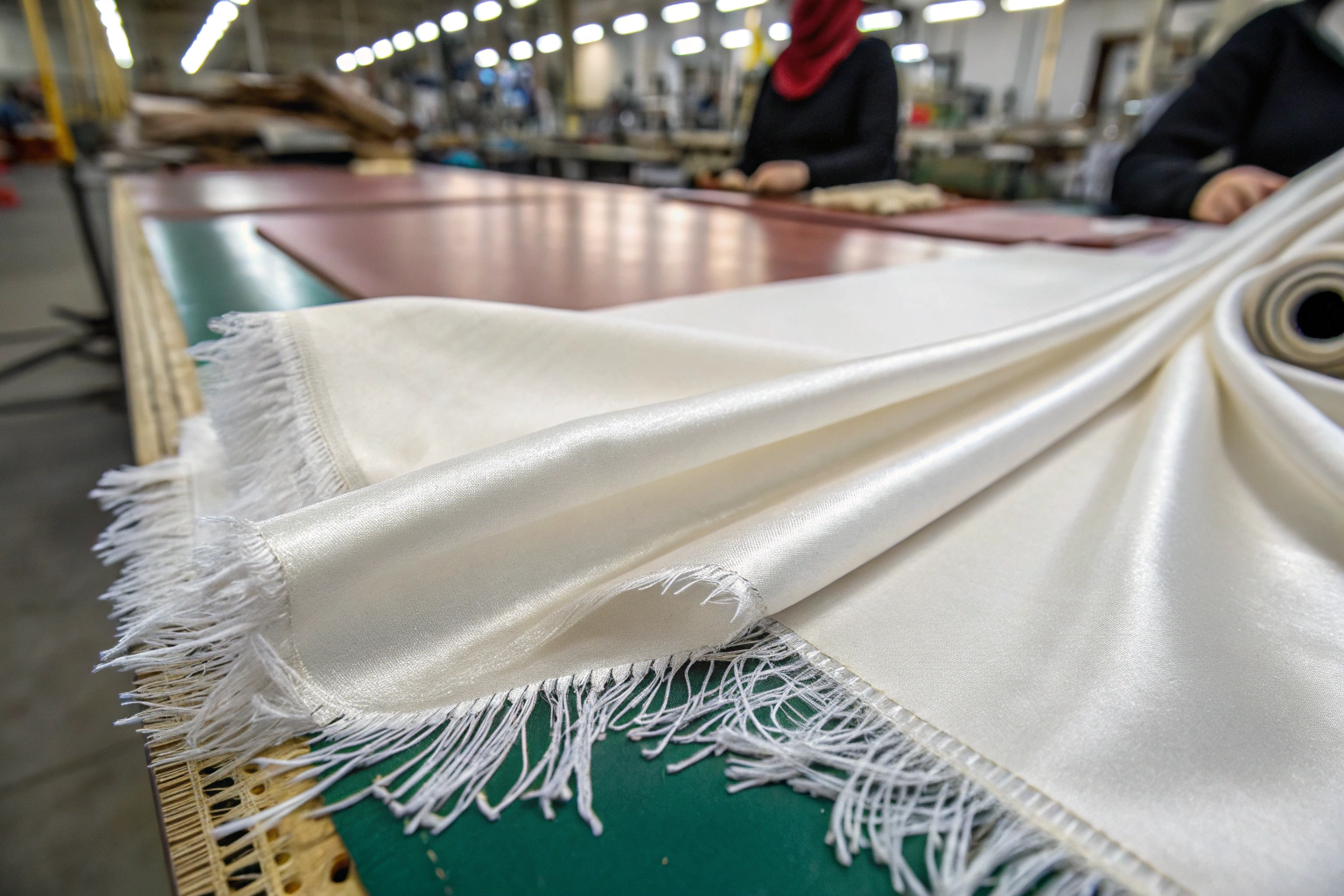
Plain weave scarves work for printing. The even surface shows patterns clearly. They are durable and versatile. They may wrinkle more than other weaves. Cotton scarves often use plain weave. Silk plain weave creates classic charmeuse. Weave identification helps specify.
What makes twill weave special for scarves?
Twill weave creates diagonal lines on fabric surface. The structure drapes well and resists wrinkles.
Wool scarves often use twill. The diagonal lines add visual interest even in solid colors. Twill is strong and durable. It hides soil better than plain weave. Cashmere scarves in twill combine luxury with practicality. Twill characteristics explain variations.
How Do You Match Fabric To End Use?
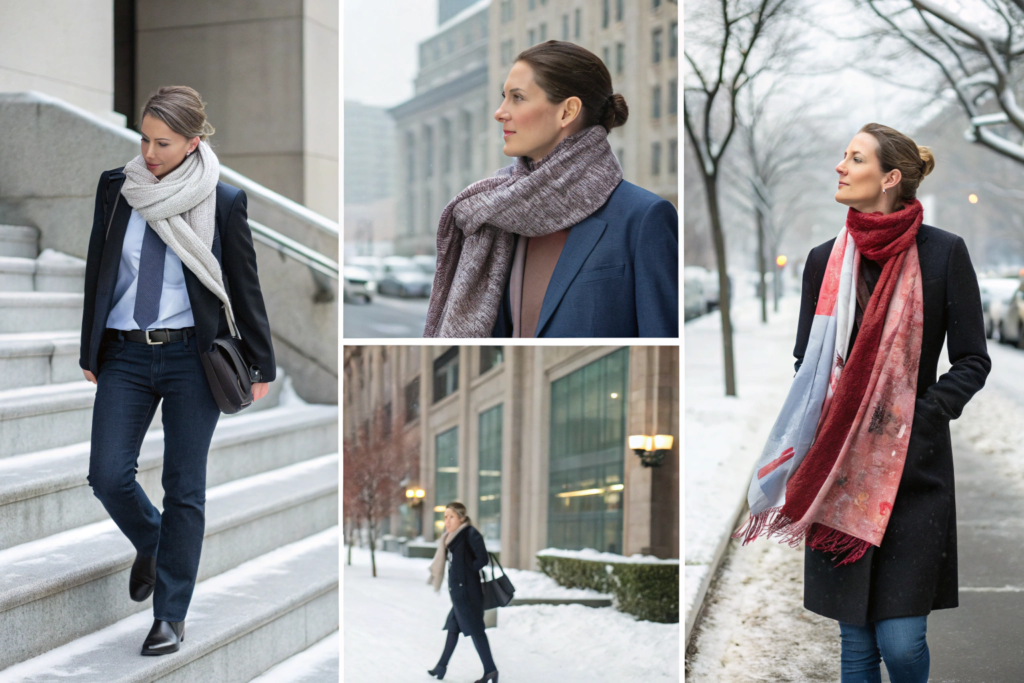
Different uses demand different fabrics, each tailored to the rhythm and mood of its purpose. A scarf for daily commuting, perhaps woven from a lightweight, breathable cotton or a soft, machine-washable blend, wraps around the neck with the ease of a well-loved companion, shielding against brisk morning winds or the chill of an air-conditioned subway.
Its texture might be slightly textured, offering gentle warmth without bulk, and its colors—subtle neutrals or muted pastels—blend seamlessly into the hurried bustle of everyday life. In contrast, a scarf for special occasions shimmers with opulence, crafted from sumptuous silk that drapes like liquid light or a rich cashmere that feels as luxurious as a whispered secret.
How do you select fabrics for corporate gifts?
Corporate gift scarves must please diverse recipients. They should feel luxurious without being fussy. They should suit various personal styles.
Mid-weight fabrics in classic colors work best. Cashmere blends offer luxury at accessible prices. Pashmina-style fabrics appeal widely. Avoid extreme fashion statements. Choose fabrics that recipients will actually use. Corporate gift trends inform selection.
What fabrics work for promotional giveaways?
Promotional scarves must balance cost and quality. Polyester and acrylic blends hit price points.
Print quality matters for logo visibility. Fabric should feel acceptable against skin. Avoid scratchy materials that recipients will discard. The scarf represents your brand. It should feel decent even at budget prices. Promotional product standards guide quality expectations. Shanghai Fumao Clothing offers options across all price points.
Conclusion
Choosing the right fabric for custom scarves requires understanding multiple factors. Fiber properties determine fundamental behavior. Weight affects warmth and drape. Construction influences appearance and durability. End use guides appropriate choices. Care requirements affect customer satisfaction.
At Shanghai Fumao Clothing, we help clients navigate these decisions daily. We maintain fabric libraries with samples across categories. We test fabrics for specific applications. We advise on appropriate choices based on budget and goals. The result is scarves that satisfy customers and build brand loyalty.
If you are developing custom scarves and need fabric guidance, I invite you to reach out. Let us discuss your application, your budget, and your quality expectations. We can show you the right fabric for your needs. For new projects and inquiries, please contact our Business Director, Elaine, directly at elaine@fumaoclothing.com. We look forward to helping you create beautiful scarves that perform as intended.