As a manufacturer, I get to see the small details that make a big difference. A client, often a brand owner like Ron from the U.S. who sources workwear or tactical gear, will come to me and say, "I need a belt that can handle serious use. The last supplier's buckles kept breaking." They're frustrated because a belt is a system, and if the buckle fails, the whole product is useless. It's a problem that can destroy a brand's reputation for reliability.
To choose the right buckle for a heavy-duty belt, you must prioritize material strength, mechanism reliability, and corrosion resistance. Solid brass, stainless steel, and high-grade zinc alloys are the top material choices, while roller buckles and clamp-style (or "cobra") buckles offer the most secure and durable mechanisms for demanding applications. It's about selecting a piece of hardware that is engineered for stress, not just for style.
I understand the stakes. For your customers—be they construction workers, law enforcement, or outdoor enthusiasts—a belt isn't just an accessory; it's a piece of equipment. A failing buckle isn't an inconvenience; it's a safety and functionality issue. At my company, Shanghai Fumao Clothing, we treat the buckle with the same seriousness as the belt webbing itself. Let's break down what you need to look for to ensure your heavy-duty belt has a buckle that will never let your customers down.
What are the best materials for heavy-duty buckles?
You've seen buckles that look tough but start to bend, warp, or rust after just a few months of use. You're worried about choosing a buckle based on its looks, only to discover it's made from a cheap, weak metal that can't handle real-world stress. This is the most common point of failure, and you need to know how to avoid it.
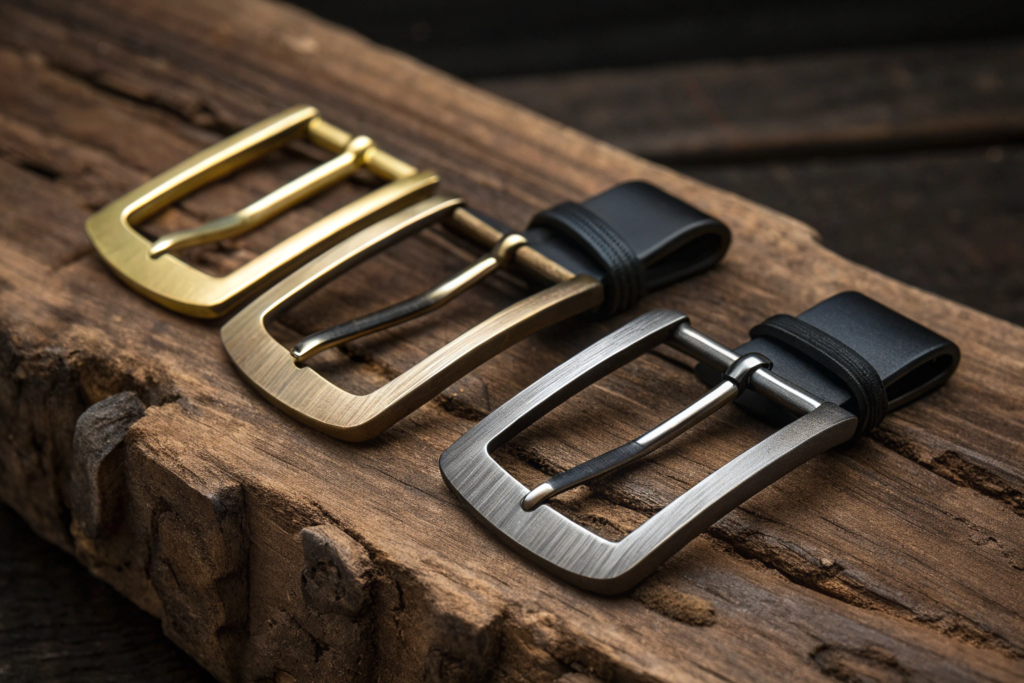
The material is the single most important factor in a heavy-duty buckle's performance. While many fashion buckles are made from plated pot metal, a true heavy-duty buckle must be made from solid, non-plated metals like stainless steel or solid brass, or from a high-quality, dense zinc alloy. These materials provide the tensile strength and corrosion resistance necessary to withstand years of hard use.
This is a non-negotiable starting point. When we source buckles for our heavy-duty belt clients, we demand material composition reports from our suppliers. A buckle's material determines its breaking point, its resistance to environmental factors, and its overall longevity. Let's compare the top contenders so you can make an informed choice. The material you choose will directly influence which buckle mechanism is most suitable for your belt.
Why is Stainless Steel a top choice?
Stainless steel is a powerhouse material for buckles. It's an alloy of iron, chromium, and other elements that gives it incredible strength and exceptional corrosion resistance. It will not rust, even when exposed to sweat, rain, or humid conditions. It's also hypoallergenic for most people.
- Pros: Extremely strong, will not rust, scratch-resistant, hypoallergenic.
- Cons: Can be heavier and more expensive than other options.
For more on the properties of different steel grades, engineering resources like the American Iron and Steel Institute (AISI) provide extensive information.
What about Solid Brass?
Solid brass is another premium choice, known for its durability and classic aesthetic. It's a copper and zinc alloy that is completely rust-proof. Over time, it develops a unique patina, which many users appreciate as a sign of quality and age. It is softer than stainless steel but more than strong enough for any belt application.
- Pros: Rust-proof, very strong, develops a beautiful patina.
- Cons: Softer than steel (can scratch more easily), can cause skin discoloration for a small number of people.
You can learn about the properties of brass from metallurgical resources like the Copper Development Association.
What are the most reliable buckle mechanisms?
The material is solid, but the buckle's moving parts are weak. The prong bends, the clamp slips, or the release mechanism breaks. The design of the buckle's mechanism is just as critical as the metal it's made from. You need a design that is simple, strong, and fail-proof.
For heavy-duty use, the most reliable mechanisms are those with the fewest and strongest moving parts. The two standout designs are the Roller Buckle for traditional belts and the Clamp-Style Buckle (like the Cobra buckle) for tactical or webbed belts. These designs are proven to hold securely under load and resist mechanical failure.
At our factory, Shanghai Fumao Clothing, we guide our clients toward these proven designs. A fancy, complex mechanism introduces more potential points of failure. For a belt that someone's safety or comfort depends on, simplicity equals reliability. Let's examine why these two styles are the industry standards for heavy-duty applications and how they relate to the type of belt webbing.
Why is a Roller Buckle so effective?
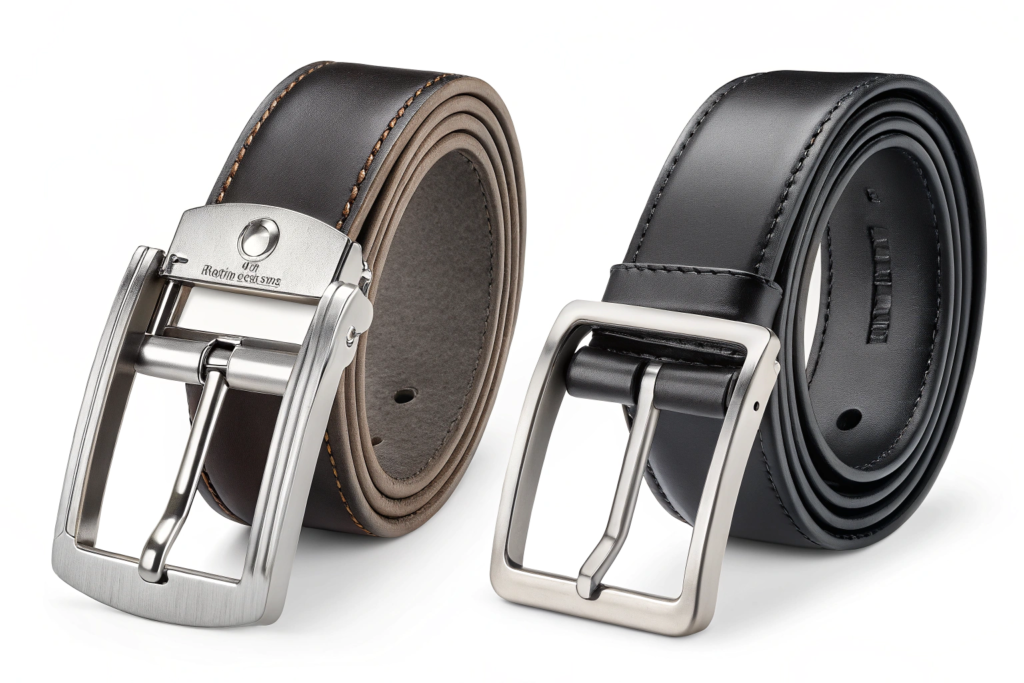
The roller buckle is a classic design for a reason. It adds a small, freely spinning cylinder (the roller) where the belt strap makes its tightest turn. This seemingly small addition does two crucial things:
- Reduces Friction: It allows the belt strap (especially thick leather) to slide smoothly into place without being scraped or damaged. This preserves the life of the belt.
- Increases Cinching Power: By reducing friction, it allows the user to get a tighter, more secure fit with less effort.
Look for roller buckles where the roller and the prong are made from the same solid material (steel or brass) and are thick and substantial, not thin and flimsy.
What makes Clamp-Style (Cobra) Buckles so secure?
Clamp-style buckles, famously exemplified by the AustriAlpin Cobra® buckle, are the gold standard for tactical and safety belts. They feature two parts that click together and can only be released by pressing two buttons simultaneously.
- Incredible Load-Bearing Capacity: They are often rated to withstand thousands of pounds of force, far more than any belt would ever experience.
- No-Slip Grip: They lock onto the webbing, meaning there is zero chance of the belt slipping or loosening during use.
- Prevents Accidental Release: The dual-button release makes it virtually impossible for the buckle to come undone by accident.
While Cobra® is a specific, patented brand, many factories produce similar high-quality clamp-style buckles. When sourcing these, always ask for their load-bearing test specifications.
How does the buckle interact with the belt material?
You've chosen a great buckle and a tough belt material, but you didn't consider how they would work together. The buckle's sharp edges are fraying your nylon belt, or the prong on your buckle is too wide for the holes in your leather belt. The synergy between the buckle and the belt strap is a detail that separates professional-grade gear from amateur products.
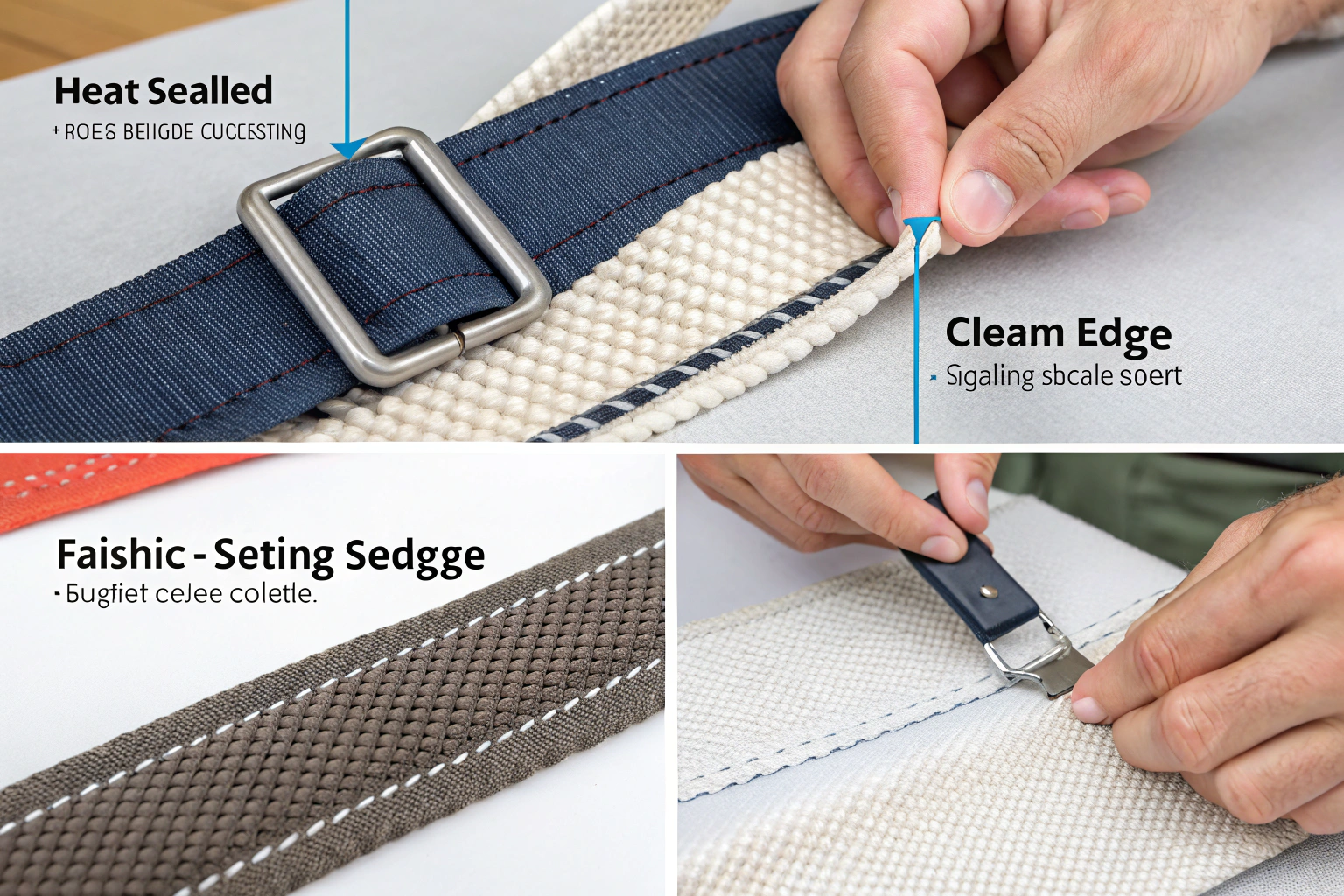
A heavy-duty buckle must be matched to the belt material it will be used with. For thick leather belts, a roller buckle with a strong, appropriately sized prong is ideal. For synthetic webbing (like nylon or polyester), a clamp-style or friction-based buckle that grips the material without a prong is the superior choice.
This is a key part of the design process. We always consider the thickness, width, and material of the belt strap when recommending a buckle. A mismatch can lead to premature wear and tear on the belt, even if the buckle itself is strong. Let's look at the ideal pairings. This synergy is a practical application of your knowledge of materials and mechanisms.
What's the best buckle for a leather belt?
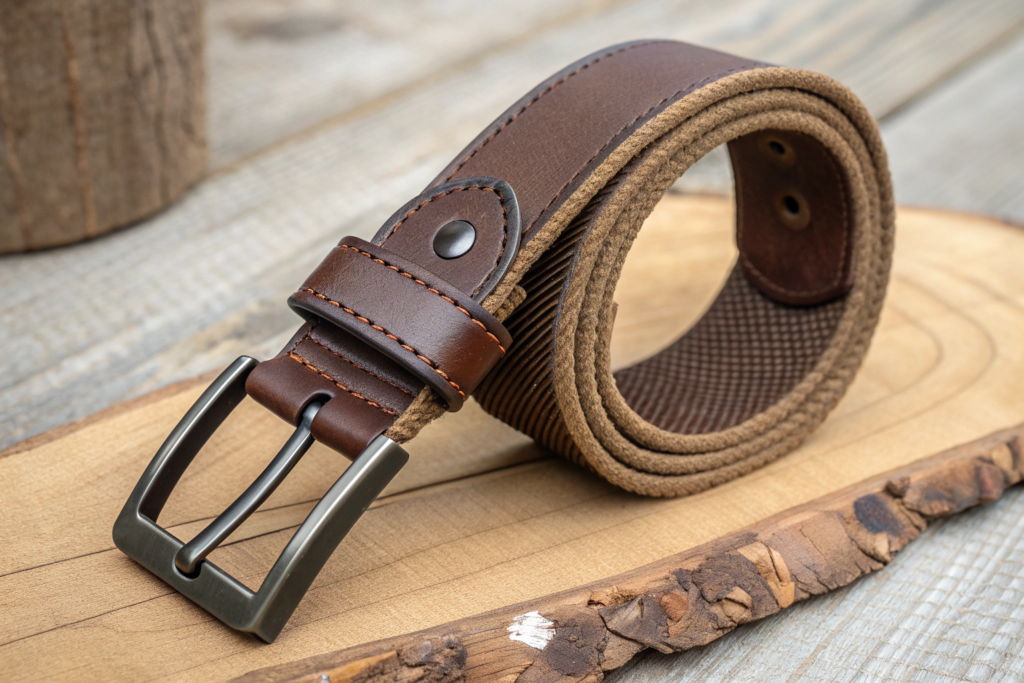
For a thick, heavy-duty leather belt (e.g., 1.5" to 1.75" wide), a single-prong roller buckle made of solid brass or stainless steel is the undisputed champion. The roller protects the leather from damage, and the single, thick prong provides a secure anchor in the belt hole. Avoid buckles with sharp or unfinished edges that could cut into the leather over time. The buckle's frame should be thick and solid, not a thin, stamped piece of metal.
What's the best buckle for a webbed belt?
For a nylon or polyester webbed belt, you need a buckle that grips the fabric.
- Clamp-Style: As discussed, this is the most secure option. It provides a positive lock that will not slip.
- Friction Buckle: This is a simpler, prong-less design where the webbing is passed through a series of slots. The tension on the belt creates friction, which holds the webbing in place. These can be very effective, but look for designs with a textured or "toothed" surface on the friction bar to provide extra grip on the webbing. A high-quality example is the type of buckle often found on military-style BDU (Battle Dress Uniform) belts. You can see examples of these on army surplus or tactical gear websites like 5.11 Tactical.
What about finish and corrosion resistance?
Your buckle was strong, but after a season of working outdoors in the rain and humidity, it's covered in rust spots, and the black finish is chipping off, revealing a cheap metal underneath. A heavy-duty buckle must be able to withstand the elements as well as physical stress.
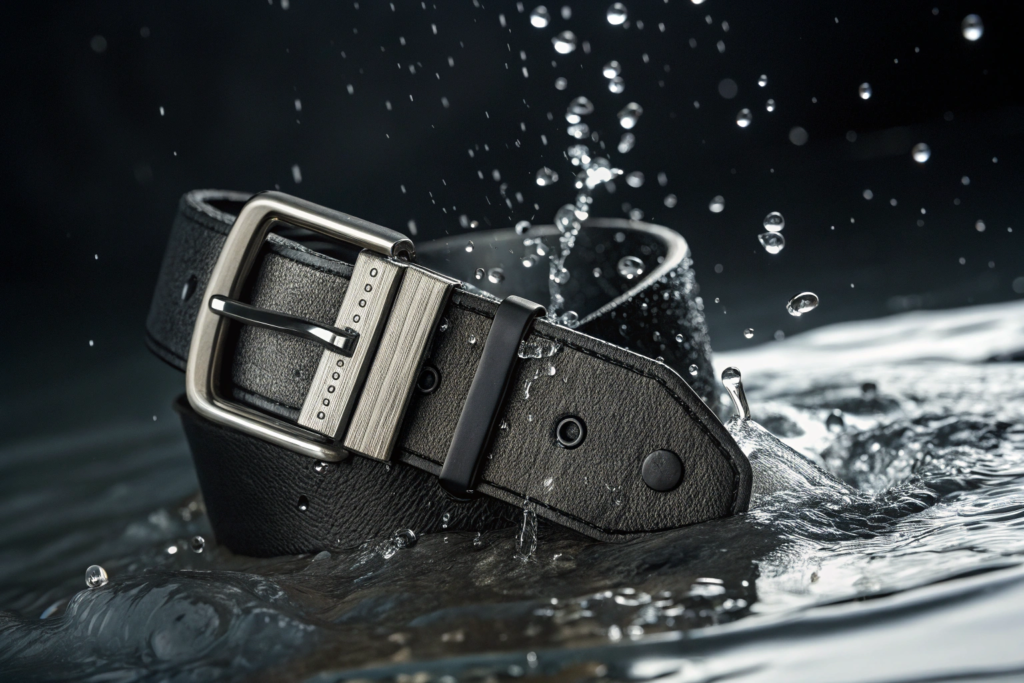
For maximum longevity, a heavy-duty buckle's finish should not be a cosmetic layer but an inherent property of the material itself. This is why solid stainless steel (with a brushed or polished finish) and solid brass are superior. If a coating is used, it must be a durable, industrial-grade finish like PVD or Cerakote, not simple paint or cheap electroplating.
A finish that chips or wears away is more than just a cosmetic problem. On a lesser-quality metal, it exposes the base material to moisture, leading to rust and structural failure. This is why we advocate for solid metals. Their "finish" is the material itself, so it can't chip, peel, or wear off.
What is PVD Coating?
PVD (Physical Vapor Deposition) is a high-tech process where a thin film of a durable material is bonded to the buckle in a vacuum. It is extremely hard and corrosion-resistant. It's often used to create black or other colored finishes on stainless steel or zinc alloy buckles. It is far more durable than standard plating or paint. You can learn about the PVD process on technical coating company websites like Oerlikon Balzers.
Why avoid cheap plating?
Cheap electroplating on a low-grade metal buckle is a major red flag. The plating is microscopically thin and will inevitably be scratched or worn away with use. Once the base metal is exposed, it will quickly corrode and fail. If a buckle is advertised as "nickel-plated" or "chrome-plated" at a very low price, be skeptical. It's likely a sign of a low-quality base metal underneath.
Conclusion
Choosing the right buckle for a heavy-duty belt is a critical engineering decision, not a fashion choice. It requires a disciplined focus on the fundamentals: strong, solid materials like stainless steel and brass; simple, reliable mechanisms like roller or clamp styles; and a durable finish that can withstand the elements. By prioritizing these factors, you can create a belt that is not just a product, but a piece of reliable equipment that your customers can trust for years to come.
At our company, we live and breathe these details. We understand that the strength of your brand is forged in the quality of your components. We have the expertise and the sourcing network to provide you with buckles that are truly fit for heavy-duty purpose. If you're ready to build a belt that stands up to the toughest demands, let's talk. Please contact our Business Director, Elaine, at her email: elaine@fumaoclothing.com. We're ready to help you build for strength and reliability.