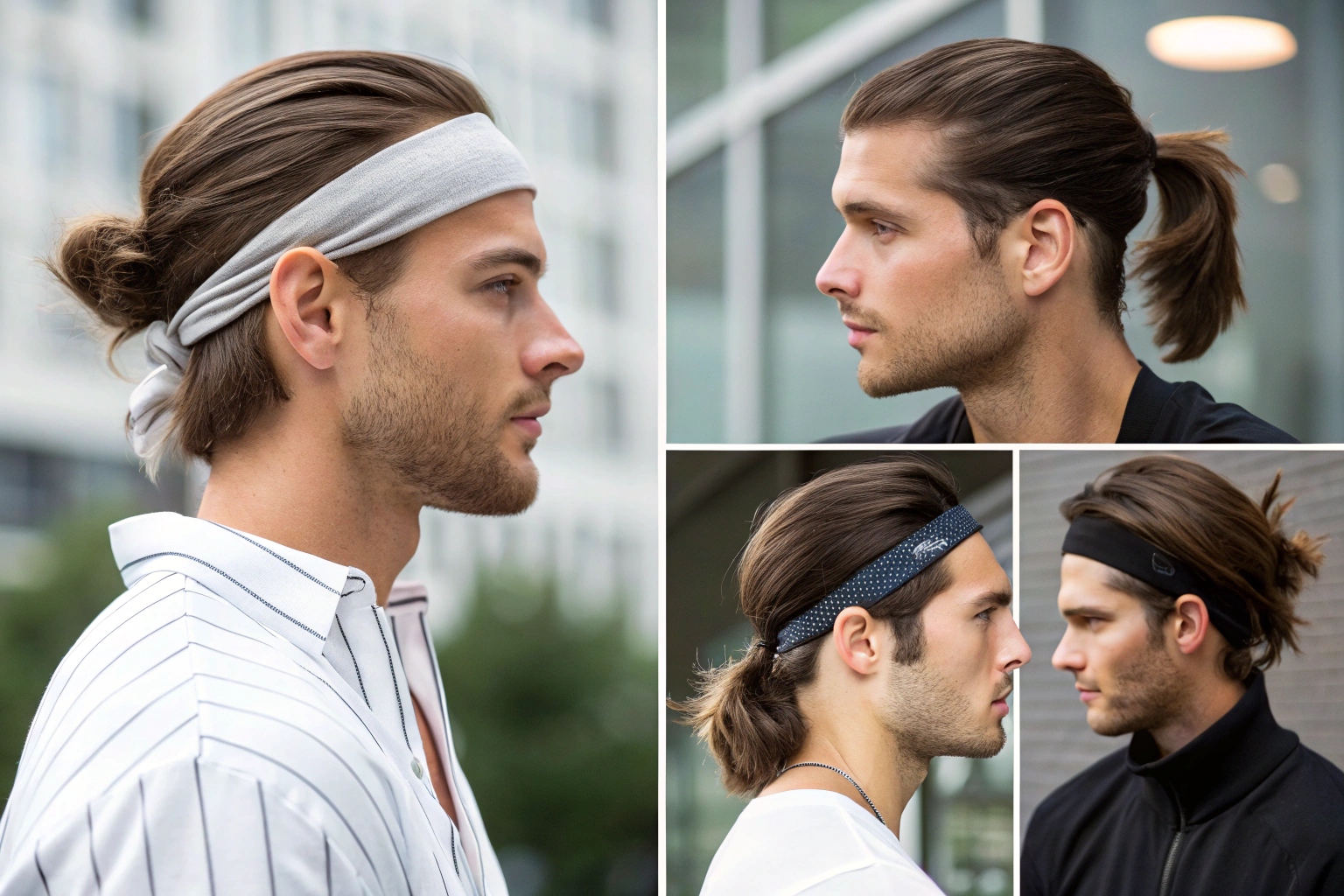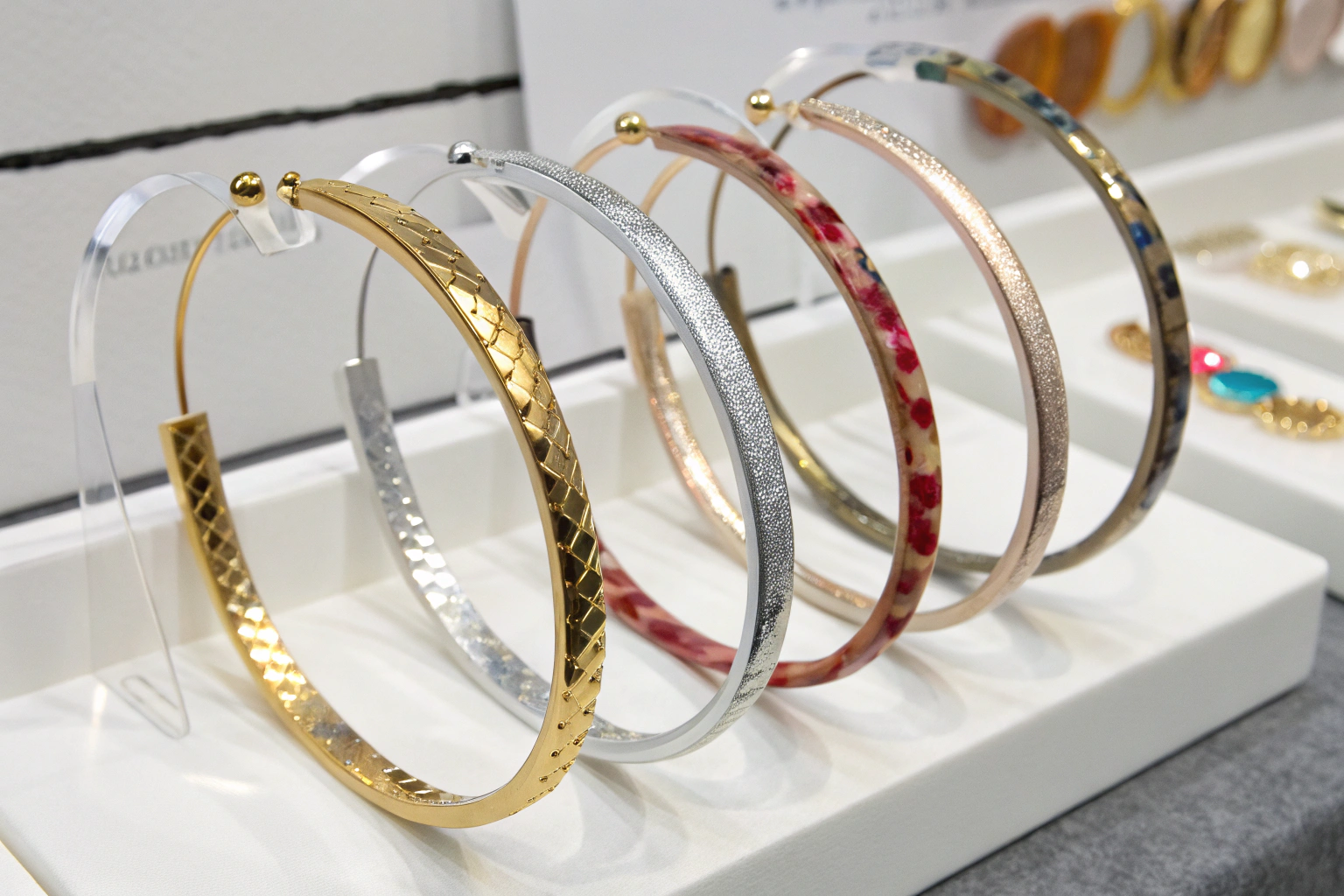
The decision between metal and plastic hair hoops involves careful consideration of market demographics, price positioning, fashion trends, and functional requirements. Both materials offer distinct advantages that resonate differently across consumer segments and geographic regions.
Choosing between metal and plastic hair hoops requires analyzing target market preferences, price sensitivity, fashion positioning, durability expectations, and seasonal trends. At AceAccessory, our product development strategy involves meticulous market research to determine the optimal material selection for different customer bases, ensuring we meet both aesthetic preferences and practical needs across our global distribution channels.
This comprehensive guide provides a structured framework for selecting between metal and plastic hair hoops based on market characteristics, consumer behavior, and commercial objectives.
What Market Factors Influence Material Selection?
Understanding core market factors is essential for making informed decisions between metal and plastic hair hoops. These factors vary significantly across geographic regions, retail channels, and consumer demographics.
Key market considerations include price sensitivity, fashion positioning, cultural preferences, and distribution channel requirements. Our market analysis process evaluates these factors systematically to determine the optimal material strategy for each market segment we serve.
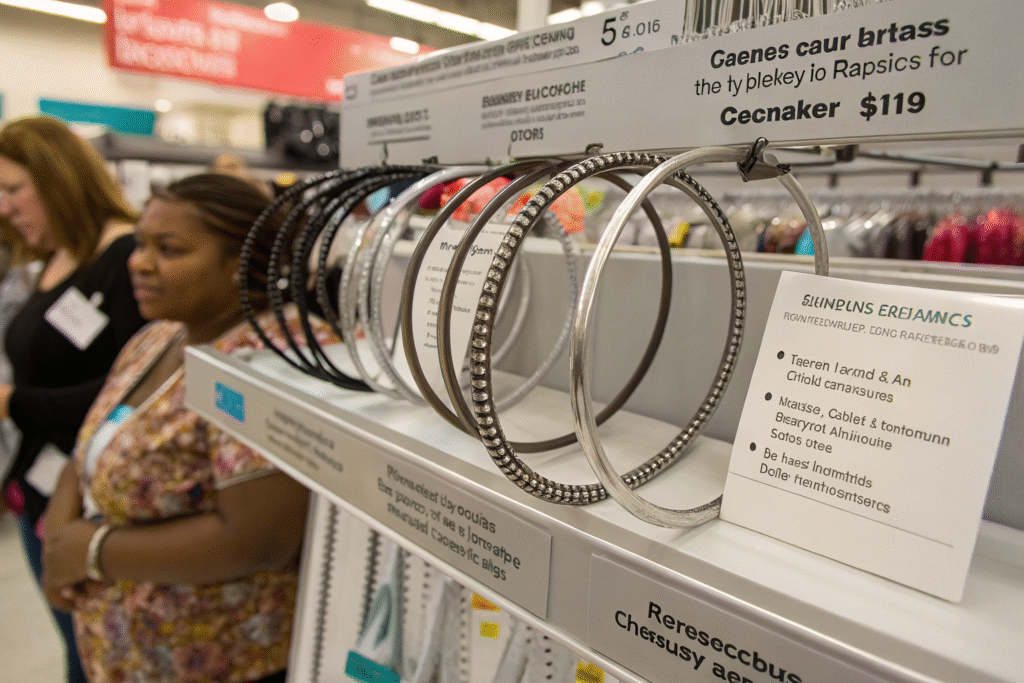
How Does Price Positioning Affect Material Choice?
Price positioning significantly influences material selection through several mechanisms:
- Budget markets (<$15 retail): Plastic dominates due to lower material costs and production efficiency
- Mid-market ($15-$35): Mixed material strategies with both plastic and lightweight metals
- Premium segments ($35-$75): Metal predominates with quality finishes and substantial feel
- Luxury tier ($75+): Precious metals and high-quality plating become essential
Our pricing analysis reveals that plastic hoops typically achieve 25-40% higher margins in mass-market channels, while metal hoops demonstrate stronger performance in specialty retail and e-commerce platforms where consumers prioritize perceived quality and durability.
What Role Do Regional Preferences Play?
Regional preferences create distinct material inclinations across global markets:
- North America: Balanced preference with metal slightly leading in fashion-forward urban markets
- Western Europe: Strong metal preference, particularly in fashion capitals like Paris and Milan
- East Asia: Plastic popularity for colorful, lightweight designs appealing to youth markets
- Latin America: Metal dominance in professional segments, plastic strength in casual wear
- Middle East: Premium metal preference driven by gold culture and luxury shopping behaviors
Our regional strategy adapts to these preferences while identifying emerging opportunities—for example, introducing higher-quality plastic options in European fast-fashion markets where lightweight comfort is gaining importance.
What Consumer Demographics Prefer Each Material?
Consumer demographic characteristics strongly correlate with material preferences for hair hoops. Understanding these demographic patterns enables targeted product development and marketing strategies.
Key demographic factors include age, income level, fashion orientation, and lifestyle needs. Our consumer research identifies clear material preference patterns across different demographic segments.
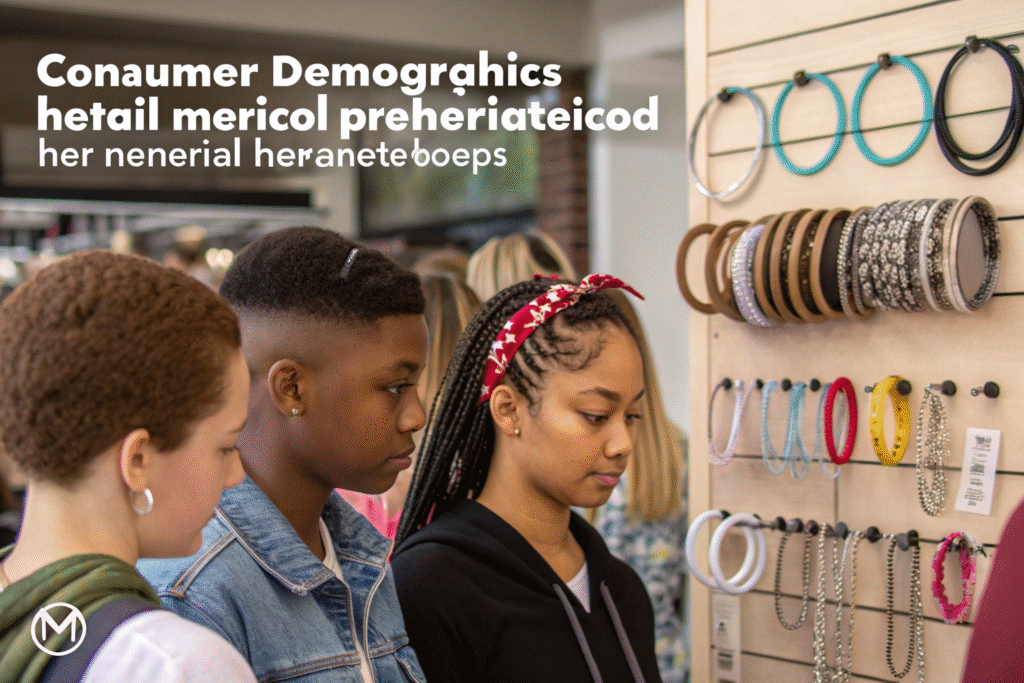
How Do Age Groups Influence Material Preference?
Age groups demonstrate distinct material preferences:
- Teens (13-17): Strong plastic preference for colorful, trendy, disposable fashion
- Young Adults (18-25): Balanced approach with metal gaining share as professional needs emerge
- Adults (26-40): Metal dominance for quality, versatility, and professional appropriateness
- 40+ Consumers: Strong metal preference for classic styling and perceived quality
Our age-specific collections reflect these preferences while identifying transitional opportunities—such as introducing metal-look plastics for teens seeking premium appearance at accessible prices.
What Income and Lifestyle Factors Determine Choice?
Income and lifestyle factors create clear material segmentation:
- Students and Entry-Level: Plastic predominance due to budget constraints and frequent style rotation
- Professional Urbanites: Metal preference for work-appropriate accessories and investment purchasing
- Fashion Influencers: Mixed usage with both materials for content variety and trend experimentation
- Suburban Families: Value-focused plastic with selective metal pieces for special occasions
Our lifestyle-based segmentation allows for precisely targeted collections that address the specific usage contexts and purchasing motivations of each consumer group.
What Are the Functional Differences Between Materials?
Functional characteristics significantly impact the user experience and appropriateness of metal versus plastic hair hoops for different applications. These practical considerations often override purely aesthetic preferences.
Key functional differentiators include weight, durability, comfort, and hair compatibility. Our product testing evaluates these factors across both material categories to ensure optimal performance.
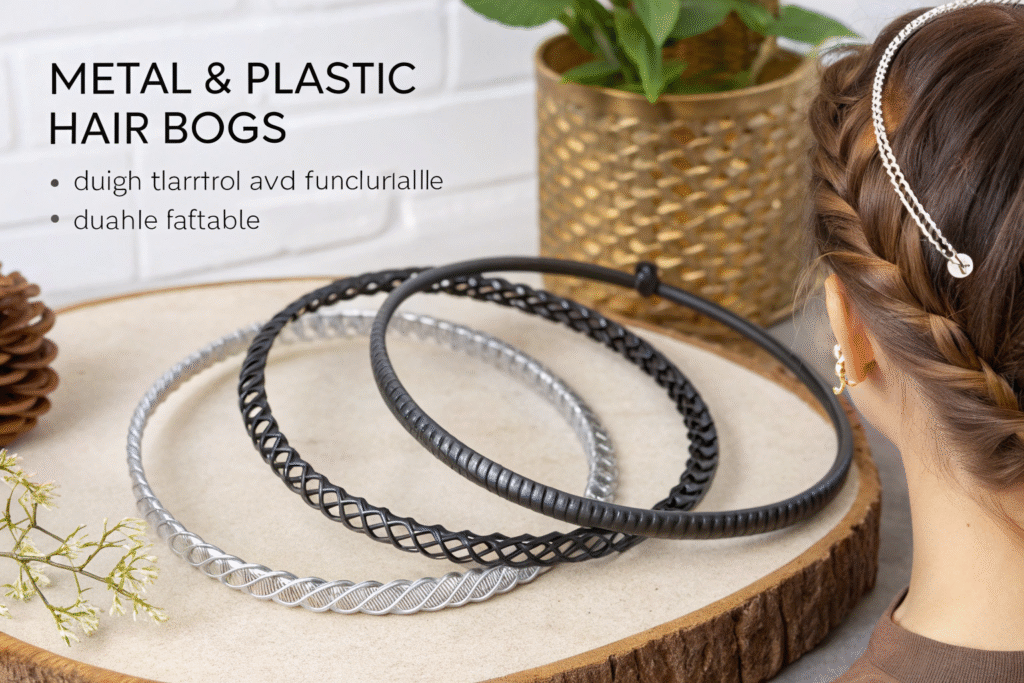
How Does Weight Impact Wearability and Comfort?
Weight considerations create clear functional distinctions:
- Plastic advantages: 60-80% lighter than equivalent metal hoops, reducing ear strain
- Metal considerations: Substantial feel preferred by some consumers, but can cause discomfort during extended wear
- Active lifestyles: Plastic preferred for sports, gym, and all-day casual wear
- Special occasions: Metal often preferred for shorter-duration wear where appearance priorities dominate
Our comfort testing reveals that plastic hoops under 15 grams demonstrate significantly higher all-day wear compliance, while metal hoops between 15-30 grams satisfy consumers seeking "quality feel" without excessive weight.
What Durability Factors Should Be Considered?
Durability factors vary significantly between materials:
- Metal advantages: Superior resistance to breaking, cracking, and permanent deformation
- Plastic considerations: Prone to stress fractures over time, but excellent impact resistance
- Travel suitability: Metal maintains appearance better in packed luggage
- Long-term wear: Metal demonstrates better colorfastness and finish retention
Our quality standards include cycle testing for both materials, with metal hoops typically enduring 2,000+ open/close cycles versus 500-800 for plastic equivalents. This data informs both product development and consumer education about expected product lifespan.
What Fashion and Trend Considerations Matter?
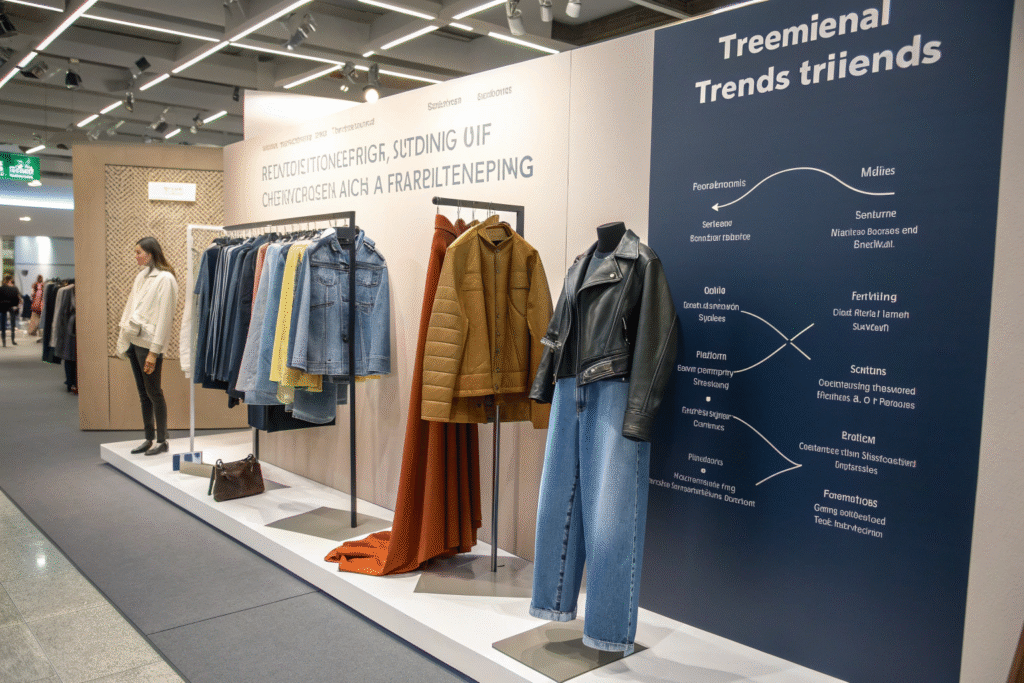
Fashion and trend considerations significantly influence material selection decisions, with each material occupying distinct positions within the fashion landscape and trend cycles.
Key fashion factors include current trends, seasonal influences, style versatility, and aesthetic characteristics. Our trend analysis tracks material preferences across fashion runways, street style, and social media to identify emerging opportunities.
How Do Current Trends Influence Material Popularity?
Current trends create material preference shifts:
- Minimalist aesthetics: Metal dominance for clean, architectural looks
- Y2K revivals: Plastic strength for colorful, nostalgic styles
- Sustainable fashion: Both materials evolving with recycled options
- Gender-fluid styling: Metal preference for its neutral characteristics
- Maximalist moments: Plastic advantage for bold colors and patterns
Our trend-responsive manufacturing allows rapid material allocation shifts—increasing plastic production during Y2K trend peaks while maintaining metal capacity for enduring minimalist preferences.
What Seasonal Patterns Affect Material Selection?
Seasonal patterns create predictable material demand fluctuations:
- Spring/Summer: Plastic strength for vacation, festival, and bright color seasons
- Fall/Winter: Metal dominance for sophisticated, holiday, and professional wear
- Holiday seasons: Metal preference for gift-giving and special occasion wear
- Back-to-school: Plastic strength in youth markets for trend-driven purchasing
Our inventory planning reflects these seasonal patterns while maintaining core metal assortments year-round for consistent performers like basic gold and silver hoops.
What Production and Sourcing Factors Differ?
Production and sourcing considerations significantly impact the commercial viability of metal versus plastic hair hoops. These operational factors influence cost structure, lead times, and manufacturing flexibility.
Key production factors include material costs, manufacturing processes, minimum order quantities, and customizability. Our sourcing strategy optimizes these factors based on target price points and market requirements.
How Do Material Costs and MOQs Compare?
Material costs and minimum order quantities differ substantially:
- Plastic advantages: 40-60% lower material costs, lower MOQs (1,000-5,000 units)
- Metal considerations: Higher material costs, typically higher MOQs (5,000-10,000 units)
- Customization costs: Plastic offers lower tooling costs for new designs
- Color variety: Plastic provides unlimited color options at minimal cost increase
Our production planning leverages these differences—using plastic for trend-driven colors with shorter lifecycles and metal for core styles with sustained demand.
What Are the Lead Time and Flexibility Considerations?
Lead time and production flexibility vary between materials:
- Plastic advantages: 2-4 week production cycles, rapid color changes
- Metal considerations: 4-8 week production, longer setup for finish changes
- Responsiveness: Plastic superiority for capitalizing on emerging trends
- Quality consistency: Metal advantage for maintaining finish standards across production runs
Our hybrid approach maintains plastic production capacity for trend responsiveness while utilizing metal production for core collection development with longer planning horizons.
Conclusion
Choosing between metal and plastic hair hoops requires careful analysis of multiple factors including target market characteristics, consumer demographics, functional requirements, fashion trends, and production considerations. Metal hoops typically excel in premium segments, professional contexts, and markets valuing durability and perceived quality. Plastic hoops dominate in budget-conscious markets, youth segments, trend-driven categories, and applications prioritizing lightweight comfort. The most successful market strategies often incorporate both materials to address different consumer needs, price points, and usage occasions within a balanced product assortment. Learn more shanghaifumaoclothing.
If you need assistance determining the optimal material strategy for your specific market needs, we invite you to contact our Business Director, Elaine. She and our AceAccessory team specialize in developing hair hoop collections that balance material selection with commercial objectives across diverse global markets. Reach out to Elaine at: elaine@fumaoclothing.com.