I have been in the fashion accessory manufacturing business for over twenty years, and I have worked with suppliers in China for all of that time. I have learned that the most successful sourcing relationships are not transactional; they are partnerships. For a buyer like Ron, who needs reliable quality, consistent delivery, and fair pricing, building a long-term relationship with a Chinese supplier is one of the best investments you can make. A strong relationship gives you priority during busy seasons, better pricing over time, and a partner who will go the extra mile when problems arise.
To build a long-term relationship with your Chinese supplier, you need to focus on trust, communication, consistency, and mutual respect. This means paying on time, visiting the factory, communicating clearly, sharing your long-term goals, and treating the supplier as a partner rather than a vendor. It also means understanding Chinese business culture, being patient, and investing in the relationship over time. A good relationship is built on actions, not words.
At Shanghai Fumao Clothing, we have long-term relationships with many of our clients. Some have been with us for over a decade. These relationships are built on trust, transparency, and mutual benefit. I want to share what I have learned about building these relationships, both as a supplier and as someone who has worked with many international clients.
Why Is Trust The Foundation Of A Long-Term Supplier Relationship?
Trust is the currency of international business. Without it, every transaction is fraught with risk. With it, you can work through any problem. Building trust with a Chinese supplier takes time, but it is the most important investment you can make.
Trust starts with honesty. Be honest about your expectations, your timelines, and your challenges. If you are a small brand, say so. If you are testing a new design, say so. A good supplier will work with you. Trust also comes from reliability. Pay on time. Communicate clearly. When you say you will do something, do it. Over time, your supplier will learn that they can count on you. Trust also comes from transparency. Share your long-term plans. If you see a future with this supplier, tell them. They will be more invested in your success.
Trust also comes from respecting cultural differences. In Chinese business culture, relationships are built slowly. Trust is earned over time through consistent actions. It is not given freely based on a contract. A long-term relationship is often seen as a commitment to mutual success. For more on cross-cultural business relationships, resources like the Harvard Business Review have articles on building trust in global partnerships.

How do I demonstrate reliability to my supplier?
Reliability is demonstrated through consistent actions over time. The most important way to demonstrate reliability is to pay on time. In China, payment terms are taken very seriously. If you agree to pay 30% deposit and 70% before shipment, pay on the agreed date. Late payments, even by a few days, are noticed and remembered. The second way is to communicate clearly. When you say you will send feedback on a sample by Friday, send it by Friday. When you say you will place an order by a certain date, do it. Consistent communication builds trust. The third way is to provide accurate forecasts. If you say you will order 1,000 pieces, do not order 200. If your plans change, communicate early. The fourth way is to be responsive. When your supplier asks a question, answer it promptly. Delays on your side cause delays on their side. The fifth way is to visit the factory. A visit shows that you are serious about the relationship. It also gives you a chance to see how they work and to build a personal connection.
What does trust look like in a Chinese business context?
Trust in a Chinese business context looks different than in some Western contexts. It is built slowly, through repeated interactions and consistent behavior. A handshake is not enough; you need to demonstrate reliability over time. Trust is also personal. While contracts are important, the relationship is often more important. If there is a problem, a supplier is more likely to work with you if they trust you personally. Trust is also reciprocal. You show trust by giving them your business. They show trust by giving you priority during busy seasons or by offering better payment terms. Trust is also about face. In Chinese culture, "face" (mianzi) is about reputation, dignity, and respect. You give face by treating your supplier with respect, acknowledging their expertise, and not criticizing them publicly. You lose face by being disrespectful, inconsistent, or causing them to lose face with their own workers. Building trust requires understanding these cultural nuances. At Shanghai Fumao Clothing, we value clients who take the time to understand our culture and build a genuine partnership.
How Do I Communicate Effectively With My Supplier?
Effective communication is essential for a long-term relationship. Misunderstandings lead to mistakes, delays, and frustration. Clear, consistent communication prevents these problems and builds trust.
Start by establishing a primary point of contact on both sides. This person should be the main channel for all communication. This prevents confusion and ensures accountability. Next, use clear, simple language. Avoid idioms, slang, and complex sentences. What is clear to you may not be clear to someone whose first language is not English. Use bullet points and numbered lists to organize information. Next, confirm understanding. After a conversation or email, summarize what was agreed. "Just to confirm, we agreed that the sample will be ready by March 15th." This prevents misunderstandings.
Use multiple communication channels. Email is good for documentation. WeChat or WhatsApp is good for quick questions. Video calls are good for complex discussions. Video calls also allow you to see each other, which builds a personal connection. Be responsive. When your supplier asks a question, answer promptly. Delays on your side cause delays on their side. Finally, be respectful. Even when there is a problem, approach it as a problem to solve together, not as a blame game. For more on cross-cultural communication, the Intercultural Communication Institute offers resources and training.

What are the common communication pitfalls to avoid?
Common communication pitfalls can derail even the best intentions. The first pitfall is assuming that "yes" means "I understand and agree." In some cultures, "yes" can mean "I hear you" rather than "I will do it." To avoid this, ask for confirmation in writing. The second pitfall is using vague language. Instead of "make sure the quality is good," specify the quality standards. Instead of "ship it soon," specify a date. The third pitfall is relying only on email. Email is good for documentation, but it lacks tone and nuance. Use video calls for complex discussions. The fourth pitfall is not accounting for time zones. When you send an email at 5 PM your time, it may arrive at 5 AM factory time. Allow 24 hours for a response. The fifth pitfall is being inconsistent. If you change specifications, communicate it clearly and document it. If you have multiple people communicating with the supplier, ensure they are aligned. The sixth pitfall is not listening. Your supplier has expertise in manufacturing. Listen to their suggestions. They may have ideas that improve your product or reduce costs.
How can I use video calls to strengthen the relationship?
Video calls are one of the most powerful tools for building a long-term relationship. They allow you to see each other, which builds a personal connection that emails cannot replicate. Start by scheduling regular video calls. This could be weekly or monthly, depending on the stage of the project. Use these calls to review progress, discuss challenges, and plan next steps. Keep them professional but friendly. Ask about your contact's family or interests. This builds a personal connection. During the call, share your screen to review designs, specifications, or production photos. This ensures you are both looking at the same thing. Use video calls for important discussions, such as reviewing samples, discussing quality issues, or planning future orders. A face-to-face conversation, even through a screen, builds trust. If you are visiting China, make time to meet in person. A meal together can strengthen the relationship more than months of emails. At Shanghai Fumao Clothing, we welcome video calls and in-person visits. We find that clients who invest time in these personal connections have the smoothest relationships.
Why Is Visiting The Factory Important?
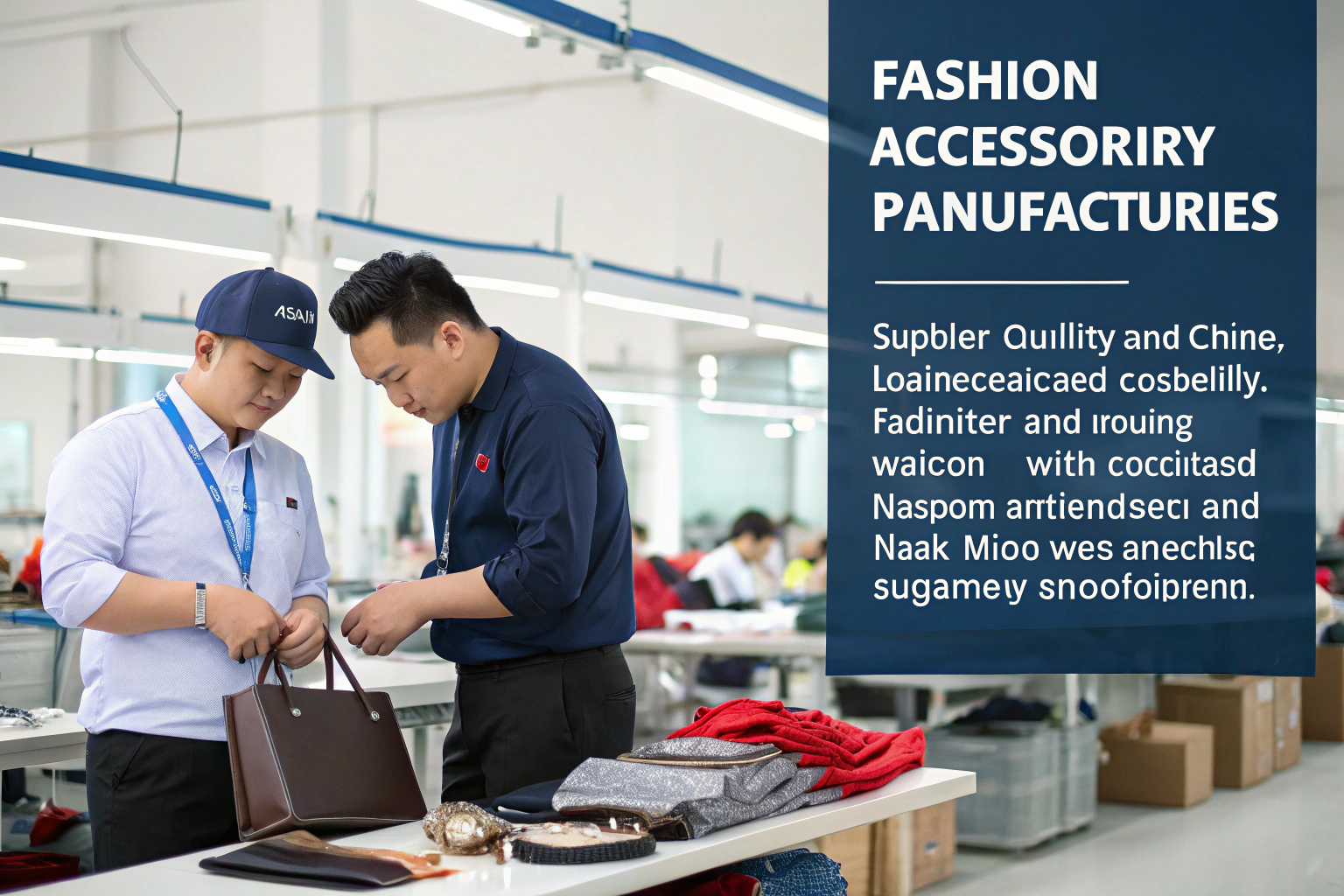
Visiting your supplier's factory is one of the most important things you can do to build a long-term relationship. A visit shows that you are serious about the partnership. It allows you to see how they work, meet the people who make your products, and build personal connections that last.
When you visit, you see the factory floor. Is it clean and organized? Are workers following safety procedures? Is quality control happening at each stage? These observations give you confidence in their operations. You also meet the people behind the products. You meet the production manager, the quality control team, and the workers. Putting faces to names builds a personal connection. When you have a problem later, you are not just emailing a company; you are contacting someone you have met. A visit also shows respect. It says that you value the relationship enough to travel. This is appreciated in Chinese business culture. Finally, a visit allows you to discuss future plans. You can share your long-term goals and see how they can support your growth.
If you cannot visit in person, request a video tour. A video tour is not the same as being there, but it shows the factory is transparent and willing to show you their operations.

What should I do during a factory visit to build relationships?
A factory visit is an opportunity to build relationships, not just inspect operations. Start by preparing. Let your contact know you are coming and what you want to see. Bring a small gift from your country. This is a common courtesy in Chinese business culture. During the visit, take a tour of the factory. Ask questions. Show interest in their processes. Compliment what is working well. Meet the team. Shake hands with the production manager, the quality control manager, and the workers. Learn their names. Take photos together. These photos will be reminders of the relationship. After the tour, have a meeting. Discuss the current order, any issues, and future plans. Be honest about your expectations. Listen to their suggestions. After the visit, send a thank-you email. Mention specific people you met and things you appreciated. This reinforces the personal connection. If possible, invite them to dinner. A meal together is a traditional way to build relationships in China. At Shanghai Fumao Clothing, we always welcome client visits. We find that clients who visit have a much deeper understanding of our capabilities and a stronger relationship with our team.
How do I handle cultural differences during a visit?
Handling cultural differences during a visit shows respect and builds trust. Start with greetings. A handshake is common. Use both hands to present your business card, with the text facing the recipient. This is a sign of respect. Be punctual. Being late is seen as disrespectful. During meals, follow your host's lead. If they offer you food, accept it. If you have dietary restrictions, communicate them in advance. Avoid sensitive topics like politics. Focus on business and building the relationship. When discussing issues, be indirect. Direct criticism can cause loss of face. Instead of saying "this is wrong," say "we might consider a different approach." When receiving a gift, accept it with both hands. Do not open it immediately unless your host suggests it. Be prepared to give a gift in return. It does not need to be expensive; something from your home country is appreciated. Most importantly, be patient. Chinese business culture values relationships over transactions. Building trust takes time. At Shanghai Fumao Clothing, we appreciate clients who take the time to understand our culture.
How Do I Negotiate Fairly And Build Trust?
Negotiation is a normal part of doing business. But how you negotiate affects the long-term relationship. Negotiating fairly builds trust. Negotiating aggressively can damage it.
Start by understanding that the goal is not to "win" but to reach a mutually beneficial agreement. If you push too hard on price, the supplier may cut corners on quality or service. A fair price allows them to invest in quality and reliability. Be transparent about your needs. If you need a lower price, explain why. Perhaps you are a new brand with a limited budget. Perhaps you are placing a larger order. A good supplier will work with you if they understand your situation. Be willing to give something in return. If you want a lower price, offer a larger order or faster payment. Negotiation is a give-and-take. Focus on the long-term. A lower price today may not be worth it if it damages the relationship. A fair price that allows both parties to succeed is the foundation of a long-term partnership. For more on negotiation strategies, the Program on Negotiation at Harvard Law School offers resources on principled negotiation.

What is the difference between a transactional and a partnership approach?
A transactional approach focuses on the immediate deal. The buyer wants the lowest price, the fastest delivery, and pushes for concessions. The supplier is seen as a vendor, not a partner. In a transactional relationship, trust is low, and each side is looking out for their own interests. A partnership approach focuses on the long-term relationship. The buyer and supplier work together to solve problems. The buyer pays a fair price and communicates openly. The supplier gives priority to the buyer during busy seasons and goes the extra mile when problems arise. In a partnership, both sides are invested in each other's success. The transactional approach may get you a lower price today, but it does not build loyalty. When capacity is tight, the transactional buyer may be pushed to the back of the line. When quality issues arise, the supplier may not be as motivated to solve them. The partnership approach builds loyalty, reliability, and mutual benefit over time. At Shanghai Fumao Clothing, we value clients who take a partnership approach. We are more flexible, more responsive, and more invested in their success.
How do I handle pricing negotiations without damaging the relationship?
Pricing negotiations can be delicate. The key is to approach them as a collaboration, not a confrontation. Start by understanding the supplier's cost structure. Ask about the cost of materials, labor, and overhead. This shows you are not just trying to squeeze them; you are trying to understand. Next, be transparent about your needs. If you need a lower price to hit your target margin, explain that. If you are willing to order a larger quantity or pay faster, offer that as a trade-off. Next, focus on value, not just price. A slightly higher price may be worth it for better quality, faster delivery, or more reliable service. Next, be respectful. Do not threaten to take your business elsewhere unless you are prepared to do so. That damages trust. Finally, if you reach an agreement, stick to it. Do not try to renegotiate after the fact. If market conditions change, have an open conversation. A good supplier will work with you if you are honest. At Shanghai Fumao Clothing, we are transparent about our costs and fair in our pricing. We value clients who approach pricing as a partnership.
Conclusion
Building a long-term relationship with your Chinese supplier is one of the most valuable investments you can make. It gives you priority during busy seasons, better pricing over time, and a partner who will go the extra mile when problems arise. The foundation of a long-term relationship is trust, built through honesty, reliability, and transparency. Effective communication, including regular video calls and clear specifications, prevents misunderstandings. Visiting the factory shows you are serious and builds personal connections. Fair negotiations that focus on mutual benefit rather than winning strengthen the partnership. Consistency in orders, communication, and quality expectations allows the supplier to invest in your business. And when problems arise, handling them constructively—as a partnership—can actually strengthen the relationship.
At Shanghai Fumao Clothing, we have long-term relationships with clients around the world. These relationships are built on trust, communication, and mutual respect. We value clients who see us as partners, not just vendors. We are committed to their success and we go the extra mile for them. If you are looking for a supplier who will invest in a long-term relationship, we are ready to partner with you.
If you are ready to build a long-term relationship with a reliable Chinese supplier, let's talk. Please contact our Business Director, Elaine, directly at elaine@fumaoclothing.com to discuss your project and how we can grow together.