You have the design finalized. You have the Pantone colors locked in. You have a purchase order from your client that is contingent on approving a physical sample within fourteen days. You email the factory in Zhejiang and ask for a timeline. They reply "About two weeks." Two weeks pass. Silence. You follow up. They say "Need more three days." Three days turn into seven. The client is now emailing you every morning with "Any update?" and you have nothing to show them. The trust you built over months is eroding over a sample delay. This is the reality of sampling when you work with a factory that does not have a structured development process.
Standard sampling time for custom baseball caps from a professional Zhejiang factory is 7 to 10 business days for a first proto sample using existing materials, and 14 to 21 business days if custom fabric dyeing or new embroidery digitizing is required.
I run Shanghai Fumao here in Zhejiang province. Sampling is the heartbeat of our relationship with new clients. It is the first real test of whether we can deliver on our promises. I want to walk you through exactly how the sampling timeline works inside our factory. I will show you what slows things down and what speeds things up. This way, you can plan your development calendar accurately and avoid the anxiety of the unknown.
What Are the Stages of Custom Baseball Cap Sampling?
A baseball cap sample does not appear by magic overnight. It moves through a series of distinct stages inside the factory. Each stage consumes time. Understanding this workflow helps you identify where bottlenecks happen and why a factory asking for "a few more days" might be telling the truth.
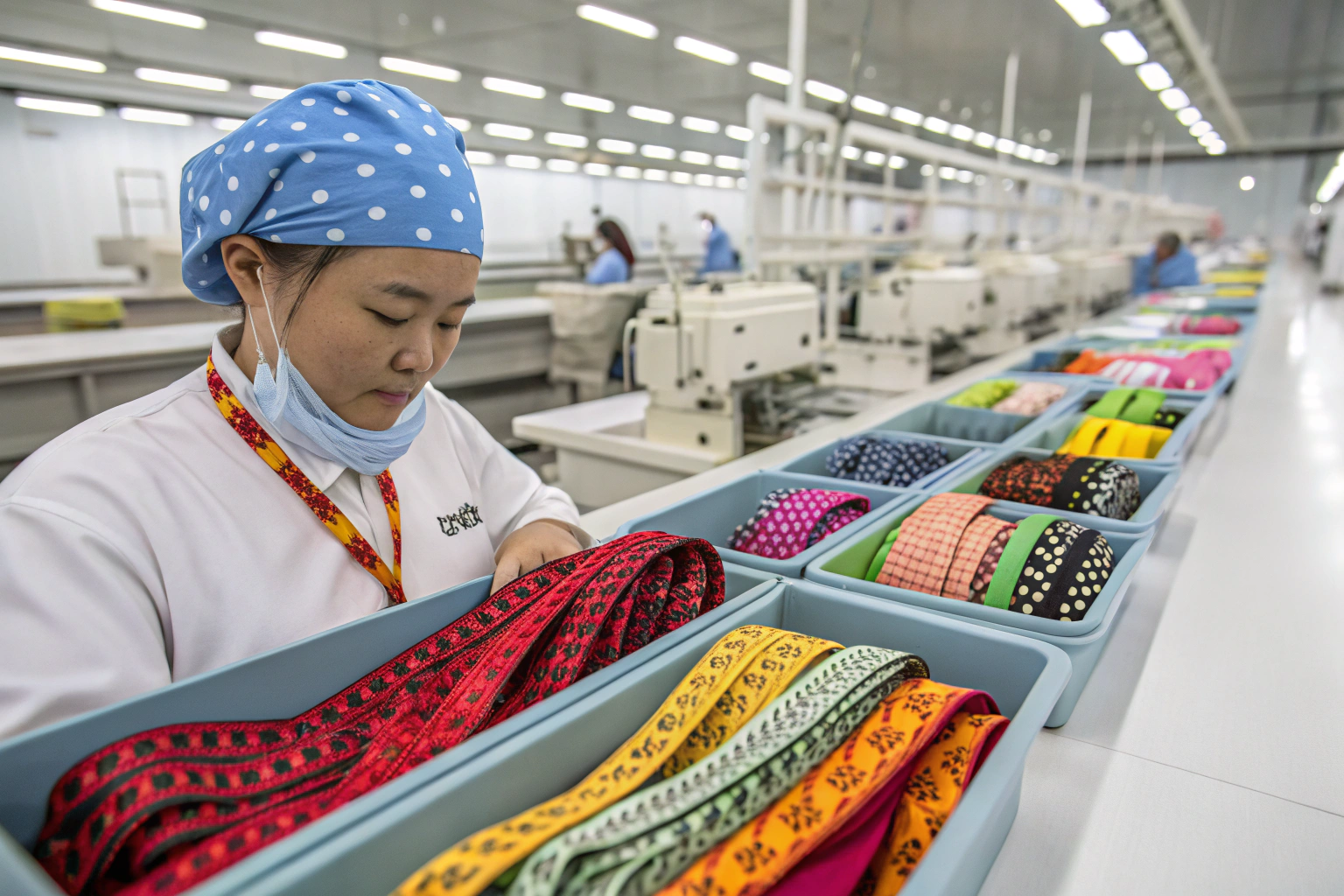
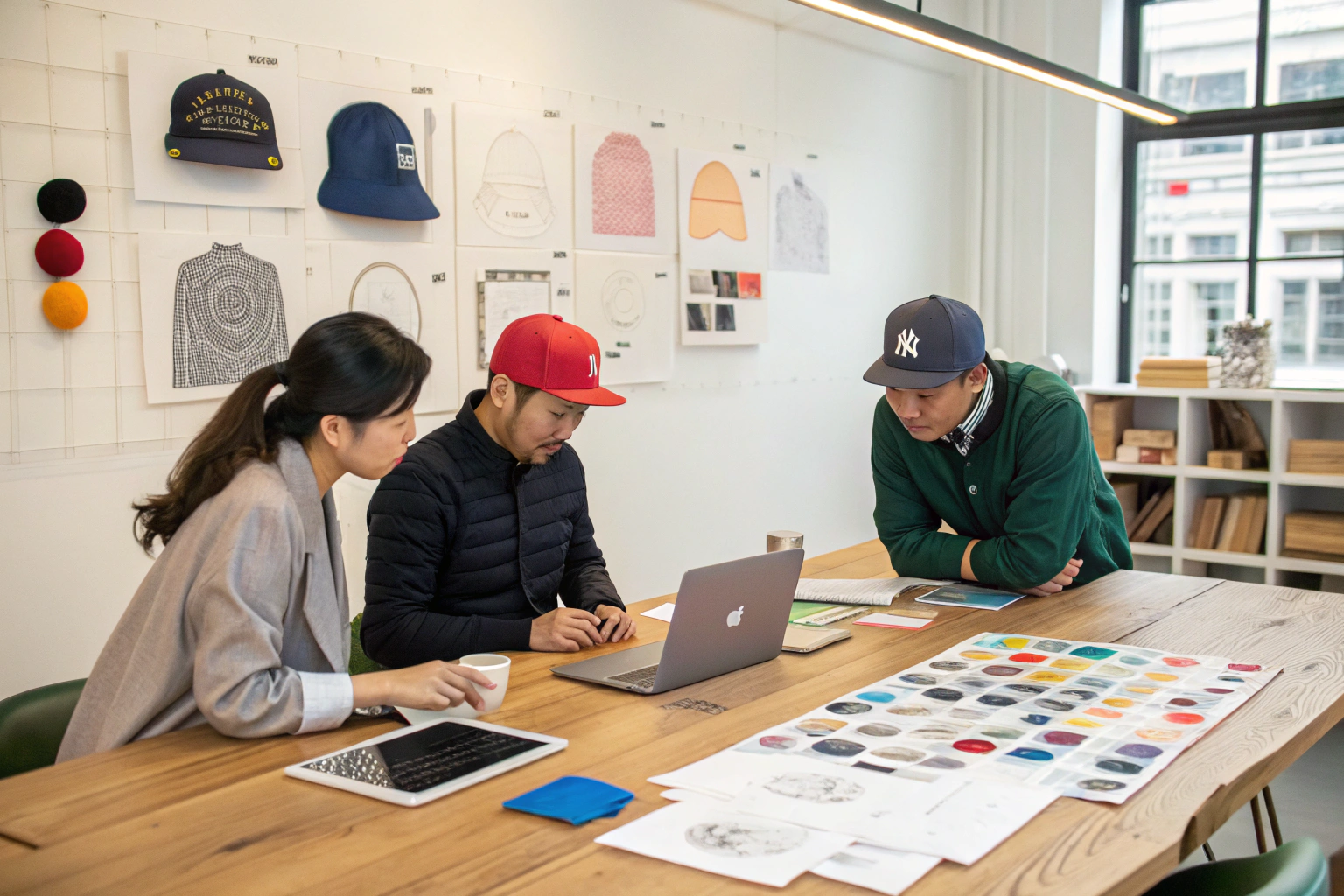
The process starts when we receive your design file. It could be a tech pack, a sketch, or a photo of a vintage cap. Our pattern maker translates that visual into a paper pattern. Then we cut the fabric panels. Then we sew the crown. Then we attach the brim and the closure. Finally, we do the embroidery or printing. At Shanghai Fumao, these steps happen in different departments. The sample moves from cutting table to sewing line to embroidery machine. Coordinating that movement is the job of the project manager.
I recall a client from Canada who needed a structured six-panel cap with a leather strap back. The first sample took ten days. The revision took three days because we only changed the embroidery thread color. The entire sampling process was done in under two weeks. That speed is only possible when the factory has all the necessary components in stock and a dedicated sample room workflow that prioritizes new development orders.
How Does Material Availability Affect the Sampling Timeline?
This is the single biggest variable in sampling speed. If the fabric you want is sitting on our shelf in Zhejiang, the sample can be cut tomorrow. If the fabric needs to be sourced from a supplier in another city, we wait.
Standard cotton twill in basic colors like black, navy, khaki, and white is almost always in stock. We keep these greige goods ready for dyeing or immediate use. But if you want a specific shade of sage green wool blend or a technical ripstop nylon, we likely need to order it. Ordering fabric takes time. The supplier might need two days just to ship the sample yardage to our factory. Then we have to inspect it before cutting.
I always advise clients to ask the factory upfront: "Do you stock this material or do you need to source it?" If the answer is sourcing, add a minimum of five to seven days to the timeline. At AceAccessory, we maintain a fabric library of over 200 stocked options specifically for sampling. This library cuts days off the development cycle. It is an investment we made because we know material lead time reduction is a competitive advantage for our clients.
What Is Embroidery Digitizing and Why Does It Add Days?
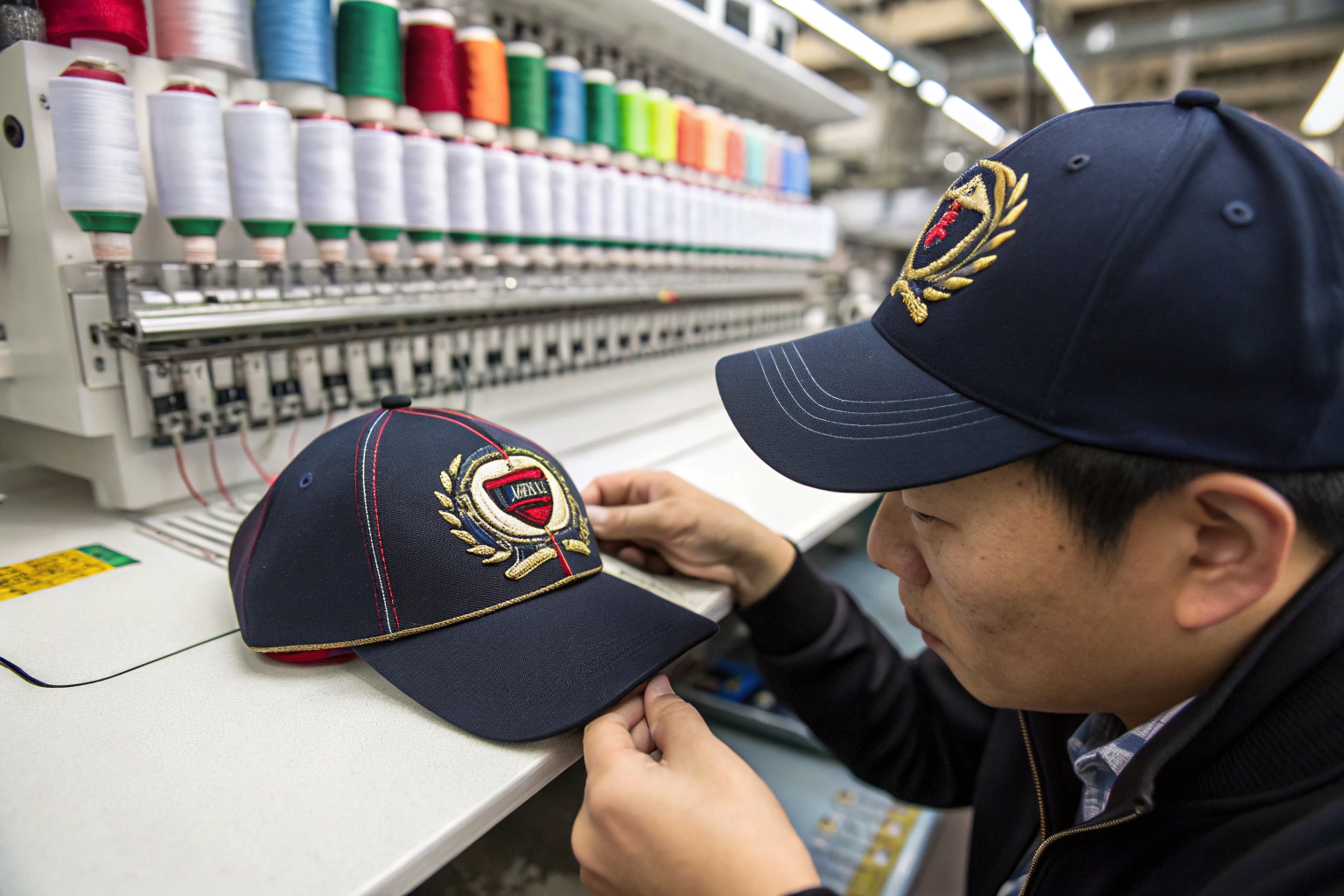
Your logo is not just a picture. It is a set of instructions for an embroidery machine. The process of converting your logo artwork into those machine instructions is called digitizing. A skilled digitizer plots the path of the needle. They decide the stitch type, the stitch density, and the underlay. This is a manual, skilled process.
Rush digitizing can be done in twenty-four hours. But the quality suffers. A rushed digitized file creates gaps in the logo, puckering around the edges, or thread breaks during production. A proper digitizing job takes two to three days for a typical left-chest logo. It involves a test sew-out on a piece of scrap fabric. We look at that test sew-out under a magnifying glass. We adjust the pull compensation. Then we sew it again.
At AceAccessory, we have an in-house digitizer. She sits ten feet from the embroidery machines. She can make adjustments in real time. If a client approves a sample but wants the logo 10% larger, she can modify the file in a few hours instead of sending it back to an external service. This is the embroidery digitizing service efficiency that keeps our sampling timeline predictable.
How Fast Can a Zhejiang Factory Produce a Proto Sample?
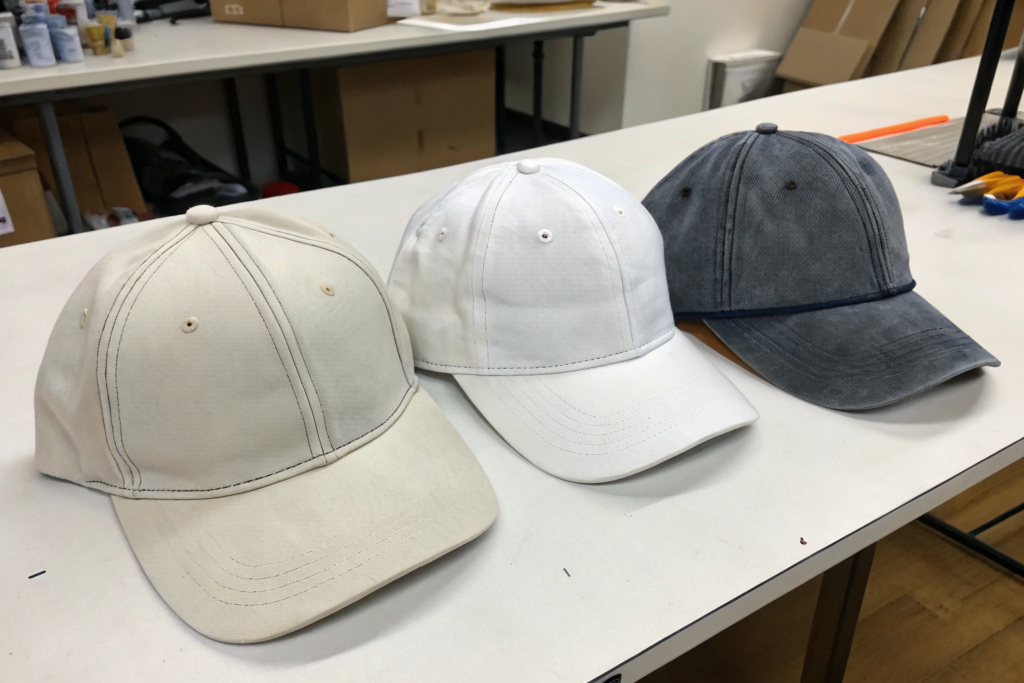
The first physical cap you receive is called the proto sample. This is the proof of concept. It shows you the silhouette, the fabric hand feel, and the general construction quality. It may not have the final trims or the exact label. But it tells you if the factory understands your design language.
In Zhejiang, a well-organized factory like AceAccessory can turn a proto sample in seven to ten business days. This assumes we are using stock materials and the embroidery file is ready. The clock starts when the purchase order for the sample fee is received and the tech pack is approved. It stops when the sample is finished and photographed for your review. We usually send photos first via email or WhatsApp. If you approve the photos, we ship the physical sample by express courier. Shipping to the US adds another three to four business days.
I want to be clear about something. A factory that promises a custom baseball cap sample in three days is either lying or they are just pulling a similar cap off the shelf and adding your logo. A true custom sample with your specific panel shape and your specific brim curve takes time to sew. The thread tension needs to be adjusted. The seam allowances need to be checked. Rushing this process creates a sample that does not accurately represent bulk production. You approve a perfect-looking rushed sample and then receive 5,000 caps that look completely different. That is a disaster. We prefer to take the full seven days and give you a sample that is production representative sampling.
What Information Does the Factory Need to Start the Clock?
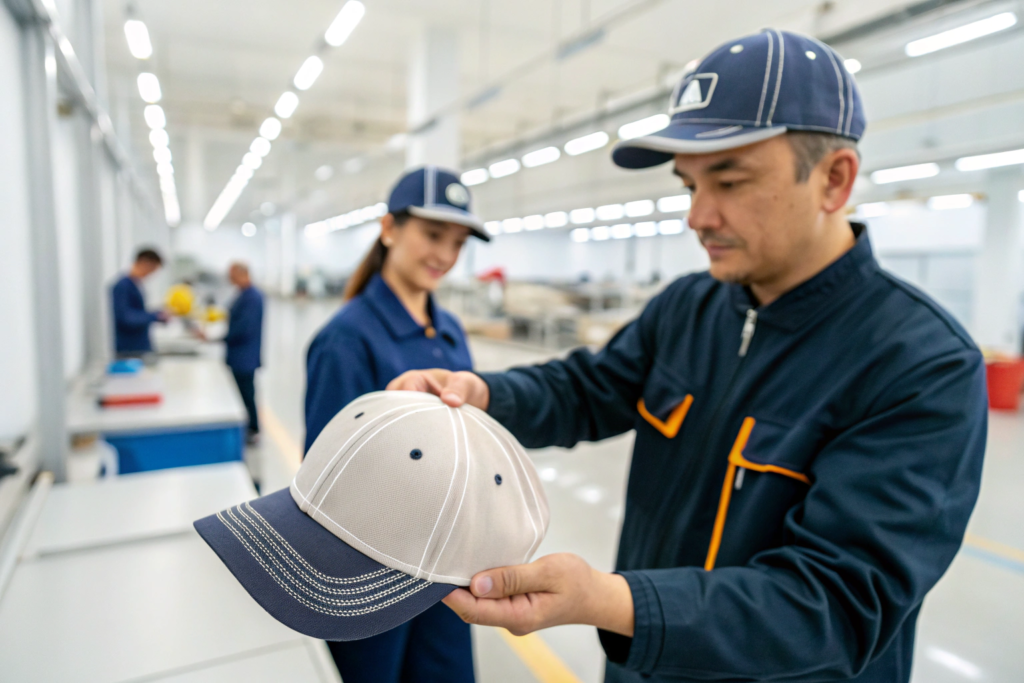
You cannot just say "Make me a cool dad cap." The clock does not start until the factory has a complete set of specifications. Incomplete information is the number one cause of sampling delays.
Here is the checklist I send to every new client before we start cutting fabric:
| Required Information | Why It Matters | Consequence of Missing Info |
|---|---|---|
| Cap Style | Structured vs. Unstructured | Wrong crown height and buckram use |
| Fabric Code or Swatch | Exact color and weight | Sample made in wrong shade of navy |
| Closure Type | Snapback, Velcro, or Fitted | Back of cap sewn incorrectly |
| Logo Artwork in Vector | AI or EPS file format | Cannot start digitizing process |
| Brim Color/Visor Detail | Contrast sandwich or same color | Brim may not match crown |
I cannot tell you how many times a client has said "I thought I sent the logo file" and it was just a low-resolution JPG screenshot from Instagram. We cannot digitize a JPG. We need vector art. The delay while the client searches their files for the original artwork adds two or three days to the timeline. At AceAccessory, our project managers send this checklist immediately upon inquiry. We do not start the clock until every box is checked. This disciplined approach protects the timeline from sample development checklist delays.
Can You Pay Extra to Rush the Sample Process?
Yes, we offer a rush service. But it is not just about paying more money. It is about understanding what "rush" actually means inside a factory.
A rush order means we interrupt the scheduled production flow. We pull a sewer off a bulk production line and assign them to your sample. We move your embroidery file to the front of the digitizing queue. This costs us efficiency. We charge a rush fee of around 30% to 50% of the sample cost to compensate for that disruption.
But the rush fee does not bend the laws of physics. Fabric still needs to ship from the supplier. Embroidery still needs to be digitized properly. A rushed sample might still take five days instead of ten. It will not take one day. I am honest with clients about this. If you have a trade show deadline, we will do everything humanly possible to meet it. But I will not promise a miracle and deliver a substandard cap. The expedited sampling service fee is for priority scheduling, not for skipping quality steps.
How Many Rounds of Sampling Are Typically Needed?
The first sample is rarely the final sample. This is normal. It is part of the development process. The question is not whether you will need revisions. The question is how many revisions and how long each one takes.
Most custom baseball cap projects go through two to three rounds of sampling. Round one is the proto sample. You see the shape and feel the fabric. You might decide the crown is too high or the brim is too flat. Round two is the revised sample incorporating those changes. This is often called the "fit sample" or "pre-production sample." Round three is sometimes required if the logo thread color needs tweaking or the closure hardware is wrong.
At AceAccessory, we aim for two rounds. We achieve this by being very detailed in the proto sample notes. We do not just send a cap. We send a cap with a measurement sheet. We note the crown height, the brim length, and the head opening. If you want to change the crown height by half an inch, you have the baseline measurement right there. This structured sample revision process reduces guesswork and speeds up round two.
What Is a Pre-Production Sample and Why Is It Critical?
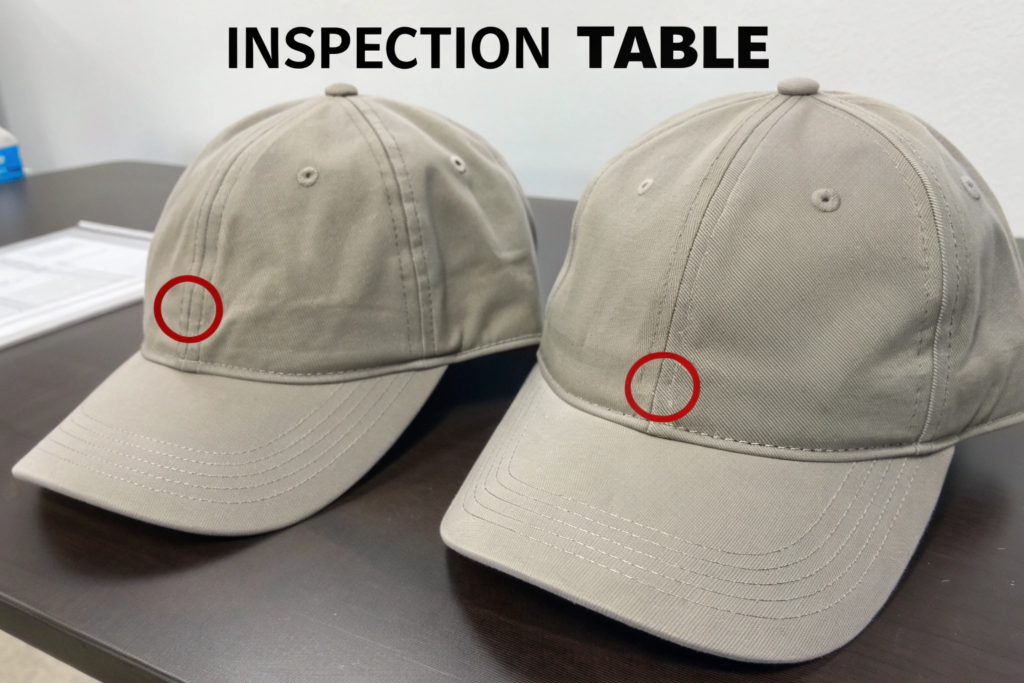
The Pre-Production Sample or PP Sample is the final hurdle before bulk production begins. This sample must be made using the exact materials, exact trims, and exact sewing methods that will be used for the 5,000 piece order.
A proto sample might use a generic sweatband. The PP Sample must use the specific branded sweatband you approved. A proto sample might be sewn by the master sample sewer. The PP Sample should be sewn on the actual production line by a standard operator. This is the only way to verify that the line is capable of replicating the quality level.
I require a signed approval of the PP Sample before I release the fabric for bulk cutting. This is a hard stop. It protects you and it protects me. If we skip the PP Sample and go straight to bulk, any mistake is multiplied by 5,000. A wrong thread color on the brim stitching becomes a 5,000 unit problem instead of a one unit problem. The PP Sample takes about five to seven days to produce. That week is the best insurance policy you will ever buy for your pre production sample approval protocol.
How Do You Handle Revisions Efficiently Across Time Zones?
You are in America. I am in China. You send feedback at 4:00 PM your time. It is 4:00 AM my time. I see it when I wake up. This twelve-hour time difference can be a communication killer or a productivity tool. We use it as a tool.
When you send revision notes at the end of your workday, my team in Zhejiang is just starting their morning. They can work on your changes immediately. By the time you wake up the next morning, the revised sample is often already cut and partially sewn. You wake up to a progress photo in your inbox. This "follow the sun" workflow can actually compress the calendar timeline.
The key is clear, written feedback. Do not send a voice memo with vague instructions like "Make it look cooler." Send a marked-up photo. Use arrows and circles. Say "Reduce crown height by 0.5 inches" or "Change embroidery thread to Madeira #1807." Specific, measurable feedback allows my team to execute the change without waiting for clarification. This international time zone workflow optimization saves days in the revision cycle.
What Factors Cause the Biggest Delays in Cap Sampling?
I want to be transparent about what goes wrong. Even in the best factories, delays happen. The difference between a good partner and a bad one is how they communicate and solve those problems.
The number one delay is custom fabric. If you want a very specific shade of purple wool, the fabric mill might need to custom dye it. Custom dyeing has a minimum order quantity. It takes two to three weeks just to get the lab dip approved. This is not a factory delay. This is a supply chain reality. The second major delay is complex logo digitizing. A large back logo with fine detail and multiple color changes takes time to perfect. The third delay is simply waiting for client feedback. The sample sits on your desk for five days while you wait for your boss to look at it. That time counts against the calendar, but it is not the factory's fault.
At AceAccessory, we track every sample in a shared spreadsheet. You can see exactly where your cap is in the process. If we are waiting for fabric, the status says "Waiting for Material." If we are waiting for you, the status says "Waiting for Client Approval." This transparency removes the mystery from the sampling delay tracking and communication process.
How Does Chinese Holiday Scheduling Impact Sample Timelines?
This is a calendar issue that catches Western buyers off guard every single year. Chinese New Year or Spring Festival shuts down the entire country for two to three weeks. The exact dates change annually based on the lunar calendar.
If you send a sample request in mid-January for delivery before February 1st, you might be out of luck. The factory is trying to finish bulk orders before the holiday closure. Sampling capacity shrinks dramatically. Workers are traveling home to their families. After the holiday, it takes another week for the factory to ramp back up to full speed.
I send a holiday schedule to all my clients in October. It lists the closure dates for the coming year. I also flag the weeks before the holiday as "Limited Sample Capacity." Plan your development calendar around these dates. If you need samples in January, get the order in by early December. This is a hard lesson that many new importers learn the painful way. We manage Chinese factory holiday production scheduling carefully to protect your delivery windows.
Can Customs Clearance Delay the Physical Sample Shipment?
You approved the digital photos. The factory ships the physical sample via DHL or FedEx. It should arrive in three days. But sometimes it sits in a warehouse in Cincinnati or Memphis for an extra four days. Why? Customs clearance.
A single sample with a declared value under $800 usually clears customs in the US without any duty or formal entry. It is a Section 321 de minimis entry. But if the paperwork is sloppy, customs might flag it. If the commercial invoice says "Baseball Cap" but does not include the fiber content, customs might hold it for a textile declaration.
We avoid this by using precise descriptions on the sample invoice. We write "Sample Baseball Cap, 100% Cotton Woven, No Commercial Value, Value for Customs Purposes Only $5." We attach a packing list and a signed statement of no commercial value. This paperwork tells the customs officer exactly what is in the box and why it should be released quickly. It is a small detail that prevents your sample customs clearance documentation from becoming a bottleneck.
Conclusion
Sampling custom baseball caps from a Zhejiang factory is a process that requires patience, clear communication, and a realistic timeline. It is not an overnight service. But with the right factory partner, it is a predictable process. You can expect a proto sample in seven to ten business days with stock materials. You should budget for two to three rounds of sampling. You need to account for fabric sourcing and the annual Chinese holiday calendar.
The sampling phase is where the foundation of your bulk order is built. Rushing this phase saves a few days on the front end but risks weeks of delays and thousands of dollars in defective goods on the back end. A professional factory like AceAccessory will push the sample through as fast as quality allows while keeping you informed at every step. We do not hide delays. We explain them and offer solutions.
When you work with our team in Zhejiang, you are not just getting a cap. You are getting a structured development process designed to get you to bulk production with confidence. Whether you need a classic dad cap, a structured snapback, or a vintage strap-back style, our sample room is ready to bring your design to life.
If you have a baseball cap design that you need sampled quickly and accurately, I invite you to start the conversation. Our Business Director, Elaine, can provide you with our current sampling lead time calendar and a detailed checklist of what we need to start the clock. You can email her directly at: elaine@fumaoclothing.com. Let's get that first sample on your desk and move your project forward.