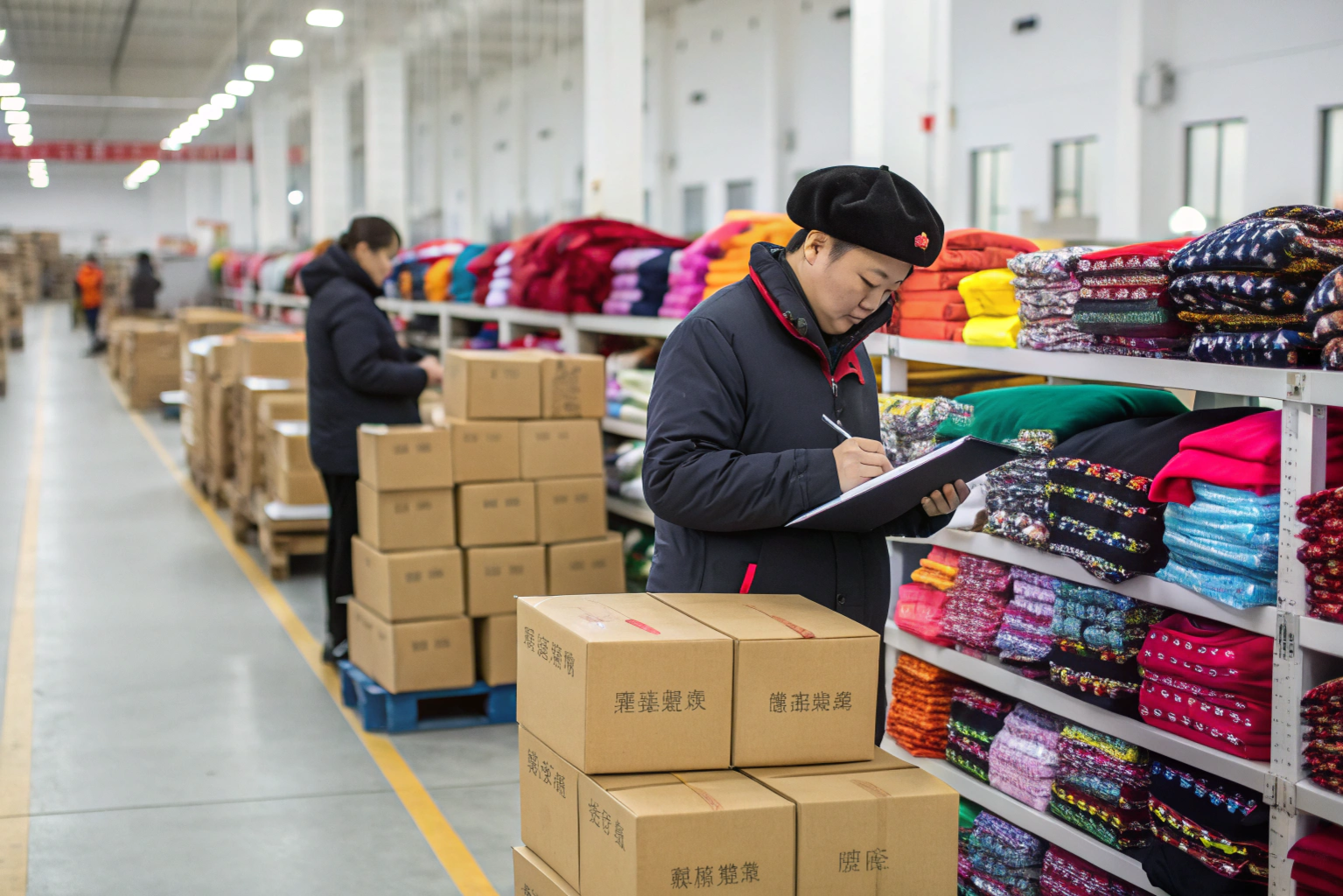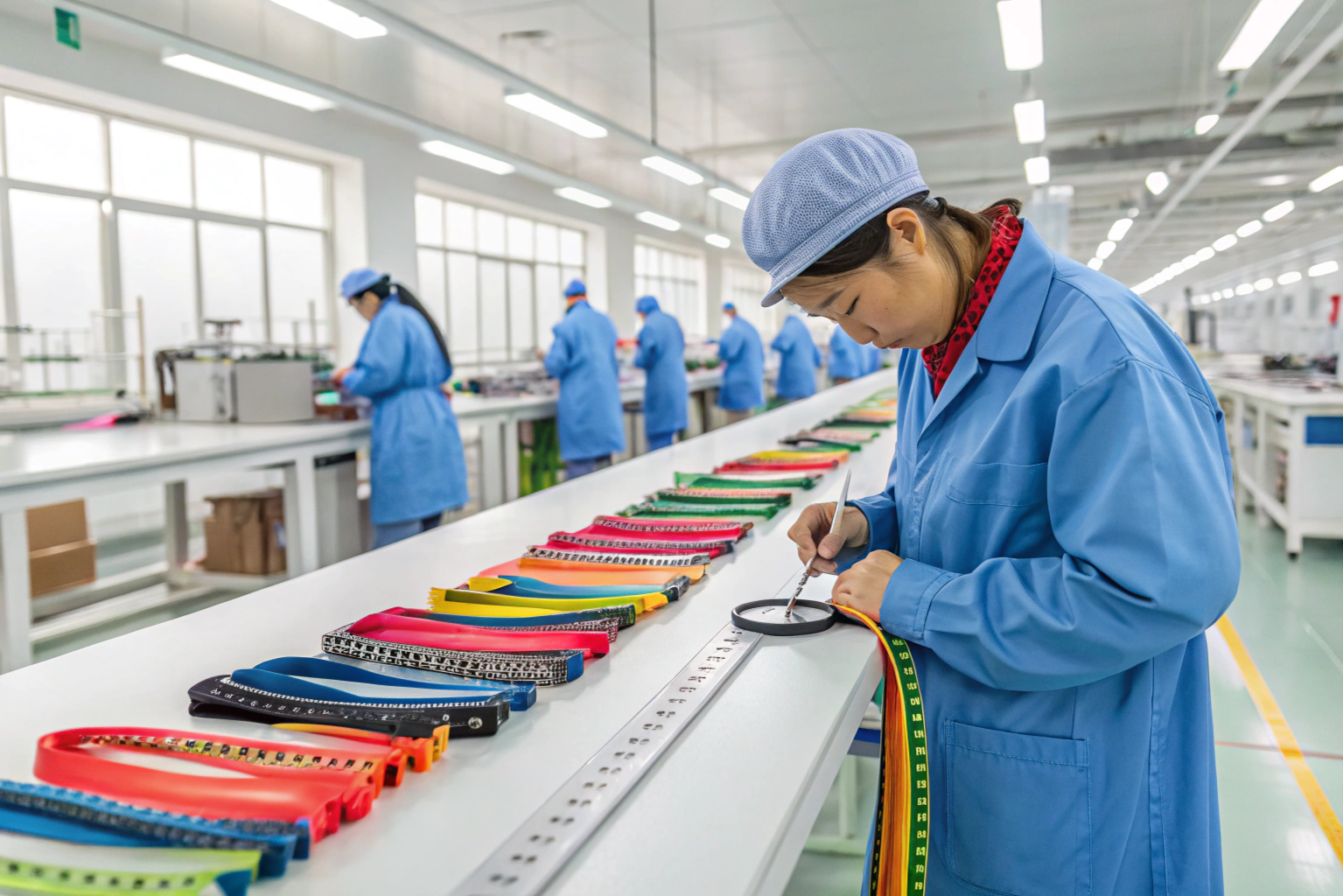
I still remember the day a buyer from a major American supermarket chain walked into our factory unannounced. He did not want to see our showroom. He wanted to see where we check quality. He stood by one of our QC stations for forty-five minutes, watching our inspectors examine hair clips one by one. At the end, he turned to me and said, “Now I understand why your defect rate is so low.” That moment confirmed something I have always believed. A quality control team is not a department. It is the backbone of a factory.
A quality control team in a modern accessory factory operates through a systematic, multi-stage process that begins before production and continues until the final carton is sealed. The team is responsible for inspecting raw materials, monitoring production lines, conducting in-process checks, performing final random inspections, and documenting every step. In a vertically integrated factory like Shanghai Fumao, the QC team works independently from the production department, ensuring unbiased assessments and consistent enforcement of quality standards across all product categories from hair bands to hats to belts.
But how does this actually work on the factory floor? Let me take you inside our operation in Zhejiang and show you exactly how our QC team protects your brand’s reputation, one accessory at a time.
What Are the Key Stages of Quality Control in Accessory Manufacturing?
When I first started in this business, I thought quality control meant checking finished products before they shipped. I learned quickly that this approach leads to high waste, delayed deliveries, and unhappy clients. A modern QC team needs to be everywhere, all the time.
A modern QC team operates across five critical stages: raw material inspection, first article inspection, in-line production monitoring, pre-shipment final inspection, and ongoing documentation and analysis. Each stage serves a specific purpose, and together they create a safety net that catches defects before they become problems. This layered approach is what allows us to consistently deliver high-quality accessories to our clients in Europe, North America, and Russia.
How Does Raw Material Inspection Set the Foundation for Quality?
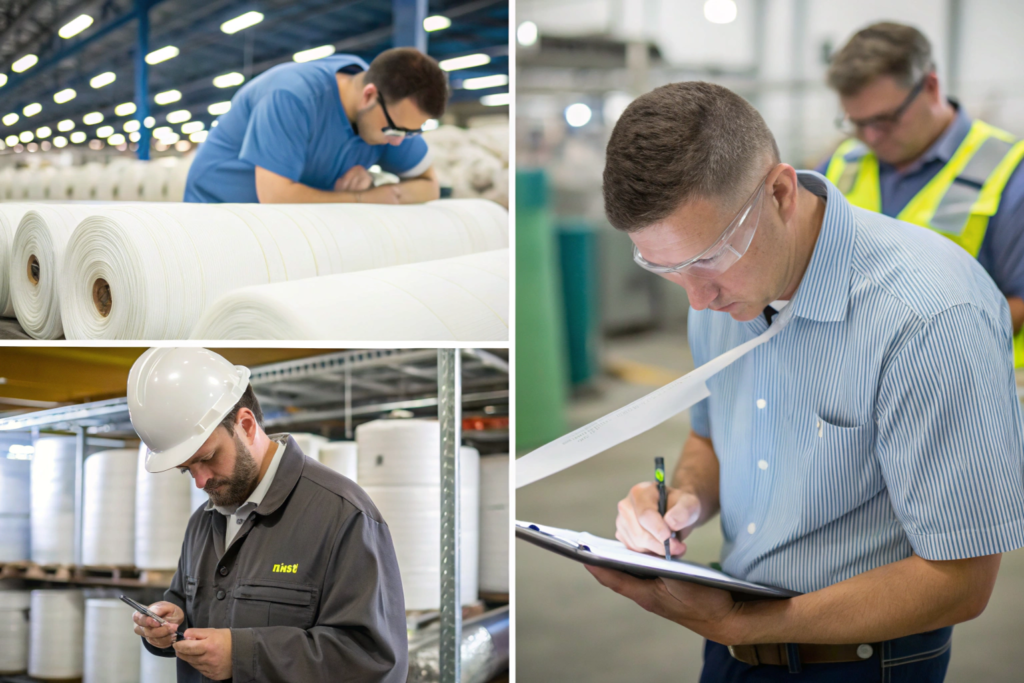
The quality of a finished accessory is only as good as the materials that go into it. This is why our QC team starts working before a single piece is cut or molded. When a shipment of fabric, leather, metal components, or plastic arrives at our factory, it goes directly to our QC inspection area.
Our inspectors check for:
- Color accuracy: Does the fabric match the approved color standard? We use standardized light booths to ensure consistency.
- Material defects: Are there holes, stains, or inconsistencies in the weave or grain?
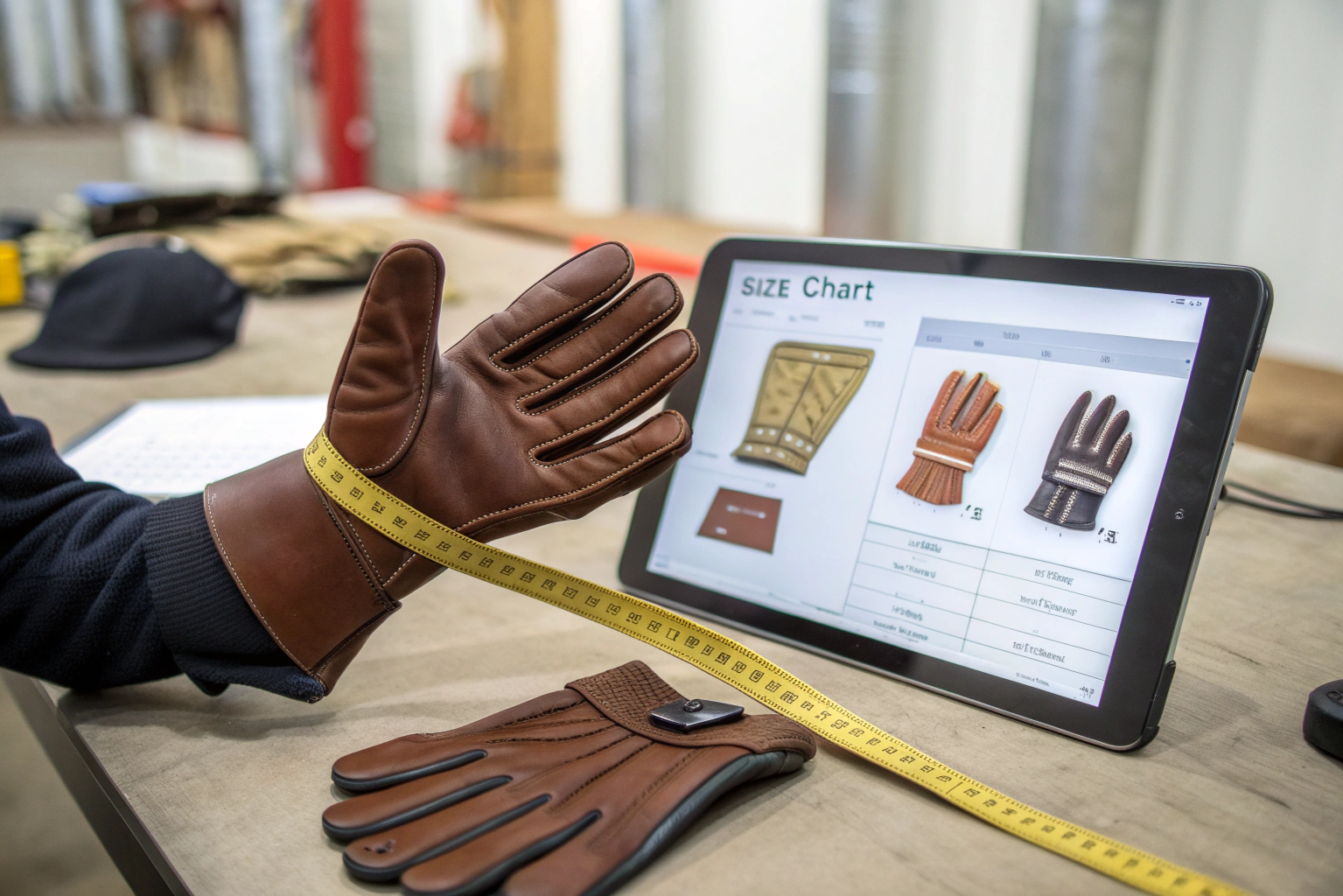
- Dimensional specifications: Does the metal buckle match the required size? Is the elastic band the correct width?
- Safety compliance: For children’s products, we test for small parts that could become choking hazards. For metal components, we conduct lead testing.
If a material fails inspection, it is rejected immediately. We have a dedicated area for rejected materials, and we work with our suppliers to replace them quickly. This upfront investment in inspection saves enormous costs downstream.
One of our European brand clients once asked us to source a specific type of Italian leather. The first shipment that arrived did not meet our standards—the grain was inconsistent. We rejected it, sourced a new batch from a different supplier, and still delivered the finished belts on time. The client never knew there was an issue. That is the value of a strong raw material inspection process.
What Happens During First Article Inspection?
First Article Inspection, or FAI, is one of the most critical moments in any production run. This happens after we have set up the production line but before we start full-scale manufacturing.
Here is how it works. Once the machines are calibrated and the workers are in position, we produce the first 10 to 20 pieces of the order. The QC team then takes these pieces and compares them against:
- The approved pre-production sample
- The technical specification sheet (tech pack)
- The measurement specifications
We check every detail. For a cap, that means brim stiffness, stitching count, sweatband attachment, and closure mechanism. For a belt, that means leather thickness, edge finishing, buckle attachment strength, and hole alignment.
If the first articles pass inspection, production begins. If they do not, we stop everything. We identify the root cause—maybe a machine setting is off, or a worker needs additional training—and we fix it before producing a single additional piece.
I cannot tell you how many times this process has saved us from producing thousands of defective pieces. It takes discipline to stop production, especially when a client is waiting. But a few hours of delay during FAI is nothing compared to weeks of rework or a rejected shipment.
How Does In-Line Quality Control Catch Defects in Real Time?
This is where the rhythm of quality control really comes to life. In-line QC is about maintaining standards throughout the production process, not just at the beginning and end.
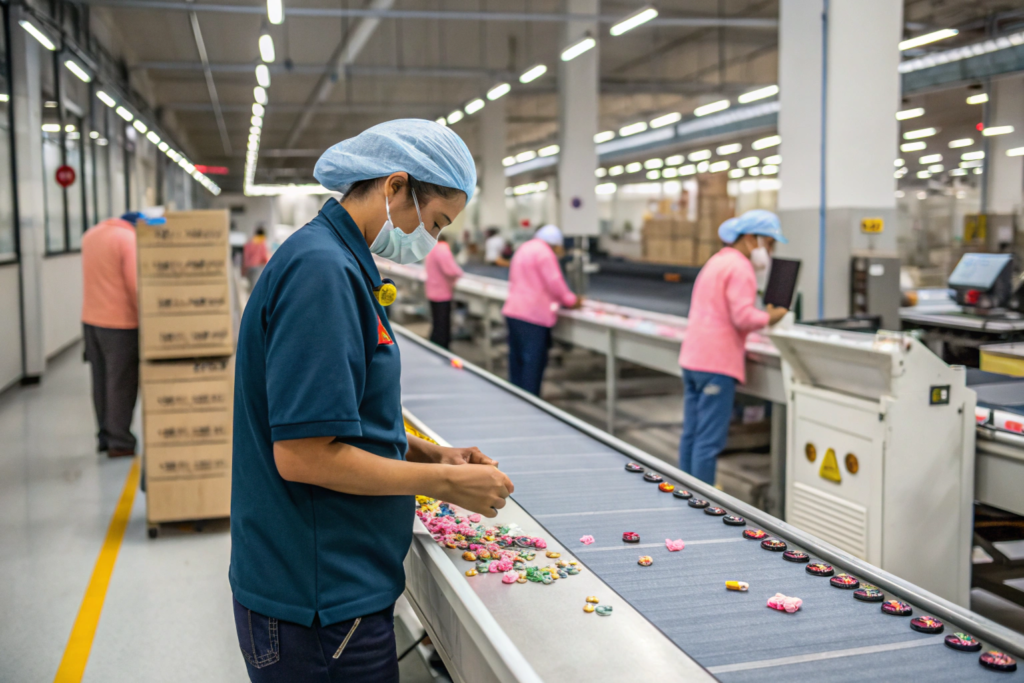
In-line quality control involves dedicated inspectors who monitor production continuously, pulling random samples at regular intervals to verify that quality remains consistent. These inspectors are positioned at key control points along the production line, and they have the authority to stop production if they detect a pattern of defects. This real-time intervention prevents small issues from becoming large-scale quality failures.
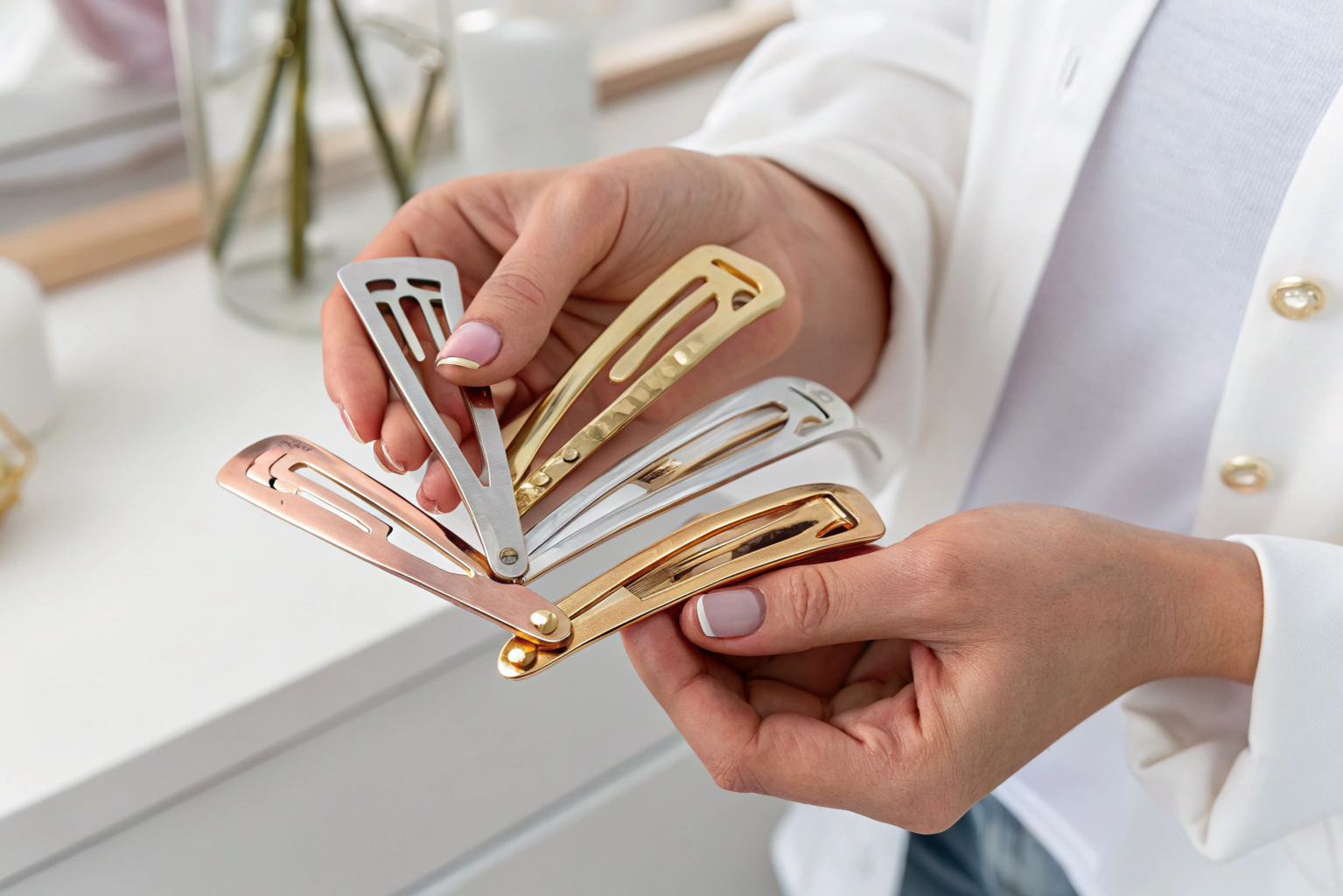
We place QC inspectors at strategic points in the production line. For a hair clip assembly line, for example, we might have an inspector after the spring is inserted, another after the decorative element is attached, and a final inspector before packaging. Each inspector checks a specific set of criteria.
How Do QC Inspectors Balance Speed and Accuracy?
One question I get often from buyers is whether QC slows down production. The answer is that effective QC actually speeds up delivery by preventing rework and delays.
Our inspectors are trained to work at production speed. They do not stop the line for every small variation. Instead, they use statistical sampling. If the line is producing consistently, they might check every fiftieth piece. If they notice variation, they increase the frequency.
This is where experience matters. A skilled inspector can spot a misaligned buckle or a loose thread from across the room. They develop an eye for what matters and what does not. Our senior QC team members have been with us for over a decade. They know our products, our machines, and our clients’ expectations intimately.
We also use checklists for each product category. A quality control checklist for headbands might include items like elasticity, pad placement, and decoration adhesion. A checklist for belts includes buckle function, leather surface condition, and stitching integrity. These checklists ensure consistency across different inspectors and different shifts.
What Happens When a Defect Is Found During Production?
When an inspector finds a defect, they do not just set the piece aside. They document it. They record what the defect was, where it occurred, and how many pieces were affected. This information is entered into our QC tracking system.
If the defects are isolated—a few pieces with a loose thread, for example—the inspector simply removes those pieces and sends them to our rework station. Rework is done by skilled workers who know how to fix specific issues without compromising the overall quality.
If the defects show a pattern—say, every tenth belt has a buckle that is not properly aligned—the inspector has the authority to stop the line. They call over the line supervisor and the production manager. Together, they diagnose the problem. Maybe a machine needs recalibration. Maybe a worker needs a quick refresher. They fix the root cause, and then production resumes.
This approach requires trust. Our production managers know that QC is not trying to embarrass them. They are partners in delivering quality to our clients. That collaborative culture is something I have worked hard to build over the years.
What Happens During Final Random Inspection Before Shipment?
After production is complete and the goods are packed, our QC team conducts one final round of inspection. This is the last opportunity to catch any issues before the shipment leaves our factory.
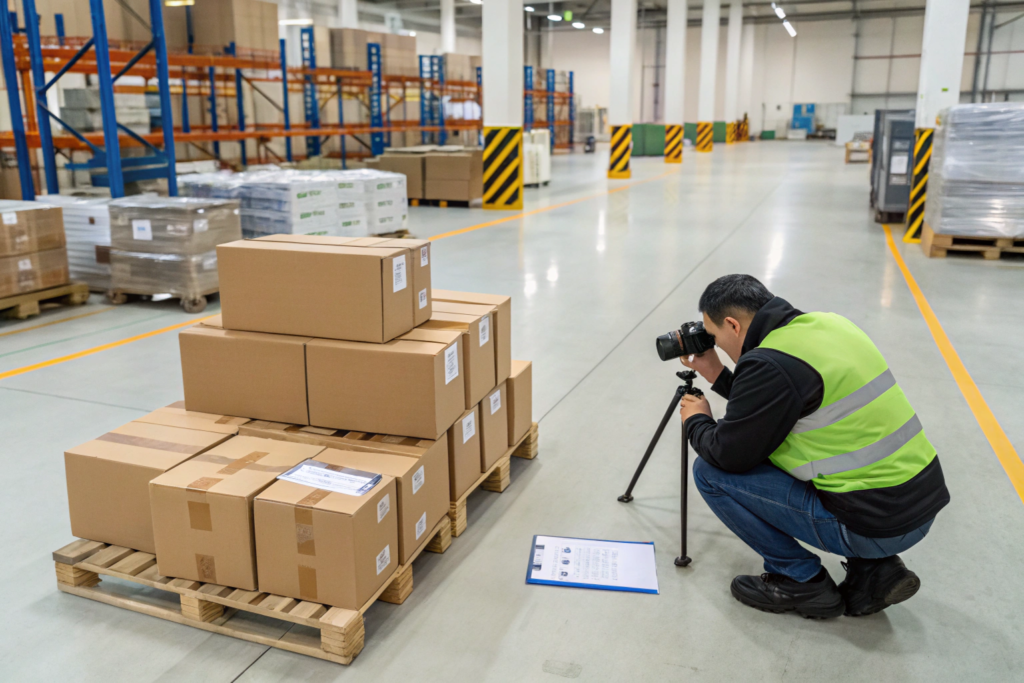
Final Random Inspection, or FRI, is a statistically based sampling process conducted on finished, packed goods. Inspectors randomly select cartons from the completed order and examine a predetermined number of pieces based on international standards such as ANSI/ASQ Z1.4. This inspection covers appearance, construction, function, packaging, and labeling. The results determine whether the order is approved for shipment or requires sorting and rework.
This process mirrors what many of our clients’ third-party inspection companies do. In fact, many of our clients choose to rely on our internal FRI results rather than paying for an external inspection because they trust our consistency.
How Do We Select Samples for Final Inspection?
We follow internationally recognized sampling standards. The number of pieces we inspect depends on the total order quantity. For a large order of 50,000 hair bands, we might inspect several hundred pieces.
The selection is random. We do not let the production team know which cartons will be inspected. This ensures that the sample is representative of the entire order.
We inspect for:
- Appearance: Color, surface condition, alignment of patterns or decorations
- Construction: Stitching, attachment strength, proper assembly
- Function: For products like hair clips, we test spring tension. For belts, we test buckle operation.
- Packaging: Correct poly bags, labels, carton markings
- Quantity: Ensuring each carton contains the correct count
We document everything with photos and written notes. If the inspection passes, the order is cleared for shipment. If it fails, we have a problem to solve.
What Is Our Protocol When an Order Fails Final Inspection?
This is the moment that tests a factory’s commitment to quality. When an order fails final inspection, we have a clear protocol.
First, we do not ship. No exceptions. I have had clients call me asking us to ship anyway because they need the goods. I tell them no. Shipping a substandard order damages their brand and our reputation. It is not worth it.
Second, we conduct a 100% sort. Every single piece is examined by our QC team. Defective pieces are removed for rework or scrapped. Good pieces are repacked and submitted for another final inspection.
Third, we investigate the root cause. Why did this happen? Was it a breakdown in our in-line process? A material issue that was missed? A miscommunication with the client? We document the cause and update our procedures to prevent recurrence.
I will be honest. This process costs us money and time. But it is the right thing to do. And it is why our clients trust us. They know that when an order ships from AceAccessory, it meets their standards.
How Does Documentation and Data Drive Continuous Improvement?
Quality control is not just about inspecting products. It is about learning from every order to make the next one better. This is where documentation and data come in.
Documentation and data analysis transform quality control from a reactive process into a proactive improvement system. A modern QC team maintains detailed records of every inspection, including raw material reports, first article approvals, in-line checklists, and final inspection results. This data is analyzed to identify trends, prioritize training needs, and refine processes. Continuous improvement is not a slogan—it is a data-driven practice.
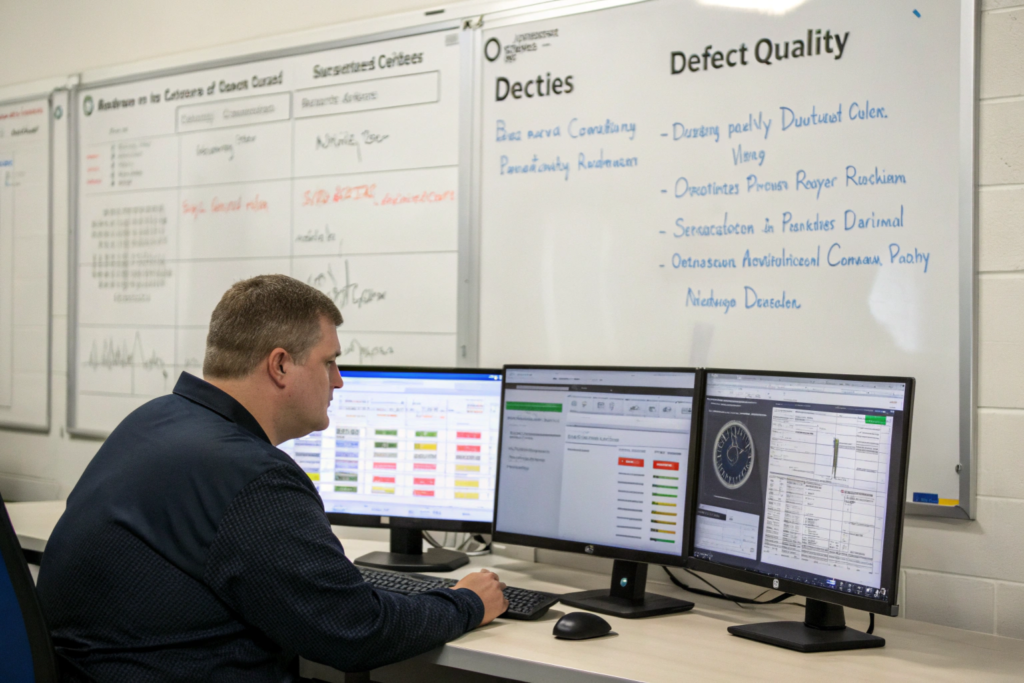
Every piece of data our QC team collects goes into our system. Over time, this data reveals patterns. We can see which materials have the highest rejection rates. We can identify which production lines have the most first-pass yield issues. We can track improvement after training sessions.
How Do We Use QC Data to Train Production Staff?
One of the most valuable uses of our QC data is training. When we see recurring issues—for example, a particular type of stitch that is frequently inconsistent—we develop targeted training for the workers on that line.
We do not use this data to punish workers. That would only encourage them to hide problems. Instead, we use it to help them improve. Our best QC inspectors often move into production supervisor roles because they understand quality so deeply.
We also share data with our material suppliers. If we see a higher-than-normal defect rate in a specific type of elastic, we go back to the supplier with the data. They appreciate the specificity. It helps them improve their own processes, and it strengthens our partnership.
What Certifications and Standards Guide Our QC Process?
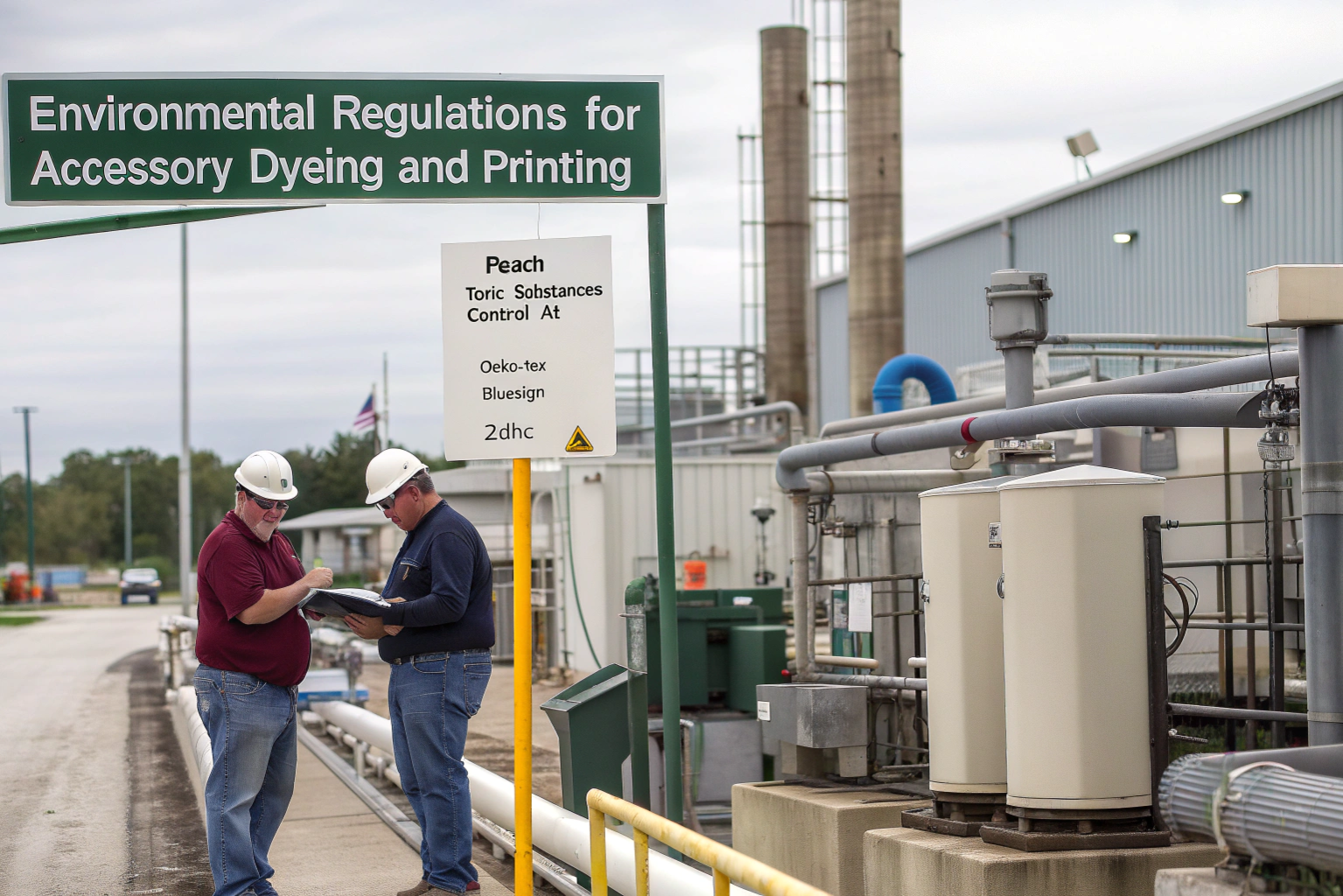
Our QC processes are aligned with international standards. We maintain certifications that matter to our clients, including:
- ISO 9001: For quality management systems
- Sedex/SMETA: For social compliance and ethical manufacturing
- Product-specific certifications: Such as OEKO-TEX for textiles, or REACH compliance for chemical safety
These certifications are not just badges on our wall. They require annual audits and ongoing compliance. Our QC team plays a central role in maintaining these certifications because they involve everything from chemical management to worker training.
For clients who require third-party inspections, we welcome them. We work with all major inspection companies, including SGS, Bureau Veritas, and Intertek. Our own QC processes are designed to be compatible with their protocols, so there are no surprises.
Conclusion
When I walk through our factory in Zhejiang and see our QC team at work, I am reminded of why I started this business. I wanted to build a factory that buyers could trust without hesitation. A factory where quality was not a promise but a system.
Our quality control team operates across five stages—raw material inspection, first article inspection, in-line monitoring, final random inspection, and data-driven improvement. Each stage builds on the last. Each inspector understands that their work protects your brand. This is not the easiest way to run a factory. It requires investment in training, equipment, and systems. It requires a culture where quality is everyone’s responsibility, not just the QC department’s. And it requires the discipline to stop production when something is wrong, even when the deadline is looming.
But this is the only way I know to deliver the consistency that our clients deserve. Whether you are a major European brand launching a new collection, an American supermarket stocking private label accessories, or an online store owner building your reputation, you need products that meet your standards every single time. That is what our QC team delivers. And that is what I promise to every client who partners with Shanghai Fumao.
If you are looking for a factory that takes quality as seriously as you do, I would love to show you how we work.To discuss your next accessory order and learn more about our quality control processes, please contact our Business Director, Elaine, at elaine@fumaoclothing.com. She can arrange a virtual factory tour or answer any questions about how we protect your products.