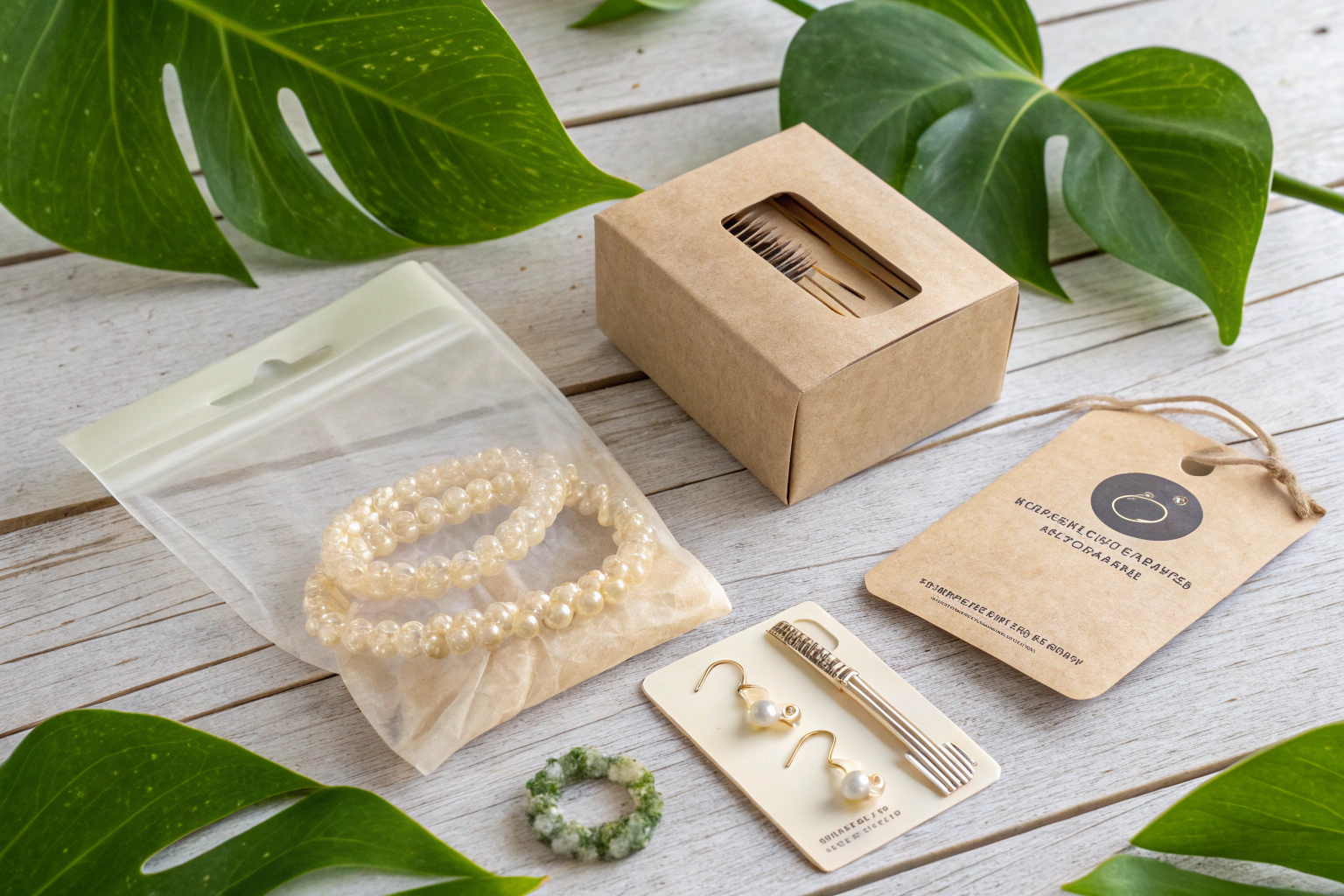
I remember a new client, a promising accessory designer from London, who called me in a panic. She had received her first samples from a factory she found online. She was excited to open the box. But when she did, her heart sank. The "silk" scarf was a scratchy polyester. The "gold" hair clip was a dull, brassy color. The size of the belt was completely wrong. She had waited weeks for these samples, and they were useless. She had no idea how this had happened, and she had no idea how to fix it. Her dream collection was stalled before it even started.
A factory's fashion accessory sample approval process is a structured, multi-stage system designed to transform a concept into a tangible, approved product ready for mass production. It typically involves four key stages: the design and tech pack review, the initial sample (Counter Sample) development, the fit and wear test sample, and finally the production sample (Pre-Production Sample) approval. Each stage has a specific purpose, from verifying materials and construction to ensuring perfect fit and function. At Shanghai Fumao Clothing, we guide our clients through every step of this journey, ensuring clarity, collaboration, and a perfect final product.
That designer's story is a painful but common one. She had skipped the process. She had sent a photo and trusted a stranger. The sample approval process exists precisely to prevent this kind of disaster. It is a shared language between you and your factory, a series of checkpoints that ensure everyone is on the same page before a single meter of fabric is cut for a bulk order. It is your most powerful tool for quality control. Let me walk you through how a professional factory's sample approval process works, so you can approach it with confidence.
What Happens Before the First Sample Is Even Made?
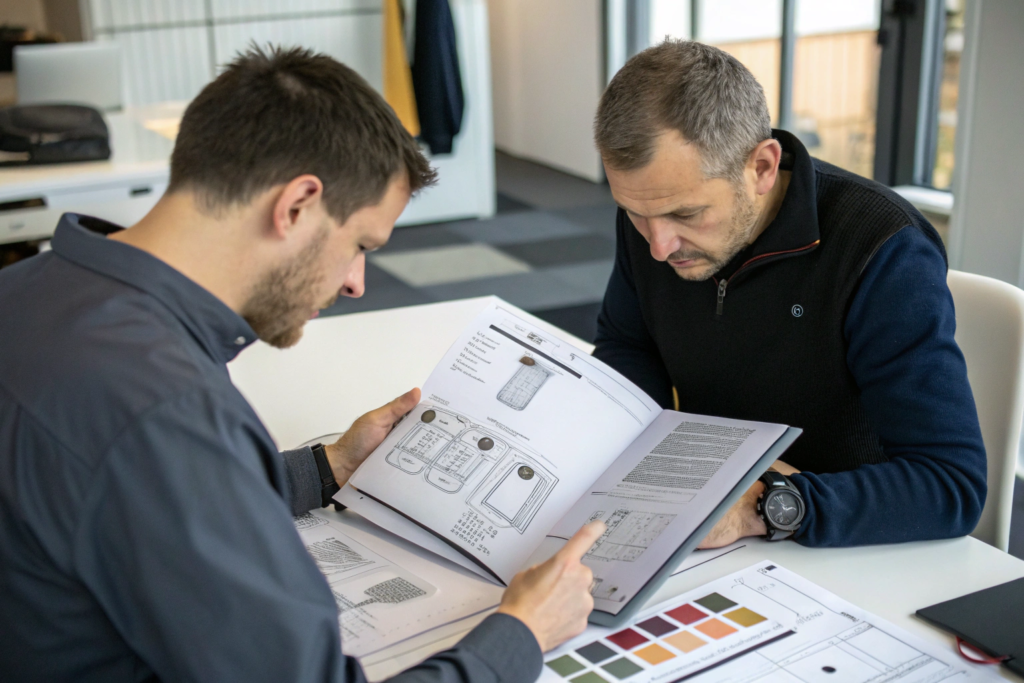
The single biggest mistake new designers make is thinking that a beautiful photo or a quick sketch is enough information for a factory to make a sample. It is not. A factory needs a precise, detailed set of instructions. This document is called a tech pack, and it is the foundation of the entire sample approval process. If your tech pack is incomplete or unclear, your samples will be a gamble. A good tech pack removes all guesswork.
Before any sample is made, we require a comprehensive tech pack from the client. This document should include: technical flat sketches with all measurements clearly marked; a bill of materials listing every single component (main fabric, lining, thread, zipper, buttons, etc.) with specified materials and sources; color codes (like Pantone numbers); and any special construction notes. For a hair clip, this might include spring tension specifications. For a belt, it would include stitch density and edge finishing details. The more detailed the tech pack, the more accurate the first sample will be.
Let me give you an example of the level of detail we need. For a simple hair clip, a weak tech pack might say: "Make a gold claw clip." A strong tech pack from a professional client would say: "Claw clip, 4 inches in length, made from cellulose acetate in Pantone 16-1324 TCX (a specific warm brown). Teeth to be 0.75 inches long, with a rounded, polished finish. Spring to be stainless steel, tested to 50,000 cycles with a tension of grams. Logo to be debossed on the outer arm." See the difference? The first is a wish. The second is a set of instructions. A good factory will also ask questions. If your tech pack is missing information, our project managers will flag it before we start. We want to clarify everything on paper, not discover problems in a physical sample. This is a core principle of product development and specification. At Shanghai Fumao Clothing, we can even help clients who are new to this process to develop a proper tech pack.
What if I don't know how to create a tech pack?
This is a common situation, especially for newer brands. A good factory partner will help you. We can provide you with a template. You can fill in what you know, and we will ask you questions to fill in the gaps. We can also create a tech pack from your physical sample or a very detailed description. The goal is to get all the information on paper, one way or another. The process is collaborative.
Do I need to include information about packaging in the tech pack?
Yes, ideally. The tech pack is for the entire product, including its packaging. You should specify the type of bag (e.g., polybag, compostable film), the size of the bag, any card inserts, and how the product should be folded or placed. This ensures that the sample you approve represents the final, sellable item, including how it will be presented to the customer.
What Is the Purpose of the First "Counter Sample"?
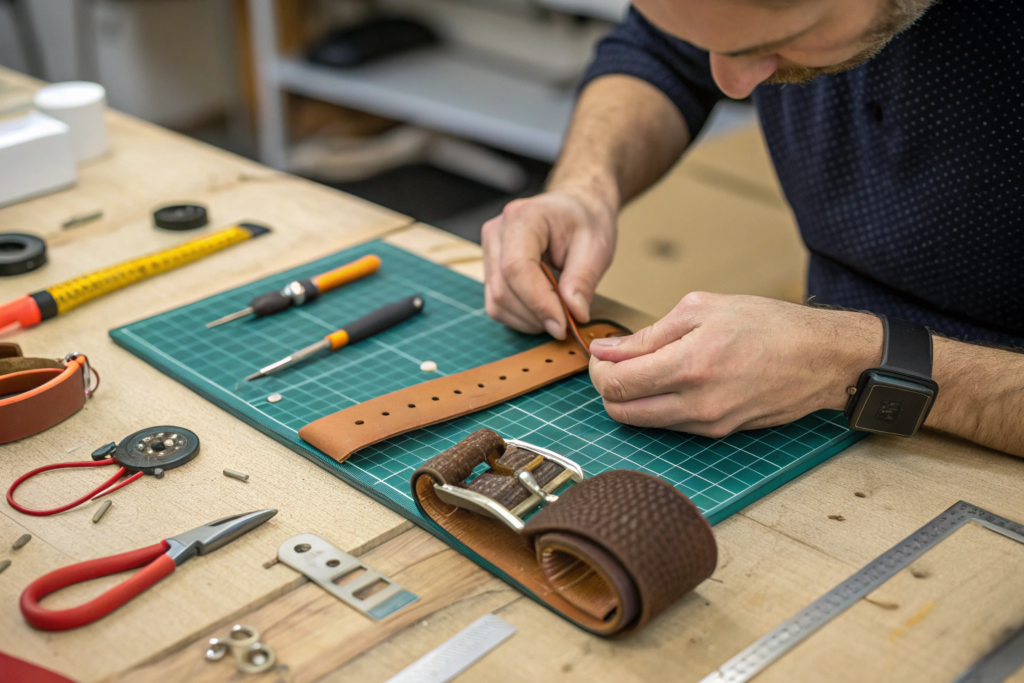
With a solid tech pack in hand, our team gets to work. The first physical output is called the counter sample, or sometimes the development sample. This is the factory's interpretation of your design. Its purpose is not to be perfect. Its purpose is to be a tangible starting point for discussion. It is the first time your idea becomes a physical object you can hold, and it is almost always followed by a list of revisions.
The counter sample is the first physical proof of concept. It is made using the specified materials and construction techniques from your tech pack. When you receive it, your job is to evaluate it against the tech pack. Check every measurement. Feel the materials. Test the function. This is not about personal taste ("I don't like this color"); that should have been decided earlier. It is about verification ("Is this the specified 4 inches long?" "Does this spring have the right tension?"). You will likely find things that need to be adjusted. This is normal and expected.
The feedback you give on the counter sample is the most critical part of the process. It must be clear, specific, and objective. Instead of saying "The clip feels cheap," you say "The spring tension is weaker than the specified 50,000-cycle standard. Please confirm the spring used and adjust." Instead of "The color is wrong," you say "The acetate color is Pantone 16-1324 TCX. The sample appears to be a shade darker. Please match to the provided swatch." We then take this feedback and create a second counter sample with all the revisions incorporated. This process may repeat one, two, or even three times until the sample is perfect. This iterative process is the heart of product development. At Shanghai Fumao Clothing, we document every revision and keep a clear history, so there is never any confusion about what was agreed upon.
How many rounds of counter samples are normal?
It depends on the complexity of the product. A simple, standard design might be right on the first or second try. A complex, innovative design with new materials or mechanisms might take three or four rounds. The key is that each round should move you closer to perfection. We aim to be as efficient as possible, but we will never rush a process that requires care.
Who pays for the counter samples?
This varies by factory and by project. Often, the cost of the first one or two rounds of samples is borne by the client. For large, long-term clients or very large potential orders, some factories may offer a certain number of free samples. It is a standard business practice to discuss sample costs upfront and include them in your project budget. We are always transparent about our sample fees.
Why Are Fit and Wear Tests Essential for Accessories?
A sample can look perfect on a table. It can have all the right measurements and the correct materials. But how does it feel when you actually wear it? Does that hat stay on in a light wind? Does that belt dig into your hip when you sit down? Does that hair clip stay secure in thick hair all day? These questions can only be answered through fit and wear testing. This is a stage that many inexperienced designers skip, and it is a costly mistake.
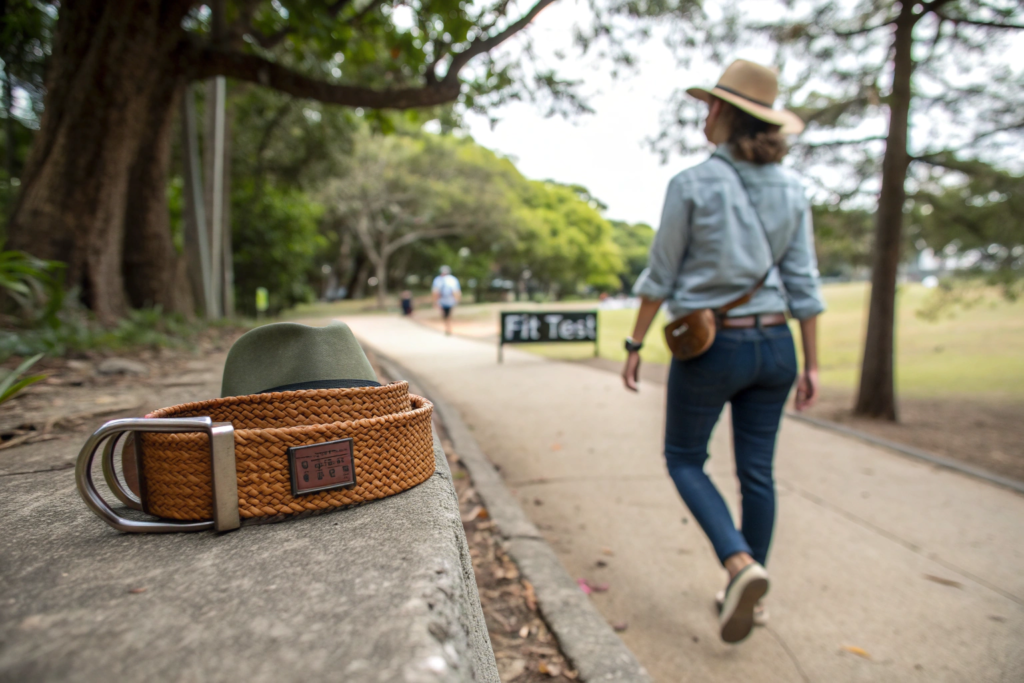
The fit and wear test is a crucial stage, especially for accessories that interact with the body, like hats, belts, and hair clips. The sample is worn by a person (ideally someone matching the target customer's size and hair type) for an extended period, often several hours or even a full day. We observe its performance. Does it stay in place? Is it comfortable? Does it cause any pressure points or discomfort? Does the mechanism function smoothly with repeated use? This real-world testing uncovers issues that no static measurement ever could. For a hat, we might test it in different weather conditions. For a belt, we test it while sitting, standing, and moving.
Let me give you a specific example. We once developed a beautiful, structured hat for a client. The counter sample looked perfect on the stand. It measured perfectly. But when we put it on a fit model with a slightly larger head, it was too tight and left a red mark on her forehead after just 30 minutes. The problem was not the circumference; it was the internal shape and the lack of a little "give." We were able to go back and adjust the pattern, adding a bit of ease and a soft, internal sweatband. The second wear test was a success. The hat was comfortable for hours. This is a classic example of the importance of ergonomic testing in product design. At Shanghai Fumao Clothing, we have a diverse team of fit models and we encourage our clients to conduct their own wear tests as well, especially if their target market has specific needs.
Can I do the wear test myself, or do you do it at the factory?
Ideally, both. We will conduct our own wear tests at the factory to catch any obvious issues. But we strongly encourage our clients to wear-test the sample themselves, or have it wear-tested by someone in their target market. You know your customer best. You can assess the comfort and style in a way that we cannot. We will ship you the sample, and you can live with it for a few days.
How long should a wear test last?
For an accessory, a minimum of a few hours of continuous wear is a good start. For items like belts or hats that might be worn all day, a full-day test is even better. The goal is to simulate real-world use. If possible, test it in different situations—sitting at a desk, walking outside, driving a car. The more scenarios you test, the more confident you can be.
What Is the "Pre-Production Sample" and Why Is It the Final Step?
You have been through the iterations. The counter samples are perfect. The fit and wear tests are a success. You are ready to go into production. But wait—there is one more crucial step. Before we cut fabric for a thousand units, we make one final, perfect sample. This is the pre-production sample, or PP sample. It is the absolute last chance to catch any errors, and it serves as the master template for the entire production run.
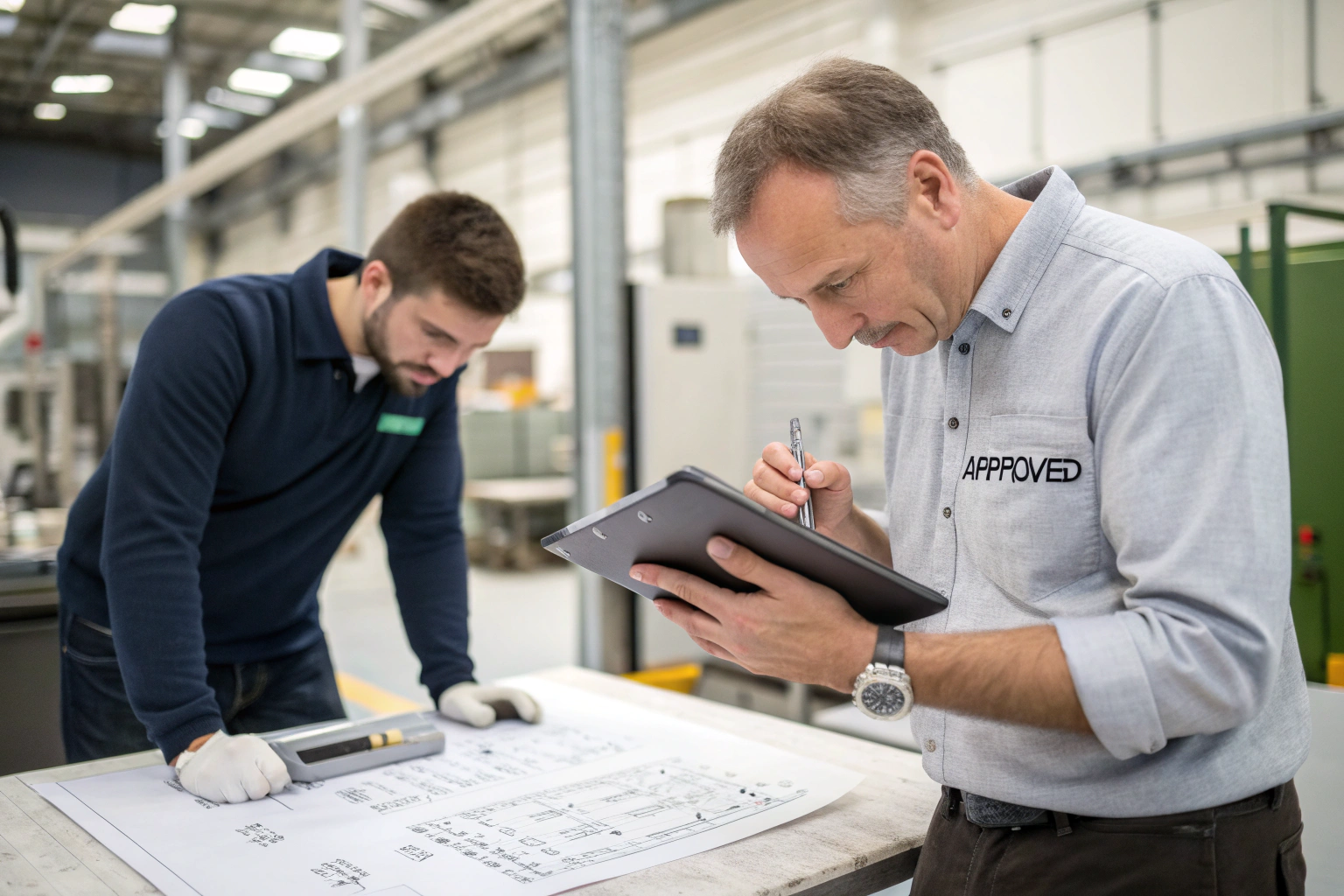
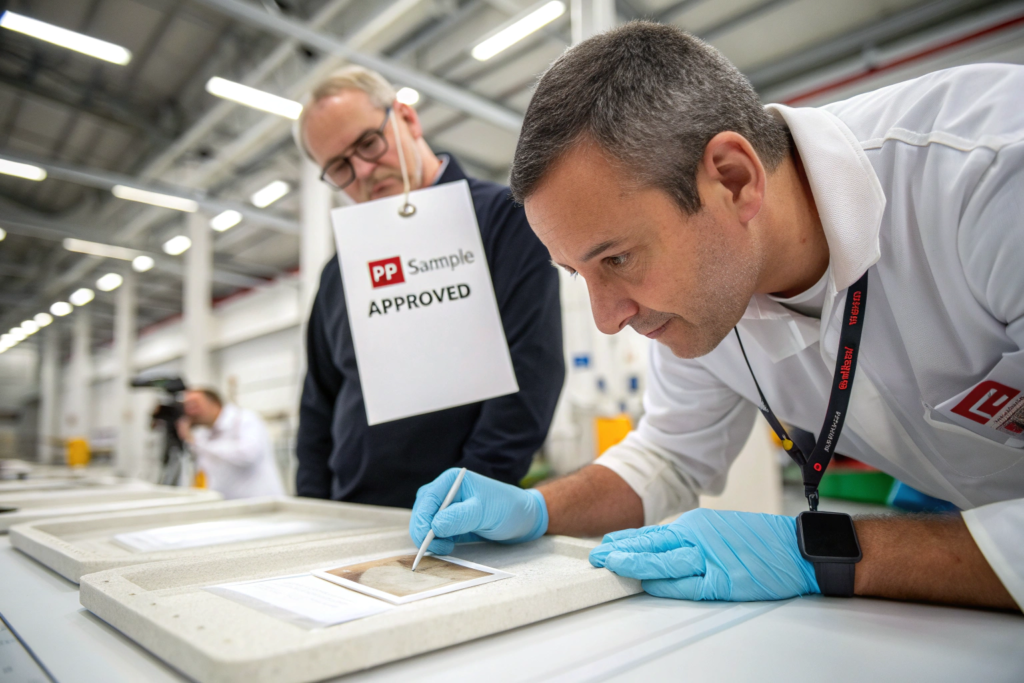
The pre-production sample (PP sample) is made using the exact materials, techniques, and tooling that will be used for the bulk production. It is not a handmade prototype; it is made on the same production line, by the same operators, with the same machines. Its purpose is to verify that the entire production process can replicate the approved design perfectly. Once you approve the PP sample, you are giving the green light for production to begin. This sample becomes the golden reference that our quality control team will use to check every batch of finished goods against. Any deviation from the PP sample is a potential defect.
The PP sample is your final safeguard. It is the moment where you say, "Yes, this is exactly what I want, and this is what I expect every single unit in my order to look like." We strongly recommend that clients wait to receive and approve the physical PP sample before giving the final go-ahead for production. Approving from a photo is risky. You need to hold it, feel it, and see it in person. Once you sign off on the PP sample, we can proceed with confidence. We will keep that PP sample in our quality control department. When the first batch of production units comes off the line, we will compare them side-by-side with the PP sample. If they match, they pass. If they don't, we stop production and investigate. This is the foundation of a robust quality management system. At Shanghai Fumao Clothing, we treat the PP sample with the utmost respect. It is the bible for your entire order.
How long does it take to get a PP sample?
The timeline for a PP sample depends on the complexity of the product and the availability of materials. It is made as part of the production preparation process. Once all materials are in and the production line is set up, the PP sample can usually be produced within a few days to a week. We will keep you updated on the timeline.
What if I approve the PP sample, but the bulk goods are different?
This should never happen if the factory has a proper quality control system. The PP sample is the benchmark. Our QC team checks production against it constantly. If we see a deviation, we stop and fix it. This is why choosing a factory with a strong QC process is so important. You are protected. In the unlikely event that a problem slips through, we have a clear process for addressing it, up to and including re-making the faulty goods.
Conclusion
The fashion accessory sample approval process is a journey of collaboration and refinement. It is a series of checks and balances designed to turn your vision into a tangible, perfect product. From the detailed clarity of the initial tech pack, through the iterative creation of counter samples, the real-world validation of wear tests, to the final, authoritative approval of the pre-production sample, each step builds confidence and eliminates risk.
At Shanghai Fumao Clothing, we have guided thousands of clients through this process. We know that clear communication and meticulous attention to detail at every stage are the secrets to a successful partnership. Our experienced project managers are here to support you, answer your questions, and ensure that your journey from concept to finished product is smooth, transparent, and ultimately, a celebration of your creativity.
Are you ready to bring your accessory designs to life with a partner who values the process as much as you do? Let's start your sample journey. Contact our Business Director, Elaine, at elaine@fumaoclothing.com to begin.