Warm knitted hats are not just a seasonal necessity; they are a strategic powerhouse for department store sales, profitability, and customer engagement. In an era where physical retail faces intense competition, these deceptively simple accessories perform a complex set of financial and marketing functions. They drive revenue through high-margin impulse purchases, attract foot traffic with compelling visual merchandising, and foster customer loyalty by filling essential gaps in a shopper’s cold-weather wardrobe.
The true power of warm knitted hats in a department store context lies in their unique position at the intersection of high impulse potential, strong seasonal demand, and exceptional margin contribution. They act as a consistent, low-risk revenue generator that enhances the performance of nearly every other department in the store.
Why Are Knitted Hats Such High-Margin Powerhouses for Retailers?
The financial engine of the knitted hat category is its impressive profit margin. Unlike large, complex apparel items, hats have a low unit cost, minimal sizing requirements (often one-size-fits-most), and low shipping and storage costs due to their small size and weight. This economic profile allows department stores to apply a significant markup while still keeping the price point accessible and attractive to shoppers.
Key margin drivers include:
- Low Cost of Goods Sold (COGS): Efficient manufacturing, especially with partners specializing in high-yield knitwear production, keeps the base cost low.
- Minimal Size-Related Markdowns: With no need for extensive size runs, the risk of being stuck with unsold, size-specific inventory is drastically reduced.
- High Per-Square-Foot Yield: A small display can hold hundreds of units, generating substantial revenue from a minimal amount of valuable retail space.
- Upsell and Multi-Pack Potential: Hats are easily bundled with scarves and gloves into gift sets, increasing the average transaction value.
How Does the "Impulse Buy" Factor Directly Boost Sales?
Knitted hats are the quintessential impulse purchase. Positioned strategically at checkout lanes, near store entrances, or adjacent to coat and sweater departments, they solve an immediate, often unplanned need: "I'm cold, and I need a hat now." The relatively low price point (often between $20-$60) reduces purchase hesitation. For the retailer, this transforms every customer walking through the door into a potential hat buyer, regardless of their original shopping intent. This incremental revenue is pure profit acceleration. A factory's ability to deliver fast production runs of on-trend colors ensures these impulse displays are always fresh and enticing.
Can a Simple Hat Really Impact Store-Wide Profitability?
Absolutely. The aggregate effect is substantial. While a single hat sale might seem small, the volume is where the magic happens. Selling hundreds or thousands of units per store, per season, contributes a disproportionate amount of net profit compared to larger, more discounted items. Furthermore, they have a halo effect on other categories. A customer who buys a hat on impulse is more likely to browse and purchase a matching scarf, a new coat, or a sweater. This "add-on" behavior is meticulously tracked and encouraged through visual merchandising that creates complete, outfit-inspiring vignettes.
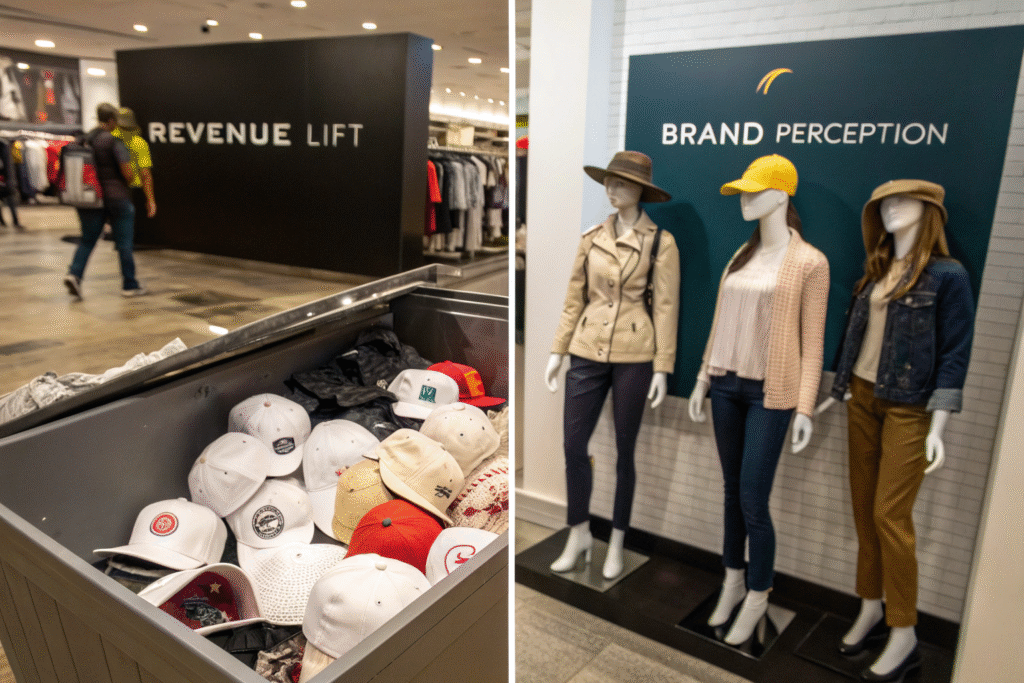
How Does Visual Merchandising of Hats Increase Overall Spending?
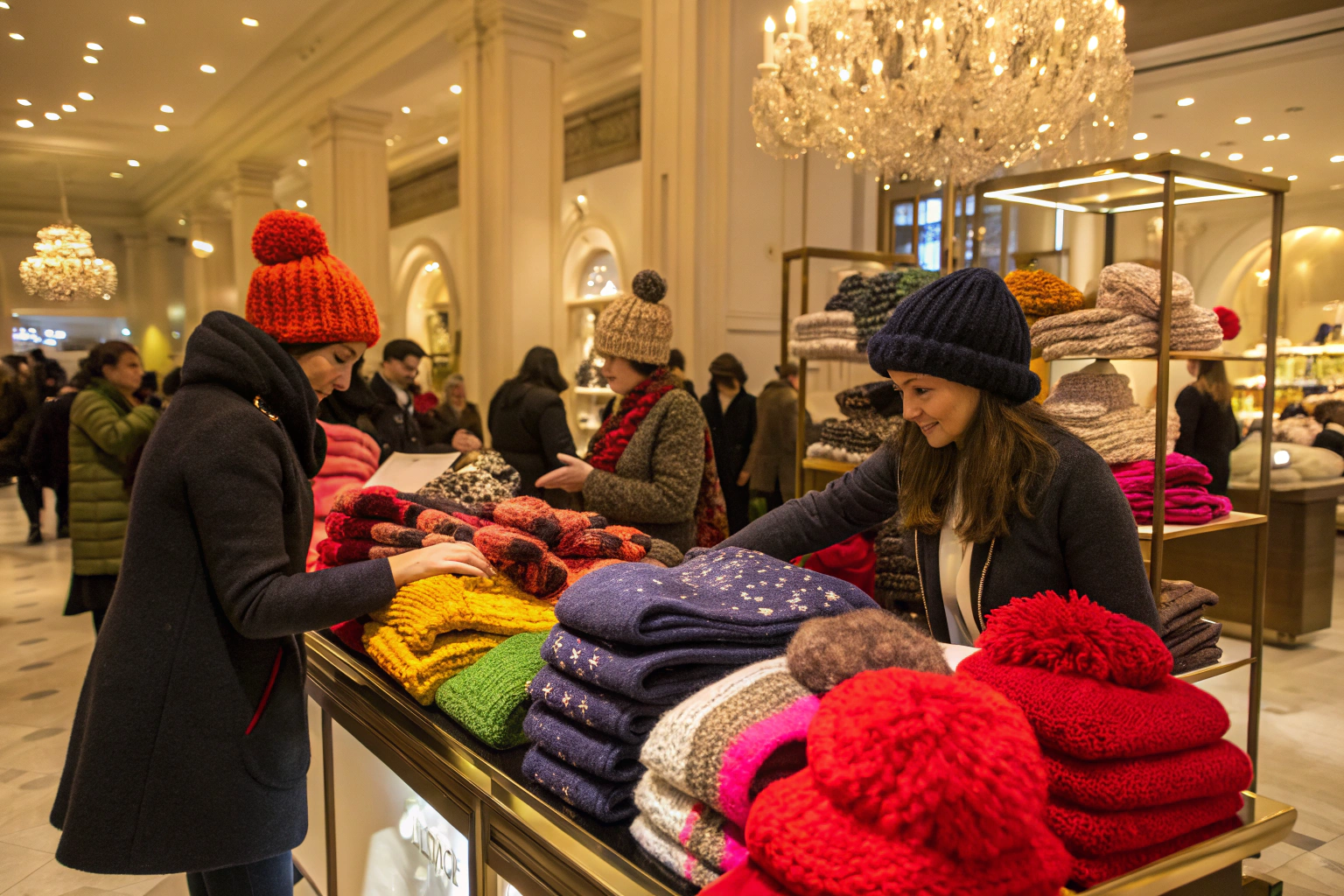
The presentation of knitted hats is a critical lever for driving higher sales across the entire store. Effective merchandising transforms them from a commodity into a desirable fashion item and an essential component of a larger lifestyle story. This strategy not only sells more hats but also elevates the perceived value of adjacent products.
Advanced merchandising tactics include:
- Thematic Storytelling: Grouping hats with coats, sweaters, and boots to create a compelling "cold-weather getaway" or "ski lodge weekend" narrative.
- Color Blocking: Arranging hats in gradients or striking monochromatic displays that are visually arresting and encourage color-coordinated purchases.
- Cross-Departmental Placement: Putting hat displays in multiple locations—not just accessories, but also in Activewear (for performance beanies), Men's Furnishings, and Kids' departments.
- Interactive Displays: Including mirrors and encouraging try-ons lowers the barrier to purchase and increases conversion rates.
Why is "Shop the Look" Mannequin Styling So Effective?
"Shop the Look" mannequins wearing a complete outfit, always topped with a stylish hat, are one of the most powerful sales tools. They provide instant style inspiration and solve the customer's problem of "how to put this together." The hat is framed not as an afterthought, but as the finishing touch that completes the ensemble. This contextual selling dramatically increases the attach rate of hats to other full-priced apparel. When a customer buys the coat and the hat together, both items are less likely to be returned, and the store secures a larger, more profitable sale. Sourcing hats that align perfectly with the season's key apparel trends is therefore a crucial part of a buyer's strategy.
How Do Hats Drive Foot Traffic and Dwell Time in the Accessories Section?
A well-merchandised hat display is a destination. Its texture and color naturally draw customers in to touch and interact with the products. This increased dwell time in the accessories section exposes shoppers to other high-margin items like jewelry, handbags, and small leather goods. The tactile nature of knitwear—the softness of a merino blend, the chunky feel of a cable knit—creates an emotional connection that digital shopping cannot replicate. This sensory experience is a key advantage for physical department stores and a direct counter to online competition. It turns browsing into a pleasurable activity that often ends in a purchase.
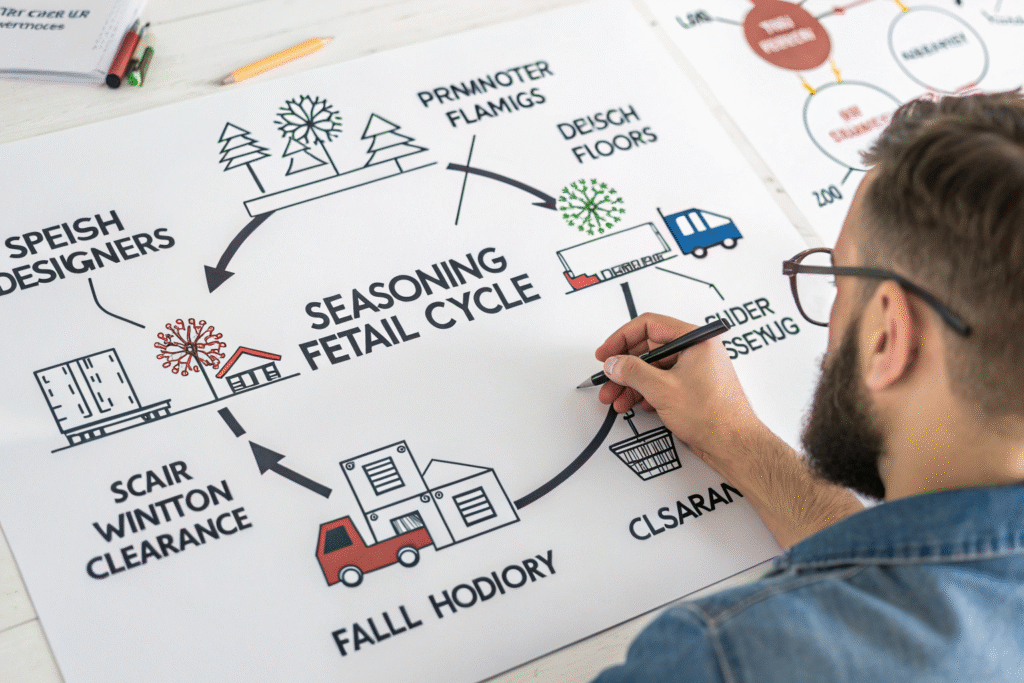
What Role Do Hats Play in Seasonal Inventory and Cash Flow Management?
Knitted hats are a cornerstone of savvy inventory planning. Their predictable seasonal sales curve allows department store buyers to manage cash flow, mitigate risk, and ensure optimal stock levels. They serve as both a reliable early-season revenue generator and a flexible tool for managing end-of-season markdowns without catastrophic margin erosion.
The seasonal inventory strategy typically follows this cycle:
- Early Fall Introduction: Lightweight styles and fashion colors are launched at full price to capture early adopters and fashion-forward shoppers.
- Holiday Peak: Bulk inventory of core styles (cable knits, faux fur pom-pom hats) is in full stock to meet gift-giving and winter needs. This is the period of highest volume and maintained margin.
- Post-Holiday & Deep Winter: Strategic promotions bundle hats with other winter gear. Remaining inventory is used to drive traffic.
- Season-End Clearance: Final markdowns clear out remaining stock with minimal loss due to the low initial COGS, freeing up cash and space for spring goods.
How Can Hats Help Mitigate the Risk of Apparel Overstock?
Hats act as a counter-cyclical buffer. If a major apparel buy (e.g., a specific coat style) underperforms, the consistent, high-margin sales from hats help offset the markdowns needed to clear the slow-moving apparel. Their small size also means that even if a particular hat color or style doesn't sell, the total dollar value of the inventory mistake is relatively small compared to a failed run of sized jackets or dresses. This makes them a lower-risk category for testing new trends, colors, or brands.
Why is Sourcing Flexibility Critical for Hat Buyers?
Demand for winter accessories can shift rapidly based on an early frost, a viral fashion trend, or an unexpected cold snap. Department store buyers need suppliers who offer fast development and reliable replenishment. The ability to place a top-up order in mid-October and receive it before Black Friday is invaluable. A manufacturing partner like shanghaifumaoclothing with a vertically integrated supply chain and agile production lines provides this crucial flexibility. It allows buyers to be reactive, maximize sales during peak demand windows, and avoid the lost revenue of stock-outs.
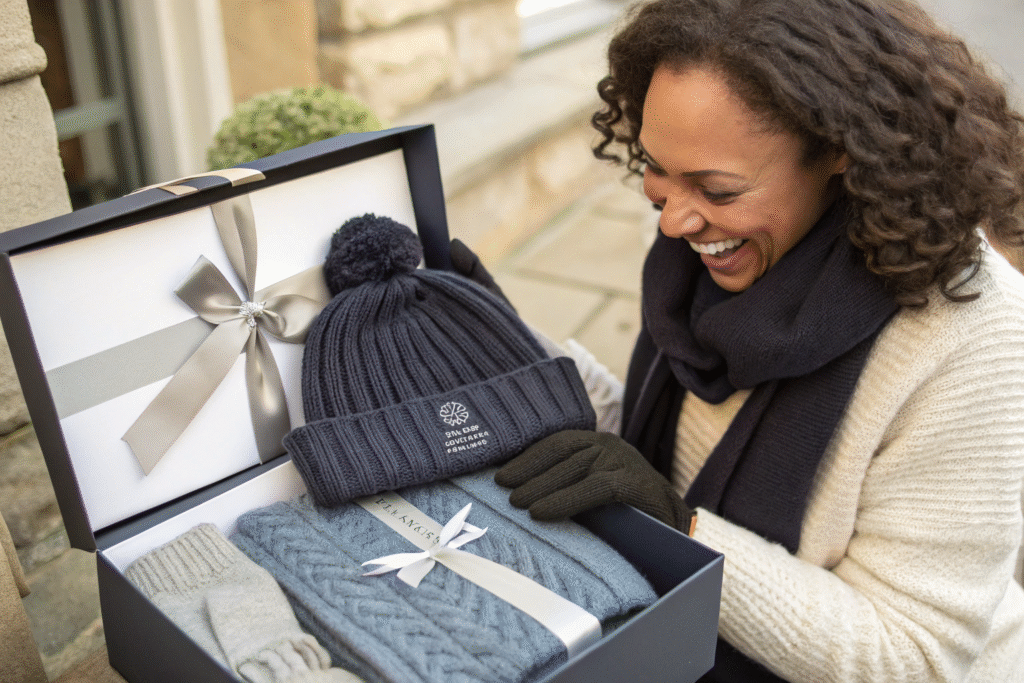
How Do Hats Enhance Customer Loyalty and Gifting Sales?
Beyond the initial sale, knitted hats play a significant role in building long-term customer relationships and capturing lucrative gifting revenue. They are a low-commitment entry point for customers to experience a new brand and a perennial favorite on holiday wish lists.
Loyalty and gifting drivers include:
- The Perfect Gift Item: Hats are universally sized, easy to wrap, and convey a sense of cozy, personal care. They are a staple in holiday gift guides and pre-wrapped gift stations.
- Brand Introduction: A customer might hesitate to buy a $400 sweater from a new brand but will readily try a $35 hat. A positive experience with that hat can lead to future purchases in more expensive categories.
- Repeat Purchase Potential: As a wear-and-tear item that can be easily lost or updated for a new look, hats have a faster repurchase cycle than core apparel.
- Private Label Opportunity: Department store exclusive hat lines build brand identity and offer even higher margins, creating a unique product that can't be price-matched online.
Why Are Knitted Hats a Cornerstone of Holiday Gift Strategies?
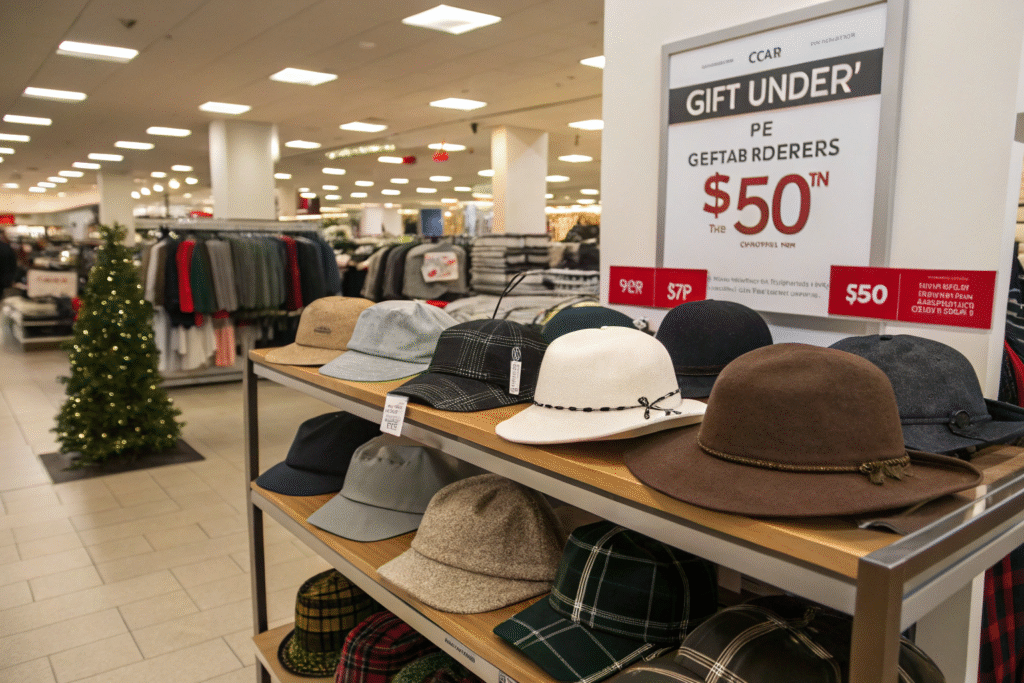
During the holidays, retail shifts from selling needs to selling solutions. Knitted hats, especially when presented as part of a coordinated set, are a complete gifting solution. They are gender-neutral, fit all ages, and cater to a wide range of personal styles. Department stores leverage this by creating dedicated "Gift Under $50" sections, where hats are prominently featured. The ease of the purchase decision—coupled with attractive, gift-ready packaging—makes them a top performer in December, driving both volume and serving as a traffic converter for shoppers overwhelmed by choice.
How Does a Private Label Hat Program Build Store Loyalty?
A successful private label hat program does more than just increase margins. It creates a unique product that shoppers can only find at that specific department store. This exclusivity builds a reason to choose that store over competitors or online marketplaces. When the store controls the design, quality, and branding, they can ensure the hat perfectly complements their private label apparel collections, strengthening the overall brand ecosystem. For a manufacturer, supporting a private label program requires deep collaboration, strict quality control, and a commitment to protecting the retailer's brand identity—a service that fosters long-term, strategic partnerships.
Conclusion
Warm knitted hats are a dynamic and indispensable asset for modern department stores. They function as high-margin profit drivers, irresistible impulse buys, and powerful tools for visual merchandising that increase overall basket size. Their role in seasonal inventory management provides financial stability, while their appeal as gifts and entry-point luxury items builds invaluable customer loyalty.
For department store buyers and planners, a strategic focus on this category is not just about selling hats; it's about optimizing store performance, enhancing the customer experience, and building a resilient, profitable business. The right sourcing partnership is essential to unlocking this potential, providing the trend-right product, reliable quality, and agile supply chain needed to win in a competitive retail landscape.
If you are a department store buyer looking to elevate your accessories strategy with a high-performance, margin-optimized knitted hat program, we have the expertise and production capability to deliver. Contact our Business Director Elaine at elaine@fumaoclothing.com to discuss a partnership that drives sales and customer satisfaction.