I have been in this industry for over 15 years. In that time, I have worked with hundreds of clients from all over the world. Some partnerships lasted for one season. Others turned into relationships that have lasted for over a decade. Looking back, the difference between a one-time transaction and a long-term partnership was rarely just about price. It was about trust. And trust, in our business, is built on proof.
You can use case studies to showcase successful client partnerships by telling a clear, honest story about a real problem, the solution you provided, and the measurable results you achieved. A good case study is not just a list of what you did. It is proof that you understand your client's business. It shows future clients that you can deliver on your promises. It turns your past work into your most powerful sales tool.
At Shanghai Fumao Clothing, we have learned that our best marketing comes from the success of our clients. When a major European brand trusts us with their new collection, or a US online store owner comes back to us season after season, that is a story worth telling. But telling it the right way takes thought and structure. Let me walk you through how we build case studies that actually work, attract the right clients, and demonstrate the real value we bring to the table.
What Makes A Case Study Compelling For Potential Buyers Like Ron?
Imagine you are Ron. You are busy. You get dozens of emails from suppliers every week. They all say the same things: "We are professional," "We offer good service," "Our quality is high." After a while, all these words start to sound like noise. You need a reason to stop and pay attention. A generic claim will not do that.
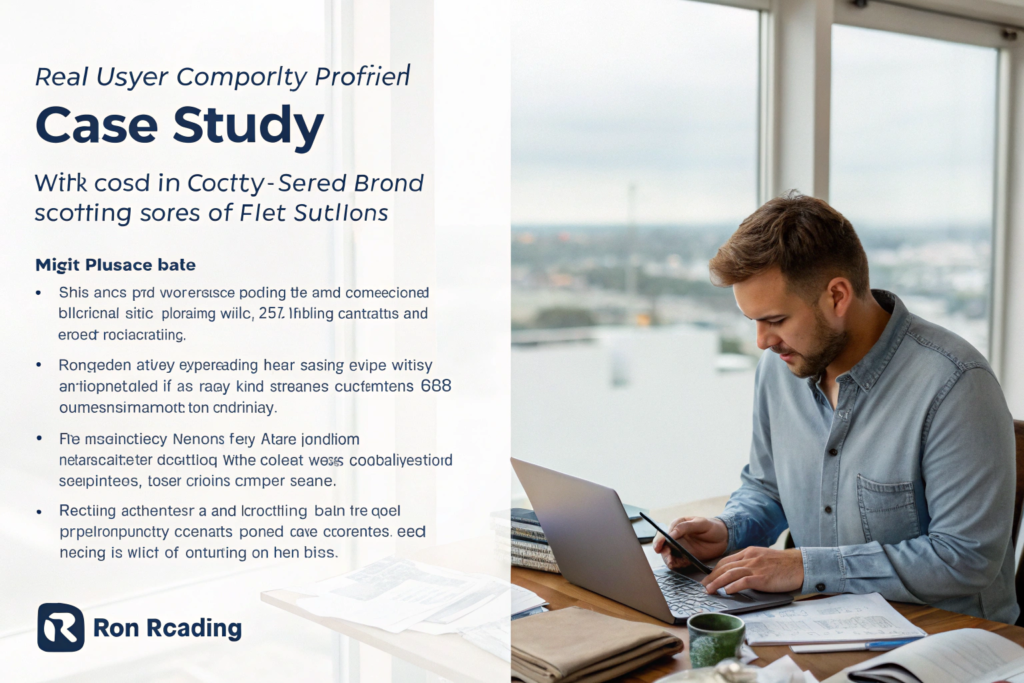
A compelling case study grabs the attention of a busy buyer like Ron by focusing on a specific problem he recognizes. It uses a real client story to show, not just tell, how we solved that exact problem. It includes specific details about the challenge, the process we used, and the final outcome. It avoids vague praise and instead offers hard facts: timelines, quantities, cost savings, or quality improvements. This makes the story believable and relevant.
Ron's primary pain points, as we discussed before, are things like inefficient pricing, worries about timeliness, and tariff costs. A generic case study that just says "we are reliable" does nothing for him. But a case study that tells the story of how we helped a similar US-based clothing brand reduce their tariff costs by using the First Sale Rule and expedited production? That speaks directly to his world. The key is specificity. We name the client's industry (while protecting their privacy if needed), describe the initial challenges they came to us with, and then walk through the step-by-step process of how our team addressed each point. We include data wherever possible. For example, "We reduced the sampling process from 4 weeks to 10 days, allowing the client to hit their market window." This level of detail builds credibility.
How Do We Identify The Right Client Story To Feature?
Not every project makes a good case study. We look for stories that highlight our strengths in areas that matter most to our target audience. For Ron, that means stories about quality control, logistics management, and navigating complex issues like tariffs. We also look for projects where we overcame a significant challenge. Maybe a client needed a complex, multi-material hair accessory that required close collaboration between our design and production teams. Or perhaps we helped a client rush an order of knit beanies to beat a shipping deadline. The best stories are the ones where our involvement made a clear, measurable difference. Our project managers keep notes on every client interaction, and we review these regularly to spot potential case study candidates.
What Specific Information Should Every Case Study Include?
A strong case study needs a clear structure. We always include these elements:
- The Client Background: Who they are, what they sell, and their market (e.g., a mid-sized US apparel brand specializing in winter accessories).
- The Challenge: The specific problem they faced before coming to us. This is crucial for creating relatability (e.g., "They were struggling with inconsistent quality from their previous supplier and missed their fall launch window").
- The Solution: What we did. This is where we detail our process, mentioning our design team's input, the materials we suggested, or the logistics plan we created.
- The Results: The measurable outcome. Use numbers. "We delivered 15,000 units in 6 weeks with a 99.5% quality pass rate." This is the proof that our solution worked.
How Can We Structure A Case Study To Tell A Compelling Story?
Facts and figures are important. But facts alone can be dry. If a case study reads like a technical report, most readers will lose interest halfway through. To really connect with someone like Ron, we need to present those facts within a story he wants to follow.
The most effective structure for a case study follows a classic narrative arc: The Situation, The Problem, The Solution, and The Result. We start by introducing the client and their world. Then, we present the challenge that disrupted their business. Next, we introduce ourselves as the guide who helps them navigate this challenge. Finally, we reveal the successful outcome and the positive impact it had on their business. This structure is familiar, easy to follow, and emotionally satisfying. It places the client as the hero and positions us as the trusted partner who helped them win.
Let me break down how we apply this structure in practice. In the Situation section, we set the scene. "A growing European online retailer specializing in sustainable fashion needed a new supplier for their organic cotton scarf line. They valued ethical production and consistent quality." This immediately signals to similar prospects that we understand their values. In the Problem section, we introduce the conflict. "Their previous supplier could not scale with their growth, leading to delays and inconsistent dye lots. They were worried about their reputation." This creates tension. The Solution section is where we detail our involvement. "Our team analyzed their needs, sourced GOTS-certified organic cotton, and used our digital printing technology to ensure color consistency across all batches." Finally, the Result section provides the payoff. "The client received their full order 2 weeks ahead of schedule, with 100% color accuracy. They launched their fall collection on time and saw a 20% sales increase in that category." This structure keeps the reader engaged from start to finish.
Should We Use Quotes From The Client In The Case Study?
Absolutely. Client quotes add a level of authenticity that our own words cannot achieve. A direct quote like, "This was the smoothest production run we have ever experienced," is far more powerful than us saying, "The client was happy." We always ask our clients if they are willing to provide a short testimonial about their experience working with us. We ask them to be specific. Instead of "great service," we encourage them to say something like, "The project manager, Lisa, kept us updated every step of the way. When we had a last-minute design change, she handled it immediately." These specific details make the quote feel real and trustworthy. We always get written permission to use their name and company, or we agree on a format like "Marketing Director, European Fashion Brand" if they prefer anonymity.
How Do We Present Data In A Way That Is Easy To Understand?
Numbers can be overwhelming if they are just dumped into a paragraph. We use simple visual aids within the text, like bold text for key figures, and we sometimes create simple tables for comparison. For example:
- Previous Supplier: 8-week sampling, 12-week production, 5% defect rate.
- Shanghai Fumao Clothing: 3-week sampling, 6-week production, 0.5% defect rate.
This clear, side-by-side comparison makes the value immediately obvious. We also focus on the metrics that matter most to our audience. For a buyer like Ron, that means data on cost savings, reduced lead times, and improved quality metrics. We avoid showing data just for the sake of it. Every number we include should directly support the main point of the case study: that partnering with us delivers tangible, positive results.
Where Should We Publish Case Studies To Reach The Right Audience?
You have written a great case study. It tells a compelling story, includes real data, and makes a strong argument for working with us. But if no one reads it, it has no value. Publishing it in the right places is just as important as writing it well.
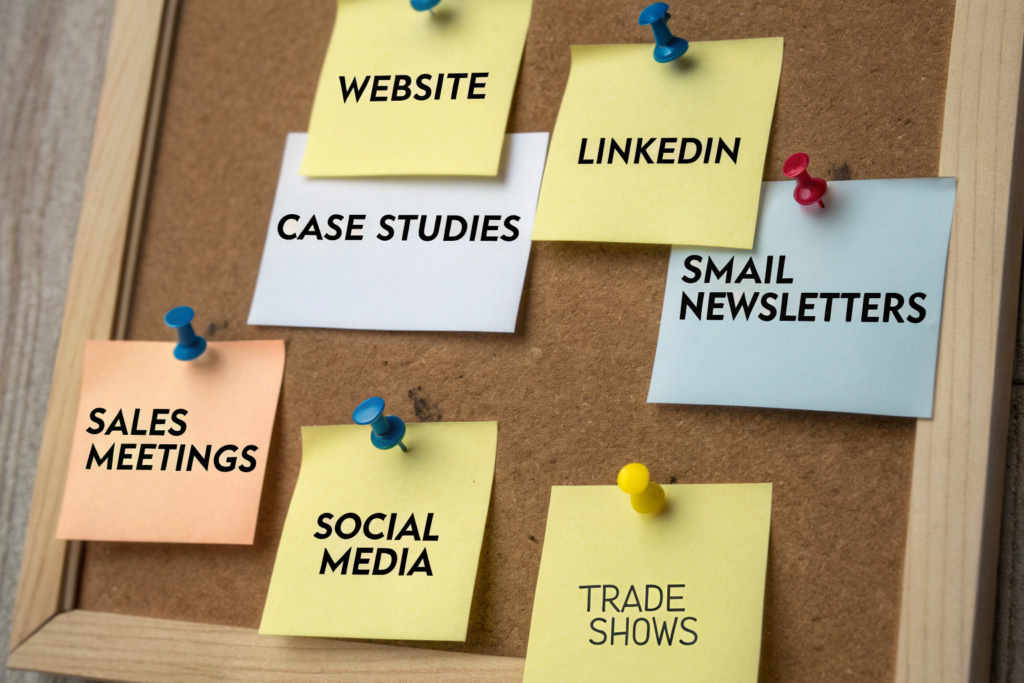
To reach the right audience, case studies should be published across multiple channels where your potential clients are already looking for information. Your company website is the home base, with a dedicated "Case Studies" or "Success Stories" section. From there, you share them on LinkedIn to reach professional buyers, include them in email newsletters to nurture leads, and use them as talking points in sales meetings. They can also be repurposed into shorter posts for social media or used as handouts at trade shows. The goal is to make your proof of success easy to find, everywhere your clients look.
We treat our case studies as core marketing assets. On our website at Shanghai Fumao Clothing, we have a section dedicated to client stories. We organize them by product type or by the challenge solved, so a visitor can easily find a story relevant to them. For example, a brand looking for knit hat production can click and read about how we helped another brand with their winter line. We also use them heavily on our LinkedIn page. A short post introducing the case study with a link to the full story on our site drives traffic and starts conversations. When our sales team is talking to a potential client like Ron, they can say, "I know you are concerned about quality control. Here is a case study about a client who had the same concern and how we addressed it." This turns the case study from a passive document into an active sales tool.
How Can We Use Case Studies Effectively On LinkedIn And Other Platforms?
LinkedIn is a goldmine for B2B connections. But you cannot just post a PDF of a 1500-word case study and expect people to read it. We break it down into a series of shorter posts. One post might focus on "The Problem" section. Another post might highlight "The Results." We use an engaging image, like a photo of the product or a simple chart, to stop the scroll. We also tag the client (with their permission) to expand our reach to their network. The caption always ends with a question or a call to action, like "Have you faced similar challenges in your supply chain? Let's discuss how we can help." This invites comments and engagement. On platforms like Facebook and Instagram, which are more visual, we might share a short video of the product or a carousel of images with key statistics overlaid, linking back to the full story on our website.
Should We Create Short Video Versions Of Our Written Case Studies?
Yes, and this is becoming increasingly important. Video consumption is huge, even in B2B. We are starting to create one to two minute video summaries of our most important case studies. In these videos, I or one of our project managers talk directly to the camera. We briefly explain the client's challenge, show the product, and share the key results. This adds a human face to the story. It builds a personal connection that text alone cannot achieve. These videos are perfect for our website's homepage, for sharing on social media, and for including in email signatures. They make the success story feel more immediate and real. A potential client like Ron can watch a short video and get the core message in under two minutes, which respects his busy schedule while still building our credibility.
How Do Case Studies Help Overcome Specific Client Objections?
Every potential client has objections. Ron might be thinking, "Can this factory really handle my quality requirements?" or "Will they be able to navigate the logistics and tariffs for me?" These doubts are normal. They are also the biggest barrier to closing a deal. Your job is to remove those doubts before they are even spoken.
Case studies are the most effective tool for overcoming specific client objections because they provide social proof. If a client is worried about quality, a case study featuring a well-known brand that trusted us with their quality-sensitive line can ease that fear. If they are concerned about on-time delivery, a case study showing how we expedited a rush order for another client proves our capability. Each case study acts as a third-party endorsement that answers the objection before the client has to ask the question.
We have built a library of case studies that specifically target the most common objections we hear. For example, one of the biggest fears for US importers is the complexity of customs and the risk of unexpected tariffs. We have a detailed case study about a client who was facing a potential 15% tariff increase. It walks through how we worked with them to reclassify their product using a more precise HTS code and adjusted the material composition slightly, which legally reduced their duty rate. This case study is pure gold when we talk to a new client who brings up tariffs. Instead of just saying, "We can help with that," we can say, "Let me show you exactly how we helped another client in your exact situation." It transforms our claim into proven fact.
Can A Case Study Help Convince A Client To Choose A Higher-Quality, Higher-Price Option?
Yes, and this is one of their most powerful uses. Often, a client might be focused on the lowest possible price. But we know that a slightly higher investment in quality materials or more rigorous quality control can save them far more money in the long run by reducing returns and protecting their brand reputation. A case study can illustrate this perfectly. For instance, we have a story about a client who initially chose a very cheap supplier for their promotional baseball caps. They had a 15% defect rate and angry customers. They came to us for their next order. We produced caps at a slightly higher unit cost, but with a rigorous 3-point inspection process. The result was a defect rate of less than 0.5%. The client's customer complaints vanished, and their reorder rate increased. This case study makes a powerful argument for the value of quality, far more effectively than any sales pitch about our "high standards" ever could.
How Do We Use Case Studies To Demonstrate Expertise In A Niche Product Category?
Specialization builds trust. When a client needs a specific product, like temperature-responsive color-changing accessories, they want a supplier who truly understands that niche. A case study focused on that exact product category is the best proof. We have a case study dedicated to a project where we developed a line of color-changing scarves for a tech-focused fashion brand. It details the challenges of sourcing the correct thermochromic dyes, the testing we did to ensure wash durability, and the final stunning result. When a new client inquires about this technology, we send them that case study immediately. It shows them that we are not beginners in this space. We have done it before, successfully, and we can do it again for them. This builds immediate confidence and sets us apart from generalist suppliers who are just learning about the technology.
Conclusion
For a buyer like Ron, the decision to partner with a new factory is a risk. There are so many unknowns: quality, reliability, communication, and hidden costs. Case studies are the bridge that crosses the gap between uncertainty and trust. They take our claims and turn them into proven facts. They show, in detail, how we have solved the exact problems that keep Ron up at night. They are not just marketing materials; they are our reputation, documented and shared.
At Shanghai Fumao Clothing, we are proud of the partnerships we have built. Each client success story is also our success story. We believe in transparency and in letting our work speak for itself. We are always looking for new partners who value quality, reliability, and a real, collaborative relationship. If you are ready to see what a true partnership can achieve, we would love to hear from you.
To discuss your next project and to see how we can build a success story together, please contact our Business Director, Elaine, at elaine@fumaoclothing.com. We are ready to help you succeed.