I've spent most of my career focused on the manufacturing side of the business—making great products, managing quality control, and shipping orders on time. But in today's world, making a great product is only half the battle. You also have to get it in front of the right people. And for many of our clients, especially smaller brands and online stores, traditional advertising is too expensive and too hard to track.
That's where affiliate marketing comes in. It's a performance-based model where you partner with content creators, bloggers, and influencers who promote your products to their audience. You only pay them a commission when they actually generate a sale. It's low-risk, highly measurable, and incredibly effective for accessories. Buyers like Ron, who are always looking for cost-effective ways to reach new customers, are increasingly turning to affiliate marketing to grow their brands.
At Shanghai Fumao Clothing, we've seen the power of affiliate marketing firsthand through our clients' successes. We've learned what works and what doesn't. In this post, I'll share our best advice on how you can use affiliate marketing to promote your accessory brand. We'll cover finding the right partners, setting up your program, creating compelling content, and tracking your results.
What Is Affiliate Marketing And Why Does It Work For Accessories?
Affiliate marketing is a partnership between a brand and an "affiliate." The affiliate promotes the brand's products to their audience through their own channels—a blog, social media, a YouTube channel, etc. They use a unique tracking link. When one of their followers clicks that link and makes a purchase, the affiliate earns a commission. It's that simple.
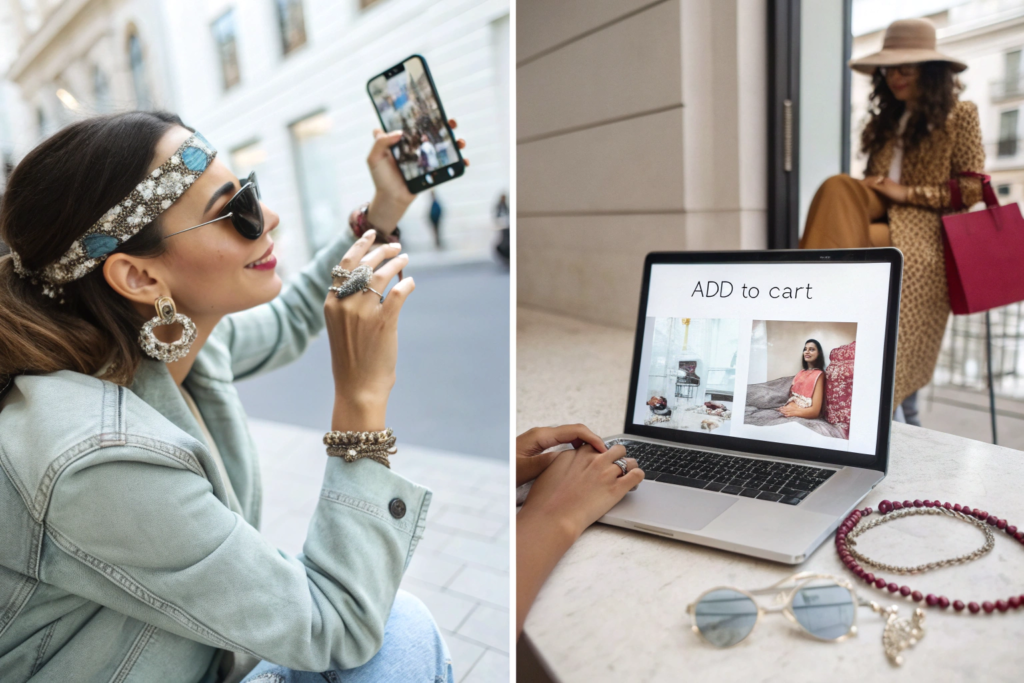
This model works exceptionally well for fashion accessories for several reasons. Accessories are highly visual. They are meant to be seen and styled. This makes them perfect for content creators who specialize in fashion, lifestyle, and beauty. A single beautiful photo of someone wearing your scarf or hair clip can be more powerful than any advertisement. It's authentic, it's relatable, and it comes from a trusted source. For more on the affiliate marketing industry, organizations like the Performance Marketing Association offer valuable resources.
How is affiliate marketing different from influencer marketing?
This is a common point of confusion. While they overlap, they are not the same thing.
- Influencer Marketing is typically a one-off, paid partnership. You pay an influencer a fixed fee to create a post or video featuring your product. You pay the fee regardless of how many sales it generates. It's about brand awareness and reach.
- Affiliate Marketing is performance-based. You pay the affiliate a commission only when they generate a sale. It's directly tied to revenue. While many influencers also operate as affiliates, the core difference is the payment model: fixed fee vs. commission.
Both can be effective, but affiliate marketing is lower-risk and more directly tied to sales. It's a great way to start working with content creators without a large upfront investment. You only pay for results.
Why are accessories perfect for affiliate content?
Accessories are the ideal product category for affiliate marketing. Think about the content that performs well on social media: outfit-of-the-day posts, styling tips, "how to style" videos, and haul videos. Accessories are the stars of all of these.
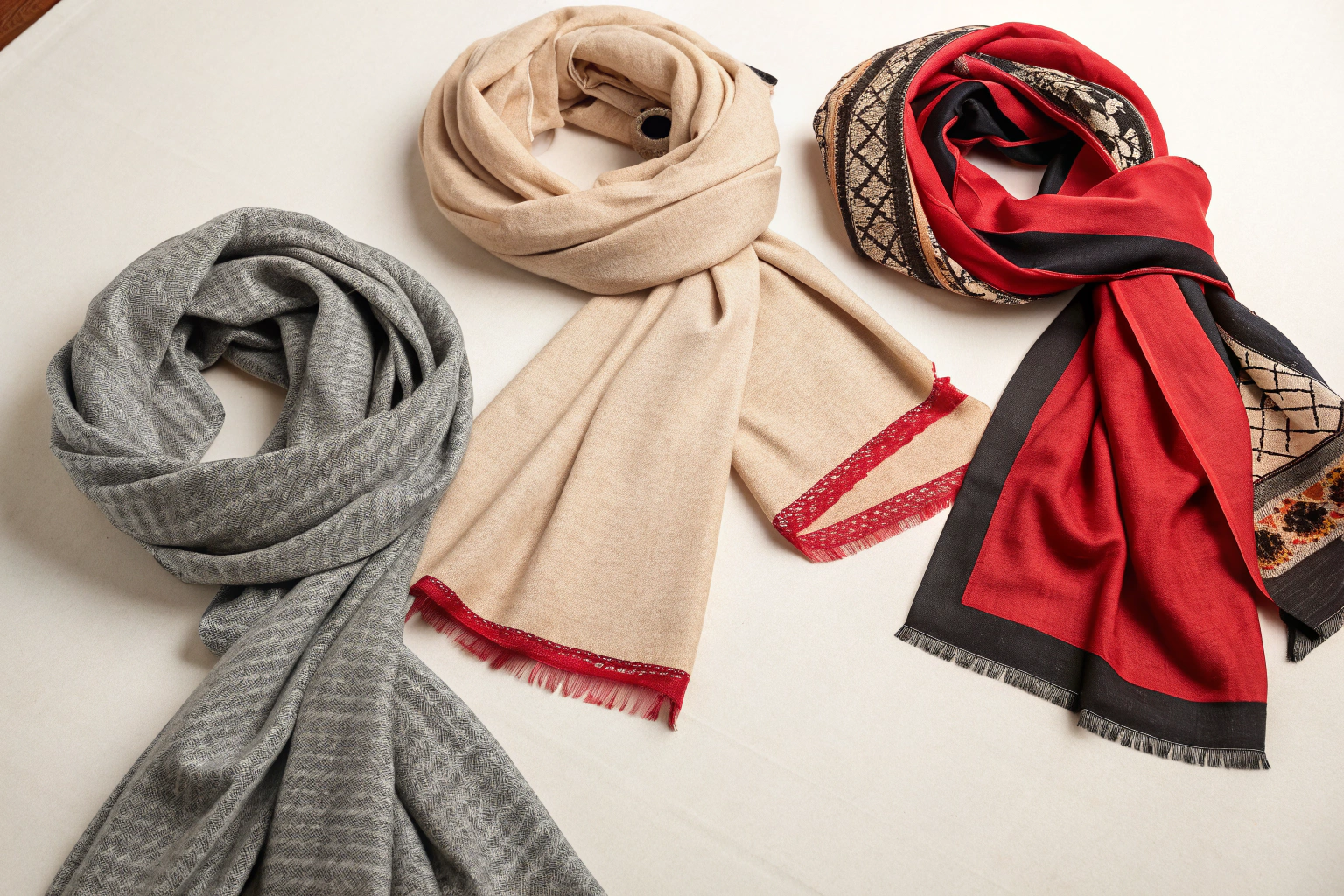
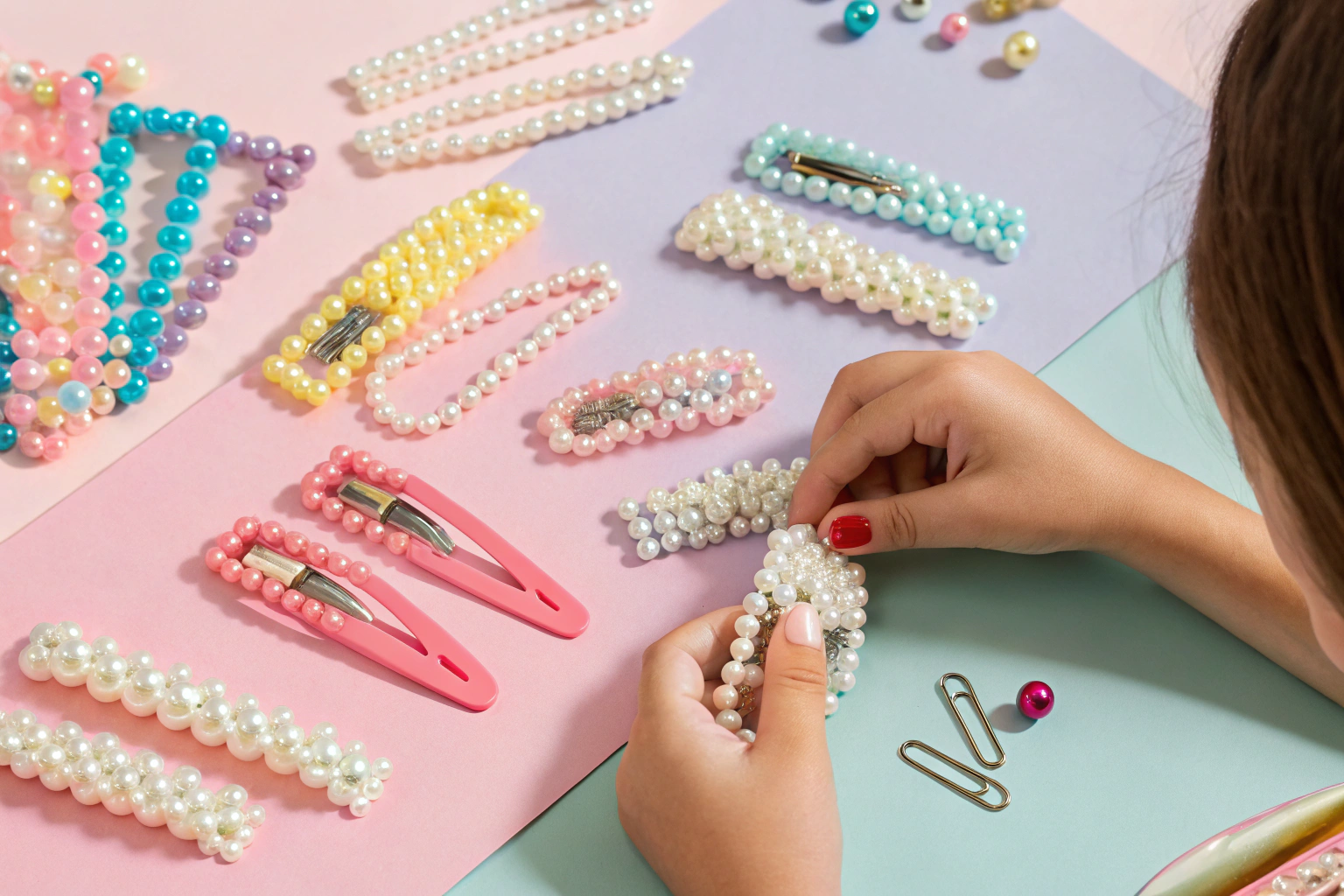
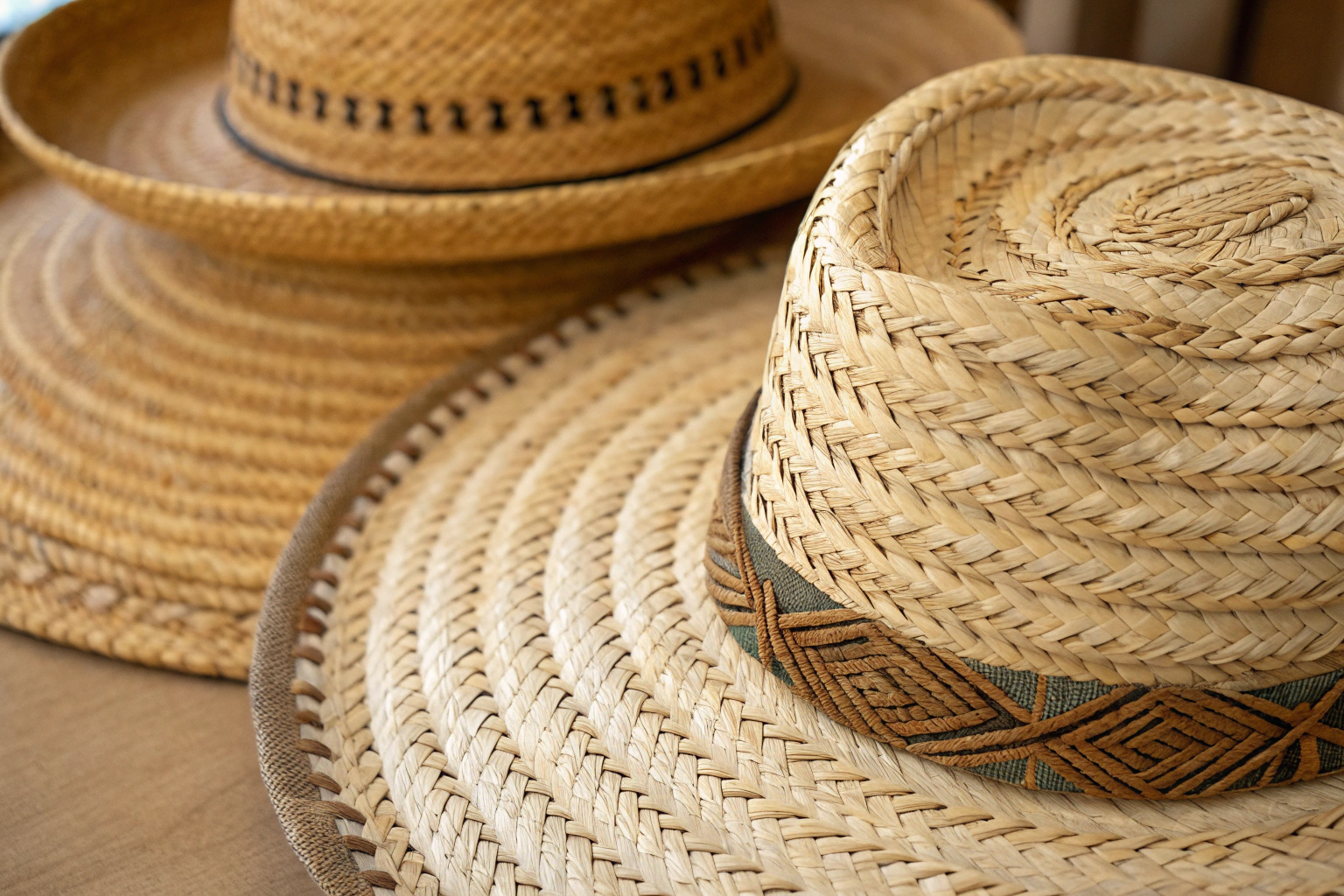
A content creator can show their audience ten different ways to style a single scarf. They can create a video on how to use different hair clips to create various looks. They can feature a hat in a "weekend getaway" packing video. The visual and versatile nature of accessories provides endless opportunities for authentic, engaging content. This content doesn't feel like an ad; it feels like helpful advice from a trusted friend. And that's what drives sales.
How Do You Find And Recruit The Right Affiliates?
The success of your affiliate program depends almost entirely on the quality of your affiliates. You need partners who have an audience that would genuinely be interested in your products. Their followers should trust their recommendations. Finding these right partners takes research and a thoughtful outreach strategy.
Don't just go after the biggest influencers with millions of followers. They are often expensive and their engagement can be low. Instead, focus on "micro-influencers" and content creators with smaller, but highly engaged, audiences. A creator with 10,000 loyal followers who trust their taste can drive more sales than a celebrity with a million passive followers. For tools to find and manage influencers, platforms like Upfluence and AspireIQ are popular.

Where do you look for potential affiliate partners?
There are several places to find great affiliate partners:
- Social Media: Search for relevant hashtags on Instagram, TikTok, and Pinterest. Look for creators who post about fashion, styling, and accessories. See who is already engaging with content similar to your products.
- Blogs and Websites: Find fashion and lifestyle blogs that review products or post outfit ideas. Look for sites with an engaged readership and a style that aligns with your brand.
- Affiliate Networks: Joining an affiliate network like ShareASale, Rakuten Advertising, or Awin can give you instant access to thousands of potential affiliates who are already looking for products to promote. The network handles tracking and payments, making it easier to manage.
- Competitor Research: See who is promoting similar accessory brands. If an affiliate is already promoting products like yours, they might be a good fit for your brand as well.
It's about being proactive and building a list of potential partners who align with your brand's aesthetic and values.
What should you look for in an affiliate partner?
When evaluating a potential affiliate, don't just look at their follower count. Dig deeper:
- Engagement Rate: How many likes, comments, and shares do they get relative to their follower count? High engagement is a sign of a loyal, active audience.
- Audience Alignment: Does their audience match your target customer? A creator whose audience is primarily teenage girls might not be the best fit for a line of luxury cashmere scarves for professionals.
- Content Quality: Is their content visually appealing and professional? Does it align with your brand's aesthetic?
- Authenticity: Does their content feel genuine and trustworthy? Do they have a real connection with their audience? Their recommendations should feel like advice from a friend, not a paid commercial.
- Relevance: Do they already post about fashion and accessories? A creator who focuses on home decor might not be the best fit.
Choosing the right partners is an investment in your brand's reputation. Take the time to find creators who will represent your products well.
What Tools Do You Need To Manage An Affiliate Program?
To run a successful affiliate program, you need the right tools. Manually tracking clicks and sales with spreadsheets is impossible once you have more than a few affiliates. You need a dedicated platform that can handle link tracking, commission calculations, and payments automatically. This frees you up to focus on recruiting and supporting your affiliates.
The right software also provides valuable data. You can see which affiliates are driving the most sales, which products are most popular, and which content is performing best. This data allows you to optimize your program and make smarter decisions. For a comparison of different affiliate marketing platforms, sites like G2 and Capterra offer user reviews and ratings.

Should you use an affiliate network or standalone software?
This is a key decision. Both options have pros and cons.
- Affiliate Networks (e.g., ShareASale, Rakuten): These are large platforms that connect brands with a huge pool of affiliates. The network handles all the tracking, reporting, and payments. This is a great option for getting started quickly and gaining access to many potential partners. The downside is that you pay a fee to the network, and you have less direct control over your relationship with affiliates.
- Standalone Affiliate Software (e.g., Impact, Post Affiliate Pro): This software runs on your own website. You have complete control over your program, your branding, and your relationships with affiliates. You don't pay network fees. However, you are responsible for recruiting all your own affiliates, as you don't have access to a built-in network.
Many brands start with an affiliate network to build their program and then later add standalone software as they grow. The best choice depends on your budget, your technical capabilities, and your growth goals.
What metrics should you track to measure success?
To know if your affiliate program is working, you need to track the right metrics. Don't just look at sales. Look at the full picture.
- Clicks: How many people are clicking on your affiliate links? This measures the reach of your affiliates' content.
- Conversion Rate: What percentage of clicks turn into sales? This measures the effectiveness of both the affiliate's promotion and your product pages.
- Total Sales/Revenue: The ultimate measure of success. How much revenue is being generated by your affiliate program?
- Commission Paid: What is your total cost of sales? Is your commission rate sustainable?
- Average Order Value (AOV): Do affiliate-driven sales have a higher or lower AOV than your average sale? This can tell you something about the type of customer they are bringing in.
- Top-Performing Affiliates: Which affiliates are driving the most sales? Focus your energy on supporting and nurturing these relationships.
- Top-Performing Products: Which products are affiliates selling most effectively? This can inform your product development and your affiliate marketing strategy.
By tracking these metrics, you can continuously optimize your program, improve your results, and ensure a strong return on your investment. At Shanghai Fumao Clothing, we help our clients understand these dynamics and build products that are primed for affiliate success.
How Do You Create Compelling Content For Affiliates?
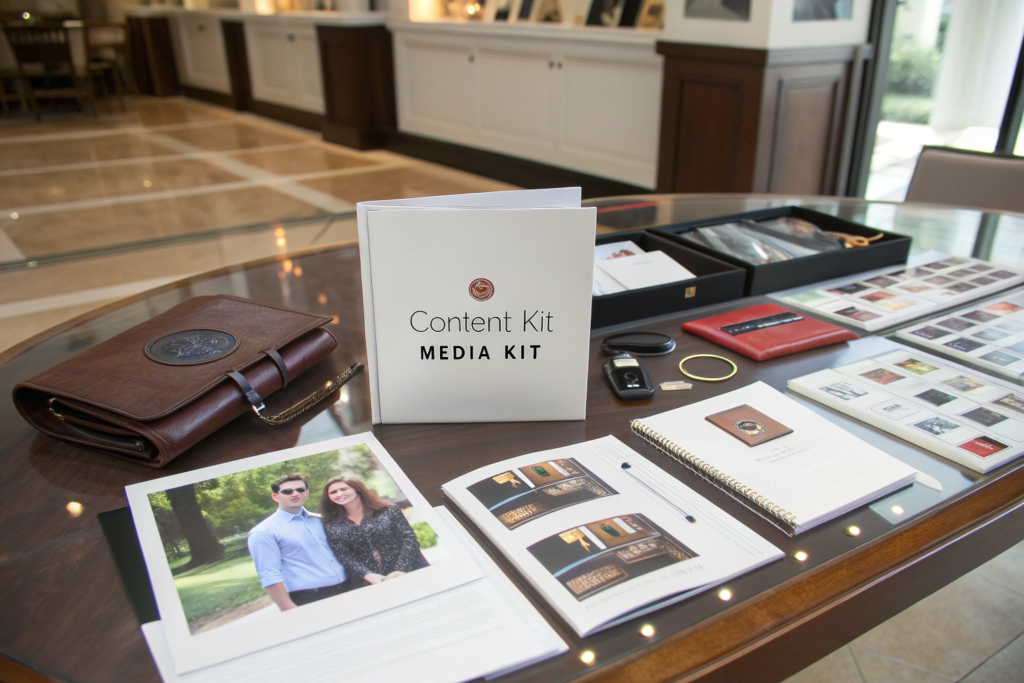
Your affiliates are your partners. To help them succeed, you need to provide them with the tools and resources they need to create great content. This is called an "affiliate kit" or "media kit." The more you support your affiliates, the better they can promote your products, and the more sales you will both make.
Think of your affiliates as an extension of your own marketing team. They want to create content that resonates with their audience. Your job is to give them the raw materials to do that effectively. For inspiration on creating effective affiliate content, look at how successful fashion and lifestyle bloggers present products.
What should you include in an affiliate media kit?
A good affiliate media kit should include:
- High-Quality Product Photos: Provide a library of professional, high-resolution photos of your products. Include shots of the product alone, shots of the product being worn or styled, and detail shots. The more options, the better. Affiliates may not have the budget or ability to shoot their own professional photos, so providing these is a huge help.
- Style Guides and Inspiration: Create guides showing different ways to style your accessories. This gives affiliates ideas for content and helps them show their audience the versatility of your products.
- Key Product Information: Provide clear, concise information about each product: materials, sizes, care instructions, and key selling points. This helps affiliates write accurate and compelling descriptions.
- Suggested Captions and Hashtags: You can provide sample social media captions that affiliates can adapt and use. Also, provide a list of relevant hashtags to help their posts get discovered.
- Brand Guidelines: Briefly explain your brand's voice and aesthetic. This helps affiliates create content that is consistent with your brand identity.
- Exclusive Discount Codes: Provide affiliates with a unique discount code they can offer their audience. This is a powerful incentive for their followers to make a purchase and also makes the affiliate's link more trackable.
Providing these resources makes it easy for affiliates to promote your brand and ensures the content they create is high-quality and on-brand.
How do you encourage affiliates to create authentic content?
Authenticity is everything. Forced, overly promotional content doesn't perform well. The best affiliate content feels natural and genuine. How do you encourage this?
- Give Them Creative Freedom: Don't dictate exactly what they should post. Give them the products and let them style and present them in their own way. Their audience knows their style, and they know what will resonate.
- Send Them Free Products: This is the most important thing you can do. Let them experience the product firsthand. They can't create authentic content about a scarf they've never touched. A beautiful product in their hands is the best inspiration.
- Build Relationships: Treat your affiliates as partners, not just sales channels. Engage with their content. Thank them for their support. Get to know them. A strong relationship leads to more enthusiastic and authentic promotion.
- Provide Inspiration, Not Dictation: Your style guides and suggested captions are there to inspire, not to mandate. Give them ideas, but encourage them to make the content their own.
When an affiliate genuinely loves your product, their enthusiasm will shine through in their content. And that authenticity is what drives sales. A beautifully designed accessory that an affiliate is excited to share is the foundation of a successful partnership.
Conclusion
Affiliate marketing is a powerful, cost-effective way to promote your accessory brand and reach new customers. By partnering with content creators who have engaged, trusting audiences, you can generate authentic, compelling content that drives sales. The key is to find the right partners, set them up for success with a fair commission structure and great resources, and then use the right tools to track your results and optimize your program. It's a long-term strategy that builds a network of advocates for your brand.
At Shanghai Fumao Clothing, we understand the importance of marketing as well as manufacturing. We see every day how our clients use affiliate marketing to grow their brands. We're here to support you by creating the high-quality, beautiful, and photogenic accessories that affiliates love to share. When your products are this good, half the marketing work is already done.
If you're ready to build an affiliate program for your accessory brand, or if you need a manufacturing partner who can create products that people can't wait to share, let's talk. Please contact our Business Director, Elaine, at elaine@fumaoclothing.com. We'll help you create accessories that are not only well-made but also highly marketable.