Three years ago, a client of ours launched a new line of printed silk scarves. She did everything right. Professional photoshoot. Beautiful models. Expensive lighting. The campaign cost $80,000. Sales were okay. Nothing spectacular. Then something unexpected happened. A customer in Texas bought one scarf. She posted a photo on Instagram wearing it as a top, not a scarf. She tagged the brand. The post got 12,000 likes in 24 hours. Our client's website crashed. She sold out of that scarf in three days. She called me, confused. "I spent $80,000 on professional content. This woman spent zero dollars. Her photo outsold my entire campaign. Why?" I told her, "Because her photo is real. Yours is perfect. Consumers trust real more than they trust perfect."
User-generated content outperforms brand-generated content because it carries social proof, authenticity, and relatability that professional advertising cannot replicate. Consumers trust other consumers. They do not trust brands. UGC shows your accessories being worn by real people with real bodies, real lighting, and real styling. It answers the questions professional models cannot answer. "How does this hair clip look on fine hair?" "Does this belt stretch after wearing it all day?" "Will this scarf fade after washing?" UGC provides answers. Professional photography provides aspirations. Both are useful. Only one drives purchase decisions at the point of consideration.
I have spent twenty years manufacturing accessories. I thought my job ended when the product left our loading dock. I was wrong. My job now includes helping clients create the conditions for customers to photograph themselves wearing what we made. This is strange for a factory owner. I do not understand algorithms. I do not understand influencers. I do understand human psychology. People want to see themselves in the product before they buy it. UGC shows them that reflection. Let me share what we have learned about manufacturing products that people want to photograph, and how we help our clients turn customers into creators.
What Makes An Accessory "Instagrammable"?
Ron asked me, "Can you manufacture virality?" I laughed. "No. If I could manufacture virality, I would not be making hair clips. I would be making lottery tickets." He said, "Then how do you know which products will generate UGC?" I said, "I do not know. But I know which products generate returns. The products that generate UGC share certain characteristics. I can manufacture those characteristics. I cannot guarantee the outcome. I can increase the probability."
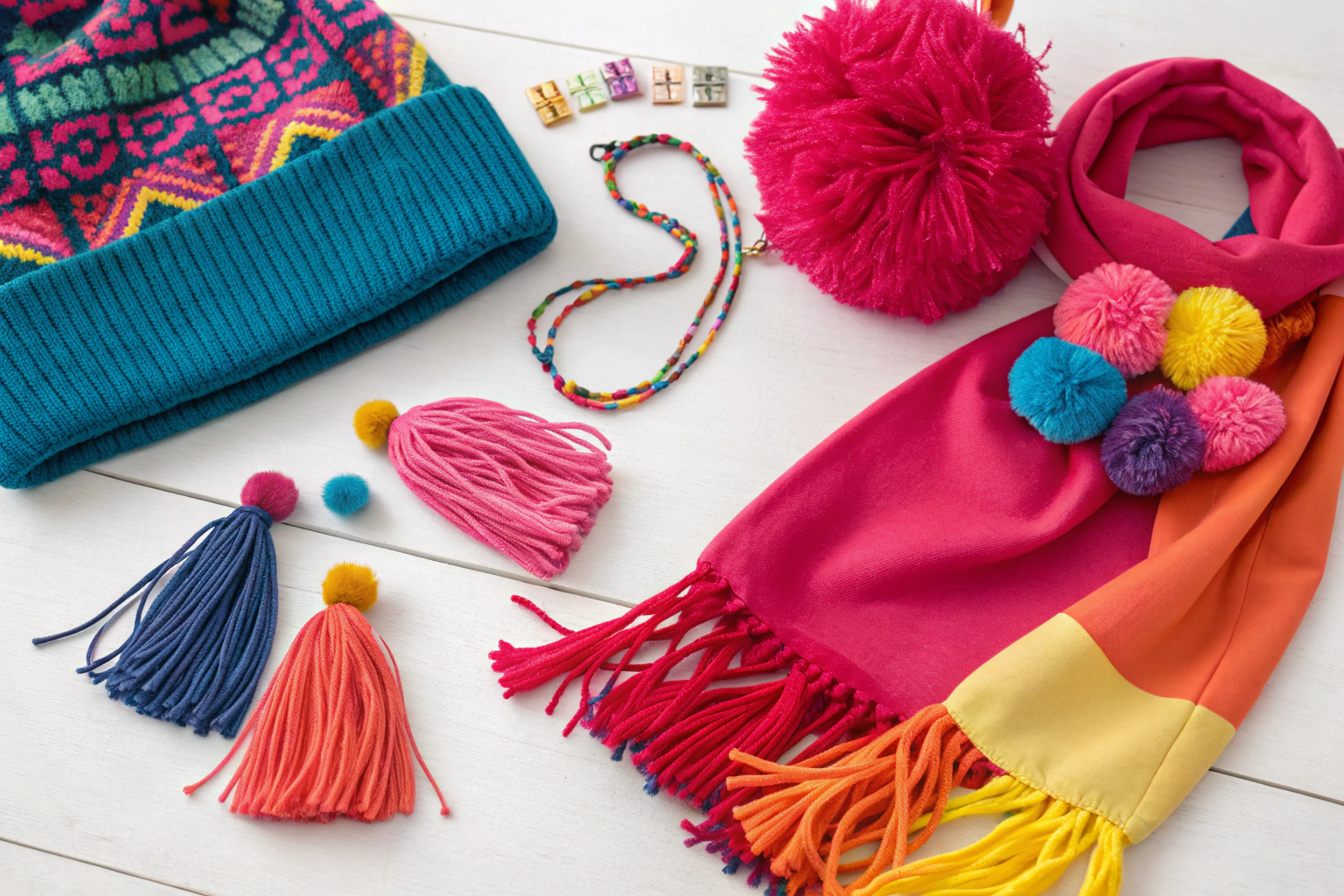
Accessories that generate high volumes of user-generated content share three characteristics: photogenic color, versatile styling, and visible branding or unique design elements. Photogenic colors are those that photograph well under imperfect lighting. Jewel tones, pastels, and high-contrast patterns perform better than muted earth tones. Versatile styling means the accessory can be worn multiple ways. A scarf that works as a headwrap, a top, and a bag accessory generates three times more UGC than a scarf that only works around the neck. Visible branding or unique design elements give viewers a reference point. They see the photo. They recognize the product. They know where to buy it. These characteristics can be engineered. We engineer them specifically for clients who prioritize organic social reach.
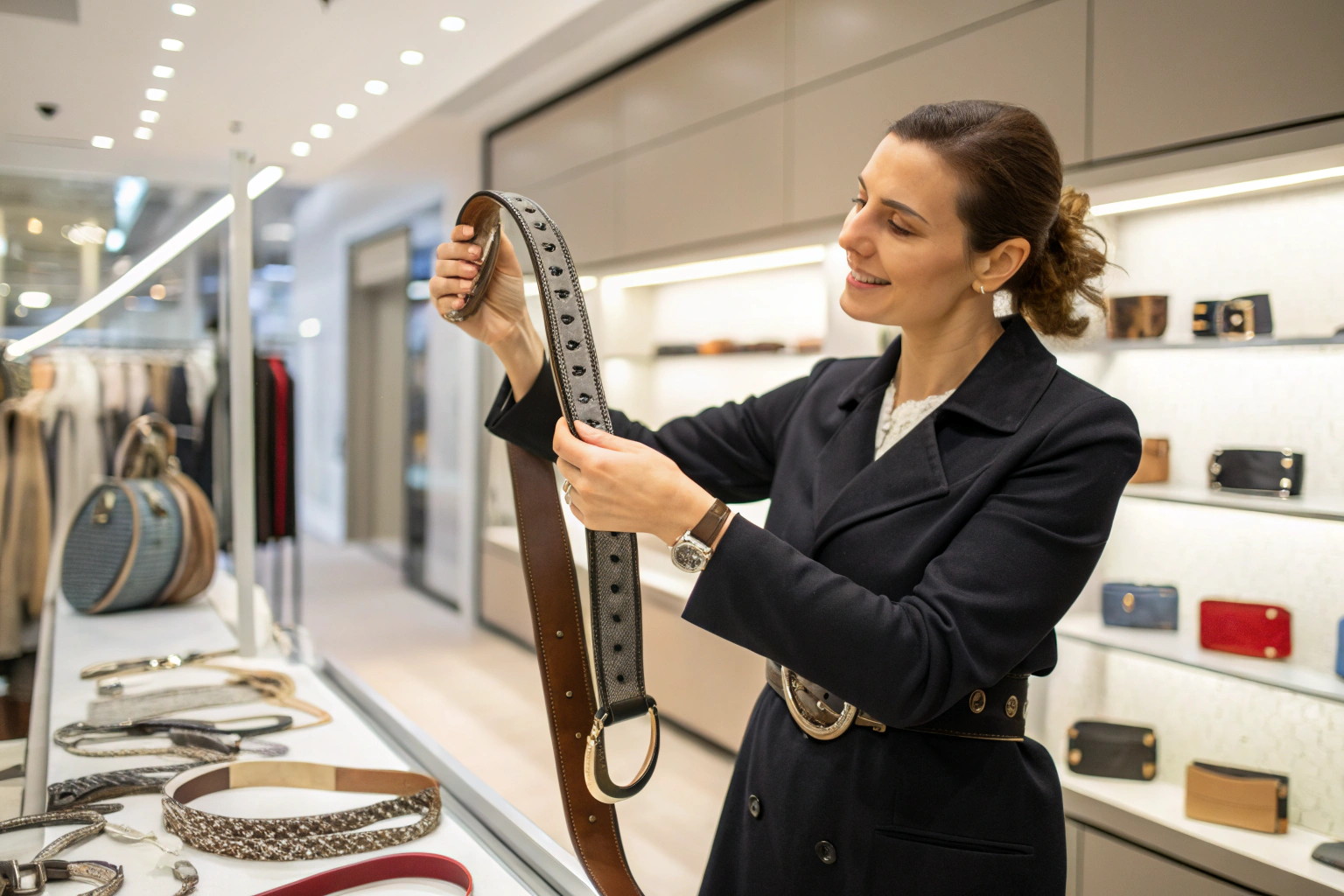
Let me detail the specific design choices that increase UGC probability. Color saturation matters more than color accuracy. A product that looks beautiful in person but photographs washed out will generate fewer shares. We test our colors under standard smartphone cameras. We adjust formulations to ensure the RGB values pop. This sometimes means the physical product is slightly more saturated than we prefer. The trade-off is acceptable. Texture visibility is also critical. A hair clip with subtle surface detailing looks elegant in person. It looks like a plain black clip in a photo. We increase the relief of textured surfaces. We add reflective highlights. We ensure the detail reads at Instagram resolution. Proportional photogenicity is our term for how the accessory scales in a photograph. A belt that looks proportional on a 5'10" model looks massive on an average-height customer. We test our products on a range of body types during development. We adjust proportions to photograph well on the median consumer.

Why Do Hair Accessories Generate More UGC Than Other Categories?
Hair accessories occupy the highest-value real estate in a photograph. The face. Hair accessories frame the face. They draw attention upward. They are visible in selfies, group photos, and professional portraits. A hair clip is seen. A belt may be hidden by a jacket. A scarf can be removed. A hair accessory is often the last item removed when dressing and the first item noticed when viewing. This visibility creates UGC opportunity. We advise clients launching UGC campaigns to prioritize hair accessories as their entry point. The organic reach per unit is significantly higher than belts, gloves, or umbrellas.
What Role Does Packaging Play In UGC Generation?
Packaging is the first photograph. The customer receives a box. She opens it. She photographs the unboxing. This content is posted before she ever wears the product. It establishes the brand's premium positioning. It also creates anticipation. We design packaging specifically for this moment. Our unboxing-optimized packaging includes a branded tissue paper that photographs without glare, a sticker sheet with high visual appeal, and a care card with styling tips that doubles as a flat lay background. The cost premium is $0.18 to $0.35 per unit. The earned media value is incalculable. We have seen single unboxing videos generate 200,000 views and drive complete sellouts of new collections.
How Do You Encourage Customers To Create And Share Content?
Ron told me, "I put a hashtag on my hang tags. Nobody used it." I asked, "Did you ask them to?" He said, "The hashtag is the ask." I said, "No. The hashtag is the tool. You need to provide the instruction, the incentive, and the appreciation." He was quiet. Then he said, "I have been doing this wrong for three years."
Encouraging user-generated content requires a structured program with three components: instruction, incentive, and appreciation. Instruction tells the customer exactly what to photograph and where to post. "Tag @brand and use #brandstyle for a chance to be featured." Incentive motivates the action. This can be a discount code, a sweepstakes entry, or simply the recognition of being featured. Appreciation closes the loop. When a customer posts, the brand must engage. A like. A comment. A repost. This validation encourages the next customer to participate. The program must be consistent. One post acknowledged. Ten posts ignored. The program dies. We help our clients design these programs. We provide the physical tools: hashtag hang tags, QR codes to sweepstakes landing pages, and photo-ready packaging. The brand provides the social engagement.
Let me detail the most effective incentive structures we have observed. Sweepstakes are the highest participation driver. "Post your best photo wearing our belt for a chance to win $500 of product." Entry is easy. The prize is attractive. Participation spikes. The downside is quality. Many entries are low-effort. Featured customer programs drive higher quality. "We will select 12 customers to feature in our upcoming lookbook." The perceived value is higher. The effort invested is greater. The content is significantly more usable. Discount codes are the most common and the least effective. "Post and receive 10% off your next order." Customers perceive this as transactional. They post once. They take the discount. They do not engage again. We recommend a hybrid approach. Sweepstakes for volume. Featured customer programs for quality. Discount codes for retention.

Should You Pay Influencers Or Rely On Organic UGC?
Both. They serve different purposes. Influencers are professional content creators. They produce high-quality, brand-aligned content. They reach established audiences. They are expensive. Organic UGC is created by actual customers. The quality varies. The authenticity is undeniable. It is free. The optimal strategy is to seed influencers with product and briefs. Their content establishes the aesthetic. Then amplify organic UGC that reflects that aesthetic. The two content streams reinforce each other. Consumers see the aspirational influencer content. They see the relatable customer content. They triangulate trust. We help clients identify which influencers align with their target demographics.
How Do You Measure UGC Campaign Success?
Vanity metrics are dangerous. Likes and comments feel good. They do not pay invoices. We advise clients to measure conversion rate of UGC-exposed visitors versus non-exposed visitors. This requires proper tagging and analytics setup. We also measure UGC volume growth month over month. Flat or declining volume indicates program fatigue. We measure sentiment analysis of comments. Are customers excited or critical? Finally, we measure attributed revenue from UGC campaigns. This is difficult. Multi-touch attribution is imprecise. We use promo codes specific to UGC campaigns as a proxy.
How Do You Ethically Source And Repurpose Customer Content?
Ron received a cease-and-desist letter. He had reposted a customer's Instagram photo on his brand's website. The customer was flattered. Her lawyer was not. The photo was owned by the customer. Ron did not have a license to use it commercially. He called me, panicked. "I thought reposting was okay if I gave credit." I said, "Credit is not permission. You need explicit consent." He said, "Nobody told me that." I said, "Now you know."
Repurposing user-generated content requires explicit, documented permission from the content creator. A like or comment is not permission. A repost is not permission. You must obtain a clear, written license to use the image on your website, in your advertising, or in your retail displays. The license should specify the duration, territory, and media of use. It should be revocable by the creator. It should not request exclusivity unless you are paying for it. We provide our clients with UGC release form templates. We print QR codes on hang tags that link to a permission-granting landing page. The customer checks a box. We record the timestamp. This is not optional. This is legal compliance.
Let me explain the specific rights you need. Right to display is the minimum. You can show the image on your website and social media. Right to modify allows you to crop, color-correct, or add text overlays. Right to reproduce allows you to print the image in catalogs or on packaging. Right to distribute allows you to license the image to retailers. Right to create derivatives allows you to use the image in video compilations or advertisements. We recommend requesting all rights except exclusivity unless you are commissioning the content. Most customers are happy to grant these rights. They are proud to be featured. You must still ask. You must still document. You must still honor revocation requests. A customer who asks to have her image removed must be accommodated immediately. Failure to do so creates legal exposure and brand risk.

What Is The Difference Between UGC And Licensed Influencer Content?
UGC is created by customers without brand direction. The brand discovers the content and requests permission to repurpose it. The creator is not compensated. The content is authentic but uncontrolled. Licensed influencer content is created by professional content creators under contract. The brand provides briefs, approves concepts, and pays fees. The content is controlled but less authentic. Both are valuable. The key distinction is legal. UGC requires permission after creation. Influencer content requires a contract before creation. Mixing the two categories is risky. Do not treat a customer's casual Instagram post as a licensed asset. Do not treat an influencer's paid content as organic recommendation.
How Do You Handle Negative UGC?
A customer posts a photo of your belt with a caption: "Broke after two weeks. Disappointed." This is UGC. It is negative. Your instinct is to delete, ignore, or argue. All three are wrong. The correct response is public, empathetic, and solution-oriented. "We are so sorry this happened. Please DM us your order number. We will replace this immediately and cover return shipping." Other customers see this exchange. They observe your responsiveness. Their trust increases. Negative UGC, handled well, is more powerful than positive UGC. It proves your commitment.
How Do You Integrate UGC Into Product Development?
I was reviewing UGC for a client's hair clip collection. I noticed a pattern. Customers were wearing the clips in half-up styles. They were not wearing them in full updos. The product was designed for full updos. The customers had repurposed it. I called the client. "Your customers are telling you something. Your product is too small for full updos. They are using it as a half-up accent." The client tested a larger size. It became their bestseller. The information was free. It was also invaluable.
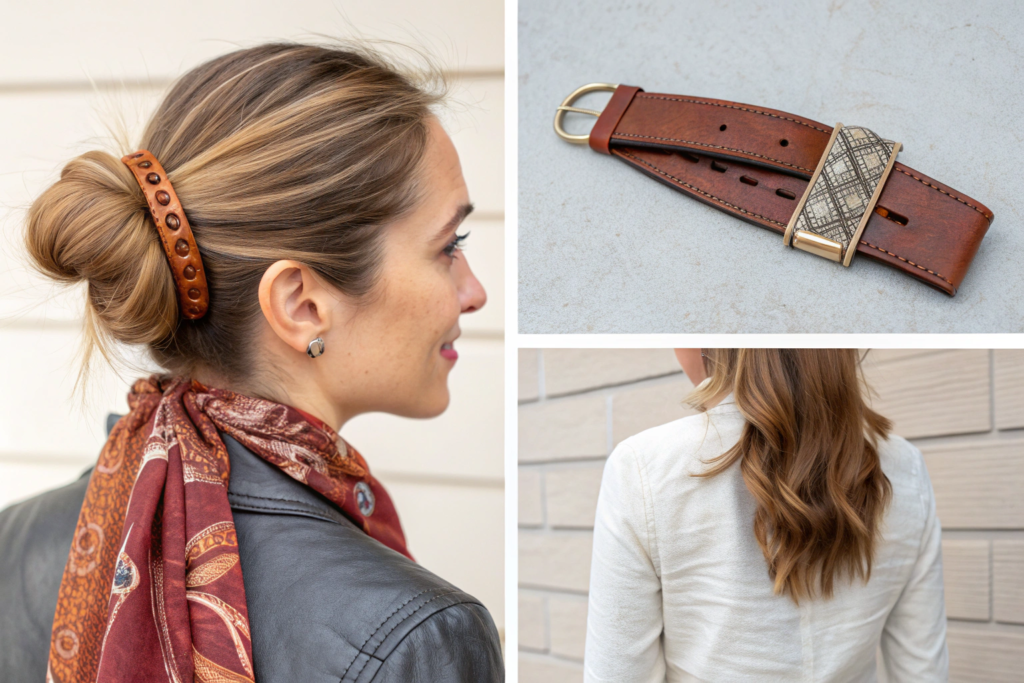
User-generated content is the most honest form of market research available. Customers show you exactly how they use your products, what they pair them with, and what problems they encounter. A hair clip photographed at the back of the head reveals the tension on the spring. A belt photographed after eight hours of wear reveals the leather creasing pattern. A scarf photographed as a top reveals the opacity limitations. This data is more reliable than focus groups. Customers do not tell you what they want. They show you what they actually do. We systematically analyze UGC for our clients. We identify usage patterns, failure modes, and styling preferences. We incorporate these findings into our next generation of product development. The customer becomes a co-creator. She does not know she is contributing. She is simply sharing her life. We are simply watching and learning.
We have developed a structured UGC analysis protocol. Usage pattern identification: How are customers actually wearing the product? Is it consistent with our intended use? If not, why? Pain point identification: What problems are visible? Snagged threads? Bent prongs? Fading color? These are development priorities. Styling insight: What are customers pairing with our products? This reveals cross-selling opportunities. Demographic insight: Who is photographing the product? Age, ethnicity, body type. This reveals market segments we may be under-serving. We compile these insights into quarterly reports for our key clients. We do not charge for this service. It makes our clients smarter. Smarter clients place more profitable orders.
How Do You Use UGC To Improve Sizing And Fit?
Sizing is a persistent problem in accessories. Belts are too long. Hats are too shallow. Gloves are too short in the fingers. Customers reveal these problems in UGC. A belt worn at the tightest hole suggests the sizing scale is off. A hat sitting high on the forehead suggests the crown depth is insufficient. We measure these cues. We adjust our specifications. We also use UGC to validate size inclusivity. Are plus-size customers represented in our UGC? If not, our products may not fit them well. We proactively seek out UGC from diverse body types. We analyze the fit. We identify gaps. We close them. This is not charity. It is market expansion.
What Tools Do You Use To Aggregate And Analyze UGC?
We partner with several UGC aggregation platforms. These tools continuously monitor social media for brand mentions and hashtags. They collect images and videos. They apply AI-powered tagging. "Product identified: Hair claw style 472. Color: Tortoiseshell. Setting: Outdoors. Sentiment: Positive." This data is searchable and sortable. We can filter by product, color, date, and keyword. We can identify emerging trends within days. The cost of these platforms is significant. The value of the insights is greater. We provide access to our UGC analytics dashboard to clients who meet minimum volume commitments. You do not need to build your own system.
How Do You Scale UGC Across Multiple Retail Channels?
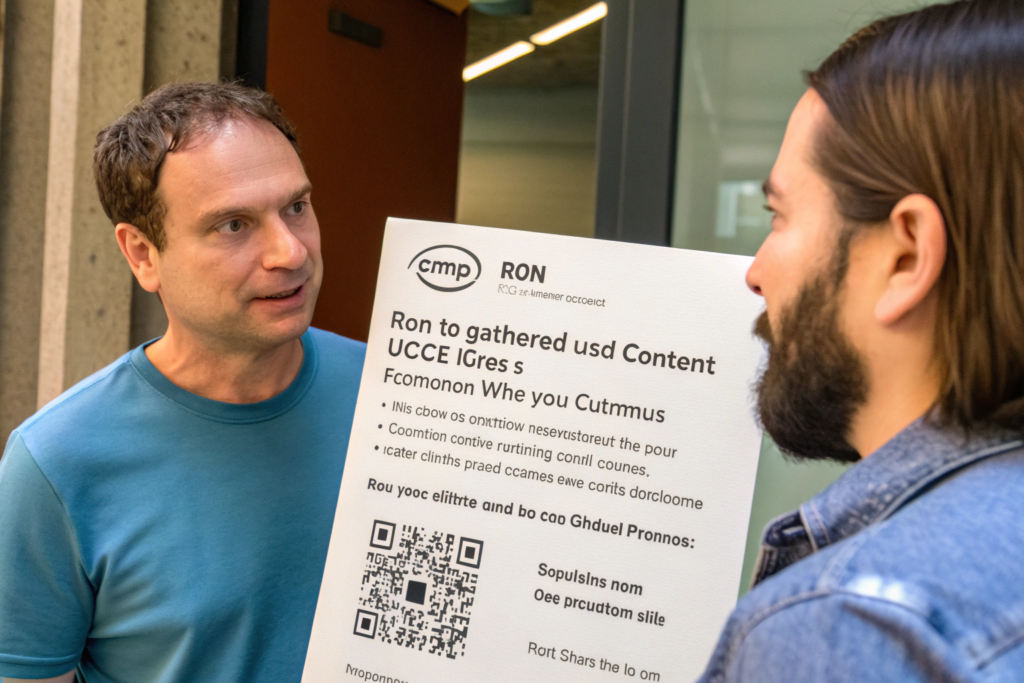
Ron's brand sells through three channels. Direct-to-consumer website. Amazon. Wholesale to department stores. He asked me, "How do I get UGC from customers who buy on Amazon? I never see their email addresses. I cannot contact them." I said, "You cannot contact them. You can insert a physical invitation into their package." He looked skeptical. "A piece of paper?" I said, "Yes. A piece of paper with a QR code. Scan. Upload photo. Receive discount. It works." He tried it. It worked.
Scaling user-generated content across multiple retail channels requires channel-specific invitation strategies. DTC customers can be emailed post-purchase with UGC requests. Amazon customers cannot be contacted directly. They require physical inserts in the packaging. Wholesale customers purchase from a store, not from the brand. They require signage, QR codes on hang tags, or employee encouragement. Each channel has different friction points. DTC has high engagement but low volume. Amazon has high volume but high friction. Wholesale has low visibility but high trust. A comprehensive UGC strategy addresses all three channels with tailored tactics. We manufacture the physical tools: inserts, hang tags, shelf talkers. The brand deploys them through their distribution network.
How Do You Attribute UGC To Specific Channels?
Attribution requires unique identifiers. We print channel-specific QR codes and hashtags. DTC insert: #BRANDDTC. Amazon insert: #BRANDAMZ. Wholesale hang tag: #BRANDWHSL. Each post is automatically tagged by channel. We can measure volume and engagement per channel. We can calculate conversion rates. We can optimize spend allocation. This is basic marketing measurement. It is surprising how many brands skip it. They insert generic QR codes. They cannot distinguish between channels. They cannot measure effectiveness. We refuse to print generic codes. Every insert is trackable.
What Is The Role Of Employee-Generated Content?
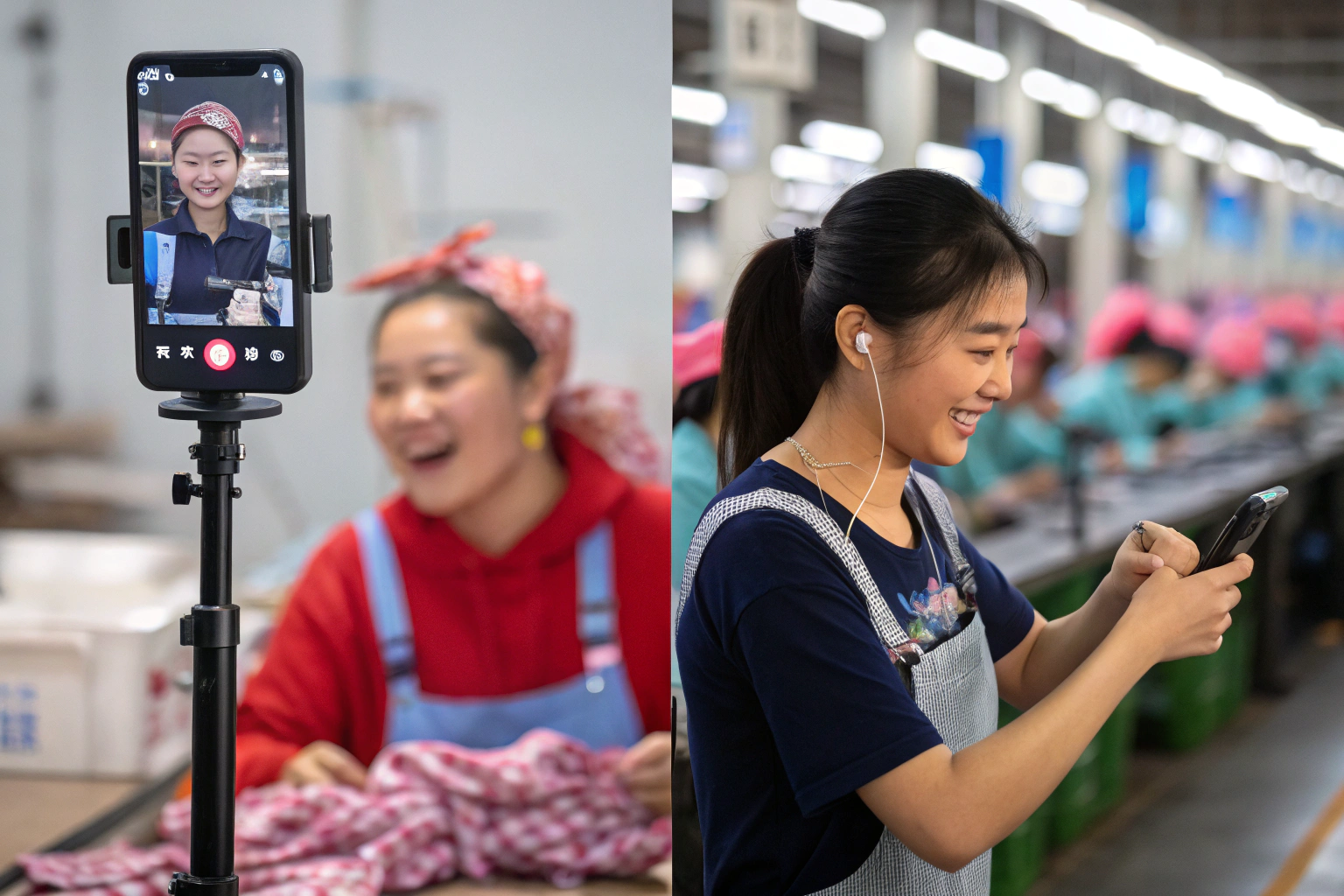
Employees are underutilized UGC creators. They know the products intimately. They believe in the brand. They have authentic social presences. We encourage our clients to equip their employees with product samples and content guidelines. Employee posts consistently outperform brand posts in engagement. They also humanize the company. A customer would rather see a photo of a real employee wearing a belt than a professional model. We manufacture employee sample kits for our clients. These include full product sets, photography tips, and pre-written captions. The cost is minimal. The ROI is substantial.
Conclusion
I am a factory owner. I make things. I do not market them. But I have learned that making and marketing are not separate activities. They are connected by the customer's hand. She receives the product. She photographs it. She shares it. That photograph becomes part of the product's story. It influences the next customer. The cycle continues.
My job is to create the conditions for that cycle to begin. I must manufacture products that are worth photographing. I must print QR codes that work. I must design packaging that frames the shot. I must ensure the color photographs beautifully under kitchen lights and office fluorescents. I must select materials that look as good in a selfie as they do in a showroom. I cannot guarantee virality. I cannot guarantee that a customer will post. I can guarantee that if she chooses to post, the product will not fail her. The clip will not reflect glare. The color will not wash out. The packaging will not crinkle unattractively. The QR code will scan on the first try.
This is the perspective Shanghai Fumao Clothing brings to every product we develop. We do not just ask, "Does this function?" We ask, "Will this photograph?" We do not just ask, "Is this durable?" We ask, "Will this still look new after a month in a customer's hand?" We do not just ask, "Is this profitable?" We ask, "Will this generate content that drives the next sale?"
If you are tired of manufacturing products that disappear into drawers, if you want your accessories to become part of your customers' visual identity, if you believe that every shipment is an opportunity to acquire a brand advocate, contact Elaine. She will connect you with our UGC-focused product development team. She will show you our color calibration protocols, our packaging design services, and our channel-specific insert printing capabilities. She will help you turn your customers into your creative department. Email Elaine directly at: elaine@fumaoclothing.com.