Are you planning a big event, a marketing campaign, or looking for a great piece of branded merchandise? Promotional plastic cups are a brilliant choice—they are useful, visible, and offer a fantastic canvas for your logo. But a quick search reveals thousands of potential suppliers. How do you navigate this crowded market to find a partner who will deliver a high-quality, food-safe product on time and on budget?
How can you find the right supplier for promotional plastic cups? The most effective strategy involves a four-step vetting process: 1) clearly defining your product specifications, 2) identifying potential suppliers through targeted channels, 3) demanding and evaluating samples for quality and safety, and 4) verifying their printing capabilities and production reliability. As the owner of Shanghai Fumao Clothing, we apply these same rigorous principles whether we're making a high-fashion accessory or sourcing a durable, perfectly printed cup for a client's event. The process of finding a great manufacturing partner is universal.
Is it just about finding the cheapest price? Absolutely not. Let's walk through the four crucial stages of finding a supplier you can truly trust.
How Can You Define Your Product Specifications First?
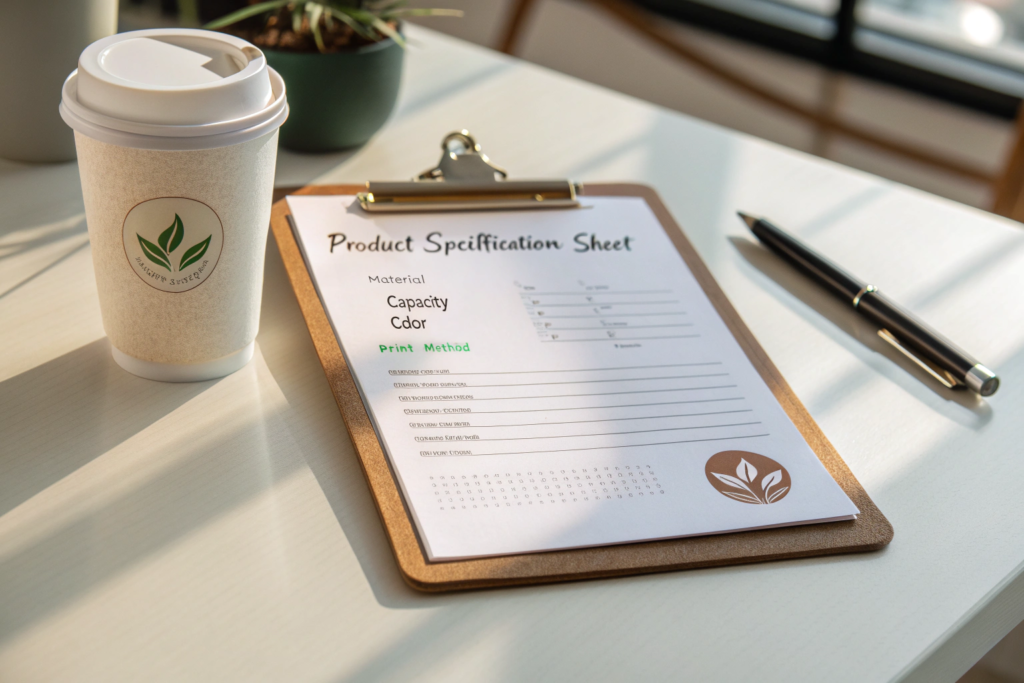
Before you can even start searching for a supplier, don't you need to know exactly what you're looking for? A vague request like "I need some plastic cups" will lead to confusing quotes and wasted time. The first step is to create a clear specification sheet. This forces you to think through your needs and allows you to provide a clear, professional brief to potential suppliers.
What key details must you decide on?
- Type of Plastic: Are you looking for a reusable, hard plastic cup (like Tritan or acrylic) or a disposable (but sturdy) one for a single event (like PET or polypropylene)?
- Size and Shape: What capacity do you need (e.g., 16 oz / 475 ml)? Do you want a standard tumbler, a stemless wine glass shape, or something else?
- Color: Do you want a clear cup, a solid color cup, or a translucent color cup?
- Printing Method: How will your logo be applied? The most common method for bold logos is silk screen printing.
- Quantity: How many cups do you need? This will be a major factor in pricing.
- Deadline: When do you need the cups delivered?
Why is Material Choice So Important?
Can't you just choose the cheapest plastic? This is a critical decision. For a reusable promotional cup that you want customers to keep and use for a long time, you should invest in higher quality, BPA-free materials like Tritan™ or SAN. These are shatter-resistant, dishwasher-safe, and won't retain odors. For a single-use event cup, a sturdy PET or Polypropylene (PP) is a more cost-effective choice. Your choice of material directly impacts the perceived value and safety of your promotional item.
How Does Your Logo Affect the Print Method?
What if your logo is very complex? If your logo is a simple, bold, one or two-color design, silk screen printing is perfect. If your logo is a full-color photograph, you will need a supplier who can offer digital printing or a full-color wrap. Defining your artwork upfront is essential to finding a supplier with the right technical capabilities.
Where Should You Look for Potential Suppliers?
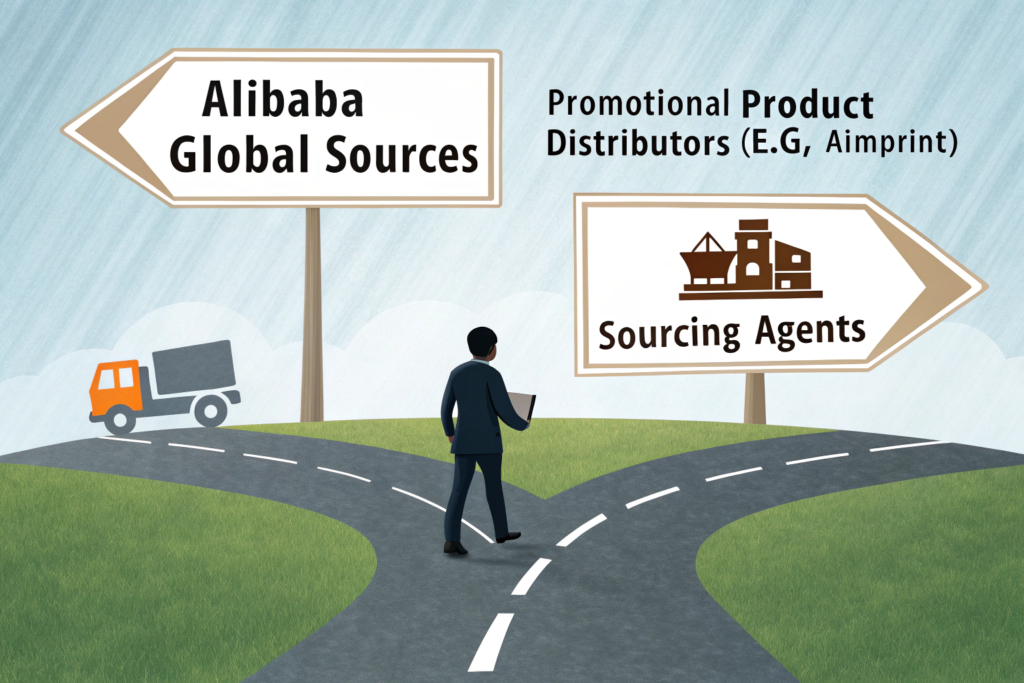
Once you have your clear specifications, where do you go to find factories that can make your product? There are several key channels, each with its own pros and cons. You can look for a domestic supplier in your own country or source directly from a manufacturing hub like China.
What Are the Main Sourcing Channels?
Where should you focus your search?
- Online B2B Marketplaces: Websites like Alibaba, Global Sources, and Made-in-China.com are direct portals to thousands of factories, mostly in Asia. This is the most direct way to get the lowest price, but it requires the most work in terms of vetting, communication, and managing logistics.
- Domestic Promotional Product Distributors: Companies like 4imprint in the US or Pens.com are large distributors who source from a network of factories. They handle the vetting, printing, and logistics for you. This is a much simpler, lower-risk option, but the price per cup will be higher as you are paying for their service and margin.
- Industry Trade Shows: Attending a major promotional products trade show (like the PPAI Expo) allows you to meet suppliers and see their products in person. This is one of the most effective ways to find quality partners.
- Sourcing Agents or Full-Service Factories: A partner like us, AceAccessory, can act as your sourcing agent. Even though cups aren't our primary product, we have a network of trusted, pre-vetted partner factories that specialize in them. We can manage the entire process for you, leveraging our expertise in quality control and logistics.
How Do You Pre-Qualify Suppliers on These Platforms?
How can you filter the good from the bad online? Look for suppliers with a long history on the platform, positive reviews, and key certifications like ISO 9001 (for quality management) or a BSCI report (for social compliance). A supplier who has invested in these certifications is generally more professional and reliable.
Why is Demanding and Evaluating Samples Non-Negotiable?
You've found a few promising suppliers and their prices seem good. Should you place your order now? Absolutely not. The single most important step in the entire vetting process is to get a sample. Never, ever place a bulk order for a promotional product without first seeing and touching a physical sample.
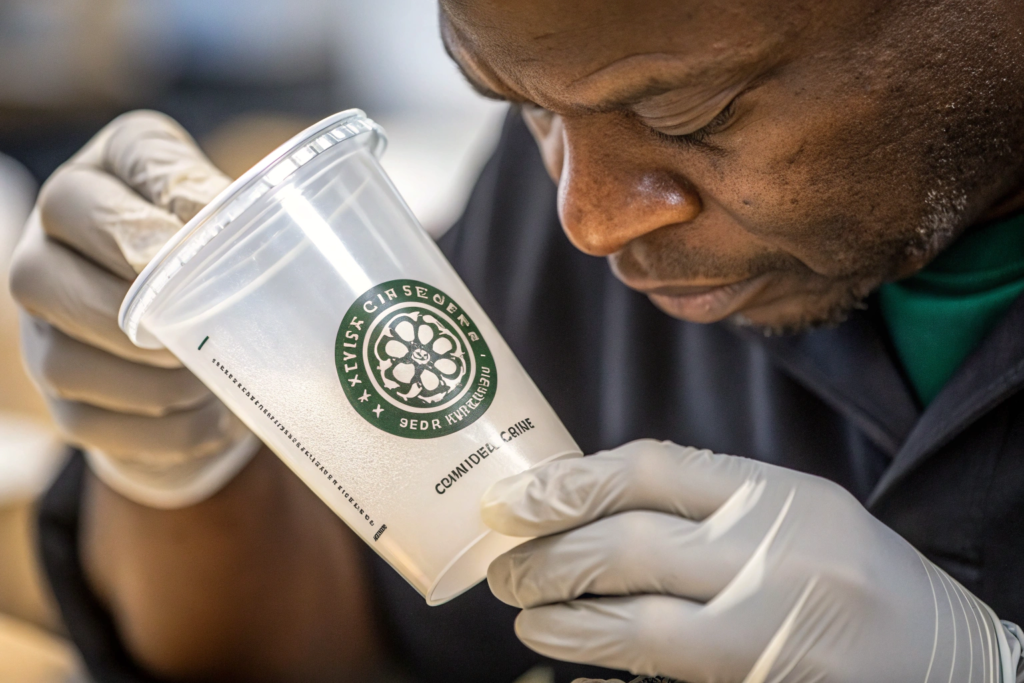
A sample tells you everything that a photo cannot. It allows you to judge the true quality of the material, the precision of the printing, and the overall feel of the product.
What Should You Be Looking for in a Sample?
What specific tests should you perform?
- Material Quality: Does the cup feel sturdy or flimsy? If it's a hard plastic cup, try dropping it. Does it feel like it would crack easily?
- Print Quality: Is the logo crisp and sharp? Are the colors accurate to your brand guidelines? Try to scratch the logo with your fingernail. A good print should not flake or peel off.
- Food Safety Compliance: Ask the supplier to provide the food-grade safety reports for the specific material they are using. For any product that will hold beverages, this is a critical, non-negotiable requirement. You must be sure you are providing a food-grade safe product.
- Overall Finish: Are there any sharp edges from the molding process? Is the surface smooth and free of defects?
What is the Difference Between a Factory Sample and a Pre-Production Sample?
What kind of sample should you ask for? Initially, you can ask for a factory sample—a cup they have made for another client, just so you can judge their general quality. But before you approve mass production, you must always get a pre-production sample (PPS). This is a sample of your exact cup with your exact logo printed on it. This PPS is the "golden standard" that the entire production run will be judged against.
How Can You Verify Their Production and Reliability?
The sample looks great. Are you ready to go? There's one final area to investigate: the supplier's reliability. A great sample is meaningless if the factory can't produce 10,000 more just like it and deliver them on time.
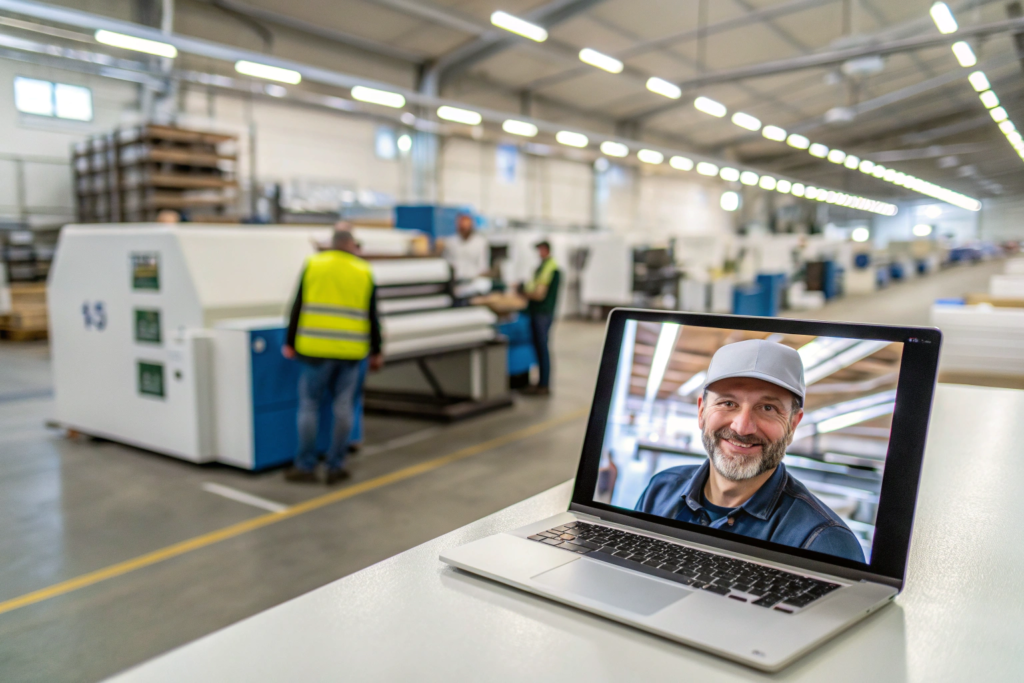
How can you gauge their reliability? This is where you need to ask some tough, practical questions. You need to understand their production capacity, their quality control processes, and their experience with shipping to your country.
What Key Questions Should You Ask a Potential Supplier?
What information do you need to get?
- "What is your standard production lead time for an order of [your quantity]?" This helps you understand if they can meet your deadline.
- "Can you describe your internal quality control process?" A good factory will have its own QC team that checks the products during and after production, before a final inspection. This is a core part of our own manufacturing philosophy.
- "Have you shipped to [your country] before?" An experienced exporter will be familiar with your country's labeling requirements and customs procedures, which can prevent major delays.
- "Do you allow for third-party pre-shipment inspections?" A confident, transparent factory will always say yes to this. The willingness to be inspected by an independent company (like SGS or QIMA) is a huge sign of a trustworthy partner.
Why is Communication So Important?
How do they respond to your questions? Pay close attention to the quality and speed of their communication. A professional supplier will respond promptly, answer your questions clearly, and be proactive in offering information. If a supplier is difficult to communicate with during the sales process, they will be even more difficult to deal with when you have a problem during production.
Conclusion
So, how do you find the right supplier for your promotional cups? Is it a matter of luck? Not at all. It is a structured process of due diligence.
It begins with defining your exact needs so you can ask the right questions. It involves searching in the right channels to find potential partners. It hinges on the non-negotiable step of evaluating physical samples for quality and safety. And it concludes with verifying the supplier's real-world production capabilities and reliability.
By following these four steps, you can move beyond simply looking for the cheapest price and focus on finding the best value—a reliable partner who will deliver a high-quality product that proudly represents your brand.
If you're looking for a partner to manage this process for you, our team has the experience and the network to source the perfect promotional products for your needs. Please contact our Business Director, Elaine, at her email: elaine@fumaoclothing.com.