In today's competitive market, businesses are constantly seeking unique ways to stand out and strengthen client relationships. Corporate gifting has evolved beyond simple pens and notebooks. Many companies now want gifts that truly reflect their brand identity and leave a lasting impression. This is where customized accessories come into play. They offer a perfect blend of utility and brand promotion. But how do you navigate the process of creating these personalized items, especially when sourcing from a manufacturer overseas? The journey from idea to a beautifully packaged gift can seem complex, involving design, production, and logistics.
Customizing accessories for corporate gifts involves a strategic process of selecting the right products, incorporating brand elements like logos and colors, and working with a reliable manufacturer who can manage quality, timelines, and logistics to create a memorable and impactful gift. The key is to transform your corporate identity into a tangible product that resonates with the recipient. This requires a partner who understands not just manufacturing, but also the nuances of brand representation and the practicalities of international shipping.
Let's explore the essential steps and considerations for creating stunning, customized accessory gifts that will elevate your brand and delight your clients and employees.
Why Choose Customized Accessories for Corporate Gifting?
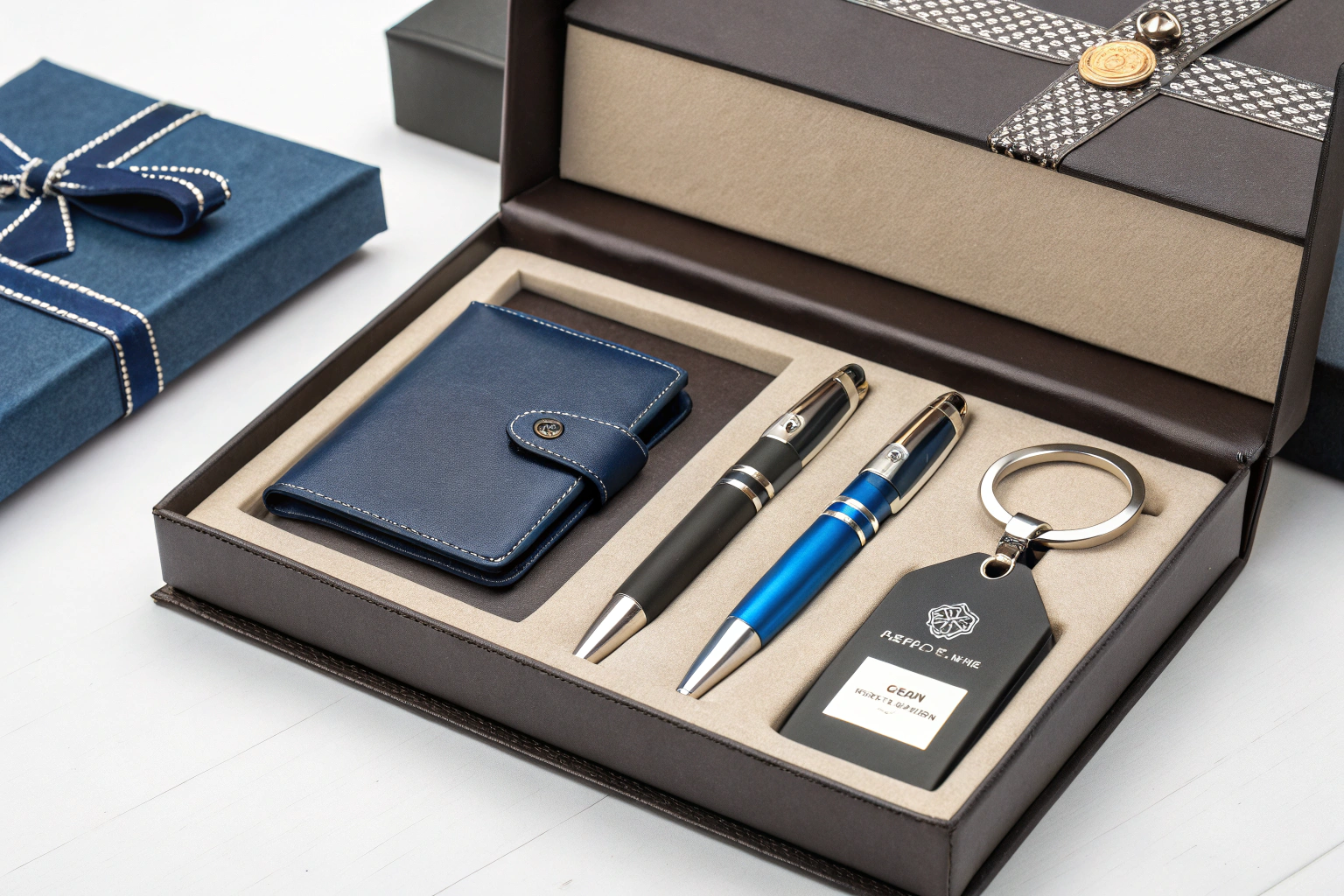
Corporate gifts are more than just items; they are a reflection of your company's values and appreciation. Customized accessories offer a unique advantage in this arena. They are practical, frequently used, and highly visible, ensuring your brand gets consistent exposure. Unlike generic gifts, a custom-designed scarf, a branded umbrella, or an elegant leather belt shows a higher level of thoughtfulness and investment.
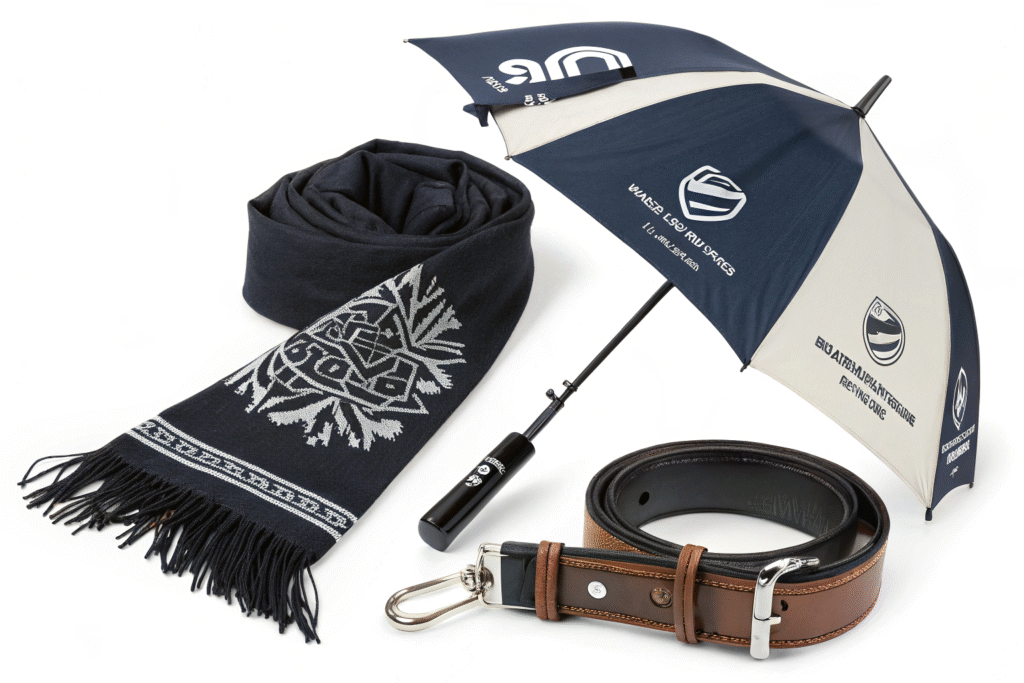
What are the benefits of branded accessories over standard gifts?
The benefits are significant. Branded accessories have a longer lifespan than typical promotional products. A high-quality custom tote bag or a stylish baseball cap is kept and used for years, offering continuous brand visibility. They also create a stronger emotional connection. When you gift a well-made, beautiful item, it conveys that you value the relationship. This perceived value is much higher than that of a standard, off-the-shelf gift. Furthermore, accessories are versatile. They can be tailored for different seasons, events, or recipient demographics, making your gifting strategy highly flexible and targeted.
How can customization enhance your brand identity?
Customization is the key to making your brand memorable. By incorporating your company's logo, color scheme, and even unique patterns onto accessories, you create a walking advertisement. Every time an employee uses a custom-branded scarf or a pair of gloves, they are showcasing your brand. This goes beyond simple logo slapping. A professional manufacturer's design team can help you integrate your brand elements tastefully. They can suggest the best placement for embroidery on a knit hat or the most durable printing method for a water bottle. This thoughtful approach to customization ensures the final product is not only branded but also aesthetically pleasing and desirable, strengthening your brand's identity in a positive and sophisticated way.
What Are the Key Steps in the Customization Process?
The journey from a simple idea to a box of beautifully customized corporate gifts involves a clear, managed process. Understanding these steps ensures a smooth experience and a high-quality final product. It begins with a concept and ends with the gifts delivered to your door. A reliable manufacturer will guide you through each phase, providing professional input and maintaining clear communication.
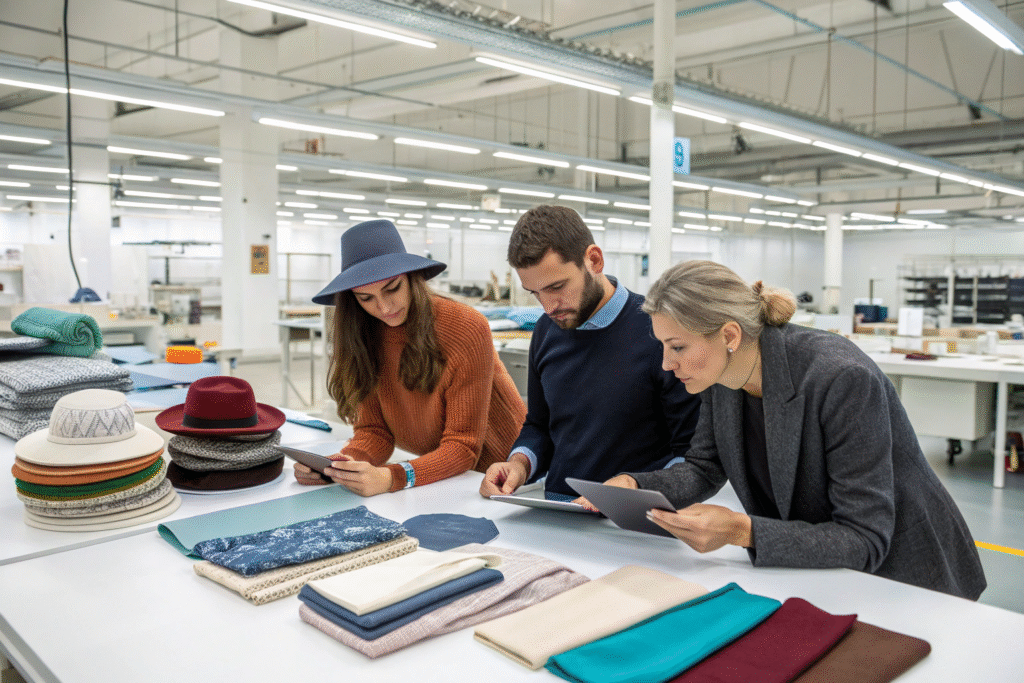
How do you select the right accessory for your brand?
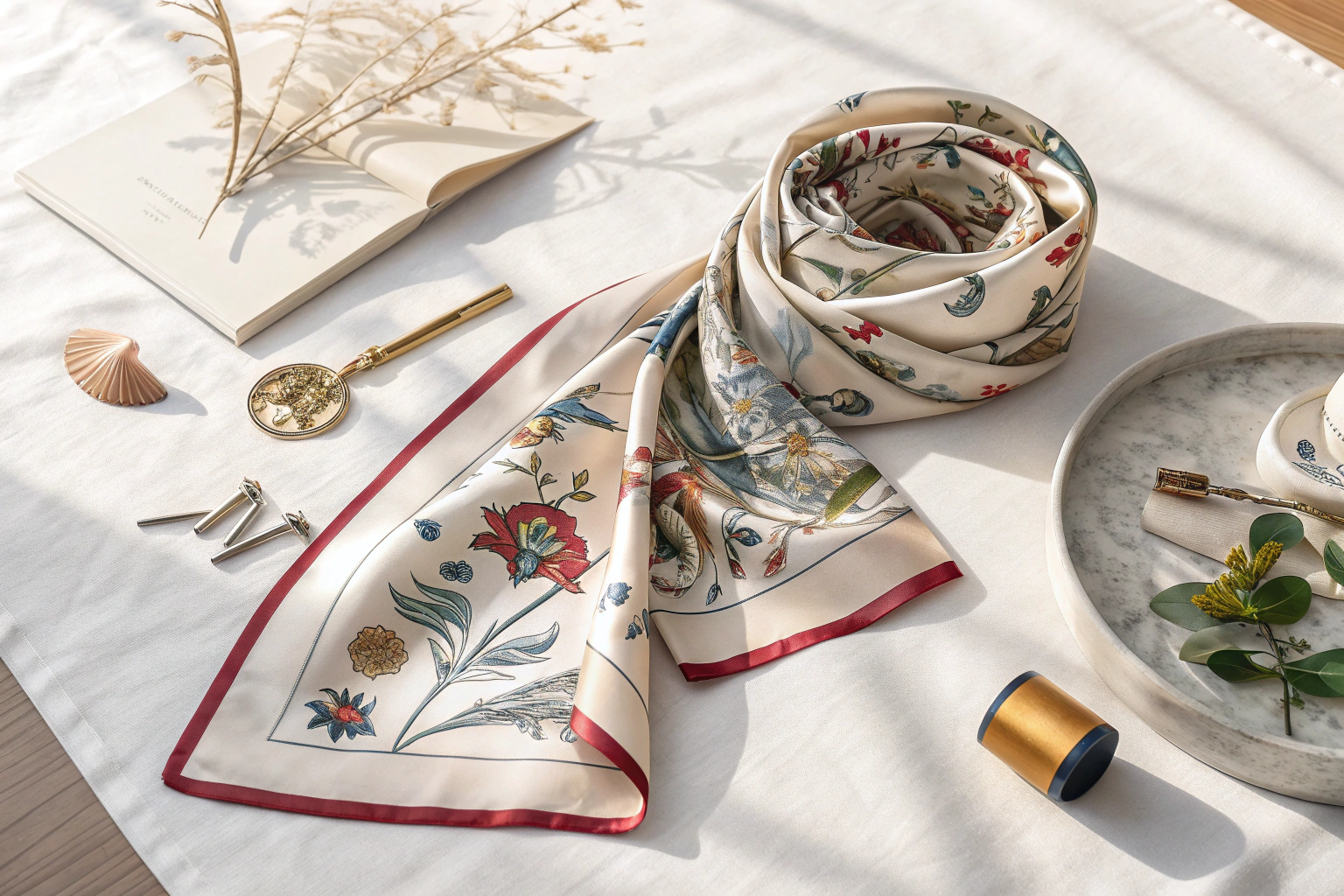
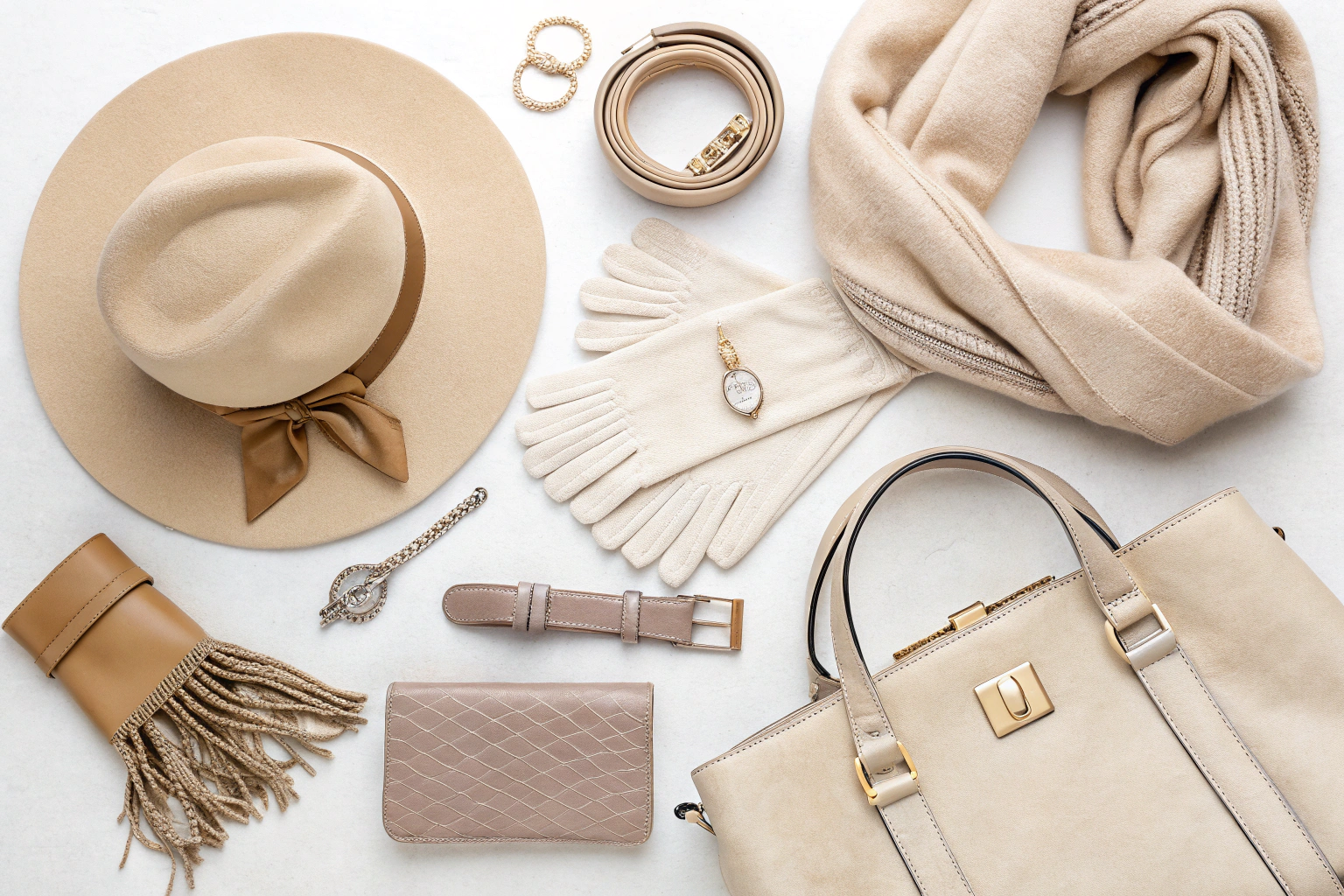
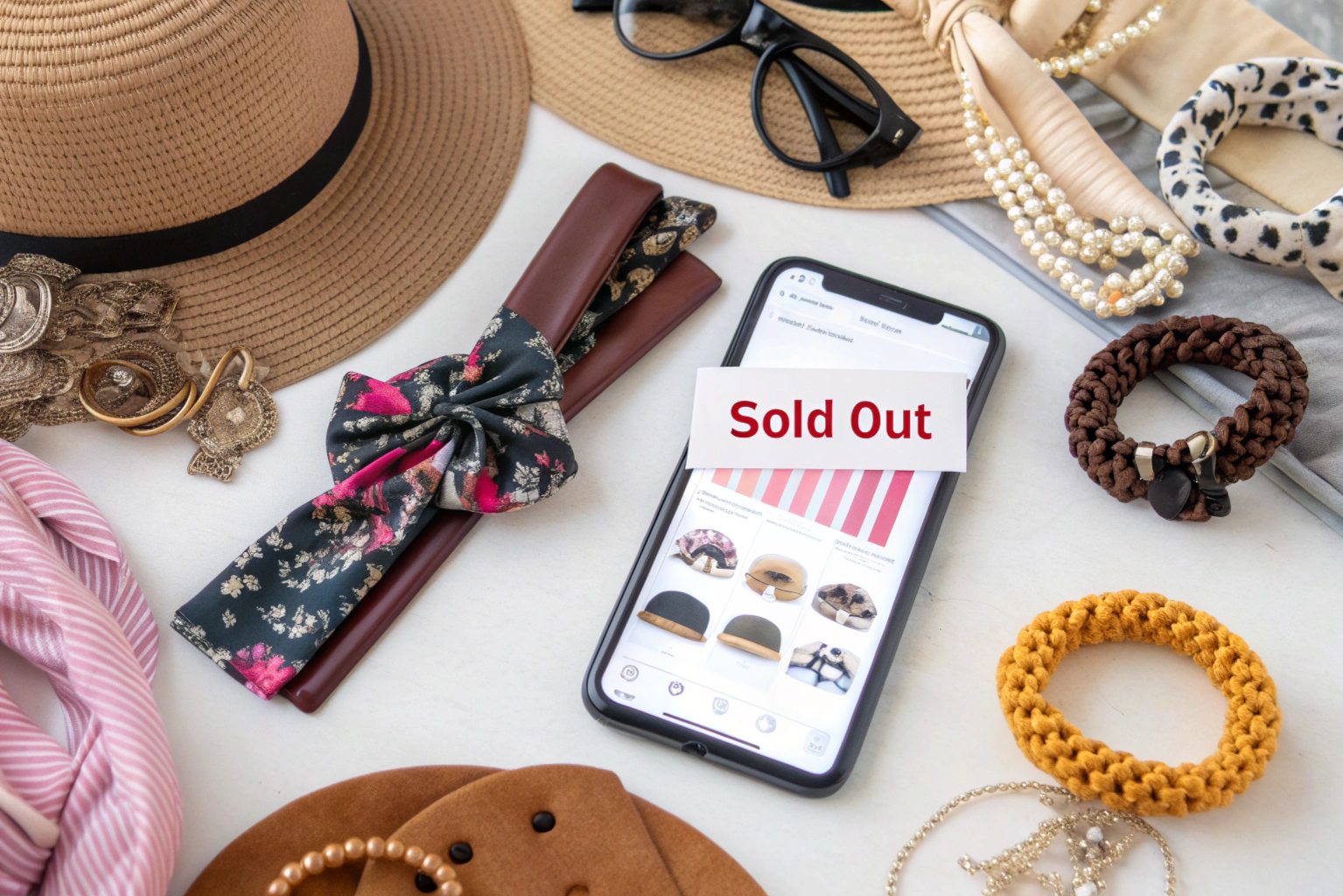
Selecting the right accessory is the foundational first step. The choice should align with your brand's image and the preferences of your recipients. For a luxury brand, a silky披肩 or a leather belt might be appropriate. For a more casual, active company, baseball caps or trendy hair clips could be a better fit. Consider the season, the practicality of the item, and the demographic you are targeting. A good manufacturer will have a vast catalog of products and can provide samples. They can advise you on what works best for different imprinting techniques, helping you narrow down the options to find the perfect match for your corporate gifting campaign.
What is involved in the design and prototyping phase?
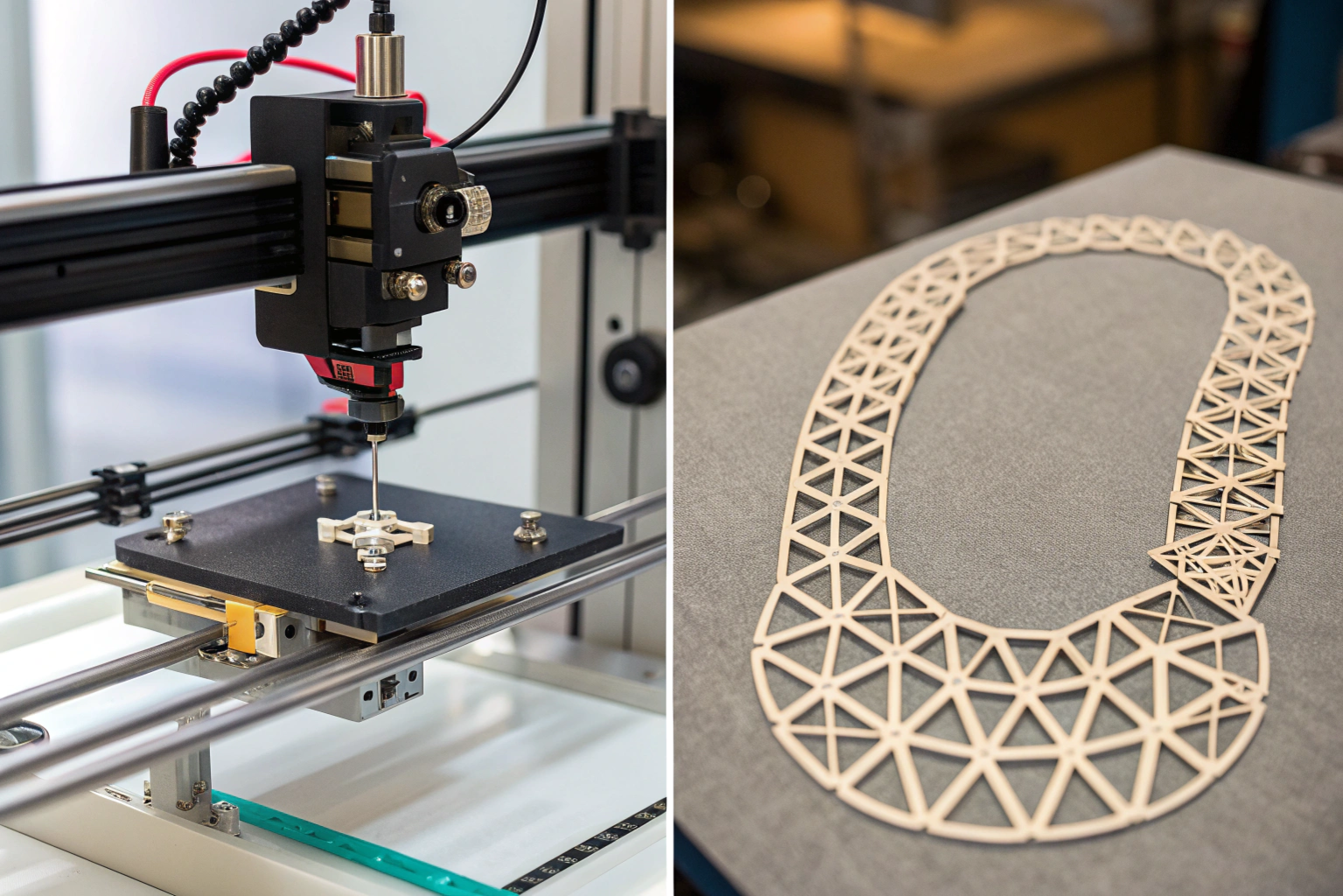
Once an accessory is selected, the design and prototyping phase begins. This is where your ideas become tangible. You will work with the manufacturer's design team to finalize artwork, choose colors, and select the customization method (e.g., embroidery, silk printing, laser engraving). The manufacturer then creates a prototype, or a sample, for your approval. This sample is crucial. It allows you to check the quality of the materials, the accuracy of the colors, and the precision of the logo placement. A professional factory will have a strict quality control team that inspects the prototype against your specifications before sending it to you. This step ensures that everyone is aligned and prevents costly mistakes during mass production.
How to Ensure Quality and Compliance in Custom Orders?
Quality is non-negotiable in corporate gifting. A faulty or poorly made gift can damage your brand's reputation rather than enhance it. Furthermore, compliance with international safety standards is critical, especially when importing goods into markets like the US and Europe. Ensuring both quality and compliance requires a systematic approach from your manufacturing partner.
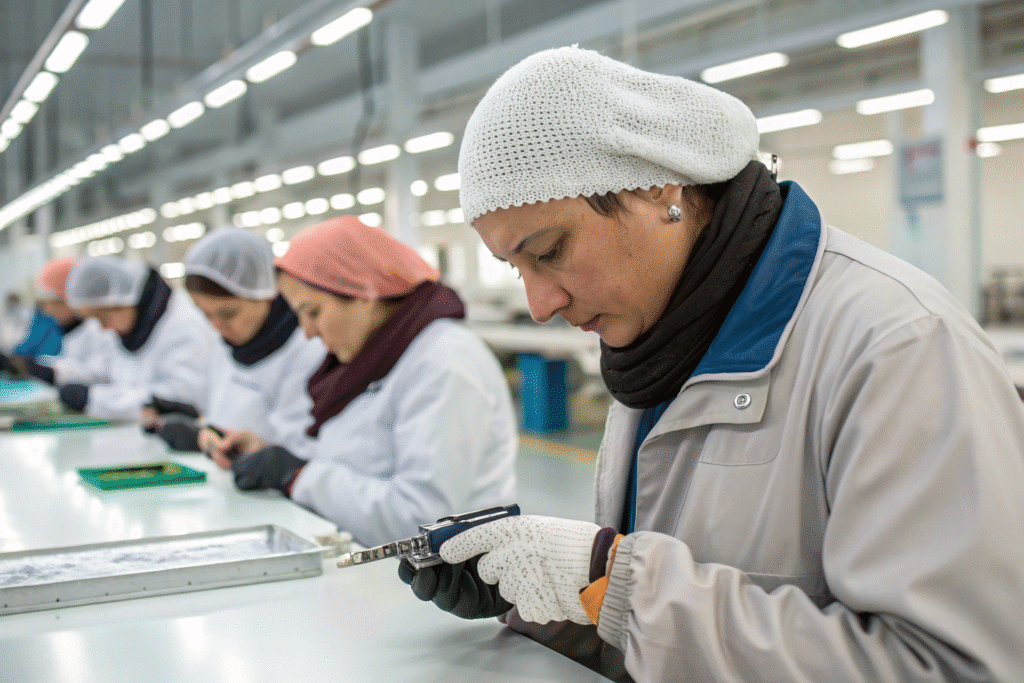
What quality control measures should you expect?
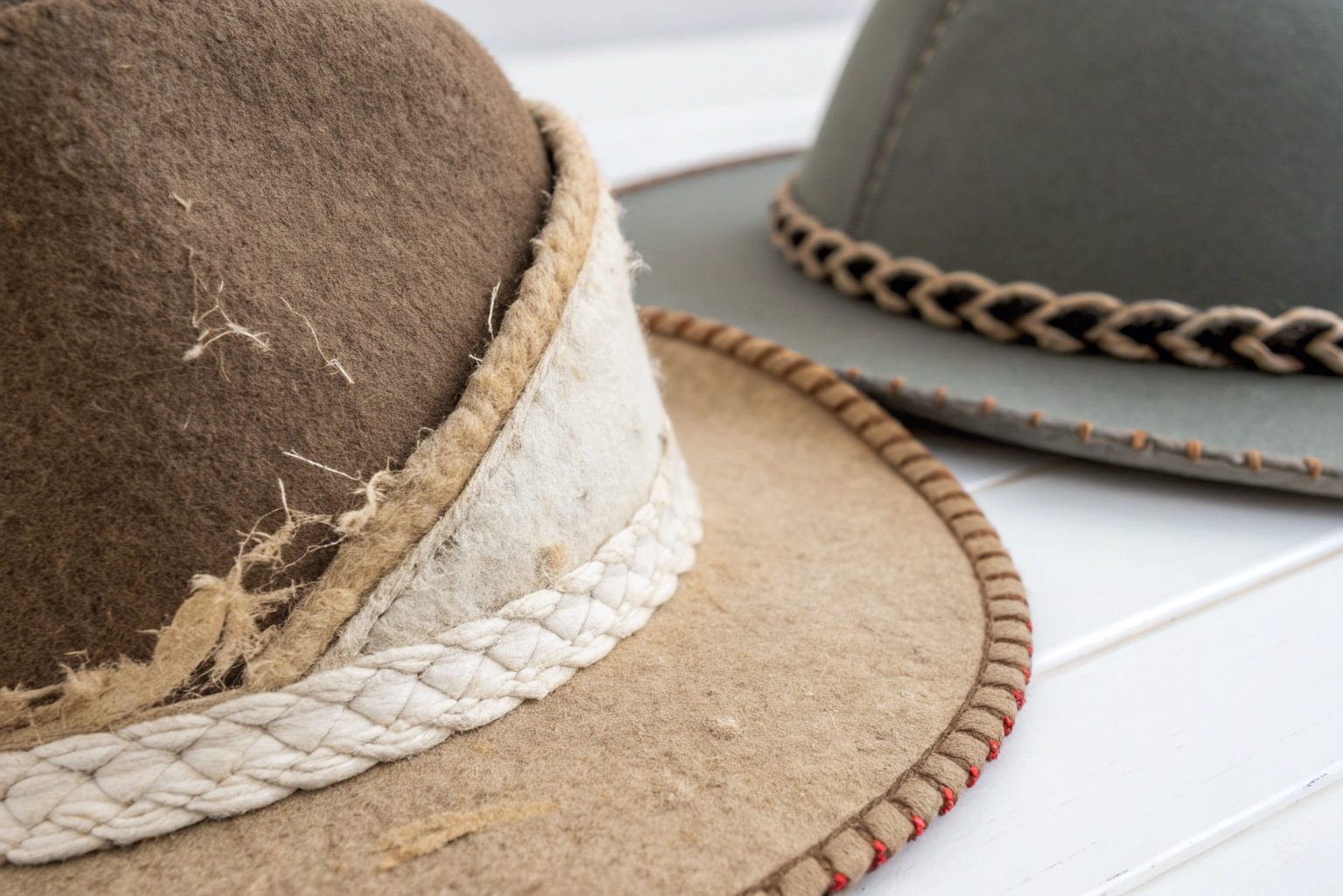
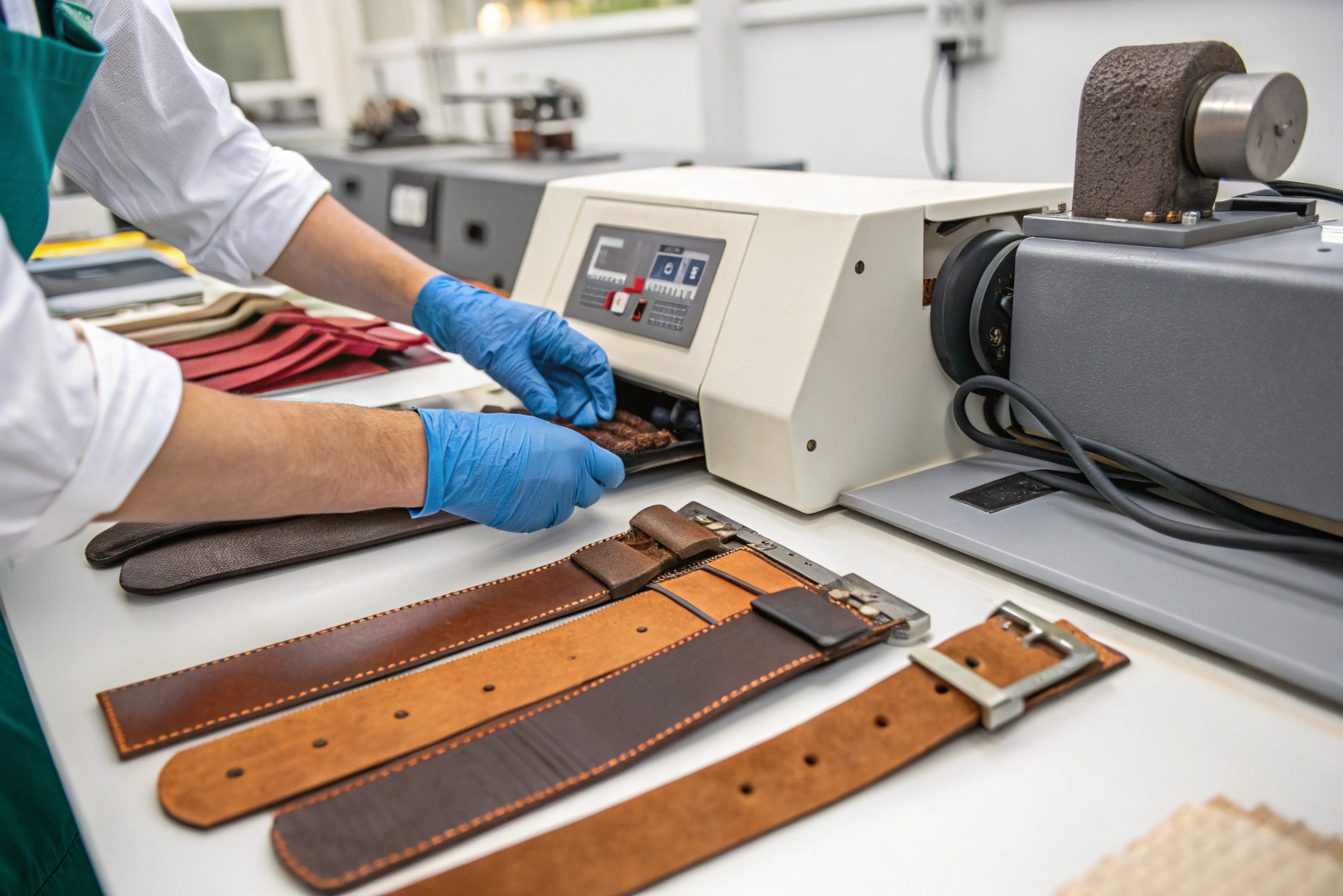
You should expect a transparent and multi-stage quality control process. This starts with incoming raw material inspection. Then, during production, there should be inline checks to catch issues early. Finally, a pre-shipment inspection is conducted on finished goods. A reputable manufacturer will have a dedicated QC team that follows a detailed checklist based on your requirements. This includes checking for defects in stitching, consistency in color, functionality of items like umbrella mechanisms, and the durability of prints and embroideries. They should be able to provide you with reports and are often certified to international standards, which is a strong indicator of their commitment to quality.
Why are certifications and compliance important?
Certifications are your assurance that the products are safe and meet specific regulatory requirements. For accessories, this can include material safety, such as OEKO-TEX® certification for textiles used in scarves or gloves, which guarantees they are free from harmful substances. For products like cups, FDA compliance might be necessary. Using a certified manufacturer mitigates your risk. It ensures smooth customs clearance and protects you from liability issues. It also demonstrates to your clients that you are a responsible business that cares about the safety and well-being of its partners.
What Are the Logistics and Cost Considerations?
After your custom accessories are perfectly manufactured, getting them to you efficiently and cost-effectively is the final crucial step. Navigating international logistics, tariffs, and understanding the full cost breakdown are common pain points for importers. A manufacturer that offers a turnkey solution can simplify this process immensely.

How can you optimize shipping and manage tariffs?
Optimizing shipping involves choosing the right mode (air vs. sea) and consolidating shipments to save costs. A seasoned manufacturer will have strong relationships with freight forwarders and can negotiate better rates. More importantly, they can help you manage tariff costs. For instance, our factory's location and product strategy mean our accessories are not affected by US tariffs on many goods from China, providing a significant cost advantage. They handle the complexities of customs clearance documentation, ensuring your goods move smoothly from our factory to your warehouse. This end-to-end service removes a major logistical burden from your shoulders.
What is included in a transparent pricing model?
A transparent pricing model breaks down all costs, so you understand what you are paying for. This includes:
- Product Cost: Based on material, labor, and customization complexity.
- Tooling/Mold Costs: One-time fees for creating custom stamps or molds.
- Customization Cost: Fees for printing, embroidery, etc.
- Logistics Cost: Freight, insurance, and customs fees.
A professional manufacturer provides detailed quotations and avoids hidden fees. They also offer value engineering—suggesting alternative materials or methods to achieve a similar look for a lower cost without compromising quality. This transparency builds trust and allows for accurate budgeting.
Conclusion
Customizing accessories for corporate gifts is a powerful strategy to strengthen your brand and build lasting business relationships. The process, from selecting the perfect item and designing the customization to ensuring quality and managing logistics, is a detailed one. Success hinges on partnering with a manufacturer that is not just a supplier, but a collaborative expert. This partner should offer a comprehensive service, including design support, rigorous quality control, compliance assurance, and transparent logistics management.
If you are looking for a reliable partner to produce high-quality, customized accessory gifts, we are here to help. Our team at AceAccessory is dedicated to making your corporate gifting program a resounding success. For a personalized consultation and quote, please feel free to contact our Business Director Elaine at elaine@fumaoclothing.com. Let's create something remarkable together.