I remember the first catalog I ever created. It was terrible. Bad photos, confusing layouts, missing information. I sent it to a potential buyer and never heard back. Months later, I found out they couldn't figure out our minimums or pricing. They went to a competitor instead. That lesson stuck with me. A catalog isn't just a collection of products. It's a sales tool. It's often the first real impression a buyer has of your brand.
An effective wholesale catalog for your accessory line needs clear product photography, organized categories, detailed specifications, transparent pricing structures, minimum order quantities, and easy ordering information. It should tell buyers who you are, what you make, and how to buy from you in a way that's easy to understand and act on.
I'm the owner of Shanghai Fumao Clothing, and we run AceAccessory. We've created catalogs that have won us major clients. Let me share what we've learned about making catalogs that actually work.
What information must every wholesale catalog include?
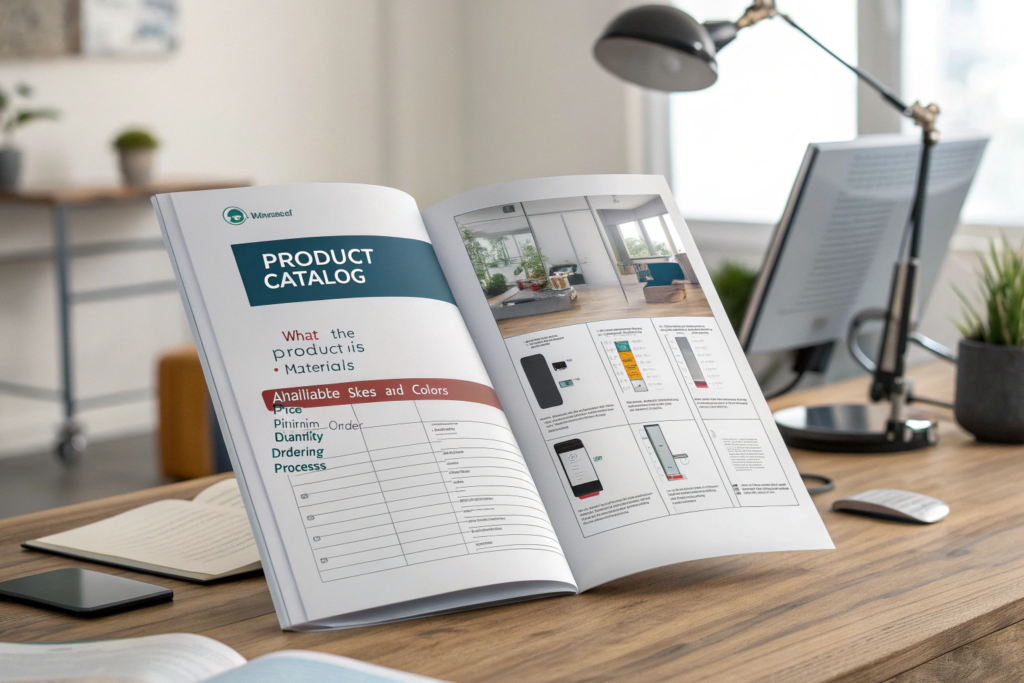
Buyers are busy. They don't have time to hunt for information. Your catalog needs to answer their basic questions immediately. What is this product? What's it made of? What sizes and colors are available? How much does it cost? What's the minimum order? How do I order?
Missing information is a deal breaker. If a buyer has to email to ask basic questions, they may not bother. They'll move to a catalog that gives them what they need. Every product page should include everything a buyer needs to make a decision. This thorough approach is what Shanghai Fumao Clothing recommends to all our clients.
What product details are essential for wholesale buyers?
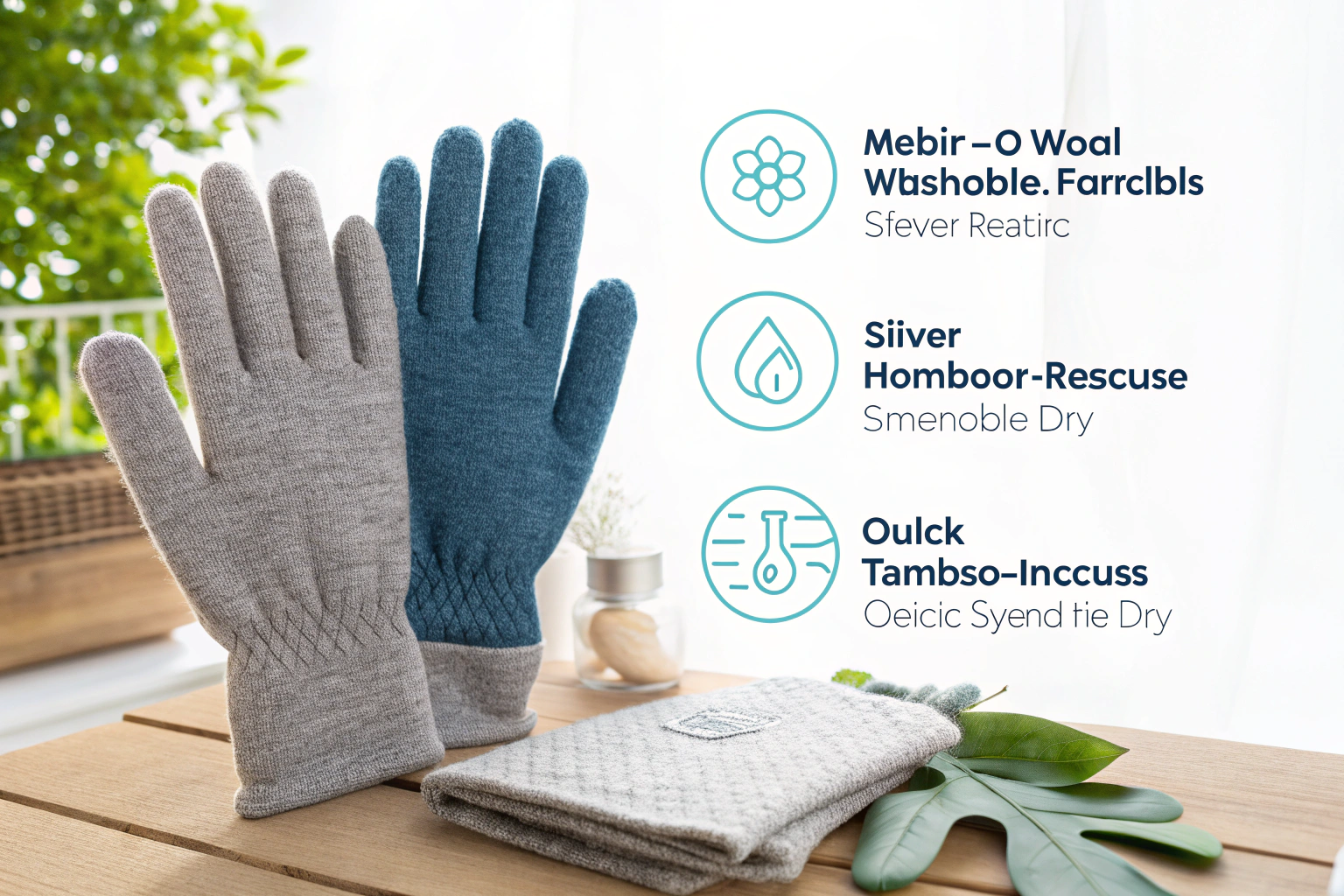
Product name and item number for easy reference. Clear photo showing the product from multiple angles if possible. Material composition. Available sizes and measurements. Color options with accurate swatches. Care instructions. Packaging information. Any certifications or special features. The more information you provide, the fewer questions buyers need to ask. We include detailed specifications for every product in our catalogs.
How should pricing be presented in a wholesale catalog?
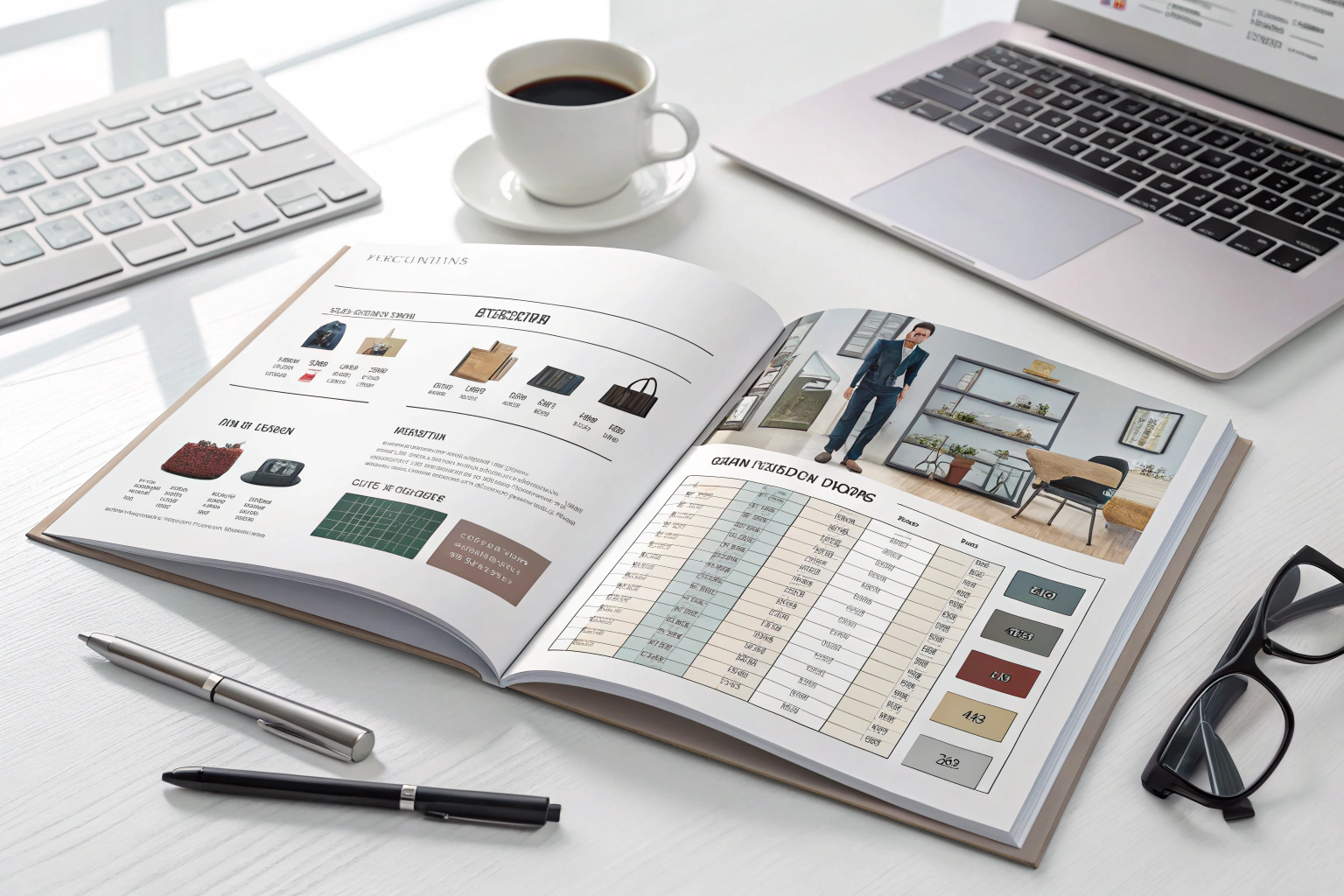
Pricing should be clear and easy to understand. Show price breaks by quantity. For example, price at 100 units, 500 units, 1000 units. This helps buyers understand how their cost decreases with volume. Be clear about what's included. Is shipping included? Are there setup fees? Sample costs? The less ambiguity, the better. This pricing transparency builds trust.
How do you organize products for easy navigation?
Organization matters. A buyer looking for scarves shouldn't have to flip through pages of hats to find them. Your catalog should be logically organized by product category. Within categories, consider subcategories or collections.
Think about how buyers think. They may be looking for a specific type of product. Or they may be browsing for inspiration. Your catalog should accommodate both. Clear categories for targeted searching. Beautiful layouts for browsing.
What categories make sense for accessory catalogs?
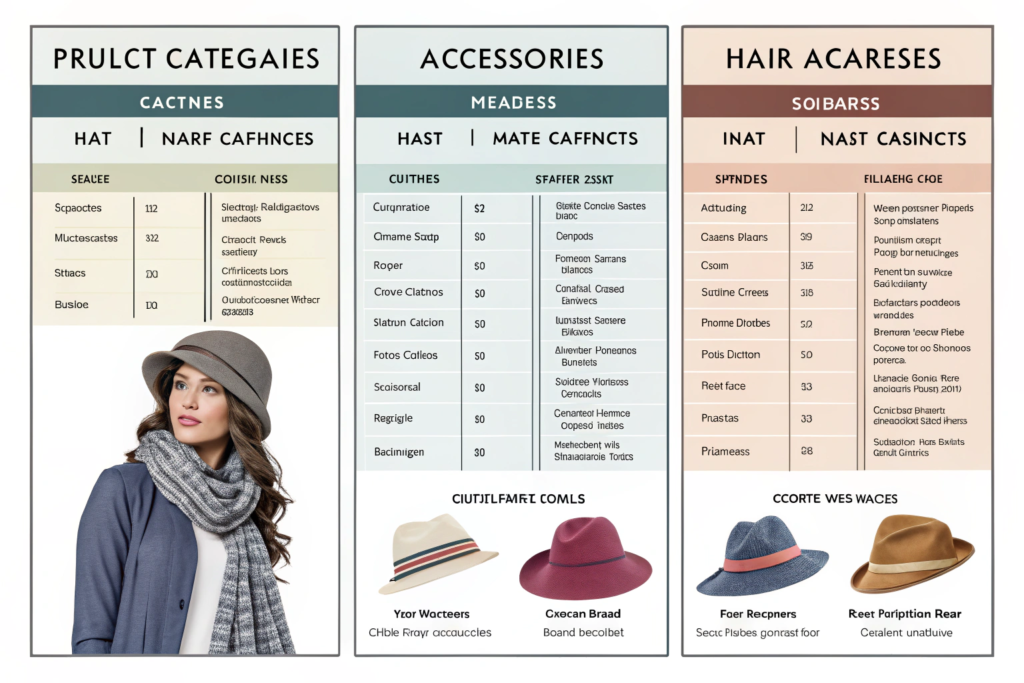
Start with broad categories. Headwear, scarves, hair accessories, bags, belts, etc. Within headwear, you might have subcategories like beanies, baseball caps, visors. Within scarves, you might have silk, cotton, wool, etc. The goal is to help buyers find what they need quickly. We organize our catalogs based on how buyers actually search.
Should you organize by collection or by product type?
Both can work. Some catalogs organize by collection, showing complete looks. Others organize by product type, making it easy to find specific items. The best approach may be a hybrid. Main sections by product type, with collections highlighted within each section. Think about your buyer's needs and organize accordingly.
What makes product photography effective for wholesale?
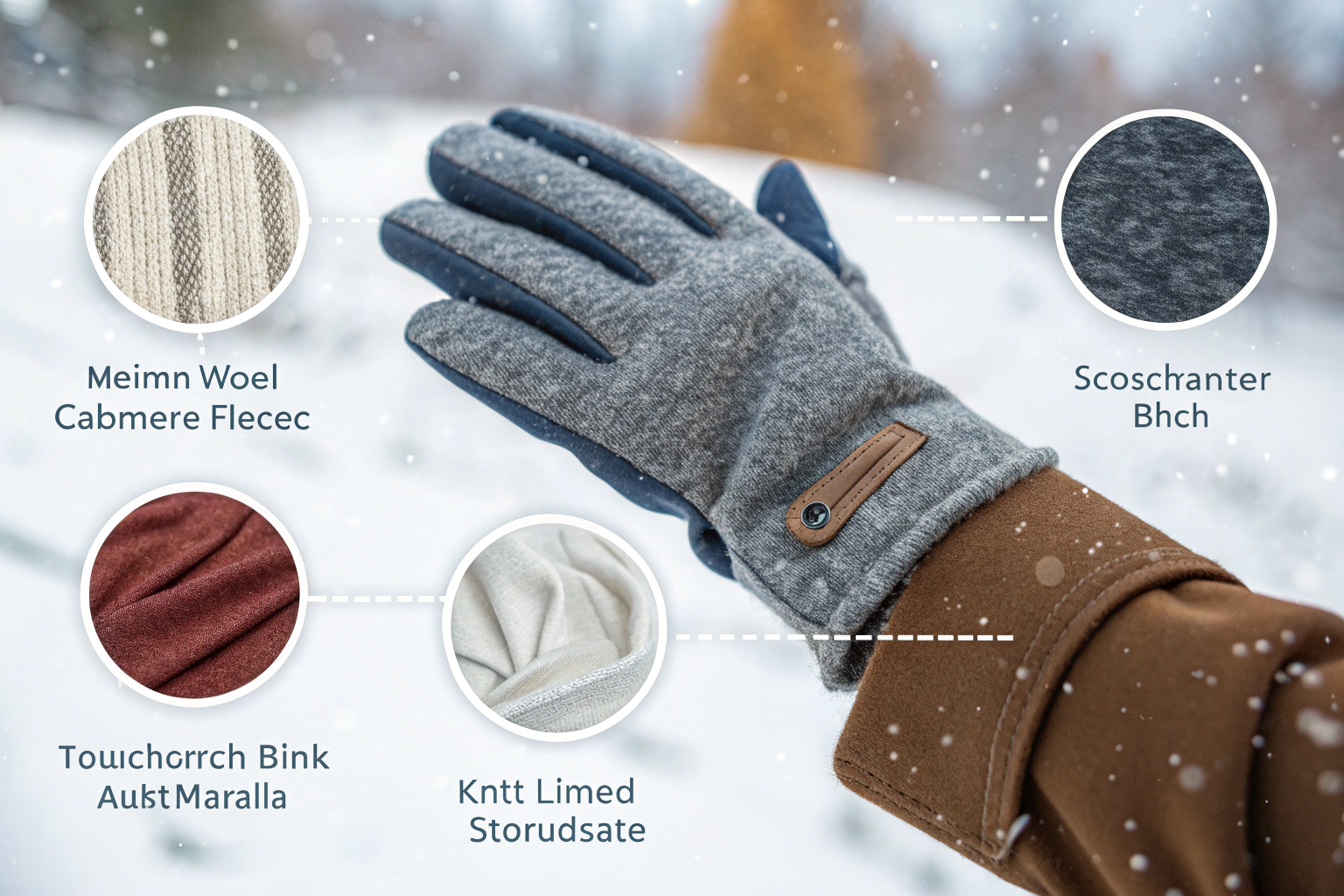
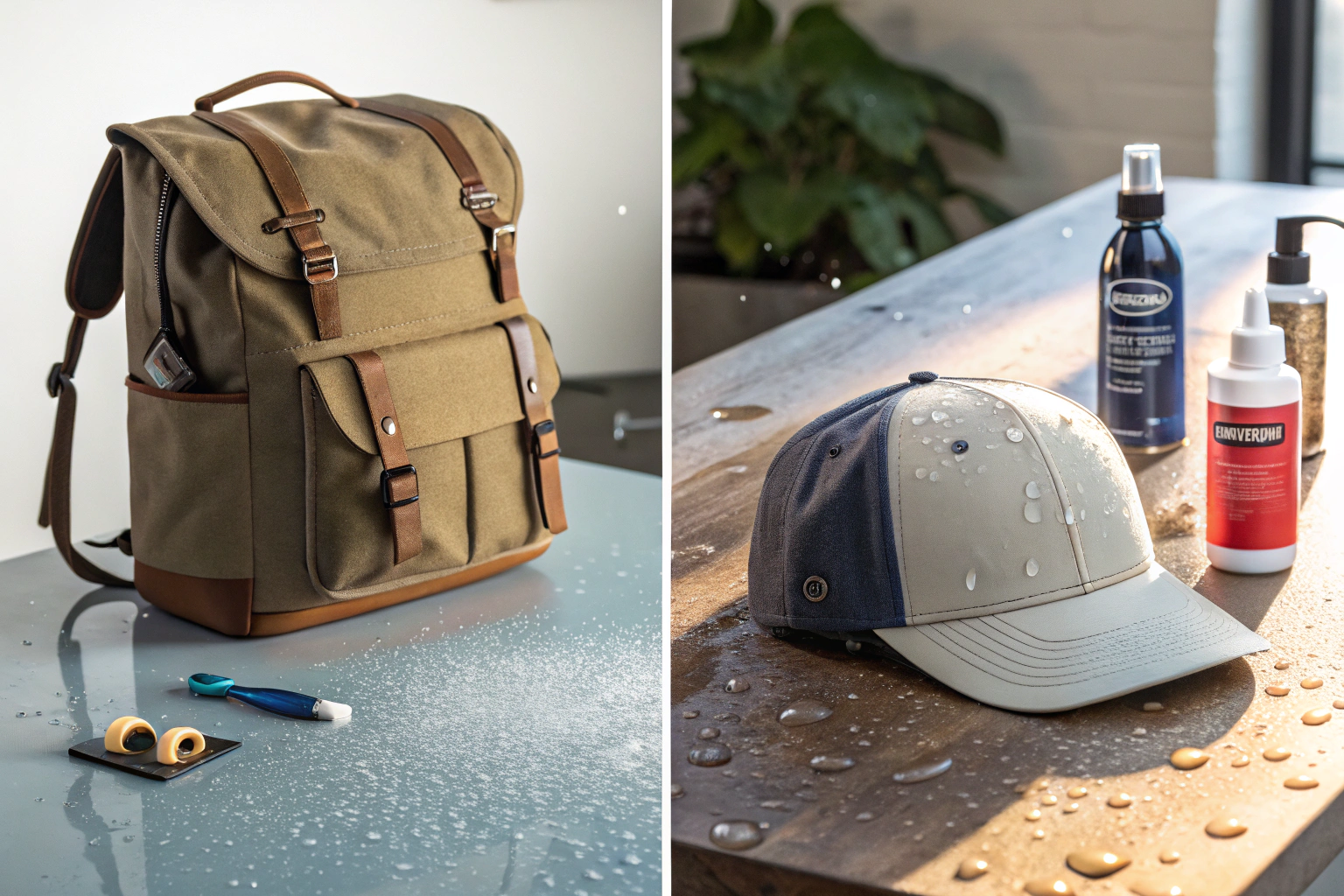
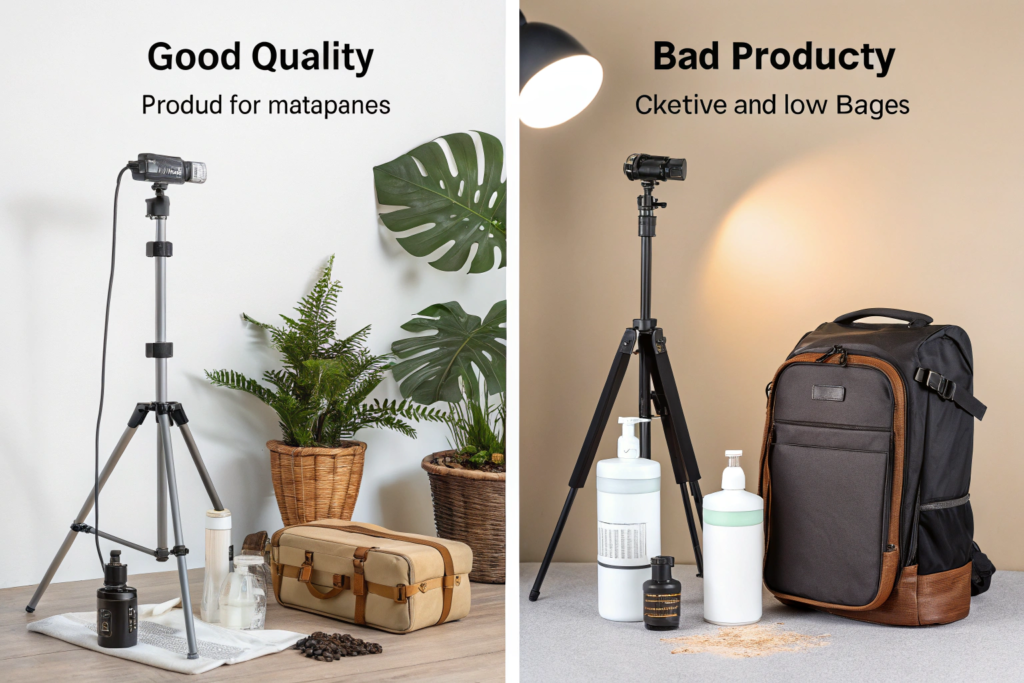
Product photos are the most important part of your catalog. Buyers need to see what they're buying. Photos need to be clear, well-lit, and accurate. They should show the product from multiple angles. They should show details like texture, closures, and finishes.
Consistency matters too. All photos should have a similar style and background. This makes your catalog look professional and cohesive. It also makes products easier to compare.
How many photos do you need per product?
At minimum, one clear front shot. Better is front, back, and side. For items with important details, add close-ups. For items that come in multiple colors, show each color or provide accurate swatches. The goal is to give buyers confidence in what they're ordering. We provide multiple images for every product in our line.
Should you use models or flat shots?
Both have value. Flat shots show the product clearly and consistently. They're good for catalogs where buyers need to see details. Model shots show how the product looks when worn. They're good for conveying style and fit. Many catalogs use both. Flat shots for catalog pages. Model shots for lookbooks or inspiration sections.
How do you present colors and materials accurately?
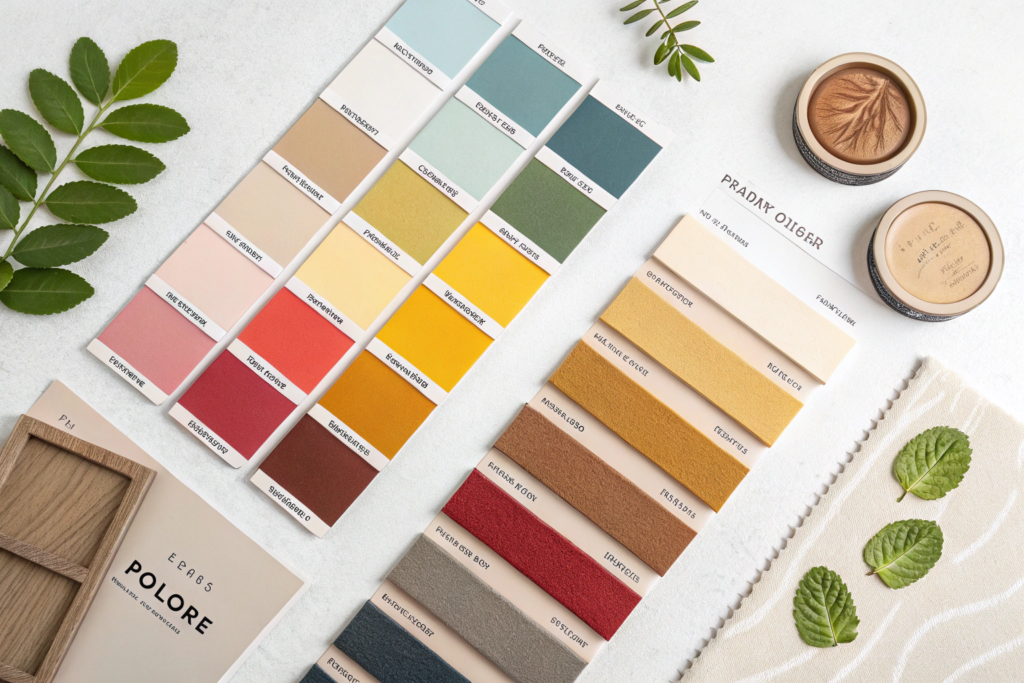
Color is critical in accessories. A buyer needs to know exactly what "red" means. Is it bright red? Burgundy? Rust? The same name can mean different things to different people. You need to be precise.
Material information is equally important. Is it silk or polyester? Leather or vinyl? Wool or acrylic? Buyers need to know for pricing, for marketing, for customer expectations. Be accurate and specific.
How do you ensure color accuracy in print and digital?
Use Pantone numbers for every color. This is the universal language of color. In printed catalogs, use high-quality printing that reproduces colors accurately. In digital catalogs, note that screen colors vary. Offer to send physical samples for color approval. This color management is essential for wholesale.
What material information do buyers need?
Fiber content percentages. For example, 80% cotton, 20% polyester. Weight or thickness if relevant. Special features like waterproofing or UV protection. Care instructions. Country of origin. Any certifications like organic or fair trade. The more information, the better. We provide complete material specs for every product.
How do you make your catalog stand out from competitors?
In a world of digital everything, a beautiful printed catalog can make a strong impression. It shows you're serious. It shows you care about quality. It's something buyers can hold, mark up, and keep on their desk.
But even digital catalogs can stand out. Great design, clear organization, and useful content all matter. Think about what makes your brand unique and reflect that in your catalog.
Should you invest in a printed catalog or go digital only?
Both have advantages. Printed catalogs make a strong impression and are easy to browse. They're great for trade shows and sales calls. Digital catalogs are easier to update and share. They cost less to produce and distribute. Many successful brands do both. A printed catalog for key clients and trade shows. A digital catalog for wider distribution. We help clients choose the right approach based on their market.
What design elements make a catalog memorable?
Consistent branding throughout. High-quality photography. Clean, uncluttered layouts. Easy-to-read typography. Good paper stock if printed. These elements signal quality. Special touches like a welcome letter from the founder, behind-the-scenes photos, or stories about your process can make your catalog feel personal and authentic.
Conclusion
An effective wholesale catalog is a powerful sales tool. It needs clear product information, great photography, logical organization, transparent pricing, and easy ordering. It should reflect your brand and make it easy for buyers to do business with you. A well-made catalog can open doors and win clients.
At Shanghai Fumao, we help our clients create effective catalogs. We provide the product information, photography, and specifications they need. We share what we've learned about what buyers want. If you're ready to create a catalog that works, let's talk. Reach out to our Business Director, Elaine, at elaine@fumaoclothing.com. She'll connect you with a project manager who can help you build a catalog that sells.