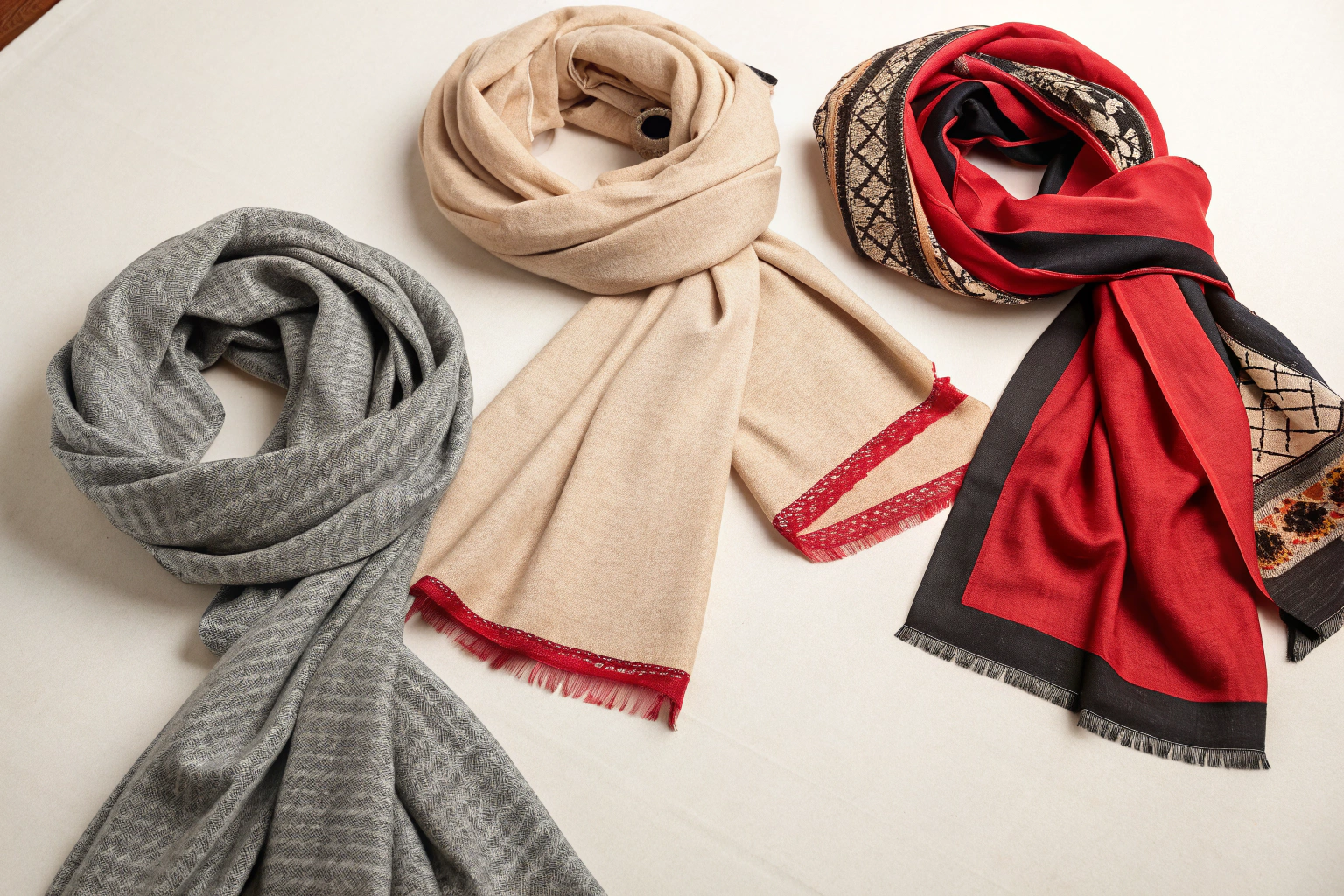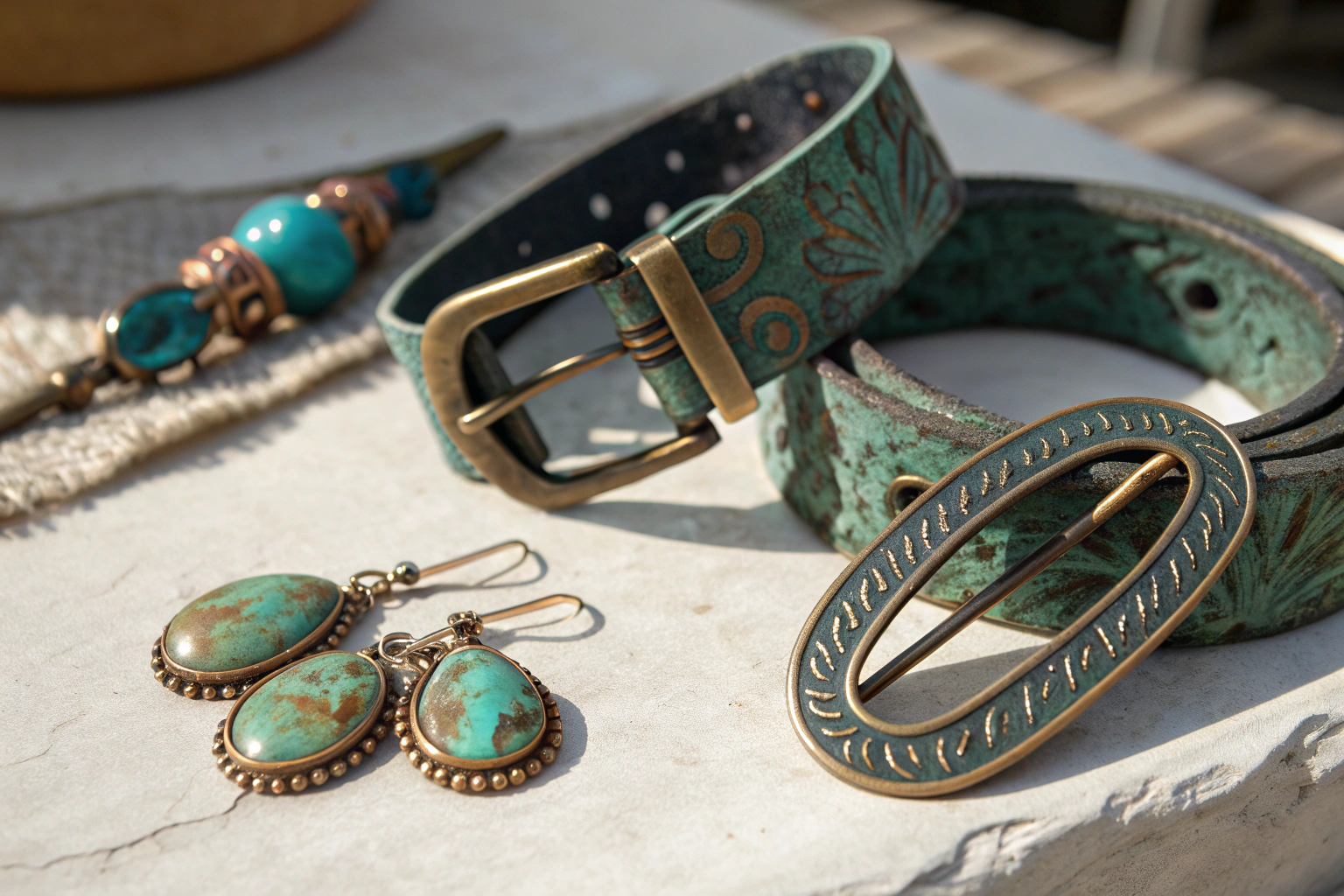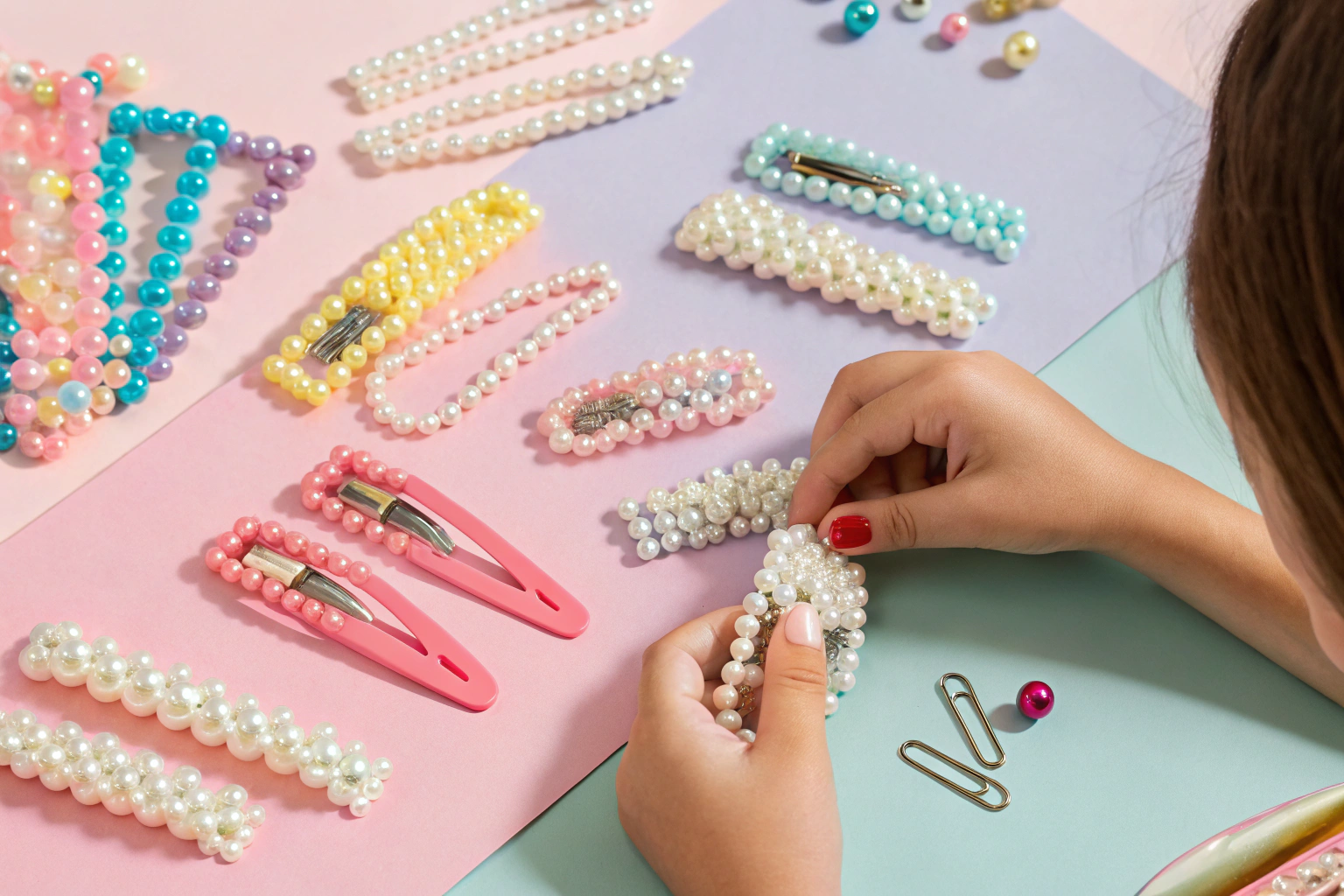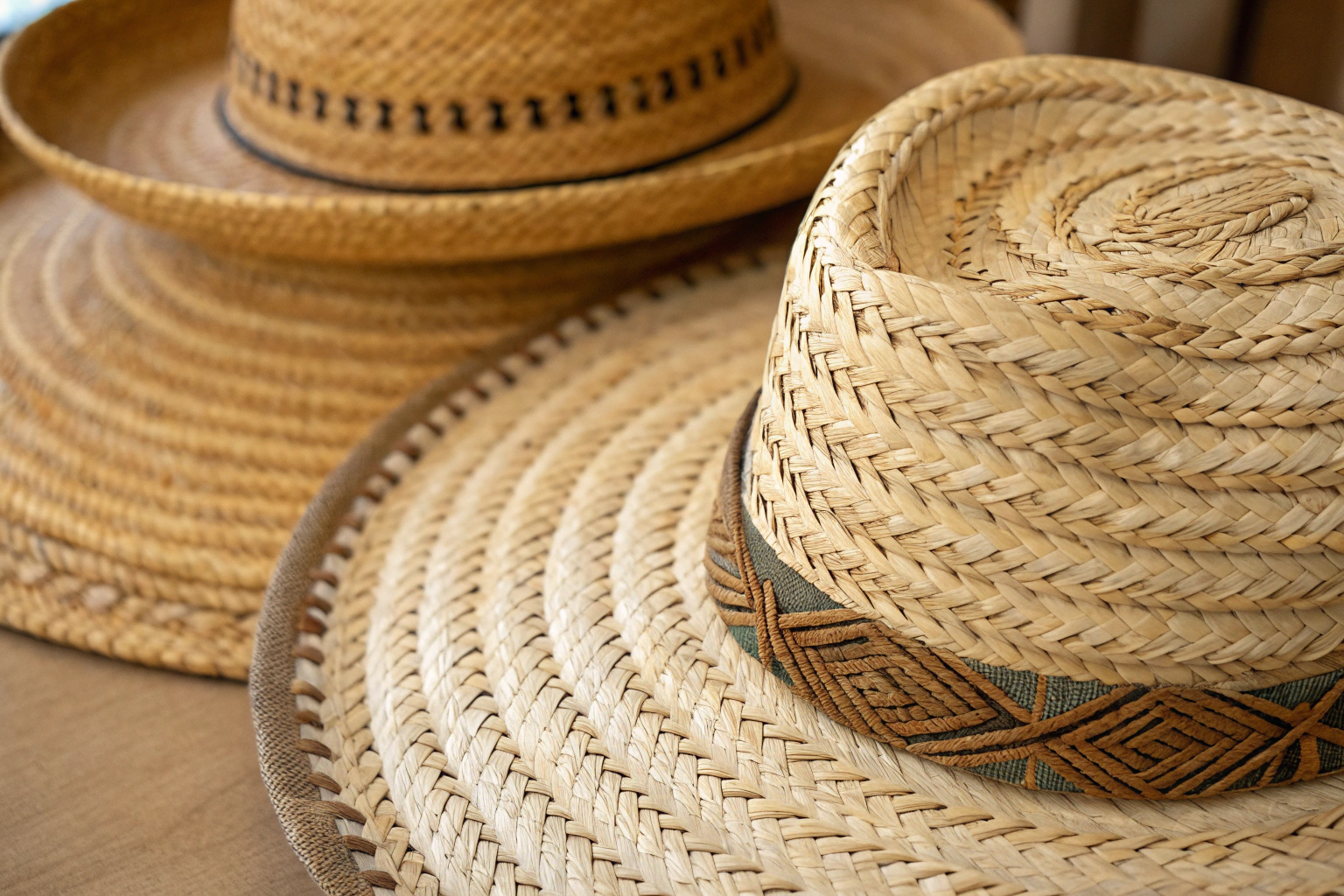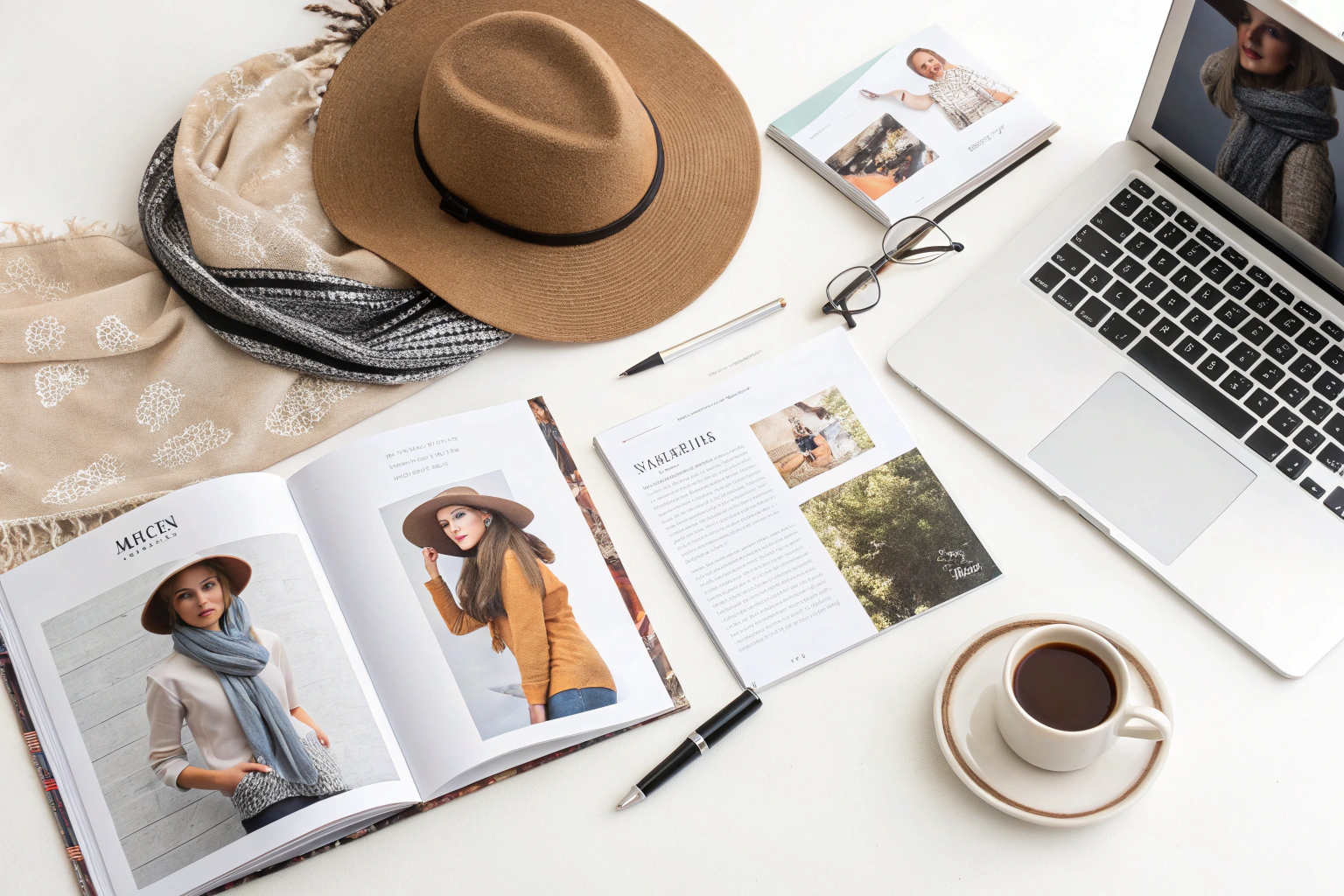
I've been in this industry long enough to know that a great product is only half the battle. The other half is showing it in a way that makes buyers like Ron sit up and take notice. Ron is busy. He sees hundreds of suppliers. He needs to quickly understand who you are, what you make, and why he should care. A well-crafted lookbook is the most powerful tool we have to do exactly that.
A lookbook is not just a catalog. It's not a price list with pictures. It's a story. It's a vision. It shows your products in context, styled in a way that inspires the buyer and shows them the potential of your line. A great lookbook can make a buyer imagine their own brand's logo on your cap, or their own colors on your scarf. It's a sales tool that works 24 hours a day, 7 days a week, long after a trade show booth is packed away.
At Shanghai Fumao Clothing, we've created lookbooks for ourselves and for many of our clients. We've learned what works and what doesn't. In this post, I'll share our best advice on how to create an effective lookbook for your wholesale accessory line. We'll cover planning, photography, design, and distribution. Whether you're a factory like us or a brand, these principles will help you create a lookbook that sells.
What Is The Purpose Of A Wholesale Lookbook?
Before you start designing, you need to be crystal clear on the purpose of your lookbook. For a wholesale line, the goal is not direct-to-consumer sales. The goal is to get wholesale buyers excited about your collection and to make it easy for them to place an order. Your lookbook needs to answer their key questions: What is your brand identity? What is the theme of this collection? What are the key pieces? What are the available colors and materials?
A wholesale lookbook is a professional portfolio. It should be beautiful and inspiring, but also practical and informative. It needs to strike a balance between art and commerce. Too much art, and the buyer can't figure out how to actually order. Too much commerce, and it looks like a boring price list. The best lookbooks weave the practical information seamlessly into the beautiful imagery. For more on the role of lookbooks in fashion, resources like Business of Fashion often discuss marketing and sales strategies.
How does a lookbook differ from a catalog or a line sheet?
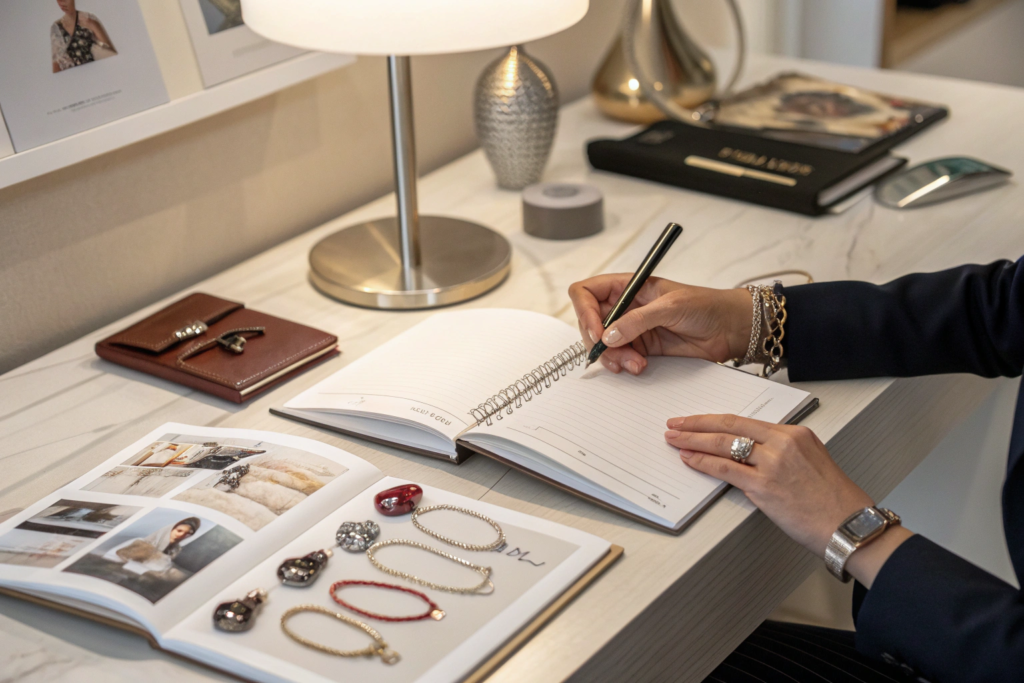
This is a crucial distinction. A line sheet is a purely functional document. It's usually a simple grid of product images with style numbers, color options, and wholesale prices. Its only job is to convey ordering information clearly and concisely. It's a tool for the buyer to place an order.
A catalog is more comprehensive. It might include multiple collections, detailed product descriptions, sizing charts, and company information. It's a reference document.
A lookbook is different. It's about inspiration and storytelling. It shows the products being worn, styled, and brought to life. It creates a mood and a feeling. The primary goal is to generate desire and to show the buyer the potential of your line. The ordering information in a lookbook is often secondary, sometimes just a simple reference at the back. A great lookbook makes the buyer want to look at the line sheet.
Who is the target audience for your lookbook?
You must always keep your target audience in mind. For a wholesale accessory line, your audience is not the end consumer. It's the buyer. This person is a professional. They are knowledgeable about the market. They are looking for products that will sell in their store or on their website. They are also very busy.
Your lookbook needs to appeal to their professional sensibilities. It should look high-quality and credible. It should clearly communicate your brand's point of view. It should make it easy for them to see how your collection fits with their existing merchandise. Think about what a buyer for a boutique versus a buyer for a major department store needs to see. A boutique buyer might be drawn to a very specific, artisanal look. A department store buyer needs to see a cohesive collection with broad appeal. Knowing your audience shapes every decision.
How To Plan Your Lookbook Content And Theme?
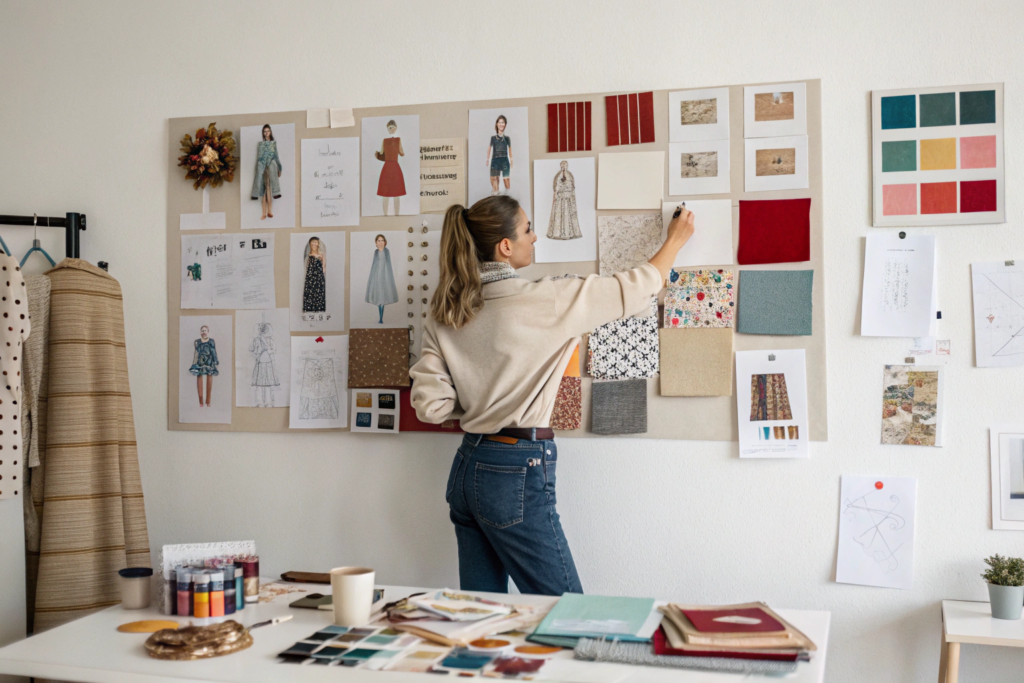
The most common mistake I see is people taking photos of their products and then trying to arrange them into a lookbook. That's backward. The planning should come first. You need to decide on a theme, a color story, and a visual identity for your collection before you pick up a camera. The lookbook should be a natural extension of the collection itself.
Start by asking yourself: What is the story of this collection? Is it inspired by a place, a time period, a mood? What colors dominate? What is the overall feeling—is it edgy, romantic, classic, bohemian? Once you have a clear theme, everything else—the choice of models, the location, the styling, the graphic design—should support that theme. A cohesive lookbook tells a single, powerful story. For inspiration on visual storytelling, sites like Pinterest and Artsy are excellent.
How do you choose a theme that resonates with buyers?
Your theme should do two things: reflect your brand identity and appeal to your target buyers' needs. Look at market trends. What styles are popular? What colors are trending for the upcoming season? But don't just copy trends. Filter them through your own brand's lens.
A theme can be very broad, like "Urban Explorer" or "Cozy Cabin." Or it can be very specific, like "1930s Riveria" or "Tokyo Street Style." The key is to choose a theme that allows you to showcase your products in a compelling and believable way. If you're making rugged, outdoorsy accessories, a theme based on a sleek cityscape won't make sense. The theme should create a world where your products naturally belong. This helps the buyer immediately understand the target customer for your line.
What is the ideal number of products to include?
Less is often more. A lookbook is not the place to show every single variation of every product. It's a curated selection. You want to feature your strongest, most compelling pieces. These are the "hero" products that will draw buyers in.
A typical lookbook for a seasonal collection might feature 15-25 key styles. You can show each style in different colors or on different models, but you don't need to show every single color option. The goal is to give a clear overview of the collection's aesthetic and its key pieces. The detailed color and size information can be saved for the line sheet or the back of the lookbook. A focused, curated lookbook is more powerful than a cluttered one.
What Makes Great Photography For An Accessory Lookbook?
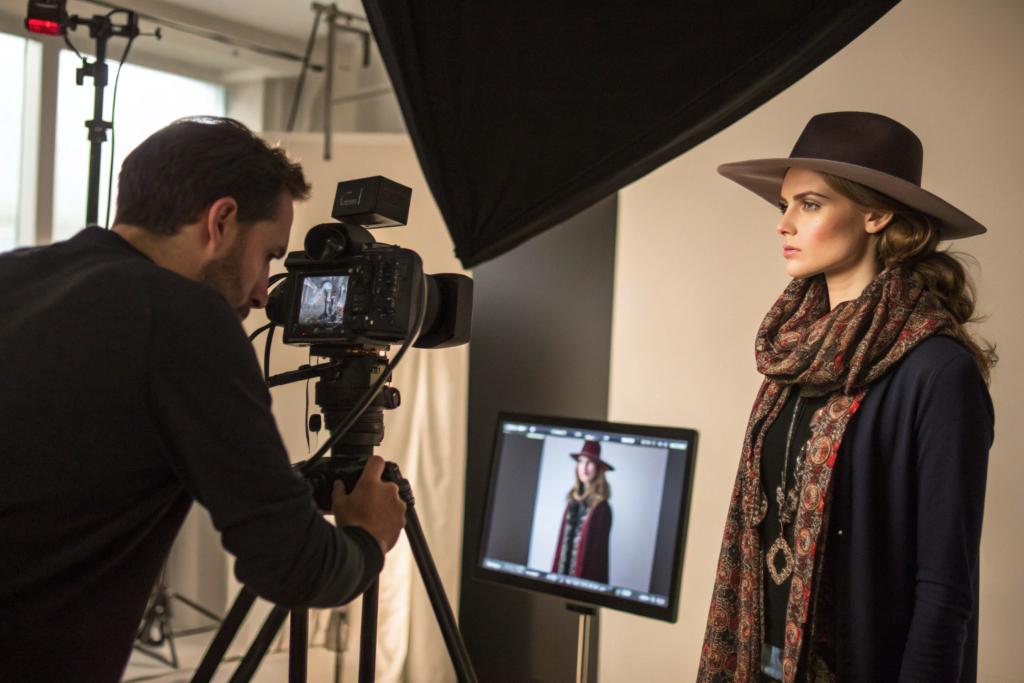
The photography is the heart of your lookbook. It's what people will see first and remember longest. Investing in professional photography is not an expense; it's an investment in your brand's image. Amateur photos with bad lighting and cluttered backgrounds will make even the best products look cheap. Professional photos will make your line look desirable and credible.
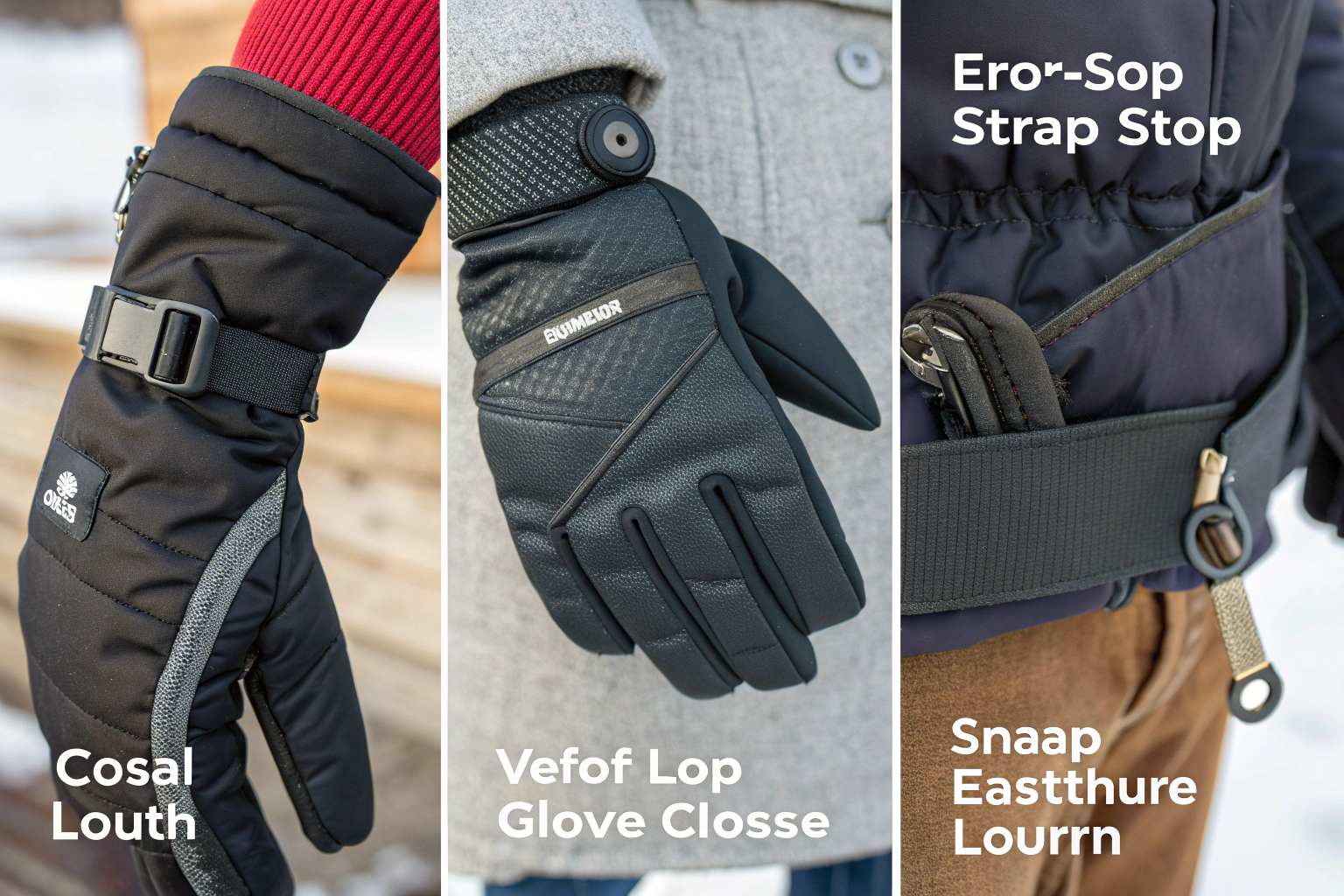
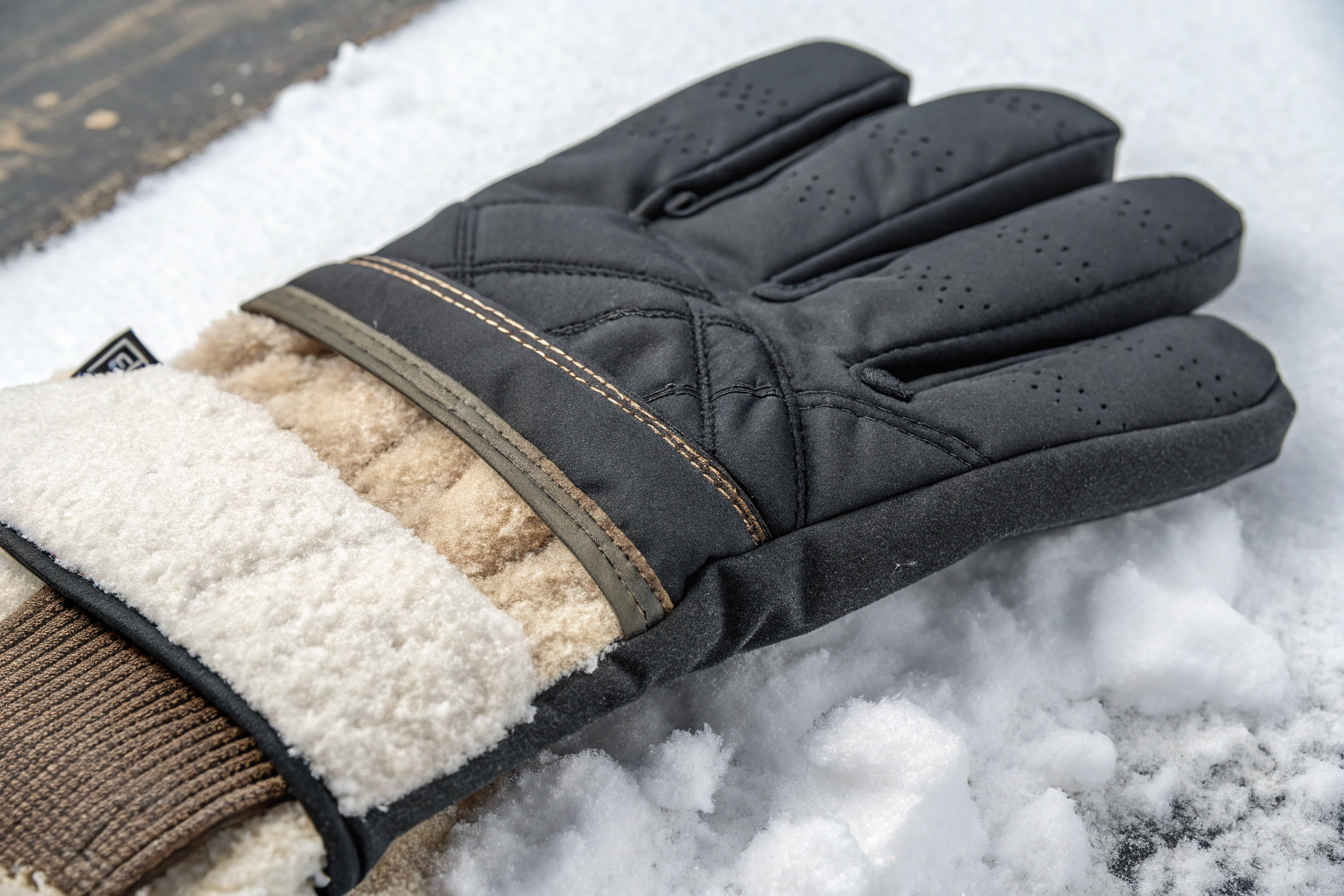
For accessories, you need a mix of shot types. You need lifestyle shots of models wearing the products. These show scale, styling, and how the accessory looks in the real world. You also need detailed product shots against a clean background. These show the craftsmanship, the materials, and the details that matter. A great lookbook combines both seamlessly. For resources on fashion photography, publications like PDN (Photo District News) are excellent.
Should you use models or focus on flat lays?
Both have their place, and a good lookbook uses a combination. Lifestyle shots with models are essential for showing how an accessory is worn and how it interacts with a person. A scarf looks completely different draped on a model than it does lying on a table. A hat's fit and proportion are best shown on a head. Models bring the product to life and help the buyer imagine their own customers wearing it.
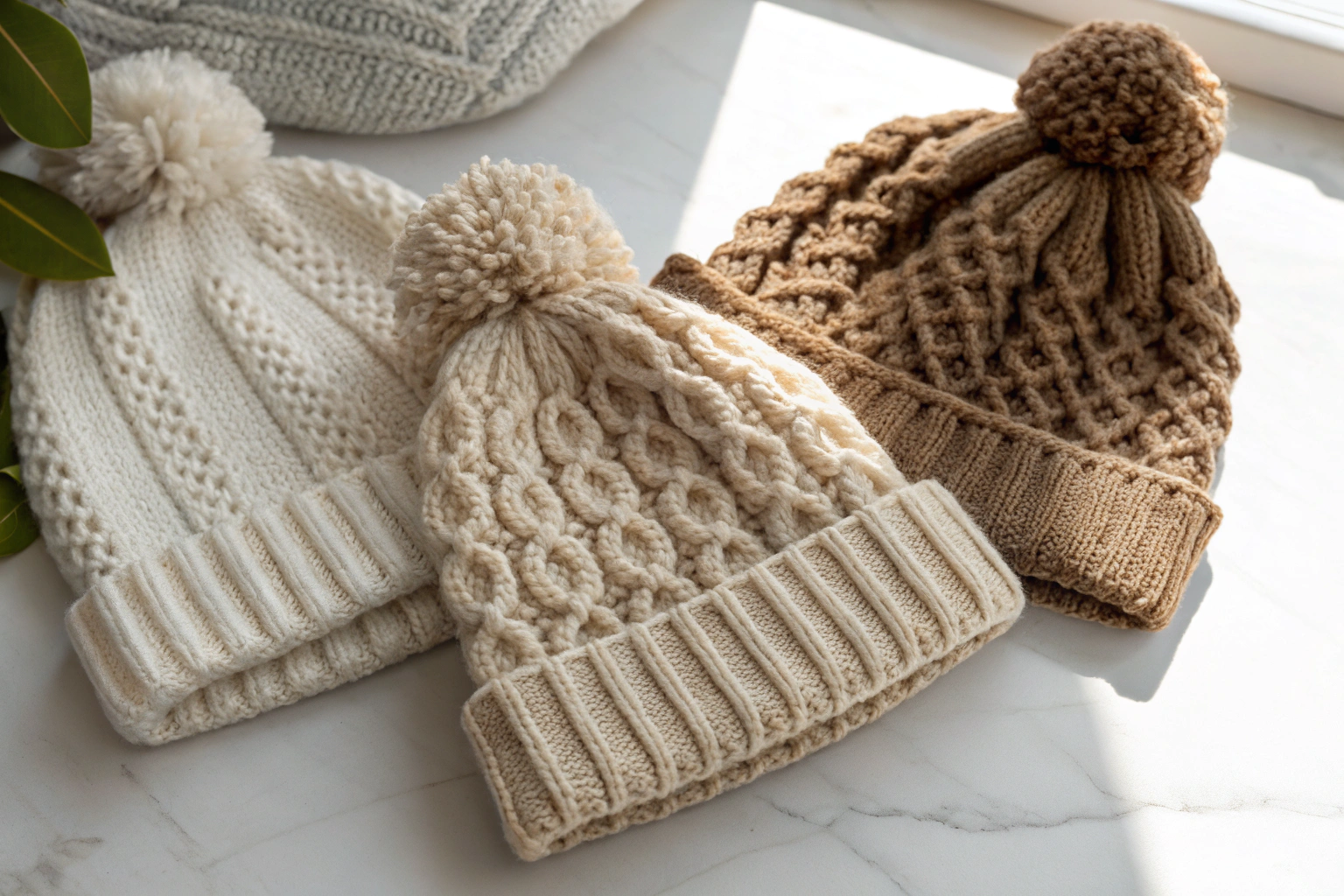
Flat lays are shots of products arranged artistically on a surface, photographed from above. They are excellent for showing multiple products together, for creating a mood with complementary props, and for highlighting details. Flat lays are often easier and less expensive to produce than full model shoots. The best approach is to use both: model shots for the main storytelling and flat lays for detailed product views and for creating styled groupings.
What are the key shots you need for each product?
For each key product in your lookbook, you should plan to capture a few essential views:
- The Hero Shot: A beautiful, styled image of the product being worn or used. This is the main image that will grab attention.
- The Detail Shot: A close-up showing a key feature—the texture of the fabric, the design of a buckle, the quality of the stitching.
- The Color Shot: If a product comes in multiple colors, a shot showing the range together, either on models or as a flat lay.
- The Context Shot: An image that shows the product within the theme of the collection, perhaps with other styled items.
Having this checklist ensures you don't miss any crucial visuals. You can then select the very best images for your lookbook layout.
How To Design And Distribute Your Lookbook?
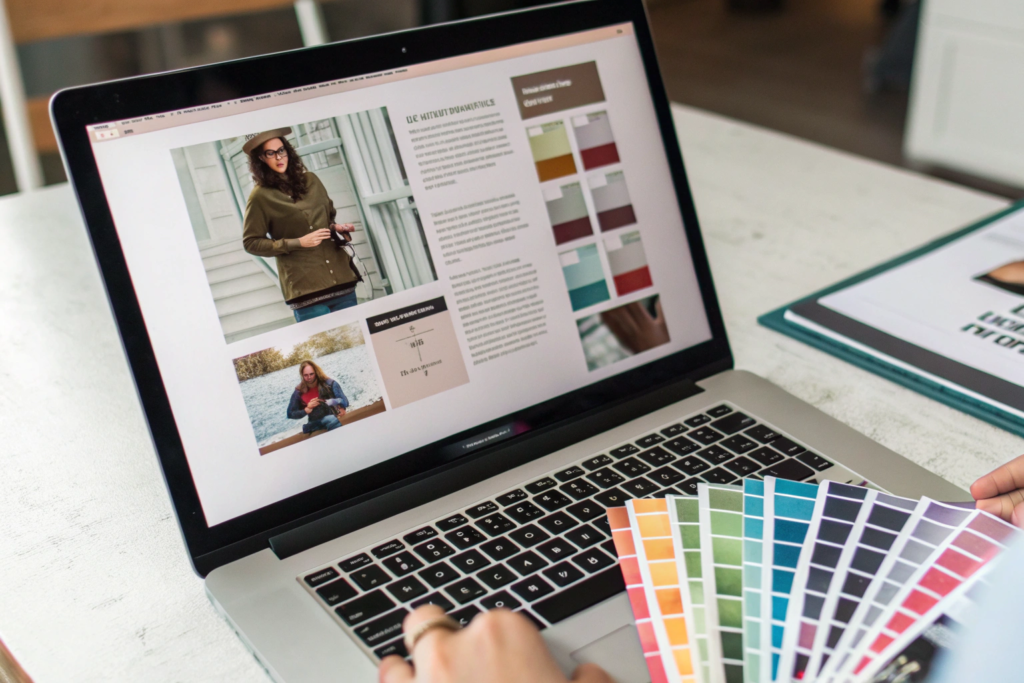
Once you have your beautiful photos, the next step is to bring them together into a cohesive design. The design of your lookbook is just as important as the photography. It sets the tone, guides the viewer's eye, and presents the information in a clear and appealing way. You want the design to be professional and elegant, not distracting. The products should always be the star.
After the design is complete, you need to think about distribution. How will you get your lookbook in front of buyers? In 2026, the answer is almost always a combination of digital and physical. A beautifully designed PDF lookbook can be emailed instantly to hundreds of prospects. A smaller number of high-quality printed lookbooks are essential for trade shows, sales meetings, and for sending to your most important VIP clients. For graphic design inspiration, sites like Behance showcase thousands of professional portfolios and lookbooks.
What are the essential elements of a lookbook page?
A well-designed lookbook page is clean, balanced, and easy to understand. It typically includes:
- High-Quality Images: The hero shot is the focus, with supporting detail shots placed strategically.
- Product Names or Style Numbers: Clearly labeled so the buyer can identify each piece.
- Brief Descriptions: A sentence or two that captures the essence of the product. "Oversized merino wool scarf in heather grey."
- Color Options: Shown either as swatches or small images of the product in each color.
- Collection Theme or Mood: Reinforced through the overall design, color palette, and any supporting text.
The information should be easy to scan. A buyer should be able to look at a page and immediately grasp what the products are and what they look like.
How do you use a lookbook to drive sales?
A lookbook is a marketing tool, not an order form. Its job is to generate interest and desire. To drive sales, you need to make it easy for the interested buyer to take the next step. This means including clear calls to action.
In your digital lookbook, every page should include your contact information and website. You can even add clickable links that take the buyer directly to a specific product page on your website or to a contact form. In your printed lookbook, include a QR code on the back cover that links to your digital line sheet or your website.
The most effective strategy is to use the lookbook as a conversation starter. Send it to a prospect, then follow up with a call or email. "I'd love to walk you through our new collection. Did you see the scarves on page 6?" The lookbook gives you a reason to reach out and a visual tool to guide the conversation. At Shanghai Fumao Clothing, our project managers use our lookbooks constantly in their communications with buyers.
Conclusion
Creating an effective lookbook for your wholesale accessory line is a powerful investment in your brand's success. It's about more than just taking pretty pictures. It's about telling a compelling story, showcasing your products in their best light, and making it easy for busy buyers like Ron to understand your vision. By carefully planning your theme, investing in professional photography, designing a clean and elegant layout, and distributing it strategically, you can create a lookbook that opens doors and generates sales.
At Shanghai Fumao Clothing, we understand the power of a great lookbook. We've created them for our own collections and have helped many of our clients create them for their brands. Our design team can assist with everything from product selection and styling to photography and graphic design. We know what buyers in North America and Europe want to see. We can help you present your accessories in a way that stands out from the competition.
If you're ready to create a lookbook that truly represents your brand and drives wholesale sales, let's talk. Please contact our Business Director, Elaine, at elaine@fumaoclothing.com. We'll help you tell your story and showcase your products beautifully.