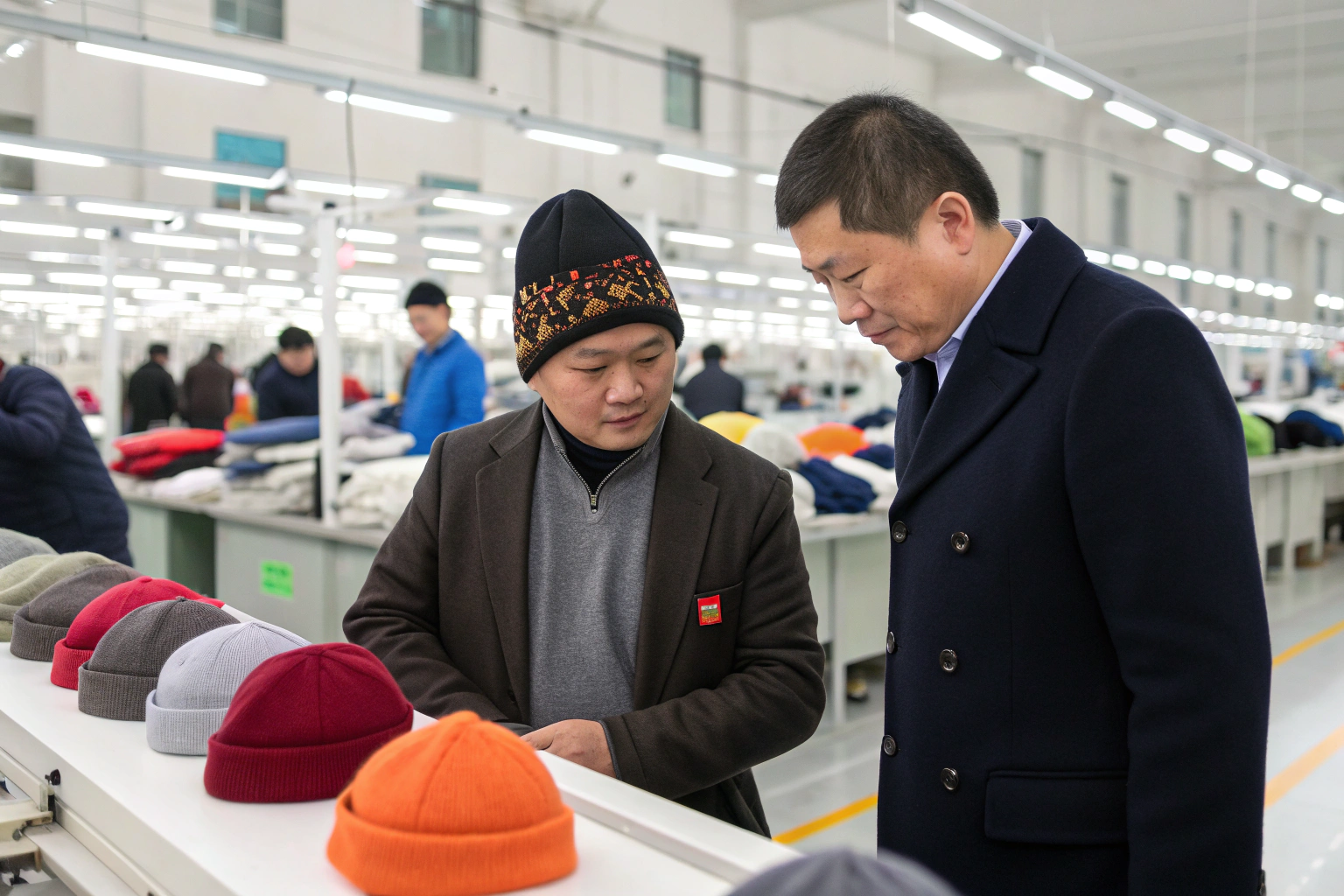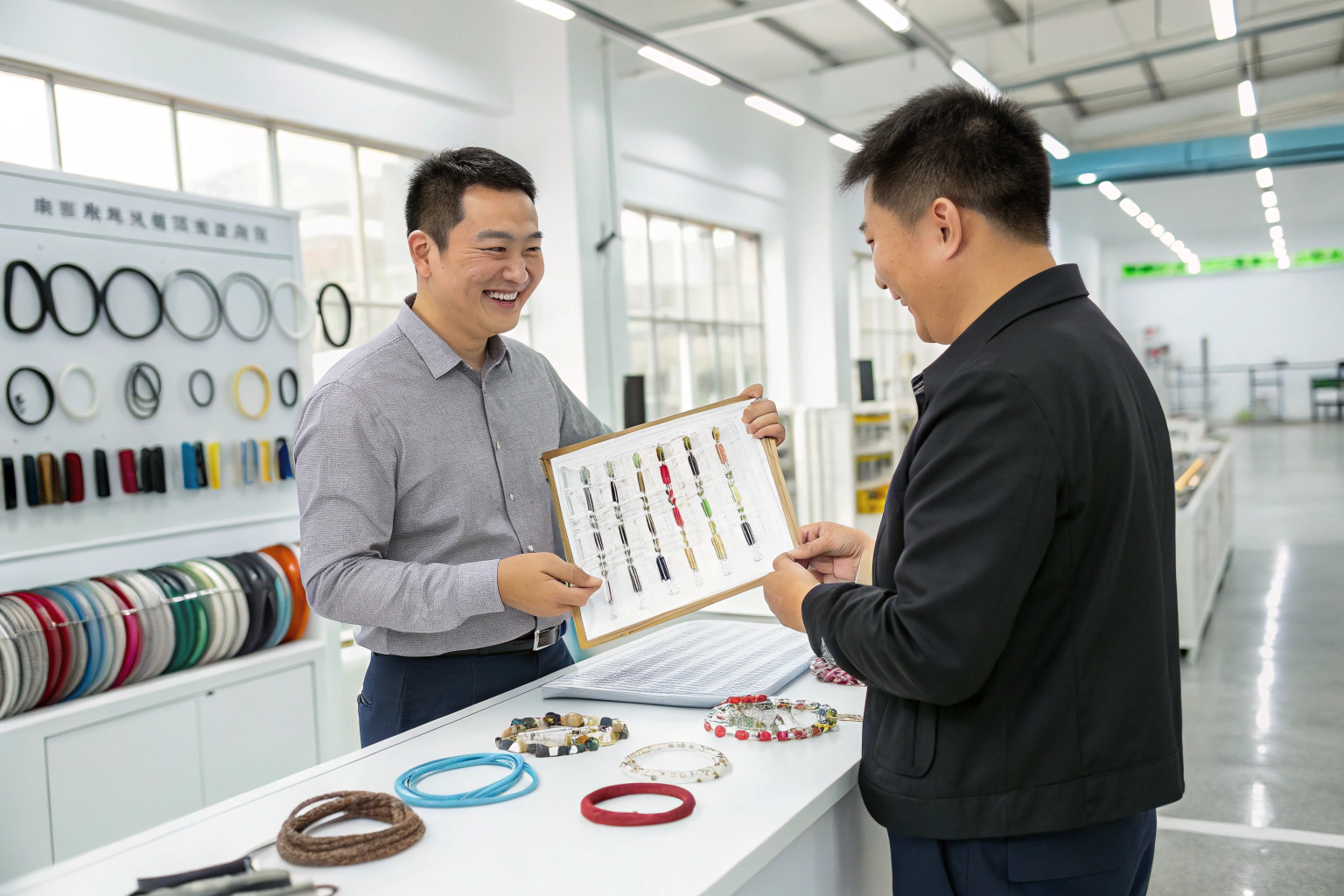
I have been a factory owner for over twenty years. I have made millions of hair clips and hats for brands you know. But last year, something changed. A buyer came to me and said, "I don't just want you to make my products. I want to make products with you. I want both of our names on the label."
That conversation changed how I think about my business. It was not just an order. It was an invitation to become a true partner.
Co-branding is not new. Louis Vuitton has done it. Nike has done it. Even Ben & Jerry's has done it. But for factories like mine, co-branding represents something new. It moves us from being a vendor to being a creative partner. It allows us to share our expertise in materials, engineering, and quality control while our retail partners bring their brand equity and customer relationships.
At Shanghai Fumao Clothing, we have learned that successful co-branding requires more than just putting two logos on a hang tag. It requires a complete shift in how we think about design, communication, and value creation. In this guide, I will walk you through exactly how we approach co-branded collections with our partners, from finding the right fit to protecting your intellectual property.
How Do You Find The Right Co-Branding Partner For Accessories?
I have walked away from co-branding deals that would have been profitable. This surprises some buyers. They ask me, "Why would you say no to easy money?"
The answer is simple. Not every partnership creates value for both sides. Some partnerships actually hurt both brands.
The most important step in co-branding happens before you design a single product. You must evaluate whether the partnership makes strategic sense. This is not about liking each other. It is about whether your brands belong together in the mind of the consumer.

What Questions Should You Ask To Assess Brand Compatibility?
I learned this lesson from Kendra Scott. Before she collaborates with anyone, she reviews how the partner engages with its audience, from philanthropic initiatives to design approach. She does not start creative work until she confirms shared values.
We follow the same process. I ask my potential partners five questions:
Does your customer trust us to make this product? If a luxury fashion brand partners with a factory known only for promotional giveaways, the customer feels confused.
Do we share similar quality expectations? I once had a partner who wanted "luxury quality at promotional prices." This never works. You must align on what "good enough" means.
Is there genuine audience overlap with expansion potential? The best collaborations introduce each brand to the other's customers. Our partnership with an eco-friendly brand helped us reach sustainability-focused consumers we could not access alone.
Can we communicate effectively? Co-branding requires more back-and-forth than standard production. If your partner takes three weeks to answer emails, the collection will miss its season.
Does this partnership excite both teams? Enthusiasm matters. When people are excited, they solve problems faster. They find creative solutions. They stay late to get samples right.
You can read more about brand compatibility assessment frameworks to structure your evaluation. We also recommend reviewing co-branding success case studies for inspiration.
How Do You Define Shared Objectives Before Signing Anything?
You cannot measure success if you have not defined what success looks like. This sounds obvious. Yet I have seen partnerships fail because one side wanted sales while the other wanted brand awareness.
Successful co-branding partnerships establish shared objectives before they spend a dollar on development. These objectives might include:
Market expansion into new demographics. When Kendra Scott partnered with Dolly Parton, fifty percent of the customers were entirely new to the brand. That is a clear objective achieved.
Brand perception enhancement. A heritage brand might partner with a contemporary designer to feel younger and more relevant.
Product category diversification. We helped a handbag brand enter the hair accessories category through co-branding. They tested the market with low risk before committing to their own line.
Media attention generation. Unexpected partnerships like Kate Spade x Heinz or ELF Cosmetics x Liquid Death succeed because they are surprising. The press covers the story, not just the product.
Write these objectives down. Review them together every two weeks. If the partnership stops serving these objectives, you should consider whether to continue. Learn how to draft collaboration objective frameworks that keep both parties accountable.
What Is The Co-Design Process For Co-Branded Accessories?
The biggest mistake factories make in co-branding is treating it like private label. Private label means the customer tells you what to make and you make it. Co-branding means you create together.
This requires a different workflow. It requires more meetings, more samples, and more open-ended exploration. It also produces better results.
At Shanghai Fumao Clothing, we treat co-design as a structured but flexible process. We begin with joint trend analysis. We move through material selection together. We review prototypes collaboratively. We approve final samples as partners.
How Do Joint Trend Sessions Generate Unique Product Ideas?
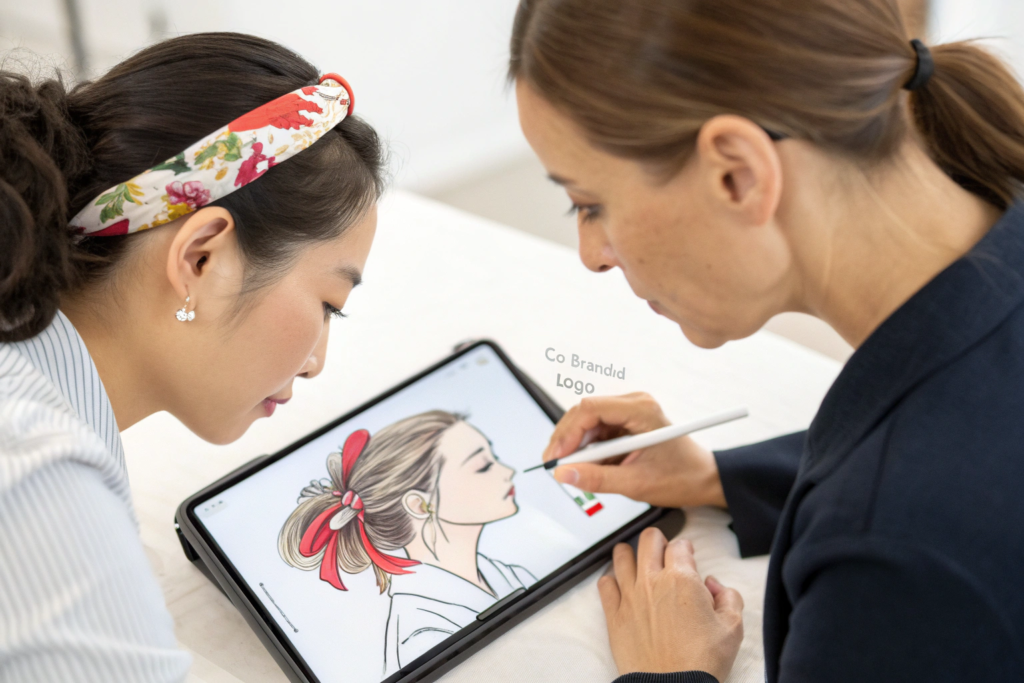
I invite our retail partners to our factory for trend workshops. Our material specialists sit with their merchandisers. Our production engineers sit with their designers. We project global trend forecasts on the wall. We spread out sales data from both companies. We pull samples from our development pipeline that have not been shown to anyone else.
This cross-pollination generates ideas that neither party would develop alone. One retailer came to us wanting "something with movement." Our engineer showed them a new lightweight spring mechanism we had been testing. Together, we developed a hair clip that bobbed gently when the wearer walked. It became the bestselling item in the collection.
You cannot get this result by emailing tech packs back and forth. You must create space for unexpected creativity. Access resources on collaborative design thinking and fashion trend forecasting tools to prepare for these sessions.
What Technical Expertise Should Your Factory Bring To The Table?
Your factory partner should contribute more than just production capacity. They should contribute engineering knowledge that transforms creative concepts into real products.
When a buyer wants crystal-embellished headbands that will not lose stones during wear, we do not just say "yes" and hope for the best. Our engineering team develops a proprietary setting technique. We test it. We refine it. We make it a signature feature of the co-branded collection.
This technical contribution creates competitive advantage. Your competitors cannot copy a setting technique they do not understand. They cannot replicate a material blend they have never tested.
Ask your factory partner what proprietary capabilities they bring. If they only bring low prices, you have a vendor, not a co-branding partner. Review textile innovation case studies and accessory manufacturing patents to understand what technical differentiation looks like.
Can Digital Twins And 3D Sampling Speed Up Co-Development?
Yes, and this is transforming how we collaborate. Tapestry, the parent company of Coach and Kate Spade, has pioneered the use of digital twins in fashion development. Their Digital Product Creation team takes projects stuck at the supplier level for two years and moves them from concept to design approval within two weeks.
How? They create high-fidelity digital representations of physical products. Designers make decisions based on realistic 3D renders instead of waiting for physical samples to arrive by mail.
We are adopting this technology at Shanghai Fumao Clothing. When our co-branding partners are in New York and we are in Zhejiang, we do not want to wait two weeks for a sample to clear customs. We want to see the digital twin today. We want to adjust the color in real time. We want to approve the 3D model and send it directly to our prototyping department.
This speed matters. It allows us to iterate more times before finalizing the design. It reduces development costs. It gets the collection to market faster. Explore Browzwear 3D fashion software and CLO 3D digital garment solutions that power this workflow.
How Do You Structure Financial And Legal Terms For Co-Branding?
Money conversations are uncomfortable. I understand this. You do not want to seem greedy. You do not want to kill the creative energy with talk of royalty rates and minimum guarantees.
But clear financial terms are not the enemy of creativity. Confusion is the enemy of creativity. When both parties understand exactly how value will be shared, they can focus on making the product better.

Should You Share Development Costs Or Pay Royalties?
There is no single answer. The right structure depends on each party's investment and risk exposure.
Shared development cost arrangements work well when both parties have similar resources and commitment levels. The factory absorbs tooling and initial sample costs. The retailer contributes to design and marketing development.
Graduated royalty structures reward success. For example, a base five percent royalty on the first one hundred thousand dollars in sales, increasing to seven percent beyond that threshold. You might add an additional bonus if the retailer achieves agreed marketing metrics.
Hybrid models combine both approaches. We shared development costs sixty-forty with a major department store, then adjusted royalty rates to reflect this investment. This acknowledged our greater manufacturing investment while ensuring the retailer remained committed to the collection's success.
The key is transparency. Both parties should understand exactly how money flows and what triggers each payment. Reference standard licensing royalty rates and fashion collaboration financial models when negotiating.
What Minimum Order Quantities Make Sense For Co-Branded Capsules?
Co-branded collections are often smaller than standard production runs. They are intended to feel exclusive, not ubiquitous. Scarcity is part of their appeal.
This creates tension. Factories have overhead costs. We need to run efficient production lines. We cannot afford to stop the machines every two hours to change setups.
The solution is honest conversation about minimums. Tell your factory partner what quantities you realistically expect to sell. We may be able to adjust our processes to accommodate smaller runs, but we need to know this upfront.
Some factories offer consignment arrangements or guaranteed minimums that share inventory risk. This can make smaller collections financially viable for both parties. Learn about inventory risk sharing models and flexible MOQ strategies.
How Do You Launch And Market A Co-Branded Accessory Collection?
You have found the right partner. You have designed beautiful products. You have agreed on financial terms. Now you must convince customers to care.
This is where many co-branded collections fail. The products are good, but the launch is forgettable. The marketing lacks energy. The story never reaches the right audience.
In 2026, customers are exhausted by lazy collaborations. They can tell when brands slap two logos on a product and call it a day. To succeed, your launch must feel fresh, timely, and authentic.
How Do You Balance Two Brand Identities In Marketing Materials?
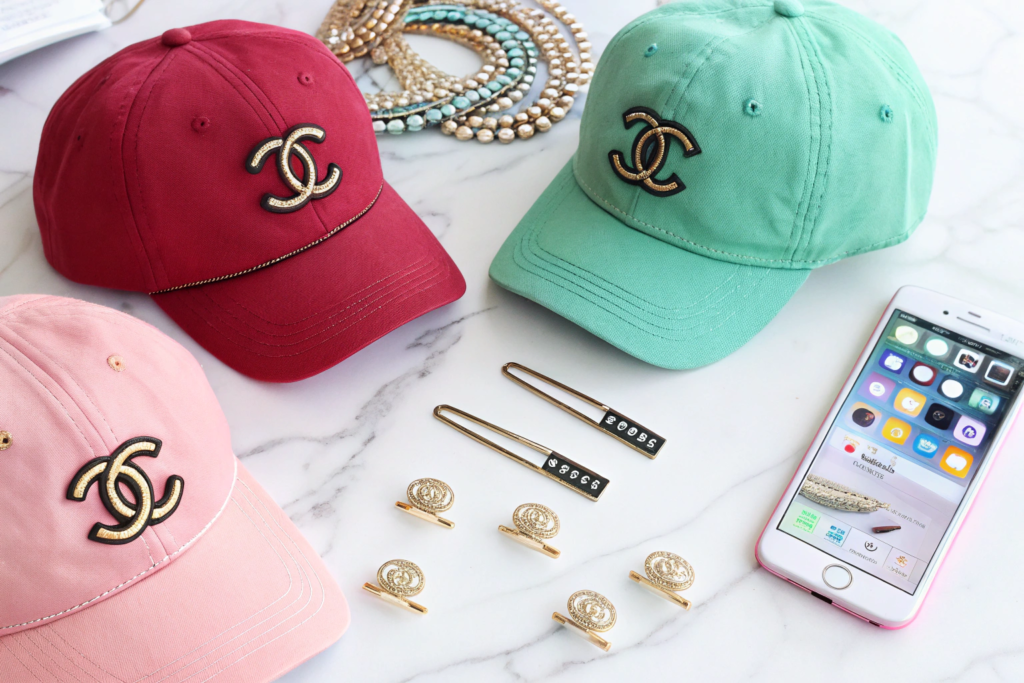
Logo wars destroy co-branded campaigns. One brand insists their logo appears first. The other demands equal visual weight. The resulting materials look disjointed and desperate.
The solution is to create clear co-branding guidelines before production begins. These guidelines establish:
Logo usage ratios. You might agree that both logos appear at equal size with fifty-fifty visibility. You might alternate which logo appears first across different applications.
Color palette integration. How do both brands' signature colors work together harmoniously? Sometimes a third palette emerges specifically for the collaboration.
Messaging hierarchy. If the collection is sold primarily in your partner's stores, their branding might lead while yours supports.
Voice and tone. Should the copy sound like Brand A, Brand B, or something entirely new?
The goal is not perfect equality. The goal is consumers remembering the collaboration itself, not which brand dominated the marketing. Study successful co-branded campaigns and brand partnership playbooks.
What Launch Strategies Create Genuine Cultural Buzz?
The most successful collaborations do not just sell products. They create culture.
Gap measures collaboration success not only by sales but by whether the partnership drives conversation. Their filter is simple: Is it fun? Is it unexpected? Is it a vibe? More than a quarter of customers who shopped Gap collaborations in 2025 were new to the brand.
You do not need a massive marketing budget to achieve this. You need a clear point of view.
Consider these launch strategies:
| Strategy | Execution |
|---|---|
| Exclusive pre-sales | Offer early access to loyalty members of both brands |
| Social media reveals | Build anticipation over several days or weeks before showing products |
| Joint influencer seeding | Choose creators who genuinely appreciate both brands |
| Limited-edition drops | Create collectible scarcity signals value |
| Reactive product development | Respond to real social media conversations |
The Chipotle x Wonderskin "Lipotle" lip stain succeeded because it responded to a real social media conversation. Customers joked that they wanted lipstick that would not come off on their burrito. The brand listened, collaborated, and created something that went viral.
Reactivity matters. But do not jump from moment to moment without a cohesive narrative. Read Glossy co-branding reports and Vogue Business partnership analysis.
Conclusion
Co-branded collections represent an evolution in how factories and brands work together. They move beyond transaction into true partnership. They leverage the unique strengths of each party to create products and experiences that neither could achieve alone.
But co-branding is not easy. It requires patience, transparency, and genuine creative collaboration. It requires factories to contribute more than production capacity and brands to contribute more than logos. It requires both parties to trust each other with their most valuable asset: their brand equity.
At Shanghai Fumao Clothing, we have embraced this challenge. We have built systems for joint trend analysis, rapid prototyping, and transparent communication. We have negotiated fair financial terms that acknowledge both parties' investments. We have celebrated sell-out launches and learned from collections that did not resonate.
We are ready to do this with you.
If you have a brand and you want to explore a co-branded accessory collection, I invite you to contact us. Do not come with a finished design brief. Come with an open mind and a willingness to create together.
Contact Elaine, our Business Director, directly at elaine@fumaoclothing.com. Tell her about your brand, your customers, and your vision. She will tell you how we can help you bring that vision to life, with both of our names on the label.