Are you tired of watching shipping costs eat into your profit margins? It's a constant battle for anyone importing goods, especially from China. You find the perfect products, negotiate a great price, but then get hit with staggering logistics fees that make you question the whole venture. What if a simple shift in your product focus could dramatically change this equation?
Focusing on lightweight fashion accessories is a strategic move to significantly reduce shipping costs and improve overall logistical efficiency. Lighter, smaller items like hair clips, scarves, and belts allow for more units per shipment, lowering the cost-per-item and often qualifying for more economical air freight options, which drastically cuts down transit times compared to sea freight.
This isn't just a theoretical advantage; it's a practical strategy we've seen work for countless clients, including major US retailers and online store owners. By curating a product line rich in lightweight accessories, you not only save money but also gain a competitive edge with faster delivery to your customers. Let's explore how you can leverage this strategy to optimize your supply chain and boost your bottom line.
Why Do Shipping Costs Matter So Much?
Are you constantly analyzing your balance sheet, wondering where your profits are going? For many importers, the culprit is hidden in plain sight: shipping costs. These expenses can be volatile and unpredictable, turning a profitable order into a marginal one overnight. It's a pain point that keeps business owners like Ron awake at night, trying to find a stable, cost-effective solution.
The truth is, the physical characteristics of your products—specifically their weight and volume—are the primary drivers of your shipping expenses. Heavier, bulkier items not only cost more to transport per unit but also limit your shipping options, often forcing you onto slower, less flexible sea freight routes. This directly impacts your cash flow, inventory turnover, and ability to respond to fast-changing market trends.
Understanding the mechanics of shipping costs is the first step toward controlling them. Carriers use a metric called "dimensional weight" (or volumetric weight) to charge for shipments. They calculate this by multiplying the package's length, width, and height and dividing by a specific dimensional factor. You are then charged for whichever is greater: the actual weight of the package or its dimensional weight. This is why a large box of lightweight hats can cost as much to ship as a small, heavy box of metal parts. By focusing on products that are both physically light and compact, you attack both sides of the shipping cost equation, ensuring you're not overpaying for empty space. This strategy is key to mastering your logistics and is a core reason why How to Choose the Right Materials? is such a critical consideration.

How is dimensional weight calculated?
The formula for dimensional weight can feel like a complex puzzle, but it's straightforward once you understand the components. Most international carriers like DHL, FedEx, and UPS use a similar formula: (Length x Width x Height) / Divisor. The "Divisor" is the key number, and it can vary. For international shipments, a common divisor is 5000 (if measuring in centimeters) or 139 (if measuring in inches). Let's say you have a box measuring 50cm x 40cm x 30cm. The dimensional volume is 60,000 cubic centimeters. Dividing that by 5000 gives you a dimensional weight of 12 kg. If the actual weight of the box is only 8 kg, you'll be billed for 12 kg. This is why sourcing compact items from a reliable fashion accessories manufacturer is crucial. A good supplier understands how to pack goods efficiently to minimize this dimensional weight, saving you money before the products even leave the factory. You can find more detailed calculators and explanations on logistics provider websites like Freightos.
What are the hidden costs in shipping?
Beyond the base freight rate, a shipment's final invoice is often loaded with additional charges that can catch importers by surprise. These can include fuel surcharges, which fluctuate with global oil prices, and security fees. Then there are terminal handling charges at both the port of origin and destination. Customs clearance is another area ripe with potential costs, from brokerage fees to duties and taxes. If your paperwork isn't perfect, you could face delays and storage fees, known as demurrage. At Shanghai Fumao Clothing, we provide transparent, all-inclusive quotes to help our clients avoid these surprises. We manage the entire process, ensuring smooth customs clearance and predictable costs. Understanding these variables is essential for accurate budgeting, and resources like the International Trade Administration's website offer great overviews for U.S. importers.
How to Choose the Right Materials?
Ever held a beautifully designed accessory that felt surprisingly light? That's not an accident; it's a deliberate design choice. The materials used in an accessory are the single most important factor determining its final weight. As a manufacturer, we've seen firsthand how focusing on lightweight materials can solve major logistical headaches for our clients, especially those shipping to North America and Europe.
Choosing the right materials is a balancing act between aesthetics, durability, cost, and weight. For items like hair accessories, switching from dense metals to high-grade plastics or resins can cut weight by more than half without compromising the design's integrity. For textiles like scarves and shawls, blends incorporating silk, modal, or fine-gauge acrylic offer a luxurious feel at a fraction of the weight of traditional wool. This strategic material selection is the foundation of efficient shipping.
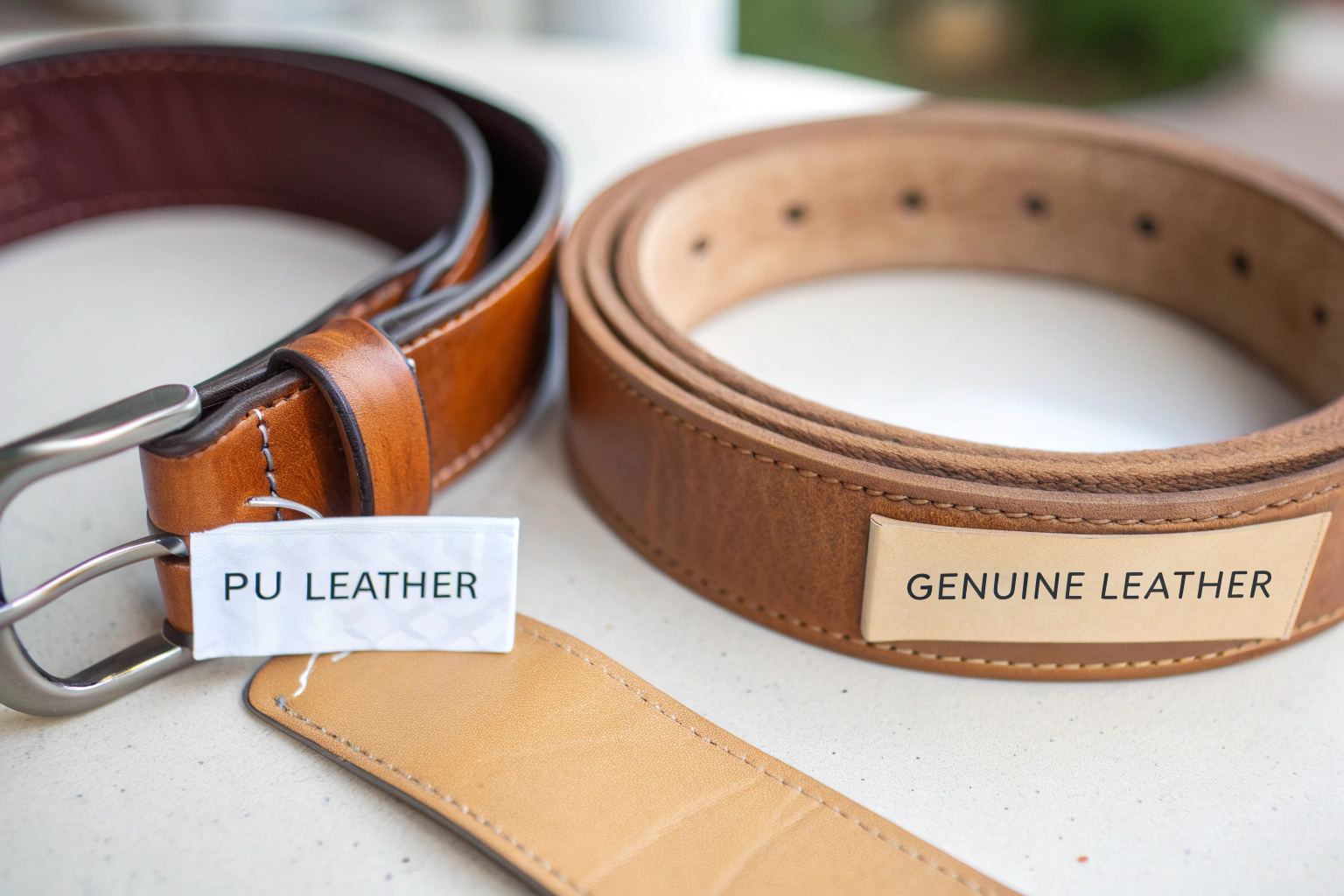
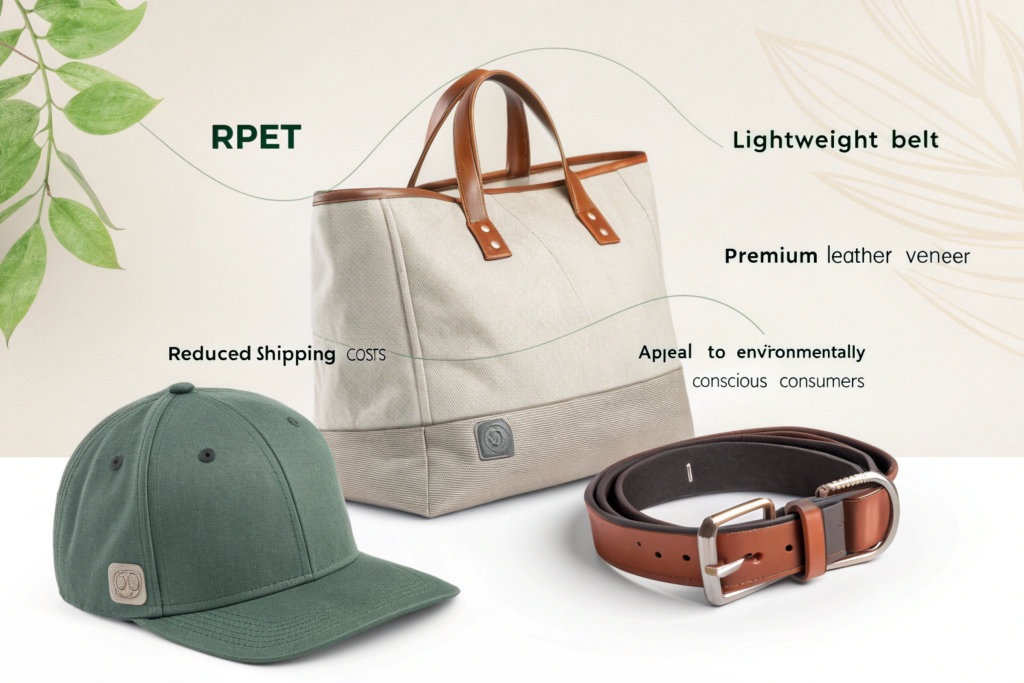
This focus on material science allows for incredible innovation. We work closely with our design team to explore cutting-edge materials that offer the best of all worlds. For example, we use recycled polyester (rPET) for hats and bags, which is not only lightweight but also appeals to eco-conscious consumers. For belts, we might use a core of lighter material with a premium leather veneer, providing the look and feel of a heavy leather belt without the associated shipping costs. By being intentional about every gram, we engineer products that are not just beautiful and high-quality, but also economical to ship. This proactive approach is a game-changer, directly impacting everything from your landed cost to your final retail price, and it's closely tied to the Best Lightweight Product Categories.
Which plastics are best for lightweight accessories?
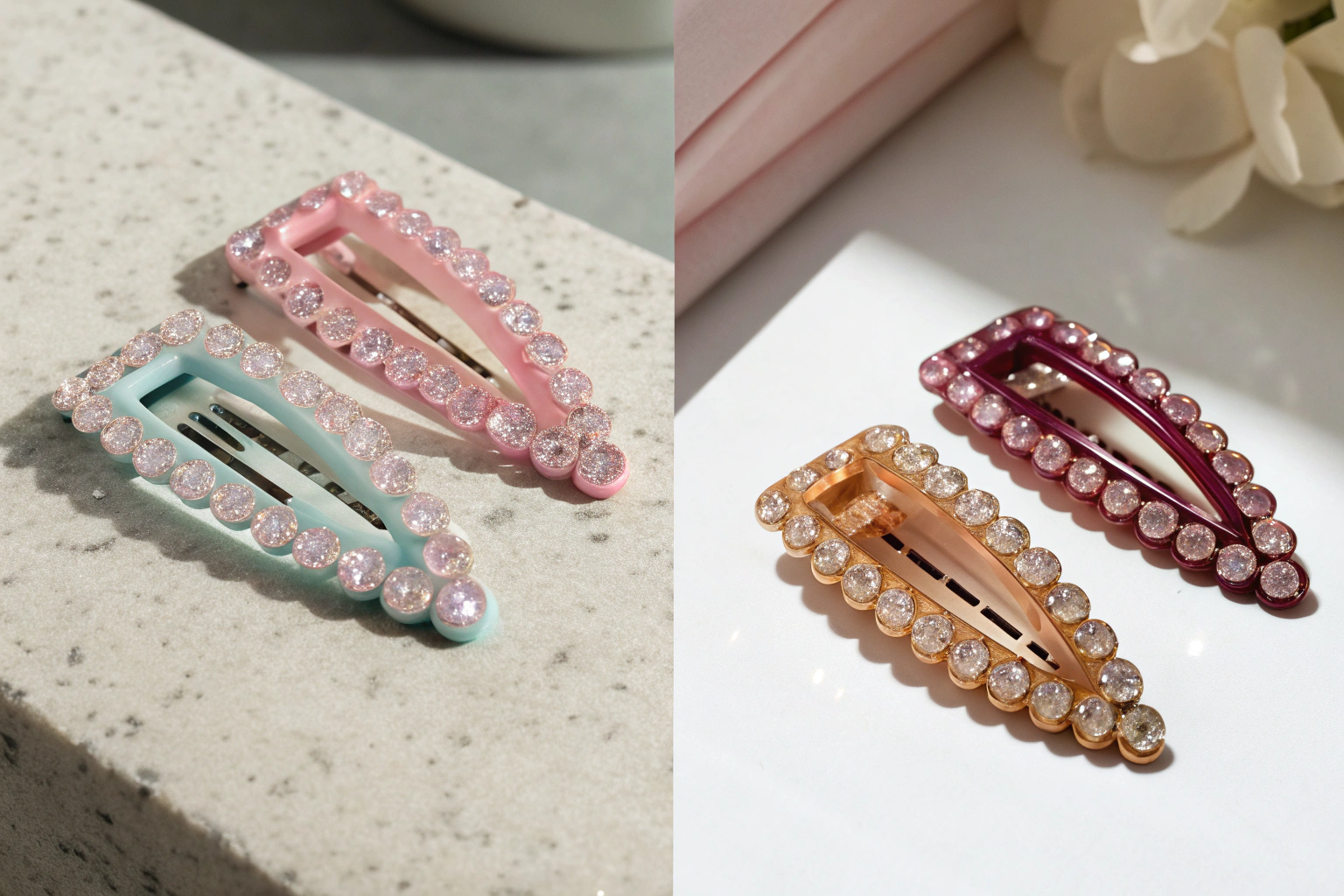
When it comes to plastics, not all are created equal. For high-quality, lightweight fashion accessories, acetate and acrylic are top choices. Cellulose acetate is a plant-based plastic renowned for its deep gloss and wide range of color possibilities, making it perfect for premium hair clips and barrettes. It's strong yet lightweight. Acrylic (PMMA) is another excellent option, known for its exceptional clarity and resistance to weathering. It can be easily molded into intricate shapes for items like statement earrings or bag charms. For more functional parts, we often turn to ABS (Acrylonitrile Butadiene Styrene), which offers a fantastic balance of impact resistance and lightness, ideal for buckle components or the frames of novelty sunglasses. You can learn more about the properties of these materials from industry resources like Plastics Today.
Are natural fibers always a good choice?
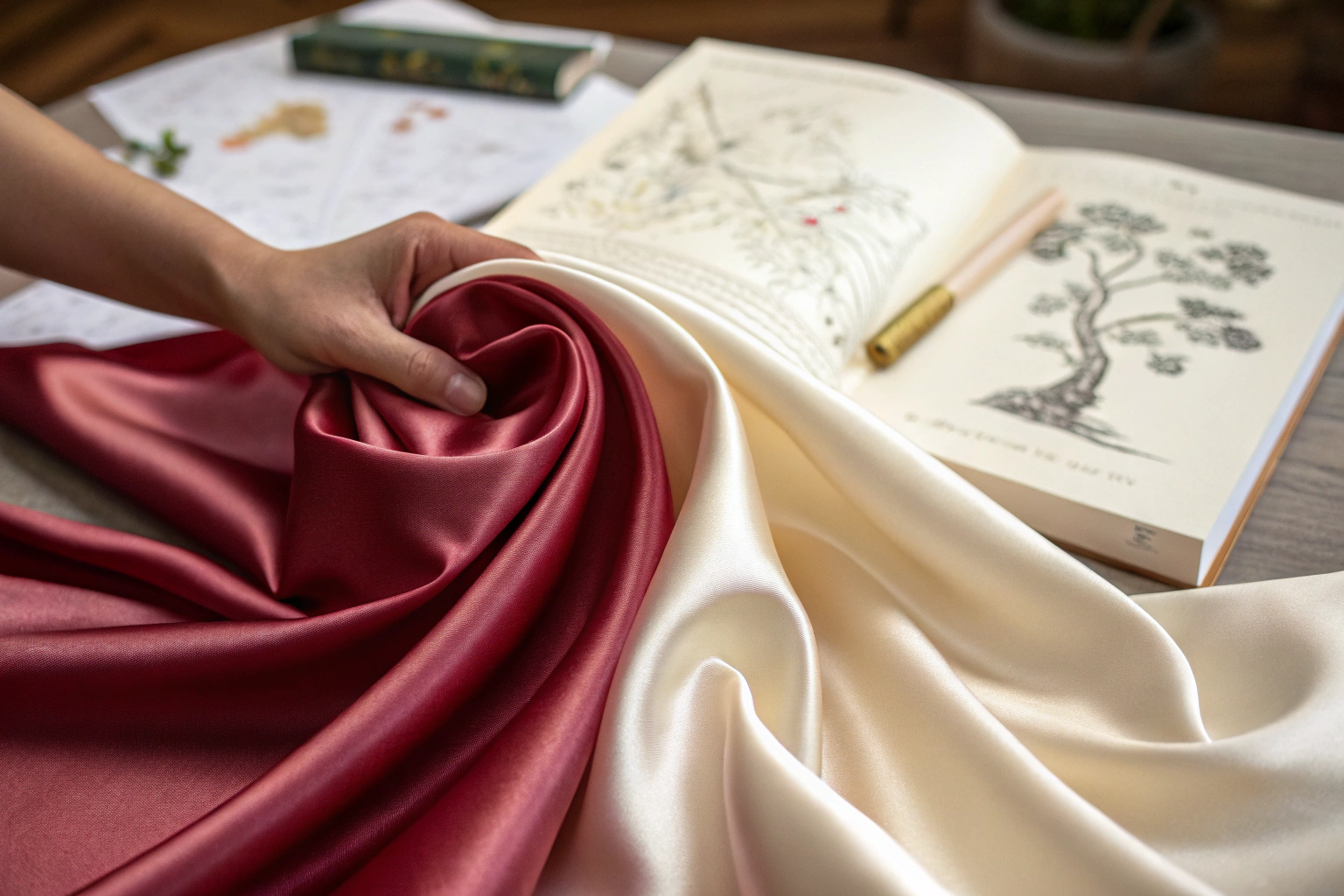
Natural fibers are wonderful, but their suitability depends on the product and shipping goals. While cotton and wool are popular, they can be heavy and absorb moisture, potentially increasing shipment weight. Lighter alternatives are often better for shipping efficiency. Silk is a classic example—incredibly strong for its weight, it makes for luxurious and feather-light scarves. Another fantastic option is modal, a semi-synthetic fiber made from beech tree pulp. It's exceptionally soft and drapes beautifully, making it a popular choice for shawls and scarves that feel premium but pack light. Bamboo fabric is another rising star, praised for its softness, breathability, and light weight. Exploring these alternatives on textile resource sites like The Fabric of Our Lives can open up new possibilities for creating shippable, desirable products.
Best Lightweight Product Categories
So, you're convinced that lightweight is the way to go. But which products offer the best return on investment when it comes to shipping efficiency? Based on our experience manufacturing for major brands and retailers, some categories consistently outperform others. These are the items that allow you to pack the most value into the smallest, lightest box.
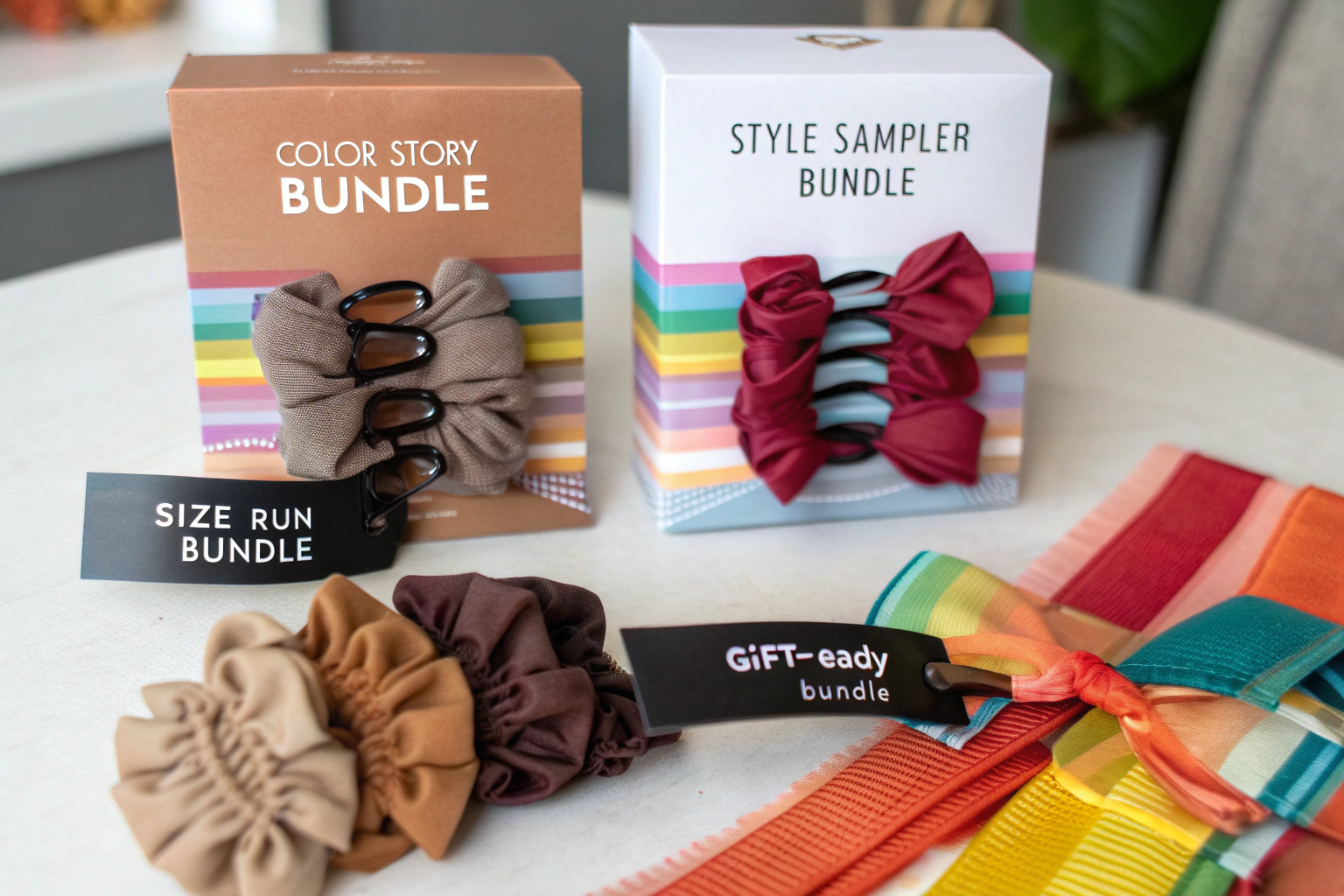
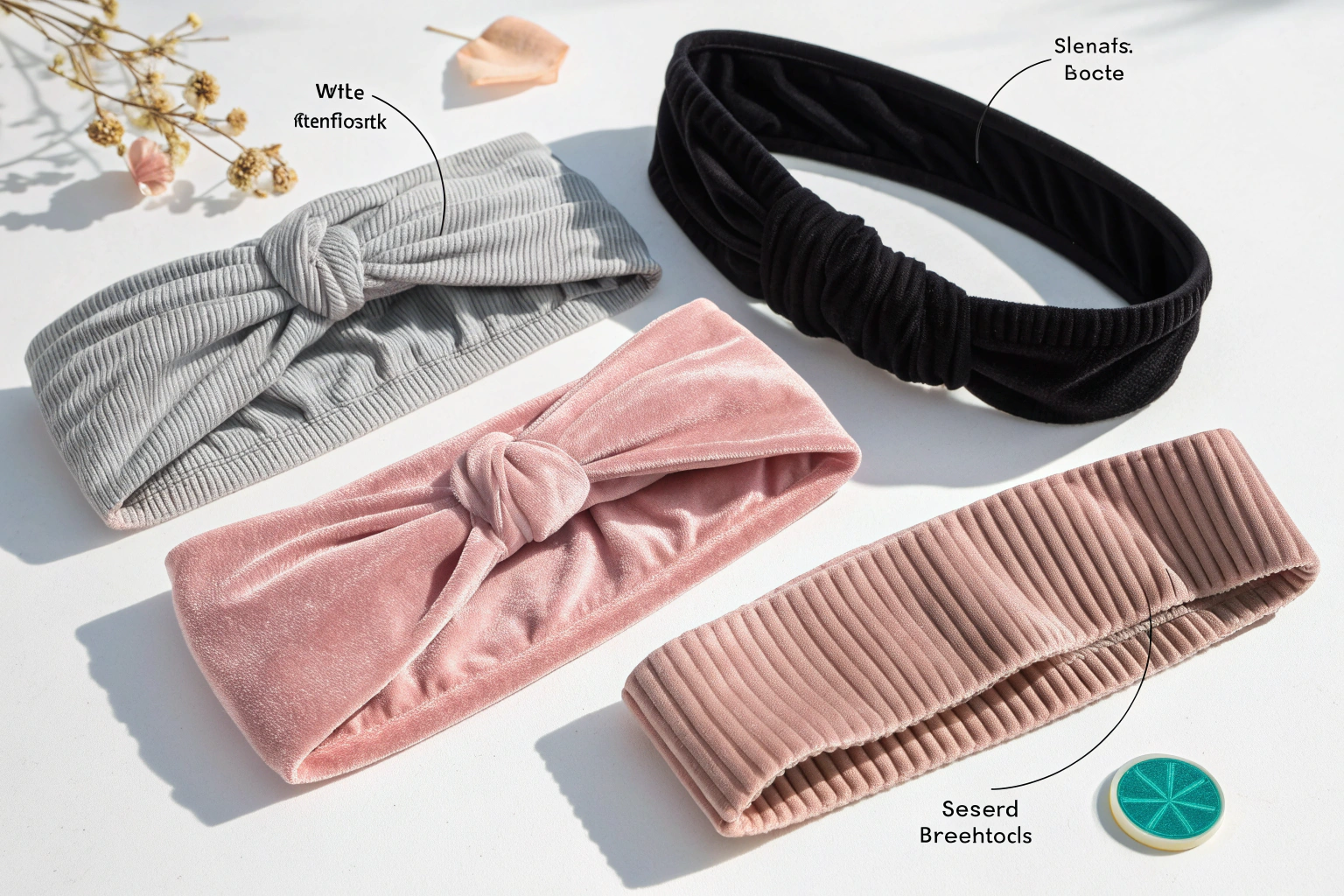
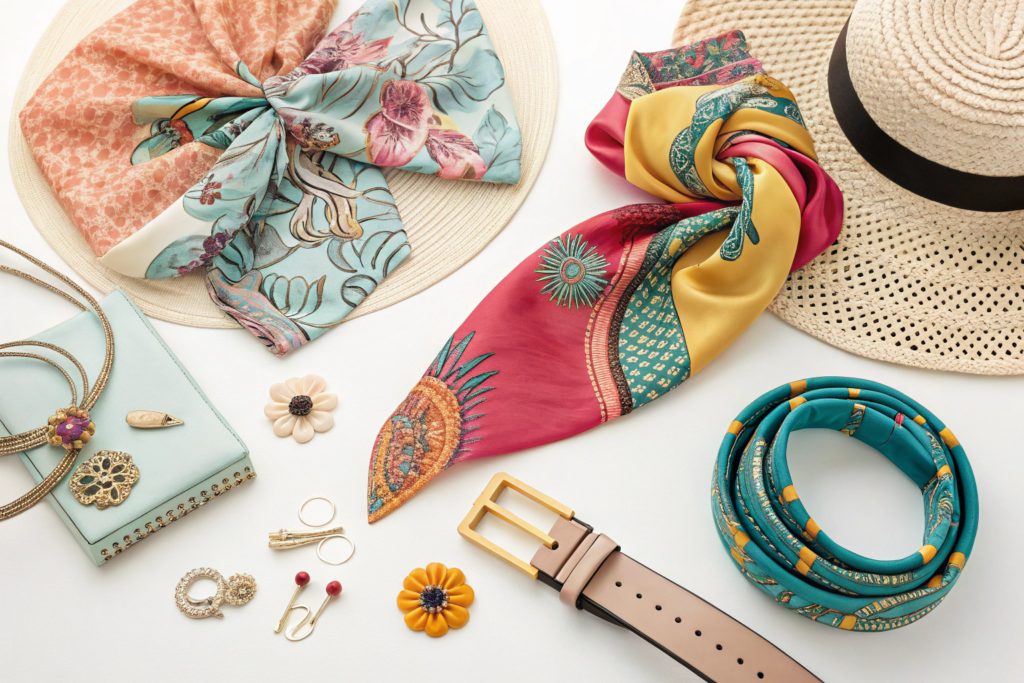
The undisputed champions of lightweight accessories are hair goods. Think about it: hair clips, barrettes, scrunchies, and headbands are small, light, and often stackable. You can fit thousands of units into a single master carton, bringing the per-item shipping cost down to mere cents. Another powerful category is textiles like scarves, bandanas, and pocket squares. High-quality silk, polyester, or modal scarves can be folded into tiny, almost weightless packages. Finally, don't overlook small accessories like keychains, bag charms, and non-metal belts.
The key is to build a catalog that is intentionally weighted toward these types of products. While you might still offer a few heavier "hero" items, the bulk of your inventory should be composed of these logistically efficient goods. This allows you to create highly profitable mixed orders. A client might order a small number of heavier bags, but we can fill the rest of the container or air shipment with thousands of high-margin, lightweight accessories. This blended strategy optimizes every shipment. It ensures that you're not just shipping products; you're shipping profit. This strategic product selection directly impacts your ability to offer Faster and Cheaper Shipping Options.
Why are hair accessories so profitable?
The profitability of hair accessories stems from a perfect storm of factors. First, the production cost is relatively low, especially when manufacturing at scale in a place like Zhejiang. Materials like acetate, resin, and fabric are cost-effective. Second, the perceived value is high. A well-designed, on-trend hair clip can retail for many times its production cost. This creates a massive potential for margin. Third, as we've discussed, they are incredibly cheap to ship. This combination of low cost, high retail value, and minimal logistics expense makes them a dream product for importers. Trend-spotting websites like WGSN often highlight emerging hair accessory trends, allowing brands to quickly develop and source new, high-margin products. For a reliable partner in this category, consider Shanghai Fumao Clothing.
What about hats and gloves?
Hats and gloves are fantastic lightweight categories, but they require smart material and design choices. For hats, crushable styles like bucket hats, baseball caps, and beanies are ideal because they can be packed tightly without being damaged. Straw hats, while light, can be bulky and increase dimensional weight, so designs that can be nested are preferable. For gloves, the material is everything. Fine-knit acrylic or wool-blend gloves are much lighter and less bulky than thick leather ones. They offer warmth and style while keeping shipping costs low. The key is to focus on designs that minimize empty space within the shipping carton. You can see a wide variety of shippable hat and glove styles at major online retailers like ASOS, which provides a good barometer for what is commercially successful and logistically viable.
Faster and Cheaper Shipping Options?
Focusing on lightweight accessories doesn't just save you money; it buys you time. When your products are light and compact, a whole new world of shipping options opens up, most notably international air freight. This is a critical advantage that can fundamentally change how you manage your business.
For many importers dealing with heavy goods, sea freight is the only financially viable option. But this often means waiting 30-45 days or more for your products to travel from a factory in China to a warehouse in the U.S. This long lead time ties up your capital and makes it difficult to react to trends. Lightweight accessories, however, often make air freight affordable. Suddenly, that 45-day transit time can shrink to just 5-10 days. This speed allows you to replenish stock quickly, test new products with minimal risk, and meet urgent deadlines for your retail partners.
This flexibility is a massive competitive advantage. Imagine a trend for a specific style of hair clip explodes on TikTok. If you're reliant on sea freight, the trend might be over before your shipment even arrives. But with access to affordable air freight, you can work with a responsive manufacturer like us to design, produce, and ship the product to your customers in a matter of weeks. You capture the demand at its peak. Furthermore, faster shipping reduces the need for massive inventory holdings, improving cash flow and lowering warehousing costs. It transforms your supply chain from a slow, cumbersome process into a nimble, strategic asset. This is a crucial point we discuss with all our clients, especially those concerned with the points mentioned in Why Do Shipping Costs Matter So Much?.

How does air freight compare to sea freight?
The primary difference is speed versus cost. Sea freight is the workhorse of global trade, moving massive volumes at a low cost per kilogram, but it's slow. A typical journey from China to the US West Coast can take 3-4 weeks on the water, plus time for port handling and customs. Air freight is dramatically faster, with transit times of just a few days. However, its cost per kilogram is significantly higher. The "sweet spot" for air freight is high-value, low-weight goods—exactly the description of premium fashion accessories. For a detailed cost and time comparison, logistics platforms like Flexport offer excellent, up-to-date analysis that can help you decide which mode is right for a specific shipment.
Can you avoid US tariffs with smart shipping?
Tariffs, particularly those imposed under Section 301 on goods from China, are a significant cost for U.S. importers. While you cannot simply "avoid" tariffs that are legally due, a lightweight strategy can mitigate their impact. Tariffs are typically calculated as a percentage of the product's value. By reducing the shipping cost component of your total landed cost, the relative impact of the tariff becomes smaller. More importantly, some shipping methods can help. For example, there is a customs rule in the U.S. known as the "de minimis" exemption. This rule, detailed by U.S. Customs and Border Protection (CBP), allows shipments valued under a certain threshold (currently $800) to enter the country free of duties and taxes. By shipping smaller, more frequent air freight orders directly to consumers or fulfillment centers, it's sometimes possible to structure shipments to fall under this threshold, offering a significant competitive advantage.
Conclusion
In the competitive world of fashion and accessories, success is often found in the margins. As we've seen, one of the most effective ways to protect and expand those margins is by mastering your logistics. By strategically focusing on lightweight fashion accessories—from hair clips and scarves to innovative hats and belts—you can dramatically reduce your shipping costs, shorten your delivery times, and make your entire supply chain more resilient and responsive. This isn't just about saving a few dollars on a freight invoice; it's about building a more agile, profitable, and sustainable business model that can quickly adapt to market trends and customer demands.
If you're ready to transform your supply chain and boost your profitability by leveraging the power of lightweight accessories, our team is here to help. At Shanghai Fumao Clothing, we combine modern manufacturing, an experienced design team, and deep logistical expertise to provide a seamless, reliable service.
Let's build a more efficient and profitable future for your brand together. Contact our Business Director, Elaine, at elaine@fumaoclothing.com to start the conversation about your next winning collection.