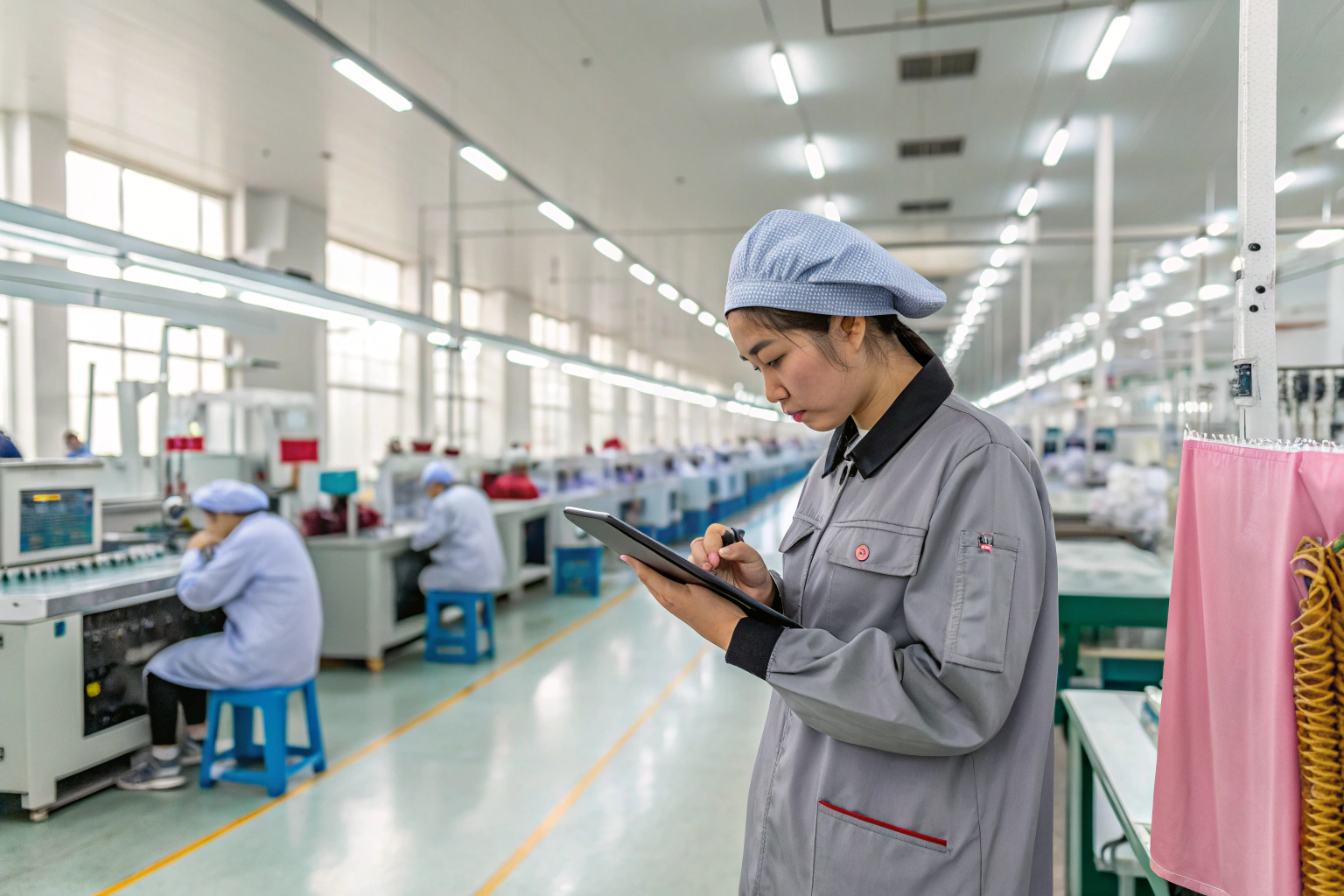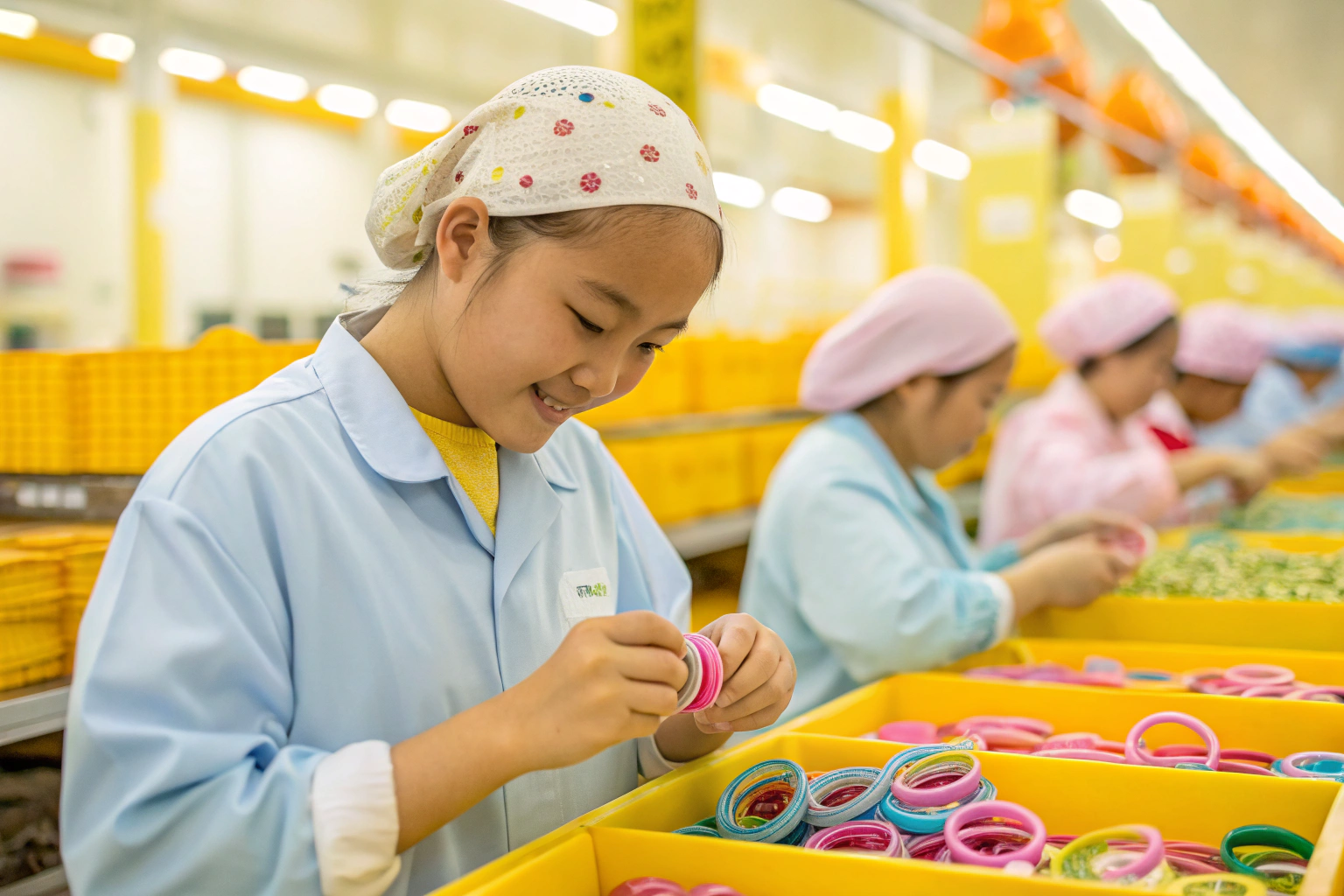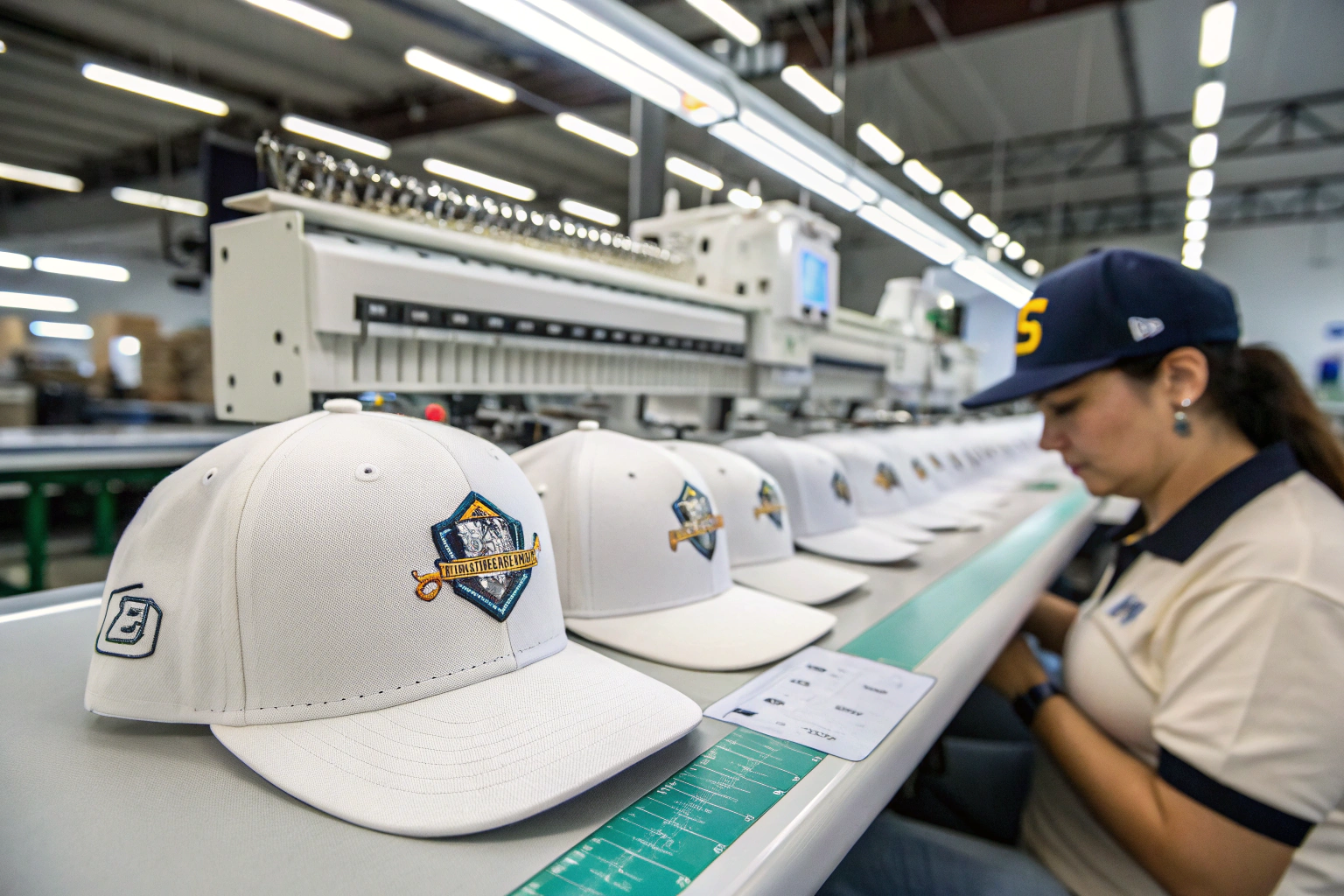
I have been in the fashion accessory manufacturing business for over twenty years, and I have watched the sourcing landscape transform dramatically. When I started, finding a factory meant traveling to trade shows, working through agents, or relying on word of mouth. It was slow, inefficient, and often left buyers wondering if they had found the right partner. Today, AI sourcing tools are changing that. For a buyer like Ron, who needs to find reliable manufacturers for hair clips, hats, belts, and more, these tools can save weeks of time and prevent costly mistakes.
AI sourcing tools help find accessory manufacturers by analyzing vast databases of supplier information, matching your specific requirements to factory capabilities, and providing data-driven insights on reliability, quality, and pricing. These tools use machine learning to evaluate factors like production capacity, certification status, customer reviews, and shipping history. They can suggest manufacturers you might never find through traditional search, and they help you compare options objectively.
At Shanghai Fumao Clothing, we are often discovered through AI sourcing platforms. We have seen how these tools help serious buyers find us, and we have also seen how they help buyers filter out factories that do not meet their standards. I want to share what I have learned about using AI sourcing tools effectively, so you can leverage this technology to find the right manufacturing partners for your accessory business.
What Are AI Sourcing Tools and How Do They Work?
Before you can use AI sourcing tools effectively, you need to understand what they are and how they operate under the surface. They are not just search engines with better filters. They use machine learning to analyze patterns, predict outcomes, and surface suppliers that match your specific needs.
AI sourcing tools typically start with a massive database of supplier information. This data comes from multiple sources: public business registrations, trade data showing what factories export and to whom, certification records, and user reviews. The AI then analyzes this data to create detailed profiles of each manufacturer. It looks at factors like what types of products they produce, their typical order volumes, their quality certification history, and their shipping reliability. When you input your requirements, the AI does not just match keywords. It uses predictive algorithms to identify factories that are most likely to meet your needs based on patterns in the data.
For example, if you need a manufacturer for hair clips with specific quality certifications and experience exporting to Europe, the AI will prioritize factories that have successfully shipped similar products to European buyers. It learns from the outcomes of millions of sourcing decisions to make better recommendations over time. Some platforms also use natural language processing to understand complex requirements and translate them into searchable criteria.

How does machine learning improve manufacturer matching?
Machine learning is the engine that makes AI sourcing tools powerful. Traditional search relies on keyword matching. If you search for "hair clip manufacturer," you get every factory that has used those words in their profile. Many of them may not actually specialize in hair clips. Machine learning changes this by analyzing the underlying data. The AI looks at the factory's actual production history. Has this factory shipped hair clips? What volume? To which countries? What certifications do they hold? It also looks at buyer behavior. When buyers like you have searched for hair clip manufacturers, which factories did they ultimately choose? Which ones had repeat orders? Which ones had quality complaints? The AI learns from this collective experience. Over time, the algorithm becomes better at predicting which factories will deliver quality products on time for specific types of buyers. This is why AI sourcing tools often feel smarter than traditional search; they are learning from millions of data points that no human could process manually. For a technical deep dive into machine learning applications in supply chain, resources like MIT Technology Review frequently cover these emerging technologies.
What data sources do AI sourcing platforms use?
AI sourcing platforms pull from a wide range of data sources to build comprehensive supplier profiles. The foundation is often trade data. Customs records show what factories are exporting, what products they are shipping, and to which countries. This is powerful because it reveals actual production activity, not just marketing claims. A factory that appears in trade data as shipping hair clips to the US is likely a real manufacturer with experience in your market. Another key source is business registration data. This provides information on the factory's legal status, registration date, and ownership structure. It helps verify that the factory is a legitimate entity. Certification databases are another critical source. Platforms integrate with certification bodies to verify that a factory holds valid ISO 9001, BSCI, or other relevant certifications. User reviews and ratings from other buyers provide qualitative insights that quantitative data cannot capture. Finally, some platforms use web scraping to gather information from factory websites, social media, and industry publications. At Shanghai Fumao Clothing, we maintain our profiles on these platforms to ensure buyers have accurate information about our certifications, capabilities, and production history.
What Features Should I Look For in an AI Sourcing Tool?
Not all AI sourcing tools are created equal. Some are essentially traditional directories with a few basic filters. Others offer deep AI-driven insights that can significantly improve your sourcing outcomes. Knowing what features to look for helps you choose the right platform for your needs.
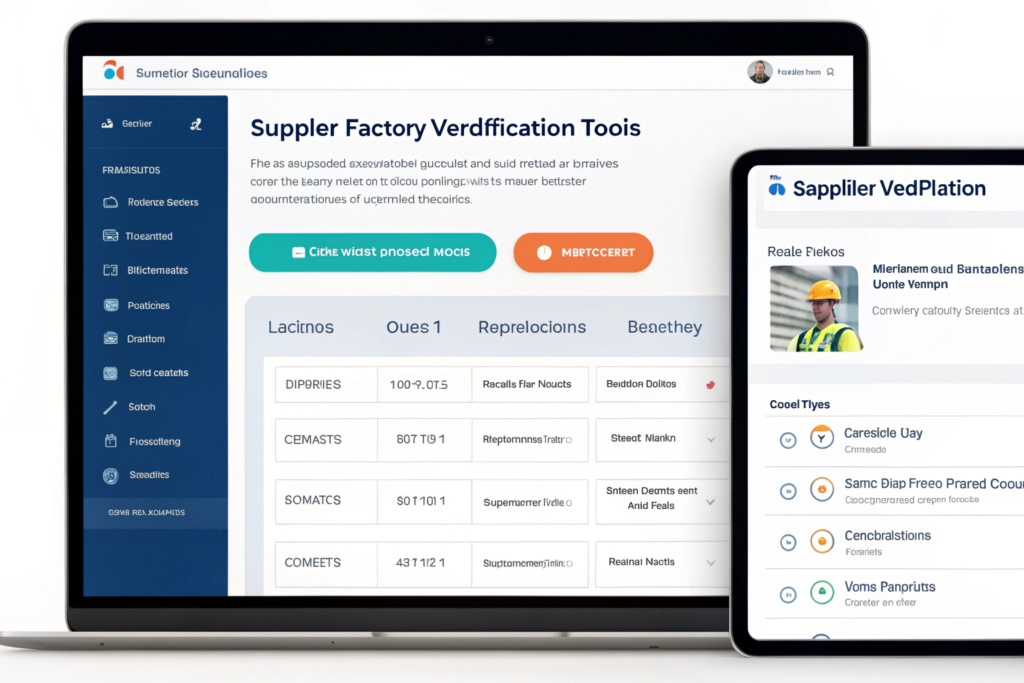
The most important feature is supplier verification. Look for tools that verify factory information through trade data, business registration, and third-party audits. A platform that simply lists self-reported information is not adding much value. The second feature is capability matching. The tool should allow you to filter by specific product categories, materials, production methods, and order volumes. For accessories, you might want to filter by materials like leather, metal, or fabric, or by specific products like hats, belts, or hair accessories. The third feature is quality and compliance data. The platform should surface certifications, audit reports, and quality metrics. Some tools integrate directly with certification bodies to provide real-time verification of a factory's compliance status.
Another valuable feature is predictive analytics. The best AI tools will not just show you factories; they will recommend which factories are most likely to succeed for your specific project based on historical data. They might highlight factories with strong performance in your product category, your target market, and your volume range. Finally, look for platforms that offer communication and collaboration tools. The ability to send inquiries, request quotes, and manage samples within the platform streamlines the process.
How important is trade data integration for vetting factories?
Trade data integration is one of the most powerful features an AI sourcing tool can offer. It moves beyond what a factory says about itself to what it actually does. When you can see that a factory has shipped thousands of units of hair clips to European buyers in the past year, you have concrete evidence of their experience. You can also see the consistency of their exports. Do they ship regularly, or do they have long gaps? This might indicate seasonality, capacity issues, or other challenges. Trade data also reveals the factory's customer base. If they have worked with major brands or retailers you recognize, that is a strong signal of reliability. Conversely, if they have no trade history or only show small, sporadic shipments, you may want to dig deeper. Trade data also helps verify that the factory is the actual manufacturer, not a trading company. If the exporter name matches the factory name, it is likely a direct manufacturer. If the exporter is a different company, you are dealing with a trading company, which adds a layer of complexity. For more information on using trade data for supplier vetting, the International Trade Centre provides resources on trade data analysis.
What role do certifications and audit reports play in AI matching?
Certifications and audit reports are critical inputs for AI matching algorithms. They provide objective, third-party validation of a factory's capabilities and ethical standards. When you input your requirements, such as "BSCI certified factory" or "ISO 9001 certified," the AI can filter out factories that do not meet those standards. But the value goes deeper. The AI can analyze patterns in audit reports to predict reliability. A factory with consistent high scores across multiple audits is likely more reliable than one with a single passing score. The AI can also identify factories that have improved over time versus those that have declined. Some platforms integrate directly with audit databases, allowing them to verify that a factory's certification is current. This is important because certifications expire. A factory that claims ISO 9001 certification but whose certificate expired six months ago should not appear in your search results. At Shanghai Fumao Clothing, we keep our certifications current and ensure they are properly reflected in AI sourcing platforms so buyers can find us with confidence.
How Can AI Tools Help Me Evaluate Factory Reliability?
Finding a manufacturer is one thing. Finding one that will deliver quality products on time, consistently, is another. AI sourcing tools excel at evaluating reliability because they can analyze historical performance data across thousands of factories. This gives you insights that would take years of trial and error to accumulate on your own.
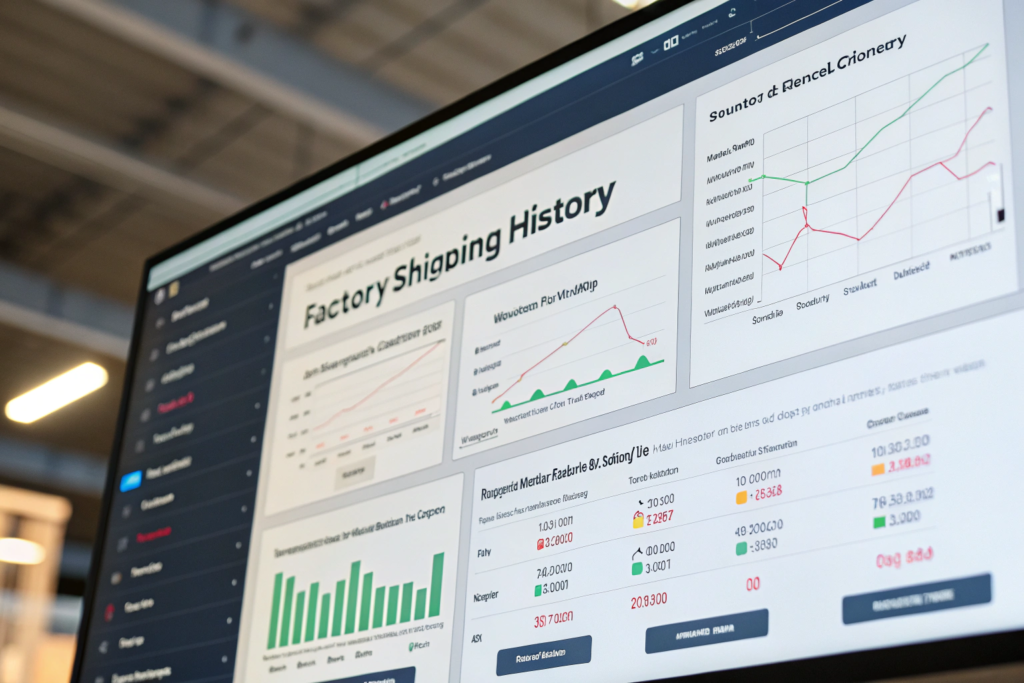
The most direct way AI tools evaluate reliability is through shipment data. They can show you a factory's shipping history over time. Are shipments consistently on schedule? Are there gaps that might indicate production problems? Some platforms also track on-time delivery rates based on buyer-reported data. Another factor is order consistency. A factory that ships small, irregular orders may have different capabilities than one that ships large, regular volumes. The AI can match your order patterns to factories with similar histories. Quality data is another key input. Some platforms aggregate buyer ratings and review data. A factory with consistently high ratings for quality and communication is more reliable than one with mixed reviews.
AI tools can also analyze red flags. They might flag factories with frequent changes in ownership, legal disputes, or lapses in certification. These are signals that may indicate underlying problems.
What red flags can AI identify in factory profiles?
AI sourcing tools are particularly good at identifying subtle red flags that a human might miss when scanning a factory profile. One common red flag is inconsistency in the data. If a factory claims to specialize in high-end leather belts but trade data shows they primarily ship low-cost plastic items, there is a mismatch. Another red flag is a sudden drop in shipments. A factory that was shipping consistently but has had no exports for six months may be experiencing operational problems. A pattern of customer complaints, even if not explicitly stated, can be detected through sentiment analysis of reviews and ratings. The AI can identify factories where buyers consistently mention quality issues, delays, or poor communication. Frequent changes in business registration information, such as ownership or registered address, can indicate instability. Lapses in certification are another clear red flag. A factory whose ISO 9001 certification expired and has not been renewed may no longer maintain quality management systems. At Shanghai Fumao Clothing, we maintain consistent operations, stable ownership, and current certifications precisely because we know these factors matter to AI-driven sourcing platforms and the buyers who use them.
How do predictive analytics estimate supplier performance?
Predictive analytics is where AI sourcing tools move beyond historical data to forward-looking insights. The AI analyzes patterns in the data to estimate how a factory is likely to perform for your specific project. For example, the AI might look at factories that have similar characteristics to yours—similar product type, similar order volume, similar target market—and see which factories have historically succeeded for those buyers. It then applies those patterns to your search. The AI can estimate on-time delivery probability based on the factory's past performance with similar order sizes and lead times. It can estimate quality risk based on the factory's defect rate history and whether they have invested in quality management systems. Some platforms even provide a "match score" that quantifies how well a factory aligns with your requirements. This score is generated by the AI based on multiple factors, including capability fit, reliability history, and buyer feedback. While these predictions are not guarantees, they provide a data-driven starting point for your evaluation. For more on predictive analytics in supply chain, publications like Supply Chain Digital regularly feature articles on these emerging technologies.
What Are the Limitations of AI Sourcing Tools?
AI sourcing tools are powerful, but they are not magic. They have limitations, and understanding them helps you use the tools effectively. The best approach is to use AI as a starting point, not the final answer. You still need to do your own due diligence.
The first limitation is data quality. AI tools are only as good as the data they have. If a factory is not in the database, or if the data is outdated or incomplete, the tool cannot provide accurate insights. This is especially true for smaller factories that may not appear in trade data or certification databases. The second limitation is the inability to assess soft factors. AI can tell you a factory has good certifications, but it cannot tell you if the owner is honest and communicative. It cannot tell you if the workers are skilled and motivated. These factors matter enormously but are difficult to quantify.
The third limitation is the risk of over-reliance. Some buyers treat AI recommendations as definitive, skipping the step of actually communicating with the factory, ordering samples, or visiting the facility. This is a mistake. AI can identify potential matches, but only you can determine if the partnership is a good fit.

What factors can AI not evaluate?
Despite their sophistication, AI tools cannot evaluate several critical factors that determine success in a manufacturing partnership. The first is communication quality. Does the factory respond to emails promptly? Do they understand your requirements? Do they ask clarifying questions? These are subjective but essential. The second is flexibility. When you need a small change to a design, does the factory accommodate it willingly or push back? When there is a problem, do they work with you to solve it or make excuses? AI cannot assess these behaviors. The third is cultural fit. Different factories have different working styles. Some are very formal and process-driven. Others are more informal and relationship-focused. Finding a factory whose style matches yours is important for long-term success. The fourth is the willingness to invest in the relationship. A factory that sees you as a one-time order will behave differently than one that sees you as a long-term partner. AI cannot read intentions. Finally, AI cannot assess the physical factory environment. A clean, organized facility with modern equipment is a good sign. A chaotic, cluttered facility is a red flag. Only a visit or a video tour can reveal this. At Shanghai Fumao Clothing, we welcome video tours and in-person visits because we know these personal connections matter as much as the data.
How do I combine AI tools with traditional due diligence?
The most effective sourcing strategy combines AI tools with traditional due diligence. Start with AI to identify a shortlist of potential factories. Use the AI tool to filter by product type, certifications, trade history, and other objective criteria. This narrows your list from hundreds to a manageable handful. Then, move to traditional due diligence. Request a video tour of the factory. Look for cleanliness, organization, and the presence of quality control systems. Ask for references from other buyers, preferably those in your market or product category. Call those references and ask about their experience. Order samples. This is non-negotiable. Test the samples for quality, fit, and durability. If possible, make a visit. There is no substitute for walking the factory floor and meeting the team in person. Finally, negotiate terms and start with a small test order before committing to large volumes. By combining the efficiency of AI with the depth of traditional due diligence, you get the best of both worlds. You save time on the initial search while still doing the work to ensure the partnership is right.
Conclusion
AI sourcing tools have transformed how buyers find accessory manufacturers. They leverage machine learning, trade data, certification records, and buyer feedback to match your requirements with factories that are likely to succeed. They can identify red flags, predict performance, and save you weeks of manual searching. But they are not a replacement for due diligence. The best approach combines AI-powered discovery with traditional verification: video tours, reference checks, samples, and ideally, in-person visits.
At Shanghai Fumao Clothing, we are active on major AI sourcing platforms because we know serious buyers use them. Our profiles are complete, our certifications are current, and our trade data reflects our consistent export history. When AI tools match buyers with us, they are seeing a factory with over twenty years of experience, a modern facility in Zhejiang, and a track record of delivering quality accessories to clients in North America and Europe. But we also know that the data only tells part of the story. We welcome the opportunity to show you our factory, send you samples, and prove our capabilities firsthand.
If you are ready to find a reliable manufacturing partner for your accessory collection, let AI tools help you discover us. Then let us show you why so many buyers choose to stay. Please contact our Business Director, Elaine, directly at elaine@fumaoclothing.com to start the conversation.