
How to Source Accessories with Reflective Materials for Safety?
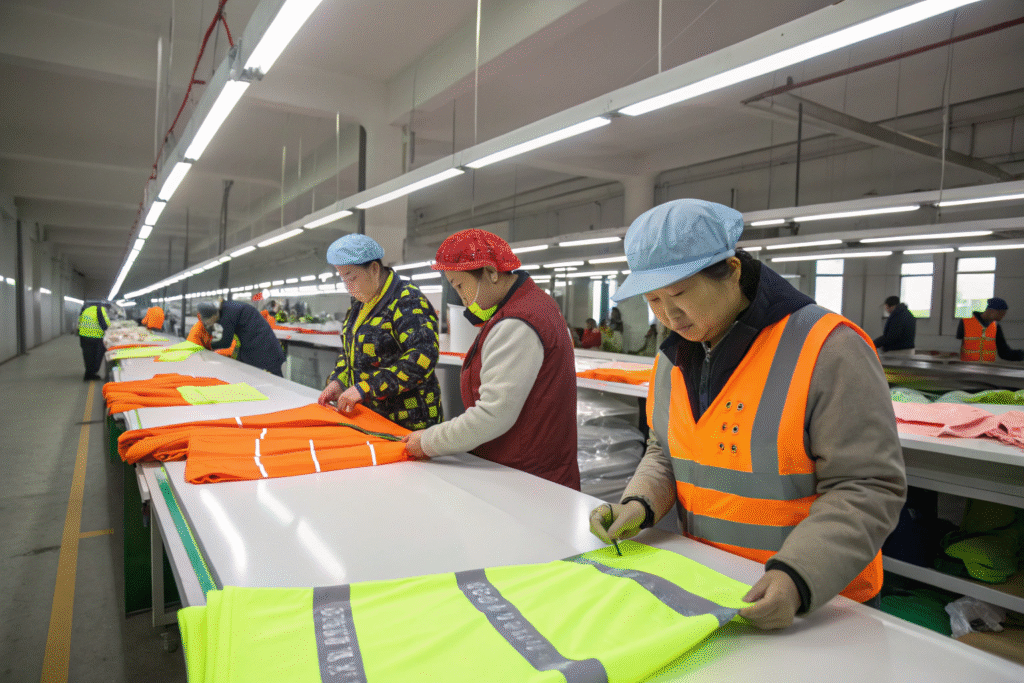
When international buyers search for reliable suppliers of reflective accessories, they often face several challenges. Prices may vary widely, quality is difficult to confirm, and delivery schedules may cause delays. Accessories that incorporate reflective materials, such as belts, hats, scarves, or bags, require additional attention because they must satisfy both design expectations and safety standards. […]
What Are the Key Considerations for Sourcing Accessories for the Petite Market?

When sourcing accessories for the petite market, buyers often encounter challenges related to proportion, scale, and production standards. Many products are designed with average body sizes in mind, which can result in oversized or ill-fitting items for petite consumers. This leads to dissatisfaction, increased returns, and unnecessary costs. The essential considerations for sourcing petite accessories […]
How to Handle Accessory Inspections at the Destination Port?

When international buyers import fashion accessories, they often face challenges during inspections at the destination port. These inspections are designed to ensure product quality, safety, and compliance with local regulations. However, if exporters and importers are not well prepared, delays, unexpected costs, or even rejected shipments can follow. As a result, many buyers feel anxious […]
What Are the Options for Shipping Accessories with Lithium Batteries?
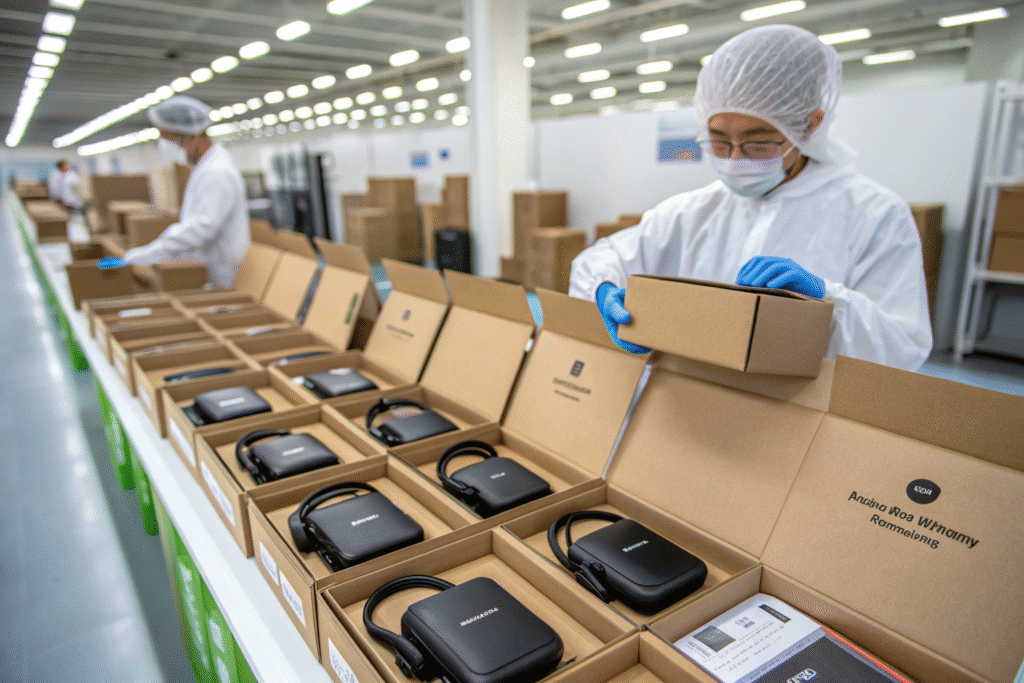
When we export accessories that contain lithium batteries, we often face complex logistics challenges. Buyers want speed, safety, and low costs, but carriers enforce strict rules because lithium batteries can be dangerous if handled incorrectly. This tension creates real pain points for importers and exporters alike. Fortunately, there are reliable solutions. Depending on the shipment […]
How Does AceAccessory Handle Compliance with EU Ecolabel for Accessories?

Global buyers often raise concerns about sustainability, especially in the European Union. They want to know if the accessories they purchase from China can meet strict environmental standards. The EU Ecolabel is one of the most respected certifications, but the requirements are challenging. Without compliance, many brands risk delays, customs issues, or loss of credibility. […]
What Are the Best Ways to Ship Accessories to Multiple Countries in One Order?

When I first started shipping accessories overseas, I quickly realized that many buyers faced challenges when sending goods to different countries in one order. Because each destination had its own rules, costs, and transit times, the process was often confusing and inefficient. This created frustration for international retailers and brands who wanted to expand globally. […]
How to Source Accessories with Quick-Release Features for Safety?

When sourcing accessories for your brand, both safety and practicality must work together. Many retailers and buyers focus first on appearance, but functional elements such as quick-release features often decide whether a product is reliable or risky. If you run a business that values quality and customer trust, you need to understand how to source […]
What Are the Benefits of Sourcing Accessories from a Factory with SMETA Audit?

In the global apparel and accessories supply chain, one of the most pressing concerns for buyers is ensuring that their sourcing partners uphold ethical and sustainable standards. Price competition and rapid production schedules often overshadow crucial factors like workplace safety, fair labor, and environmental responsibility. When brands neglect these aspects, they risk supply chain disruptions […]
How to Source Accessories with Moisture-Wicking Properties?
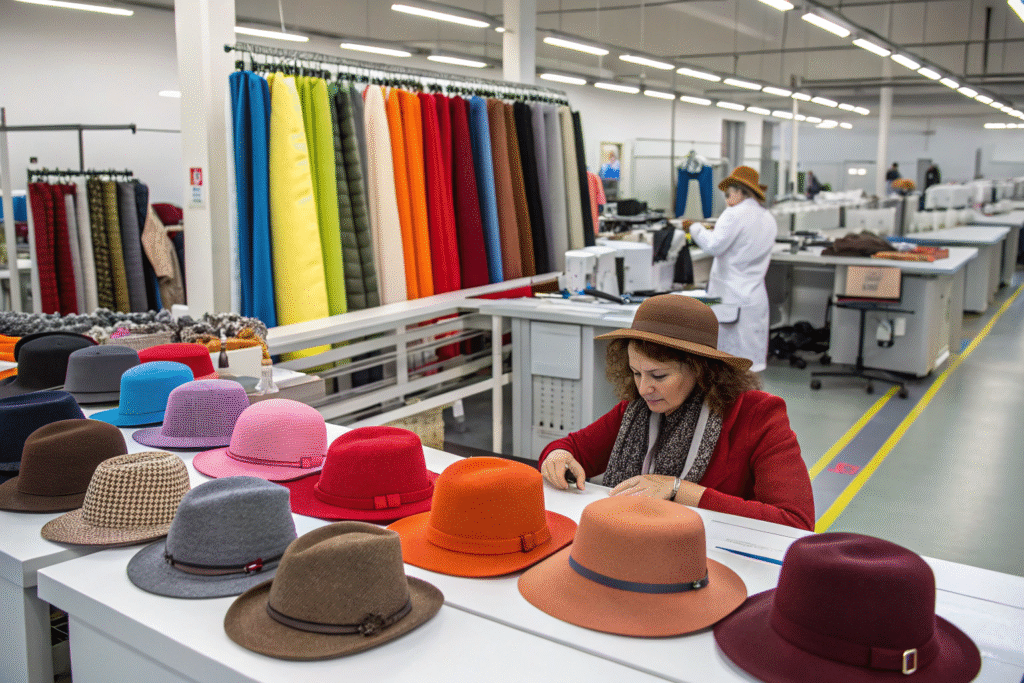
Moisture-wicking technology is not simply a marketing concept; it is a subject with deep foundations in textile science and material engineering. As someone with extensive academic and professional expertise in this field, I have seen how poorly chosen fabrics or suppliers can lead to product failures and dissatisfied customers. The absence of rigorous standards in […]
What Are the Key Factors in Sourcing Accessories for the Corporate Gifts Market?
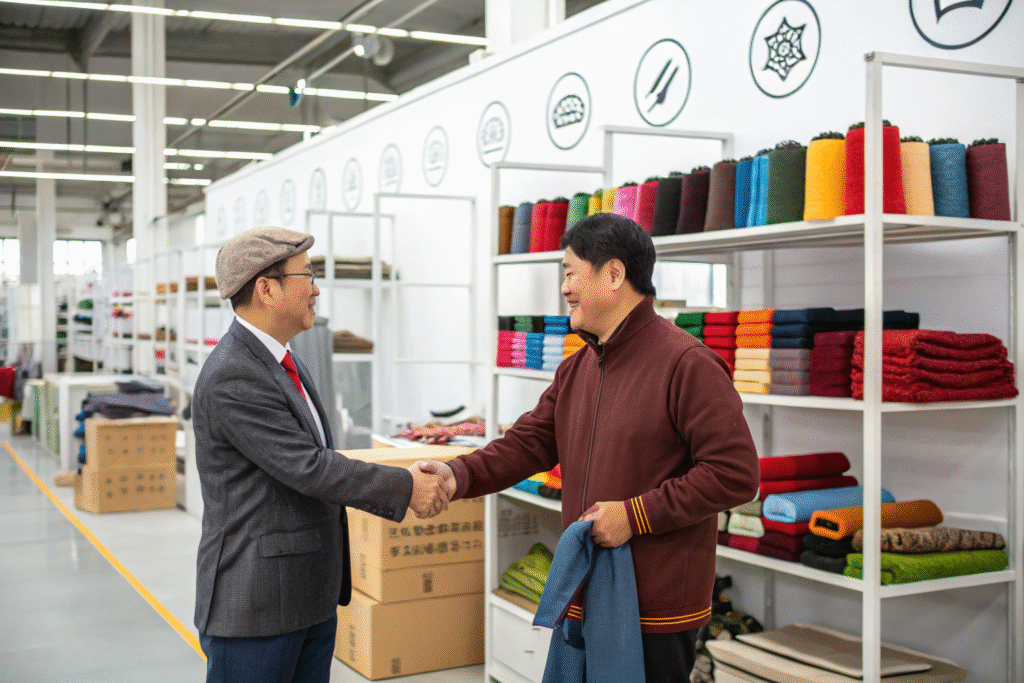
In academic research and professional practice, the corporate gifts sector has long been recognized as a strategic tool for enhancing brand reputation and client loyalty. However, the sourcing of accessories for this market is complex, influenced by multiple interdependent factors such as quality control, production efficiency, logistics frameworks, and communication models. Buyers who neglect these […]
