
Why is the Headband Market Growing in 2026?
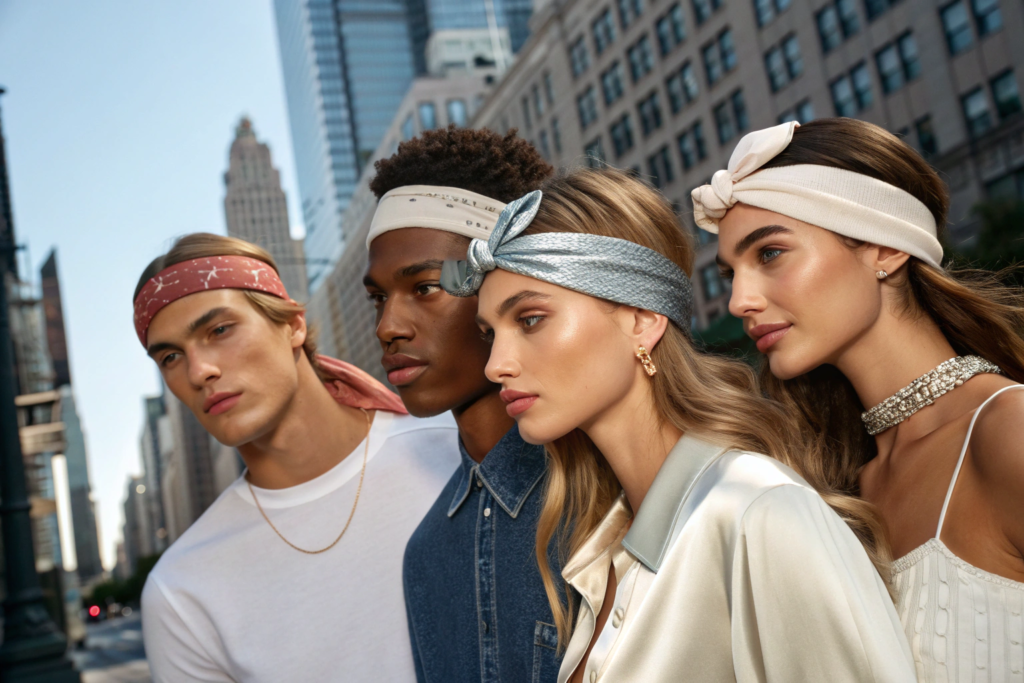
You’re planning your inventory for the upcoming seasons, and you keep noticing something: headbands are everywhere. On runways, on social media, on the street. A part of you might be wondering, "Is this just a fleeting micro-trend?" You’re worried about investing in a product category that might crash as quickly as it rose, leaving you […]
How to Optimize Your Website for Selling Fashion Accessories?
You’ve invested in beautiful products. Your new collection of scarves, hats, and belts has arrived from your supplier, and the quality is superb. You’ve taken stunning photos and uploaded them to your website. But then… crickets. Sales are slow, and website traffic is low. You’re worried that your online store, the digital front door to […]
What Are the Benefits of Sourcing Accessories in Bundles?
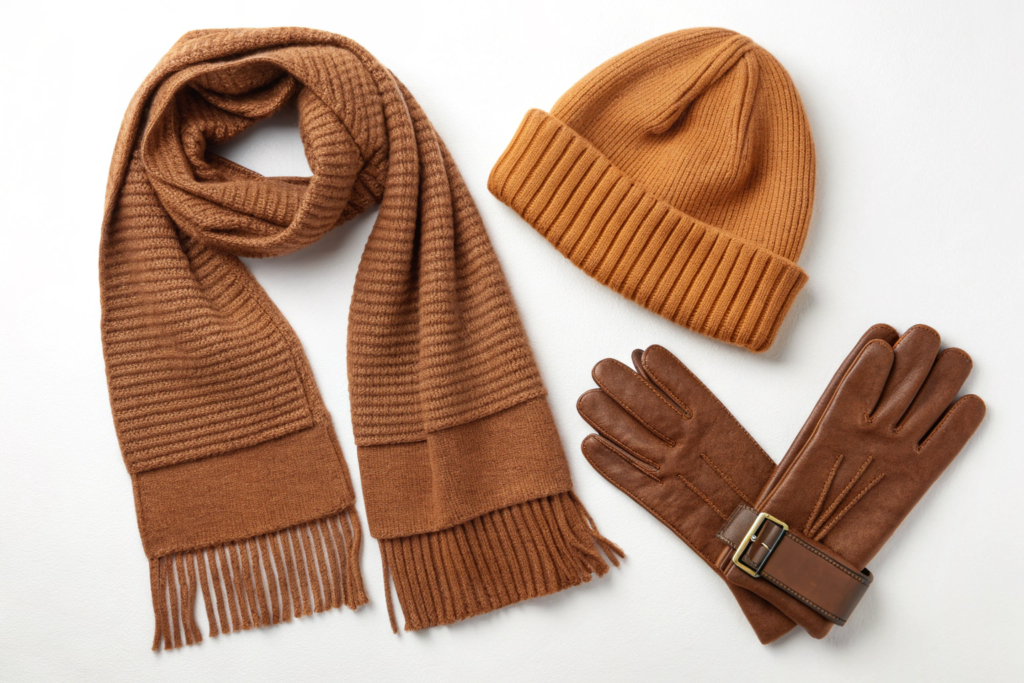
As a boutique owner or brand manager, you’re constantly juggling suppliers. You’re sourcing hats from one factory, scarves from another, and gloves from a third. Each one has a different contact person, different shipping schedule, and different payment terms. You’re worried that this fragmented approach is secretly costing you time and money. What if a […]
How to Prepare for the Chinese New Year for a Fashion Accessories Business?

You’re in the middle of a busy season, planning your inventory for the upcoming spring collection. Everything seems to be on track. But then you hear a term that sends a wave of panic through new importers: "Chinese New Year." You’re worried about your production coming to a screeching halt. Will your orders be delayed […]
Where to Find Wholesalers for Boutique Accessory Inventory?

You have a beautiful boutique, a passion for fashion, and a keen eye for style. But you’re facing a constant, nagging problem: finding a steady stream of unique, high-quality accessory inventory that sets your store apart. You spend hours scrolling through generic wholesale websites, feeling uninspired. You worry about ordering from an unknown supplier and […]
How to Ensure Your Fashion Accessory Supplier Respects Intellectual Property?

You’ve poured your heart and soul into creating a unique design for your new accessory line. It’s original, it’s brilliant, and it’s yours. But as you prepare to send those designs to a manufacturer overseas, a wave of anxiety hits you. What if they steal your design? What if you see a cheap knockoff of […]
What Are the Trending Graphic Prints for Cloth Hats?
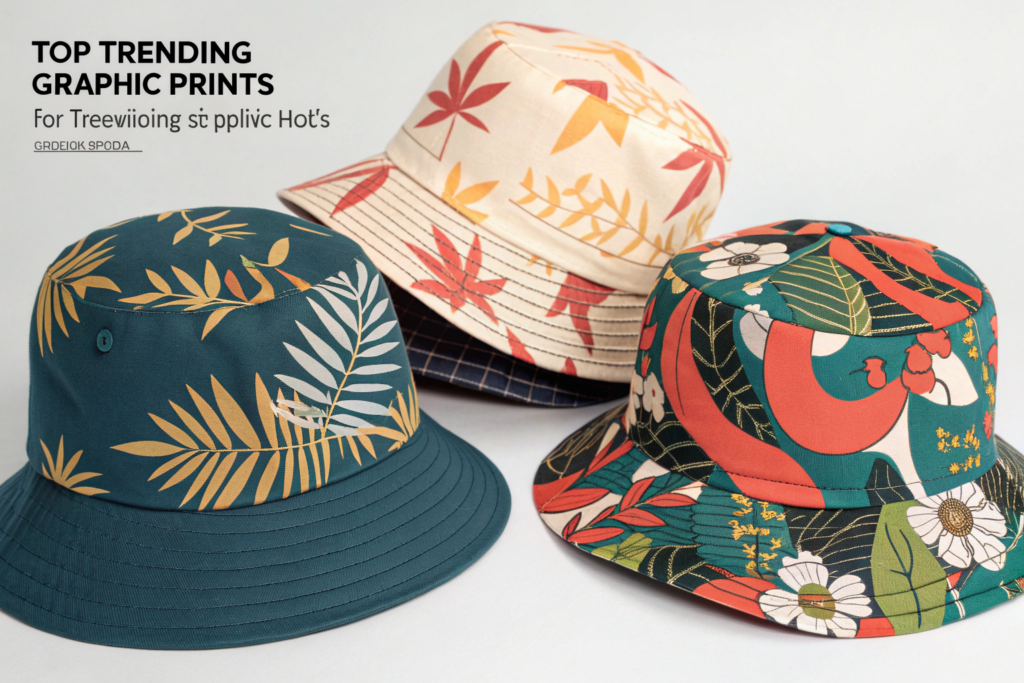
As a brand owner, you’re constantly trying to stay ahead of the curve. You see plain cloth hats selling, but you know that a unique, on-trend graphic print could make your product fly off the shelves. The problem is, trends move at lightning speed. You’re worried about investing in a print that’s already fading from […]
How to Select the Best Clasp for a Quality Belt?
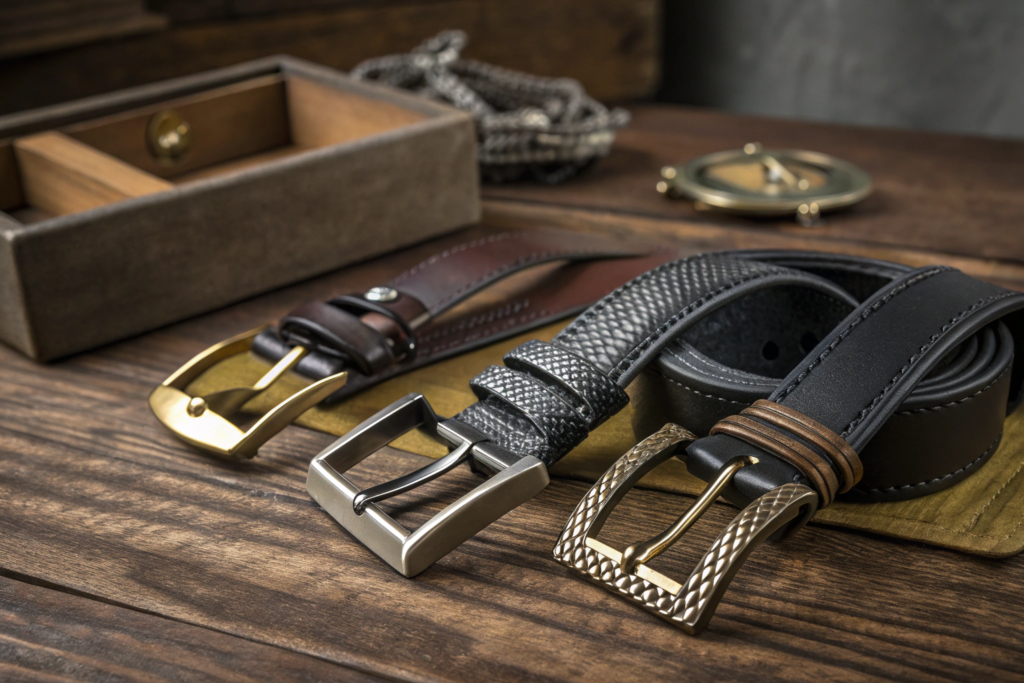
As a business owner, you know that every single component of your product reflects on your brand. You’ve sourced high-quality leather for your belts, but now you’re stuck on the clasp. You worry that choosing the wrong one could undermine the entire product. A cheap, flimsy buckle can break, tarnish, or just feel disappointing to […]
Which Wholesale Hair Ties Are Best for Curly Hair Markets?

Sourcing hair ties for a retail business can feel like navigating a maze, especially when your target audience has curly hair. You’re constantly worried about finding a product that’s gentle enough to prevent breakage but strong enough to hold voluminous curls. The wrong choice can lead to unhappy customers and damaged reputations. What if you […]
Where Do You Find Affordable Bulk Hair Clips?
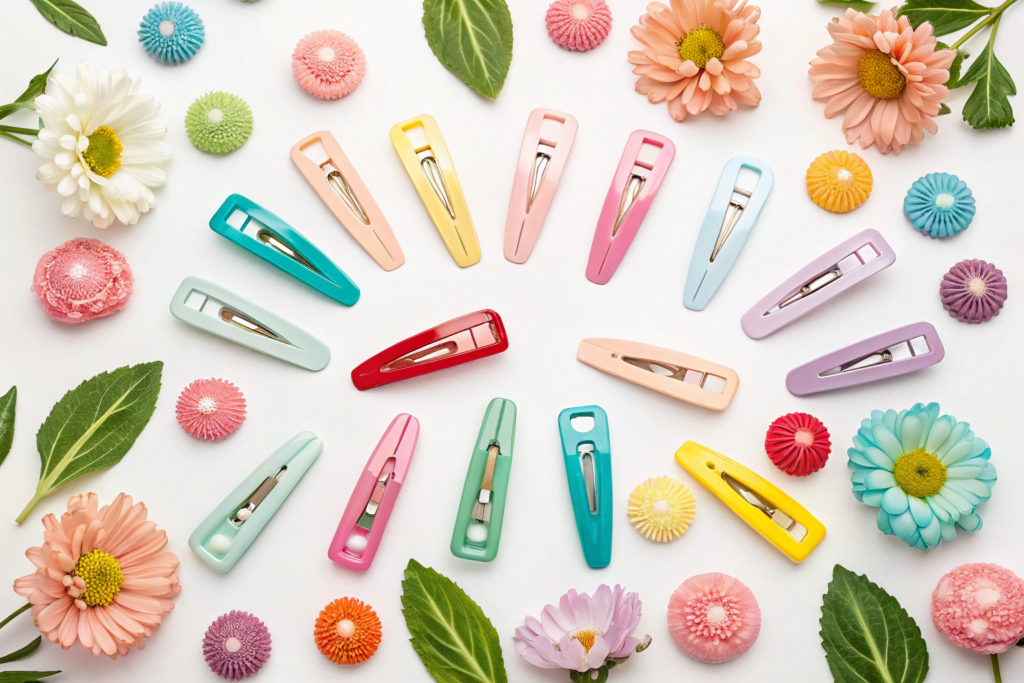
As a professional buyer like Ron, you’re constantly on the hunt for that perfect product: the one that’s on-trend, has huge volume potential, and, most importantly, can be sourced at a price that guarantees a healthy profit margin. Hair clips are a fantastic category for this—they are a high-volume, impulse-buy item. But the word "affordable" […]
