You're searching for the perfect accessory—something that holds your hair back during a busy workday, a workout, or a windy afternoon, but that also looks intentionally chic, not like a forgotten gym item. The utilitarian plastic headband gets the job done but often feels clinical. The delicate embroidered headband is beautiful but slides off at the slightest movement. This is the perennial gap in the market: a headband that truly performs while making a style statement. Printed fabric headbands, when engineered correctly, are uniquely positioned to bridge this gap by combining the aesthetic versatility of textile design with the functional requirements of secure, comfortable wear.**
Yes, printed fabric headbands can effectively bridge the fashion-function gap by leveraging advanced material blends for stretch and grip, integrating smart design features like non-slip silicone strips, and using digital printing technology to offer limitless, on-trend patterns that appeal to personal style. This fusion transforms the headband from a basic tool into a versatile wardrobe staple that serves multiple purposes—from managing flyaways to completing an outfit. At Shanghai Fumao Clothing, we specialize in developing these hybrid products, combining fabric sourcing, technical printing, and functional design to create headbands that are as reliable as they are fashionable.
Let's explore how the right materials, construction, and design philosophy can make printed fabric headbands the ultimate solution for the style-conscious yet active individual.
How Do Material Choices Define Functionality?
The foundation of any functional headband is its material. A beautiful print on the wrong fabric is a failure waiting to happen—it will stretch out, slip, irritate the skin, or lose its shape after one wash. The magic happens when textile technology meets aesthetic demand.
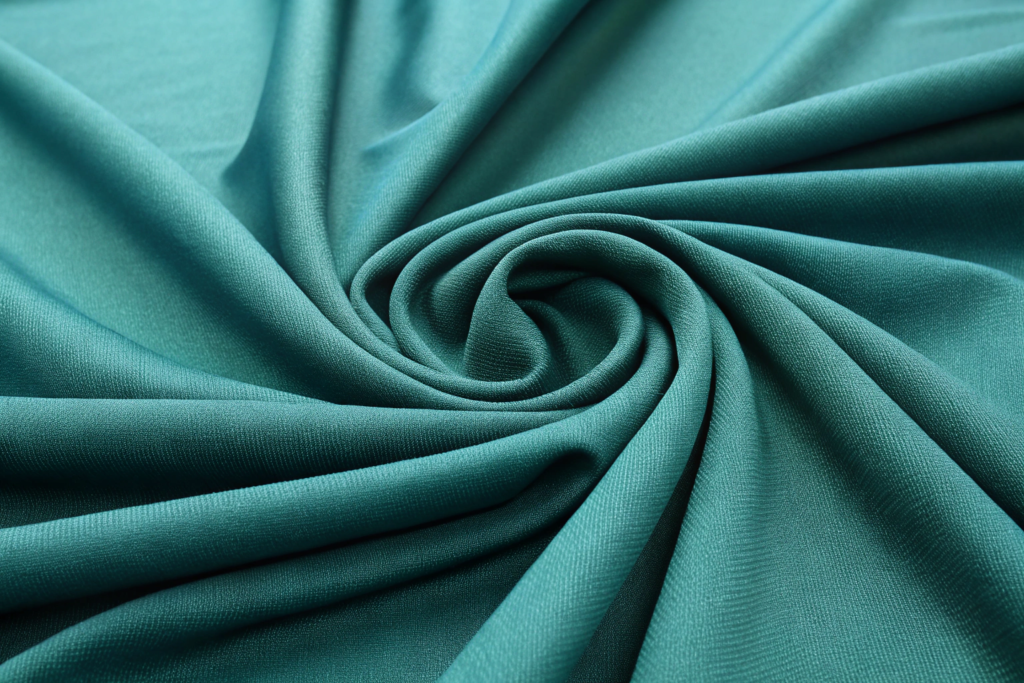
Material choices define functionality through key properties: a fabric's inherent elasticity (recovery), its coefficient of friction (grip), its moisture-wicking ability, and its durability to repeated wear and washing. The ideal printed fabric headband is not made from a single material but from a sophisticated blend. We often recommend and use a polyester-spandex (or nylon-spandex) blend as a base. Polyester provides durability, shape retention, and an excellent surface for vibrant printing. Spandex (typically 10-20%) supplies the essential, memory-rich stretch that allows the headband to fit various head sizes comfortably without overstretching. For the inner surface, a brushed micro-terry or velvet finish can be added for extra comfort and grip against hair.
Why is Fabric "Recovery" More Important Than Stretch?
Many buyers confuse stretch with recovery. Stretch is how far a fabric can elongate. Recovery is its ability to snap back to its original shape after being stretched. A headband with poor recovery will become loose and baggy after a few wears, losing both its function and its sleek look. High-quality spandex blended with resilient synthetic fibers ensures excellent recovery. This is measured in textile testing labs, often through repeated cyclic stretch tests (like those guided by ASTM D2594). Specifying a fabric with high recovery in your tech pack is a non-negotiable for functional longevity.
Can Prints Themselves Be Functional?
Beyond aesthetics, prints can serve subtle functional roles. Directional or geometric prints can create a visual slimming or widening effect, which is a design consideration for different face shapes. Darker prints along the edges can make a headband appear more seamless against hair. Furthermore, the printing process matters. Sublimation printing, where dye is infused into the polyester fibers, doesn't sit on top of the fabric. This means the print won't crack, peel, or affect the hand-feel and stretch of the material, preserving its functional properties. Unlike screen printing, which can create a stiff layer, sublimation keeps the fabric flexible and breathable.
What Design Features Transform a Basic Band into a Performance Accessory?
A simple tube of printed fabric is a start, but it's the intelligent design features—often hidden from view—that elevate a headband from a decorative item to a reliable performance accessory. These features solve the common pain points of slippage, pressure headaches, and styling limitations.
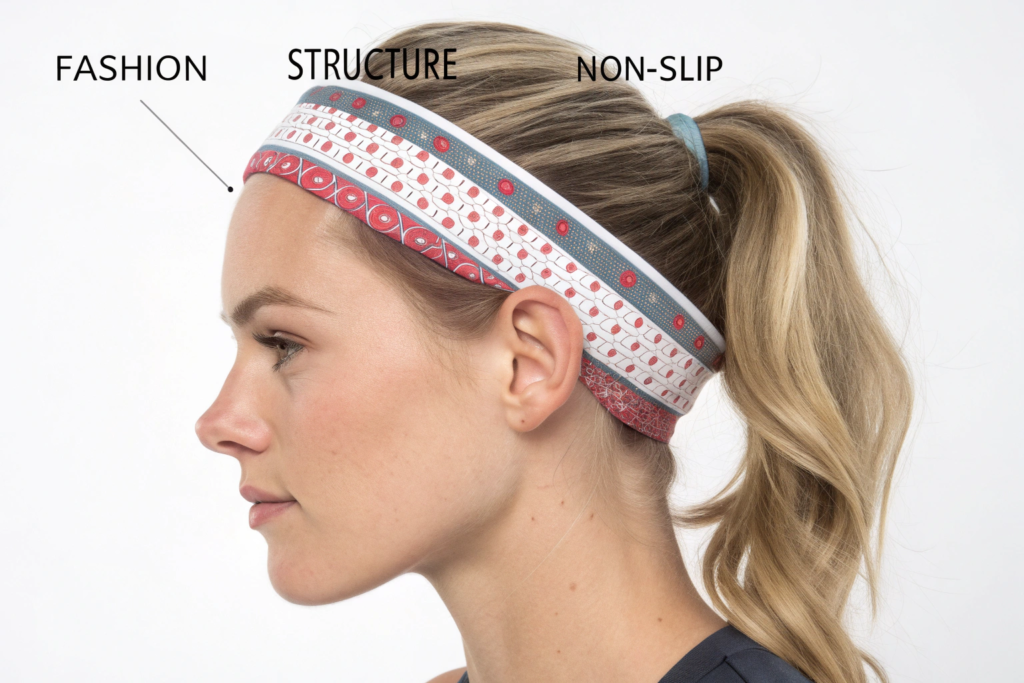
Key design features include: integrated non-slip silicone grips or velvet linings on the inner band, strategic width and contouring to distribute pressure, and versatile constructions (like twist-front or knot styles) that combine secure hold with elevated design. For example, a wide 2-inch headband may include a thin, strategically placed silicone gripper strip along the inner perimeter. This strip catches the hair gently but firmly, preventing the band from sliding back, especially on smooth or fine hair. Another feature is contoured or tapered edges, which are less bulky and reduce the "telephone head" pressure point that uniform, thick bands can create.
How Does Width and Construction Impact Function?
Width is a primary determinant of function:
- Thin Bands (0.5-1 inch): Best for styling and holding back baby hairs or flyaways. Less functional for containing a full head of hair during activity. Often use elasticated backs for adjustability.
- Wide Bands (1.5-3 inches): Offer superior functionality for holding hair back during sports, work, or on windy days. They distribute pressure over a larger area, increasing comfort and stability. Wide bands often use a continuous loop construction (seamless or with a flat-locked seam) for consistent tension.
Construction also matters. A fold-over style (where the band is folded and stitched at the edges) creates a clean, finished look and adds subtle thickness for better hold. A knotted or twist-front design adds a focal point and can actually help anchor the band in place more securely than a plain one.
Are There "All-Day Comfort" Engineering Solutions?
Yes, achieving all-day comfort requires engineering beyond just soft fabric. Solutions include:
- Breathable Mesh Insets: Placed in non-visible areas (like the top under a fold), these allow heat and moisture to escape.
- Seamless Laser-Cut Edges: For bands made from technical knits, laser cutting creates smooth edges that won't curl or chafe, replacing bulky stitched hems.
- Variable Tension Design: The band can be designed to have slightly more tension in the mid-section (over the crown) and less at the ears to avoid pressure points.
These features, while sometimes adding cost, are what allow a headband to transition seamlessly from a morning workout to a day of errands without causing discomfort—a true test of its functional design.
How Does Digital Printing Enable Fashion-Forward Versatility?
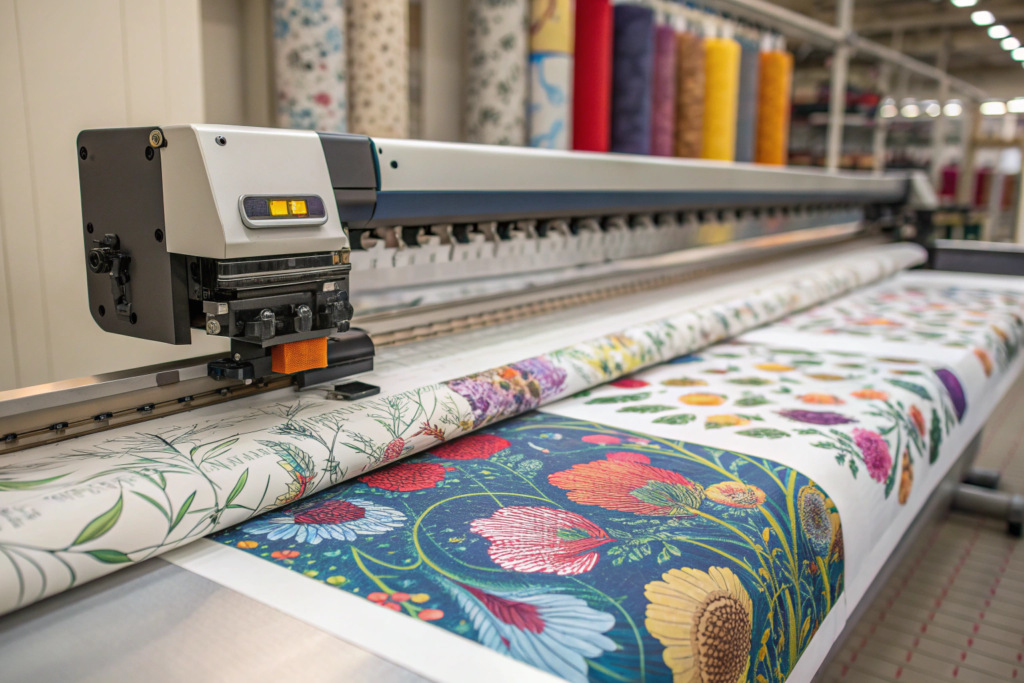
The "fashion" side of the equation is unlocked almost entirely by modern printing technology. Digital printing has democratized design, allowing for small-batch, trend-responsive patterns that were once impossible with traditional rotary printing methods requiring large minimums.
Digital printing enables fashion-forward versatility by allowing for unlimited colors, intricate photographic patterns, and rapid customization with minimal setup cost or fabric waste. This allows brands to respond to micro-trends, offer personalization, and create collectible designs that drive customer engagement. A brand can launch a series of headbands featuring abstract art, seasonal florals, animal prints, or licensed characters without committing to thousands of meters of a single design. This agility is key to staying relevant in fast fashion and direct-to-consumer markets.
What Are the Practical Limits of Printing on Stretch Fabric?
While digital printing is revolutionary, it has practical limits on stretch materials that must be respected in design:
- Design Alignment: Patterns must be engineered to account for the fabric's stretch (usually 15-25%). A perfectly round dot printed on the fabric will become an oval when stretched. Skilled printers pre-distort the design file so it appears correct when the fabric is worn under tension.
- Color Fastness: Prints must withstand stretching, sweat, and washing. Sublimation printing is excellent here, as the dye becomes part of the fiber. For other inks, rigorous testing for colorfastness to crocking (rubbing) and perspiration (per AATCC Test Methods) is essential.
- Fabric Composition: Digital sublimation works best on polyester or polyester-blend fabrics. Natural fibers like cotton require different ink systems (like reactive dyes) which may have a different hand-feel and stretch compatibility.
A good manufacturer will provide printed strike-offs on the actual production fabric so you can see and test how the design behaves when stretched.
Can Printing Support Brand Storytelling and Niche Markets?
Absolutely. This is where printed fabric headbands excel as a fashion item. They are a wearable canvas for:
- Brand Identity: Repeating logos, brand colors, and iconic patterns in a subtle, stylish way.
- Cause Marketing: Prints featuring symbols or patterns that support a cause (e.g., floral prints for breast cancer awareness).
- Fandom and Community: Designs that speak to specific hobbies, music genres, or pop culture fandoms, building deep loyalty.
- Seasonal and Capsule Collections: Easily rotating designs to align with holidays, seasons, or fashion weeks.
This turns a functional item into a collectible, shareable accessory that expresses personal identity—a core driver of modern fashion purchases.
What Should Buyers Look for When Sourcing Functional Printed Headbands?
For retailers and brands, sourcing a headband that truly bridges the gap requires a critical eye. It's not enough to select a pretty pattern from a catalog. You must vet the product's functional credentials and the manufacturer's ability to deliver consistent quality.
Buyers should look for: 1) Detailed material specifications with performance claims (e.g., "95% Polyester, 5% Spandex, with moisture-wicking finish"); 2) Evidence of functional testing (slip tests, wash tests); 3) Samples for real-world wear trials; and 4) A manufacturer with expertise in both apparel printing and accessory construction. Request a Product Specification Sheet that goes beyond size and color. It should list the fabric's weight (GSM), stretch and recovery percentage, type of print and ink used, and details of any functional features (e.g., "3mm silicone grip strip, inner circumference").
How to Conduct a "Real-World" Test on a Sample?
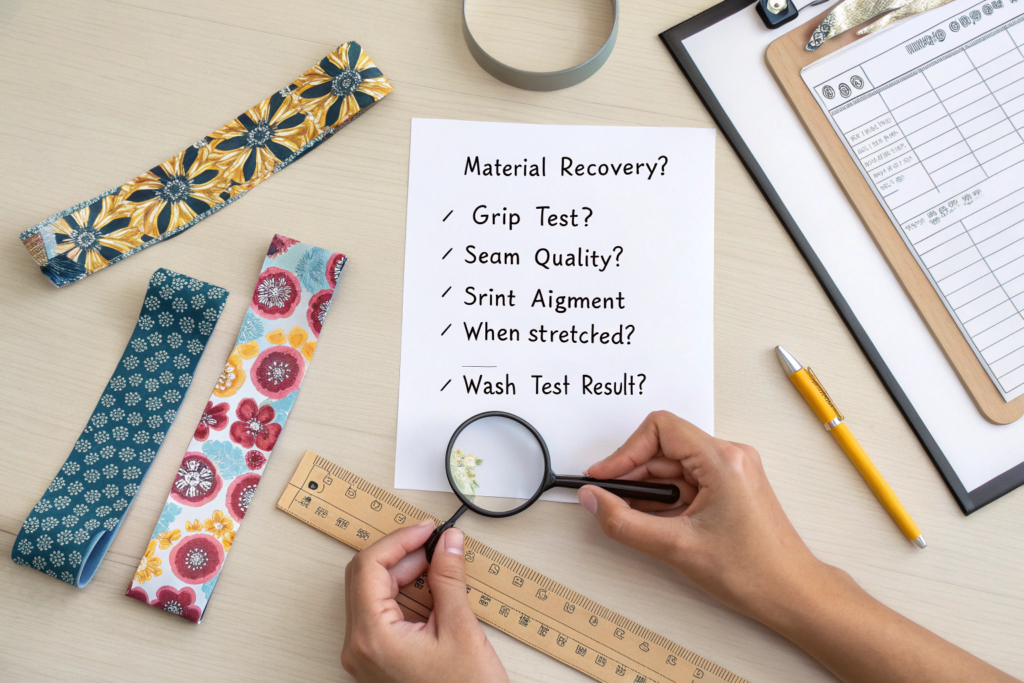
Before placing a bulk order, put the sample through its paces:
- The Slip Test: Wear the headband while vigorously shaking your head up and down and side-to-side. Does it stay put?
- The Stretch Test: Stretch it to its maximum comfortably several times. Does it return to its original size immediately, or does it remain slightly elongated?
- The Comfort Test: Wear it for 4-8 hours. Does it create a pressure headache or leave a deep indentation?
- The Wash Test: Wash and dry it (following proposed care instructions) 3-5 times. Does the print fade, crack, or peel? Does the fabric pill or lose its shape?
A manufacturer confident in their product, like Shanghai Fumao Clothing, will encourage this testing and may even provide pre-washed samples.
What are the Key Cost Drivers?
Understanding cost drivers helps in making smart sourcing decisions:
- Fabric: Technical blends with high recovery and specialty finishes (moisture-wicking, UV protection) cost more than basic cotton jersey.
- Printing: Digital sublimation has a low setup cost but a higher per-meter print cost. Complex, multi-color designs are more expensive.
- Functional Add-ons: Silicone grip strips, seamless construction, or custom contoured patterns add cost per unit.
- Labor: Detailed construction (like perfectly aligning prints on a curved seam) requires more skilled labor.
The goal is to balance these costs to hit your target retail price while delivering on the promised function. A cheaper headband that slips off is ultimately more expensive due to returns and brand damage.
Conclusion
Printed fabric headbands are not just a trend; they represent a mature product category where fashion and function can—and must—coexist. By marrying advanced material science with digital printing's creative potential and intelligent, hidden design features, these accessories successfully fill a genuine gap in the market. They offer a solution for the consumer who refuses to choose between looking good and having their accessory work reliably.
For brands, this represents a significant opportunity to build loyalty through products that deliver on both promise and performance. Success lies in meticulous sourcing, a commitment to quality construction, and a deep understanding of the end-user's daily needs.
Ready to develop a line of printed headbands that your customers will love for both their style and substance? Contact our Business Director, Elaine, at elaine@fumaoclothing.com to discuss how we can engineer the perfect blend of fashion and function for your brand. Let Shanghai Fumao Clothing help you create accessories that are as dependable as they are desirable.