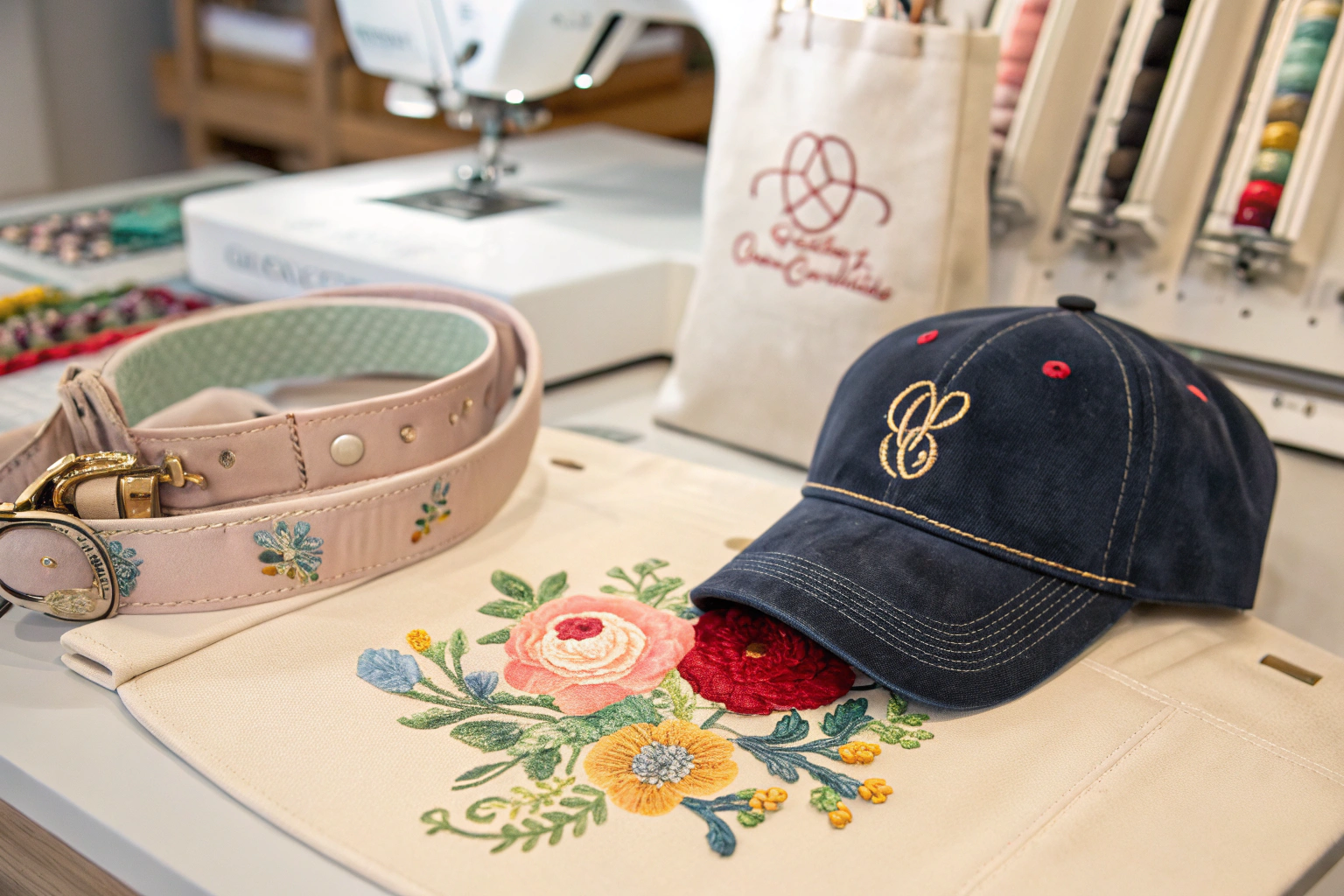
I have been in the fashion accessory manufacturing business for over twenty years, and I have seen few techniques transform a product as dramatically as custom embroidery. For a buyer like Ron, who supplies to retailers and online stores, embroidery offers a way to take a standard accessory and make it unique, personal, and premium. It adds texture, color, and a sense of craftsmanship that screen printing or plain materials cannot match. The answer is yes, custom embroidery can absolutely elevate accessory design. But understanding how to use it effectively is key.
Custom embroidery can significantly elevate accessory design by adding texture, dimension, and a sense of craftsmanship. It transforms standard products into premium, personalized items. Embroidery works on a wide range of accessories: hats, bags, headbands, belts, and scarves. It allows for intricate designs, brand logos, monograms, and decorative patterns that stand out. When done well, embroidery signals quality and attention to detail, making accessories more desirable and allowing for higher price points.
At Shanghai Fumao Clothing, we have been incorporating custom embroidery into accessory production for years. We have seen how a well-placed embroidered logo can turn a simple baseball cap into a brand statement. We have seen how delicate embroidery on a headband can make it feel like a luxury item. I want to share how custom embroidery can elevate your accessory designs and how to do it effectively.
Why Does Custom Embroidery Add Value To Accessories?
Custom embroidery adds value in several ways. It enhances aesthetics, communicates brand identity, and signals quality. Understanding these value drivers helps you leverage embroidery effectively in your accessory line.
The first value driver is aesthetics. Embroidery adds texture and dimension. Unlike screen printing, which lies flat on the surface, embroidery has a raised, tactile quality. It catches the light differently and creates visual interest. A simple embroidered flower on a hair clip makes it feel special. A detailed embroidered logo on a hat makes it stand out. The second value driver is brand identity. Embroidery is an excellent way to display your logo. It looks professional and premium. A well-executed embroidered logo signals that your brand cares about quality. It is more sophisticated than a printed label.
The third value driver is perceived quality. Consumers associate embroidery with craftsmanship and higher value. A hat with an embroidered logo is perceived as higher quality than a hat with a printed logo. This perception allows you to command higher price points. The fourth value driver is personalization. Embroidery allows for monograms, names, and personalized messages. Personalized accessories are popular for gifts and special occasions. They create an emotional connection with the customer. The fifth value driver is durability. Embroidery is permanent. It does not crack, peel, or fade like screen printing can. An embroidered design will last as long as the accessory itself. For more information on the benefits of embroidery, resources like the Embroidery Trade Association provide industry insights.
How does embroidery compare to screen printing for accessories?
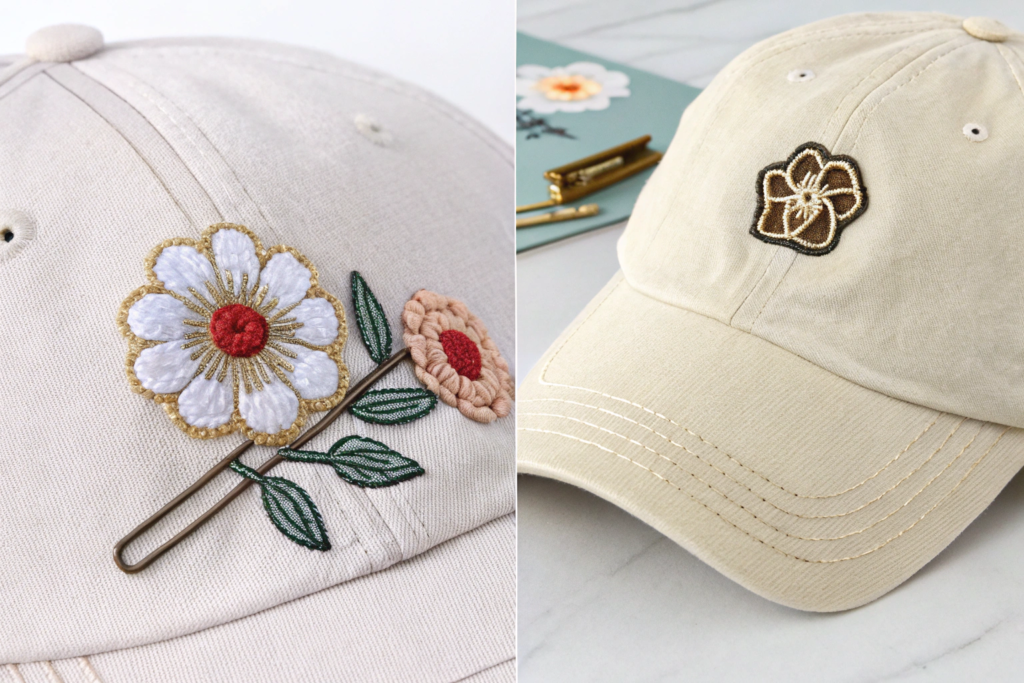
Embroidery and screen printing are both used to add designs to accessories, but they have different strengths. Embroidery uses thread stitched into the fabric. It creates a raised, textured design. It is durable and permanent. Embroidery is best for logos, monograms, and designs with limited colors (though multi-color embroidery is possible). It works well on fabrics like hats, bags, and headbands. The thread adds a tactile quality that feels premium. Screen printing applies ink to the surface of the fabric. It lies flat. It can reproduce photographs, gradients, and fine details. Screen printing is best for complex, multi-color designs. It is cost-effective for large quantities. However, screen printing can crack or fade over time. For accessories, embroidery is often the choice for logos and simple designs where a premium look is desired. Screen printing is often used for promotional items where cost is a primary concern. At Shanghai Fumao Clothing, we offer both techniques and can advise on the best choice for your design.
What makes embroidered accessories feel more premium?
Several factors make embroidered accessories feel more premium. The first is texture. Embroidery has a raised, three-dimensional quality. It feels substantial. The second is craftsmanship. Embroidery is associated with skilled artisanship. Even when machine-made, the complexity of the stitching suggests care and attention. The third is detail. High-quality embroidery can achieve intricate details. A well-executed embroidered logo with fine lines and perfect registration looks professional. The fourth is materials. The use of quality thread (polyester or rayon) with a subtle sheen adds to the premium feel. Metallic threads or specialty threads can elevate it further. The fifth is placement. Thoughtful placement of embroidery—on the front of a hat, on the side of a bag, on the cuff of a headband—shows design consideration. The sixth is durability. Unlike printed designs that can crack or fade, embroidery is permanent. Customers appreciate that the design will last as long as the accessory. At Shanghai Fumao Clothing, we focus on all these factors to ensure our embroidered accessories meet premium standards.
What Types Of Accessories Work Best With Embroidery?
Embroidery can be applied to many accessories, but some types are particularly well-suited. Understanding which accessories work best helps you focus your efforts where embroidery will have the most impact.
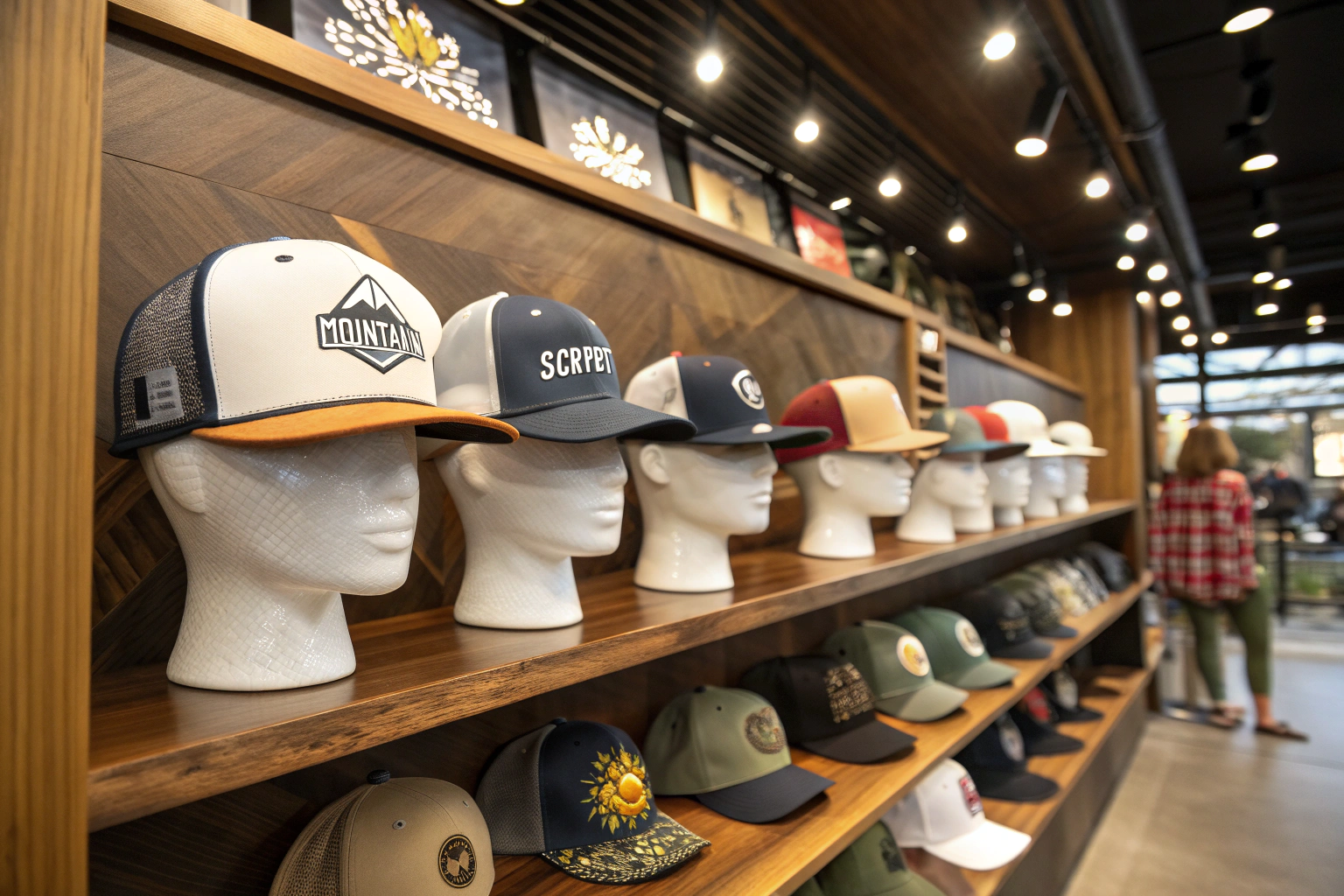
Hats and Caps are the most common accessories for embroidery. Baseball caps, beanies, and bucket hats are ideal. The front panel of a cap provides a perfect canvas for a logo. The fabric (cotton, polyester, wool) is typically stable and holds stitches well. Beanies can be embroidered with designs on the cuff or the body.
Bags and Totes are another excellent category. Canvas tote bags, backpacks, and handbags can be embroidered with logos, patterns, or monograms. Embroidery adds a personal touch and elevates a simple bag into a branded item.
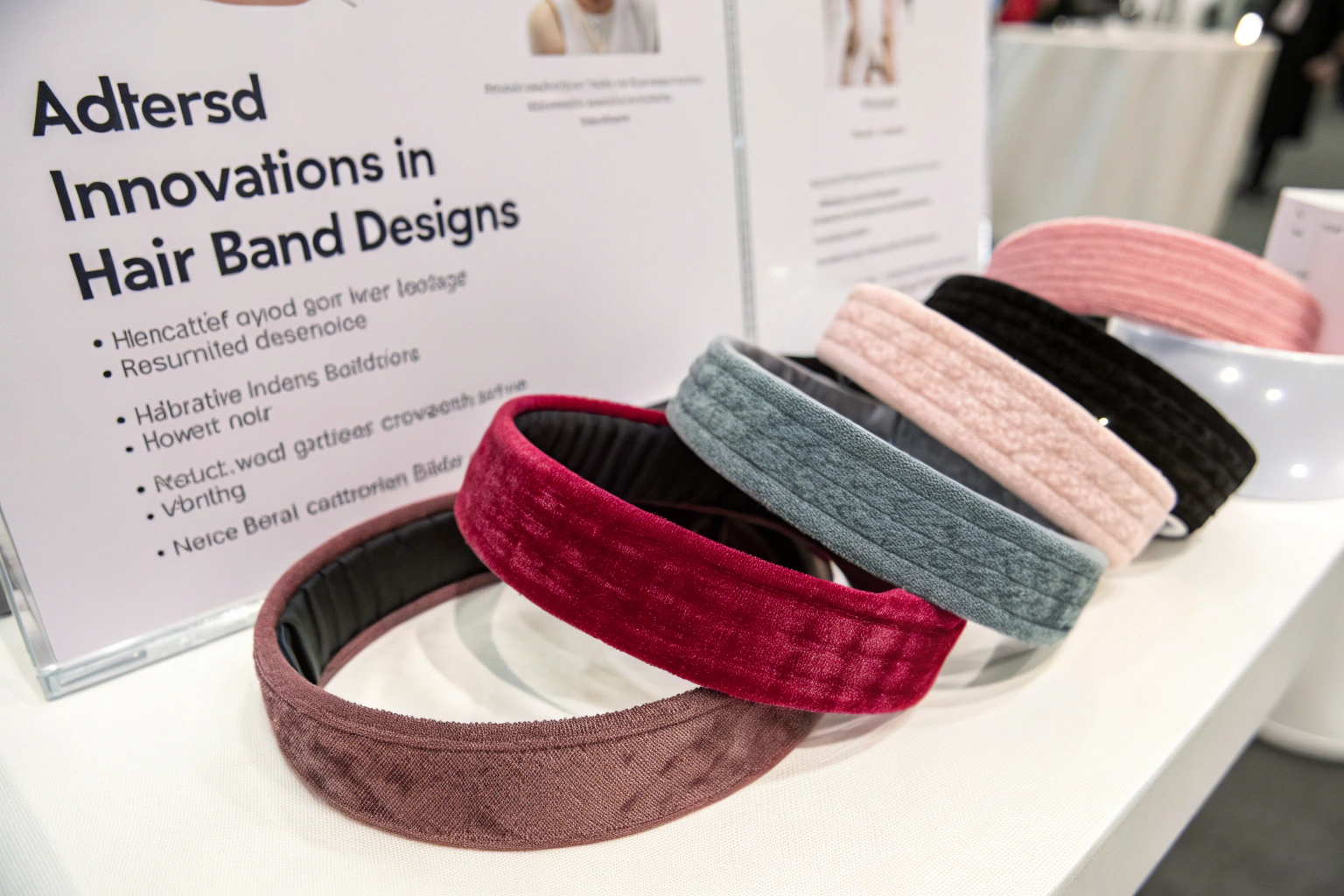
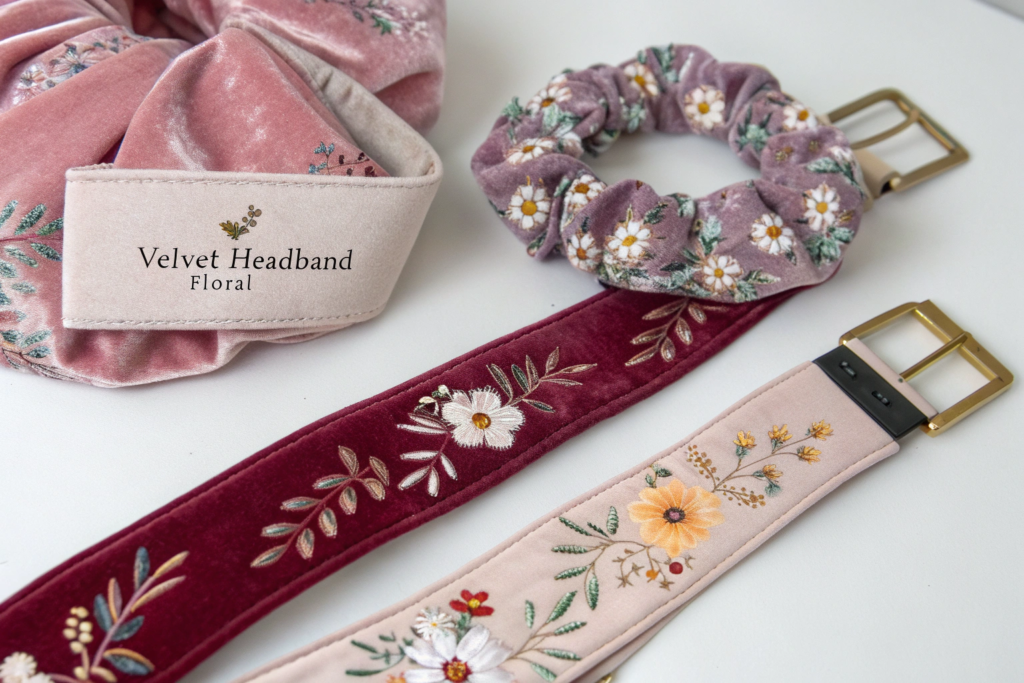
Headbands and Hair Accessories are increasingly popular for embroidery. A velvet headband with a delicate embroidered monogram or floral pattern feels luxurious. Fabric scrunchies can be embroidered with small logos. Hair clips can be embellished with embroidered fabric elements.
Belts can be embroidered along the strap or on the keeper. Subtle embroidery adds a unique detail. This is popular for western-style belts and fashion belts.
Scarves and Shawls can be embroidered with delicate designs at the corners or along the edges. This adds a touch of elegance. However, the fabric must be stable enough to hold the stitches.
Keychains and Small Leather Goods are perfect for small embroidered logos or monograms. They are often used for promotional items or gifts. At Shanghai Fumao Clothing, we have experience embroidering on all these accessory types. We can advise on the best placement and design for each.
Why are hats the most popular accessory for embroidery?
Hats are the most popular accessory for embroidery for several reasons. First, the front panel of a baseball cap provides a flat, stable surface that is ideal for embroidery. The shape holds the design well, and the fabric (typically cotton or polyester) is compatible with most embroidery machines. Second, hats are high-visibility. A person wearing a hat is a walking billboard. An embroidered logo on a hat is seen by many people. This makes hats a favorite for branding. Third, hats are functional and fashionable. People wear hats for sun protection, warmth, and style. An embroidered hat is both practical and a fashion statement. Fourth, the cost of embroidering a hat is relatively low, making it accessible for promotional items and retail products. Fifth, variety. There are endless hat styles: baseball caps, beanies, trucker hats, bucket hats. Each offers different opportunities for embroidery. At Shanghai Fumao Clothing, we produce embroidered hats in large volumes. We have the equipment and expertise to handle complex designs and high-volume orders.
How can embroidery enhance hair accessories?
Embroidery can transform simple hair accessories into luxurious, personalized items. On headbands, embroidery adds a delicate, elegant touch. A velvet headband with an embroidered monogram feels custom-made. A fabric headband with a floral embroidery pattern becomes a statement piece. On scrunches, small embroidered logos or designs add brand visibility. A scrunchie with a subtle embroidered logo is a popular promotional item. On fabric-covered hair clips, embroidery on the fabric covering adds texture and detail. A clip with an embroidered flower stands out from plain clips. On fabric bows, embroidery adds intricacy and a handmade feel. For children's accessories, embroidered characters or motifs add whimsy. The key is to use high-quality thread and ensure the embroidery does not make the accessory uncomfortable or heavy. At Shanghai Fumao Clothing, we specialize in embroidered hair accessories and can create custom designs that are both beautiful and comfortable.
What Design Considerations Are Important For Embroidery?
Embroidery has its own design constraints. A design that looks great on paper may not translate well to thread. Understanding these considerations helps you create designs that will look their best when embroidered.
Size is the first consideration. Embroidery has a minimum size. Very small text (under 0.25 inches) may not be legible because the thread has a minimum width. Very large designs may be expensive and may distort the fabric. The optimal size depends on the accessory and the detail level.
Detail is limited. Intricate details that are fine lines or tiny shapes may not stitch well. The thread has a thickness, and the needle creates holes. Designs with large solid areas and simple shapes work best.
Color is managed through thread selection. Unlike screen printing, which can mix inks for precise colors, embroidery uses solid-colored threads. You cannot create a gradient with a single thread. However, you can create shading by using different thread colors in a pattern. The number of colors affects cost. More colors mean more thread changes and higher cost.
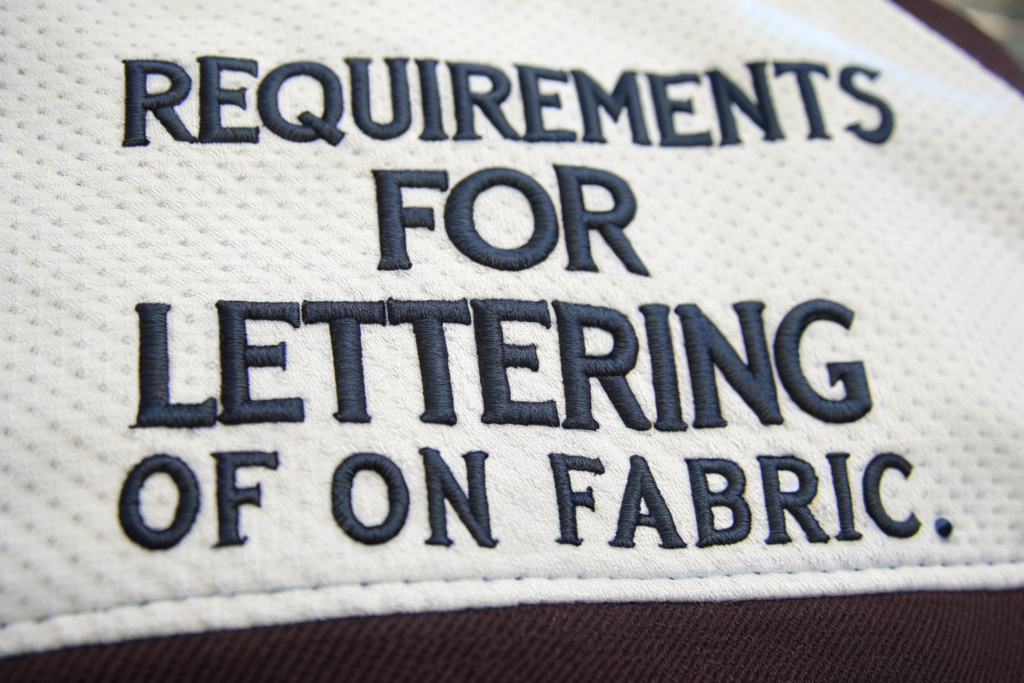
Lettering requires careful selection. Fonts with thin strokes or serifs may not stitch cleanly. Sans-serif fonts with bold strokes work best. The text should be large enough to be legible. For hats, text should be at least 0.5 inches tall. Fabric matters. Stable, tightly woven fabrics hold stitches best. Stretchy fabrics like knits may require stabilizer to prevent distortion. Some fabrics (like leather) require special needles and techniques.
For more information on embroidery design, the Embroidery Trade Association offers resources on digitizing and design.
How does design complexity affect embroidery cost?
Design complexity directly affects the cost of embroidery. The primary factors are stitch count, number of colors, and size. Stitch count is the number of stitches in the design. A simple logo might have 5,000 stitches. A complex design might have 20,000 stitches. The machine runs at a certain speed (e.g., 1,000 stitches per minute). More stitches mean more machine time and higher cost. Number of colors affects cost because the machine must stop to change threads for each color. A single-color design is cheaper than a multi-color design. Some machines can handle multiple colors automatically, but there is still a cost. Size affects stitch count. A larger design has more stitches. Digitizing is the process of converting a design into a machine-readable format. Complex designs require more digitizing time and skill, which adds to the cost. For a simple logo, digitizing might cost $30 to $50. For a complex design, it could be $100 or more. At Shanghai Fumao Clothing, we provide digitizing services and can advise on how to optimize your design for cost.
What are the limitations of embroidery on different fabrics?
Embroidery on different fabrics has specific limitations. Cotton and canvas are excellent. They are stable and hold stitches well. They are ideal for hats, bags, and headbands. Polyester is also good, but high heat from the embroidery process can cause puckering if not stabilized properly. Wool and knits require careful handling. Stretchy fabrics may distort under the tension of the embroidery. A stabilizer (a backing material) is essential to prevent puckering. Velvet and velour can be challenging. The nap (the raised fibers) can be flattened by the embroidery. Designs should be simple and not too dense. Leather and faux leather require special needles (ballpoint or leather needles) and careful tension. The material can be perforated by the needle, so designs should not be too dense. Mesh (like trucker hats) is tricky. The open structure does not hold stitches well. A backing is essential, and designs should have a solid fill area rather than open stitches. At Shanghai Fumao Clothing, we have experience embroidering on all these fabrics. We select the appropriate stabilizer, needles, and techniques for each material to ensure high-quality results.
How Do I Source Custom Embroidery For My Accessories?
Sourcing custom embroidery requires finding a manufacturer with the right equipment, expertise, and quality standards. Embroidery is a specialized skill. Not all factories have the capabilities to produce high-quality embroidered accessories.
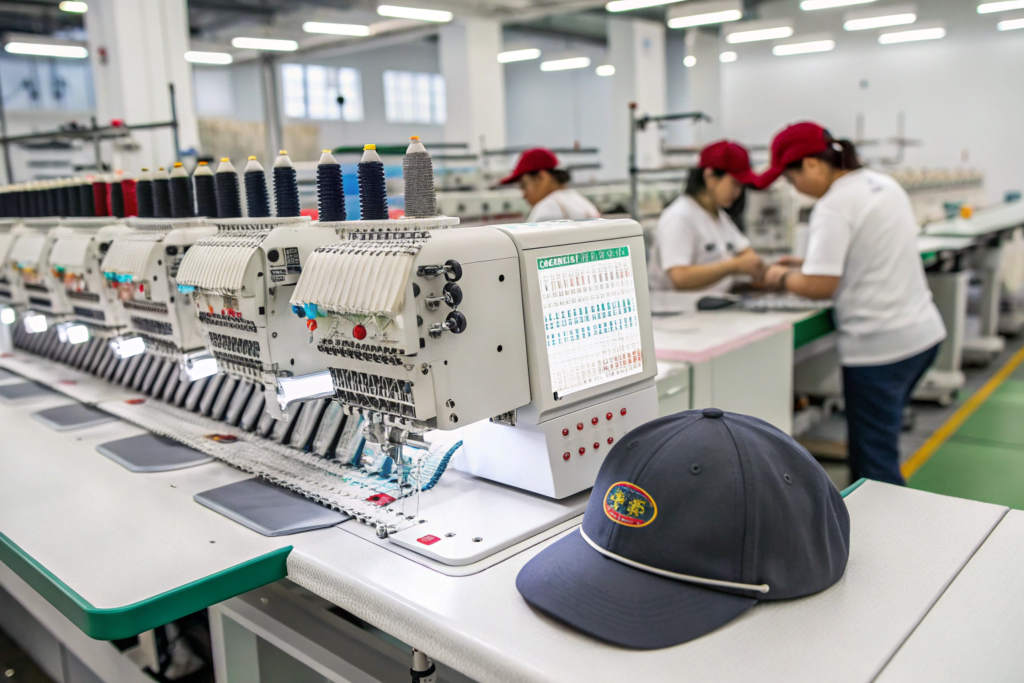
Start by looking for a factory that has modern embroidery machines. Multi-head machines are essential for production. They allow multiple items to be embroidered simultaneously. The factory should have machines with different hoop sizes to accommodate different accessories. Next, look for digitizing expertise. Digitizing is the process of converting your design into a machine-readable file. Poor digitizing leads to poor embroidery. A good factory will have in-house digitizers or a relationship with a reliable digitizing service. Next, evaluate quality. Ask for samples. Examine the stitching. It should be even, with no gaps or puckering. The edges should be clean. The thread should be tight and consistent. Next, evaluate capability. Can they embroider on the types of accessories you need? Hats require special frames. Beanies require careful handling. Leather requires special needles. A specialized factory will have the right equipment.
For more information on finding embroidery manufacturers, the Embroidery Trade Association provides resources.
What should I look for in an embroidery sample?
When evaluating an embroidery sample, look for the following. Registration: The different colors should align perfectly. If the design has outlines or overlapping colors, there should be no gaps or overlaps. Tension: The stitches should be tight and even. There should be no loose threads or loops. The fabric should not pucker around the embroidery. Edge Quality: The edges of the design should be clean and sharp. There should be no fraying or loose ends. Backing: The backing material (stabilizer) should be cleanly removed. There should be no excess backing visible. Color: The thread colors should match your specifications. Placement: The design should be centered and positioned correctly. For a hat, the design should be centered on the front panel. For a bag, it should be in the intended location. Comfort: For accessories that contact the skin (like headbands), the back of the embroidery should not be scratchy. A backing or lining may be needed. At Shanghai Fumao Clothing, we provide high-quality samples and work with our clients to refine the design until it is perfect.
How do I prepare my artwork for embroidery?
Preparing your artwork for embroidery requires converting it to a format that can be digitized. Start with a vector file (like Adobe Illustrator or CorelDRAW). Vector files are scalable without losing quality. They are the preferred format for digitizing. If you have a raster image (JPEG, PNG), it can be used, but the digitizer will need to trace it. Provide the file at a high resolution (300 dpi or higher). Include color specifications. Provide Pantone numbers or thread color references. Indicate the size of the design. Be realistic about what size works for your accessory. A design that is too large may not fit. A design that is too small may not stitch well. Indicate the placement. Where on the accessory should the design go? Provide a diagram if needed. At Shanghai Fumao Clothing, we can help you prepare your artwork and advise on the best approach for embroidery.
Conclusion
Custom embroidery can significantly elevate accessory design. It adds texture, dimension, and a sense of craftsmanship that screen printing cannot match. Embroidery signals quality and professionalism, allowing brands to command higher price points and build stronger customer loyalty. Hats, bags, headbands, and scarves are particularly well-suited to embroidery. Design considerations like size, detail, and fabric compatibility are essential for success. Sourcing requires finding a manufacturer with modern equipment, digitizing expertise, and a commitment to quality.
At Shanghai Fumao Clothing, we have been producing custom embroidered accessories for years. We have the equipment, the digitizing expertise, and the quality control to deliver exceptional results. We work with clients to optimize their designs for embroidery, select the best placement, and produce samples that meet their expectations. Whether you need a small run of personalized headbands or a large order of branded hats, we have the capabilities to bring your vision to life.
If you are ready to elevate your accessory designs with custom embroidery, let's talk. Please contact our Business Director, Elaine, directly at elaine@fumaoclothing.com to discuss your project and how we can help you create accessories that stand out.