You envision a cozy winter accessory line: stylish gloves, each adorned with a fluffy, charming handmade pom-pom. It’s the perfect detail to add a touch of artisanal warmth and premium appeal. But a practical question arises as you look toward production: can a modern Chinese factory, known for efficiency and scale, successfully execute this blend of machine-made base product and delicate handcrafted detail? The concern is real—will the pom-poms look cheap and machine-made, or can they achieve that perfect, irregular, “handmade” charm?
The answer is a definitive yes. Leading Chinese accessory manufacturers absolutely have the capability to produce gloves with high-quality handmade pom-poms. The key lies in finding a factory with a specialized hybrid production model that integrates precise cut-and-sew assembly for the gloves with a dedicated, skilled handwork department for pom-pom creation and attachment. Success depends on the factory’s organizational structure, its commitment to artisan-style quality control, and its experience blending different production techniques.
This isn't a hypothetical scenario. At factories like Shanghai Fumao Clothing, we routinely manage such hybrid orders, combining automated processes for consistent garment construction with meticulous hand-finishing for decorative elements. This article will demystify how this process works, what to look for in a supplier, and how to ensure your pom-pom gloves are produced beautifully, consistently, and at a viable scale.
How Do Factories Integrate Handmade Details with Mass Production?
The core challenge is workflow. Machine sewing lines are optimized for speed and uniformity, while handmade processes are slower and embrace slight variations. Combining them without creating bottlenecks or quality inconsistency requires careful planning. How do efficient factories make this work?
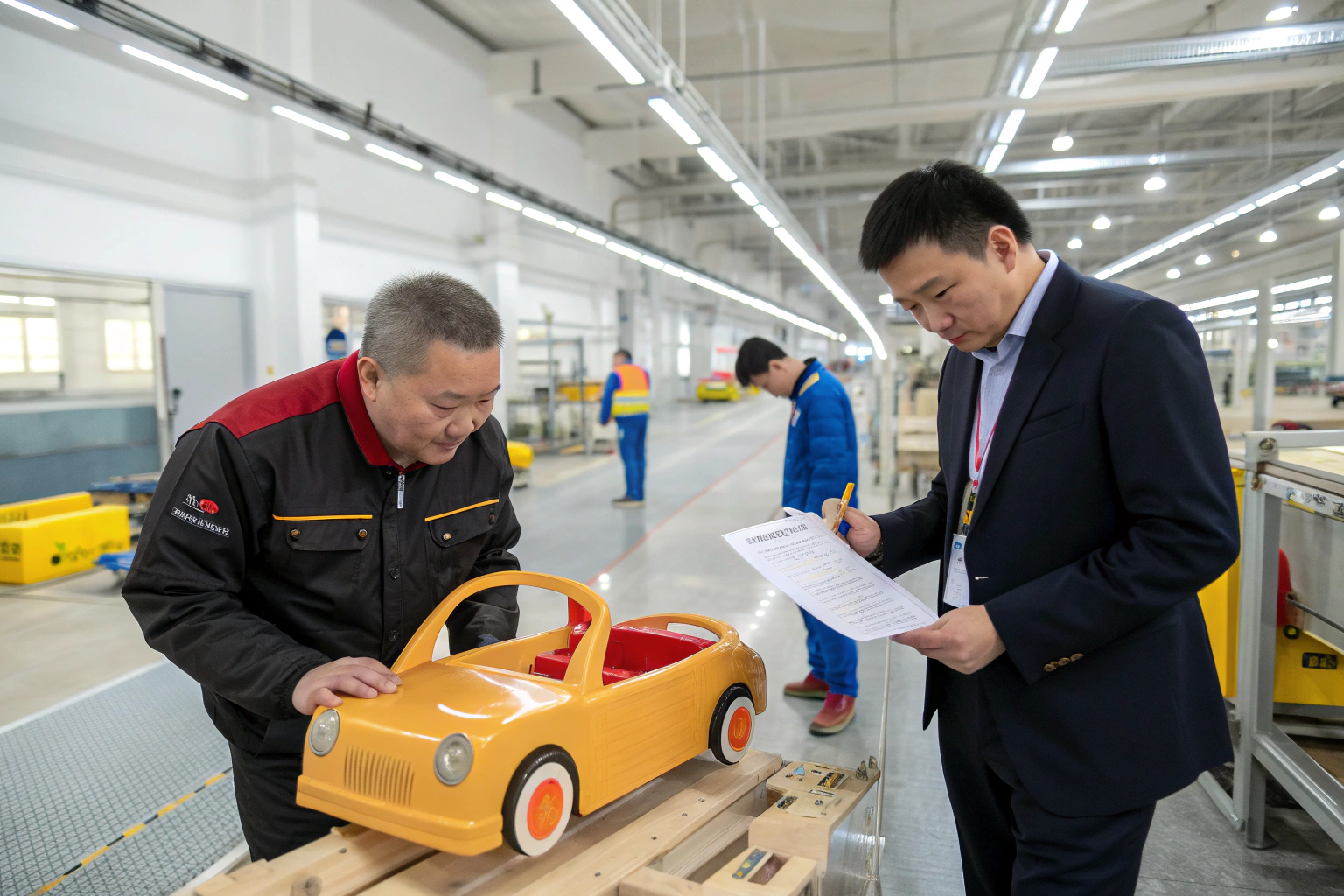
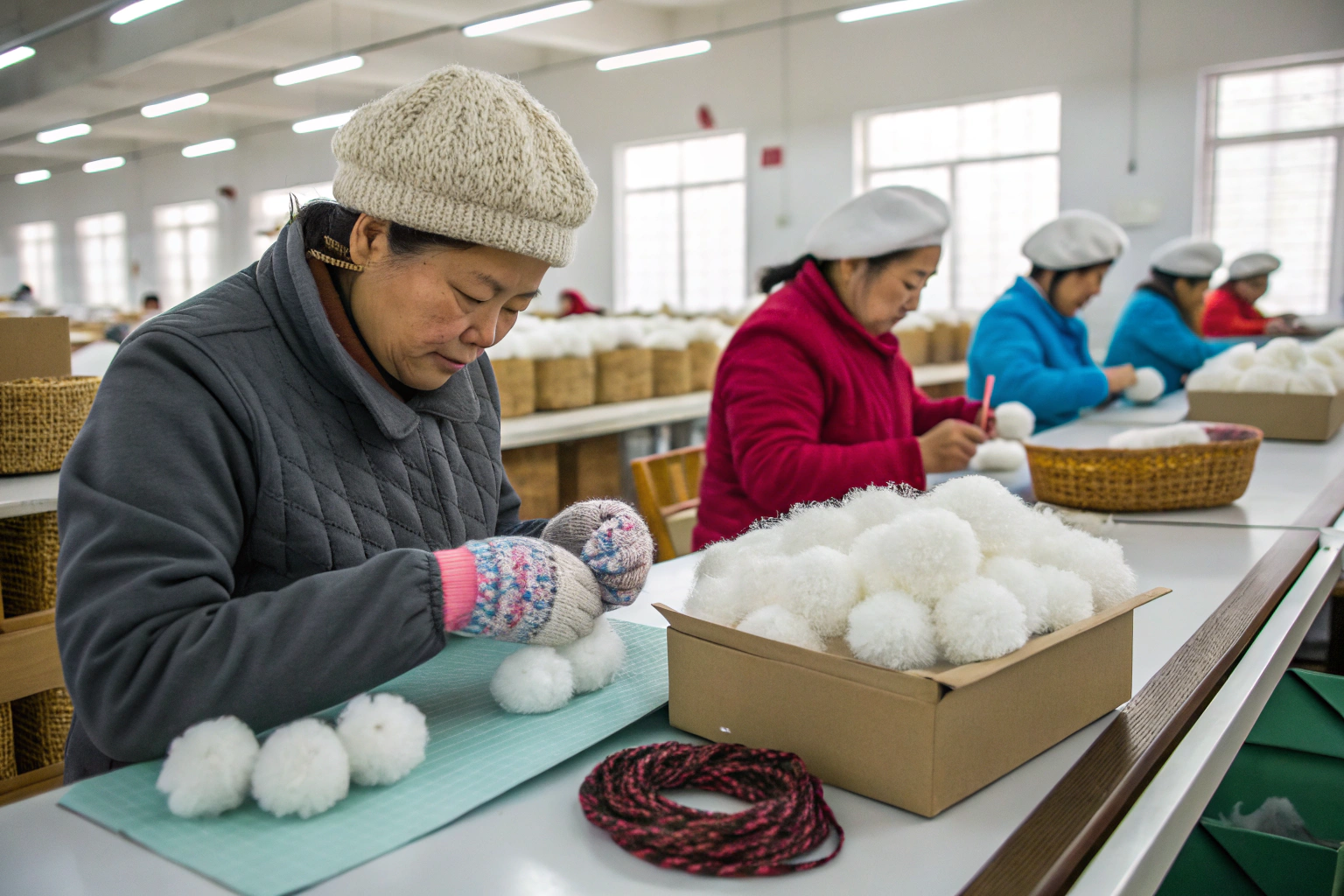
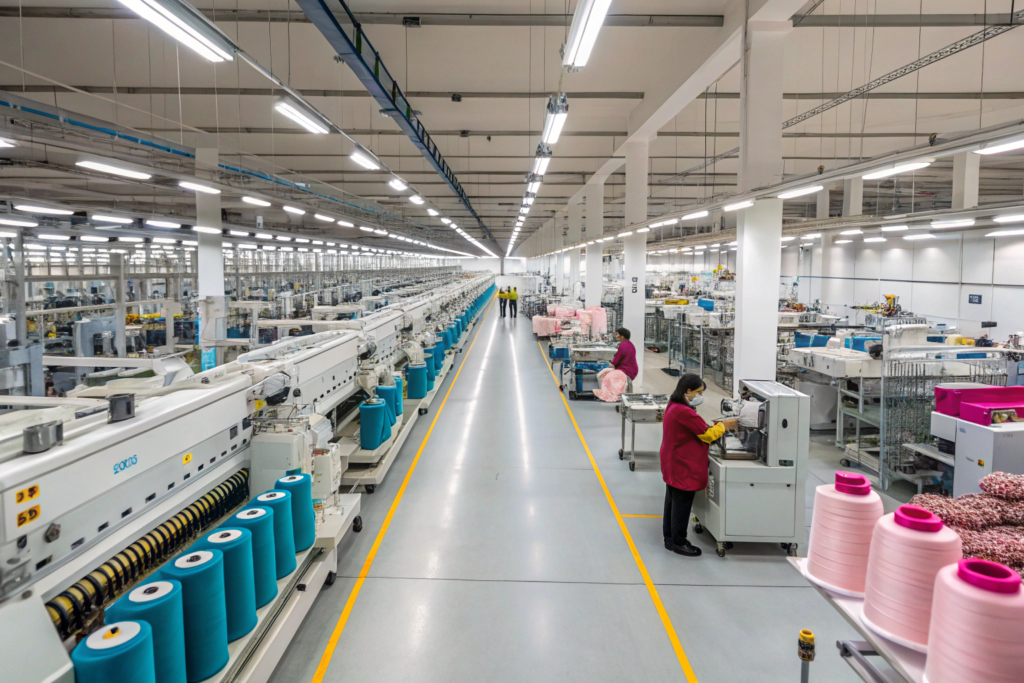
They do it through a separated but synchronized production process. The glove bodies (knitting or sewing) are completed on their standard production lines. Meanwhile, in a separate handwork or embellishment department, artisans craft the pom-poms. This department is staffed with workers skilled in specific handcrafts—tying, wrapping, trimming, and hand-sewing. Once both components are ready, they converge at a final assembly station where the pom-poms are securely attached, often also by hand. This model preserves the integrity of the handmade element while leveraging efficiency for the main product.
This integration is a mark of a sophisticated factory. It shows an understanding that some details simply cannot be fully automated without losing their essential character.
What Does a Specialized Handwork Department Look Like?
A capable handwork department is not just a corner with a few people; it's an organized operation. It has proper lighting, ergonomic seating, and organized bins for materials like yarns, threads, and trims. Workers are trained in specific techniques—for pom-poms, this includes using different sized pom-pom makers (from plastic tools to custom cardboard discs) to achieve consistent diameters, and skilled trimming to create a perfectly round, full shape. The department will have a lead artisan or supervisor who sets the quality standard, trains new workers, and checks samples against your spec. When vetting a factory, request a video tour specifically of this area to assess its scale and professionalism.
How is Consistency Maintained in "Handmade" Items?
"Handmade" does not mean "no standards." Consistency is maintained through detailed reference samples and clear specifications. You must provide or approve a gold sample glove with the perfect pom-pom. The factory will then create a working guideline for the handwork team: the exact yarn material and color, the target pom-pom diameter (e.g., 4cm ± 0.5cm), the density (how full it should be), the length of the tying thread, and the specific attachment method (e.g., hand-sewn with X number of stitches through the glove cuff base). Regular in-process checks by the supervisor ensure all artisans are outputting pom-poms within the agreed tolerance, preserving the handmade feel while controlling unacceptable variation.
What Specifications Are Crucial for Pom-Pom Glove Production?
Ambiguity is the enemy of quality, especially with handmade details. Vague instructions like "add a cute pom-pom" will lead to unpredictable results. To get the product you envision, you must provide precise, technical specifications for both the glove and the pom-pom. What exactly needs to be defined?
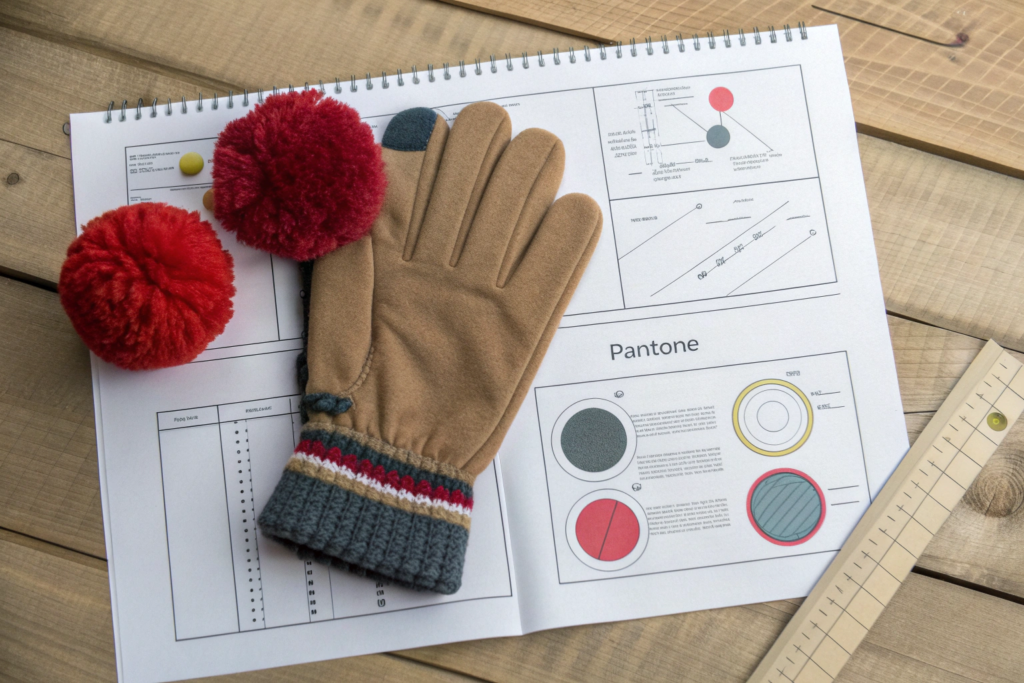
You need a comprehensive tech pack that treats the pom-pom as a critical component, not an afterthought. This pack should include specifications for: 1. The Glove Base (material, size, knitting gauge/stitch type, cuff style), 2. The Pom-Pom (yarn material/composition/color, making method, target diameter & density, trimming style), and 3. The Attachment (placement on the glove, attachment method, security requirements).
Detailed specs empower the factory and protect you. They are the universal language that ensures your vision is executed correctly, batch after batch.
How Do You Specify Yarn and Pom-Pom Character for the Right Look?
The yarn choice defines the pom-pom's personality. You must specify:
- Material: Acrylic yarn is common, cost-effective, and lightweight. Wool or wool-blend yarn gives a premium, cozy feel but may be heavier and more expensive. Chenille yarn gives an ultra-soft, velvety look.
- Weight/Thickness: A thicker yarn (e.g., bulky weight) will make a fuller pom-pom with fewer wraps, potentially with more defined loops. A finer yarn (e.g., worsted weight) will create a denser, more compact pom-pom.
- Color & Effect: Specify solid color, heather/melange, or multi-colored yarn. Provide a Pantone code or physical yarn swatch approved by you.
- Finished Character: Do you want a tightly trimmed "ball" shape or a looser, "shaggy" trim? Provide reference images. This guides the final trimming step by the handwork team.
What are the Best Methods for Attaching Pom-Poms Securely?
A loose pom-pom is a guaranteed customer complaint. The attachment must be durable. Discuss these methods with your factory:
- Hand-Sewn: The most secure and common method. The long threads used to tie the pom-pom core are left extra long, threaded through a large needle, and sewn back and forth through the glove cuff fabric multiple times before being knotted and woven in. This creates a flexible, integrated attachment.
- Button/Knot Secured: The pom-pom threads are passed through a small plastic button or a sturdy fabric knot on the inside of the cuff before tying off, distributing stress.
- Avoiding Glue: While glue might be used sparingly as a secondary stabilizer, it should never be the primary method. Glue can become brittle in cold weather, fail, and stain fabrics.
Specify a "pull test" requirement (e.g., pom-pom must withstand a 5kg force without detaching) to be checked during QC.
What Quality Control is Essential for Hand-Finished Items?
Quality control for handmade pom-pom gloves must be even more rigorous than for standard items because it involves subjective judgment and handcraft consistency. The QC system needs to catch issues in both the manufactured base and the handmade addition. What specific checks are non-negotiable?
A tiered QC system is essential: 1. Incoming Material Inspection (yarn color, texture, weight), 2. In-Process Pom-Pom Inspection (checking diameter, density, and trim quality at the handwork station), 3. Pre-Assembly Matching (ensuring pom-pom color matches the approved swatch and glove color), 4. Final Attachment Inspection (security, placement alignment), and 5. Final Random Inspection (AQL) on the finished product.
For handcrafted details, a significant portion of QC must happen during the process, not just at the end.
How Do You Check for Consistency in Handmade Pom-Poms?
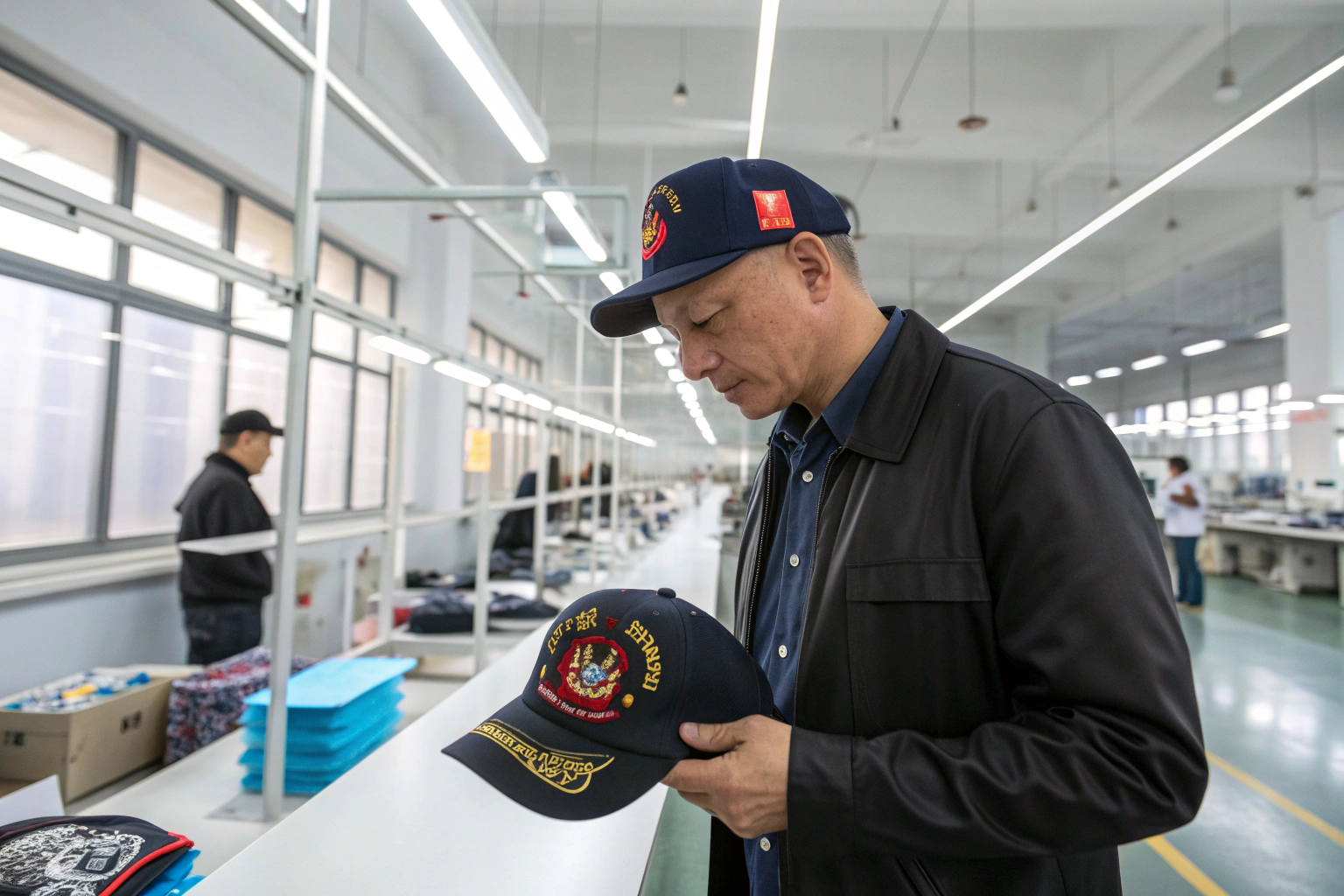
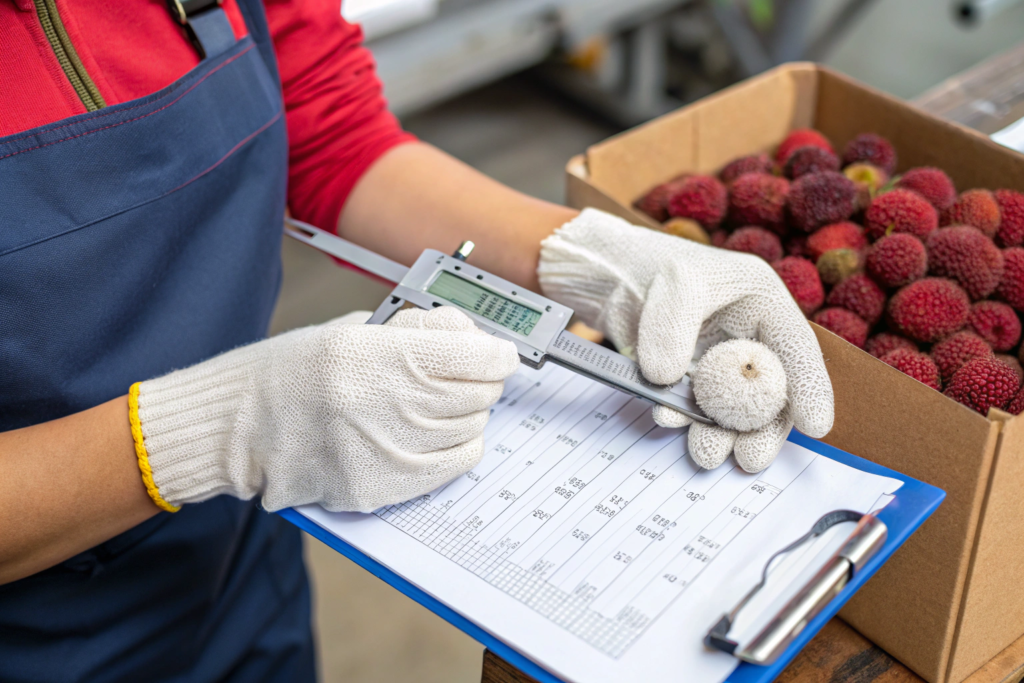
Consistency checks are visual and tactile. The QC team should have a reference board with an approved "golden sample" pom-pom and also examples of acceptable minor variations and unacceptable defects. They will check:
- Size & Shape: Using a measuring tool or a drilled hole template to quickly check diameter.
- Density & Fullness: Squeezing the pom-pom to feel if it's too loose or too hard.
- Trim Quality: Ensuring it's evenly trimmed with no long, stray strands or bald spots.
- Color Match: Under consistent lighting, against the approved yarn swatch.
A certain tolerance (e.g., ±10% in diameter) should be agreed upon beforehand. Workers whose output consistently falls outside tolerance require retraining.
What is a Fair AQL Standard for Pom-Pom Gloves?
The AQL (Acceptable Quality Level) for such a product should be stricter on defects related to the pom-pom. You might use a standard like AQL 2.5 for major defects (which would include a detached pom-pom, severe size mismatch, wrong color) and AQL 4.0 for minor defects (slight uneven trimming, a minor loose thread on the pom-pom). It is crucial to define what constitutes a major vs. minor defect specifically for the pom-pom in your QC checklist shared with the factory and any third-party inspector. This clarity prevents disputes during final inspection.
How to Find and Vet the Right Factory for This Product?
Not every glove factory can do this well. You need to target suppliers with demonstrated experience in hybrid manufacturing—those who produce items requiring hand-finishing, beading, embroidery, or other embellishments. How do you separate true specialists from generalists?
Start your search with targeted inquiries on B2B platforms using keywords like "handmade pom-pom gloves manufacturer," "glove embellishment factory," or "accessories with handwork." Scrutinize their product galleries for similar items. The most important step is to ask the right vetting questions and demand proof of capability.
What Questions Must You Ask a Potential Supplier?
Go beyond standard questions. Ask specifically:
- "Do you have a dedicated handwork department? How many workers are skilled in pom-pom making?"
- "Can you show me examples of previous orders combining machine-knitted/sewn items with handmade decorative elements?" (Request photos/videos of past work).
- "What is your process for training handwork staff and ensuring consistency?"
- "How do you manage production scheduling to integrate the slower handwork with the faster glove production?"
- "Can we visit the handwork department via video call?"
Their answers will reveal their experience level and operational maturity in this niche.
Why is Sampling Even More Critical for This Product?
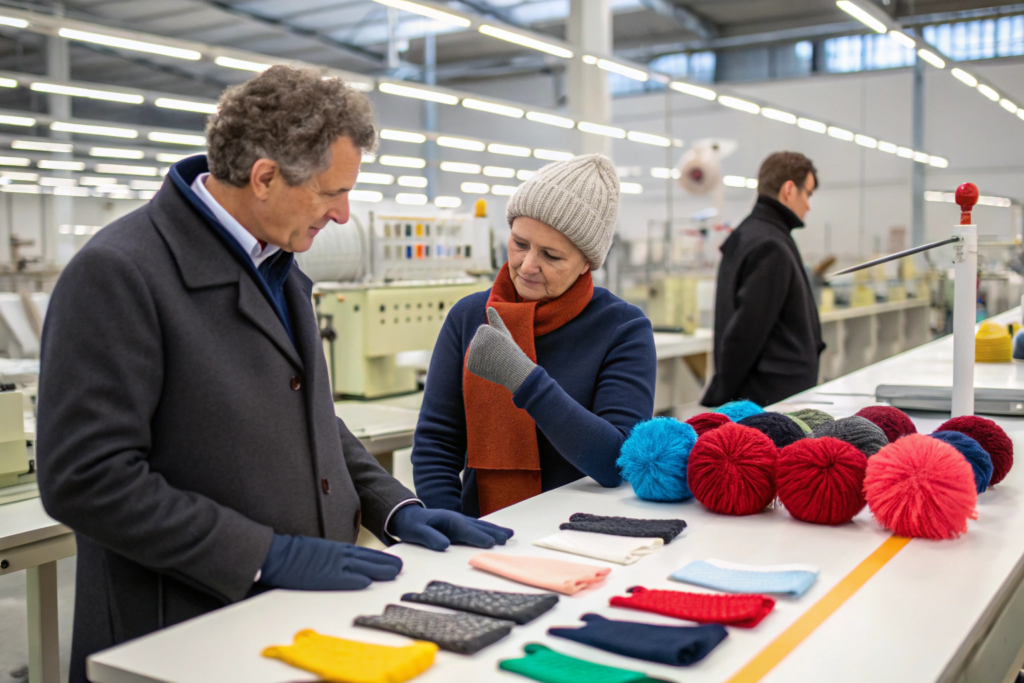
For pom-pom gloves, the development sample and pre-production sample (PP sample) are your most important tools. You must approve not only the look but also the feel and construction method. When you receive development samples:
- Deconstruct one: Cut off a pom-pom to see exactly how it was attached.
- Perform your own "torture test": Tug on it vigorously, simulate wear.
- Approve the exact yarn.
- Use the approved PP sample as the gold standard for the entire production run. Send it back to the factory so their QC team can physically compare every batch against it. A professional factory like Shanghai Fumao Clothing will insist on this clear standard to ensure a successful outcome.
Conclusion
Chinese factories are not only capable of producing gloves with handmade pom-poms, but many excel at it by mastering the integration of scale production with artisanal detail. The key to success lies in partnering with a manufacturer that has the specialized infrastructure—a dedicated handwork department, skilled artisans, and a quality control system attuned to handcrafted consistency.
By providing crystal-clear specifications, engaging deeply in the sampling process, and vetting suppliers for their specific hybrid production experience, you can confidently bring a line of beautiful, high-quality pom-pom gloves to market. This product exemplifies how modern manufacturing can successfully embrace and scale the human touch.
If you are looking for a reliable partner to produce your next accessory line featuring delicate handcrafted details like pom-poms, we invite you to connect with us. Shanghai Fumao Clothing has the expertise, departments, and quality systems in place to expertly execute these hybrid products. Let's create something beautiful and built to last together. Contact our Business Director Elaine to discuss your pom-pom glove project. Reach her at: elaine@fumaoclothing.com.