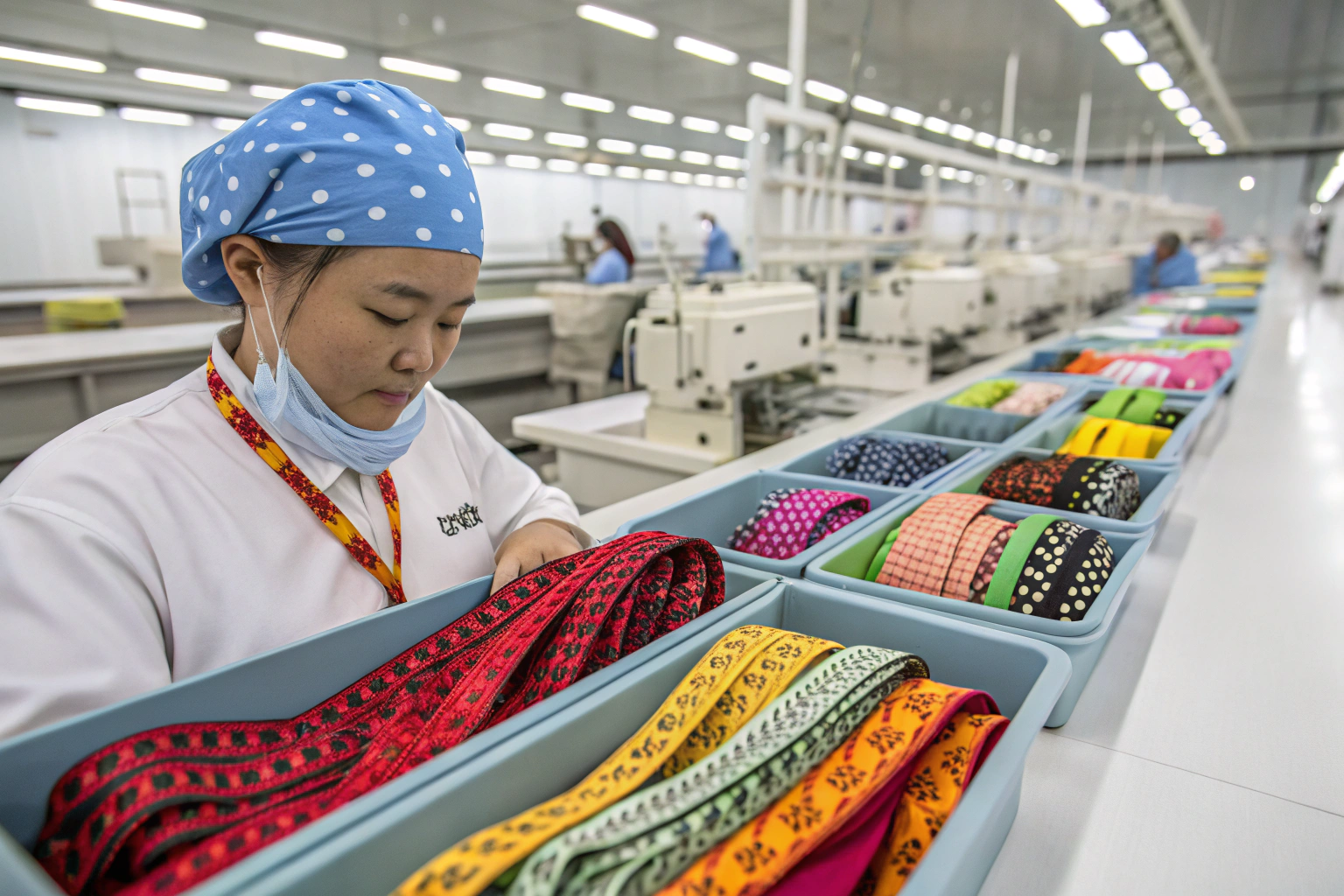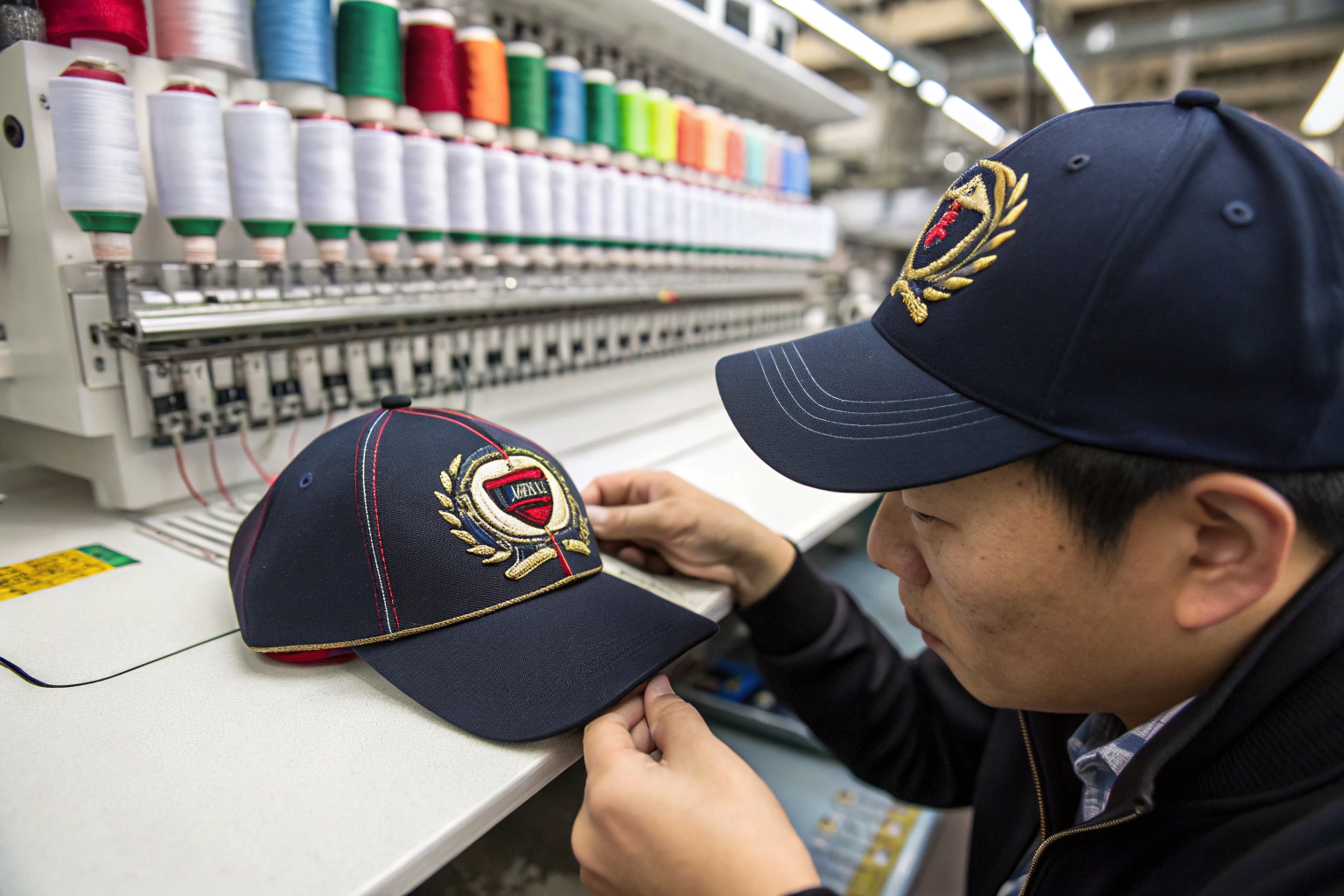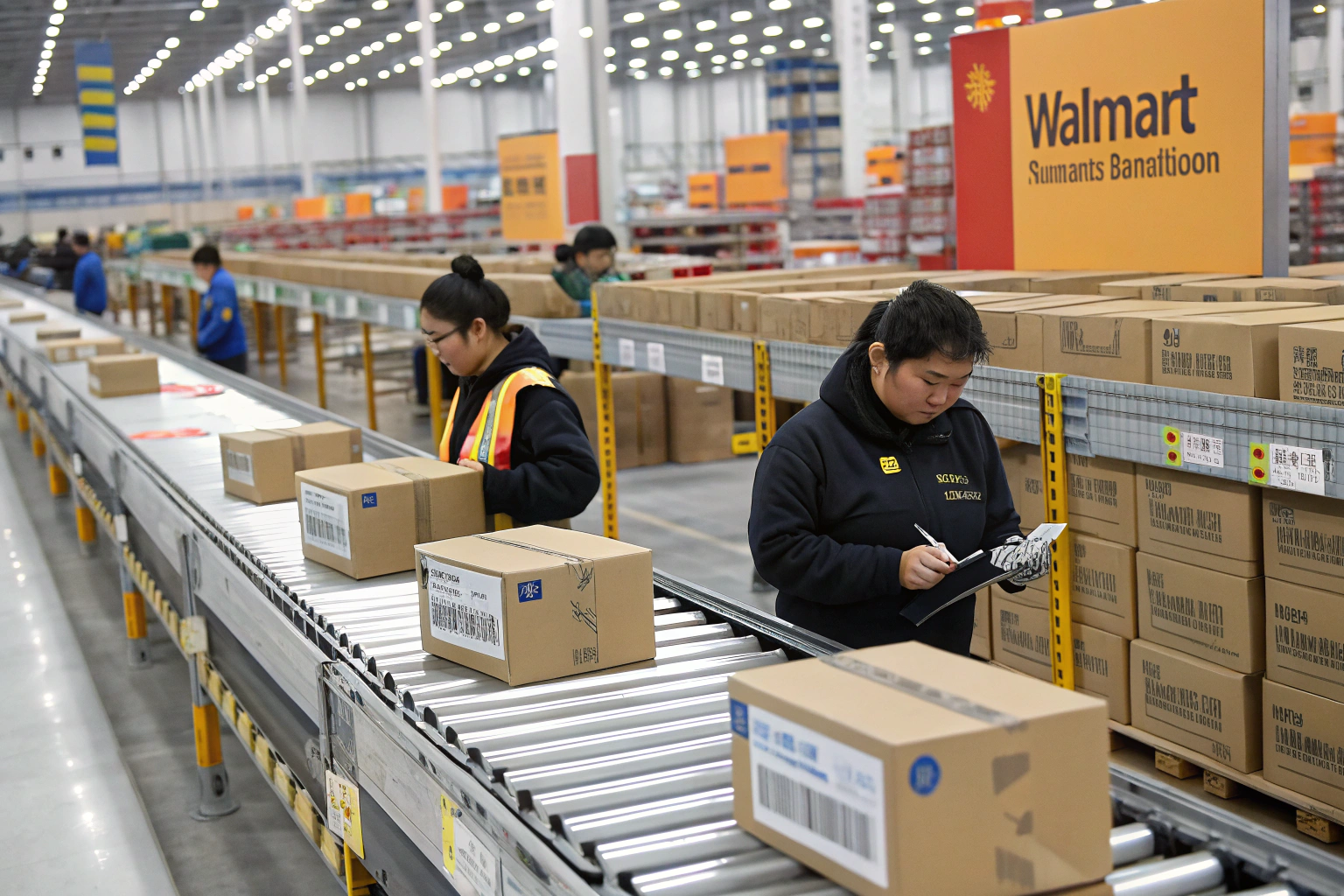
Ron just landed a trial order with Walmart for 50,000 units of fashion hair clips and belts. The celebration lasted about fifteen minutes. Then the vendor compliance manual arrived. It was 143 pages long. The routing guide alone contained seventeen different scenarios depending on whether the goods go to a Distribution Center in Arkansas or a Regional Import Center in California. And the delivery window is a hard four-day window. Miss that window by even twenty-four hours and you are looking at a chargeback penalty that wipes out your profit margin on the entire order. The anxiety is not about whether the factory can make the goods. It is about whether the factory can deliver them to Walmart's doorstep on time and by the book.
Yes, a professional Chinese accessory supplier can handle fast shipping to Walmart in the US by utilizing a Walmart-approved freight forwarder, adhering strictly to the Retail Link routing guide, and ensuring 100% compliance with ASN and UCC-128 label requirements before the container leaves China.
I have been navigating the Walmart supply chain from our factory in Zhejiang for a long time. It is a different animal compared to shipping to a small boutique or even a regional department store. The stakes are higher. The systems are more rigid. But the rewards are consistent, high-volume orders. Let me break down exactly how we manage the Walmart logistics puzzle at Shanghai Fumao so you can understand what to look for in a supplier partner.
What Are Walmart's Specific Shipping and Routing Requirements?
The first thing you need to understand is that Walmart does not want you to choose your own freight forwarder. Walmart wants to control the inbound freight. They have negotiated massive volume discounts with specific ocean carriers and trucking companies. They pass some of that efficiency on to you, but they require you to play by their routing rules without exception.
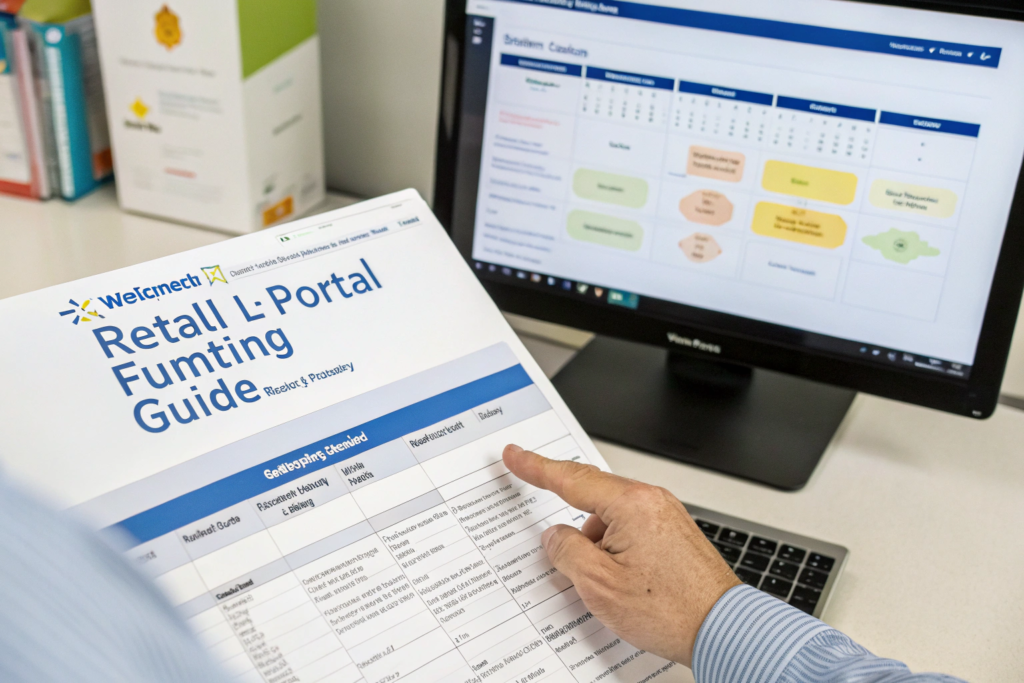
When we receive a Walmart purchase order at AceAccessory, the first thing we do is log into the Retail Link portal. This is Walmart's proprietary vendor management system. The PO will specify the routing type. It could be "Collect" where Walmart arranges and pays for freight. It could be "Prepaid" where we arrange freight but must use a Walmart-approved carrier. It could be "Routed" where we get specific instructions from Walmart's logistics team. We do not guess. We follow the code on the PO exactly.
The biggest mistake new vendors make is shipping the goods to the wrong facility. Walmart has multiple types of import centers. There are Consolidation Centers, Regional Distribution Centers, and Direct-to-Store flows. If you send a container of hair accessories to a grocery DC by mistake, the freight gets rejected at the gate. The truck turns around and you pay for storage and re-delivery. At AceAccessory, our shipping department has a dedicated Walmart compliance specialist. Her only job is to verify the ship-to address against the master routing guide and confirm it with the Walmart traffic department before the container is loaded.
How Does the Walmart Collect vs. Prepaid Routing Work?
This is a source of confusion for many first-time Walmart suppliers. The terms are specific and they dictate who controls the movement of the goods.
If the PO says "Collect," Walmart is paying the ocean freight and inland drayage. However, the factory is still responsible for getting the container to the port of origin and clearing Chinese export customs. We must use a specific trucking company from the Walmart approved list to haul the container from our factory in Zhejiang to the port of Ningbo or Shanghai. We must book the delivery appointment at the port terminal three days in advance.
If the PO says "Prepaid," we at AceAccessory pay the freight. But we are not free to use any cheap carrier we find. We must select a carrier from Walmart's Approved Carrier List. This list is published quarterly. We check the list, get a rate quote from an approved carrier, and add that cost to our invoice to Walmart. We also have to file the routing request in Retail Link at least fourteen days before the ship date. This gives Walmart visibility into the pipeline. They can see our shipment status in their system before the ship even leaves Shanghai. That visibility is the whole point of the program.
What Is the Required ASN and UCC-128 Labeling Protocol?
If the routing is the brain of Walmart logistics, the barcode label is the nervous system. Without a perfect UCC-128 label, your shipment is blind to Walmart's automated receiving system. Blind shipments get set aside and processed manually. Manual processing costs the vendor money. Lots of money.
The UCC-128 label is a large barcode label that goes on the outside of every carton. It contains the Walmart PO number, the item number, the carton quantity, and a unique serialized shipping container code. This label must be generated directly from Retail Link. You cannot just use a generic barcode font. You must use the exact label format that Walmart provides.
At AceAccessory, we print these labels in our packing department on thermal transfer printers. The labels must be durable enough to survive a forty-day ocean voyage and the rough handling of a cross-dock facility. We use a specific label stock and ribbon combination approved for Walmart shipments. After applying the labels, we scan a sample of cartons with a barcode verifier. This device checks the grade of the barcode. If the grade is below B, we reprint the label. A single unscannable carton can stop a whole pallet from being received. We also transmit the Advanced Ship Notice or ASN electronically. This tells Walmart exactly what is in the container before it arrives. It is the final step in our logistics compliance checklist.
How to Meet Walmart's Strict On-Time Delivery Windows?
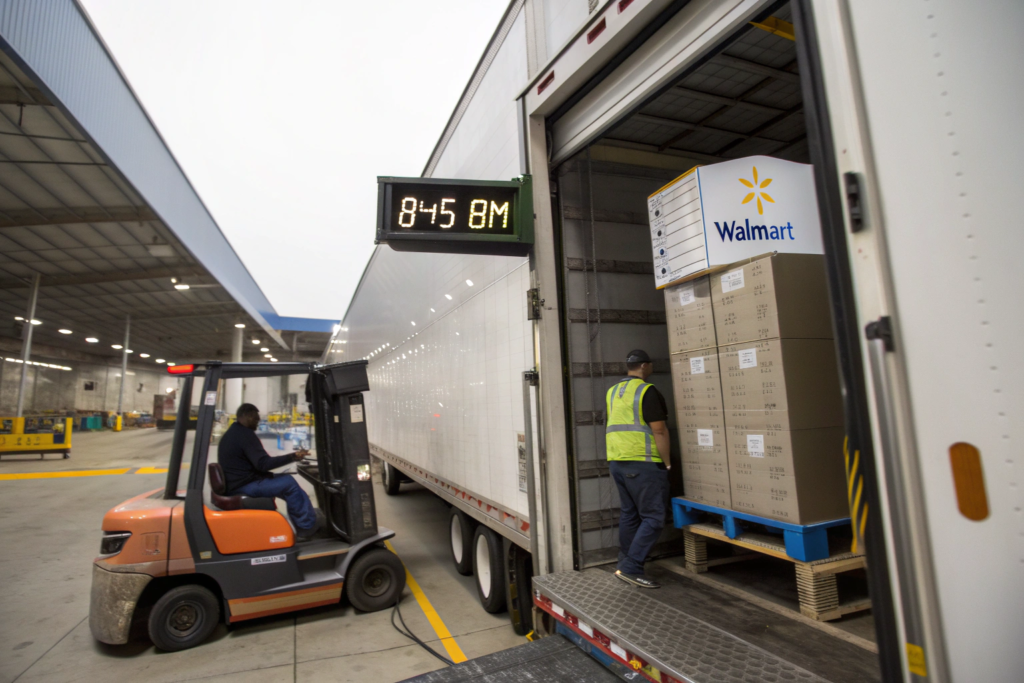
Walmart does not operate on a "sometime next week" schedule. They operate on precise delivery appointments. Your shipment is assigned a two-hour window at the destination Distribution Center. If the truck arrives at 10:15 AM for a 9:00 AM appointment, it might be turned away or forced to wait for a standby slot. That wait time costs money. And it counts against the supplier's performance scorecard.
The on-time delivery metric is calculated from the "Must Arrive By Date" or MABD on the purchase order. The goods must be physically on the dock of the Walmart facility by that date. Not on the water. Not in the port waiting for customs clearance. On the dock. Working backward from the MABD is the only way to manage a Walmart order successfully. At AceAccessory, we start with the MABD and subtract forty-five days. That is our target ex-factory date. We do not leave buffer for hope. We leave buffer for typhoons, port congestion, and customs exams.
I recall an order of winter knit hats that had a MABD of October 1st. We targeted August 15th for ex-factory. A typhoon hit Ningbo port on August 20th and shut down operations for three days. Because we had that buffer built in, the container still made the vessel cutoff. The goods arrived at the Walmart DC on September 29th, one day early. The buyer never knew there was a weather delay. That is the value of an experienced supplier managing the supply chain timeline proactively.
What Happens If You Miss the MABD or Delivery Window?
The consequences are financial and reputational. Walmart issues chargebacks for non-compliance. The specific fine structure is published in the vendor agreement. A late shipment can trigger a deduction of 3% of the cost of goods. A missing ASN can trigger a separate deduction. An incorrect carton label can trigger another.
But the real pain is not the immediate fine. The real pain is the impact on your "On Time In Full" or OTIF score. Walmart tracks every supplier's performance on a dashboard. Buyers review this scorecard before placing new orders. If your OTIF score drops below a certain threshold, you become ineligible for new programs. You might lose your spot on a shelf or a feature in a weekly circular. In the worst case, you can be de-listed as a vendor entirely.
We protect our scorecard by communicating early and often. If we see a potential delay due to a material shortage, we email the Walmart replenishment manager immediately. We do not wait until the ship date has passed. We provide a new projected date and ask for guidance. Sometimes Walmart can adjust the receiving schedule if they have enough notice. They cannot adjust it if you tell them the day after the goods were supposed to arrive. Honest, proactive communication is part of our vendor compliance strategy.
How Does the Walmart Consolidation Program Affect Transit Time?
For smaller orders or initial test programs, Walmart often routes shipments through a Consolidation Center. This is a facility in China or the US where multiple vendors' small shipments are combined into a single full container.
If your order is less than a container load or LCL, Walmart may require you to deliver the goods to a designated consolidation warehouse in China. From there, Walmart's logistics partner manages the ocean freight. This process adds about seven to ten days to the total transit time because the goods sit in the consolidation warehouse waiting for other vendors' cargo to fill the container.
At Shanghai Fumao, we inform our clients about this potential delay upfront. We also advise on minimum order quantities that make a full container load or FCL more cost-effective. A full container from our factory in Zhejiang goes directly to the port without stopping at a consolidation warehouse. It saves time and reduces handling. Less handling means less chance of carton damage or label loss. For a fast-moving accessory program, that extra week of selling time on the Walmart shelf is worth the investment in a full container load shipping strategy.
What Packaging and Pallet Standards Does Walmart Enforce?
The inside of the carton matters for the consumer. The outside of the carton and the pallet matter for Walmart's material handling equipment. If your pallet is too tall, it jams the conveyor. If your pallet is too flimsy, it collapses and spills product all over the DC floor. These are not hypothetical scenarios. They happen daily.
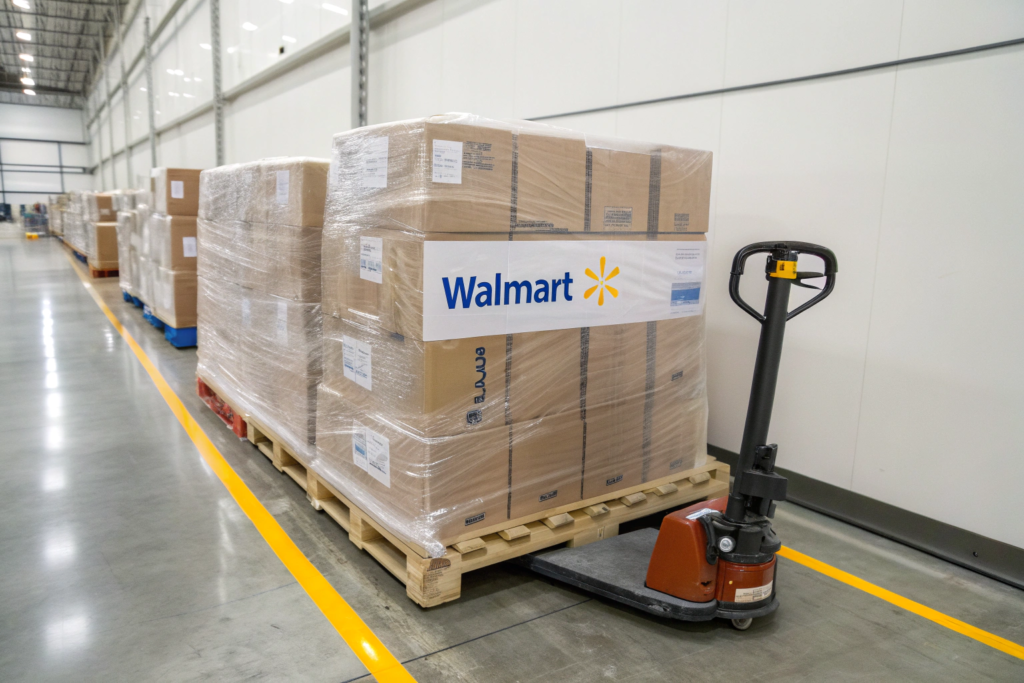
Walmart has a detailed supplier packaging guide. It specifies the acceptable pallet sizes. Typically 40 inches by 48 inches with four-way entry. It specifies the maximum pallet height, including the pallet itself. Usually 53 inches for standard shipments. It specifies the type of stretch wrap required. It even specifies the type of corner posts if the cartons are not strong enough to be stacked. At AceAccessory, we have a copy of this guide printed and posted in our packing area. Our team checks the pallet height with a measuring stick before the stretch wrap goes on.
We also have to consider the retail packaging inside the carton. Walmart's "Ready to Display" or RPD program is popular for accessories like hair clips and belts. The carton itself converts into a display tray. The store associate simply opens the lid and places the tray on the shelf. This requires a specific carton design with a tear strip. We work with our packaging suppliers to create RPD cartons that meet Walmart's display ready packaging specifications.
What Are the Pallet Labeling Requirements for Walmart DCs?
Just as each carton needs a UCC-128 label, each pallet needs a Pallet Label. This is a large 8.5 by 11 inch document placed on the side of the pallet in a clear plastic pouch or sleeve.
The Pallet Label contains a summary of the cartons on that pallet. It includes the total piece count, the PO number, and the item numbers. When the pallet arrives at the Walmart DC, a worker scans this label with a ring scanner. The system instantly knows what is on the pallet and where to route it in the facility. A missing or unreadable pallet label sends the pallet to the "Problem Resolution" area. That is the black hole of logistics. Goods can sit there for weeks.
We generate these Pallet Labels at the same time as the carton labels. We place them on two adjacent sides of the pallet so the scanner can read it from any angle. This attention to detail in the packing process is what ensures our goods flow through the Walmart DC at the speed of automated warehousing rather than the speed of a manual search party.
How Do You Handle Item-Level Ticketing for Walmart Stores?
Walmart requires a specific price ticket or hang tag on each sellable unit. This ticket must include the Walmart Item Number, the UPC barcode, and the retail price. The format of this ticket is strictly controlled.
If you use the wrong barcode symbology or the wrong font size, the register scanner will not read it. A non-scannable ticket at the checkout means a delayed customer and a frustrated store manager. Store managers file complaints against vendors.
At AceAccessory, we manage the entire ticketing process in-house. We receive the Walmart item setup sheet with the approved UPC and price. Our design team creates a hang tag that meets the Walmart size and font requirements. We print these tags on durable cardstock and attach them to every hair clip, belt, and hat. We also use a barcode scanner to test a sample of the finished goods before they are packed. We verify that the UPC scans correctly and that the correct price appears on the simulated register screen. This is the final quality check before the product leaves our factory in Zhejiang. It prevents point of sale scanning issues at the Walmart checkout across the ocean.
Can a Chinese Factory Integrate with Walmart's Retail Link System?
Walmart is a data-driven company. They expect their suppliers to be data-driven as well. This means more than just sending emails. It means interacting directly with the Retail Link system. This is the digital backbone of the Walmart supply chain. It is where POs are acknowledged, ASNs are filed, and invoices are submitted.
Many small factories in China do not have the English language capability or the technical infrastructure to use Retail Link effectively. They rely on the buyer or a trading company to handle the data entry. This adds a layer of delay and potential error. At AceAccessory, we made the decision to bring Retail Link management in-house. We have a dedicated compliance officer who logs into the portal daily. She speaks fluent English and understands the specific terminology of Walmart's vendor management portal.
When a PO drops into the system, we acknowledge it within twenty-four hours. This simple act confirms to Walmart that the order is in process and the lead time clock has started. Failure to acknowledge a PO can result in the order being canceled automatically by the system. We also use Retail Link to track our OTIF scorecard and review any chargeback disputes. Managing the portal internally gives us direct control over our compliance standing.

How Do You Submit Invoices Through the Walmart Payment System?
Walmart does not pay based on a PDF invoice sent by email. They pay based on an Electronic Data Interchange or EDI transaction. Specifically, an EDI 810 document. This is a standardized electronic invoice that flows directly from the supplier's system into Walmart's accounts payable system.
To send an EDI 810, a factory must have an EDI service provider or an ERP system that is compatible with Walmart's requirements. The invoice must match the PO exactly. If the quantity shipped is different from the quantity ordered, the invoice must reflect the shipped quantity only. Any discrepancy between the ASN, the physical goods received, and the EDI 810 will cause a payment hold.
At AceAccessory, we use a third-party EDI provider that connects our internal shipping data to Walmart's network. When the container leaves the port, we trigger the invoice. The payment terms are typically net 60 days from receipt of goods. By submitting the invoice electronically and accurately, we ensure that the payment clock starts on time and there are no deductions due to paperwork errors. This is the electronic data interchange compliance that professional suppliers must maintain.
What Is the Importance of the Supplier Agreement and Code of Conduct?
Before a single carton is shipped, the supplier must sign Walmart's Supplier Agreement. This is a legal contract. It outlines the terms of sale, the compliance requirements, and the chargeback schedule. It is not negotiable for a factory of our size.
More importantly, the supplier must acknowledge and adhere to Walmart's Standards for Suppliers. This document covers ethical sourcing, labor practices, and environmental compliance. It requires the factory to disclose the location of all production facilities. Walmart conducts independent audits to verify compliance with these standards. They use firms like Intertek or Bureau Veritas.
AceAccessory has undergone and passed these audits. Our factory in Zhejiang is fully transparent about its workforce and practices. We provide the audit reports to Walmart annually. This compliance with the ethical sourcing code of conduct is not just a piece of paper. It is a business requirement for being a long-term partner to the world's largest retailer.
Conclusion
Shipping to Walmart from a Chinese accessory factory is not for the faint of heart. It requires a level of operational discipline that goes far beyond making a good hair clip or a nice belt. It requires mastery of the routing guide, the labeling protocols, the pallet standards, and the Retail Link portal. It requires a factory that plans forty-five days ahead and builds buffer for the inevitable disruptions of global trade.
But for those suppliers who can meet the standard, Walmart offers a partnership of unparalleled scale and consistency. The order flow is steady. The payment is reliable. The opportunity to grow your manufacturing business alongside a retail giant is real. You just need to be able to handle the complexity.
At Shanghai Fumao, we have built our entire operations infrastructure with Walmart compliance in mind. Our shipping department knows the MABD calendar by heart. Our packing team can print a UCC-128 label in their sleep. Our compliance officer navigates Retail Link like it is her second language. We do the hard work on the ground in Zhejiang so that your accessory order arrives in Arkansas, California, or Texas exactly when and how Walmart expects it.
If you are a brand or an importer looking to fulfill a Walmart program for hair accessories, belts, hats, or scarves, you need a factory that speaks Walmart fluently. We are that factory. Let us handle the logistics compliance so you can focus on growing your business with the world's largest retailer.
For a detailed discussion about your specific Walmart vendor requirements and how we can support your supply chain, please contact our Business Director, Elaine. She can walk you through our Walmart compliance checklist and share recent performance metrics. You can reach her by email at: elaine@fumaoclothing.com. We will make sure your next Walmart shipment is a success story, not a compliance headache.