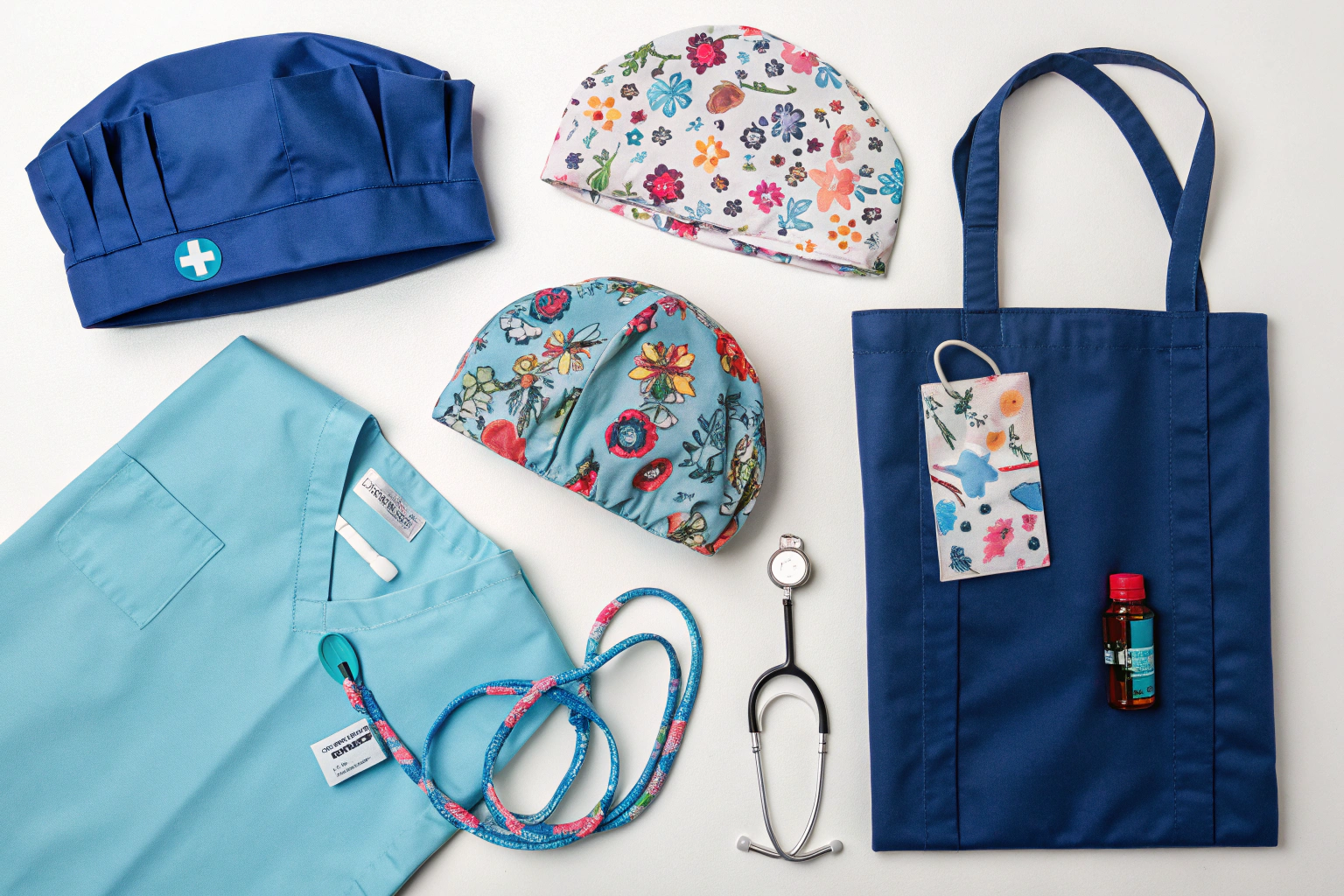
I’ve been in the apparel and accessory business for decades, and I can tell you that the medical uniform sector is a world unto itself. It’s not just about making a hat; it’s about making a hat that meets strict hygiene standards, provides all-day comfort for demanding professionals, and can withstand industrial laundering. It’s a specialized field with unique requirements.
For buyers like Ron, who are looking to supply products to hospitals, clinics, and medical professionals, finding the right manufacturing partner is critical. You need a factory that understands the specific needs of the healthcare environment. They need to know about antimicrobial fabrics, fluid resistance, durability, and the importance of a secure fit. A standard hat manufacturer won’t do.
At Shanghai Fumao Clothing, we have extensive experience manufacturing for the medical sector. We produce a full range of scrubs hats and accessories, from classic surgeon’s caps to trendy, personalized scrub caps. We understand the materials, the regulations, and the quality standards required. In this post, I’ll share our best advice on how to find a manufacturer specializing in medical scrubs hats and accessories.
What Makes Medical Scrubs Hats Different From Regular Hats?
Before you start your search for a manufacturer, you need to understand what makes a medical scrub cap different. It’s not just a fashion item. It’s a piece of personal protective equipment (PPE) with a critical function: to contain hair and prevent it from contaminating the sterile field. This functional requirement dictates every aspect of its design and construction.
A medical scrub cap must be:
- Effective at Containment: It must fully cover and contain all hair.
- Comfortable for Long Hours: Medical professionals often wear them for 12+ hour shifts. They must be comfortable, breathable, and non-irritating.
- Durable and Washable: They are laundered industrially, frequently, and at high temperatures. They must withstand this without shrinking, fading, or losing their shape.
- Made from Appropriate Materials: Often cotton or cotton-polyester blends for breathability and comfort. Some may have antimicrobial or fluid-repellent properties.
- Secure: They must stay in place throughout the workday, even with movement.
Understanding these requirements is the first step in finding a manufacturer who can meet them.
What are the key functional requirements for medical caps?
- Hair Containment: The primary function. The cap must have a design that securely contains all hair, including long hair. This often means a full-coverage design with a secure closure (ties, elastic, or a combination).
- Comfort and Breathability: The fabric must be soft, lightweight, and breathable to prevent overheating and discomfort during long shifts. Cotton is a preferred fabric.
- Secure Fit: The cap must stay in place. This is achieved through the design of the cap itself and the closure mechanism. Ties allow for a customized fit. Elastic provides a snug, consistent fit.
- Durability for Industrial Laundering: Medical facilities often launder their own linens and uniforms. Caps must withstand repeated high-temperature washing and drying without degrading.
- Antimicrobial Properties (Optional): Some caps are treated with antimicrobial finishes to inhibit the growth of bacteria, adding an extra layer of protection.
- Fluid Resistance (Optional): For certain applications, a fluid-repellent finish may be desired.
- Mask Securing Features: Many modern scrub caps have a button or buttons sewn on the outside to hook the elastic loops of a surgical mask, relieving pressure on the ears. This has become a hugely popular feature.
A manufacturer specializing in this field will be intimately familiar with all of these requirements.
What are the most common styles of medical scrub caps?
- Classic Surgeon’s Cap (Tie-Back): The traditional style, with a soft, gathered crown and long ties at the back for a secure, adjustable fit. It’s a timeless, reliable choice.
- Pixie or Bouffant Cap: A fuller, more voluminous style that provides extra room for long or thick hair. Often has an elasticized back for a secure fit.
- Adjustable Scrub Cap: A modern style that often combines a fabric tie with an elastic opening, offering both adjustability and ease of use.
- Baseball Cap Style: A more casual style that looks like a baseball cap but is made from scrub-appropriate fabric and is designed to be worn in non-sterile areas.
- Surgical Hood: A full-coverage hood that covers the head, neck, and sometimes part of the shoulders, used in specific surgical contexts.
Knowing these styles will help you communicate your needs to a potential manufacturer.
What Should You Look For In A Specialized Manufacturer?
Finding a manufacturer who truly specializes in medical scrubs hats is not the same as finding a general apparel manufacturer. You need to look for specific indicators of expertise and capability. A generalist might be able to make a hat, but they won’t understand the nuances of medical-grade requirements.
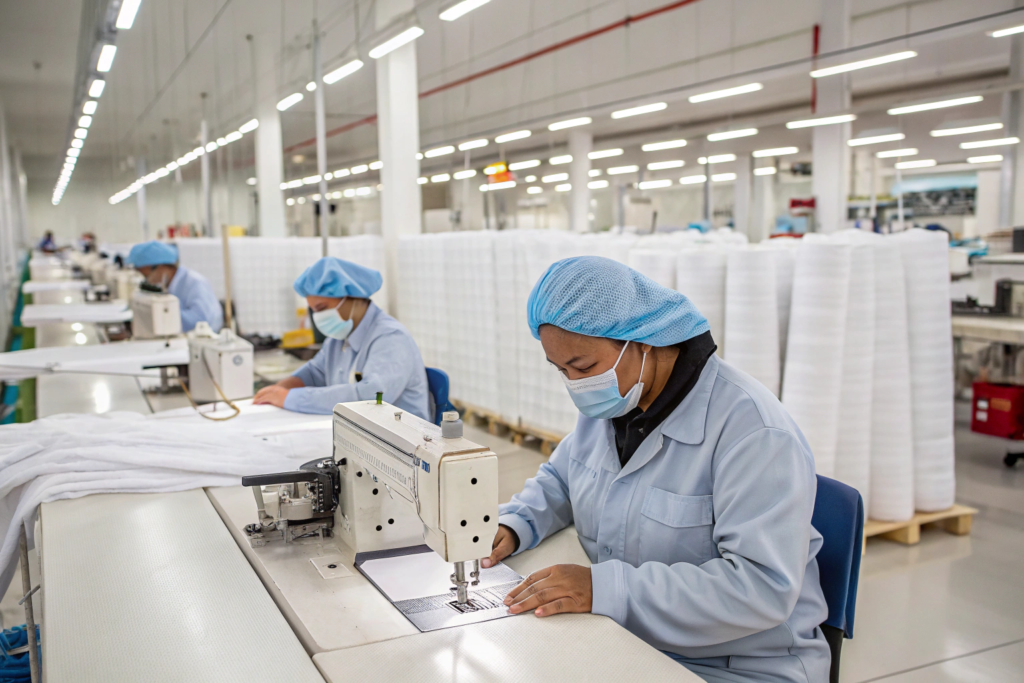
What certifications and compliance standards should they have?
This is the most important factor. A reputable medical garment manufacturer will be able to provide evidence of compliance with relevant standards and regulations.
- ISO 13485: This is the international standard for quality management systems for medical devices. While a scrub cap may not always be classified as a medical device, a manufacturer with this certification demonstrates a commitment to the rigorous quality standards required for medical products. It’s a very strong indicator of expertise.
- FDA Registration (for US market): If you are selling into the United States, your manufacturer should be familiar with the FDA’s requirements for medical garments. They may need to be registered and list your products accordingly.
- CE Marking (for European market): For the European market, products may need to meet relevant EU regulations and carry the CE mark. Your manufacturer should understand these requirements.
- OEKO-TEX Standard 100: This is a globally consistent, independent testing and certification system for textile raw materials, intermediate, and end products at all stages of production. It tests for harmful substances. This is a very common and important certification for any textile product that will be in contact with skin, especially in a medical context.
- Material Certifications: They should be able to provide certifications for the fabrics they use, proving they meet specifications for fiber content, flammability, and other properties.
Always ask potential manufacturers for their certifications and for test reports on their materials and finished products.
What kind of fabric knowledge should they have?
A specialized manufacturer will have deep knowledge of the fabrics suitable for medical use.
- Fabric Types: They should be knowledgeable about the properties of different cotton-polyester blends, 100% cotton options, and any performance fabrics with antimicrobial or fluid-repellent finishes.
- Fabric Weight and Weave: They will understand how fabric weight and weave affect breathability, durability, and comfort.
- Sourcing: They should have established relationships with reliable fabric mills that can provide consistent, high-quality, certified materials.
- Laundering and Shrinkage: Crucially, they must understand how different fabrics behave under industrial laundering. They should be able to advise on pre-shrinking fabric to ensure the finished caps maintain their size after repeated washing.
Ask them about their fabric sourcing and what they recommend for medical applications.
What Are The Key Quality Control Points For Medical Caps?
Quality control for medical caps must be even more rigorous than for fashion accessories. A failure in a medical cap could have consequences beyond a dissatisfied customer. The cap must perform its function reliably, every time.
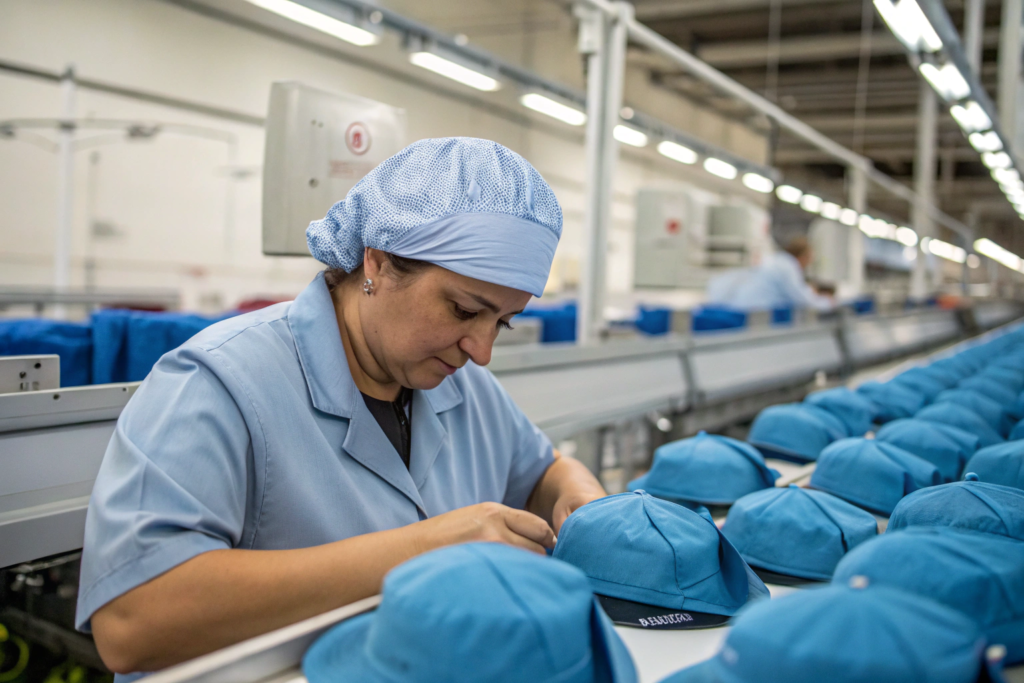
What are the key areas to inspect?
- Stitching: All seams must be strong, even, and secure. There should be no loose threads, skipped stitches, or puckering. The stitching around the crown and the attachment points for ties or elastic are particularly critical.
- Closure Mechanism: Ties must be securely attached and of adequate length. Elastic must be of good quality, provide consistent tension, and be securely enclosed. The closure must function reliably and comfortably.
- Fabric Integrity: The fabric must be free of flaws, tears, or weak spots. The color and print should be consistent across the entire cap and from cap to cap.
- Size and Fit: Caps should be inspected to ensure they conform to the specified dimensions and provide the required coverage.
- Button Attachment (if applicable): If the cap has a button for securing a mask, it must be very securely attached. It will be subject to repeated stress.
- Overall Construction: The cap should be well-constructed overall, with no loose threads or unfinished edges inside that could be uncomfortable against the skin.
A rigorous inspection process is essential.
How do you test for durability after repeated washing?
This is a critical test for medical caps. They will be laundered frequently and industrially.
- Wash Testing: We perform wash tests on samples from every production run. The caps are washed and dried multiple times (often 5, 10, or 25 cycles) using industrial laundry protocols.
- Inspection After Washing: After the wash cycles, the caps are inspected for:
- Shrinkage: Has the cap shrunk excessively? It should remain within an acceptable size range.
- Colorfastness: Have the colors faded or bled?
- Fabric Integrity: Has the fabric pilled, frayed, or weakened?
- Stitching Integrity: Have any seams come undone?
- Closure Function: Do the ties or elastic still function correctly?
A cap that cannot withstand repeated washing is not suitable for the medical environment.
How Do You Communicate Your Needs And Build A Partnership?
Finding the right manufacturer is just the first step. Building a successful, long-term partnership requires clear communication, mutual understanding, and a shared commitment to quality. This is especially true in the specialized field of medical garments.

What information should you provide to a potential manufacturer?
The more detailed and clear you are, the better. Provide:
- Detailed Technical Sketches or Specs: Provide clear drawings or tech packs with all measurements and construction details.
- Sample of a Similar Cap (if available): A physical sample is worth a thousand words. If you have a cap you like, send it as a reference.
- Fabric Specifications: Specify the exact fabric you want, including fiber content, weight, weave, and any required certifications (like OEKO-TEX).
- Closure Details: Be very specific about the type of ties (length, material), elastic (width, type), or other closure.
- Desired Features: Note any special features, like a mask button, and its exact placement.
- Target Market: Tell them where the caps will be sold (US, EU, etc.) so they can ensure compliance with relevant regulations.
- Volume and Timeline: Be upfront about your expected order quantities and desired delivery schedule.
- Quality Standards: Share your quality expectations, including any specific testing you want performed (like wash testing).
Clear communication upfront prevents misunderstandings and costly mistakes later.
Why is it important to visit the factory or conduct virtual audits?
Trust is essential, but it should be verified. Whenever possible, you should:
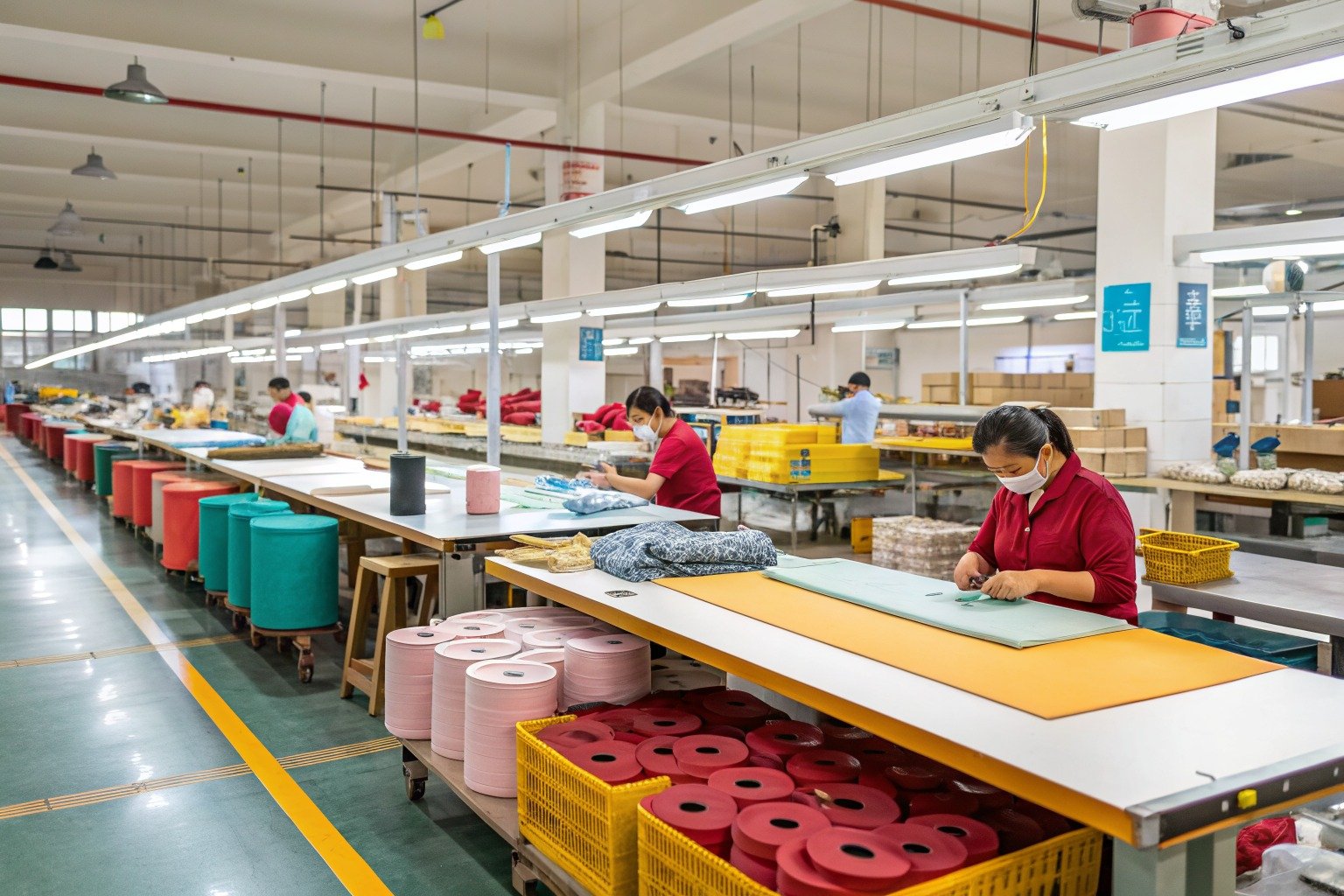
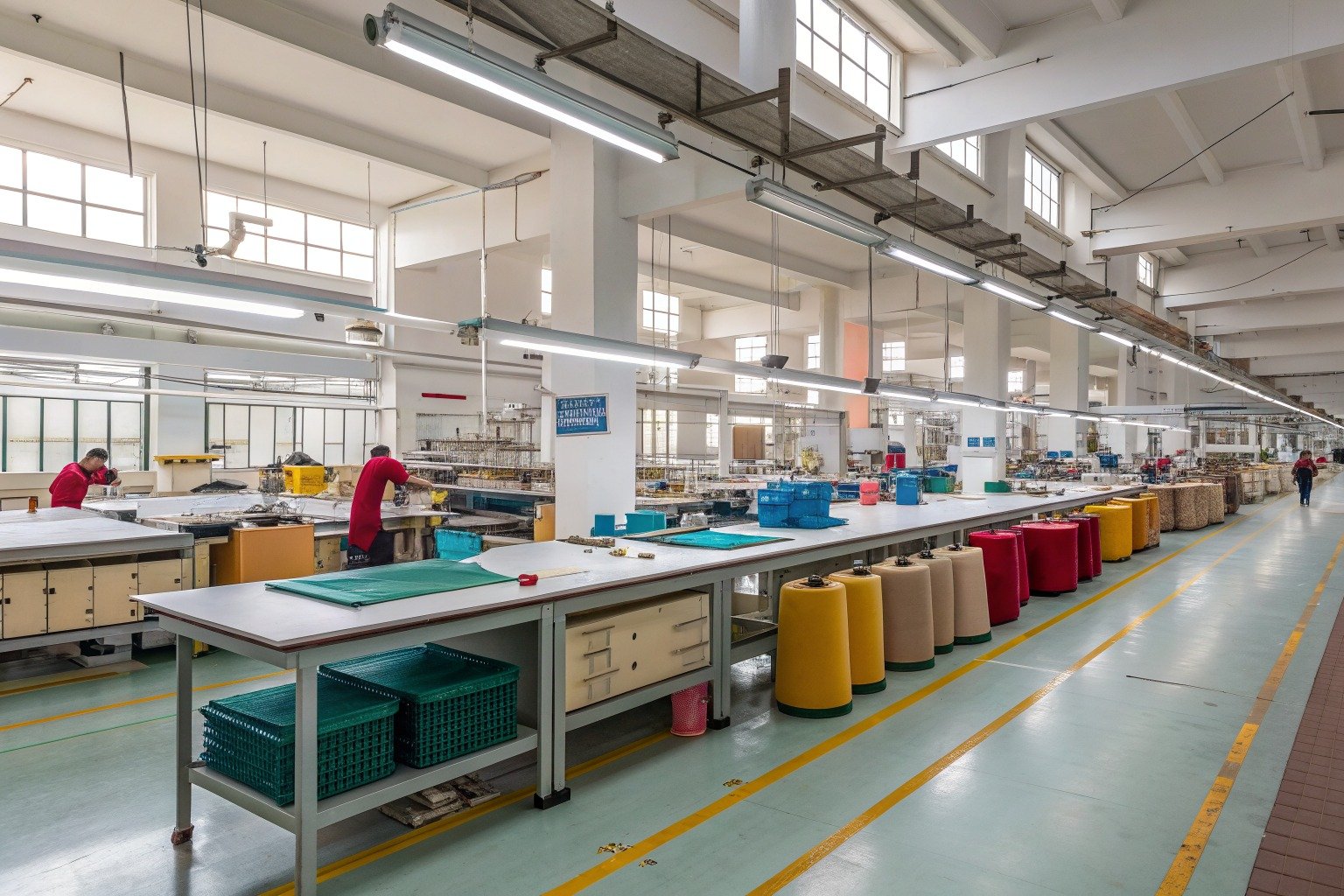
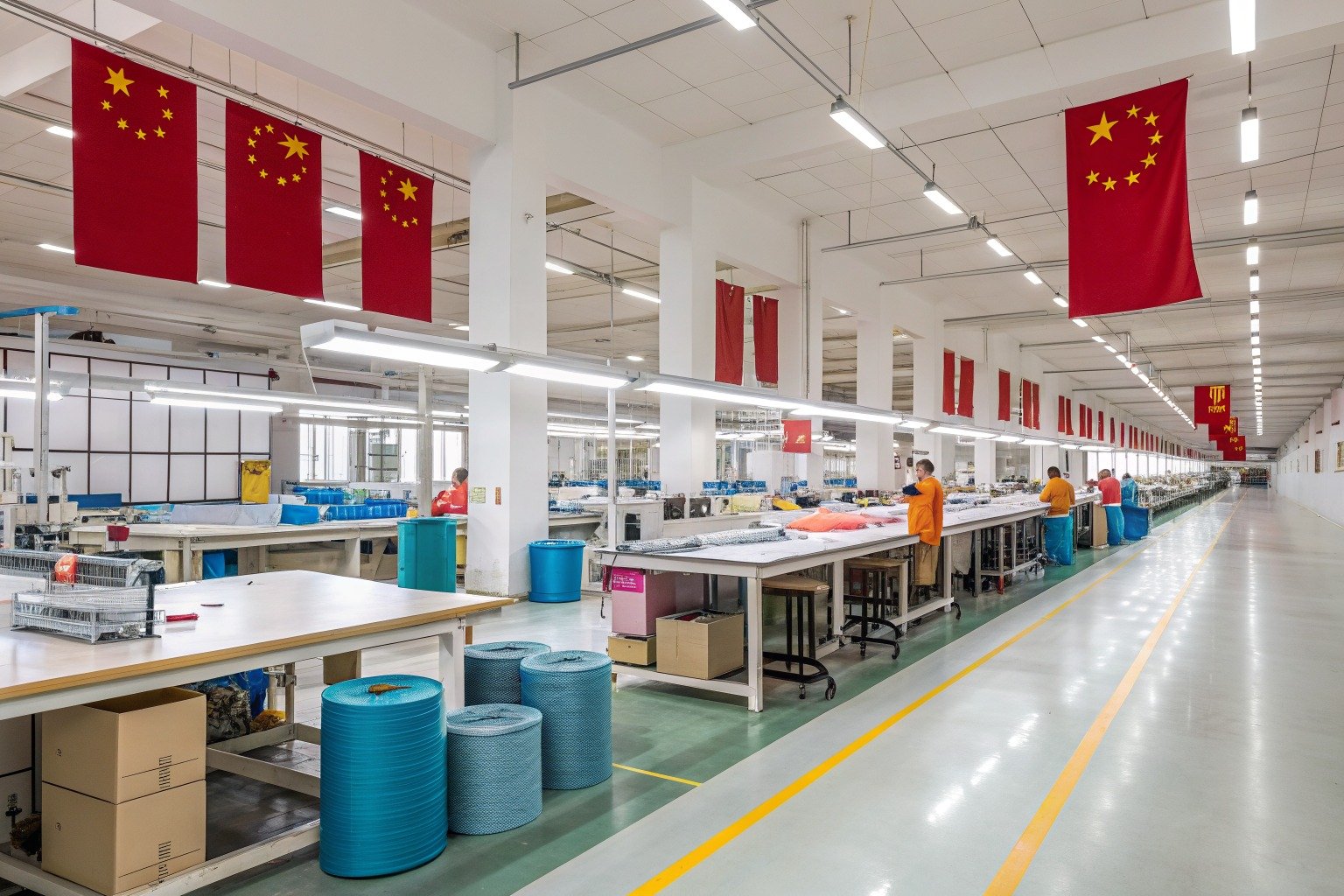
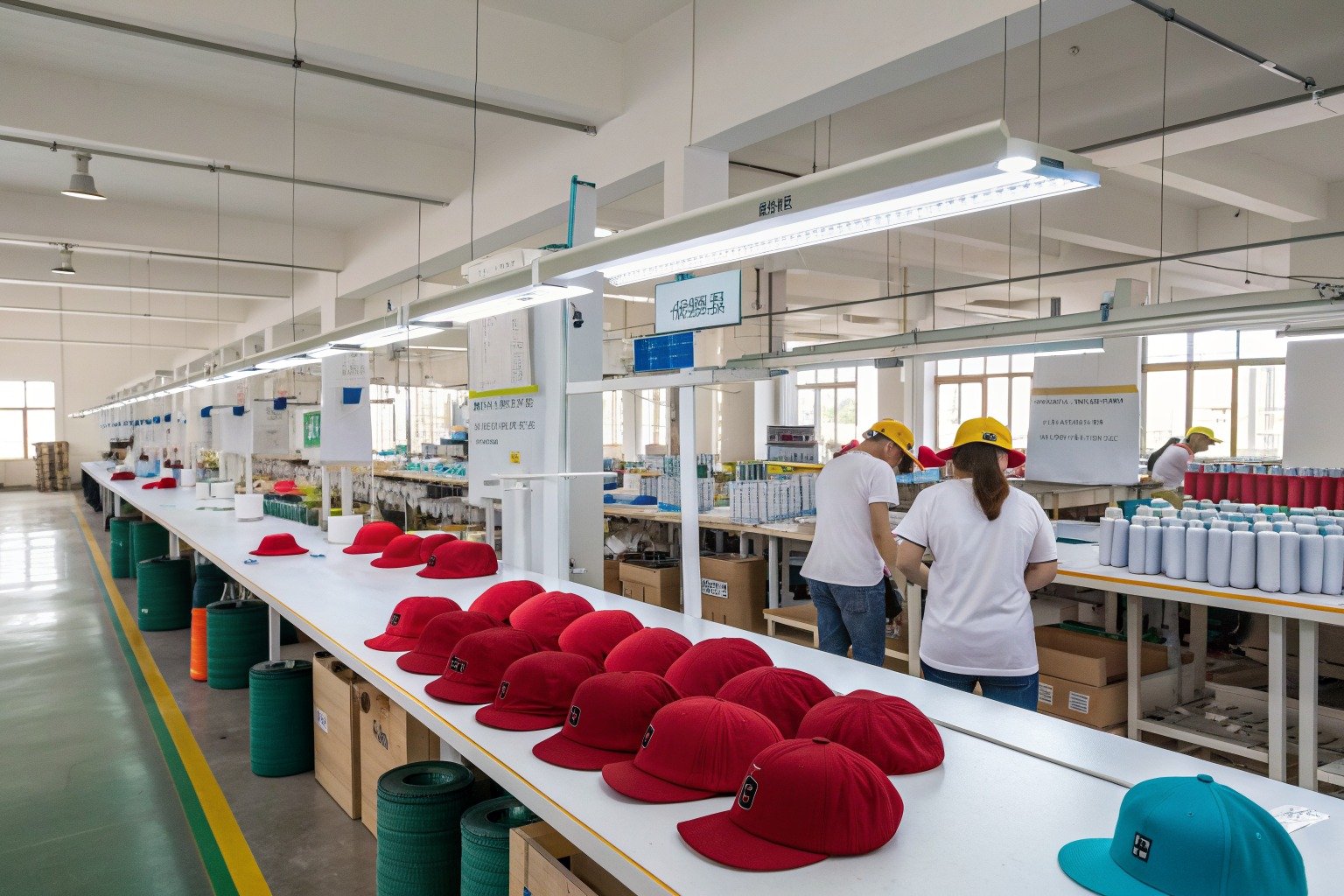
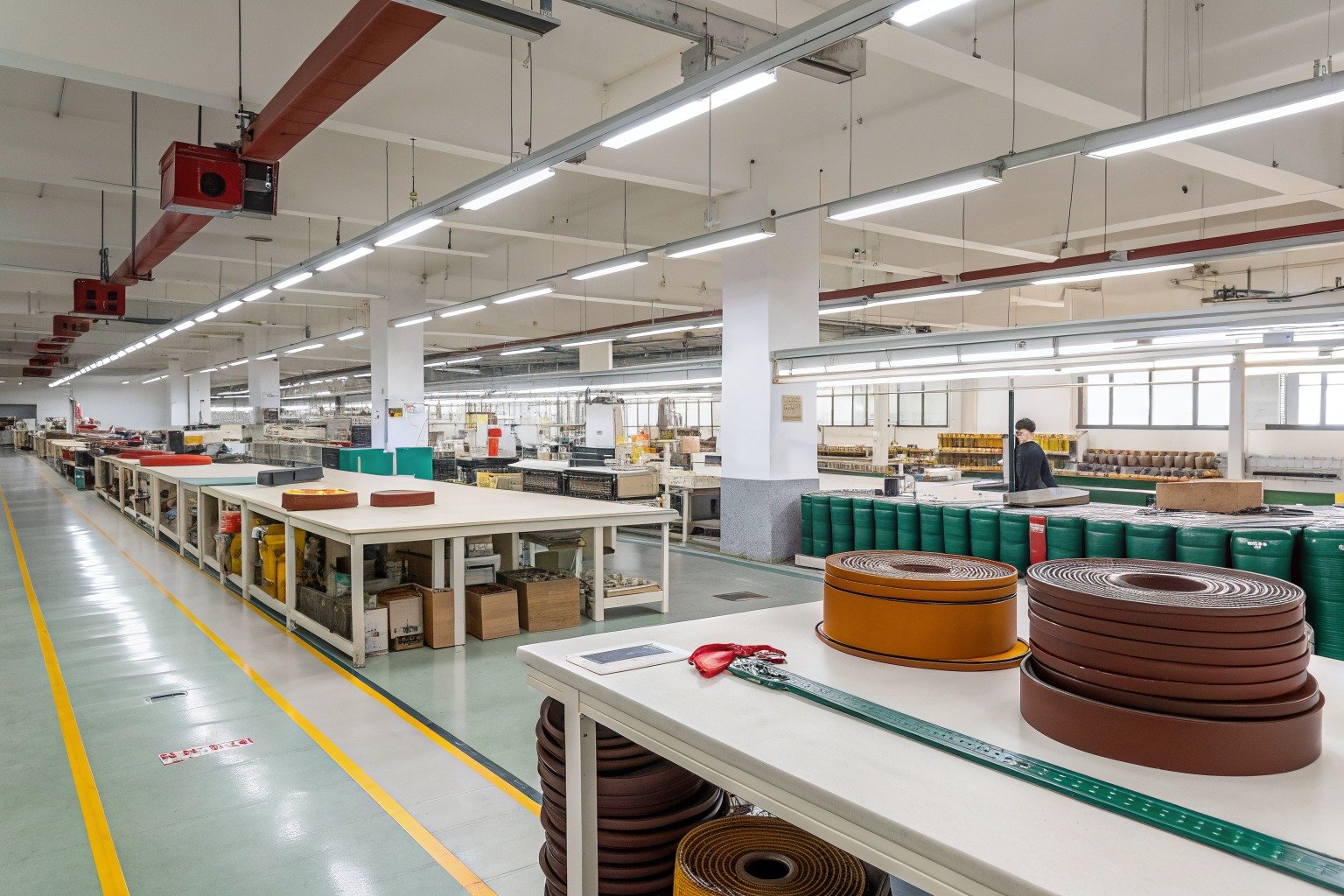
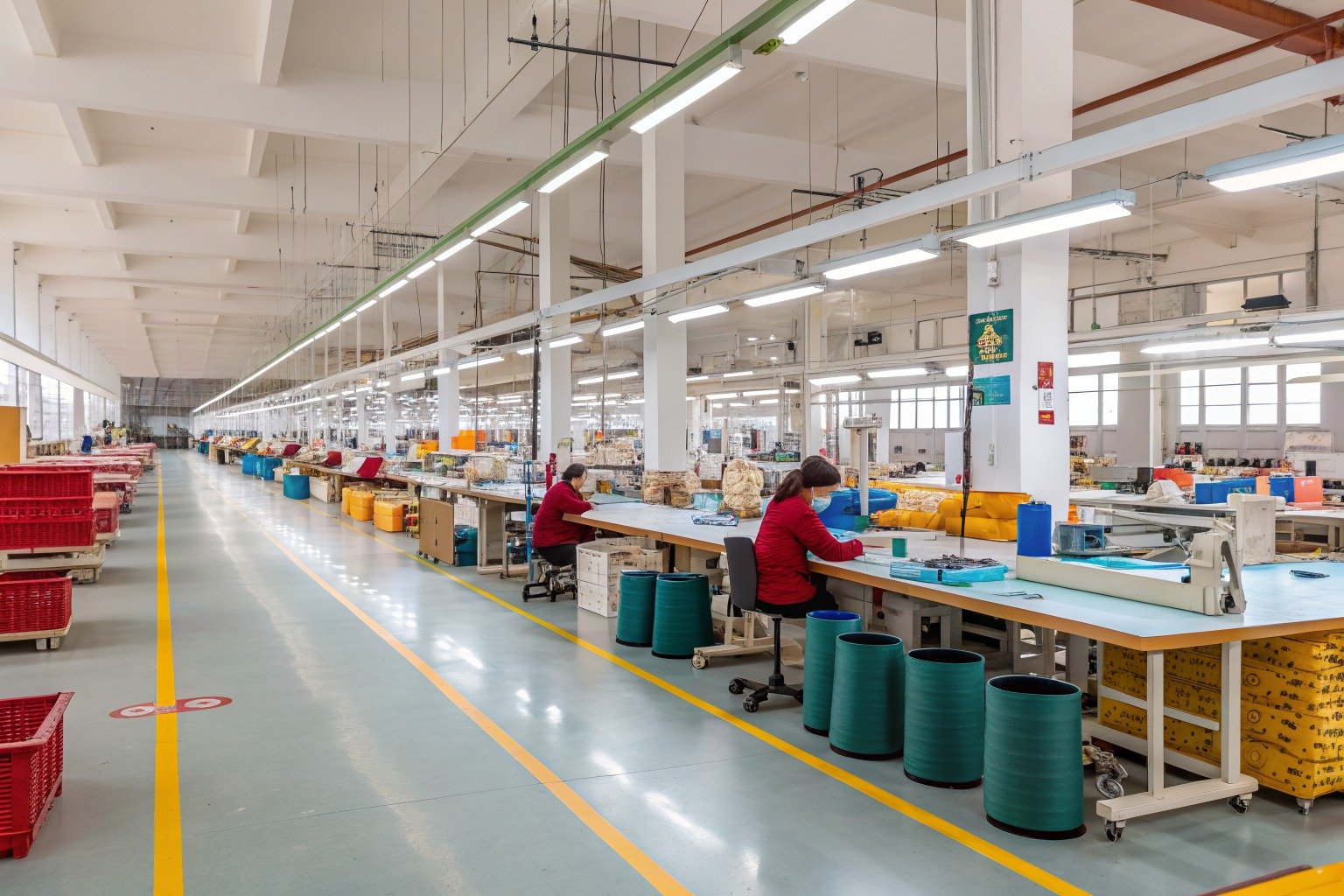
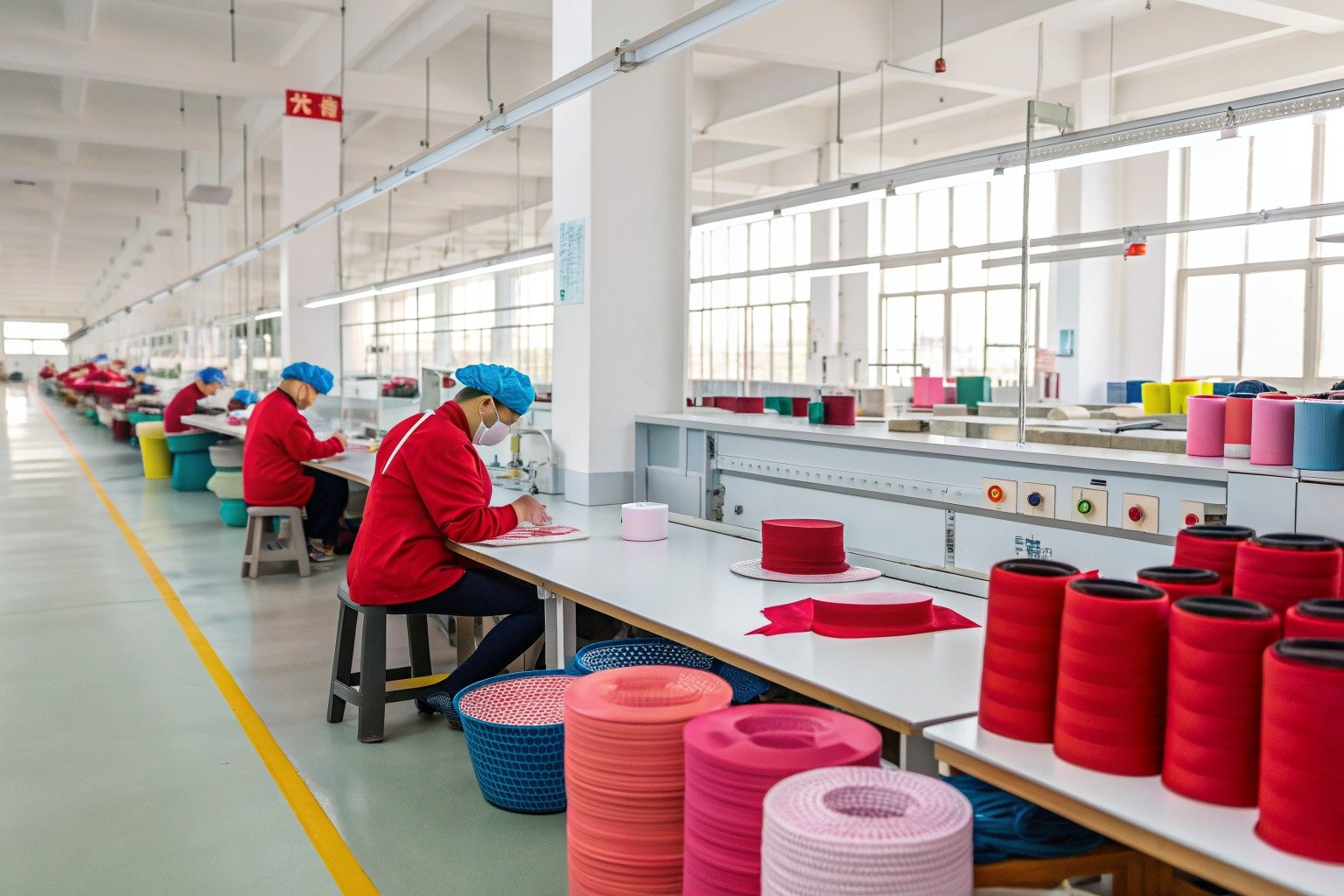
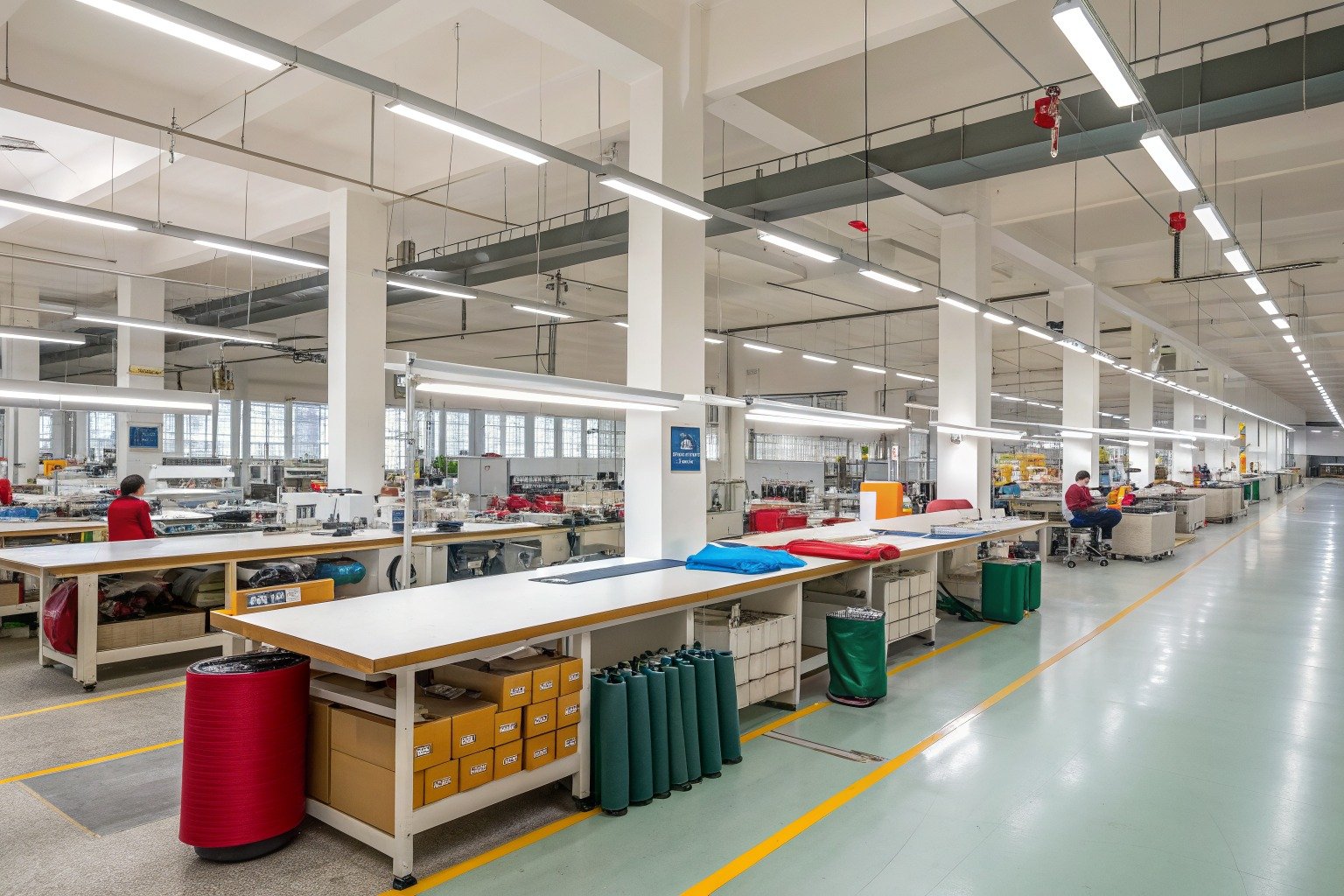
- Visit the Factory: Seeing the facility in person gives you a true sense of their capabilities, organization, and commitment to quality. You can see the production lines, the fabric storage, and the quality control processes firsthand.
- Conduct a Virtual Audit: If a visit is not possible, a virtual audit via video call is the next best thing. Ask to be shown the key areas of the factory and to speak with key personnel.
- Request References: Ask for references from other clients, particularly those in the medical sector. Contact them to ask about their experience.
- Review Their Certifications: As mentioned, verify their certifications.
A reputable, specialized manufacturer will welcome this scrutiny. It’s a sign of a good partner. At Shanghai Fumao Clothing, we are always happy to welcome clients to our factory in Zhejiang or to arrange a virtual tour.
Conclusion
Finding a manufacturer specializing in medical scrubs hats and accessories is a process that requires due diligence and a focus on specific, critical factors. You need a partner who understands the unique functional requirements of these products: hair containment, comfort, secure fit, and exceptional durability for industrial laundering. You need a manufacturer with the right certifications (like OEKO-TEX) and a deep knowledge of appropriate fabrics. You need a partner with rigorous quality control processes, including wash testing. And finally, you need clear communication and a willingness to build a long-term, trusting partnership.
At Shanghai Fumao Clothing, we have the expertise and the facilities to be that partner. Our factory in Zhejiang has extensive experience manufacturing for the medical sector. We produce a full range of high-quality scrub caps, from classic tie-backs to modern styles with mask buttons. We use certified fabrics, have rigorous quality control, and understand the importance of durability. Our experienced project managers can guide you through every step, from material selection to final production.
If you’re ready to source high-quality medical scrubs hats and accessories, let’s talk. Please contact our Business Director, Elaine, at elaine@fumaoclothing.com. We’ll help you create products that medical professionals can rely on.