You just bought a beautiful, vibrant polyester scarf. It’s the perfect accessory for your outfit. But after a few wears and washes, will it lose its color, develop pills, or fall apart? You want accessories that look good and last long, not ones that add to landfill waste. Is a polyester scarf a smart, durable choice for your busy, everyday life?
Yes, polyester scarves are highly durable and very washable, making them excellent for daily use. The secret lies in the synthetic fiber's inherent strength and modern textile finishes. Polyester fibers are incredibly resistant to stretching, shrinking, and wrinkles. They also hold dye exceptionally well, preventing fading. When it comes to washing, polyester scarves are low-maintenance champions; they can handle machine washing and dry quickly, unlike delicate natural fibers. For bulk buyers like retailers and brands, this means fewer customer returns, higher satisfaction, and a product built for repeat wear.
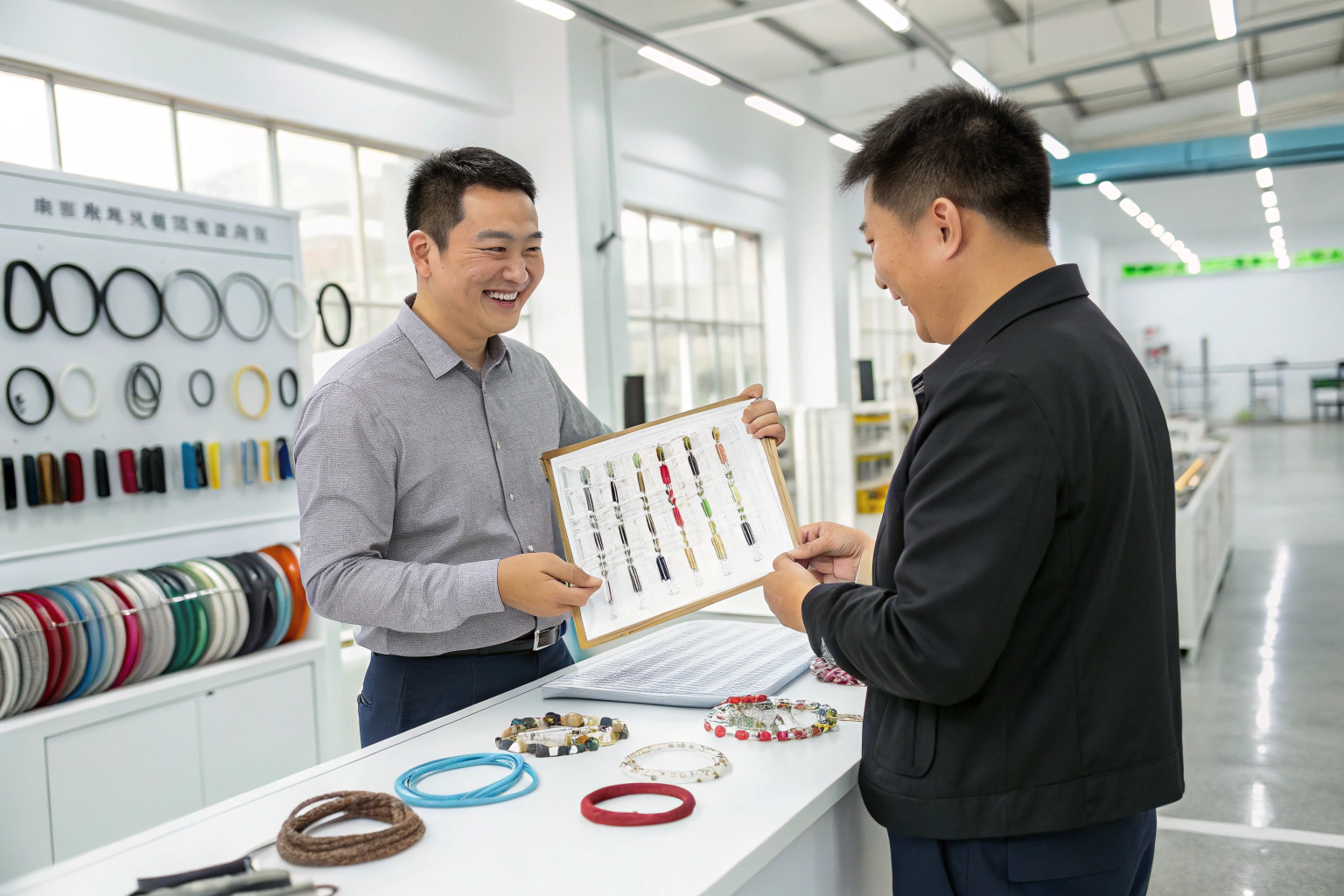
As a manufacturer who has produced millions of scarves, including countless polyester ones, for global brands, I've tested this fabric inside and out. Let's unravel the facts about polyester scarf durability and care, so you can source or recommend products with absolute confidence.
What Makes Polyester a Durable Fabric for Scarves?
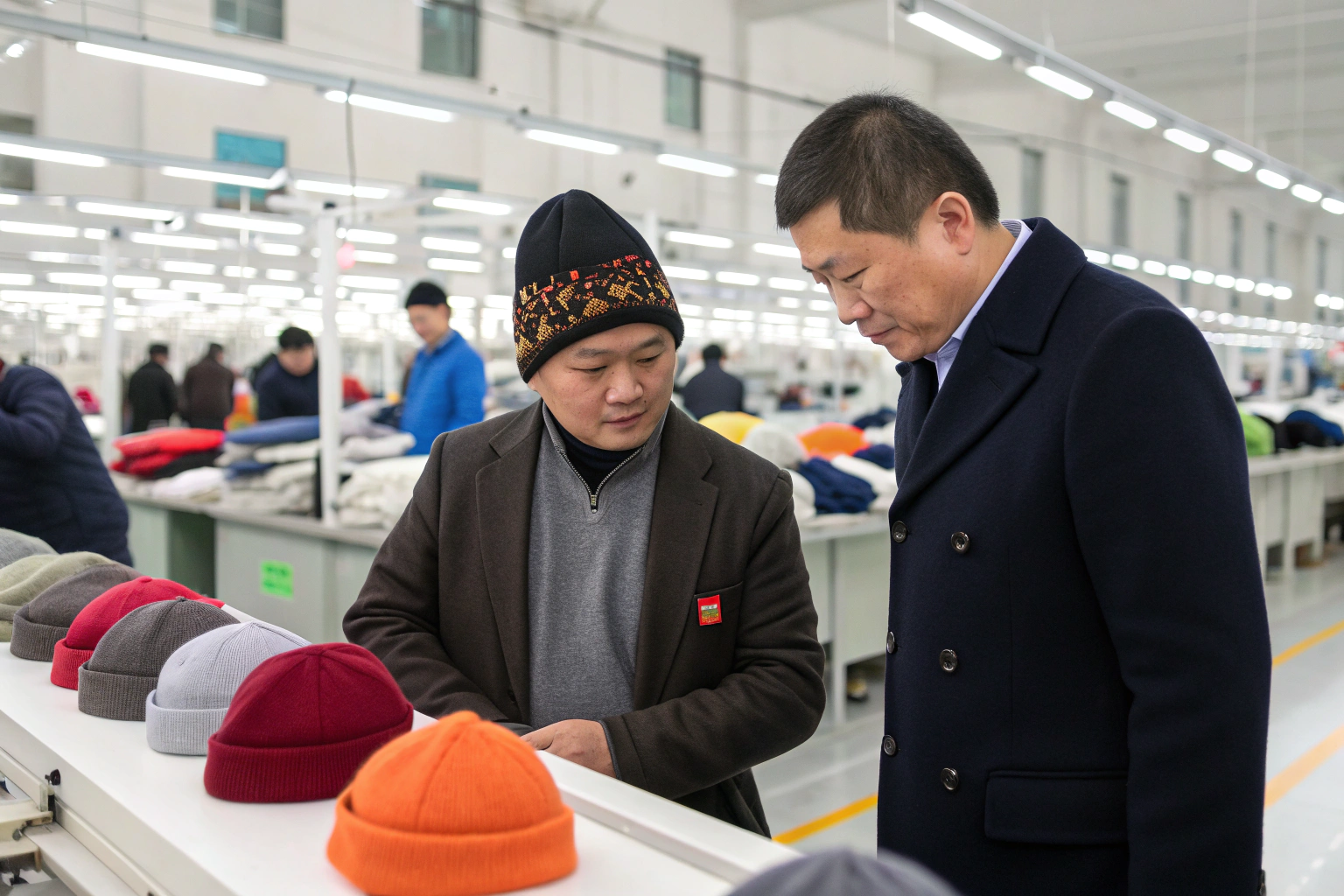
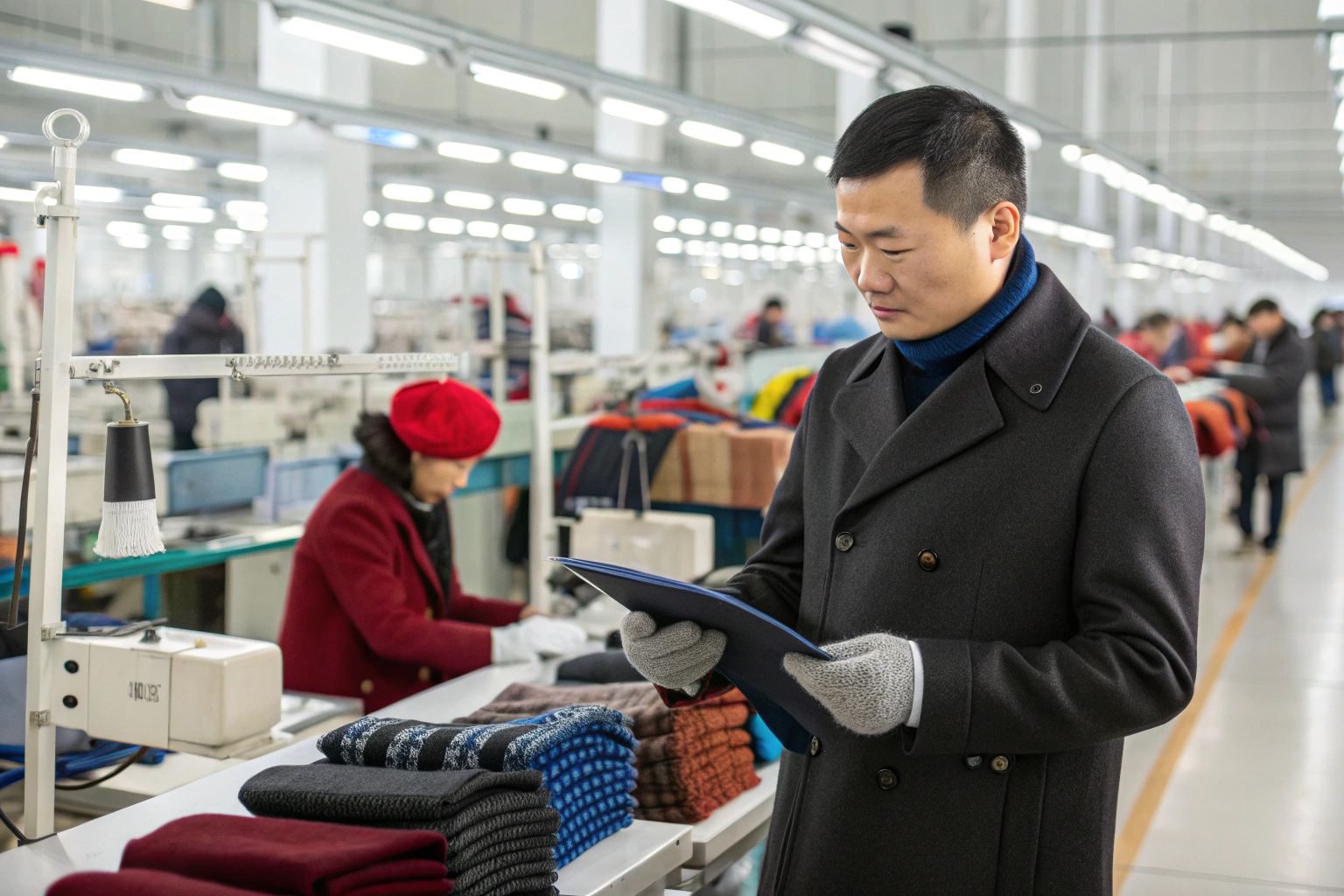
Durability in fashion accessories isn't just about surviving a season; it's about maintaining appearance and function through countless wears and washes. For buyers and sourcing agents, recommending durable products protects your brand's reputation and reduces costly returns. Polyester stands out because its synthetic polymer structure creates long, chain-like molecules that are inherently tough. This translates to high tensile strength, meaning the fabric resists tearing and pulling forces better than many natural fibers. Furthermore, polyester is less susceptible to damage from mildew, moths, and everyday abrasion. In our factory, when we test fabrics for a new scarf line, we look for high rub count (Martindale test) results in polyester blends, which predict excellent performance in items like fashion scarves and shawls that experience friction.

How does polyester resist pilling and color fading?
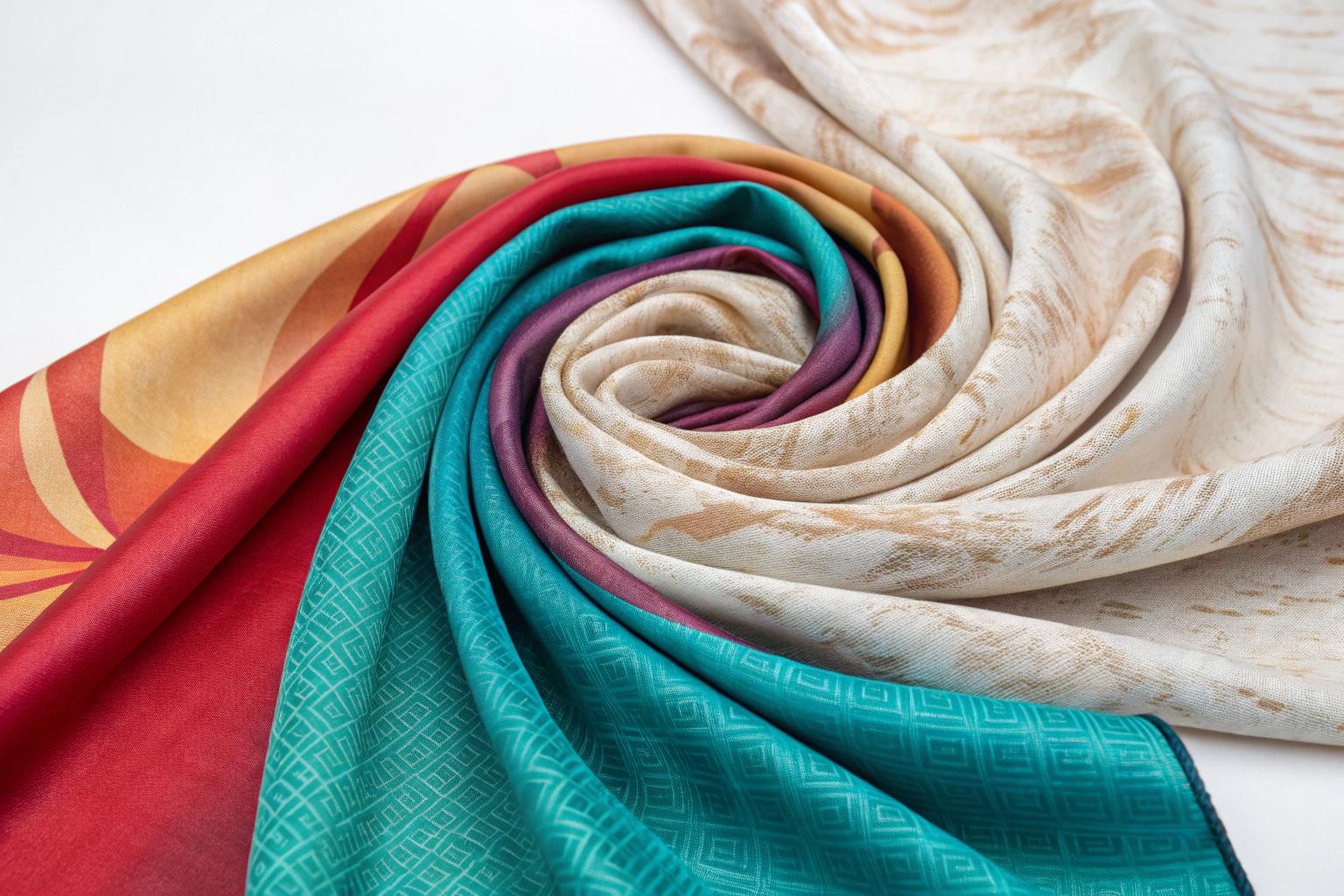
Two of the biggest enemies of a scarf's look are pilling and fading. Polyester excels on both fronts. Pilling occurs when loose fibers tangle into small balls on the fabric surface. Because polyester fibers are long and strong, they are less likely to break and form pills compared to shorter, weaker fibers like cotton. Many polyester scarves also receive anti-pilling finishes during production. Regarding color fastness, polyester's molecular structure allows dye to penetrate deeply and bond tightly. This results in brilliant, long-lasting colors that resist fading from washing and sunlight far better than natural dyes on cotton or silk. For brands, this means the scarves and shawls you receive from a supplier like Shanghai Fumao Clothing will arrive with vibrant hues that stay true, a key factor for customer satisfaction. Organizations like the American Association of Textile Chemists and Colorists (AATCC) set the global test standards for color fastness, which reputable factories follow.
Why is polyester's shape retention important for accessories?
A scarf that loses its shape becomes unwearable. Polyester has excellent elastic recovery and low moisture absorption. This means it doesn't stretch out of shape when worn and returns to its original form after tension is released. Unlike cotton, which can absorb moisture, become heavy, and stretch, or wool, which can felt and shrink, polyester remains stable. This dimensional stability is crucial for maintaining the designed drape and silhouette of a scarf, whether it's a lightweight summer scarf or a thick winter wrap. This reliability simplifies inventory management for retailers, as the product that arrives is the product that will be sold, without fear of distortion. Information on fiber properties and performance is widely available from sources like Textile Exchange, which emphasizes understanding material choices.
What is the Correct Way to Wash and Care for Polyester Scarves?
Even the most durable fabric can be ruined by improper care. For the end consumer, easy care is a major selling point. For you as a buyer, providing clear care instructions minimizes complaints. The good news is that caring for polyester scarves is straightforward. Generally, they are machine washable in cool to warm water. Using a gentle cycle and turning the scarf inside out can further protect prints and surfaces. It's best to avoid chlorine bleach, which can weaken fibers. Polyester's quick-drying nature means it can be tumble dried on low heat or simply air-dried, often with little to no ironing needed. This easy-care profile makes polyester scarves a practical choice for fast fashion, uniform programs, or gift sets where simplicity is valued.
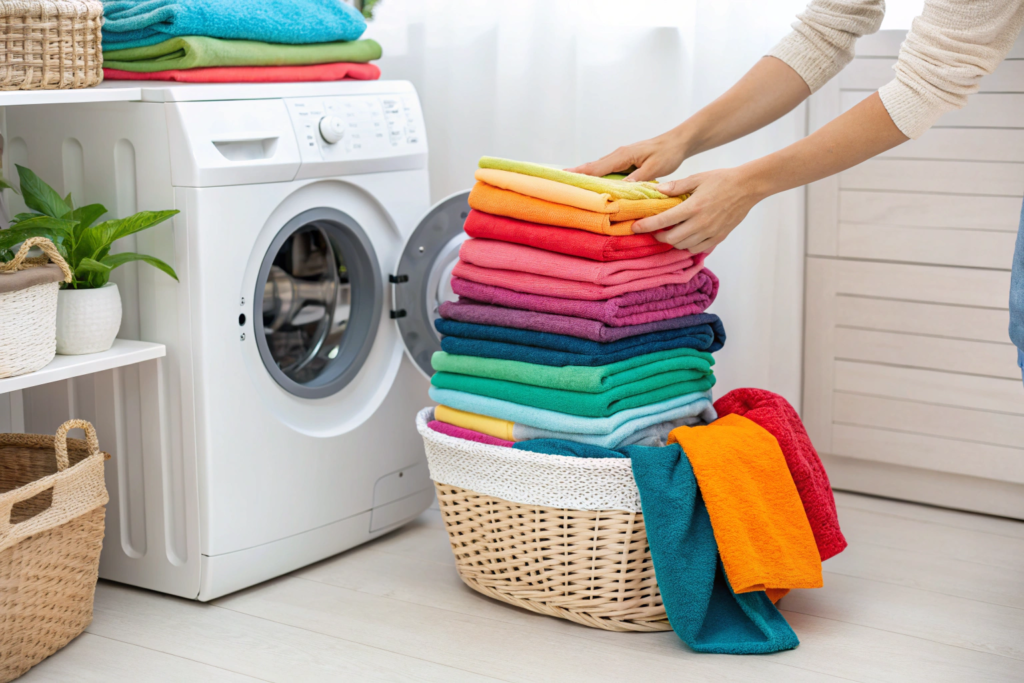
Can you machine wash printed or embellished polyester scarves?
This depends on the type of print or embellishment. For digitally printed scarves or dyed scarves, machine washing on a gentle, cold cycle is usually fine and helps preserve the print. However, for scarves with heavy embellishments like sequins, beads, or glued-on applications, hand washing is safer to prevent damage. As a manufacturer, we always provide specific care labels sewn into the product based on its construction. For bulk orders, we can work with you to develop the most durable application methods for decorations to improve washability. This attention to detail in post-production processes is part of what makes a reliable accessories factory. Guidance on textile care labeling can be found through standards like those from the International Organization for Standardization (ISO).
How does proper care extend the lifespan of the accessory?
Proper care directly translates to product longevity and brand loyalty. Following the recommended washing instructions prevents unnecessary stress on the fibers and any applied finishes. For instance, washing in cold water conserves energy and helps maintain the fabric's integrity. Avoiding high heat in the dryer prevents potential melting or glossing of the synthetic fibers. Air drying is the gentlest option. For retailers, educating customers through clear tags and online content reduces returns and builds trust. A scarf that looks new after many washes is a product customers will buy again. This lifecycle consideration is part of responsible fashion manufacturing, a topic increasingly discussed on platforms like Ecotextile News.
How Does Polyester Compare to Natural Fibers for Scarf Making?
Choosing the right material is a balancing act between aesthetics, performance, and cost. Polyester, cotton, silk, and wool all have their places. Polyester's primary advantages are cost-effectiveness, durability, and easy care. It reliably delivers vibrant colors and consistent quality in large bulk orders. Natural fibers like cotton are breathable and soft but can wrinkle and shrink. Silk offers luxury and drape but is delicate and requires dry cleaning. Wool is warm but can be itchy and requires careful washing. For daily wear scarves that need to be affordable, low-maintenance, and colorful, polyester is often the superior choice. Many brands opt for polyester blends (e.g., polyester-cotton) to combine the benefits of different fibers.
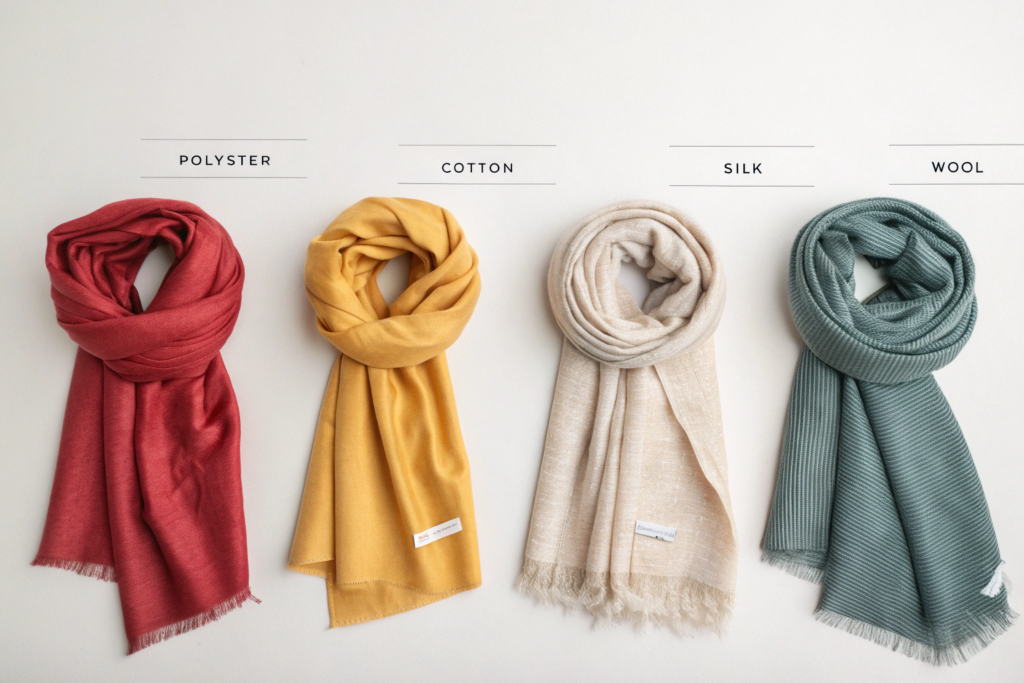
When is a polyester scarf a better choice than a cotton one?
Polyester is the better choice when priority is given to color vibrancy, wrinkle resistance, and shape retention. For promotional items, team scarves, or seasonal fashion accessories where inventory might be stored for months, polyester will emerge looking pristine, while cotton may develop permanent creases. Polyester also dries much faster, making it ideal for travel scarves or in climates with sudden showers. From a sourcing perspective, polyester's price is generally more stable than cotton, which can fluctuate with agricultural markets. This helps in maintaining consistent pricing for your product lines. Resources for material comparison are available from fabric mills and industry associations.
What are the advantages of polyester blends in scarves?
Blends are engineered to optimize performance. A common blend is polyester-cotton (e.g., 65% polyester, 35% cotton). This blend marries polyester's strength, color retention, and wrinkle resistance with cotton's soft hand-feel and breathability. The result is a scarf that is durable, comfortable, easier to care for than pure cotton, and often more affordable than pure natural fibers. For a manufacturer like Shanghai Fumao Clothing, working with blends allows us to tailor the fabric to a client's specific need for drape, softness, and durability, creating a superior finished product. Understanding blend properties is a key part of textile development, as covered by educational resources from The Textile Institute.
Are There Eco-Friendly and High-Quality Polyester Options?
The environmental impact of polyester, a petroleum-based plastic, is a valid concern for modern brands and conscious consumers. However, the industry is evolving. Today, you can source scarves made from recycled polyester (often called rPET), which is made from post-consumer plastic bottles. This material offers the same durability and performance as virgin polyester but with a significantly lower environmental footprint. Furthermore, high-quality polyester can be long-lasting, which is itself a form of sustainability—a scarf that doesn't need replacing every year reduces waste. For brands, offering a recycled polyester line can be a powerful marketing point and align with corporate sustainability goals.
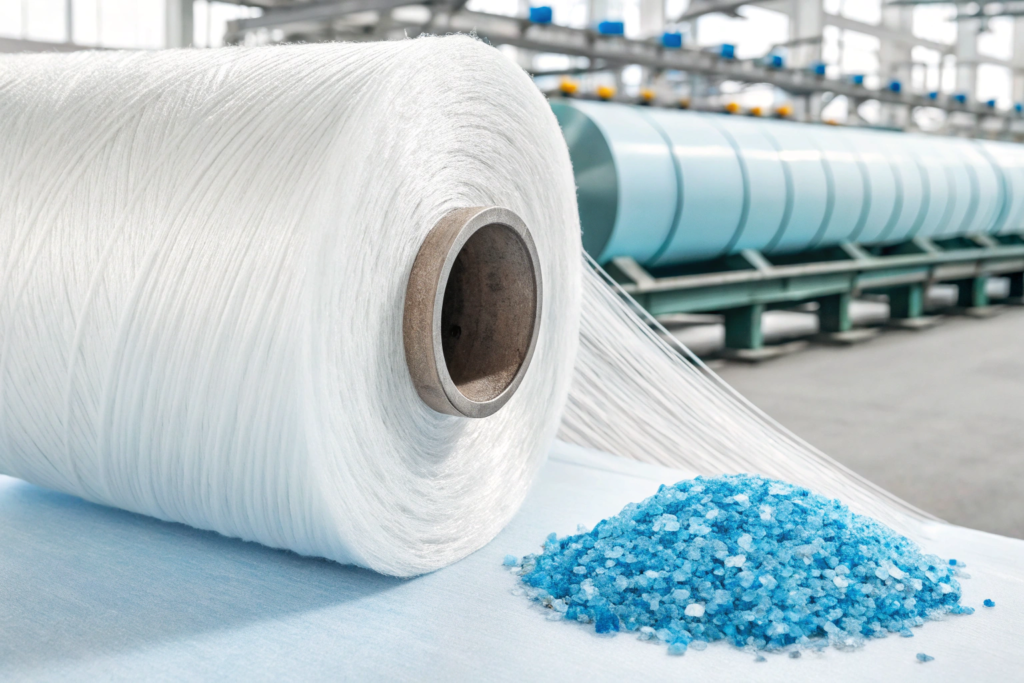
What is recycled polyester and how is it used in accessories?
Recycled polyester is created by breaking down used PET plastic (like bottles) into chips, melting them, and respinning them into new polyester filament. The resulting fiber can be woven or knitted into fabric for scarves, beanies, and other accessories. The quality and performance are comparable to virgin polyester. When you work with a factory that has access to certified recycled materials, you can create a greener product line without sacrificing the durability and washability that make polyester great. It's important to request documentation, such as Global Recycled Standard (GRS) certification, to ensure chain of custody integrity. Platforms like Textile Exchange promote the adoption of recycled materials globally.
How does manufacturing quality impact sustainability?
A well-made scarf is a sustainable scarf. High-quality manufacturing practices—such as using durable stitching, secure hemming, and colorfast dyes—directly extend the product's life. At our factory, our quality control processes are designed to catch flaws that would lead to early failure. Investing in better construction might have a slightly higher upfront cost, but it prevents returns, reduces waste, and builds a reputation for quality. This approach to durable design is a cornerstone of a circular economy model in fashion. Partnering with a manufacturer committed to production excellence, like Shanghai Fumao Clothing, ensures your accessories are made to last. Industry discussions on sustainable manufacturing are often led by groups like the Sustainable Apparel Coalition.
Conclusion
Polyester scarves are a robust and practical choice for daily wear. Their synthetic fiber foundation grants them superior resistance to pilling, fading, and stretching, while their easy-care nature makes them a hassle-free accessory for consumers. When compared to natural fibers, polyester offers unmatched consistency, vibrancy, and value for money, especially in bulk. Furthermore, with the rise of recycled polyester and responsible manufacturing, it's possible to source durable polyester scarves that also align with modern environmental values.
For retailers, brands, and sourcing agents, choosing polyester means selecting a reliable product that will satisfy customers and withstand the rigors of daily use. It’s a decision that supports streamlined inventory, fewer returns, and a strong brand reputation for delivering quality.
If you are looking to source durable, washable, and stylish polyester scarves—or explore recycled options—we have the expertise and production capacity to deliver. Let's create accessories that are built to last. For a consultation on your next scarf order, please contact our Business Director, Elaine, at: elaine@fumaoclothing.com.