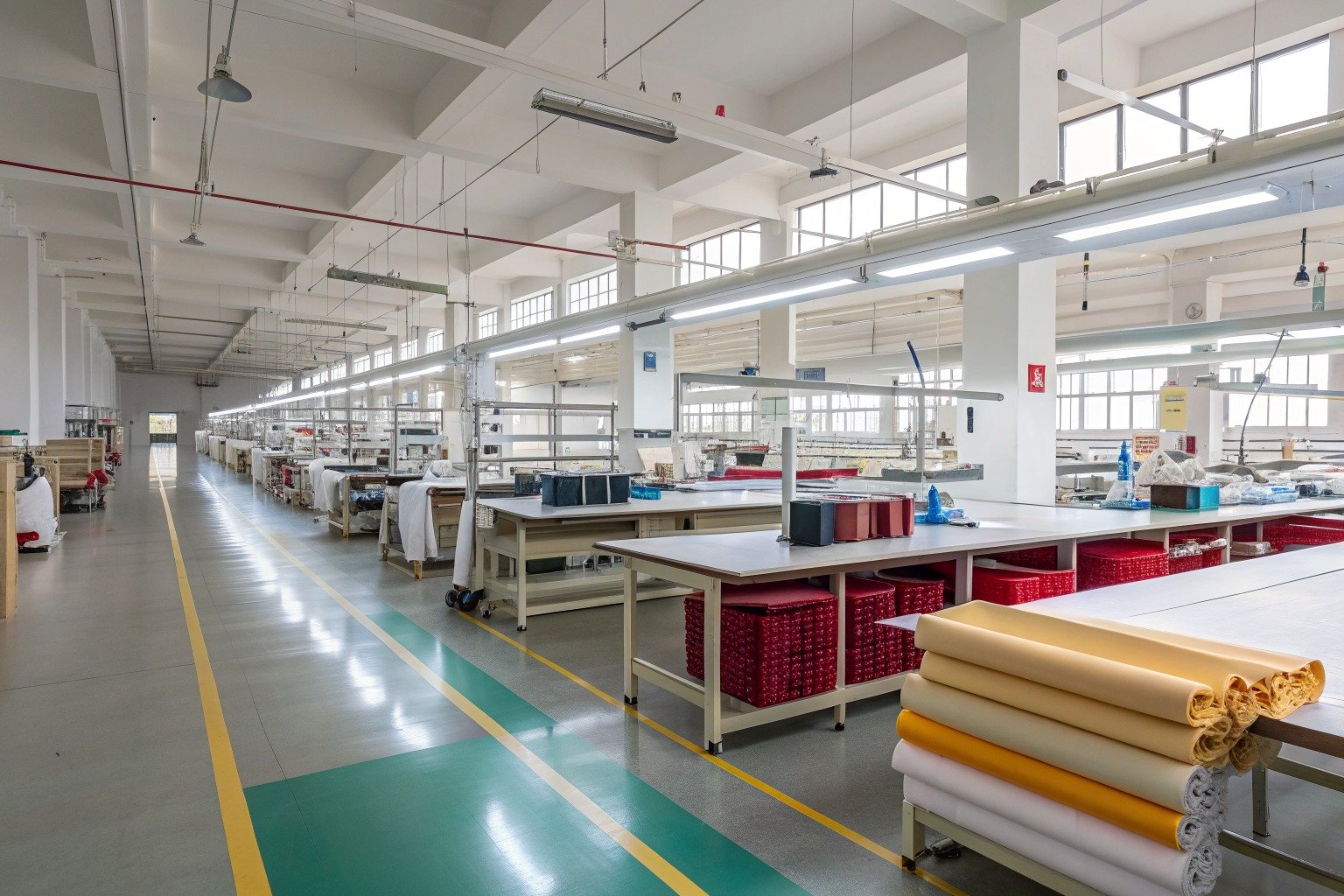
The demand for personalized products has transformed from a niche preference to a mainstream expectation. Consumers increasingly seek accessories that reflect their unique identities, creating both challenges and opportunities for manufacturers and retailers. At AceAccessory, we’re seeing this shift firsthand across all our major markets.
The future of customizable accessories lies in advanced digital integration, sustainable personalization, and AI-driven design processes that make true individuality accessible to mass markets. This evolution represents a fundamental change from standardized production to collaborative creation between brands and consumers. The businesses that embrace this shift will lead the next generation of fashion accessories.
The trajectory of customization points toward increasingly sophisticated technologies and approaches that balance personal expression with manufacturing feasibility. Let’s explore the key developments shaping this exciting future.
How will technology transform accessory customization?
Technological advancements are pushing the boundaries of what’s possible in accessory customization. The future moves beyond simple color choices toward truly bespoke creations enabled by cutting-edge digital tools and manufacturing innovations.
Technology will enable real-time customization, virtual try-ons, and on-demand manufacturing that dramatically reduces the gap between design conception and physical product. These developments will make personalized accessories more accessible, affordable, and sophisticated than ever before.
What role will augmented reality play in customization?
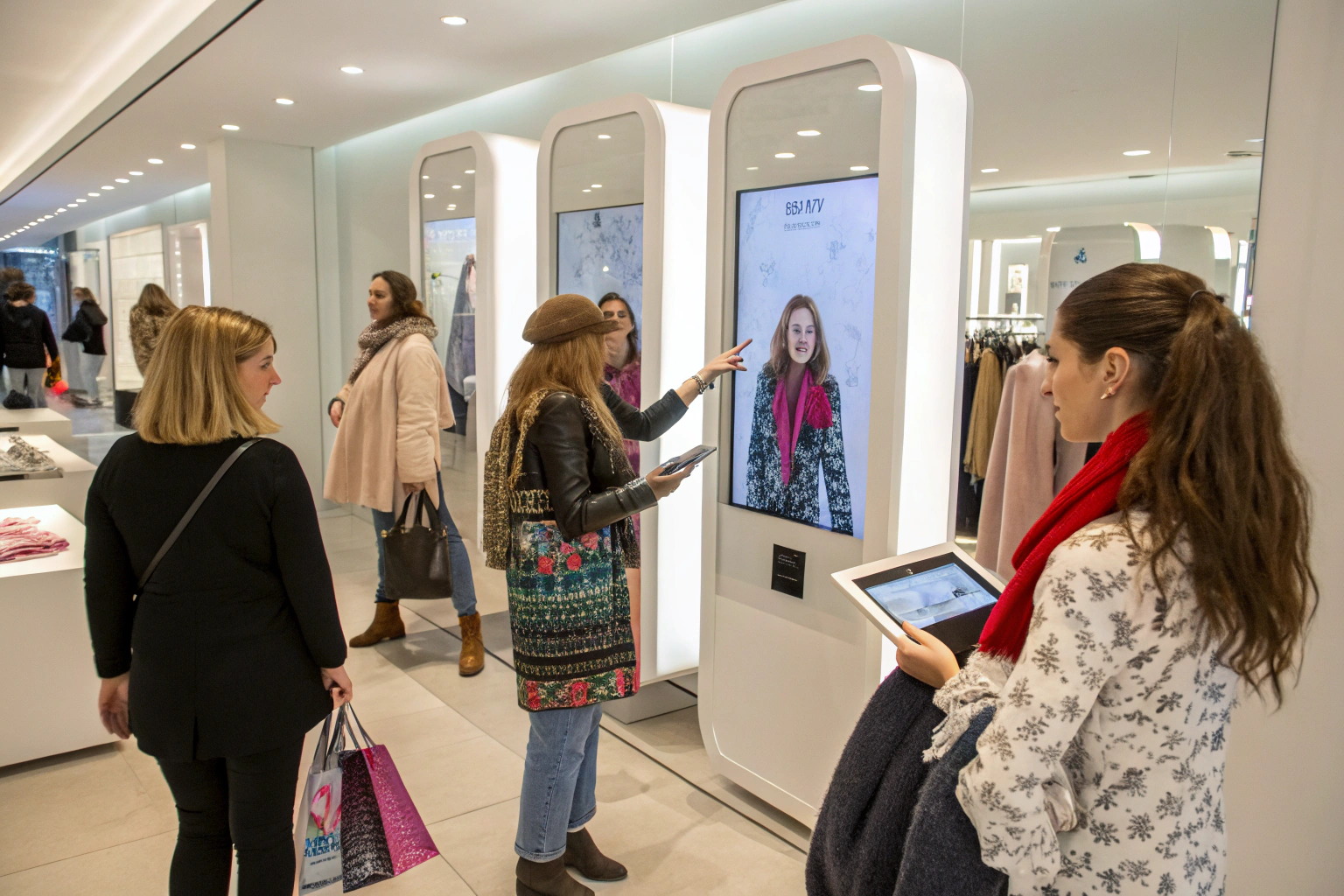
Augmented reality will revolutionize how consumers design and visualize customized accessories. AR mirrors and apps will allow customers to see how different hair clips, headbands, or scarves look on their actual hairstyles and outfits before purchasing. This technology significantly reduces the uncertainty that often prevents online customization purchases. We’re already developing AR integration for our major retail partners, allowing their customers to virtually try customized hair accessories with different hair colors, textures, and styles. This technology not only enhances the customer experience but also reduces return rates by setting accurate expectations.
How will 3D printing advance personalized accessories?
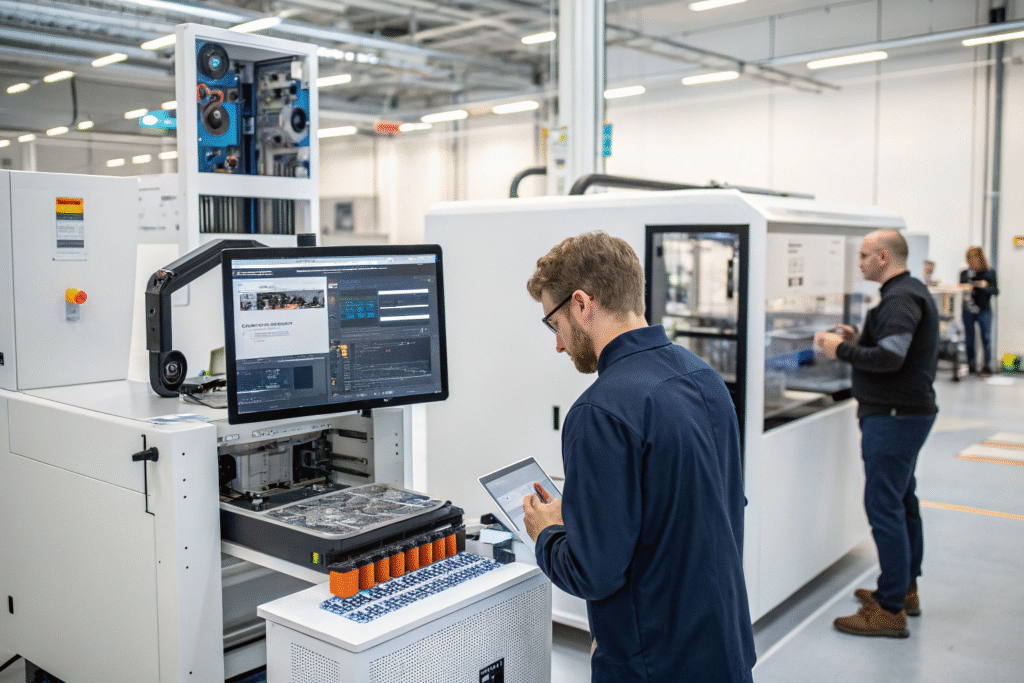
Additive manufacturing will enable truly unique geometric designs and structures that traditional manufacturing cannot achieve. 3D printing allows for complex, lightweight designs that can be customized to individual preferences without additional tooling costs. At our innovation lab, we’re experimenting with 3D-printed hair clips that can be tailored to fit specific hair densities and styles. The technology also supports using sustainable materials like bioplastics that align with environmentally conscious consumer values. As 3D printing speeds increase and costs decrease, this technology will become increasingly viable for mass customization in the fashion accessory sector.
Why will sustainable customization become essential?
Environmental concerns are reshaping consumer expectations around customization. The future of personalized accessories must balance individual expression with ecological responsibility, creating new paradigms for sustainable personalization.
Sustainable customization will focus on modular designs, eco-friendly materials, and production methods that minimize waste while maximizing product longevity and emotional connection.
How will modular designs extend product lifecycles?
Modular accessory systems will allow consumers to refresh and update their pieces without replacing entire products. Imagine hair clips with interchangeable elements, scarves with removable decorative components, or belts with swappable buckles. This approach significantly reduces waste while satisfying the desire for variety and personal expression. We’re developing modular systems for our fashion accessories collections that enable customers to purchase core pieces and then customize with various add-ons. This model not only supports sustainability but also creates ongoing revenue streams for retailers through accessory component sales.
What sustainable materials will dominate future customization?
Advanced eco-materials will become the standard for customizable accessories. We’re investing in materials like algae-based bioplastics for hair clips, recycled ocean plastics for sunglasses, and plant-dyed organic fabrics for scarves and headbands. These materials offer the same customization potential as conventional options while significantly reducing environmental impact. The table below shows how sustainable materials compare to traditional options for customizable accessories:
| Material Type | Customization Potential | Environmental Impact | Consumer Perception |
|---|---|---|---|
| Traditional Plastics | High color/pattern variety | High carbon footprint | Decreasingly positive |
| Bioplastics | Growing color range, good structural options | Low/neutral carbon footprint | Increasingly positive |
| Recycled Materials | Limited to available recycled content | Reduces waste | Very positive |
| Natural Fibers | Excellent for dyes, prints | Water-intensive but biodegradable | Consistently positive |
Our product development team focuses on creating customization options within these sustainable material constraints, proving that environmental responsibility and personal expression can coexist beautifully.
How will AI personalize the accessory shopping experience?
Artificial intelligence will transform how consumers discover, design, and interact with customizable accessories. The future points toward highly intuitive systems that understand individual preferences and suggest personalized options.
AI-driven personalization will create smarter recommendation engines, predictive design assistance, and automated styling solutions that make customization accessible to consumers regardless of their design expertise.
How will AI enhance design recommendation systems?
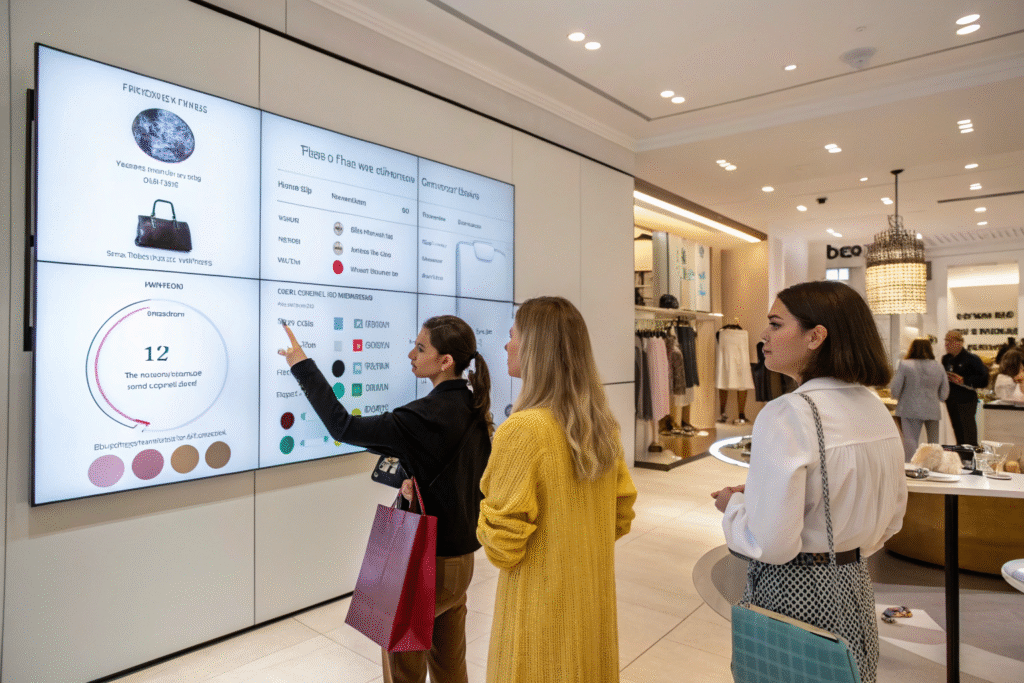
Intelligent algorithms will analyze customer preferences, past purchases, and even social media style to suggest personalized accessory designs. These systems will learn individual tastes over time, becoming increasingly accurate in predicting what customization options will appeal to specific customers. We’re implementing AI recommendation engines for our e-commerce partners that suggest customizable hair accessories based on a customer’s existing wardrobe, hair color, and stated style preferences. This technology reduces the overwhelm that can accompany too many customization choices while ensuring customers discover options they genuinely love.
Can AI predict future customization trends?
Predictive analytics will enable manufacturers and retailers to anticipate which customization options will resonate with different customer segments. By analyzing vast amounts of data on color preferences, pattern popularity, and design elements across different regions and demographics, AI can identify emerging customization trends before they reach mainstream awareness. This allows us to develop the right materials, components, and manufacturing capabilities in advance. Our use of AI trend prediction helps our clients offer on-trend customization options that feel both fresh and commercially viable, reducing the risk associated with developing new customizable product lines.
What business models will support future customization?
The economic structures around customizable accessories will evolve to support the technological and consumer shifts. Successful businesses will develop models that make personalization profitable while maintaining quality and delivery standards.
Future business models will balance mass customization capabilities with efficient operations, leveraging on-demand production, subscription services, and collaborative platforms that connect designers directly with consumers.
How will on-demand production reshape inventory management?
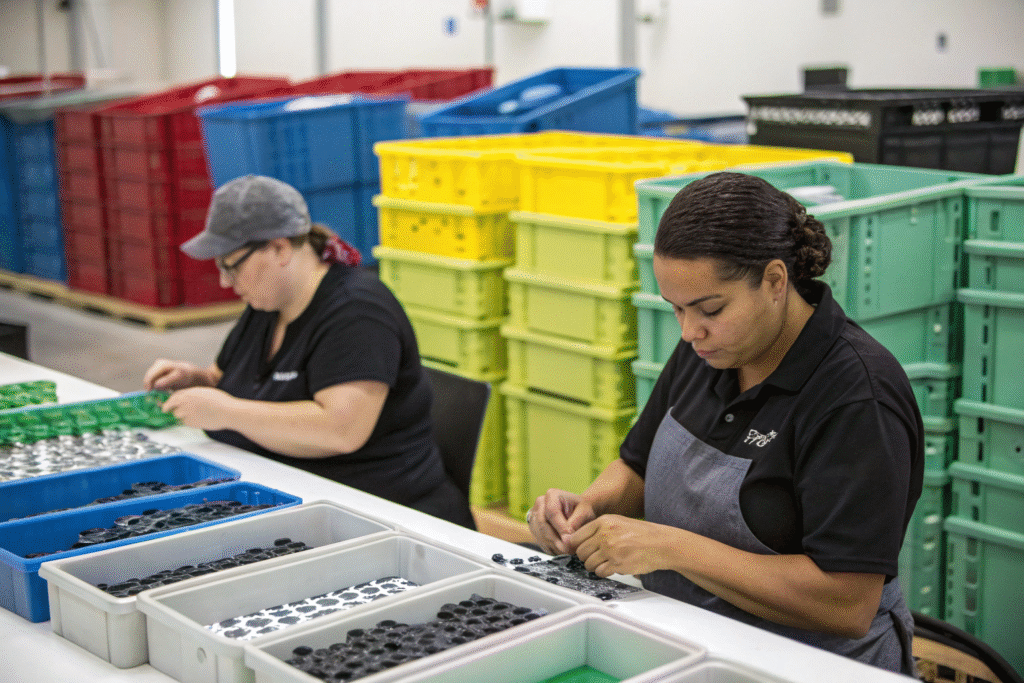
Made-to-order manufacturing will become increasingly sophisticated, allowing businesses to offer extensive customization without maintaining vast inventories of finished goods. This approach reduces waste and financial risk while ensuring customers receive exactly what they want. Our factory is developing faster production turnaround for customized hair clips and accessories, with some lines offering 72-hour production on personalized orders. This capability allows retail partners to promote customization without the inventory burden, transforming their business models from inventory-heavy to customer-responsive operations.
Will subscription models work for customizable accessories?
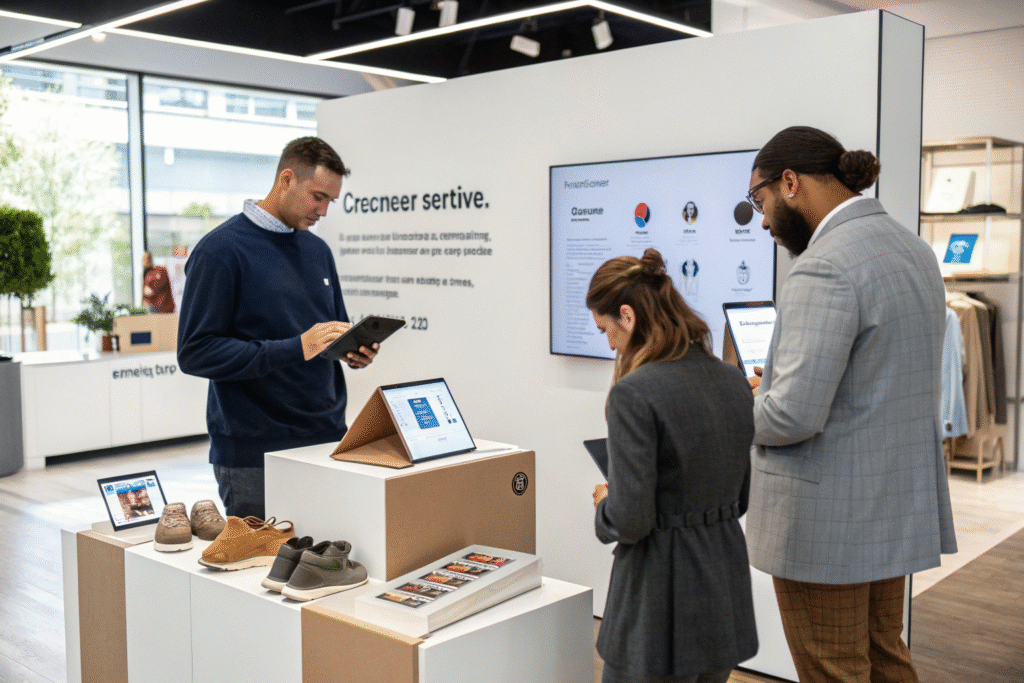
Personalized subscription services will emerge as a significant business model for accessories. Customers will receive regularly updated customized pieces based on their evolving preferences, seasonal trends, and specific needs. These services might include personalized hair accessories coordinated with seasonal color palettes or limited-edition collaborative designs with favorite artists. The subscription model creates predictable revenue streams while deepening customer relationships through ongoing personalization. Our manufacturing flexibility enables these services by supporting small-batch production of unique designs that feel exclusive yet accessible through the subscription format.
Conclusion
The future of customizable accessories represents a fundamental shift from mass production to mass personalization, enabled by technology, driven by sustainability, and refined by artificial intelligence. The businesses that succeed will be those that view customization not as a special feature but as a core capability integrated throughout their operations. This evolution promises to make truly personal expression through accessories accessible to everyone while supporting more sustainable and responsive fashion ecosystems.
If you’re ready to prepare your business for the future of customizable accessories, we invite you to contact our Business Director, Elaine. She can discuss how our evolving customization capabilities can help you stay ahead in this rapidly changing landscape. Reach her at: elaine@fumaoclothing.com.