The hair clip market is more competitive than ever. With countless options available, retailers struggle to identify which designs will truly resonate with customers and drive consistent sales. We've seen many hair clip collections fail not because of poor quality, but because they missed key features that modern consumers demand.
Successful hair clips combine durable construction, user-friendly design, on-trend aesthetics, and comfortable wearability. These elements work together to create products that customers love enough to repurchase and recommend to others. The most profitable hair clips solve practical problems while delivering fashion-forward style.
After manufacturing hair accessories for major global retailers and brands, we've identified the specific features that separate bestsellers from slow-moving inventory. Let's explore what really makes hair clips successful in today's market.
What makes hair clips durable and long-lasting?
Durability is the foundation of any successful hair clip. Customers expect their accessories to withstand daily use without breaking, fading, or losing their functionality. Poor construction leads to returns, negative reviews, and lost future sales.
Long-lasting hair clips feature high-quality materials, reinforced stress points, and reliable closure mechanisms. These elements ensure the product maintains its appearance and function through repeated use, delivering value that justifies the price point.
Which materials ensure hair clip longevity?
The material selection directly determines a hair clip's lifespan. For metal clips, we use zinc alloy with quality plating that resists tarnishing, rather than cheaper metals that corrode quickly. For plastic clips, we source ABS plastic with the right flexibility-to-rigidity ratio - too brittle and clips snap, too flexible and they lose grip. Our quality control team tests all materials for color fastness, structural integrity, and resistance to hair products and environmental factors. This rigorous testing ensures the hair clips we manufacture maintain their beauty and function long after purchase.
How does construction affect durability?
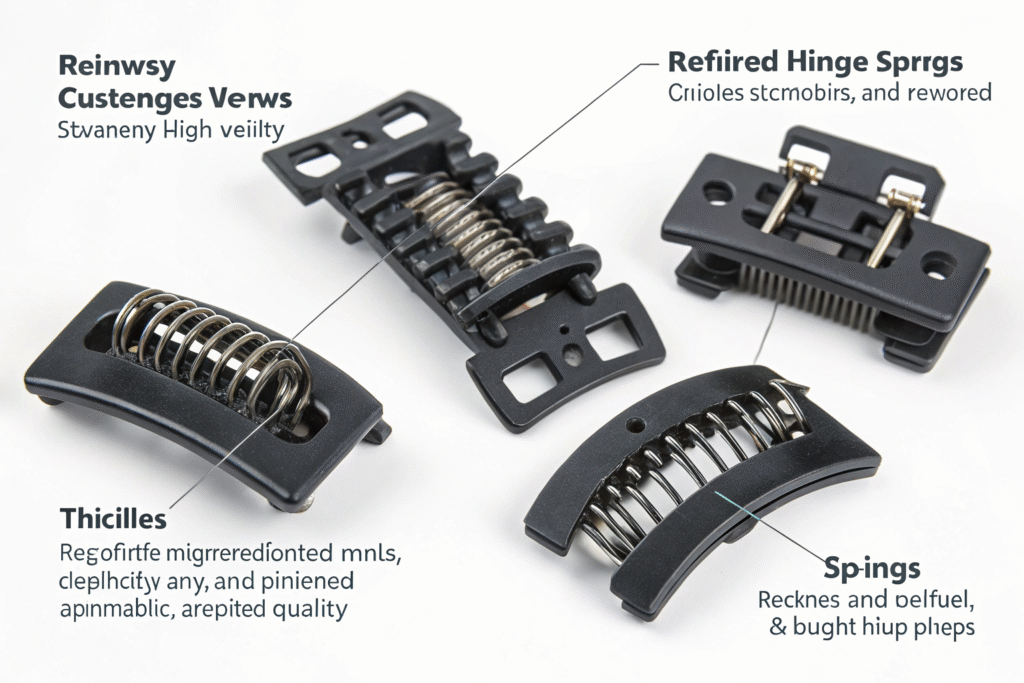
Reinforced construction at stress points separates quality hair clips from disposable ones. We design clips with additional material at hinge points and clasp mechanisms where breakage most commonly occurs. For snap clips, we ensure the tension spring is properly secured and tested for thousands of open-close cycles. For jaw clips, we reinforce the teeth-to-base connection points. This attention to construction details means our clients receive hair clips that withstand the real-world use their customers expect, reducing returns and building brand loyalty for their hair accessories lines.
What designs make hair clips easy to use?
Functionality is just as important as aesthetics when it comes to hair clips. Complicated or frustrating-to-use designs quickly end up in the back of drawers, regardless of how beautiful they look. The most successful clips feel intuitive from the first use.
User-friendly hair clips feature simple opening mechanisms, secure but not excessive grip strength, and designs that work with various hair types and textures. These characteristics make them accessible to customers of all ages and styling skill levels.
What makes a hair clip mechanism intuitive?
Intuitive design means customers understand how to use the clip immediately, without instructions or struggle. We achieve this through clear visual cues - for example, designing clasp clips with obvious pressure points or creating jaw clips with textured surfaces that suggest where to press. The opening force is calibrated to be firm enough for security but light enough for easy one-handed operation. Our product development process includes user testing across different age groups to ensure the mechanisms are universally understandable and comfortable to use for everything from quick hair styling fixes to elaborate updos.
How do successful clips accommodate different hair types?
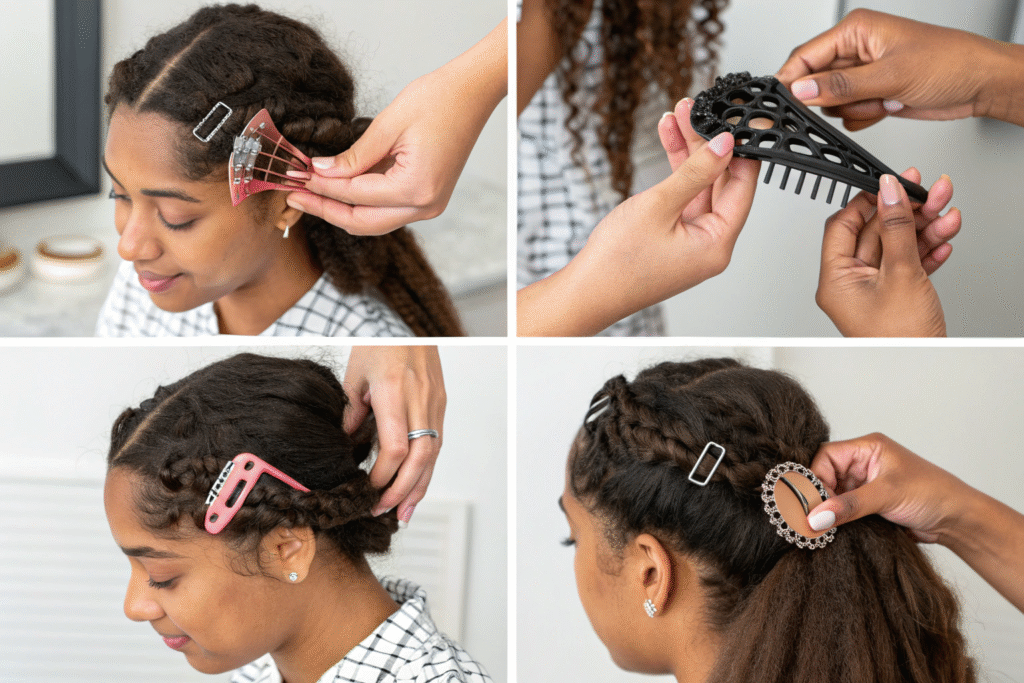
Hair type versatility is crucial for mass-market success. We design clips with adjustable features whenever possible - such as expandable jaw clips that accommodate both fine and thick hair. The teeth spacing and length are optimized to grip securely without pulling or snagging, whether the hair is straight, wavy, or curly. Our clients who offer hair clips suitable for multiple hair types see significantly higher customer satisfaction and repeat purchases. This inclusive approach to design ensures the clips work well for the diverse customer bases of major supermarkets and specialty retailers alike.
Which aesthetic elements drive hair clip sales?
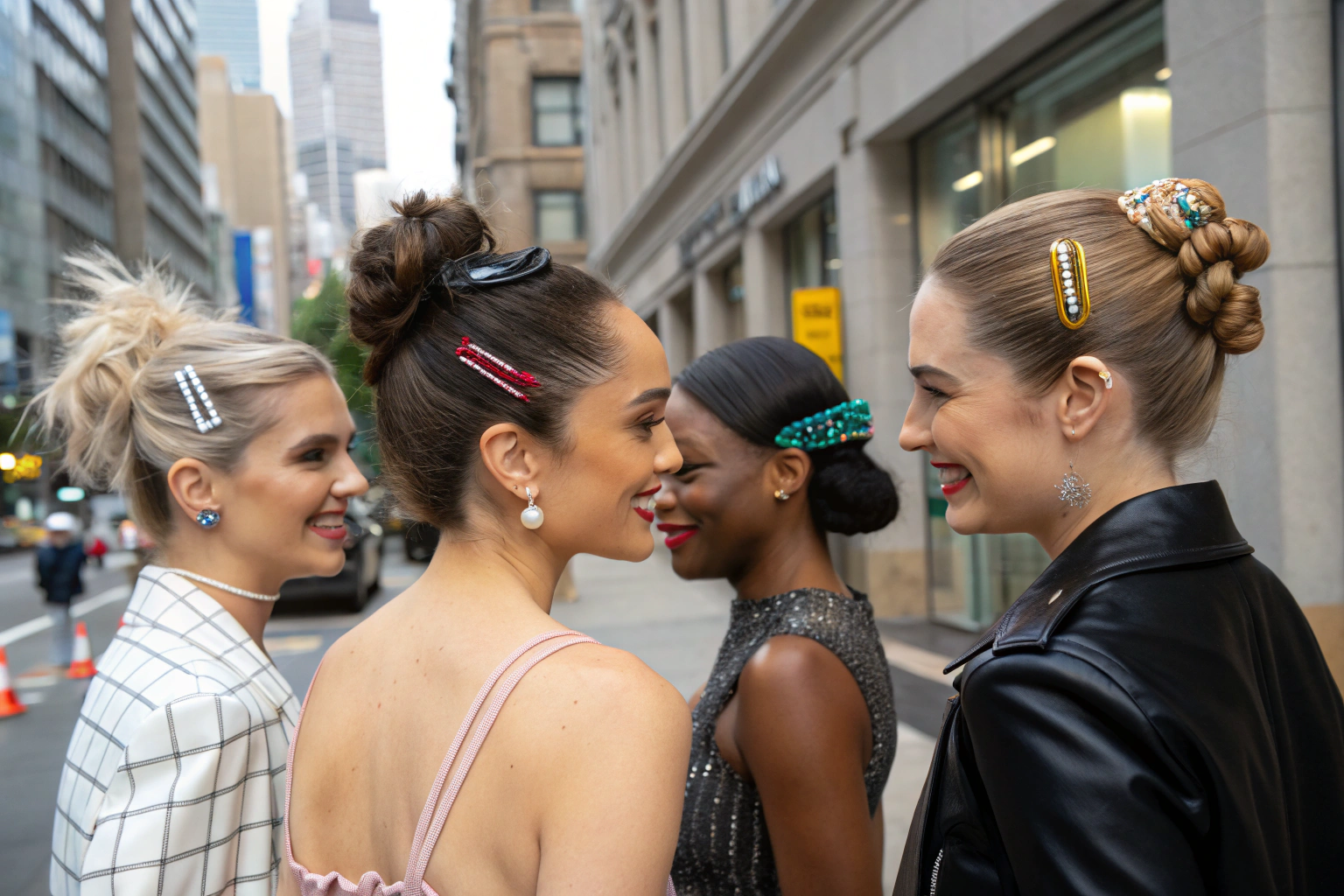
While function is critical, aesthetics ultimately drive the initial purchase decision. Successful hair clips balance trend-right styling with timeless elements that prevent them from looking dated too quickly. The visual appeal must be strong enough to catch attention in crowded retail environments.
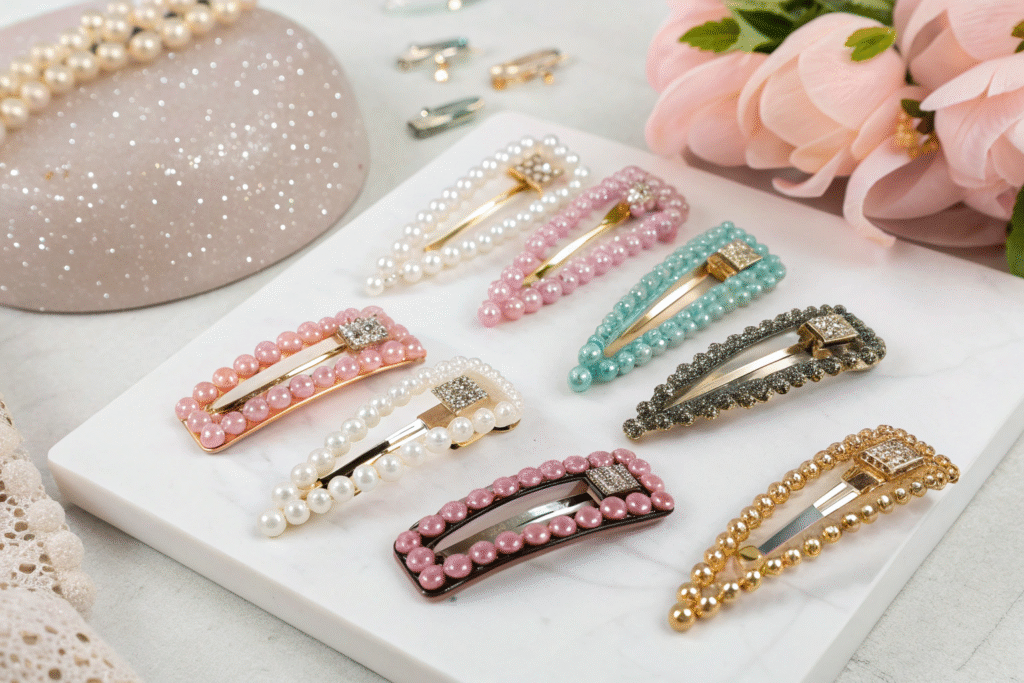
Top-selling hair clips feature on-trend colors and finishes, proportional scaling that flatters when worn, and styling details that feel current but not overly trendy. These aesthetic choices help products stand out while maintaining broad commercial appeal.
What colors and finishes are most commercial?
Color selection follows predictable seasonal trends but with some enduring favorites. Metallics - particularly gold and silver tones - consistently perform well across markets. Clear or translucent clips have gained popularity for their minimal, modern look that doesn't compete with other accessories. When it comes to colored finishes, we recommend our clients include both trend colors (informed by Pantone forecasts and runway trends) and core neutrals in their collections. Our in-house design team maintains extensive archives of successful color combinations and finishes that have proven commercially viable across different price points and retail channels.
How does proportion affect hair clip appeal?
Proportional scaling significantly impacts how flattering a hair clip looks when worn. Clips that are too large can overwhelm delicate features, while clips that are too small may look insignificant or get lost in the hair. We've found the most successful sizes balance decorative impact with wearability. The table below shows how we scale hair clips for different functions:
| Clip Type | Ideal Length | Ideal Width | Best Use Case |
|---|---|---|---|
| Mini Clips | 1.5-2 inches | 0.5-1 inch | Fine hair, detail work |
| Standard Clips | 2-3 inches | 1-1.5 inches | Everyday use, medium hair |
| Statement Clips | 3-4+ inches | 1.5-2+ inches | Special occasions, thick hair |
| Claw Clips | 3-5 inches | 2-3 inches | Updos, wet hair |
This proportional guidance helps our clients create balanced hair accessories collections that cater to different customer needs and usage occasions.
What ensures comfortable all-day wear?
Comfort is the feature that transforms a hair clip from a occasional accessory to an everyday essential. Discomfort leads to early removal, limited wear time, and ultimately, product abandonment. The most successful clips feel virtually invisible during wear.
Comfortable hair clips feature smooth edges, appropriate weight distribution, and secure grip without excessive pressure. These characteristics allow them to be worn for extended periods without causing headaches, pressure points, or hair damage.
How do edge designs impact wearing comfort?
Smooth edge finishing is non-negotiable for comfortable hair clips. We meticulously smooth all edges and seams, particularly around the clip perimeter and any decorative elements. For metal clips, we use rolled edges rather than sharp cuts. For plastic clips, we ensure injection mold lines are removed or positioned where they won't contact the scalp. This attention to edge detail prevents scratching and irritation, making our hair clips comfortable enough for all-day wear. Customers rarely comment on comfortable edges, but they definitely notice and complain about uncomfortable ones - making this an essential but often overlooked quality of successful hair clips.
Why is weight distribution important?
Balanced weight prevents hair clips from feeling heavy or creating pressure points. We achieve this through strategic material selection and design. For larger decorative clips, we might use lightweight polymer bases with concentrated metal details only where needed for visual impact. The clip's center of gravity should sit close to the head when worn, preventing tipping or dragging that leads to discomfort and slippage. Our prototyping process includes wear-testing for weight comfort across different hair densities, ensuring the final product feels secure but not burdensome - a key consideration for customers who wear hair clips throughout their workday or special events.
Conclusion
Successful hair clips represent a careful balance of durability, functionality, aesthetics, and comfort. While trends come and go, these fundamental features remain constant drivers of customer satisfaction and repeat purchases. Manufacturers and retailers who prioritize these elements build stronger accessory businesses with lower return rates and higher customer loyalty.
If you're looking to develop hair clips that combine commercial appeal with quality construction, we invite you to contact our Business Director, Elaine. She can help you create collections that feature all the key elements of success. Reach her at: elaine@fumaoclothing.com.