Are you struggling to connect with the millennial accessory market? You're not alone. This demographic has redefined shopping behaviors and values, making traditional marketing approaches increasingly ineffective. Understanding what drives millennial purchasing decisions is crucial for success in today's competitive accessory market.
The most effective way to market accessories to millennials combines authentic storytelling, social media engagement, value-driven messaging, and seamless shopping experiences. Successful strategies leverage user-generated content, influencer partnerships, social responsibility, and mobile-optimized platforms to build genuine connections with this discerning demographic.
Millennials represent a massive market segment with distinct preferences and expectations. They've grown up with technology and have developed sophisticated filters for marketing messages. Let's explore the proven strategies that resonate with this influential consumer group.
Why Is Authentic Storytelling Crucial For Millennial Engagement?
Millennials can spot inauthentic marketing from miles away. They've been exposed to advertising their entire lives and have developed strong resistance to traditional sales pitches. What captures their attention are genuine stories that reflect real values and experiences.
Authentic storytelling works because it creates emotional connections rather than just transactional relationships. Millennials want to know the people behind the brand, the inspiration behind the designs, and the values that guide business decisions. They're drawn to narratives that feel personal and relatable, not corporate and polished. This generation values transparency about both successes and challenges, seeing perfection as unrealistic and therefore untrustworthy.
The most successful accessory brands with millennials share their journey openly. They talk about their design process, introduce their team members, and share the stories of how specific products came to life. This approach transforms accessories from mere commodities into pieces with meaning and context. When millennials understand the story behind a product, they're more likely to form an emotional attachment that leads to purchases and brand loyalty.

How Can Brands Develop Authentic Narratives?
Developing authentic narratives requires digging deeper than surface-level marketing. Start by identifying your brand's true purpose beyond making profits. What problem are you solving? What values guide your decisions? How do your accessories enhance customers' lives in meaningful ways?
Share behind-the-scenes content that shows the real people and processes involved in creating your accessories. Introduce your designers and craftspeople, show workspaces, and document the production journey. Be transparent about challenges and how you overcome them. Millennials appreciate honesty about the complexities of running a business, as it makes brands more relatable and human. This genuine approach builds trust that translates into customer loyalty.
What Role Does Transparency Play in Building Trust?
Transparency has become non-negotiable for millennial consumers. They want to know where materials come from, how products are made, and how workers are treated. Brands that openly share this information build credibility and trust that pays dividends in customer relationships.
Be honest about pricing, manufacturing processes, and business practices. If there are aspects of your supply chain that need improvement, acknowledge them and share your plans for addressing them. Millennials respect brands that demonstrate self-awareness and commitment to growth. This level of transparency might feel vulnerable, but it's exactly what makes brands feel authentic and trustworthy to this demographic.
How Can Social Media Platforms Be Leveraged Effectively?
Social media isn't just another marketing channel for millennials—it's an integral part of their daily lives and discovery process. However, simply having a social media presence isn't enough. Success requires understanding the unique culture and best practices of each platform.
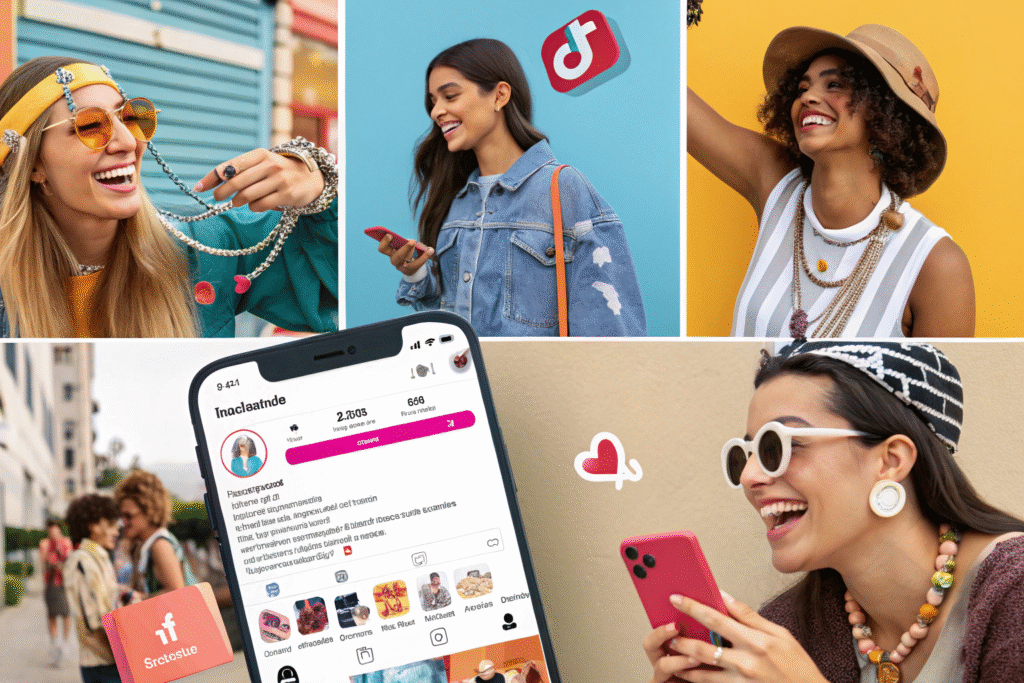
Different social platforms serve different purposes in the millennial accessory journey. Instagram excels for visual storytelling and brand aesthetics. TikTok drives discovery through authentic, entertaining content. Pinterest serves as inspiration and planning. YouTube provides detailed reviews and styling tutorials. Each platform requires a tailored approach that respects its unique culture and content preferences.
The most effective social media strategies focus on engagement rather than broadcasting. Millennials want to participate in conversations, not just receive messages. They appreciate brands that listen, respond, and incorporate community feedback. Successful accessory brands create spaces where millennials can share their own styling ideas, product experiences, and creative content. This collaborative approach transforms customers into brand advocates who actively promote products to their networks.
What Types of Content Generate the Most Engagement?
Educational and entertaining content typically outperforms purely promotional material. Styling tutorials showing multiple ways to wear accessories, behind-the-scenes looks at design processes, and educational content about materials and craftsmanship all resonate strongly.
User-generated content is particularly powerful because it provides social proof and demonstrates real-world usage. Encourage customers to share photos wearing your accessories and feature this content prominently. Create branded hashtags to make this content discoverable and consider running contests that incentivize participation. When millennials see peers enjoying and styling your products, it builds credibility that traditional advertising can't match.
How Should Brands Approach Influencer Partnerships?
Influencer marketing can be highly effective with millennials, but only when approached authentically. Micro-influencers (those with 10,000-100,000 followers) often generate better engagement than mega-influencers because their recommendations feel more genuine and trustworthy.
Choose influencers whose values align with your brand and whose audience matches your target demographic. Look for creators who already use and appreciate similar products rather than those who partner with anyone. The most effective collaborations feel like natural extensions of the influencer's usual content rather than obvious advertisements. Long-term partnerships often work better than one-off posts because they allow for deeper brand integration and more authentic storytelling.
What Values Drive Millennial Purchasing Decisions?
Millennials make purchasing decisions based on a complex mix of factors that extend far beyond price and aesthetics. They consider how their purchases align with their personal values and the impact their spending has on society and the environment.
Value-driven purchasing represents a fundamental shift in consumer behavior. Millennials expect brands to stand for something beyond profits. They're drawn to companies that demonstrate social responsibility, environmental consciousness, and ethical business practices. This generation researches brand values before making purchases and is willing to pay premium prices for products that align with their principles.
The most successful accessory brands with millennials integrate their values throughout their business operations and communicate them clearly. However, millennials are highly adept at spotting "woke-washing"—when brands co-opt social justice language for marketing purposes without meaningful action. Authentic commitment to values must be demonstrated through tangible actions, not just marketing messages.

How Important is Sustainability to Millennial Shoppers?
Sustainability has moved from niche concern to mainstream expectation among millennials. They're increasingly conscious of environmental issues and seek products that minimize ecological impact. This includes preferences for sustainable materials, ethical manufacturing, and minimal packaging.
Communicate your sustainability efforts specifically and transparently. Rather than using vague terms like "eco-friendly," provide concrete details about materials, manufacturing processes, and environmental initiatives. Consider certifications from third-party organizations to validate your claims. Millennials appreciate brands that acknowledge the complexity of sustainability and are transparent about both progress and areas for improvement.
What Role Does Social Responsibility Play in Brand Perception?
Millennials expect brands to contribute positively to society. This includes ethical labor practices, community engagement, and support for social causes. They're more likely to support brands that demonstrate genuine commitment to making the world better.
Develop meaningful social responsibility programs that align with your brand identity and values. Rather than supporting every cause, focus on a few areas where you can make genuine impact. Be transparent about your initiatives and their outcomes. Millennials appreciate brands that use their platform and resources to address social issues in authentic, substantive ways.
How Can Brands Create Seamless Shopping Experiences?
Millennials have high expectations for shopping experiences across all touchpoints. They demand convenience, personalization, and consistency whether shopping online, in-store, or through social platforms. Friction in any part of the journey can lead to abandoned carts and lost customers.
Seamless experiences require integration across channels and devices. Millennials might discover accessories on Instagram, research them on your website, read reviews on their phone, and finally make a purchase through a mobile app. Each step should feel connected and effortless. They expect websites to load quickly, navigation to be intuitive, and checkout to require minimal steps.
Personalization is another key expectation. Millennials appreciate experiences tailored to their preferences and behaviors. This includes product recommendations based on browsing history, content relevant to their interests, and communications that acknowledge their relationship with the brand. When executed well, personalization makes customers feel understood and valued rather than just another transaction.

What Mobile Optimization Strategies Are Most Important?
With millennials spending significant time on mobile devices, mobile optimization is non-negotiable. Ensure your website uses responsive design that provides an excellent experience across all screen sizes. Simplify navigation for touch interfaces and minimize typing requirements.
Mobile page speed is critical, as millennials have little patience for slow-loading sites. Compress images, minimize code, and leverage caching to improve performance. The checkout process should be especially streamlined for mobile, with options like digital wallets and saved payment information to reduce friction. Remember that many millennials research products on mobile even if they ultimately purchase through other channels.
How Can Brands Leverage Technology to Enhance Experiences?
Technology should make shopping easier and more enjoyable. Augmented reality features that let customers "try on" accessories virtually, chatbots that provide instant customer service, and apps that remember preferences all enhance the experience.
Consider implementing technology that bridges online and offline experiences. For example, allow customers to check in-store inventory online, reserve items for try-on, or access exclusive content through QR codes in physical stores. The most successful implementations feel intuitive and genuinely helpful rather than gimmicky. Test new technologies with your actual audience to ensure they address real needs and preferences.
Conclusion
Marketing accessories to millennials requires a fundamental shift from traditional advertising to building genuine relationships. Success comes from combining authentic storytelling, strategic social media engagement, clear value demonstration, and seamless shopping experiences. This approach respects millennials' intelligence, values their participation, and meets their high expectations for both product quality and brand integrity.
The brands that thrive with this demographic are those that view marketing as an ongoing conversation rather than a series of campaigns. They listen as much as they speak, adapt based on feedback, and consistently demonstrate their commitment to both product excellence and positive impact. This comprehensive approach builds the trust and loyalty that drive long-term success.
If you're ready to develop millennial-focused marketing strategies for your accessory line, we invite you to contact our Business Director, Elaine. Our team understands what resonates with this influential demographic and can help you create authentic connections that drive growth. Reach out to Elaine at elaine@fumaoclothing.com to discuss how we can help you succeed with millennial consumers.