Designing accessories for the US market can be challenging. You might create a beautiful product, but if it doesn’t resonate with American consumers, it won’t sell. The key difference between success and failure often comes down to understanding subtle cultural preferences and market trends.
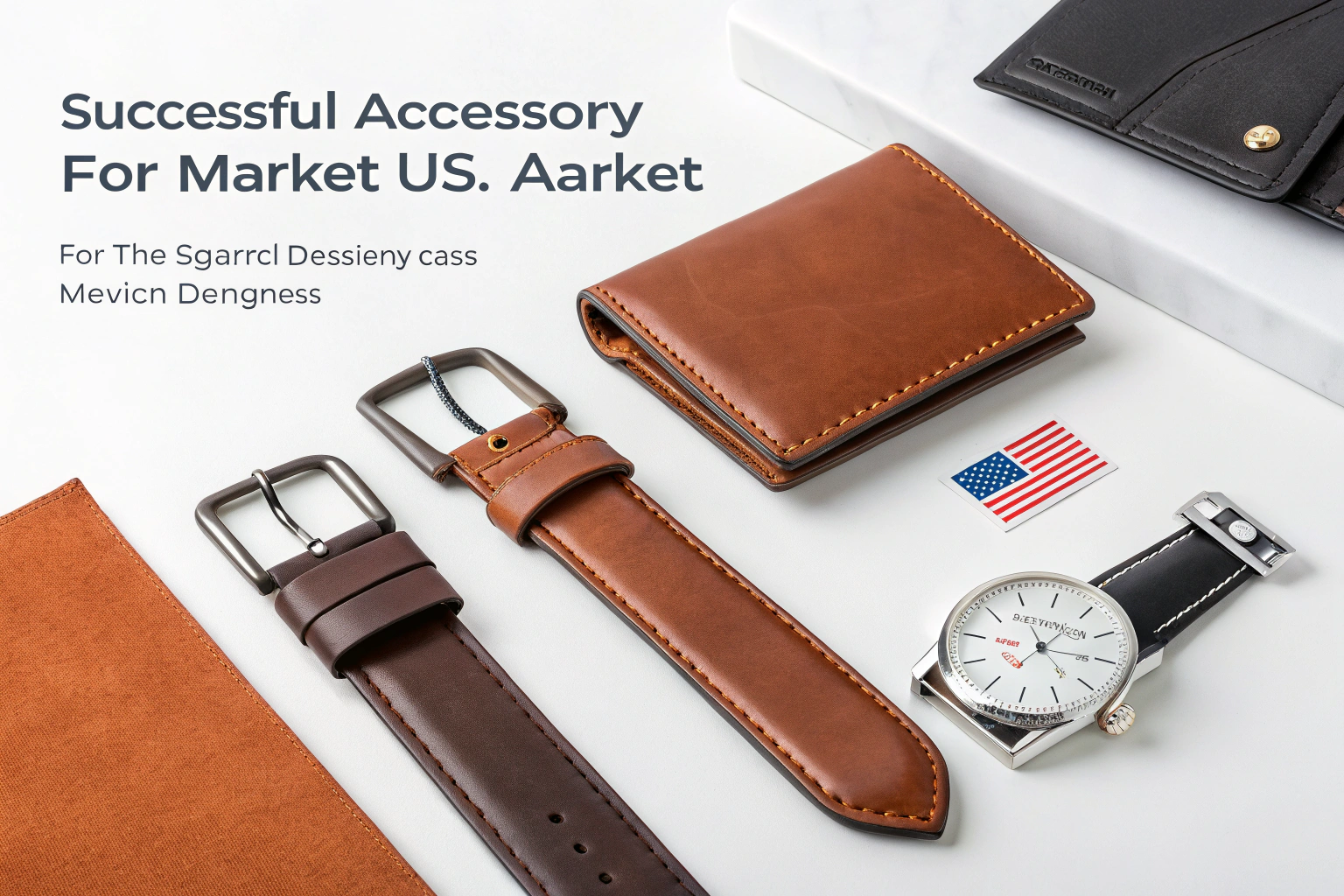
Successful accessory design for the US market requires understanding regional trends, prioritizing versatile functionality, maintaining consistent quality standards, and implementing strategic pricing. American consumers value accessories that offer both style and practicality, with quality craftsmanship and fair pricing driving purchasing decisions across different retail channels.
The American market is diverse and constantly evolving. What works in California might not resonate in New York. By focusing on these key areas, you can create accessories that not only attract American buyers but also build lasting brand loyalty.
What Are The Current US Accessory Trends?
Staying current with American trends is crucial for designing relevant accessories. The US market moves quickly, and yesterday’s hot item can be today’s clearance rack fixture. Understanding these trends helps you create products that consumers are actively seeking.
American accessory trends heavily emphasize personal expression and versatility. Currently, we see strong demand for "quiet luxury" pieces – subtle, high-quality items that signal taste rather than loud logos. Alongside this, Y2K nostalgia continues to influence designs, particularly in hair accessories and jewelry. The key is observing how these trends manifest across different regions and demographics.
Why do these particular trends resonate? After the pandemic, Americans are investing in accessories that transition seamlessly from work to social settings. They’re choosing pieces that offer multiple styling options rather than single-use items. At our factory, we’ve noticed orders increasing for convertible accessories – like reversible belts and multi-way hair clips – that offer consumers more value through flexibility.

How Can You Identify Emerging American Trends?
Tracking trends requires consistent observation of multiple sources. Follow American fashion influencers on TikTok and Instagram, but also pay attention to what major US retailers like Target and Nordstrom are promoting. The difference between mainstream and emerging trends often appears first on social media before hitting major stores.
We recommend using tools like Google Trends and attending virtual US trade shows like Magic NYC. These resources provide real-time data on what American consumers are searching for and buying. Another effective method is analyzing best-seller lists on Amazon and other major e-commerce platforms specific to the accessory categories you’re targeting.
What Regional Differences Exist Within The US Market?
The United States isn’t a single market – it’s fifty different markets with varying preferences. West Coast consumers typically favor more casual, bohemian styles using natural materials. East Coast preferences often lean toward sophisticated, urban designs with cleaner lines. Southern markets may prefer brighter colors and more traditional styling.
Understanding these regional differences allows for smarter product development. A heavy knit beanie might sell well in Minnesota but poorly in Florida. A sun-protective wide-brimmed hat might have reverse performance. We help our clients develop regional collections or create versatile core products that can be marketed differently across geographic areas.
Why Does Functionality Matter To American Consumers?
American consumers increasingly demand that their accessories be both beautiful and practical. The era of purely decorative items is fading, replaced by smart designs that solve problems or serve multiple purposes. This focus on functionality directly impacts purchasing decisions.
The functionality trend reflects broader lifestyle changes in the US. With more people working hybrid schedules and valuing experiences over possessions, accessories need to work harder. A beautiful bag that lacks practical pockets won’t satisfy American consumers who carry smartphones, keys, and other daily essentials. Functionality has become as important as aesthetics.
How does this translate to design? We’ve successfully developed accessories like scarves with hidden pockets for keys or credit cards, and hats with UPF sun protection. These functional elements become key selling points. American retailers particularly appreciate when we present designs that clearly articulate both the aesthetic appeal and practical benefits.

What Are Examples Of Successful Multi-Functional Accessories?
The most successful multi-functional accessories solve specific problems. A hair clip that doubles as a money holder for workouts. A belt with a removable pouch for phone storage. A bag that converts from backpack to crossbody. These designs provide clear added value that justifies the purchase.
When developing these products, focus on seamless transformation – the functionality shouldn’t compromise the style. The mechanisms need to be intuitive and durable. Through our quality control processes, we ensure that moving parts withstand repeated use while maintaining their aesthetic appeal, which is crucial for positive reviews and repeat purchases.
How Does Lifestyle Usage Influence Design Choices?
American lifestyles vary significantly, and your accessories should reflect this diversity. Consider the difference between accessories designed for suburban car-based lifestyles versus urban walking commuters. The former might prioritize larger sizes, while the latter needs compact, lightweight designs.
We recommend creating detailed user scenarios during the design phase. How will someone use this belt during their typical day? Where will they store their umbrella when not in use? Answering these practical questions leads to designs that genuinely resonate with specific American consumer segments and their actual daily needs.
What Quality Standards Do American Buyers Expect?
American buyers have rigorous quality expectations that extend beyond basic durability. They’re looking for consistent craftsmanship, material integrity, and safety compliance. Meeting these standards is non-negotiable for success in the US market.
Quality expectations vary by retail channel but share common foundations. Discount retailers expect good value at lower price points, while department stores and specialty boutiques demand premium materials and finishes. Across all channels, consistency is paramount – every unit must match the sample quality, which is where strong manufacturing processes prove essential.
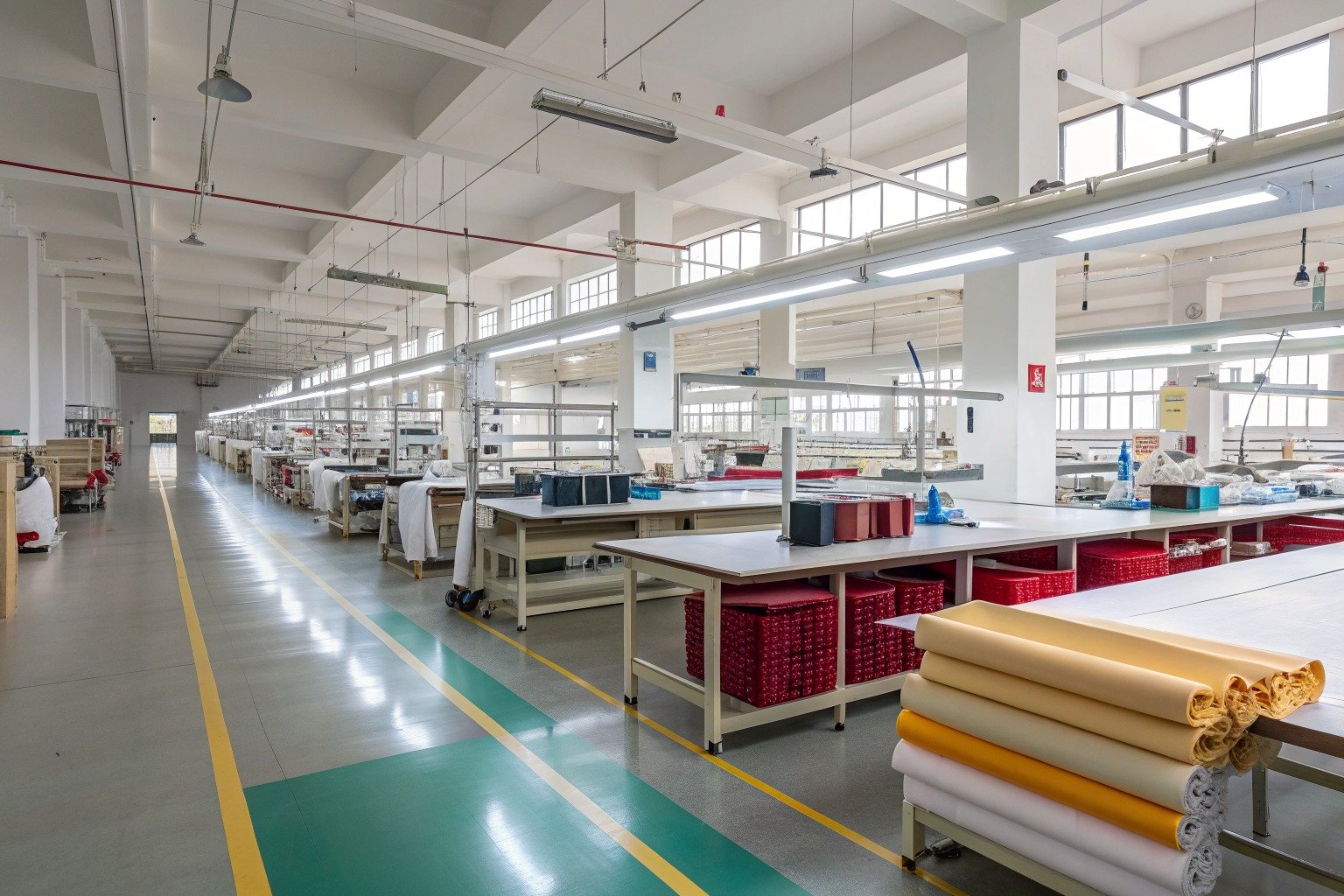
Our experience supplying major US retailers has taught us that quality issues often emerge in specific areas: color fastness in dyed fabrics, metal plating durability on clasps and hardware, and stitching consistency. Implementing rigorous testing protocols for these vulnerable areas before shipping prevents returns and protects your brand reputation in the competitive American market.

How To Implement Effective Quality Control Processes?
Establish clear quality benchmarks before production begins. Create detailed technical packs with specifications for materials, dimensions, colors, and functionality. Implement inspection checkpoints at critical production stages: when raw materials arrive, during assembly, and before final packaging.
We recommend the AQL sampling method for final inspections. This statistically valid approach balances thoroughness with practicality. For American clients, we typically recommend AQL 2.5 for critical defects and AQL 4.0 for minor defects, though this can be adjusted based on product type and price point.
What Certifications And Tests Are Required For The US Market?
Various accessories require specific compliance testing for the US market. Children’s items must meet CPSIA standards for lead content and phthalates. Metal components may require nickel testing. General products should comply with ASTM standards relevant to their category.
Beyond legal requirements, consider certifications that build consumer trust. OEKO-TEX certification for textiles signals absence of harmful substances. BCI cotton or recycled material certifications appeal to environmentally conscious American consumers. These credentials can become powerful marketing tools for your products in the US marketplace.
How To Price Accessories For Different US Retail Channels?
Pricing strategy can determine your success in the US market. Different retail channels have distinct pricing expectations and margin requirements. Understanding this landscape helps position your accessories appropriately from the beginning.
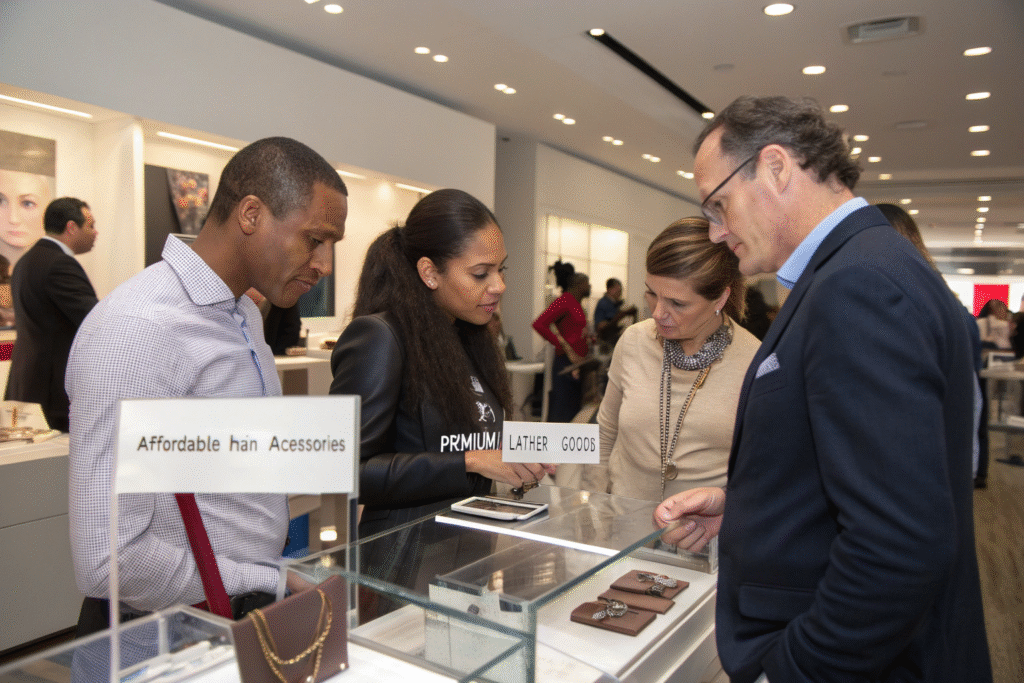
The US retail ecosystem is layered, with each channel operating on different markup structures. Mass merchants typically work on keystone markup (doubling cost), while department stores may require 55-60% margins. Luxury boutiques might markup 2.5x or more. Your pricing must account for these requirements while remaining competitive at the final consumer price point.
When we develop pricing for our US clients, we consider the complete picture: material costs, manufacturing complexity, packaging, shipping, tariffs, and the target retailer’s margin structure. Creating accessories at multiple price points – good, better, best – allows buyers to select products appropriate for their specific channel and customer demographic.
What Is The Typical Markup Structure In US Retail?
Understanding markup chains is essential. If your factory price is $10, a mass merchant might retail it at $20-25. That same item in a department store might retail for $30-35, while a specialty boutique could charge $40 or more. Each channel provides different value – broader distribution versus specialized service and presentation.
We help clients navigate these structures by being transparent about our costs and suggesting design modifications that can achieve target price points. Sometimes changing a metal component to high-quality plastic or adjusting a design’s complexity can make the difference between winning and losing an order with a specific US retailer.
How Can You Balance Quality And Competitive Pricing?
Achieving the right balance requires smart material selection and production planning. Sometimes slightly upgrading a key visible component while simplifying a hidden element creates better perceived value. Standardizing certain elements across product lines can reduce costs through volume purchasing.
We frequently use value engineering techniques to maintain quality while controlling costs. This might involve sourcing alternative materials that offer similar characteristics at better prices, or modifying designs to reduce production steps without compromising aesthetics or functionality. The goal is delivering the best possible product at each price point for the competitive American market.
Conclusion
Designing accessories for the US market requires a strategic approach that balances trend awareness with practical functionality, uncompromising quality, and smart pricing. American consumers seek products that reflect their personal style while offering genuine utility and value. By understanding regional preferences, designing for real-life usage, maintaining rigorous standards, and positioning products appropriately across retail channels, you can create accessories that truly connect with American buyers.
The process involves continuous learning and adaptation as US trends and consumer behaviors evolve. Success comes from treating design as both an artistic and commercial endeavor, where every element from material selection to final price point is carefully considered for the target American consumer.
If you’re ready to develop accessories specifically designed for success in the US market, we invite you to contact our Business Director, Elaine. With our design expertise and manufacturing capabilities, we can help you create collections that American consumers will love. Reach out to Elaine at elaine@fumaoclothing.com to begin your US market accessory development today.