Shipping accessories directly to e-commerce customers has become one of the most important strategies for global brands today. Many online retailers struggle with issues like high costs, slow delivery times, and complex customs procedures. As a professional manufacturer and exporter of accessories, I know how frustrating it is for customers when delays or unexpected fees damage the buying experience.
The best ways to ship accessories directly to e-commerce customers are to focus on fast logistics, reliable packaging, international compliance, and cost control through bulk and smart shipping methods.
By using professional partners and understanding the best logistics strategies, companies can reduce risk, improve delivery speed, and create a better shopping experience for their customers. Now, let’s dive deeper into the details and explore the most effective ways to make this process smooth and successful.
Fast and Reliable Shipping Options
Fast shipping is always the top concern for e-commerce customers. A delay of even a few days can lead to bad reviews and lost future sales. Many online brands rely on different carriers and express services to find the balance between cost and speed.
The best shipping options for accessories are express courier services for smaller orders and consolidated sea or air freight for larger quantities.
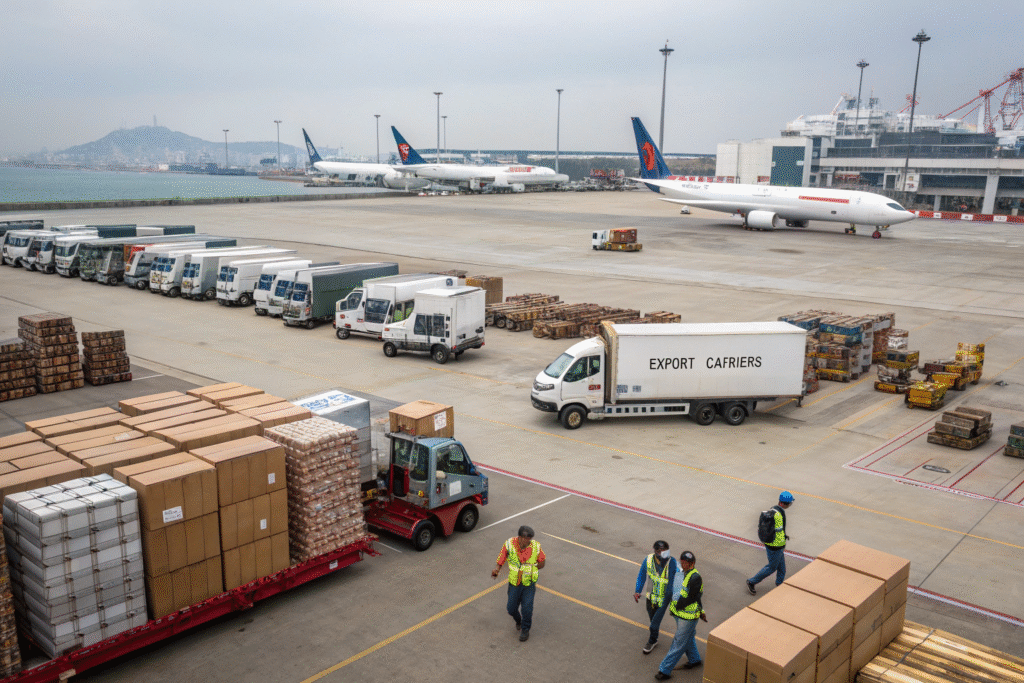
When we analyze the most reliable solutions, we see that international courier services such as DHL Express and FedEx International are perfect for high-value or urgent accessory deliveries. For bulk shipping, sea freight with partners like Maersk or CMA CGM provides lower costs while still ensuring safe arrival.
Should I Use Express Courier or Sea Freight?
Express couriers are best for small quantities of accessories like hair clips, gloves, or hats that must arrive within a week. Sea freight, on the other hand, is cost-effective for larger shipments like seasonal scarf or belt collections. Each brand should carefully calculate the weight, urgency, and customer expectations before choosing.
How Do Air Freight and Sea Freight Compare?
Air freight is faster but more expensive. Sea freight is slower but economical for bulk. For example, sending 500 scarves by air may take only 7 days, but costs may be double compared to sea freight, which could take 25–30 days. By combining both, brands can keep a small stock through air freight while replenishing with sea freight.
Packaging Strategies for Fragile and Fashion Items
Packaging plays a critical role in both protecting products and representing a brand’s image. E-commerce buyers often judge a brand by how carefully their order arrives.
The best packaging for accessories is a mix of protective materials and branded eco-friendly solutions that balance safety and customer experience.
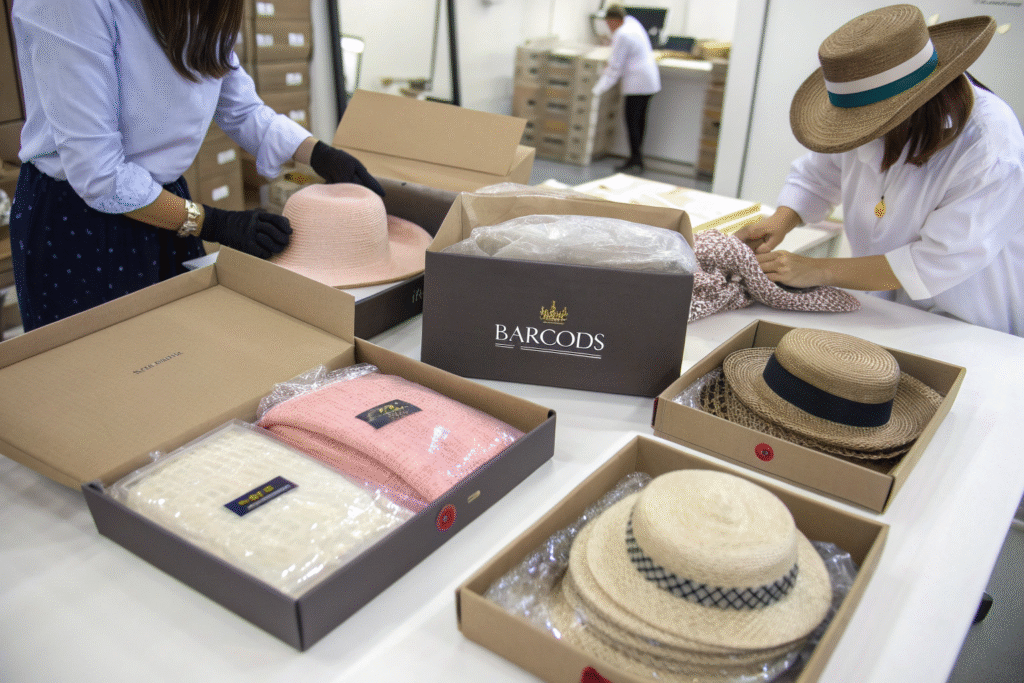
Protective packaging materials like bubble wrap, corrugated boxes, and tissue paper are essential. But customers today also demand eco-friendly solutions, so brands should adopt recyclable boxes and biodegradable wrapping. Companies such as EcoEnclose and Packhelp provide sustainable options.
How Can I Protect Fragile Accessories During Shipping?
Items like sunglasses, hair clips, or delicate hats must be packed with protective layers. Using foam inserts, double-layered boxes, and shrink wrap can minimize damage during transport. In addition, barcoding and correct labeling ensure smoother customs clearance.
Should I Invest in Branded Packaging?
Yes. Branded packaging improves the customer’s unboxing experience and strengthens brand recognition. For instance, placing scarves in eco-friendly printed boxes not only protects the product but also encourages customers to share their purchase on social media. This is a free marketing boost for any online store.
Handling Customs and International Regulations
Cross-border shipping always comes with the challenge of customs clearance. Accessories are usually not restricted items, but incomplete paperwork or incorrect product classification can cause serious delays.
The best way to handle customs is to prepare accurate documentation, use the correct HS codes, and work with professional freight forwarders who understand local regulations.
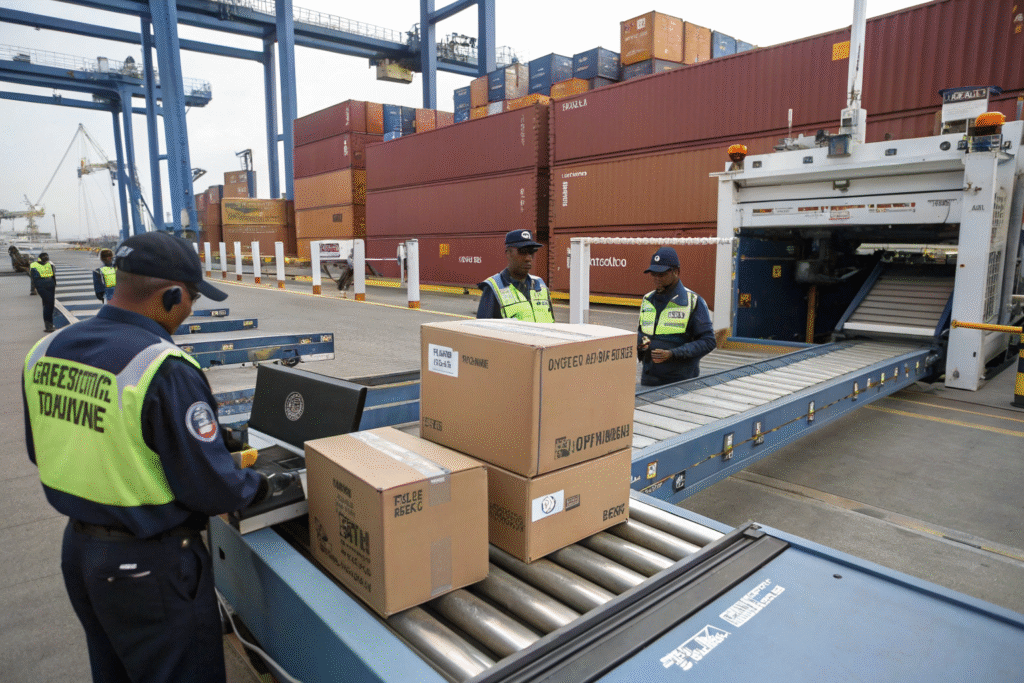
For example, accessories such as belts or scarves fall under specific HS codes that must be correctly declared. Partnering with logistics experts like UPS Supply Chain Solutions ensures smooth compliance.
How Do I Avoid Delays at Customs?
The main reason for delays is missing or incorrect paperwork. Brands must provide invoices, packing lists, and certificates of origin clearly. Working with freight forwarders who specialize in apparel and fashion accessories reduces this risk.
Are U.S. Tariffs a Problem for Fashion Accessories?
Some accessories are subject to U.S. tariffs, but strategic routing and proper customs codes can minimize the impact. Many suppliers in China, including us, already structure logistics to avoid unnecessary tariff costs, helping brands stay competitive in the U.S. market.
Cost Control and Efficient Logistics
Cost is one of the biggest concerns for online sellers. Customers demand fast shipping, but they also want affordable prices. Brands must learn how to optimize logistics to keep profit margins healthy.
The best way to control shipping costs is to combine bulk shipments, choose the right carriers, and use digital tracking tools for maximum efficiency.
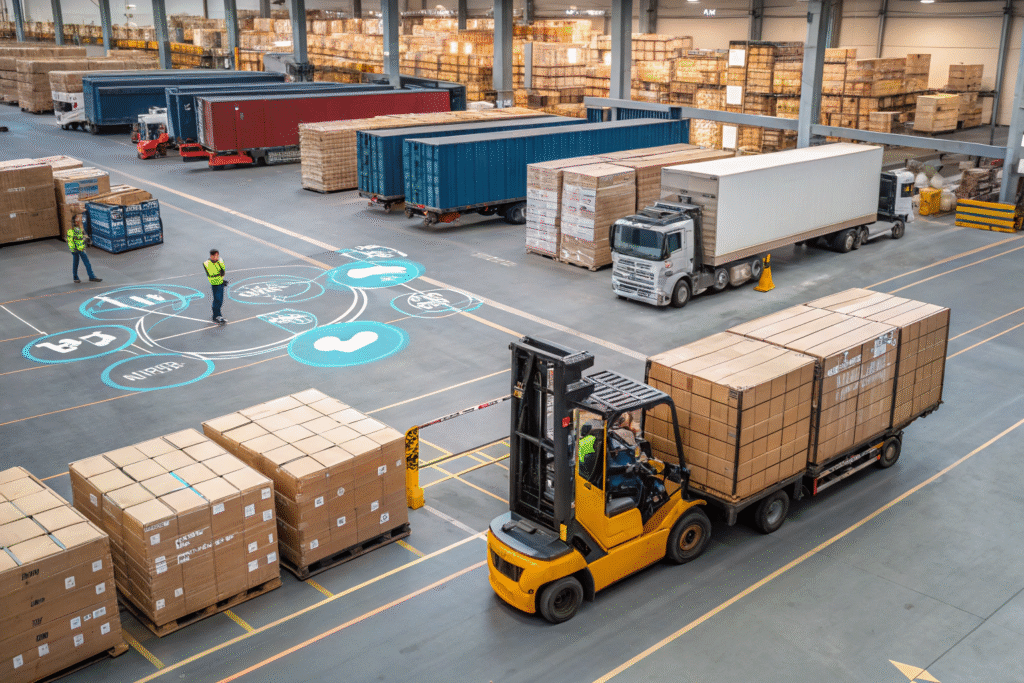
For example, consolidating small orders into one larger shipment reduces per-unit costs. Platforms like Flexport and Freightos offer digital solutions to optimize routes and compare carrier prices.
How Can I Lower International Shipping Costs?
Brands can negotiate long-term contracts with logistics companies, use bonded warehouses, and plan shipments around peak and off-peak seasons. These strategies save money while ensuring timely delivery.
Should I Use Third-Party Logistics Providers (3PL)?
Yes. 3PL companies handle warehousing, order fulfillment, and last-mile delivery. This allows brands to focus on product development and marketing instead of logistics headaches. Many e-commerce brands in the U.S. rely on 3PL partners to scale quickly without high upfront investment.
Conclusion
Shipping accessories directly to e-commerce customers requires a balance of speed, cost control, packaging, and compliance with international rules. Express couriers and sea freight provide flexible options depending on order size. Smart packaging protects products and improves branding. Customs expertise reduces delays, while digital logistics tools cut costs and improve efficiency.
At AceAccessory, we understand these challenges because we work with major supermarkets, fashion brands, and online retailers every day. If you want to develop your own accessory line and ship it smoothly to global customers, we can help. Please contact our Business Director Elaine at elaine@fumaoclothing.com to discuss how we can support your business growth.