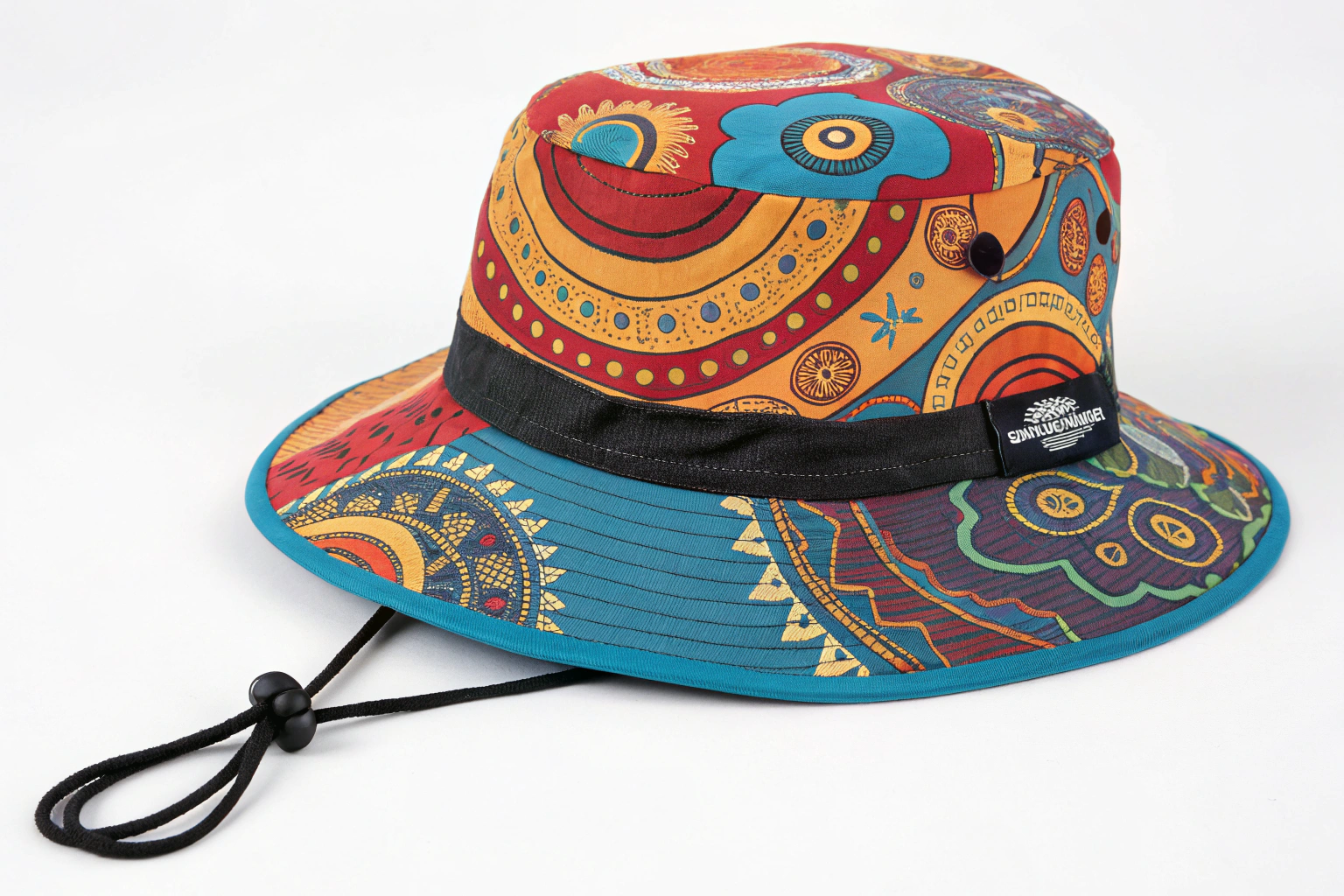
A product developer from a major Australian surf lifesaving organization called me in early October with a timeline that was absolute. Her organization was launching a nationwide sun safety campaign at the beginning of the Australian summer, the first week of December. The campaign’s hero product was a custom printed UV protection bucket hat. The hat had to be tested and certified to UPF 50, the highest ultraviolet protection rating. It had to be printed with the campaign’s vibrant, multicolor artwork, designed by a well-known Indigenous artist. It had to have a wide brim, a chin strap, and a moisture-wicking sweatband. The campaign’s marketing materials, the posters, the website, and the television commercial, all needed photographs of the actual hat, not a digital mockup. She needed physical samples in her hands, camera-ready, by the first week of November. She had exactly four weeks. She had already been turned down by two factories who told her the minimum timeline for a custom printed, UPF-certified hat sample was six to eight weeks. She was facing the prospect of launching a sun safety campaign with a digital rendering instead of a real product. I reviewed the design file, confirmed our sublimation printing schedule, checked our stock of UPF 50 fabric, and gave her a timeline that worked. The samples were in her hands in nineteen days.
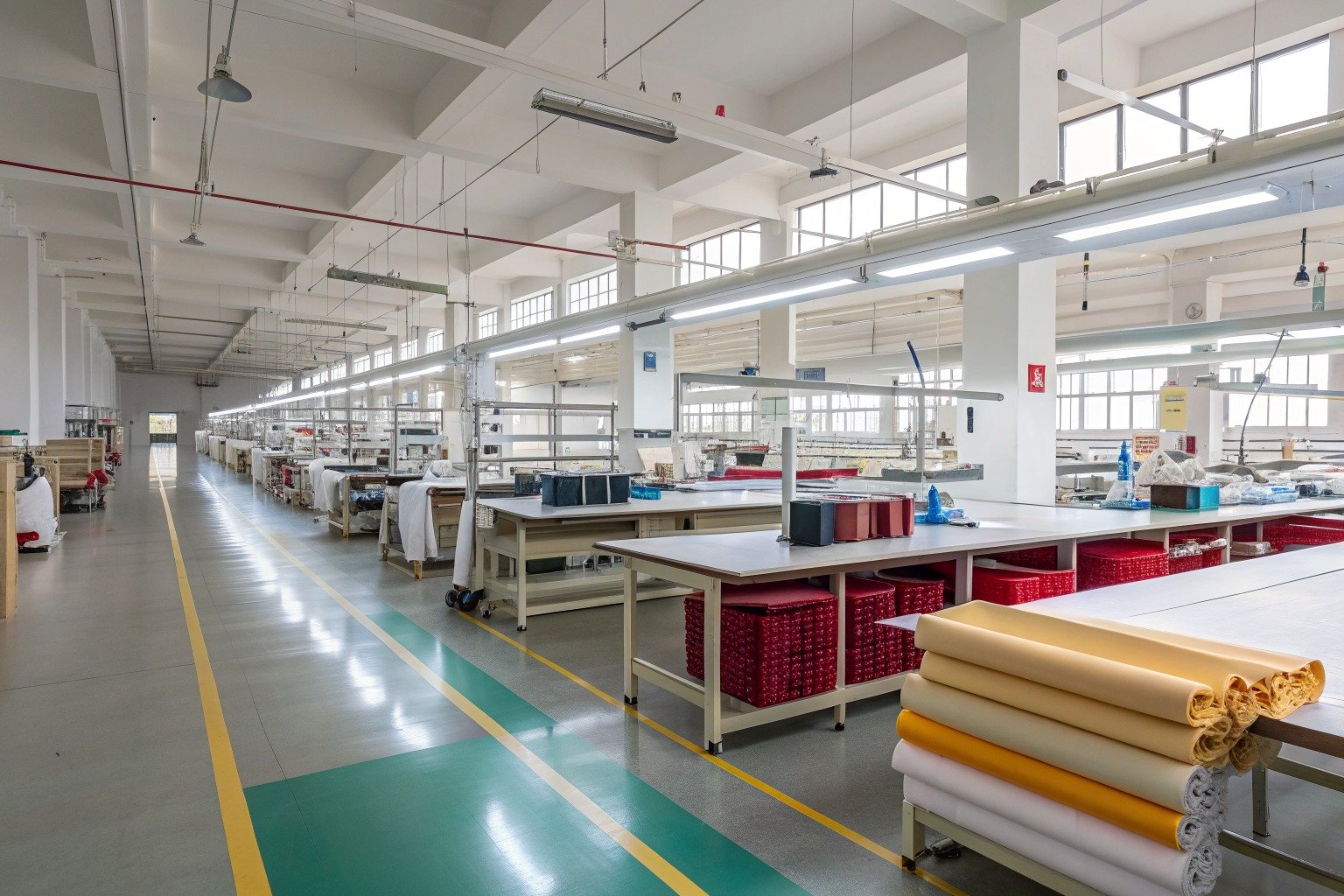
Our factory can produce a sample of a custom printed UV protection hat in as fast as 7 to 10 business days from artwork approval, using our express sampling workflow and international priority courier service. This timeline covers the digital artwork preparation, the sublimation printing of the UPF-certified fabric, the fabric cutting and sewing of the crown and brim, the attachment of the chin strap and sweatband, the final shaping and finishing, the quality control inspection, and the express air shipping. For a standard custom printed UV hat using a stock UPF 50 fabric and a one or two-color print, the sample can be completed in 5 to 7 business days. The total door-to-door time to a major city in North America, Europe, or Australia is typically 10 to 14 days, including 2 to 4 days of express courier transit. For clients with critical campaign deadlines, photoshoot schedules, or buyer presentations, this speed is the difference between launching with a real product and launching with a promise.
A UV protection hat is not just a fashion accessory. It is a health product. It protects the wearer from the harmful effects of ultraviolet radiation, which causes skin cancer and premature aging. The UPF rating is a certified claim. It cannot be guessed or assumed. It must be tested by an accredited laboratory. The fabric, the printing, the brim width, and the overall design all contribute to the UV protection. At AceAccessory, we produce UV protection hats for surf brands, outdoor companies, cancer prevention organizations, and promotional campaigns. We understand the science of sun protection, the testing requirements, and the urgency of campaign deadlines. Let me walk you through how we achieve that speed.
What Is the Standard Sampling Timeline for a UV Protection Hat
The sampling timeline for a custom printed UV protection hat is determined by a sequence of operations. Some can run in parallel. Others must be sequential. The printing of the fabric is the starting point. The UPF certification of the fabric is a prerequisite. The cutting and sewing follow the printing. The quality control is the final gate. The standard timeline assumes that the factory has the necessary UPF-certified fabric in stock, that the artwork is provided in a production-ready format, and that the client approves each stage without delay.
The standard sampling timeline for a custom printed UV protection hat breaks down into five stages. Stage one, artwork preparation and printing setup, takes 1 to 2 days. The artwork is reviewed for print readiness, color separations are created if necessary, and the sublimation transfer paper is printed. Stage two, fabric printing and curing, takes 1 to 2 days. The design is transferred from the paper to the UPF-certified polyester fabric using a heat press. The dye is permanently bonded into the fabric fibers. Stage three, hat cutting and sewing, takes 2 to 3 days. The printed fabric is cut into the crown and brim panels. The panels are sewn together. The brim edge is finished. The chin strap and the sweatband are attached. Stage four, finishing and QC inspection, takes 1 day. The hat is pressed and shaped. The print quality, the stitching, the brim shape, and the attachment of the chin strap and sweatband are inspected. The UPF certification hangtag is attached. Stage five, packing and shipping, takes 1 day. The hat is packed and handed to the express courier. The total standard timeline is 7 to 10 business days.
This timeline is achievable with a dedicated sampling team, a well-stocked inventory of UPF-certified fabrics and standard components, and a streamlined workflow. Let me detail the two most time-critical stages.
How Long Does Sublimation Printing Take on UPF Fabric?
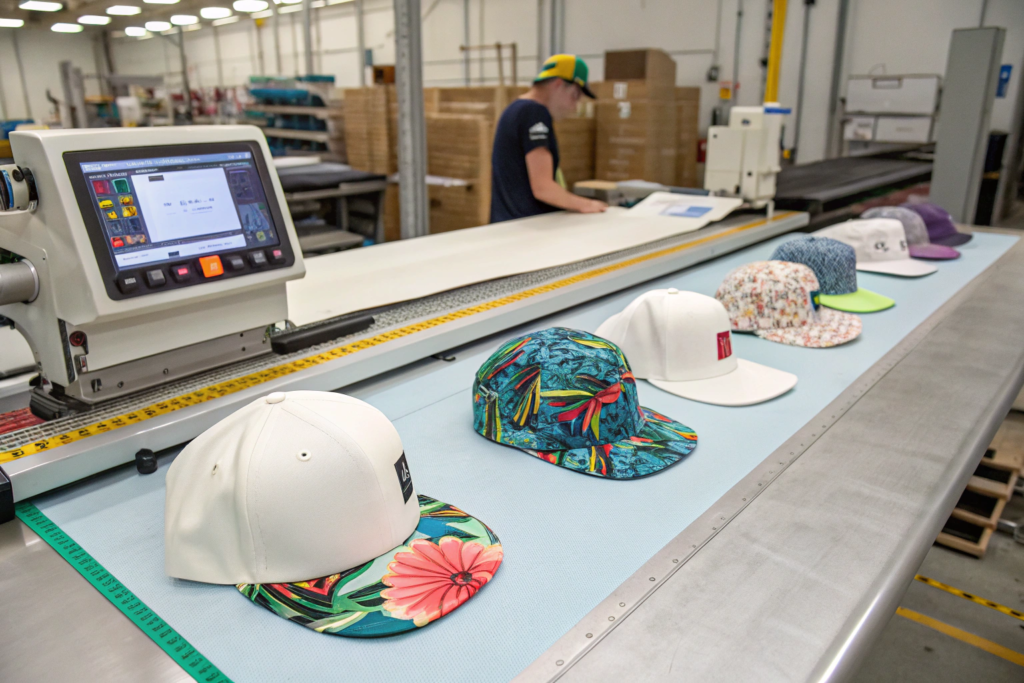
Sublimation printing on UPF-certified fabric is essentially the same process as sublimation printing on any polyester fabric, but with an added layer of quality control to ensure the print does not compromise the UV protection. The UPF certification of the fabric is achieved through the tightness of the weave or knit and through the use of UV-absorbing additives in the polyester fibers. The sublimation process, where the fabric is heated to 200 degrees Celsius for 45 to 60 seconds, does not affect these UV-protective properties. The dye penetrates the fibers, becoming part of the fabric, and it does not create gaps or thin spots in the weave. The printing process for a sample hat, including the file preparation, the test print, and the final print, takes 1 to 2 days. If the design is complex, with a repeating pattern that must align across the seams, additional time is needed for pattern matching. The printed fabric is inspected for color accuracy and print quality. After printing, the fabric is not re-tested for UPF, because the sublimation process is known to have no effect on the UPF rating of certified fabric. The original UPF test report for the fabric remains valid. The printed fabric is then ready for cutting. The sublimation printing on UPF fabric is a fast, reliable process that does not add time to the sampling timeline.
What UPF Certification Checks Are Done Before Sampling?
Before a single hat is cut, the UPF certification of the fabric must be verified. The UPF rating, Ultraviolet Protection Factor, is a measure of how much ultraviolet radiation a fabric blocks. A UPF 50 fabric blocks 98 percent of UV radiation. The UPF claim is a legal claim in many countries, including Australia, where it is regulated by the Australian Radiation Protection and Nuclear Safety Agency, ARPANSA. The fabric must have a valid test report from an accredited laboratory. The test report must state the UPF rating, the test method used, typically AS/NZS 4399 or ASTM D6603, and the fabric identification. Our QC team checks the test report before the fabric is released for sampling. The test report is checked for validity. The report must be from an ISO 17025 accredited laboratory. The report must be current, typically within two years. The report must match the specific fabric lot being used. The fabric itself is inspected. The fabric weight, the weave density, and the color are checked against the specification. A fabric that is lighter or more loosely woven than the tested sample may have a lower UPF. The UPF certification hangtag is prepared. The hangtag will be attached to the finished hat. The hangtag states the UPF rating and the testing standard. The hangtag is a legal document in Australia and is required by the ARPANZA standard. The UPF certification check adds a few hours to the pre-production process, but it is a non-negotiable step. A UPF claim without a valid test report is a product liability risk.
How Does the UPF Requirement Affect Hat Construction
A hat’s UV protection depends on more than just the fabric. The design of the hat, the brim width, the crown height, and the coverage, all contribute to the overall sun protection. The UPF rating applies to the fabric. The hat’s design determines how much of the wearer’s head, face, and neck are shaded by that fabric. A hat made from UPF 50 fabric but with a very narrow brim provides less overall protection than a hat made from the same fabric with a wide brim. The construction of the hat must also ensure that the fabric is not stretched or distorted in a way that reduces its UPF. The sewing must not create holes or gaps that allow UV radiation to pass through. The UV protection requirement influences every aspect of the hat’s design and construction.
The UPF requirement affects hat construction by dictating the brim width, the seam construction, and the fabric handling. The brim width is the primary design factor for sun protection. A wide brim, typically 7 to 10 centimeters for a bucket hat or a boonie hat, provides shade for the face, the ears, and the back of the neck. The brim must maintain its shape and not collapse in use. A brim stiffener, a piece of plastic or a dense interfacing, may be sewn into the brim to keep it horizontal. The seam construction must not compromise the UV barrier. The seams are sewn with a tight stitch density, typically 8 to 10 stitches per inch. A looser stitch creates larger needle holes that can allow UV radiation to pass through. The seams are finished with a binding or an overlock stitch to prevent fraying and to maintain the fabric density at the seam. The fabric is handled carefully during cutting and sewing to avoid stretching. Stretching the fabric thins the weave and can reduce the UPF. The fabric is cut with the grain line oriented correctly. The sewing machine tension is adjusted to prevent puckering or stretching. The crown is designed to sit comfortably on the head without requiring the fabric to be pulled tight. The chin strap and the sweatband are functional features that do not affect the UPF directly, but they contribute to the hat’s overall performance and wearability. A hat that is uncomfortable will not be worn, and an unworn hat provides zero UV protection. The UPF requirement is a design discipline. It ensures that every element of the hat contributes to the goal of maximum sun protection.
The UPF construction requirements are not a barrier to speed. They are part of our standard operating procedure for UV hats. Our sampling team is trained in these requirements, and our stock of UPF fabrics and standard components is pre-qualified. Let me detail the two most important construction elements.
How Are Seams Constructed to Maintain the UV Protection Rating?
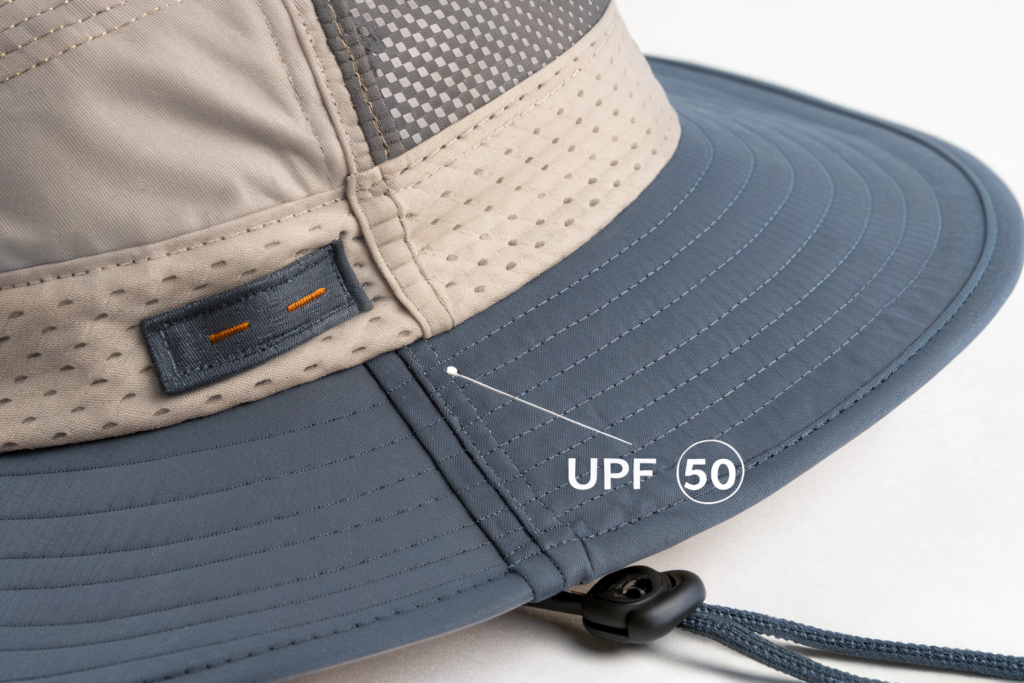
The seams are the potential weak points in the UV barrier. A seam is a line of needle holes through the fabric. If the holes are large or if the fabric is stretched at the seam, UV radiation can pass through. The seam construction for a UV protection hat minimizes these effects. The stitch density is the primary control. A higher stitch density, 8 to 10 stitches per inch, creates smaller needle holes that are more tightly packed. The needle size is also important. A smaller needle, size 70 or 80, creates a smaller hole. The needle must be sharp. A dull needle tears the fabric rather than piercing it cleanly, creating larger, more irregular holes. The thread type matters. A continuous filament polyester thread is smooth and fills the needle hole more effectively than a spun thread, which has loose fibers. The thread is matched to the fabric color. The seam type is chosen for UV integrity. A flat-felled seam, where the fabric edges are folded over and topstitched, creates a double layer of fabric over the seam line, increasing the UV protection at the seam. A bound seam, where a strip of fabric is wrapped over the raw edge, provides a similar double-layer effect. A simple plain seam is less protective and is avoided in critical areas like the crown panels. The seam allowance, the fabric between the stitch line and the raw edge, is kept narrow to minimize the area of single-layer fabric. The seams are pressed flat after sewing to close the needle holes and to create a smooth, dense surface. The seam construction is the same for a sample as for production. Our sampling sewers are trained in these techniques, and the seams are inspected under a lightbox to check for any visible light penetration.
What Brim Width and Shape Provide the Best Sun Protection?
The brim is the primary shading device of a UV protection hat. The wider the brim, the larger the shadow and the greater the area of skin protected. The Cancer Council Australia recommends a brim width of at least 7.5 centimeters for adequate sun protection. A brim of 10 centimeters or more provides excellent protection. The brim shape also matters. A brim that slopes down at an angle provides better protection for the face and neck than a brim that is perfectly flat, because it blocks the low-angle sun. A bucket hat brim naturally slopes down. A boonie hat brim is often flat but can be worn snapped down. A wide-brimmed hat with a flat brim, like a lifeguard hat, provides maximum overhead shade but less protection from low-angle sun. The brim must be stiff enough to maintain its shape and not collapse in the wind or when wet. A brim stiffener, a piece of thin plastic or a heavy-weight interfacing, is sewn into the brim. The stiffener must be flexible and comfortable. The brim edge is finished with a binding or a folded hem for durability. The brim width is measured from the crown to the edge. The tolerance is plus or minus 5 millimeters. The brim width is a critical specification for a UV protection hat, and it is checked during QC inspection. The brim width and shape are design decisions that are made early in the product development process. For a sample, we use the brim dimensions specified by the client. If the client needs guidance on the optimal brim for their target market, our design team can provide recommendations based on the relevant sun safety standards.
What Customization Options Affect the UV Hat Timeline
A UV protection hat can be customized in many ways beyond the basic print design. The chin strap, the sweatband, the size adjuster, the reflective elements, the branding, and the packaging all contribute to the final product. Each customization option has its own lead time, and the cumulative effect of multiple custom options can extend the sampling timeline. For a fast sample, the principle is to use as many stock components as possible. The sample proves the concept, the print, and the overall silhouette. The full customization can be reserved for the production order.
The customization options that affect the UV hat sampling timeline are the fabric print, the chin strap, the sweatband, the branding, and the packaging. The fabric print, using sublimation, is the fastest customization method. It adds no significant time to the timeline. A single-color or multi-color sublimation print is equally fast. The chin strap is a functional component. A stock chin strap in a standard color, black, white, or navy, is available immediately. A custom-dyed chin strap to match a specific Pantone color adds 5 to 7 days. The sweatband is a standard component. A stock moisture-wicking sweatband in black or white is available immediately. A custom-printed sweatband with a logo adds 3 to 5 days. The branding includes woven labels, heat-transfer logos, and embroidered patches. A stock woven label with the brand name can be produced in 3 to 5 days. A custom embroidered patch adds 5 to 7 days. The packaging includes the UPF certification hangtag, which is a mandatory component. A stock UPF hangtag is available immediately. A custom-designed UPF hangtag with the brand’s logo adds 5 to 7 days for printing. Custom gift boxes or display-ready packaging adds 10 to 14 days. For a fast sample, the recommended approach is to use a stock chin strap, a stock sweatband, a stock UPF hangtag, and simple branded labeling. The focus is on the print and the silhouette.
The smart strategy is to prioritize the print and the UPF certification, which are the core of the product, and to keep all other elements simple and stock. Let me detail the two most impactful customization decisions.
Can You Print the UPF Rating Directly on the Fabric?
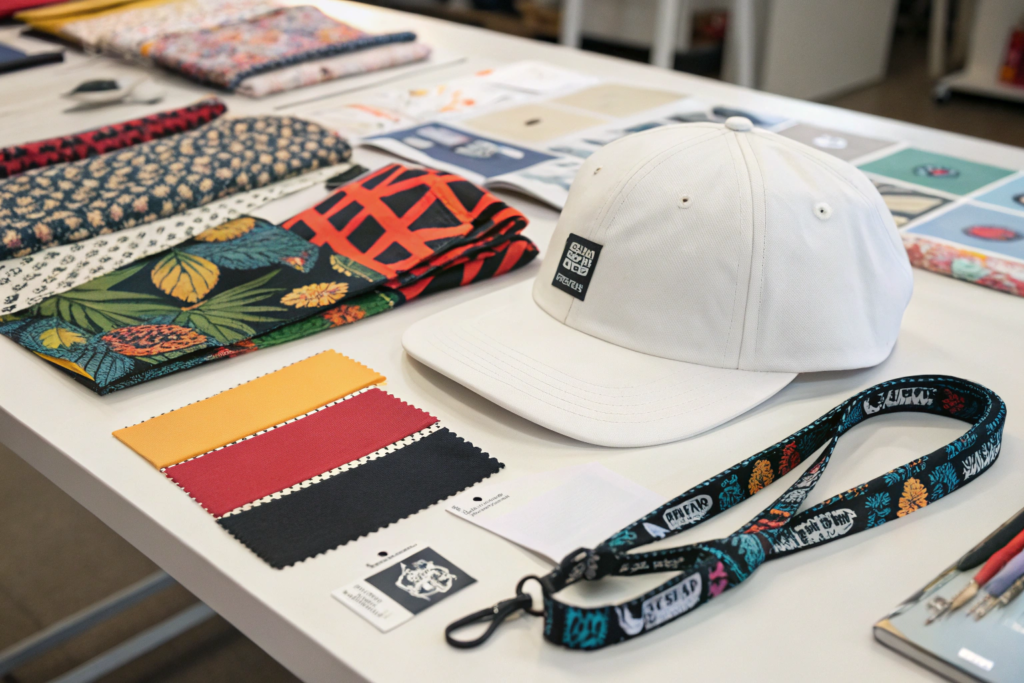
Yes, the UPF rating can be printed directly onto the fabric of the hat as part of the sublimation printing process. This is a popular option for promotional and event hats, where a separate hangtag might be removed and lost. The UPF rating, "UPF 50," is included in the artwork file and is printed along with the rest of the design. The print is placed on the inside of the crown, on the sweatband, or on the underside of the brim, where it is visible to the wearer but does not detract from the external design. The printed UPF claim is permanent. It will not fade or wash off. The printed claim must be accurate. The fabric must have a valid UPF test report that supports the claim. The printed claim must comply with the labeling requirements of the target market. In Australia, the ARPANSA standard requires the UPF rating to be displayed on a hangtag or a label. A printed claim on the fabric may or may not satisfy the standard, depending on the specific wording and placement. The Australian standard is the most stringent in the world, and it is the benchmark for UV protection claims. We recommend using the standard UPF certification hangtag for the Australian market and for any market where compliance with the Australian standard is desired. The printed UPF claim is a supplementary branding element. The printed claim adds no time to the sampling process. It is part of the artwork file.
How Do Custom Chin Straps and Toggles Affect Lead Times?
The chin strap is a functional and often required component of a UV protection hat, particularly for children’s hats and for active outdoor use. The chin strap keeps the hat on the head in windy conditions. A chin strap can be a simple cord with a toggle, a fabric strap with a clip, or an elastic strap with a buckle. The choice of chin strap affects both the sampling timeline and the production timeline. The fastest option is a stock chin strap. We maintain an inventory of chin straps in standard colors, black, white, and navy. These are lengths of braided polyester cord with a plastic spring-loaded toggle. They can be attached to the hat with zero additional lead time. The next option is a custom-colored chin strap. The cord is dyed to match a specific Pantone color. The dyeing process takes 5 to 7 days. For a sample, we can sometimes dye a small batch in 2 to 3 days using a sample dye pot, but the color match may not be exact. For production, the full dye lot process is used. The next option is a custom toggle. A standard plastic toggle is a stock item. A custom toggle, with a brand logo embossed or a specific color, must be manufactured. This can take 14 to 21 days for a custom mold. For a fast sample, a stock chin strap with a standard toggle is always the recommended choice. The sample can be produced with the stock strap, and the custom strap can be developed in parallel for the production order.
How to Prepare Your Artwork for Fast UV Hat Sampling
Artwork preparation is the single most effective thing a client can do to accelerate their sample timeline. A perfectly prepared, print-ready file can go directly to the printer. A file that requires cleanup, color adjustment, or reformatting can add days of back-and-forth communication. The time invested in preparing the file correctly before submission is returned many times over in a faster sample. The artwork for a UV hat is typically an all-over print, wrapping the entire crown and brim.
To prepare artwork for fast UV hat sampling, provide a high-resolution raster file or a vector file with the design at the actual print size. The artwork should be mapped onto our hat panel template, which shows the individual crown and brim pieces. The template is available from our design team. The design should align across the seams for a seamless, all-over effect. The colors should be specified as Pantone references or as RGB values, with the understanding that sublimation printing uses an RGB color space. The file resolution should be a minimum of 150 dots per inch at the actual print size. Vector files are preferred for logos and text elements. The file format should be a TIFF, PSD, AI, EPS, or high-resolution PDF. Any text in the design should be converted to outlines. A separate print specification document that summarizes the design intent, the colors, and the placement is helpful. The artwork should be reviewed carefully before submission. A common mistake is to include a white background and expect it to print. Sublimation printers do not print white ink. Any area that should be white must be left as transparent in the file. The white of the fabric will show through. Providing print-ready artwork is a skill, but our design team can assist if the client does not have this capability. However, this assistance adds time to the pre-production process. For the fastest sample, submit print-ready artwork.
A well-prepared artwork file is the best gift a client can give to our sampling team. Let me detail the two most important file preparation points.
What File Format Is Best for All-Over Hat Printing?
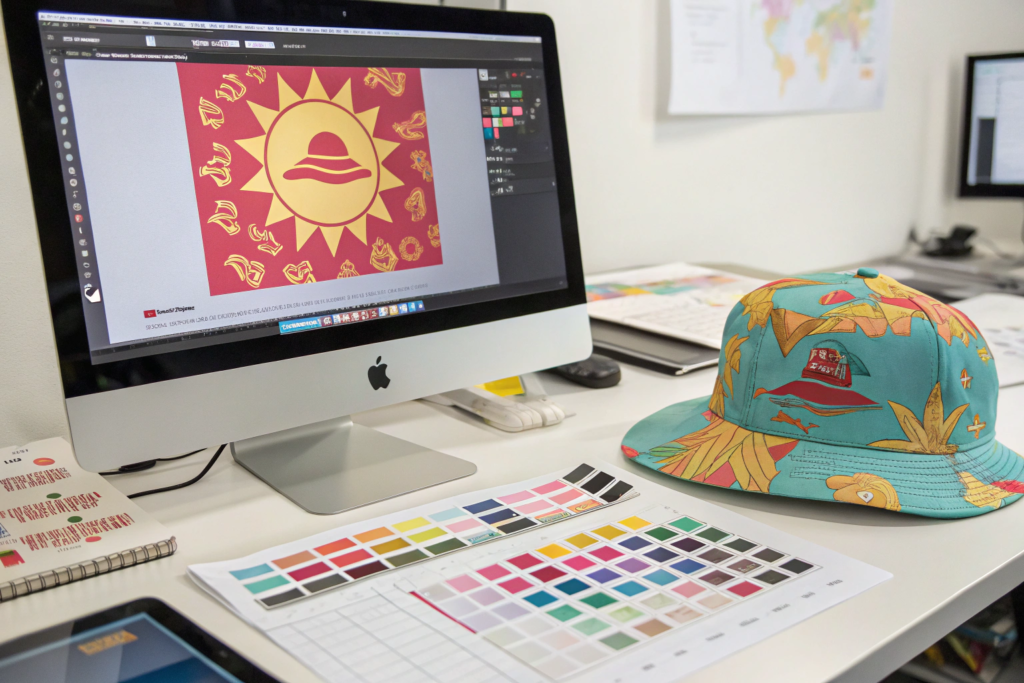
The best file format for all-over hat printing is a high-resolution TIFF or a layered PSD, Photoshop, file at the actual print size. A TIFF file is a raster format that preserves all the color information and detail of the original design without compression artifacts. It is the standard format for high-quality digital textile printing. The TIFF should be saved at a resolution of 150 to 300 dots per inch at the final print dimensions. The color mode should be RGB. The file should be flattened to a single layer to reduce file size. A PSD file is useful if the design has multiple elements that may need to be adjusted independently, such as a background pattern and a foreground logo. The layers can be toggled or adjusted by our design team if minor changes are needed. The file should include the hat panel template as a separate, locked reference layer. A vector file, such as an AI, Adobe Illustrator, or EPS, is ideal for designs that are primarily graphic, with solid colors and sharp edges. Vector files can be scaled to any size without loss of quality. A high-resolution PDF is an acceptable universal format. The file size for a full hat print can be large. This is normal. The investment in a high-quality file pays off in a high-quality print.
How Should You Indicate the UPF Hangtag Placement?
The UPF certification hangtag is a mandatory component of a UV protection hat, and its placement must be specified in the artwork or in the production specification. The hangtag is typically attached to the hat at the sweatband, at the brim edge, or through the chin strap attachment point. The placement must be secure. The hangtag must not fall off during shipping or retail handling. The hangtag must be visible. The consumer must be able to see the UPF rating before purchase. The hangtag placement is indicated on the hat specification sheet, not in the print artwork file. The specification sheet should state the hangtag type, the stock UPF hangtag or the custom hangtag, the attachment method, a swift tack, a safety pin, or a loop through the chin strap, and the exact location. A photograph or a sketch is helpful. For a stock UPF hangtag, the placement is standardized. Our sampling team will attach the hangtag in the standard location unless instructed otherwise. For a custom hangtag, the placement must be specified. The hangtag placement is verified during the QC inspection. The hangtag is a legal document, and its correct placement is a quality requirement.
Conclusion
Producing a sample of a custom printed UV protection hat at speed is a capability that requires a factory to have invested in the right technology, sublimation printing, heat pressing, and UPF fabric sourcing, and to have organized its workflow for rapid response. The UV hat is a health product. The UPF certification must be real, tested by an accredited laboratory. The construction must support the sun protection claim, with wide brims and tight, UV-resistant seams. The print must be vibrant and durable. Each of these requirements adds steps to the production process, but with a dedicated sampling cell, a well-stocked inventory of UPF-certified fabrics and standard components, and a streamlined workflow, the total timeline can be compressed to as little as 7 to 10 business days. We have walked through the standard timeline, from the sublimation printing to the sewing and the final inspection. We have examined how the UPF requirement affects construction, the seam techniques and the brim dimensions that maximize sun protection. We have discussed the customization options and their impact on the timeline. And we have emphasized the critical importance of production-ready artwork and clear specifications.
At AceAccessory, we are passionate about UV protection hats. We believe that sun safety and great design belong together. Our rapid sampling team understands the urgency of a campaign launch, a summer season deadline, or a photoshoot. They work with the focus and the speed that those deadlines demand, without compromising the quality checks and the UPF certification that make the product what it is. We have shipped UV hat samples to surf brands, cancer councils, and promotional companies around the world.
If you have a custom printed UV protection hat project and you need a sample quickly, for a campaign, a presentation, or a production order, I invite you to contact us. Reach out to our Business Director, Elaine, at elaine@fumaoclothing.com. Tell her about your project, your design, your timeline, and your delivery destination. She can provide the hat panel template for your artwork, give you a sampling timeline estimate, and provide a quotation. Send us your artwork today, and you could be holding the physical sample in your hands in less than two weeks. Let us help you protect your customers from the sun, in style.