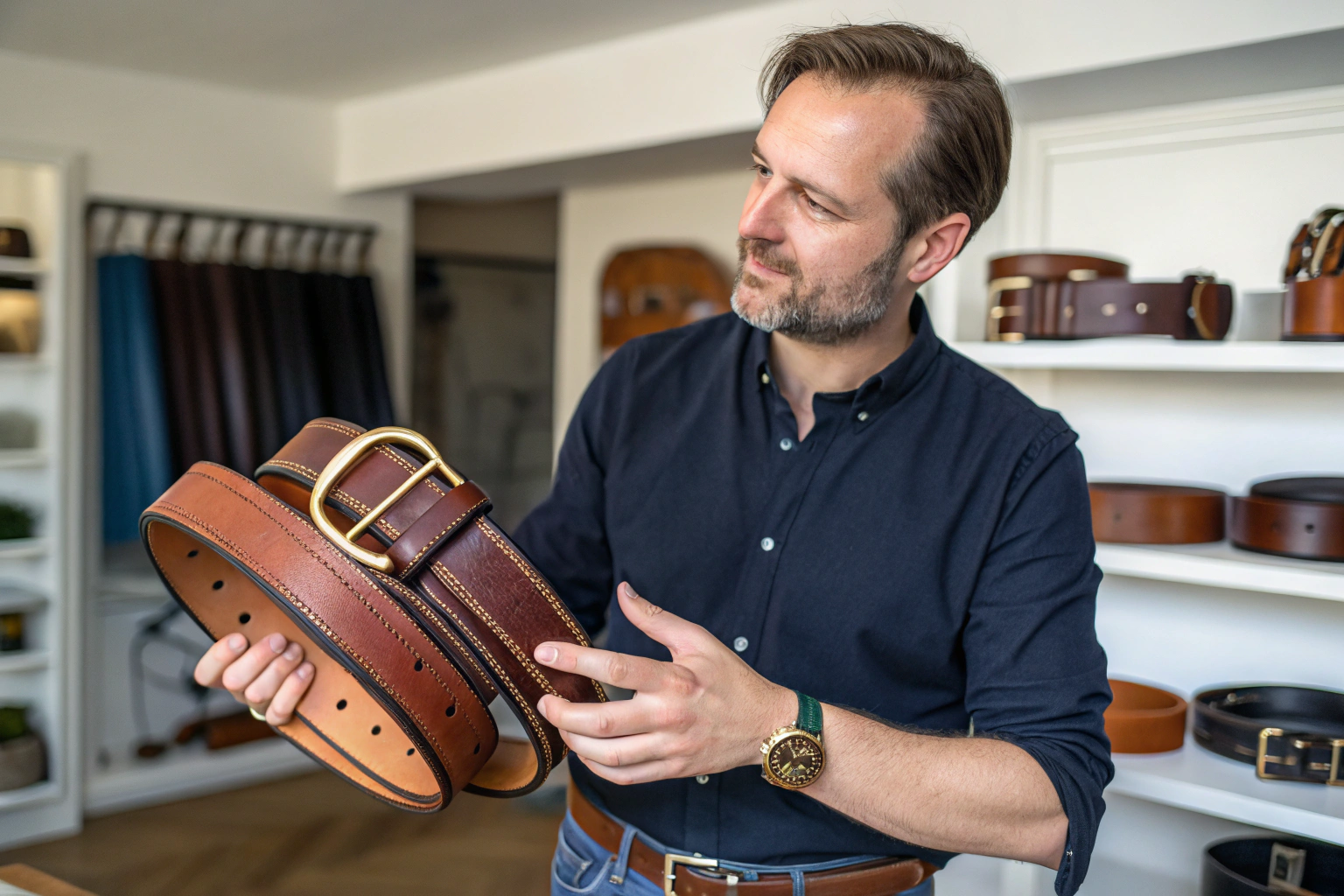
A creative director from a Milanese leather goods house sat in my showroom last season, holding two nearly identical belts in her hands. The leather was the same rich, vegetable-tanned calfskin. The buckle was the same brushed gold. The stitching was the same tone-on-tone thread. But one belt looked noticeably more expensive, more refined, more intentional than the other. The difference was the edge paint. On one belt, the edge was painted in a standard brown that was a close, but not exact, match to the leather. On the other, the edge was painted in a carefully selected tone that complemented the leather color in a way that was clearly the result of a deliberate design choice. She told me, "Edge paint is the detail that separates a good belt from a luxury belt. It is the first thing a customer sees when they pick it up. It frames the entire product. If the edge paint is wrong, the belt looks like a commodity. If it is right, the belt looks like it belongs in a boutique on Via Montenapoleone." She was absolutely right. Edge paint, also called edge coating or edge dye, is the thin layer of colored paint applied to the cut edges of a leather belt strap. It seals the raw leather fibers, prevents fraying and moisture absorption, and provides a polished, finished appearance. In the luxury segment, the color of the edge paint is a critical design decision that communicates the brand’s aesthetic sensibility.
The most common belt edge painting colors for luxury brands in 2026 are tone-on-tone colors that match the leather color with exceptional precision, creating a seamless, monolithic appearance that emphasizes the purity of the material. Contrast edge painting in a carefully selected accent color is the second major trend, where the edge provides a subtle but visible color accent. The dominant specific colors are warm mid-browns and cognac tones for classic leather belts, deep burgundy and oxblood for a touch of color on dark leathers, and muted, dusty blues and greens for fashion-forward contrast edges. The technical quality of the edge paint is as important as the color. Luxury brands demand edge paint that is perfectly smooth, with no brush marks, no bubbles, no unevenness. The paint must be flexible enough to bend with the belt without cracking. It must be colorfast and resistant to chipping, peeling, and fading. The finish is typically a semi-gloss or a matte sheen, avoiding the high-gloss plastic look of cheaper edge paints. The edge paint is applied in multiple thin layers, with each layer sanded smooth before the next is applied, creating a deep, glass-like finish that is as tactile as it is visual.
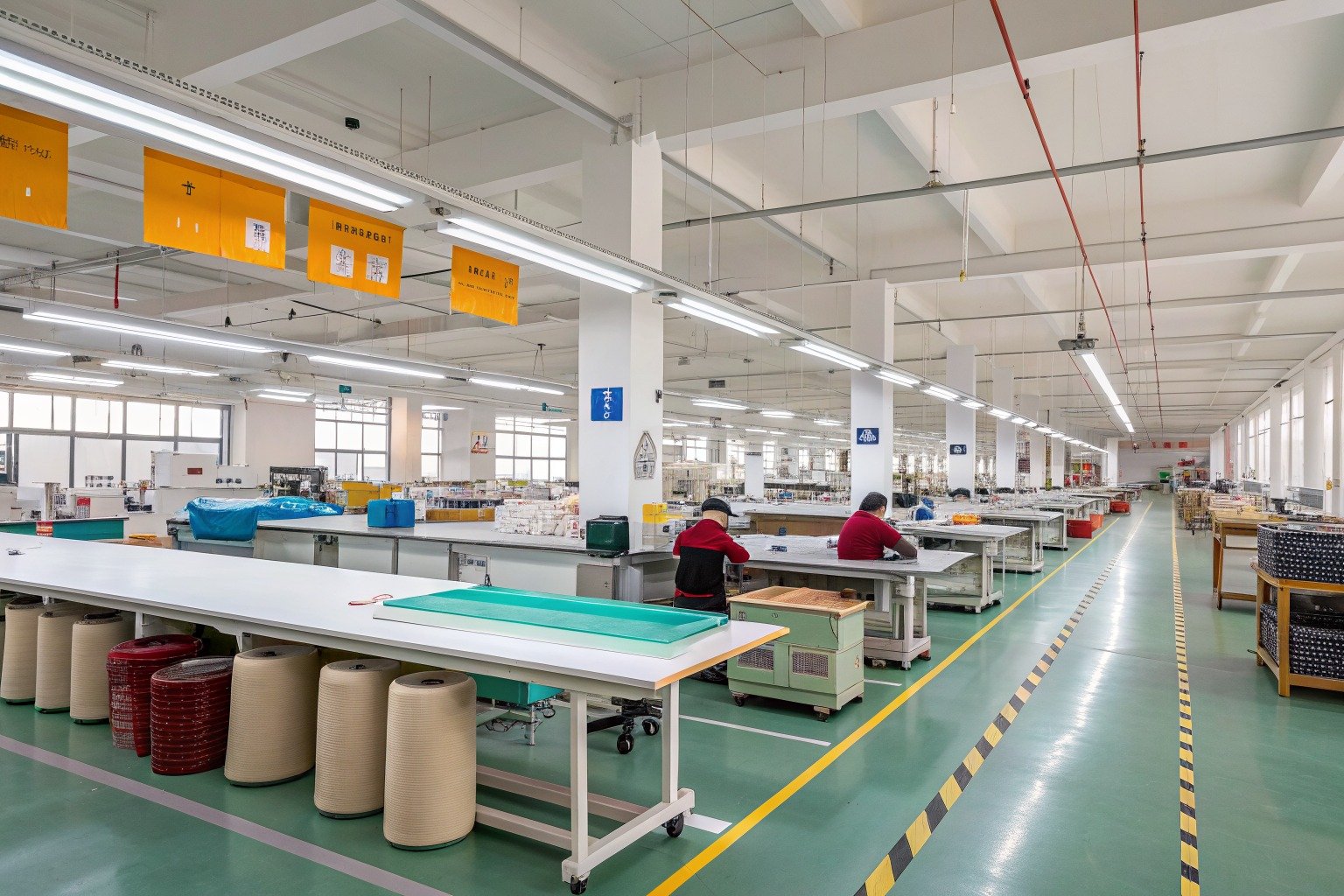
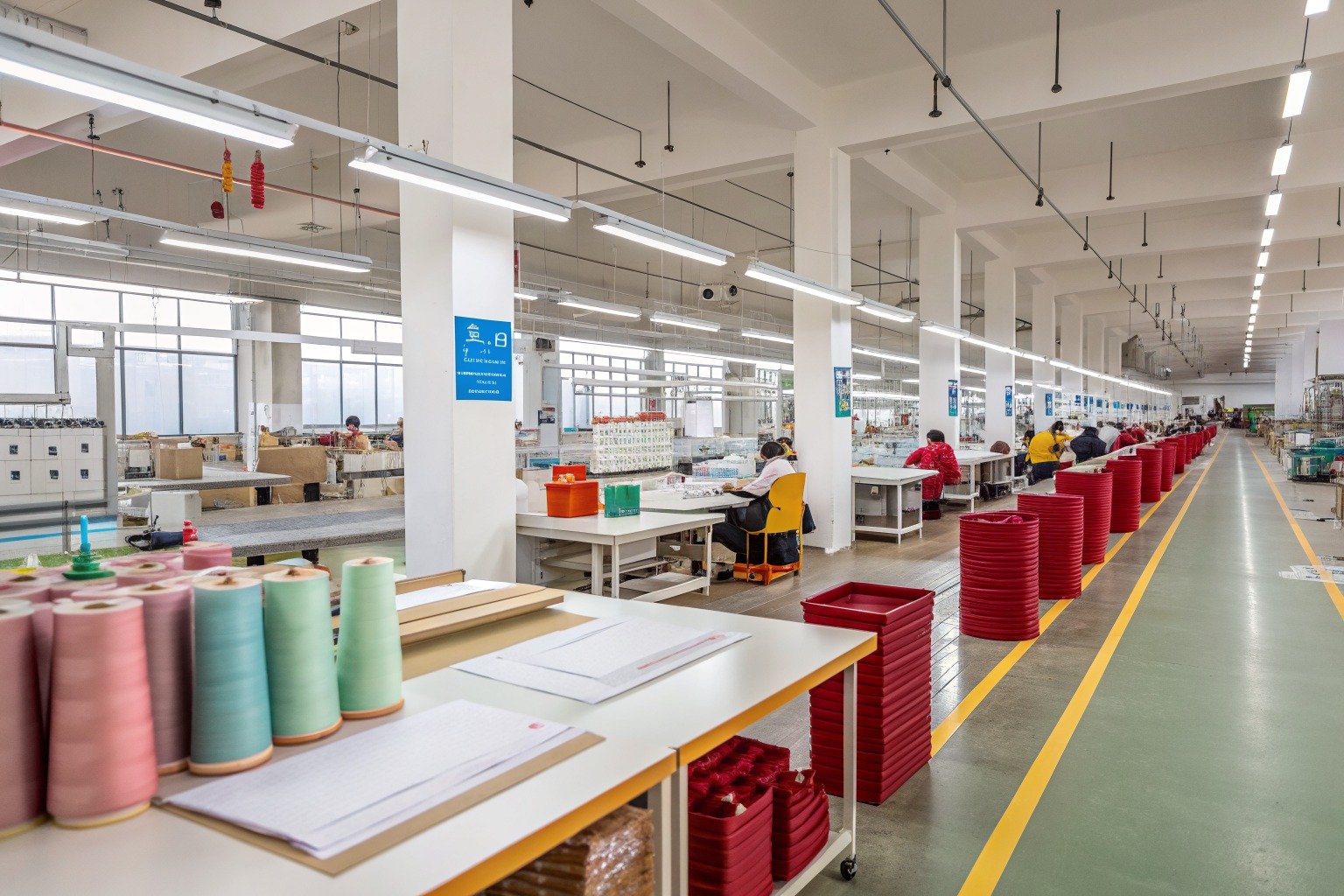
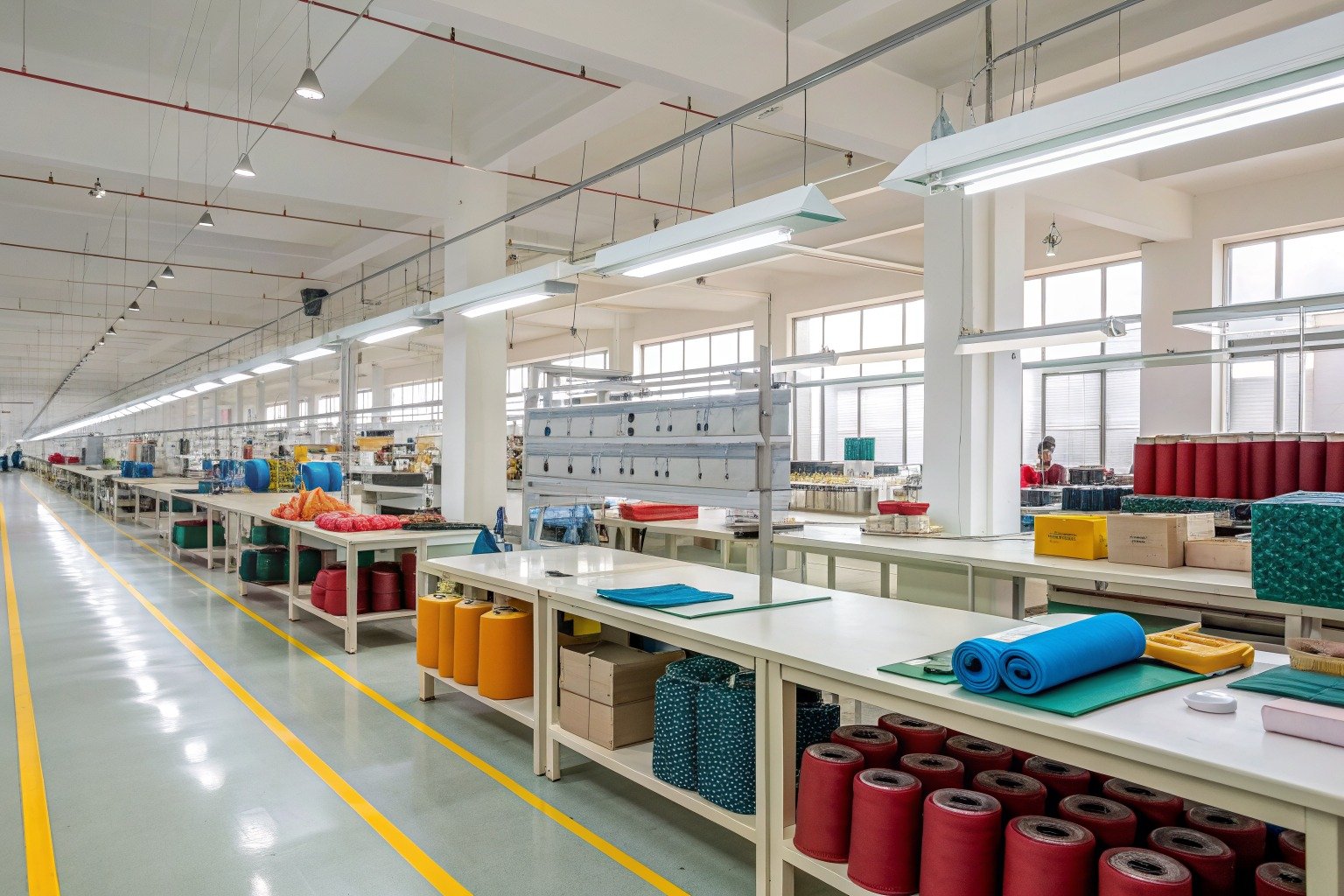
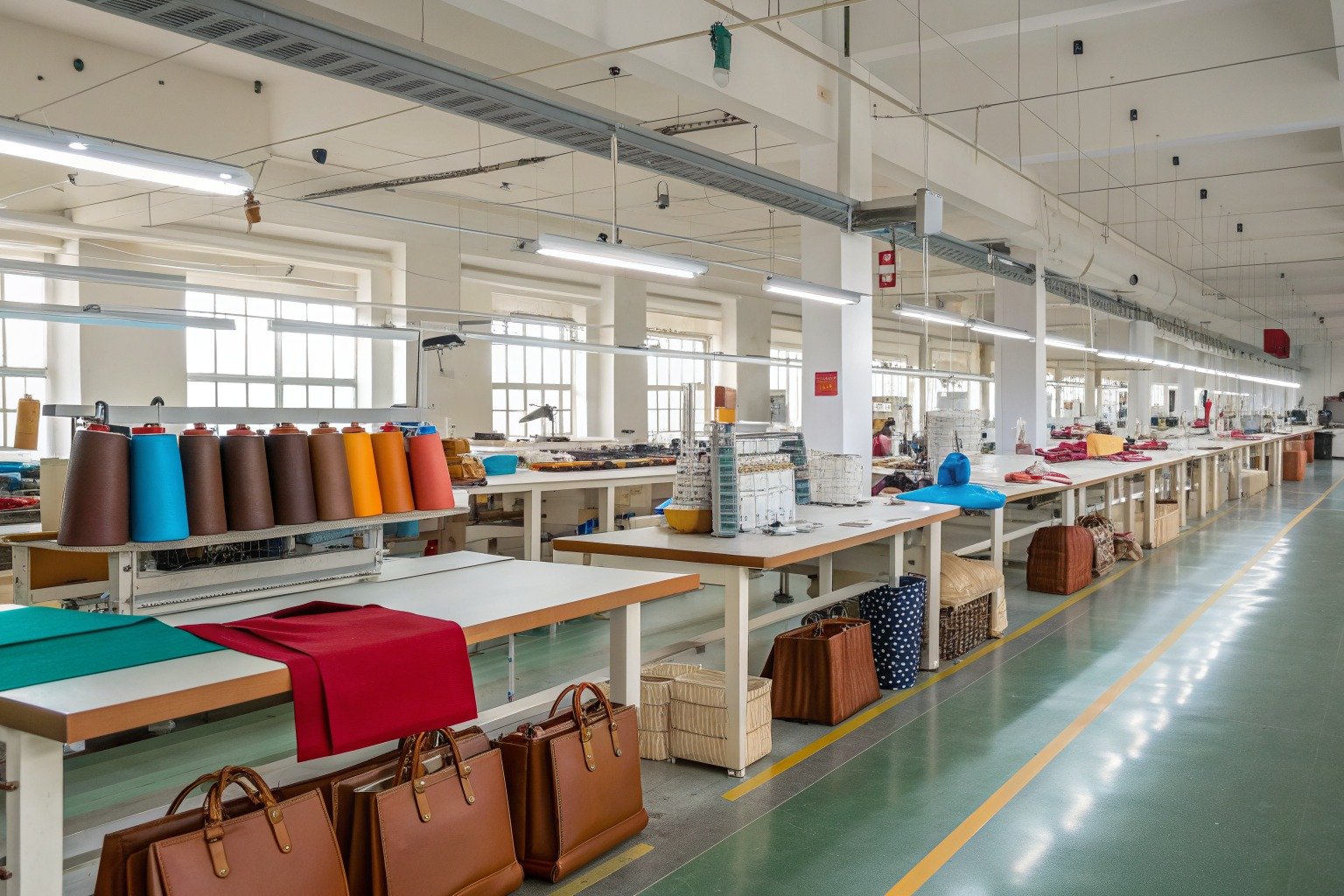
Edge painting is the most labor-intensive finishing step in belt production. It cannot be fully automated. It requires skilled artisans who apply the paint by hand, layer by layer, with patience and precision. The quality of the edge paint is a direct reflection of the brand’s commitment to craftsmanship. At AceAccessory, we produce belts for luxury brands and premium labels, and our edge painting workshop is staffed by artisans who have spent years perfecting this skill. Let me walk you through the colors, the techniques, and the quality standards that define luxury edge painting for 2026.
Why Is Tone-on-Tone Edge Painting the Foundation of Luxury Belts
Tone-on-tone edge painting is the quietest and most sophisticated edge treatment in luxury belt design. The edge paint color is matched to the leather color with such precision that the edge appears to be the same material as the surface. The belt is visually unified. The eye does not stop at the edge. The silhouette is clean and uninterrupted. This approach is the hallmark of brands that prioritize materiality and craftsmanship over ornamentation. The message is, "This leather is so beautiful, we want nothing to distract from it." The execution of tone-on-tone edge painting is technically demanding. A slight color mismatch is immediately visible and looks amateurish. The paint must be exactly the same color as the leather, accounting for the fact that the paint sits on the cut edge of the leather, which is a different surface than the grain side.
Tone-on-tone edge painting is the foundation of luxury belt design because it represents the highest level of craftsmanship and attention to detail. The edge paint color is custom-matched to each specific leather color. It is not a stock color chosen from a catalog. Our colorist measures the leather color with a spectrophotometer and creates a custom edge paint formulation that matches it exactly. The paint is applied in multiple thin layers, typically three to five, with each layer hand-sanded with fine-grit sandpaper before the next layer is applied. This builds up a smooth, slightly domed surface that feels luxurious to the touch. The finish is semi-gloss or matte, never high-gloss. A high-gloss edge looks like plastic and is associated with low-cost, mass-produced belts. A matte or semi-gloss edge looks like a natural extension of the leather. The edge paint seals the leather fibers completely, preventing the fraying and moisture absorption that can cause the belt to degrade over time. This functional benefit is as important as the aesthetic. A luxury belt is expected to last for years, and the edge paint is a critical part of its durability. The tone-on-tone approach allows the leather to be the hero. The edge is invisible. The customer may not consciously notice the edge paint, but they will perceive the belt as more refined, more expensive, and more beautifully made.
The brands that favor tone-on-tone edge painting are the quiet luxury houses, the heritage leather goods brands, and the minimalist designers. They understand that true luxury is in the details that are felt, not shouted. Let me detail the most important tone-on-tone colors.
What Shades of Brown Are Most Requested for Classic Leather Belts?
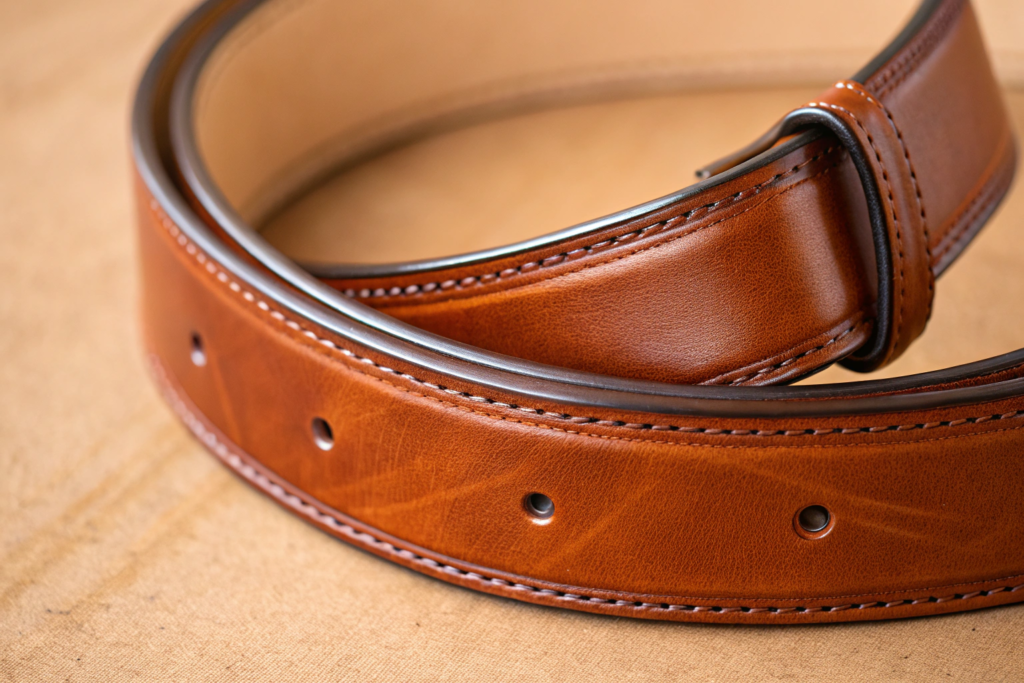
Brown is the color of classic leather craftsmanship, and the spectrum of brown edge paints is vast and nuanced. The most requested shades for luxury belts in 2026 are warm, natural browns that evoke the tradition of vegetable-tanned leather. Cognac is the leading shade, a warm, golden-brown with amber undertones. It is the color of a fine French brandy and the color of the most prized vegetable-tanned leathers. Cognac edge paint on a cognac leather belt is the ultimate expression of tone-on-tone luxury. It is rich, warm, and timeless. It pairs beautifully with gold and brass hardware. Tobacco is a slightly darker, cooler brown with greyish undertones. It is more understated than cognac and works well with both casual and formal belts. Chocolate is a deep, dark brown, almost black in low light but revealing its rich brown depth in sunlight. It is the standard for formal dress belts and for belts paired with dark suits. Tan is a light, sandy brown with a casual, sun-faded feel. It is popular for spring and summer collections, for belts intended to be worn with lighter-colored trousers and loafers. Chestnut is a reddish-brown that sits between cognac and burgundy on the color wheel. It has warmth and character, and it is a favorite of brands that want a brown with personality. Each of these shades is custom-matched to the specific leather. A cognac leather from one tannery is slightly different from a cognac leather from another. The edge paint is formulated to match the exact hide. The color matching is verified under a D65 daylight lamp by a trained colorist. The tolerance is a Delta E of less than 1.0, an imperceptible difference to the human eye.
When Do Brands Choose Black Edge Paint Versus Dark Brown?
The choice between black edge paint and dark brown edge paint on a dark-colored belt is a subtle but significant design decision. Black edge paint is the most formal and the most dramatic. On a black leather belt, black edge paint is the obvious tone-on-tone choice. The belt is a monolith of black, sleek and severe. This is the standard for formal evening wear, for black-tie events, and for the most conservative business attire. Black edge paint is also sometimes used on very dark brown or burgundy belts as a deliberate design choice. The contrast between the dark brown leather and the black edge creates a graphic, defined silhouette. This is a more fashion-forward look, favored by brands that want a slightly edgy, modern aesthetic. Dark brown edge paint is the more traditional and more versatile choice for dark brown belts. It maintains the tonal harmony of the belt while providing the definition that the edge needs. The dark brown is slightly lighter than the black, and it softens the overall appearance. The belt looks integrated and organic, not graphic. The choice between black and dark brown is often determined by the brand’s overall aesthetic. A minimalist, architectural brand might choose black edge paint for the graphic contrast. A heritage, craft-focused brand would choose dark brown for the tonal warmth. The hardware also plays a role. A belt with silver or gunmetal hardware often pairs better with black edge paint because the cool tones harmonize. A belt with gold or brass hardware often pairs better with dark brown edge paint because the warm tones complement each other. The edge paint color is never chosen in isolation. It is part of a complete design system that includes the leather, the hardware, and the stitching.
How Is Contrast Edge Painting Used in Luxury Belt Design
Contrast edge painting is the bolder, more expressive sibling of tone-on-tone. It is a deliberate design choice that turns the edge of the belt into a point of visual interest. The contrast is typically subtle, not screaming. It is a detail that is noticed at close range, a private pleasure for the wearer and a quiet signal of design sophistication to the observant. The contrast edge is not a random color. It is chosen to complement the leather color, the stitching color, and the hardware. It is an integral part of the belt’s color palette, not an afterthought. Luxury brands use contrast edge painting sparingly and intentionally, often on specific pieces within a collection, to add a touch of personality and modernity.
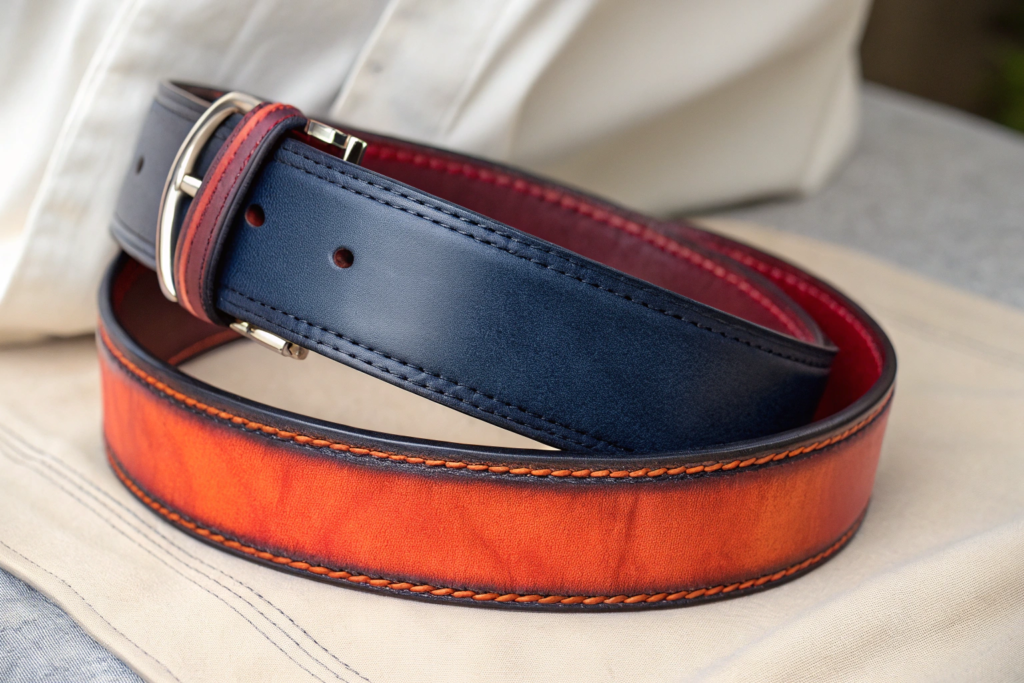
Contrast edge painting in luxury belt design is used as a subtle accent that adds depth, personality, and a contemporary edge to a classic product. The contrast color is chosen from a specific position on the color wheel relative to the leather color. Complementary colors, such as a burnt orange edge on a navy blue belt, create a vibrant, energetic contrast. Analogous colors, such as a burgundy edge on a dark brown belt, create a harmonious, sophisticated contrast. The contrast is never jarring or loud. It is a whisper, not a shout. The application technique is the same multi-layer, hand-sanded process used for tone-on-tone edges. The quality of the finish is paramount. A contrast edge draws attention to itself, so any imperfection in the painting, a wavy line, a bubble, a rough spot, is magnified. The contrast edge must be absolutely flawless. The contrast color is often echoed in another detail of the belt, such as the stitching thread or the edge of the keeper loop, to create a coordinated, intentional design. The contrast edge is a signature detail that can become a recognizable brand code, like the orange edge on a certain famous brand’s leather goods.
The brands that use contrast edge painting effectively are those with a strong design identity, the fashion-forward luxury houses, the contemporary designer brands, and the labels that cater to a younger, style-conscious customer. Let me detail the two most popular contrast color directions.
What Accent Colors Are Trending for Belt Edge Paint in 2026?
The trending accent colors for contrast edge painting in 2026 are drawn from a palette of muted, sophisticated tones that provide visual interest without sacrificing the luxury feel. Burgundy and oxblood are the most popular contrast choices for brown and black belts. A deep, wine-red edge on a dark brown or black belt adds a touch of warmth and a hint of color that is visible only upon close inspection. It is the entry point for brands that want to experiment with contrast without being too bold. Navy blue edge on tan or cognac belts is a classic combination that feels fresh and nautical. The cool blue edge against the warm brown leather is a pleasing complementary contrast. It is particularly popular for spring and summer collections and for belts intended for casual and resort wear. Burnt orange and rust are the bolder choices for blue and grey belts. A warm, earthy orange edge on a cool navy or charcoal belt creates a dynamic tension that is very contemporary. This combination is favored by fashion-forward brands and by belts designed to be worn with denim. Olive green is an emerging contrast color, particularly on brown and tan leathers. The earthy green harmonizes with the brown in an analogous relationship, creating a natural, organic feel. It appeals to brands with an outdoor, heritage, or sustainability focus. Dusty pink and mauve are the most unexpected and fashion-forward choices. A muted, dusty pink edge on a grey or beige belt is a subtle but distinctive accent that signals a brand with a unique design point of view. These colors are typically used on limited edition or seasonal pieces, not on core collection belts. The contrast color is always tested on a physical sample. The color can look very different on a painted edge than it does on a Pantone chip or a computer screen. The sample is reviewed under multiple lighting conditions, daylight, store light, evening light, to ensure the contrast works in all contexts.
How Does Contrast Edge Paint Pair With Stitching and Hardware?
The contrast edge paint does not exist in isolation. It is part of a triad of colored elements on the belt, the edge paint, the stitching, and the hardware. The most sophisticated luxury belts coordinate these three elements into a harmonious color story. The stitching can match the edge paint, creating a coordinated accent that ties the belt together. For example, a dark brown belt with burgundy edge paint and burgundy stitching is a beautifully integrated design. The two colored elements reinforce each other without competing. The stitching can be tone-on-tone with the leather, allowing the contrast edge to be the sole accent. This is a more restrained approach that focuses all the attention on the edge. The hardware provides the metallic element that anchors the color palette. Gold hardware, including polished brass and light gold, pairs beautifully with warm edge colors like cognac, burgundy, and burnt orange. The warmth of the metal amplifies the warmth of the edge color. Silver hardware, including polished nickel, gunmetal, and ruthenium, pairs best with cool edge colors like navy, grey, and black. The cool metal reinforces the cool edge color. The combination of edge paint and hardware is a signature that can define a brand’s aesthetic. A brand known for cognac leather, gold hardware, and tone-on-tone cognac edge paint has a very different identity from a brand known for black leather, silver hardware, and a contrast white edge. These combinations are not accidental. They are the result of careful design and a clear brand vision. We work with our brand clients to develop their signature edge paint color palettes, creating physical sample cards that show the leather, the edge paint, the stitching, and the hardware together. These sample cards become the reference for all future production, ensuring consistency across seasons.
What Technical Qualities Define Premium Edge Paint Finishes
The color of the edge paint is what the customer sees first. The technical quality of the edge paint is what the customer feels and what determines how the belt ages over years of use. A premium edge paint finish is the result of skilled handcraft, high-quality materials, and a multi-stage process that cannot be rushed. The edge is not just painted. It is built, layer by layer, with sanding and finishing between each layer. The result is an edge that is perfectly smooth, slightly domed, and glass-like in its consistency. It feels solid, not tacky. It flexes with the leather without cracking. It resists chipping, peeling, and fading. These technical qualities are what separate a luxury belt edge from a mass-market one.
The technical qualities that define a premium edge paint finish are smoothness, adhesion, flexibility, and color stability. Smoothness is the absence of any surface imperfections. The edge must be completely free of brush marks, bubbles, dust specks, or unevenness. This is achieved by applying the paint in multiple thin layers and hand-sanding each layer with progressively finer sandpaper, from 400 grit to 800 grit to 1200 grit. The final layer is polished with a soft cloth or a rotating felt wheel to achieve a silky, glass-like surface. Adhesion is the bond between the edge paint and the leather. The paint must not peel or separate from the leather. This is achieved by preparing the leather edge properly, trimming it cleanly, sanding it to remove loose fibers, and applying a primer or base coat that penetrates the leather and provides a bonding surface for the subsequent paint layers. Flexibility is the ability of the paint to bend with the belt without cracking. The paint formulation must be flexible, and the cured paint film must be thin enough to move with the leather. A paint film that is too thick, built up from too few thick layers rather than many thin layers, will crack. Color stability is the resistance of the paint to fading, yellowing, or changing color over time. The paint must be formulated with lightfast pigments that do not degrade with UV exposure. The paint must also be resistant to the oils and acids in human skin, which can cause discoloration over years of handling.
The quality of the edge paint is a direct reflection of the time and skill invested in the finishing process. There are no shortcuts to a beautiful edge. It takes time, and it takes experienced hands. Let me detail the two most important quality factors.
How Is a Multi-Layer Edge Painting Process Done Correctly?
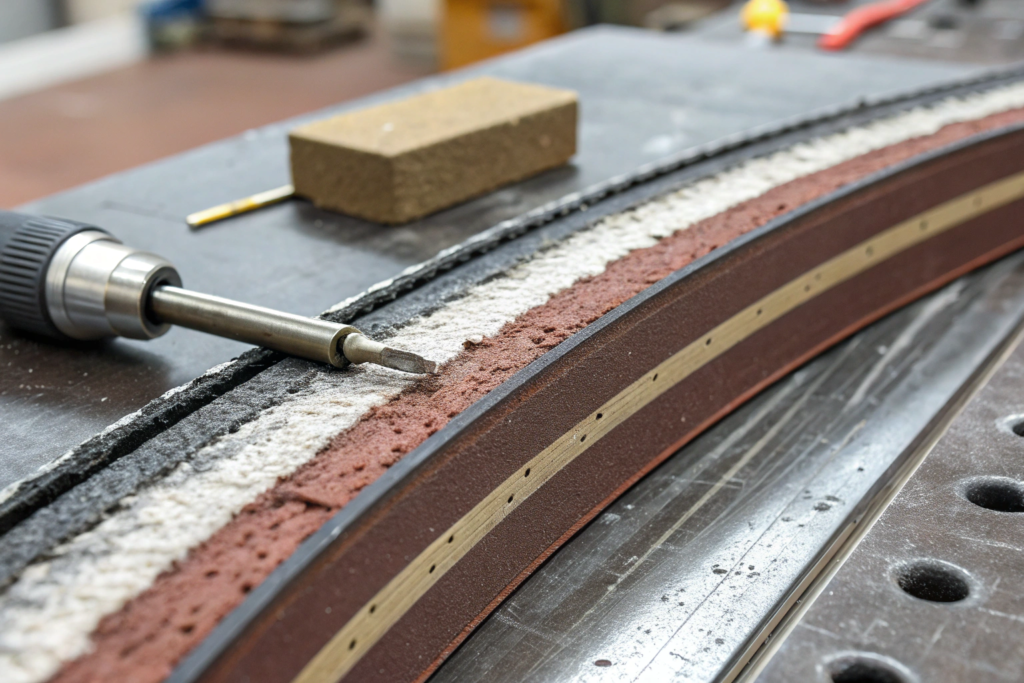
The multi-layer edge painting process is a sequence of apply, dry, sand, repeat. It is the foundation of a premium edge finish. The process begins with edge preparation. The cut edge of the leather strap is trimmed cleanly with a sharp blade. It is sanded with coarse sandpaper, 240 to 320 grit, to remove any loose fibers and to create a smooth, flat surface. A thin primer coat of edge paint is applied. The primer is formulated to penetrate the leather fibers and create a strong bond. The primer is allowed to dry completely. The first color coat is applied. The paint is applied with a small brush, a sponge, or a specialized edge painting tool. The goal is an even, consistent coat that covers the entire edge without drips or pooling. The first coat is allowed to dry. It is then sanded lightly with fine sandpaper, 600 to 800 grit, to smooth out any minor irregularities. The sanding dust is wiped away. The second color coat is applied. It is dried and sanded with even finer paper, 1000 to 1200 grit. The third color coat is applied. The number of coats depends on the desired thickness and the opacity of the paint. Typically, three to five coats are used for a luxury finish. The final coat is not sanded. Instead, it is polished. The edge is rubbed with a soft cotton cloth or a rotating felt wheel. A small amount of a finishing agent, such as a natural wax or a silicone-free polish, may be applied to achieve the final sheen. The polished edge is inspected under a bright light. Any imperfection, a spec of dust, a tiny bubble, a slight unevenness, is a defect. The belt is either reworked or rejected. The entire process, from edge preparation to final polish, takes a skilled artisan 15 to 30 minutes per belt, depending on the number of coats. This is a significant labor investment, but it is what produces the deep, glass-like finish that defines a luxury belt.
What Is the Difference Between Matte, Satin, and Gloss Edge Finishes?
The sheen of the edge paint is the final aesthetic decision. It affects how the edge catches the light and how it feels to the touch. The three standard sheens are matte, satin, and gloss. The choice of sheen is a brand design decision. A matte finish has no shine. The edge reflects light diffusely, appearing soft and muted. A matte edge feels slightly grippy and organic. It is the most understated option and is favored by brands with a minimalist, natural aesthetic. It is often used on casual belts and on belts with a brushed or matte leather finish. A satin finish has a subtle, soft sheen. It is the middle ground between matte and gloss. It reflects a small amount of light, giving the edge a gentle luster. A satin edge feels smooth and silky. It is the most versatile sheen and is appropriate for both formal and casual belts. The majority of luxury belts use a satin finish. A gloss finish has a high shine. The edge reflects light sharply, creating a wet, lacquered look. A gloss edge feels slick and glassy. It is the most formal and the most dramatic option. It is typically used on formal dress belts, on patent leather belts, and on belts for evening wear. A high-gloss finish is the most technically demanding. Any imperfection is magnified by the reflective surface. The edge paint formulation for gloss is different, with a higher solids content and a different resin system that cures to a harder, more reflective film. The sheen is achieved through the paint formulation and the polishing process. A matte paint will never polish to a high gloss, and a gloss paint will look uneven if not polished correctly. The sheen is specified by the brand in the tech pack, and it is verified during quality control inspection using a gloss meter, which measures the amount of light reflected at a specific angle. The gloss reading is recorded in the QC report.
Conclusion
The edge paint on a luxury belt is a small detail that carries enormous weight. It is the distillation of the brand’s aesthetic sensibility, its commitment to craftsmanship, and its understanding of the subtle signals that communicate quality to a discerning customer. The 2026 trends in belt edge painting reflect a market that values both heritage and innovation. Tone-on-tone edge painting, in the warm browns of cognac, tobacco, and chocolate, remains the foundation, the quiet expression of confidence that lets the leather speak for itself. Contrast edge painting, in the sophisticated accents of burgundy, navy, burnt orange, and dusty pink, offers a point of differentiation, a private pleasure for the wearer that rewards close inspection. And the technical quality of the finish, the multi-layer, hand-sanded, perfectly smooth edge, is the non-negotiable baseline. A luxury belt is expected to last, and the edge paint is a critical part of its longevity. It must not crack, peel, or fade. It must remain as beautiful after years of wear as it was on the day it was made.
At AceAccessory, our edge painting workshop is a point of pride. Our artisans are trained in the traditional techniques, the multiple thin coats, the progressive sanding, the final polishing, that produce an edge of exceptional quality. Our color laboratory custom-matches edge paint to any leather color, achieving a Delta E of less than 1.0. We work with luxury brands and premium labels to develop their signature edge paint colors and sheens, and we maintain detailed color standards to ensure consistency across every production run. We understand that edge paint is not a commodity. It is a craft.
If you are developing a luxury belt collection and you are seeking a manufacturing partner who treats edge painting as the art form it is, I invite you to contact us. Reach out to our Business Director, Elaine, at elaine@fumaoclothing.com. Tell her about your brand, your leather types, and the edge paint aesthetic you are envisioning. She can provide samples of our edge painting work across a range of colors and sheens, discuss custom color matching, and provide a quotation for production. Let us help you create belts where every detail, down to the painted edge, reflects the quality and the beauty of your brand.