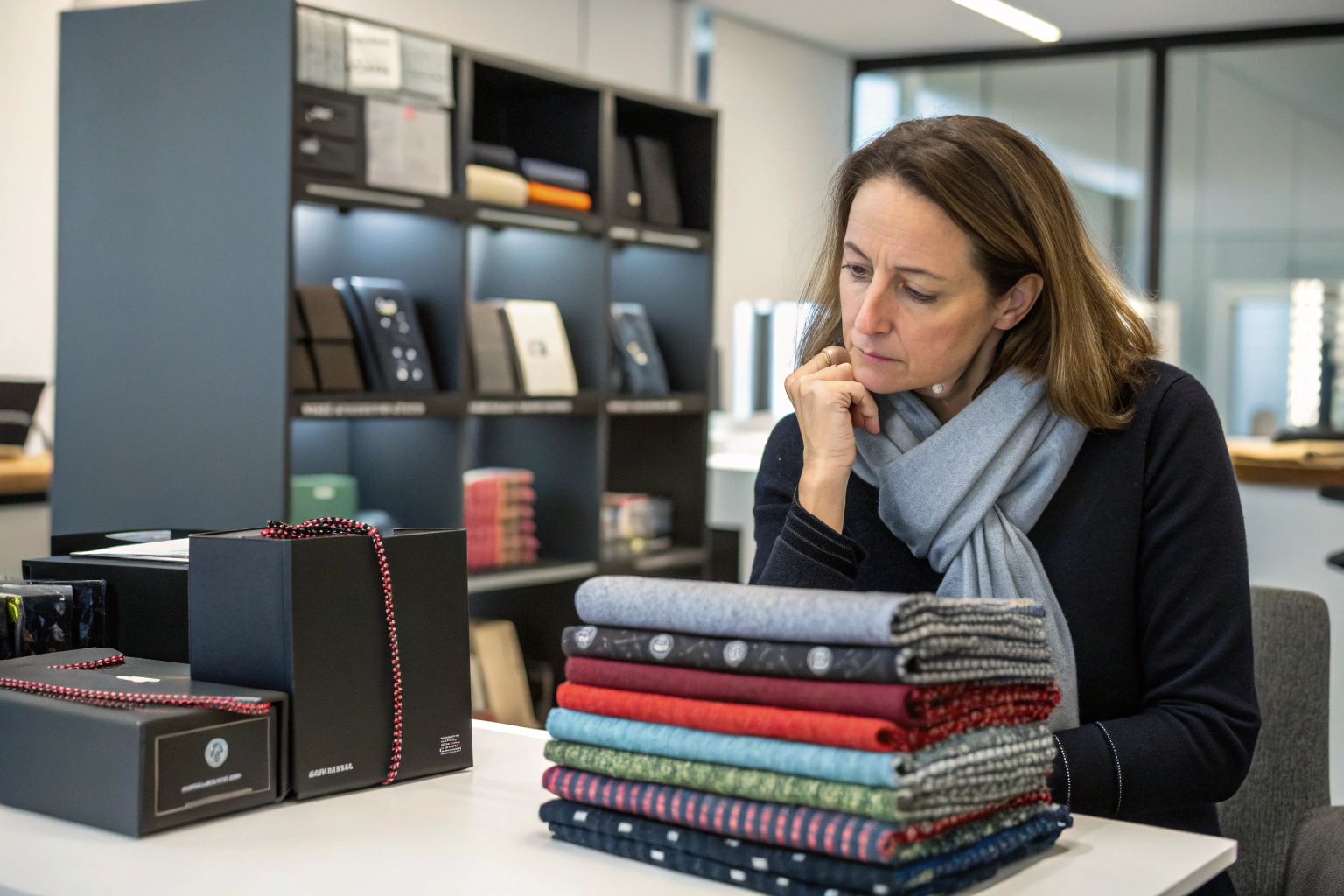
A corporate gifting director from a Fortune 500 financial services firm sat in my showroom last October with a problem that was both simple and surprisingly complex. Her company had been giving the same branded gift for years, a standard tech accessory kit in a black box. Employee feedback was lukewarm. Client feedback was nonexistent. The gifts were functional but forgettable. She had been tasked with reinventing the company’s entire corporate gifting program for 2026, and she had landed on scarves as the hero product. A scarf, she reasoned, is personal. It is worn close to the body. It is visible. It carries a brand message into the world in a way that a USB hub never could. But she was overwhelmed by the choices. What fabric? What print? What packaging? How to make a scarf that a CEO would actually wear, and that would also work for the hundreds of employees and clients on her list? She needed a partner who understood both the fashion of scarves and the unique constraints of corporate gifting.
The 2026 scarf trends for corporate branded gifts are defined by three key directions. First, quiet luxury materials and finishes that prioritize exceptional hand-feel and understated elegance over visible logos. Scarves in premium modal-cashmere blends, superfine merino wool, and silk-modal with matte, non-reflective surfaces that feel substantial and whisper quality. The branding is subtle, a tone-on-tone woven jacquard logo, a discreet embroidered monogram, or a blind deboss on a leather brand tag. Second, sustainable and purpose-driven scarves that tell a story aligned with the corporation’s ESG commitments. Scarves made from Global Recycled Standard certified recycled polyester, from organic cotton, or from innovative materials like Tencel with a closed-loop production story. The sustainability credential is part of the gift’s value proposition. Third, multi-functional, travel-friendly designs that fit the mobile, hybrid lives of modern executives and employees. Scarves that transition from a neck scarf to a shawl to a travel blanket, that pack down into an integrated pouch, and that are wrinkle-resistant and easy to care for. These scarves are not just beautiful objects. They are useful tools for the business traveler and the remote worker.
Corporate gifting is a unique product category. The end user is not the purchaser. The gift must appeal to a diverse audience of employees, clients, and partners with different ages, genders, personal styles, and cultural backgrounds. It must reflect positively on the corporate brand without being a loud, logo-screaming advertisement. It must be perceived as having genuine value, not as a cheap promotional freebie. And it must be produced at a scale and a price point that fits within a corporate budget. At AceAccessory, we produce scarves for corporate gifting programs, for employee appreciation initiatives, for executive retreats, and for client holiday gifts. We understand the unique requirements of this market. Let me walk you through the three defining trends for 2026.
Why Is Quiet Luxury the Leading Corporate Gifting Trend for Scarves
Quiet luxury has become the dominant aesthetic in high-end corporate gifting, and it aligns perfectly with the scarf as a gift medium. The concept is simple. True luxury does not shout. It whispers. The value is in the material, the craftsmanship, and the feel, not in the prominent display of a logo. For a corporate gift, this is the ideal message. The corporation is not using the recipient as a walking billboard. The corporation is giving a gift of genuine quality and taste, with the brand presence so subtle that it feels like a personal discovery rather than an advertisement. This approach respects the recipient and reflects sophistication on the part of the giver.
Quiet luxury is the leading corporate gifting trend for 2026 scarves because it solves the fundamental tension of corporate gifting. The gift must carry the brand, but the recipient must want to wear it. A scarf with a large, printed logo across the fabric is a promotional item. It is rarely worn outside of company events. A scarf in a beautiful, solid color, made from a luxurious fabric that feels incredible against the skin, with a tiny, discreet brand mark on a sewn-in label or a blind deboss on an attached leather tag, is a genuine luxury accessory. The recipient wears it because it is a beautiful scarf that happens to have come from their employer or a business partner. The brand message is delivered through the quality and the taste of the gift, not through the size of the logo. The fabrics that define this trend are premium natural and natural-blend materials. Superfine merino wool in a lightweight, 150 to 180 GSM weight that drapes beautifully and provides warmth without bulk. Modal-cashmere blends that combine the silky softness of modal with the warmth and prestige of cashmere. Silk-modal blends that offer a beautiful luster, a fluid drape, and a cool, smooth hand feel. The finishes are matte or with a very subtle, natural sheen. High-shine, glossy fabrics are avoided. The construction is impeccable, with hand-rolled edges or meticulously finished baby overlock hems. The packaging is equally restrained. A simple, rigid kraft box with a blind debossed logo, or a fabric pouch made from the same material as the scarf.
The quiet luxury trend is a reaction against the logo-driven excess of previous decades. It is influenced by the stealth wealth aesthetic seen in media and on influential figures. For corporate gifts, it communicates that the company is confident, established, and has nothing to prove. Let me detail the two most important aspects.
How Can Branding Be Subtle Yet Visible on a Gift Scarf?
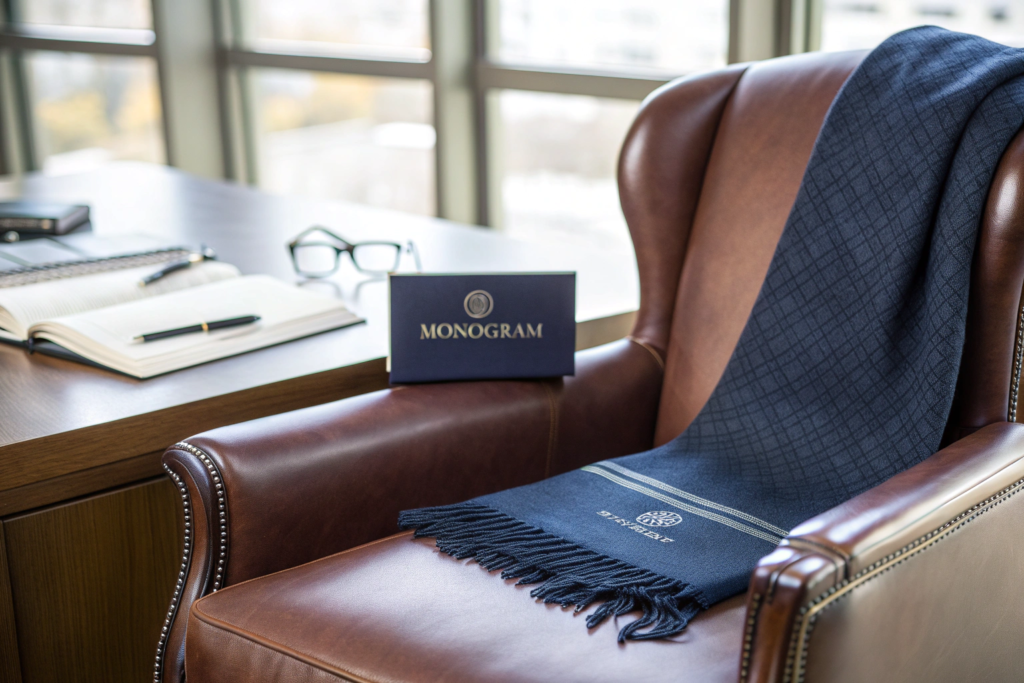
The art of subtle branding on a luxury gift scarf is to make the brand presence discoverable, not declarative. The recipient should notice the brand only upon closer inspection, and that moment of discovery should feel like a pleasant confirmation of quality, not an intrusion. There are several techniques that achieve this. Tone-on-tone jacquard weaving is the most sophisticated. The brand logo or a signature pattern is woven directly into the fabric using the same color yarn as the background, or a very slightly different shade. The difference is created by the texture of the weave, the contrast between a matte and a subtle satin finish within the same color. The logo is visible when the light hits the scarf at certain angles, but it is not immediately apparent. It is part of the fabric, not printed on top. It will never fade, peel, or wear off. Discreet embroidery is another technique. A small embroidered monogram or logo, typically no larger than 2 to 3 centimeters in any dimension, is placed at one corner of the scarf. The embroidery thread is matched to the scarf color. It is visible upon close inspection but does not disrupt the overall aesthetic. A blind deboss on a leather or faux leather brand tag is a classic luxury technique. A small, thin leather tag is sewn into the hem or the edge of the scarf. The brand name or logo is pressed into the leather without any color, creating a subtle, tactile brand mark. The tag itself is a sign of quality. A sewn-in label made from the same fabric as the scarf, with the brand name woven in a matching thread, is the most understated option. The label is hidden inside the hem or along an edge. The branding is for the wearer’s knowledge, not for public display. The key principle is that the branding should never be the dominant visual element of the scarf. The color, the texture, and the drape are the dominant elements. The brand is a supporting detail.
What Fabrics Convey Luxury Without Visible Logos?
The fabric is the primary communicator of luxury when logos are absent or minimized. The recipient’s first interaction with the scarf is tactile. They touch it. They feel the weight, the softness, the drape. This tactile experience forms their immediate judgment of the gift’s value. A fabric that feels cheap will make the subtle branding feel like an afterthought. A fabric that feels extraordinary will make the subtle branding feel like a mark of exclusivity. The luxury fabrics for 2026 corporate gift scarves are defined by their hand feel, their drape, and their natural fiber content. Superfine merino wool, with a fiber diameter of 18.5 microns or less, is incredibly soft and non-itchy. It has a natural elasticity, a beautiful drape, and it is temperature-regulating, making it comfortable in both cool and warm environments. A merino scarf in a solid charcoal or navy is the ultimate quiet luxury accessory. Modal-cashmere blends, typically 70 percent modal and 30 percent cashmere or 80/20, offer the best of both worlds. The modal provides a silky, cool, smooth surface. The cashmere provides warmth, a subtle halo of softness, and the prestige of the cashmere name. The blend is more affordable than 100 percent cashmere, making it accessible for corporate gifting budgets, but it feels significantly more luxurious than a basic cotton or acrylic scarf. Silk-modal blends, typically 50/50 or 60/40, offer a beautiful, subtle luster that catches the light without being shiny. The silk provides the luster and the fluid drape. The modal provides softness and makes the scarf more durable and easier to care for than 100 percent silk. The hand feel is cool, smooth, and sensuous. Tencel, a branded lyocell fiber, is a sustainable luxury option. It is made from wood pulp in a closed-loop process. It has a beautiful drape, a soft, smooth hand feel, and a natural sheen. It appeals to corporations with strong ESG commitments. The fabric weight is also important. A scarf that is too light feels insubstantial. A scarf that is too heavy feels bulky. The ideal weight for a corporate gift scarf is 150 to 200 GSM for a year-round weight, or 200 to 250 GSM for a winter weight. The weight communicates substance and quality.
How Are Sustainable Scarves Becoming Essential for Corporate ESG Goals
Sustainability has moved from the periphery to the center of corporate decision-making. Environmental, Social, and Governance, or ESG, criteria are now a standard part of corporate strategy, investor relations, and brand reputation management. The corporate gift is not exempt from this scrutiny. A gift that is perceived as wasteful, environmentally damaging, or made under unethical conditions reflects poorly on the corporation. Conversely, a gift that tells a positive sustainability story, that is made from recycled materials, that is certified by credible third-party standards, and that is packaged in plastic-free, compostable materials, enhances the corporation’s ESG credentials. The scarf, as a textile product, has a significant environmental footprint, and choosing a sustainable scarf is a tangible demonstration of corporate values.
Sustainable scarves are essential for corporate ESG goals in 2026 because the gift is a public statement of the corporation’s values. A scarf made from Global Recycled Standard certified recycled polyester, from post-consumer plastic bottles, tells a circular economy story. A scarf made from GOTS certified organic cotton tells a story of responsible agriculture and chemical reduction. A scarf made from Tencel with a closed-loop production story tells a story of resource efficiency and innovation. The sustainability credential must be authentic and verifiable. A vague claim of "eco-friendly" without third-party certification is greenwashing and will be called out by increasingly sophisticated recipients. The certification, GRS, GOTS, OEKO-TEX, must be communicated clearly on the product hangtag and in the gift messaging. The sustainability story extends to the packaging. Plastic polybags are replaced with compostable film, recycled paper bands, or reusable fabric pouches. The gift box is made from recycled cardboard with soy-based inks. The entire gift package is designed to be recyclable or compostable at end of life. For corporations with net-zero commitments or circular economy targets, the sustainable scarf is not just a gift. It is a piece of evidence in their sustainability reporting.
The demand for sustainable corporate gifts is being driven from multiple directions. Employees, particularly younger generations, expect their employers to align with their values. Clients are increasingly evaluating their business partners on ESG performance. Investors are allocating capital based on sustainability ratings. The corporate gift is a small but visible piece of this larger puzzle. Let me detail the two most important sustainable material options.
What Recycled Materials Are Available for Premium Gift Scarves?
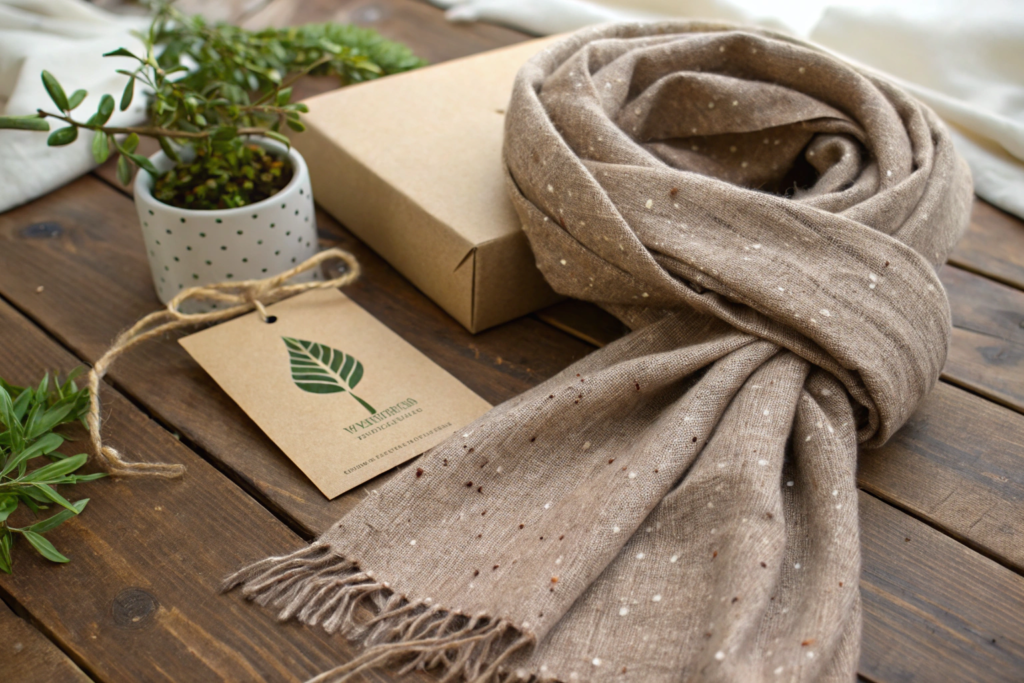
Recycled materials for scarves have advanced significantly in quality and feel. The early generations of recycled polyester, made from post-consumer PET bottles, had a slightly rough hand feel and a synthetic sheen that read as cheap. The 2026 generation of recycled polyester is virtually indistinguishable from virgin polyester in terms of softness, drape, and color vibrancy. The recycling technology has improved, and the yarns are finer, more consistent, and more tightly spun. A recycled polyester scarf can now be as soft and luxurious as a virgin polyester scarf, with the added benefit of a compelling sustainability story. Recycled polyester is available in a range of fabric constructions, from a smooth satin weave with a subtle sheen to a textured crepe weave with a matte finish, to a soft jersey knit. It can be printed with vibrant, full-color designs using sublimation or digital printing. The Global Recycled Standard, or GRS, certification provides traceability and verifies the recycled content claim. The hangtag on a GRS certified scarf can state the specific percentage of recycled content and the number of plastic bottles diverted from landfill. Recycled cotton is another option. It is made from pre-consumer cotton waste, such as cutting scraps from garment factories, or post-consumer cotton waste, such as discarded clothing. The cotton fibers are shredded, re-spun, and blended with virgin cotton or other fibers to create a new yarn. Recycled cotton has a slightly more textured, slubby hand feel than virgin cotton, which can be a desirable aesthetic, communicating the material’s recycled origin. Recycled wool is a premium sustainable option. It is made by collecting, sorting, and re-spinning post-consumer wool garments. Recycled wool has a beautiful, authentic texture and a rich history. It is often blended with virgin wool or recycled polyester to improve strength and durability. A recycled wool scarf is a heritage piece with a modern sustainable story. Recycled cashmere is the ultimate luxury sustainable material. It is made from post-industrial cashmere waste, the scraps from the cutting and knitting process, which are collected, de-haired, and re-spun. Recycled cashmere has the same incredible softness and warmth as virgin cashmere, at a lower environmental cost and a lower price point.
How Can a Scarf’s Packaging Support a Company’s Green Initiatives?
Packaging is the first physical touchpoint of the gift. It sets the tone. For a sustainable corporate gift, the packaging must align with the product’s sustainability story. A beautifully sustainable scarf presented in a single-use plastic box with foam inserts undermines the entire message. The packaging must be as thoughtfully sustainable as the scarf itself. The key principles for sustainable corporate gift packaging are plastic-free, recycled content, reusable, and minimal. Plastic-free packaging means eliminating conventional polybags. The scarf can be protected by a bag made from compostable film, certified to OK Compost HOME or EN 13432 standards. The bag is clear, allowing the scarf to be visible, but it is made from plant-based materials that will biodegrade in a home compost bin. Alternatively, the scarf can be wrapped in acid-free tissue paper and placed directly into the gift box, eliminating the inner bag entirely. Recycled content packaging uses paper and cardboard made from post-consumer recycled fiber. The gift box, the outer carton, and any printed inserts should be made from recycled materials, and this should be stated on the packaging with the recycled content percentage and the recycling symbol. Soy-based or water-based inks are used for all printing. These inks are more environmentally friendly than petroleum-based inks and do not interfere with the recyclability of the paper. Reusable packaging transforms the packaging from waste into a keepsake. The scarf can be presented in a fabric pouch made from the same sustainable fabric as the scarf, or from a natural cotton or linen. The pouch can be used by the recipient to store the scarf or to organize other items during travel. A rigid box with a magnetic closure can be designed to be beautiful and durable enough that the recipient keeps it for storage. Minimal packaging reduces the total amount of material used. The packaging is designed to be exactly the right size for the product, eliminating unnecessary void fill and oversized boxes. A simple paper band or a fabric ribbon around the folded scarf, placed in a slim box, is elegant and minimal. The packaging design should be guided by a lifecycle assessment approach. Every component of the package is evaluated for its environmental impact, and the most sustainable option is chosen.
What Multi-Functional Scarf Designs Appeal to Business Travelers
The modern corporate workforce is mobile. Executives travel for client meetings, conferences, and site visits. Remote workers split their time between home offices, co-working spaces, and coffee shops. The corporate gift that serves a functional purpose in this mobile lifestyle is a gift that will be used and appreciated, not left in a drawer. The scarf, reimagined as a multi-functional travel accessory, is perfectly positioned to serve this need. It provides warmth on a chilly airplane cabin. It provides modesty and coverage in a conservative business environment. It adds a polished finish to a video call outfit. And it packs down to almost nothing, taking up minimal space in a carry-on bag.
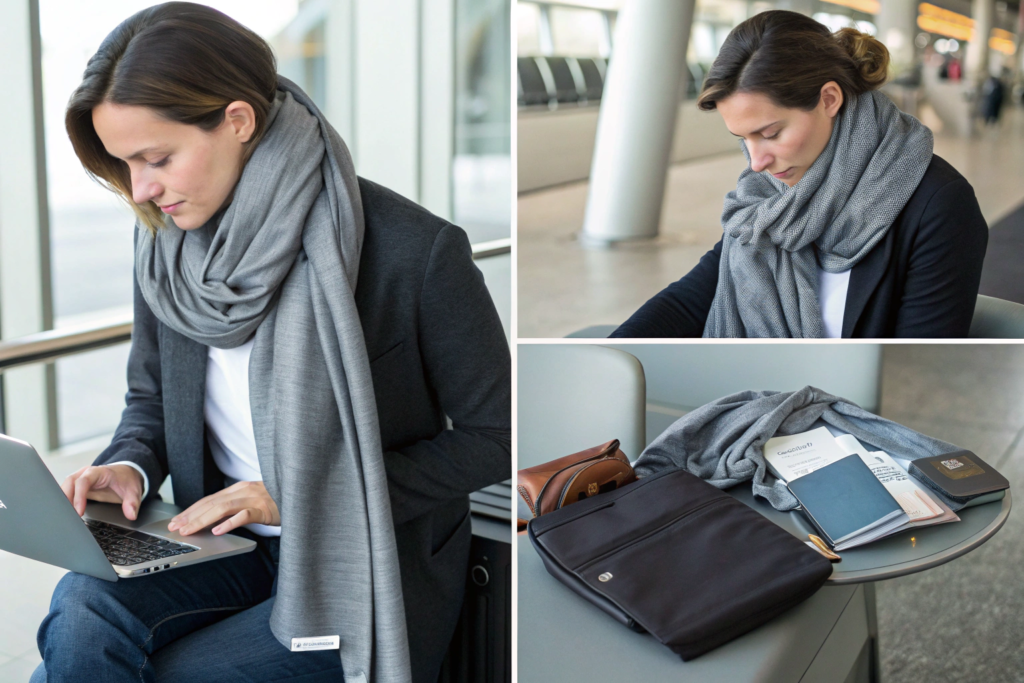
Multi-functional scarf designs appeal to business travelers by solving multiple problems with a single, elegant accessory. The oversized wrap scarf is the foundational silhouette. Sized at 100 by 200 centimeters, it is large enough to function as an in-flight blanket on a cold plane, a shawl for an air-conditioned conference room, a scarf for a drafty taxi, and a stylish accessory for a dinner meeting. The fabric is wrinkle-resistant, often a performance silk or a modal blend that can be folded, packed, and emerge looking fresh. The scarf is ultra-lightweight, typically 120 to 150 grams, so it adds virtually no weight to a carry-on bag. The integrated pouch is the key design feature that makes the scarf travel-friendly. The scarf folds or rolls into a pouch that is sewn directly into one corner or along one edge. The pouch is made from the same fabric, so it matches perfectly. When the scarf is in use, the pouch is invisible, tucked away at the edge. When it is time to pack, the scarf tucks into its own pouch, becoming a compact, self-contained bundle that can be tossed into a bag without tangling or taking up excess space. Some designs include a small, discreet zippered pocket on the scarf itself, large enough to hold a credit card, a room key, or a pair of earbuds. This adds a functional, security-conscious element for the traveler.
The multi-functional travel scarf is a gift that demonstrates thoughtfulness. The giver has considered the recipient’s lifestyle and has provided a tool that makes that lifestyle a little easier and a little more elegant. Let me detail the two most important design features.
How Do You Integrate a Packable Pouch Into a Scarf Design?
The integrated pouch is the design feature that defines the travel scarf. It eliminates the separate storage bag, which is inevitably lost, and creates a self-contained, always-ready travel accessory. The pouch is sewn directly into the scarf, typically at one corner for a rectangular scarf or along one edge for a square scarf. The most common design is the corner pouch. A small, flat pouch, approximately 15 by 12 centimeters, is sewn into the corner of the scarf, aligned with the hem. The pouch is made from the same fabric as the scarf, so it is visually seamless. To pack the scarf, the wearer turns the pouch inside out, effectively inverting it. The scarf is then stuffed or rolled into the inverted pouch. The pouch is sized to comfortably accommodate the full scarf without requiring excessive compression. The pouch closure is a simple fold-over flap with a hidden magnetic snap, or a discreet zipper. An alternative design is the edge pouch. The pouch is sewn along one of the long edges of the scarf, like a large pocket. To pack the scarf, it is folded or rolled from the opposite edge towards the pouch, and then the pouch is inverted over the rolled bundle. This method minimizes wrinkles, which is important for wrinkle-prone fabrics. For corporate gifts, the pouch can also serve a secondary function. A small, discreet zippered pocket on the pouch itself can hold a corporate-branded USB drive, a small gift card, or a welcome note from the CEO. The pouch is an opportunity for subtle, functional branding. The integration of the pouch into the scarf’s construction requires precision sewing. The pouch must be securely attached to the scarf body, with reinforced stitching at the attachment points. The pouch must not pull or distort the scarf’s hem when the scarf is worn. The pouch must be lightweight and unobtrusive, adding no noticeable weight or bulk to the scarf. The finished scarf is tested by repeatedly packing and unpacking it to ensure the pouch and its attachment withstand the wear and tear of travel.
What Wrinkle-Resistant Fabrics Are Best for Travel?
The wrinkle-resistant fabric is the performance element of the travel scarf. A business traveler does not have time to steam or iron a scarf in a hotel room. The scarf must emerge from its pouch or from a suitcase looking presentable. The fabric’s wrinkle resistance is determined by the fiber type, the yarn construction, and any applied finishes. Performance silk is the premium wrinkle-resistant option. It is natural silk that has been treated with a molecular-level finish, typically a formaldehyde-free silicone or polymer coating, that allows the silk fibers to resist bending and creasing. The treatment is permanent and does not change the hand feel of the silk. A performance silk scarf can be folded, packed, and worn with minimal creasing. Modal blends are naturally wrinkle-resistant. Modal fibers have a smooth surface and a good recovery from bending. A modal-cashmere or modal-wool blend scarf will resist wrinkles and will release any creases that do form after a short time of being worn. Polyester and recycled polyester are inherently wrinkle-resistant. The synthetic fibers have a natural resilience and a low moisture absorbency, which prevents the hydrogen bond formation that causes wrinkles in natural fibers. A high-quality recycled polyester scarf, particularly in a crepe weave, is virtually wrinkle-proof. Wool and wool blends have natural wrinkle resistance due to the crimp in the wool fiber. The crimp acts like a microscopic spring, helping the fiber return to its original shape after being bent. A lightweight merino wool scarf is an excellent travel choice. It resists wrinkles, regulates temperature, and is naturally odor-resistant, allowing it to be worn multiple times between washes. The wrinkle resistance of the scarf should be tested by folding the sample scarf, placing it under a weight for a period of time, and then hanging it to observe how the wrinkles release. The test simulates the conditions of being packed in a suitcase. A scarf that releases its wrinkles within 30 minutes of hanging is suitable for a travel scarf.
Conclusion
The 2026 scarf trends for corporate branded gifts reflect a deeper evolution in the relationship between corporations and their stakeholders. The gift is no longer a transactional token. It is a statement of values, an expression of taste, and a contribution to the recipient’s daily life. The quiet luxury trend, with its exquisite, logo-free fabrics and its whisper of branding, communicates respect for the recipient and confidence on the part of the giver. The corporation is not shouting for attention. It is earning appreciation through quality. The sustainable scarf trend, with its certified recycled materials and its thoughtful, waste-free packaging, aligns the corporate gift with the corporation’s ESG commitments. The gift is not an environmental afterthought. It is a tangible piece of the sustainability story. The multi-functional travel scarf trend, with its oversized wrap silhouette, its integrated packable pouch, and its wrinkle-resistant performance, serves the real, practical needs of the mobile professional. The gift is not a passive object. It is a useful tool.
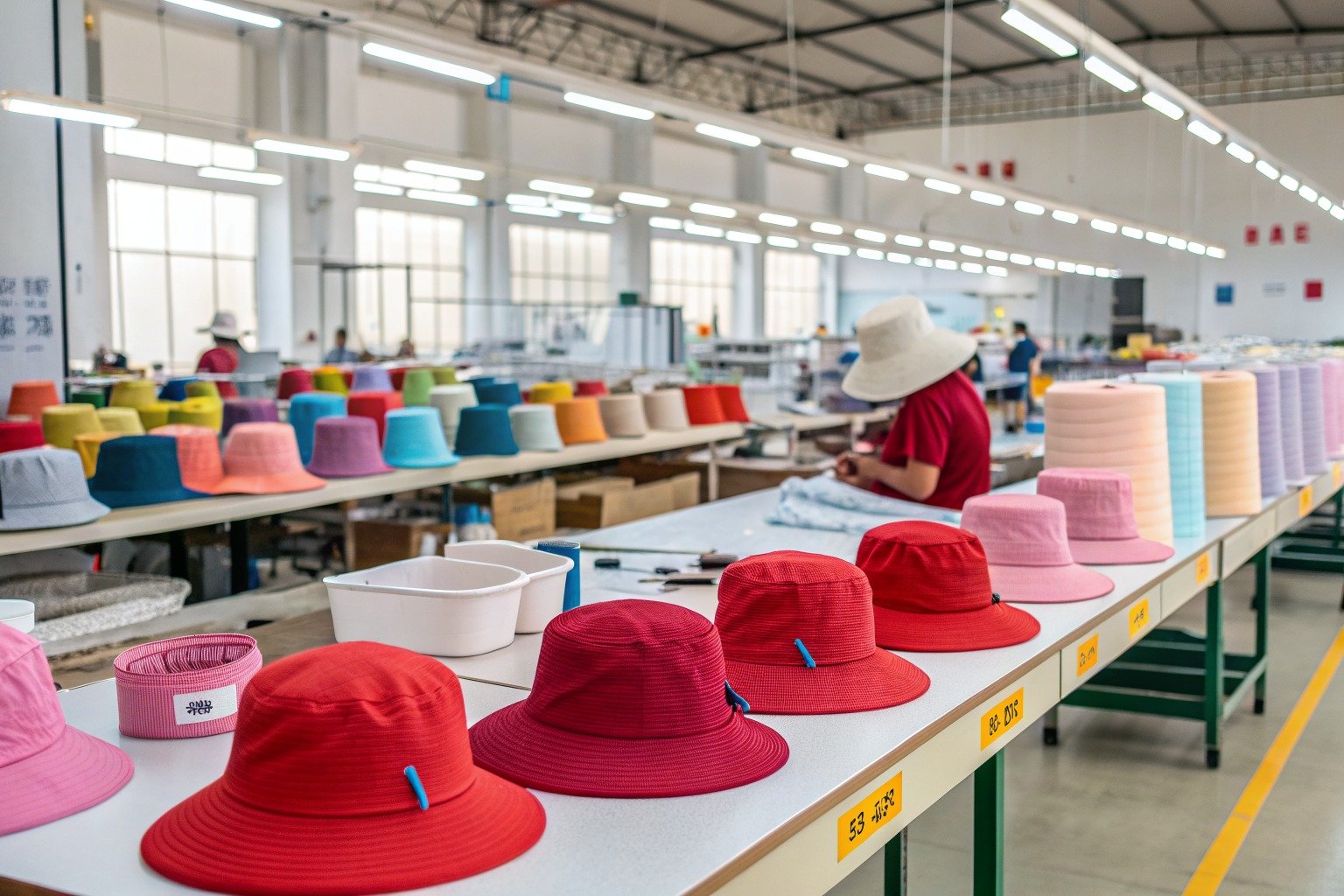
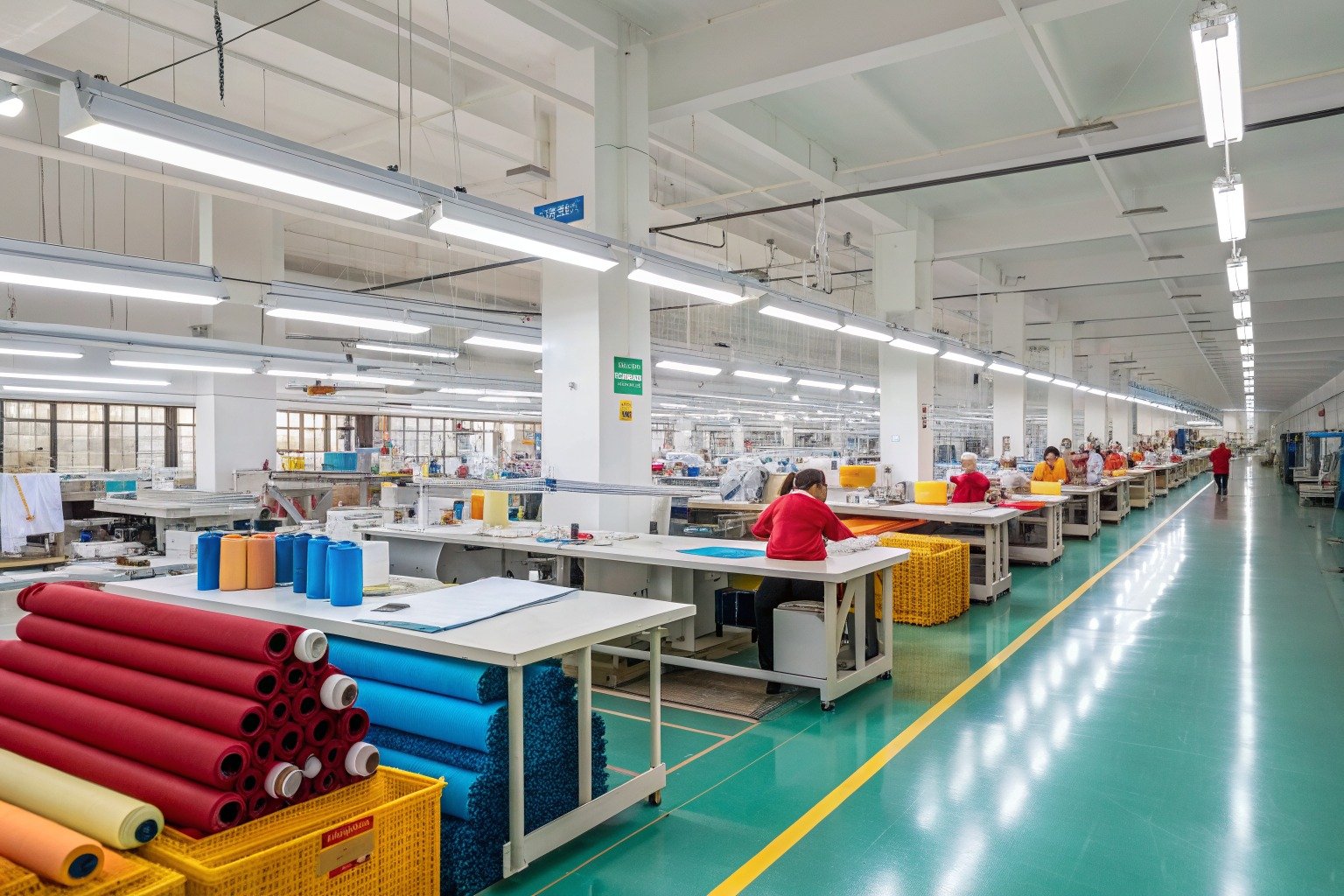
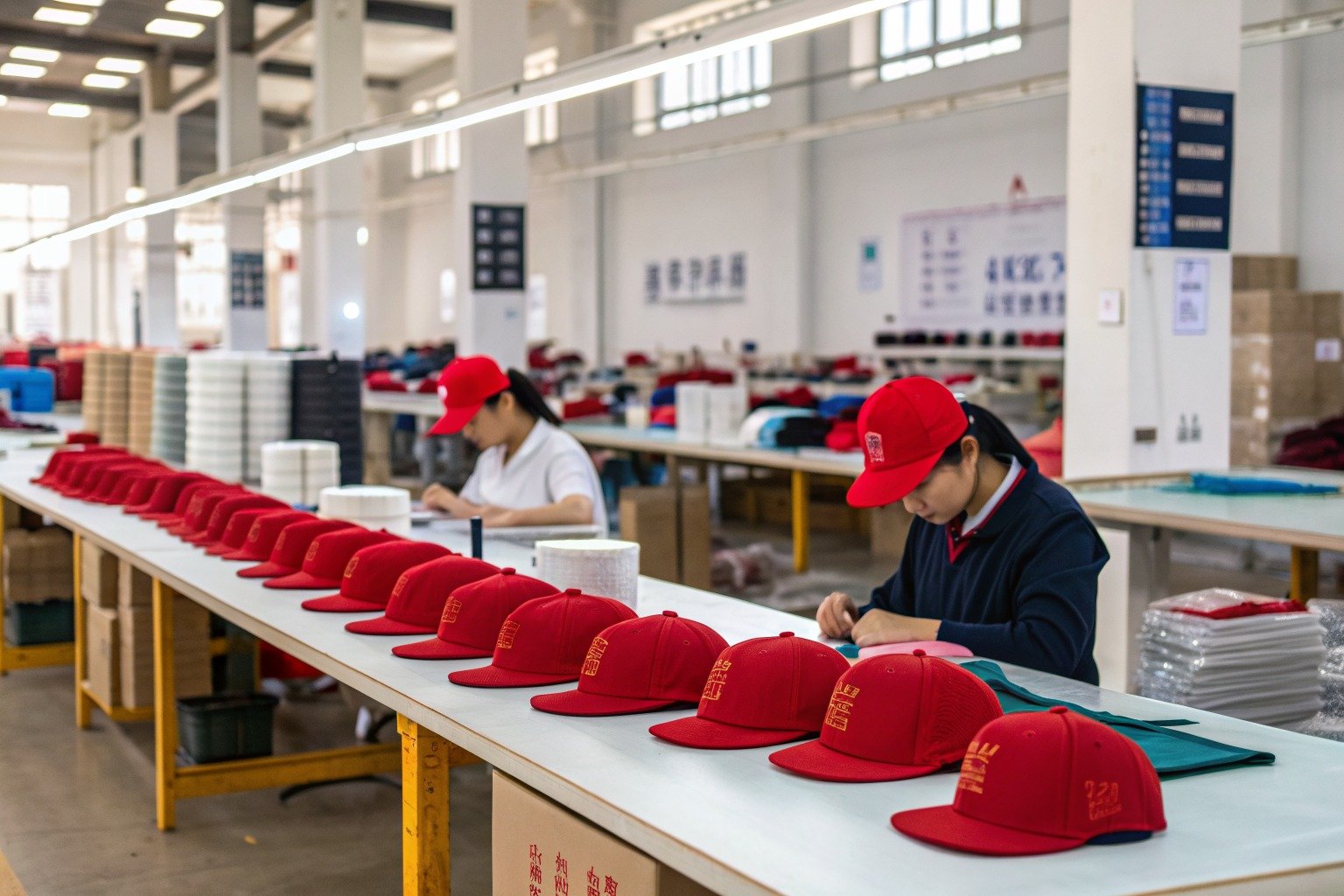
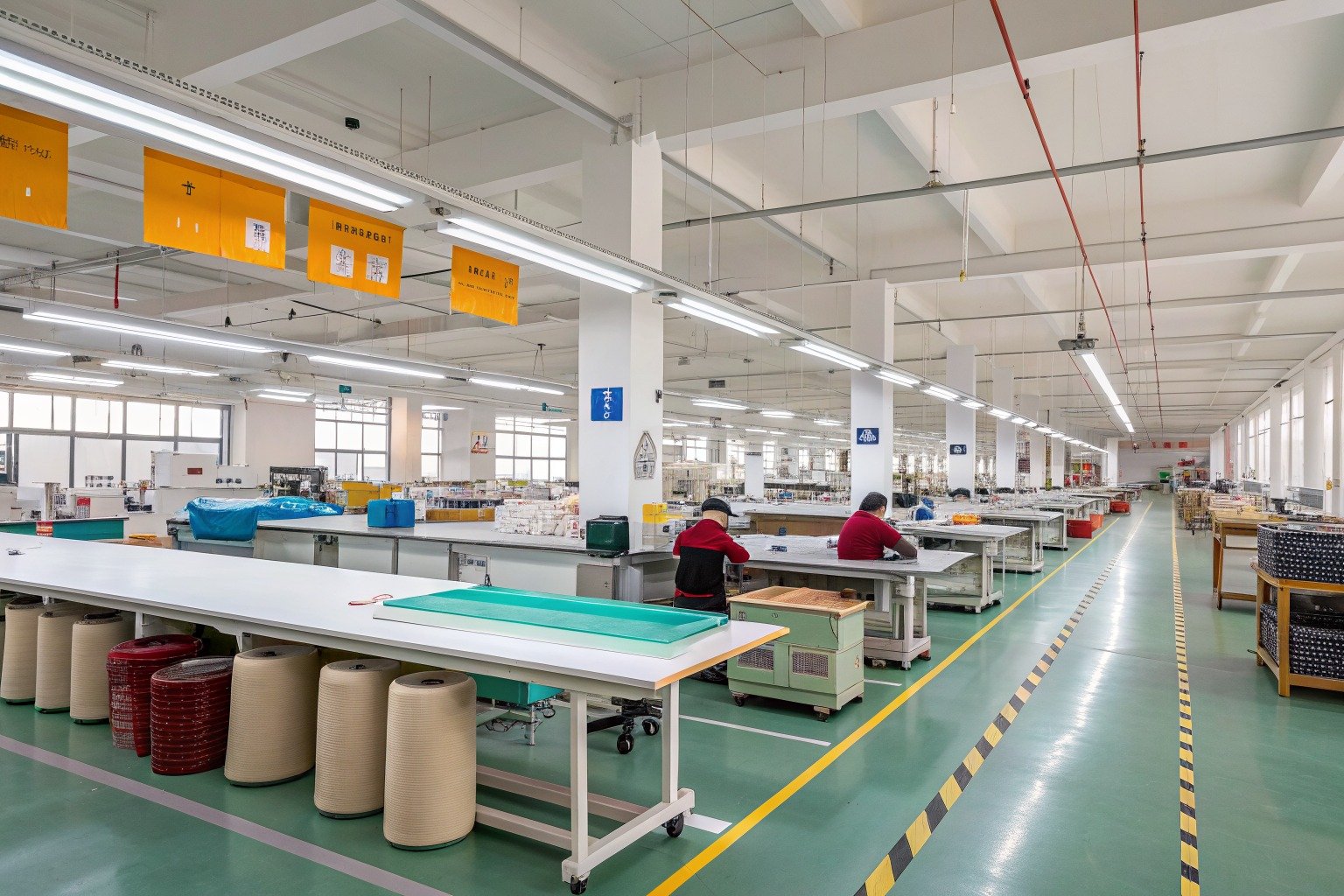
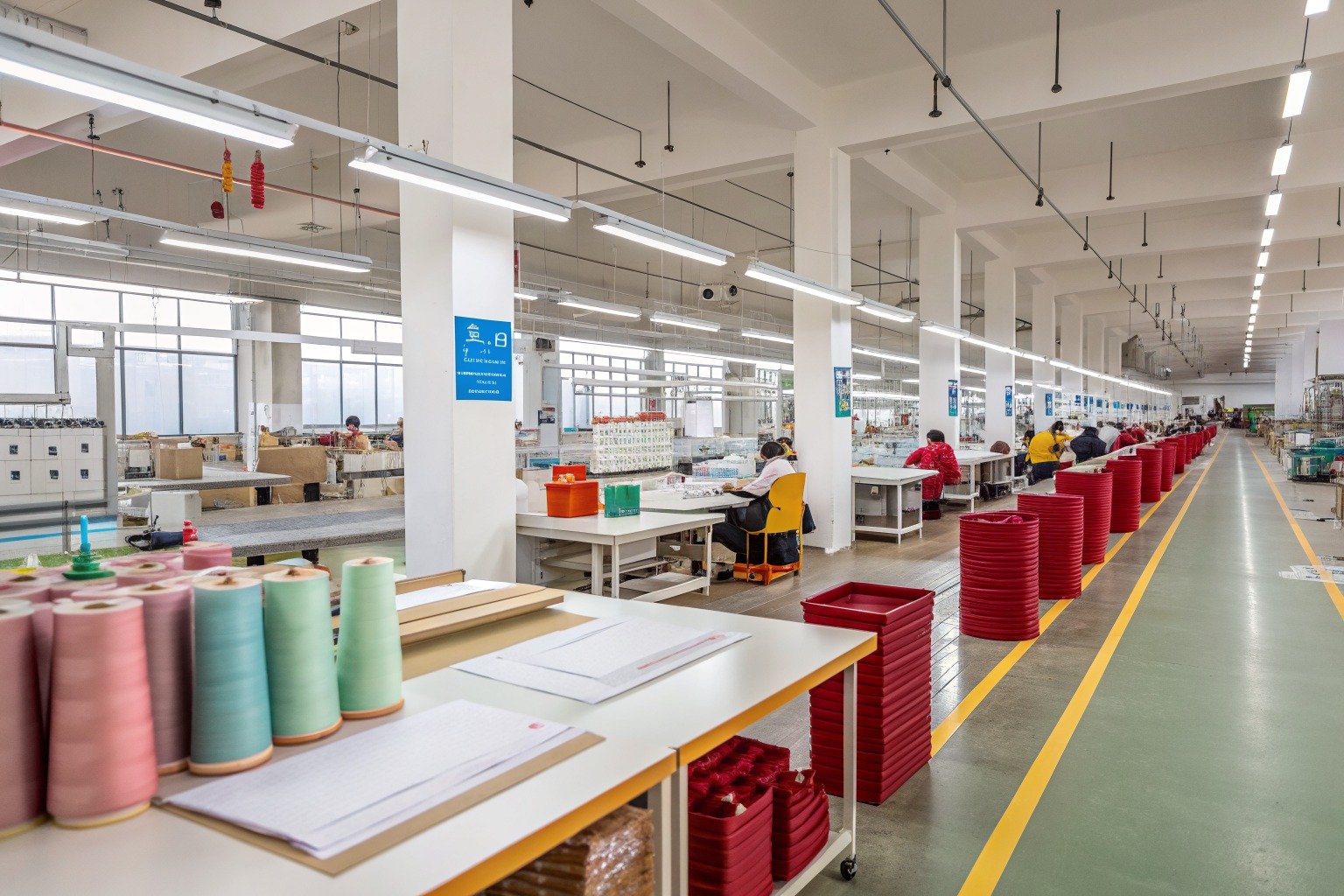
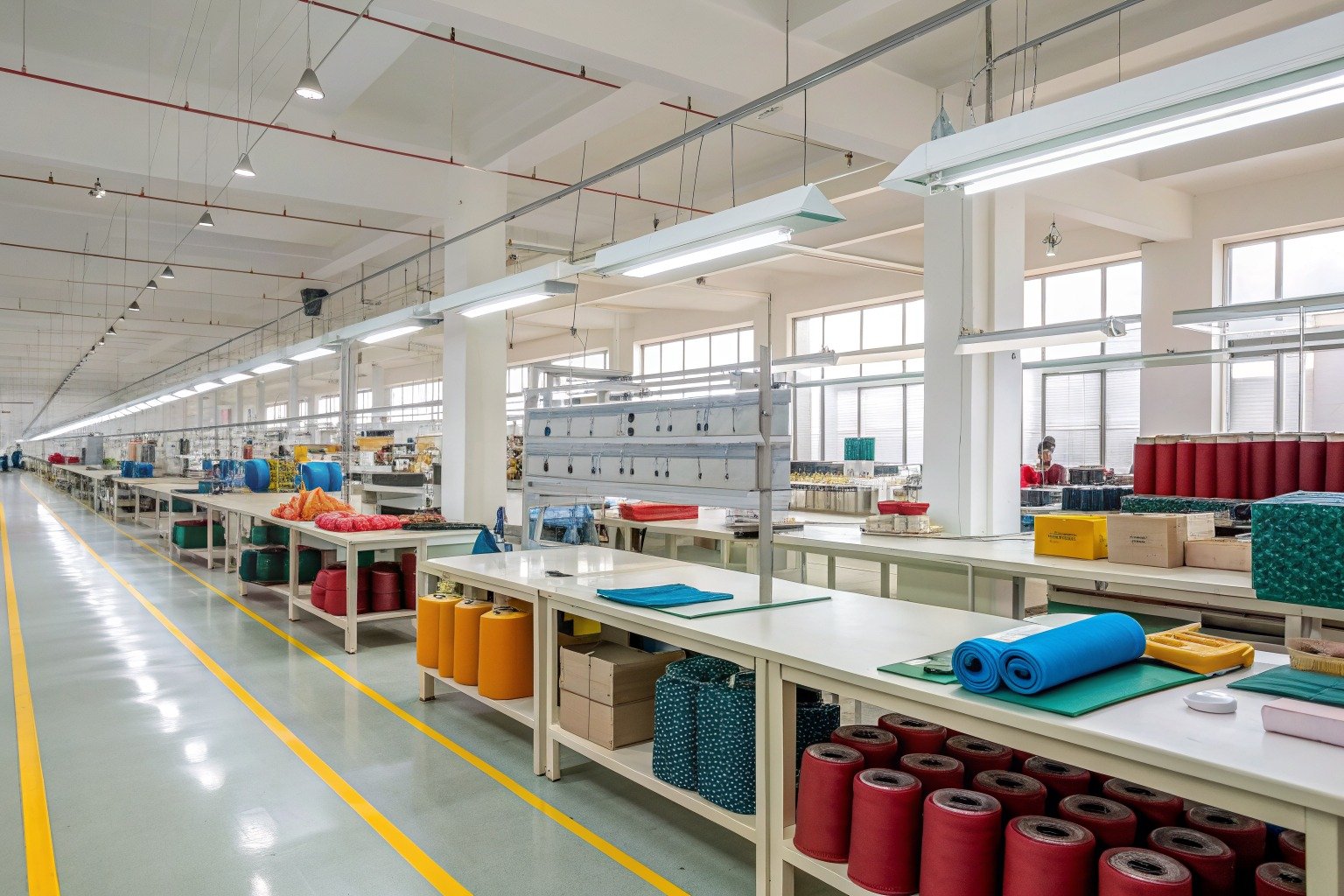
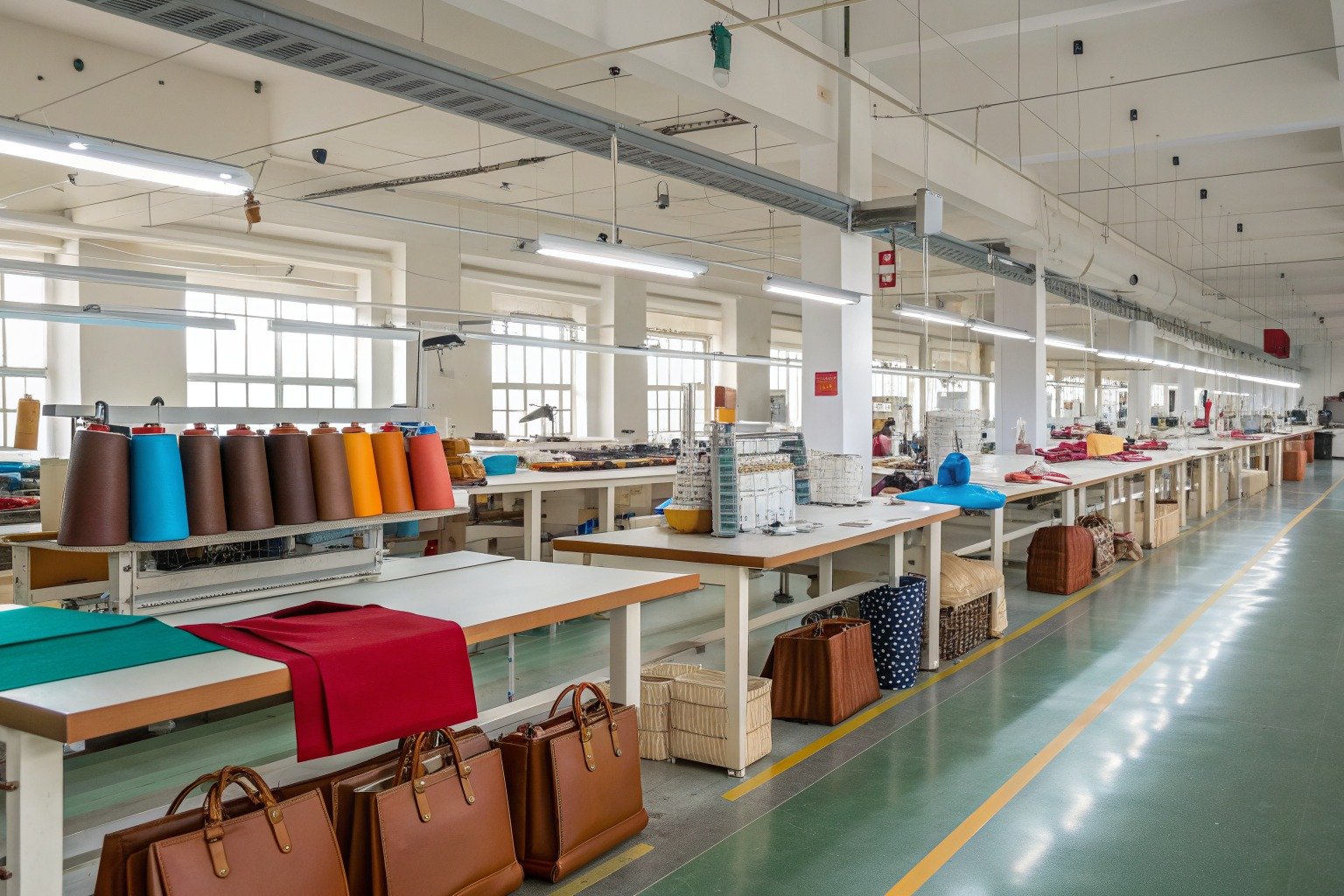
At AceAccessory, we produce corporate gift scarves for a range of clients, from global financial institutions to boutique consulting firms to technology startups. We understand the unique requirements of this market. The need for quality that reflects on the corporate brand. The need for scalability, from 500 units for an executive retreat to 50,000 units for a global employee appreciation program. The need for customization, from subtle jacquard branding to custom packaging with a CEO message. And the need for reliable, on-time delivery, often for a fixed event date. Our in-house design team works with corporate clients to translate their brand guidelines into scarf designs that are appropriate for the corporate context. Our material sourcing team identifies sustainable fabric options that meet specific ESG criteria. Our production team delivers consistent quality at scale.
If you are planning a corporate gifting program for 2026, for employees, for clients, for an event, or for a milestone celebration, and you are considering scarves as your gift medium, I invite you to contact us. Reach out to our Business Director, Elaine, at elaine@fumaoclothing.com. Tell her about your company, your gifting goals, the size of your program, and the message you want to send. She can provide samples of our corporate gift scarf options, discuss sustainable material choices, and provide a quotation for a production run that meets your budget and your timeline. Let us help you create a corporate gift that is worn, appreciated, and remembered.