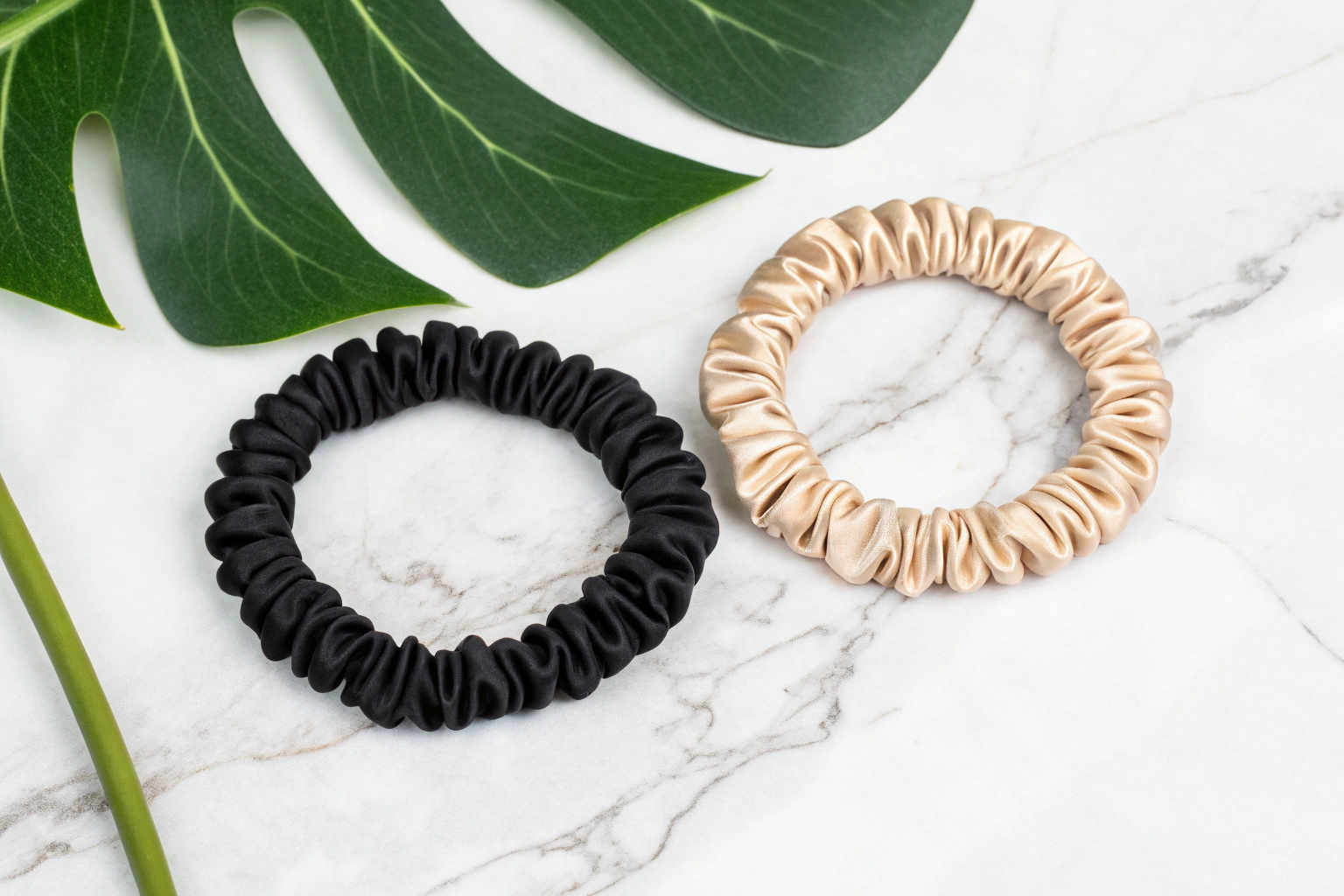
Have you ever ordered a set of hair bands, imagining a beautiful contrast of shiny and matte textures, only to receive a bag of identical, dull, lifeless bands? I have seen a beauty box subscription founder throw a sample kit across the room in frustration. She had designed a curated set for her subscribers. The hero piece was a glossy, liquid-shine black hair band paired with a soft, powdery matte nude band. The visual contrast was the entire selling point. But the factory sent her a sample batch where both bands were matte. They said they could not mix finishes in a single small order. The glossy finish required a different machine, a different line, a different minimum. The curated set was dead. The subscription box had a gap. The problem was the factory’s inflexible finishing process. They treated the two finishes as two separate products.
AceAccessory is a professional manufacturer and exporter of accessories. We absolutely produce both shiny and matte finish hair bands in one consolidated batch. Our post-processing line is organized to handle multiple surface finishes simultaneously, using a combination of specialized tumbling media for the matte effect and a precision spray-lacquer booth for the high-gloss shine, all within the same production run and order.
The finish is the emotion of the product. The glossy band says "glamour, night-out, liquid shine." The matte band says "minimalist, quiet luxury, soft touch." A collection that offers both tells a complete style story. It gives the consumer choice. It doubles the shelf appeal. As a factory owner in Zhejiang with a dedicated hair accessory finishing department, I have built a flexible system that allows this essential creative mix. Let me explain exactly how we achieve the two finishes in one efficient batch.
What Is the Technical Difference Between a Shiny and a Matte Finish?
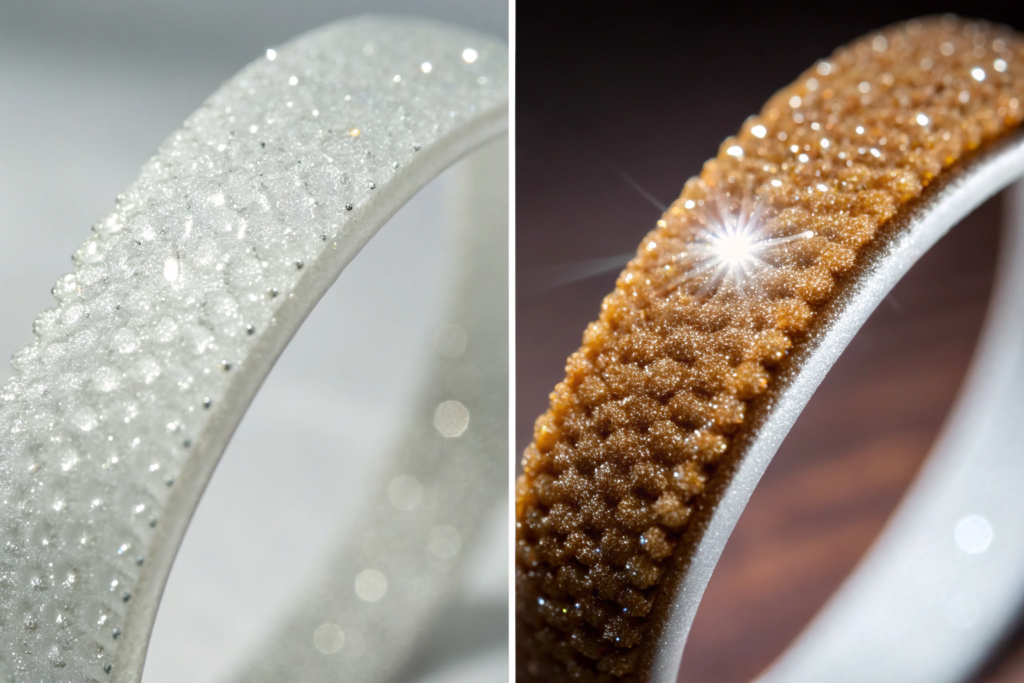
The difference between shiny and matte is a matter of microscopic surface topography. It is physics, not just a coating. A shiny surface is smooth at the micrometer level. It reflects light rays in a single, organized direction. You see a sharp, bright reflection. A matte surface is rough at the micrometer level. It scatters light rays in many different directions. You see a soft, uniform spread of light, with no sharp highlights.
Achieving these two different surface textures on the same base elastic hair band requires two completely different post-processing techniques. For our standard elastic hair bands, the base material is a nylon-spandex blend woven into a flat, ribbon-like tape. It is dyed to the desired color. At this stage, it has a natural, slightly dull finish. To make it glossy, we apply a high-solids, clear, solvent-based polyurethane lacquer. The lacquer is sprayed in a precision booth. It flows out to fill in all the microscopic pores and valleys in the fabric, creating a perfectly smooth, glass-like surface. It is then cured under UV light. The result is a deep, wet-look, liquid shine. To make it matte, we do not apply a liquid coating. Instead, we use a mechanical tumbling process. The dyed and sewn bands are placed in a large, rotating drum filled with specific ceramic media and a mild abrasive paste. The bands tumble for a controlled period. The ceramic stones gently pummel the surface of the fabric, creating a uniform micro-roughness. This breaks up the light reflection. The result is a soft, powdery, peach-skin touch. The core band is the same. The finishing process defines the identity.
Why Does a Matte Finish Feel Softer to the Touch?
The micro-roughness reduces the contact surface area between the skin and the band. A glossy, smooth surface can feel slightly sticky or clammy against the skin. A matte, textured surface feels dry and silky. This tactile sensation is a major reason for the matte trend. It conveys a sense of comfort and softness that a glossy band cannot replicate. It is the "powdery" feel.
Can the Glossy Lacquer Crack with Stretching?
A cheap, rigid lacquer will crack as the elastic stretches and contracts. We use a specific, flexible, aliphatic polyurethane lacquer. It is engineered to elongate with the elastic substrate. It stretches and recovers without micro-cracking. We test the lacquered bands on a stretch-test machine for 5,000 cycles at 50% elongation. The lacquer must show no cracks or delamination. This durability is critical for a functional hair band.
How Do We Manage a Mixed-Finish Batch on the Production Line?
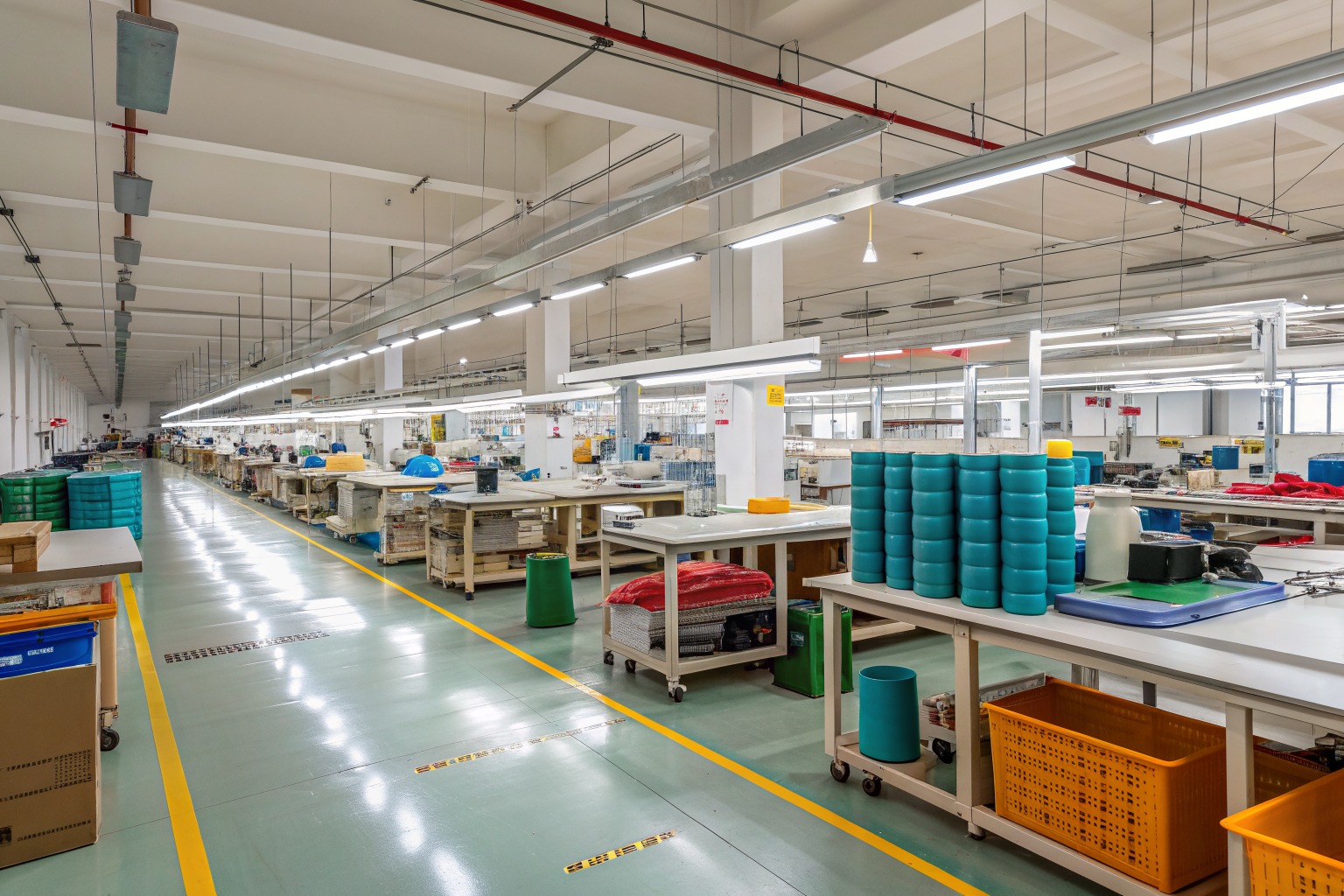
The manufacturing challenge is not doing one finish. It is doing both on the same core product without cross-contamination and within the same order tracking system. Our solution is a split-flow finishing line.
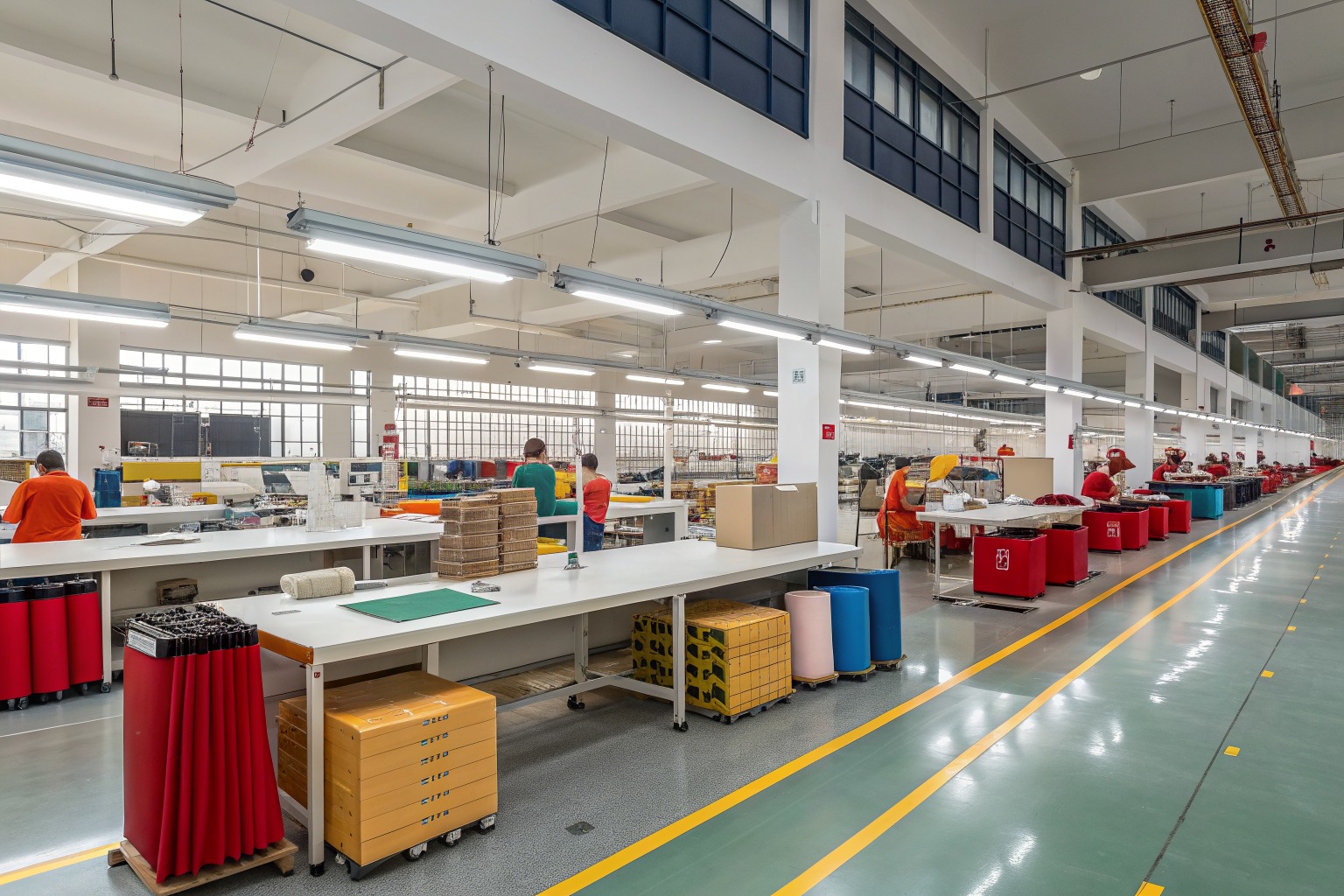
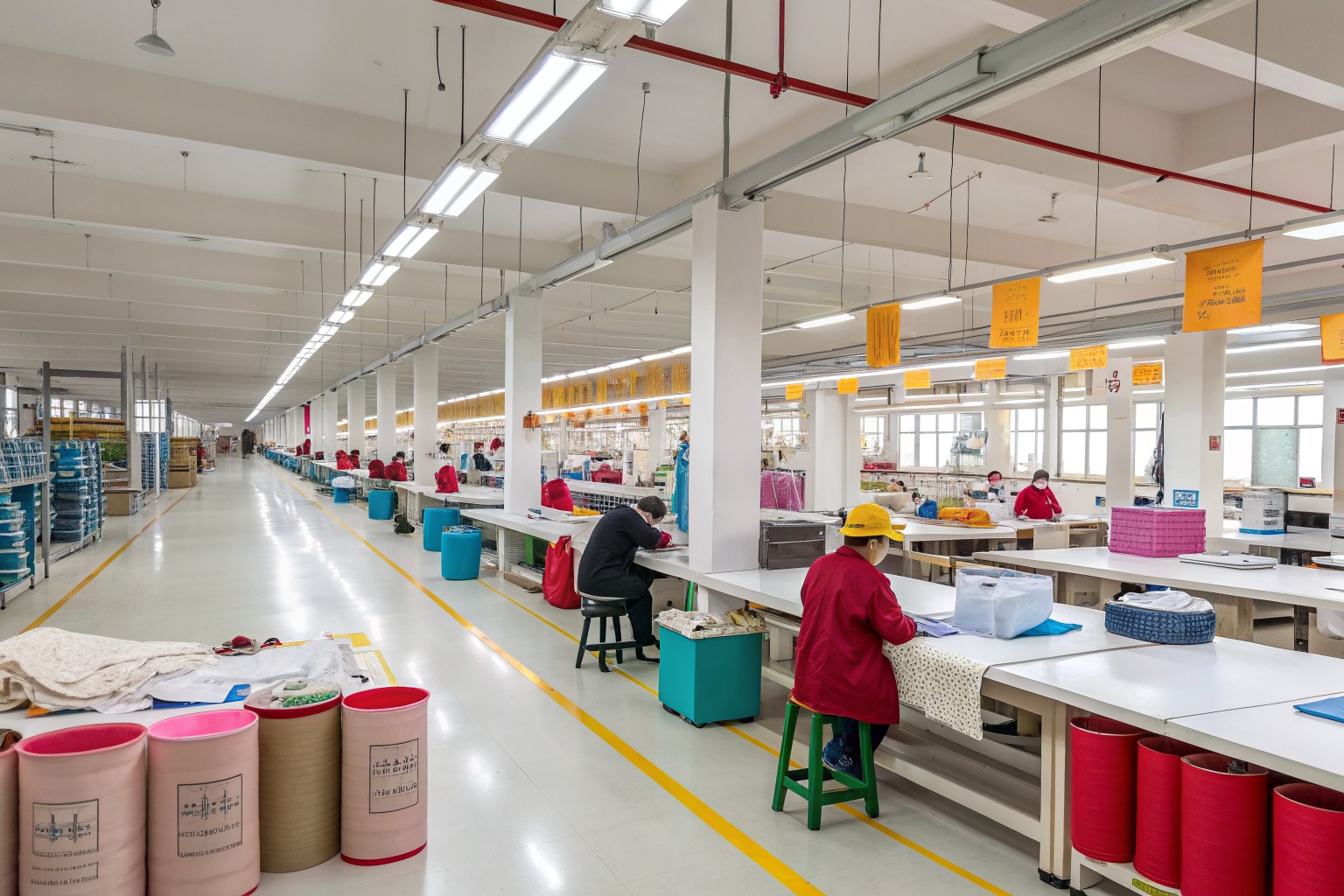
The process begins with a single, unified batch. We produce 500 hair bands in the core black color, for example. The sewing and basic dyeing are completed as one lot. The batch then arrives at a decision point in our finishing department. Our production ticket, a paper and digital document, explicitly splits the batch. It says: "Batch 001: Total 500 pcs. Split: 300 pcs to Tumbling (Matte). 200 pcs to Spray Lacquer (Gloss)." A physical divider is placed on the work-in-progress trolley. The 300 bands for matte are moved to the tumbling station. The 200 bands for gloss are moved to the spray booth. The two teams work in parallel. The tumbling cycle runs for 4 hours. The spray and cure cycle runs for 2 hours. The finished bands, now distinct in their final finish, are brought back together at the final inspection and packing station. They are counted, checked, and packed into the same master carton. The digital tracking system records the exact quantity of each finish. The key to this efficiency is that the split happens after the labor-intensive sewing and dyeing. The value is added in the unified batch. The finishing divergence is a quick, post-processing step. This is the smart manufacturing logic that allows a mixed-finish order without a cost penalty.

What Is the Batch Tracking System for the Split?
We use a barcode system. The production ticket has a parent barcode for the master batch. It has two child barcodes, one for the matte sub-batch and one for the gloss sub-batch. As the bands move through the factory, they are scanned. The system knows that 300 bands are at the tumbling station and 200 are at the spray booth. It prevents a mix-up. At final packing, the operator scans both child barcodes. The system confirms the total is 500. This digital discipline is what makes the mixed batch possible.
How Do You Prevent the Tumbling Dust from Contaminating the Gloss Line?
Tumbling generates a fine, abrasive dust. This dust is the enemy of a perfect gloss finish, where even a single speck of dust will be trapped in the lacquer and visible as a defect. The tumbling station is physically enclosed and has a dedicated dust extraction system. The air flows away from the spray booth. The two areas are separated by a clear plastic strip curtain. The operators wear distinct, color-coded aprons. This physical segregation maintains the clean environment required for the gloss finish.
What Are the Quality Standards for Each Finish?
The pass/fail criteria for a glossy band are completely different from a matte band. You cannot inspect them with the same eye. Our QC team uses a specific inspection standard for each finish.
For a Glossy band, the inspection is conducted under a bright, focused point-source light. The inspector looks for three defects. One, "orange peel," an uneven, wavy surface texture in the lacquer. Two, "fish eyes," small, crater-like depressions caused by silicone or oil contamination on the fabric before lacquering. Three, "dust nibs," tiny, hard particles embedded in the lacquer. The surface must be a perfectly smooth, glass-like mirror. The reflection of the light source must be crisp and undistorted. For a Matte band, the inspection is conducted under a diffuse, uniform light panel. The inspector looks for two main defects. One, "glossy patches," areas where the tumbling media missed and a residual shine remains. Two, "over-tumbling," where the abrasive has worn through the outer fabric layer, creating a frayed, fuzzy, or weakened spot. The surface must have a uniform, consistent micro-roughness. The color must be perfectly even, as tumbling can sometimes cause a slight lightening effect. The inspector checks the color against the master standard.

How Do You Test the Durability of the Matte Tumbled Finish?
The customer’s hair oils and repeated friction can polish a matte surface, making it shiny over time. We simulate this with a "rub fastness" test. A mechanical finger covered in a standard felt pad rubs back and forth on the matte band under a specific pressure for 500 cycles. The band must not develop any shiny spots. This test guarantees the matte finish is robust and will last the life of the product.
How Do You Test the Stretch Recovery of the Gloss Band?
The visual inspection is for appearance. The functional test is for elasticity. We use a tensile testing machine. The glossy band is stretched to 100% elongation and held for 1 minute. It is then released. It must recover to within 5% of its original length. The lacquer must not have cracked, delaminated, or shown any stress marks. This test ensures the functional core of the hair band is not compromised by the beauty finish.
What Are the Trending Color-Finish Combinations for 2026?
The finish is as much a design choice as the color. In 2026, the most exciting trend is the deliberate, conscious mixing of these two textures. It is not about one being better than the other. It is about the harmony of both.
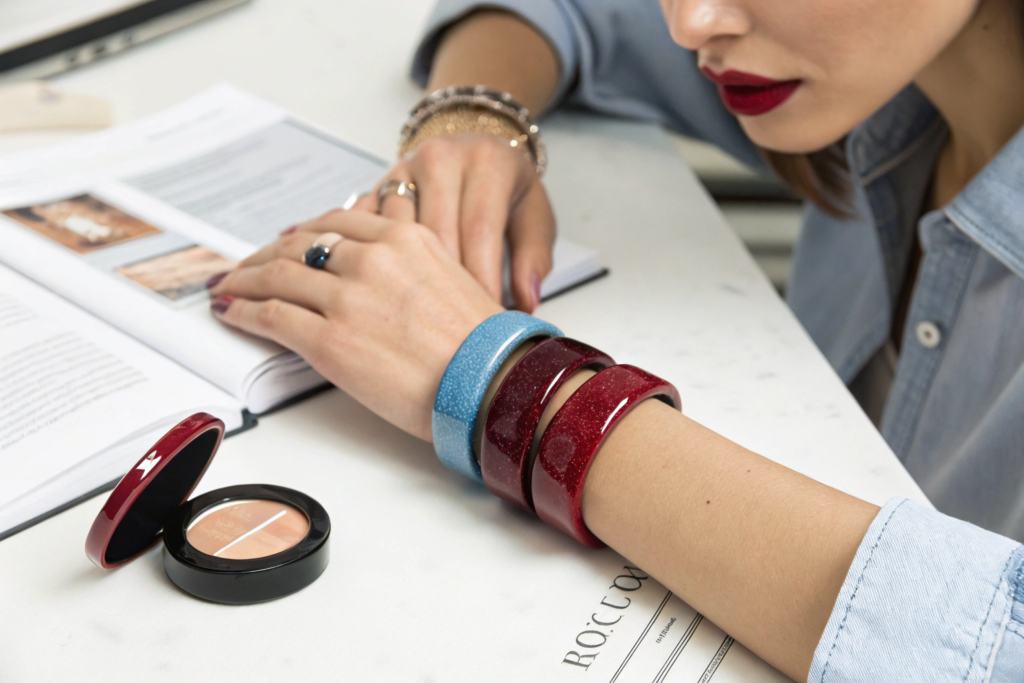
The key look is the "Liquid & Powder" combination. A deep, saturated "Cherry Mocha" dark red is the top glossy color. The gloss gives it a juicy, edible, high-impact vibrancy. It is the perfect accent accessory for a monochromatic outfit. The corresponding matte trend is "Powder Blue." A soft, desaturated, dreamy blue that looks like a cloud. The matte finish amplifies its soft, airy, comforting quality. A glossy Powder Blue would look cheap and plastic-like. The matte makes it feel premium and ethereal. Another key combination is the "Tonal Texture" set. A glossy black band paired with a matte charcoal grey band. They are in the same color family, but the textural contrast creates a sophisticated, layered look. This tonal, textural dressing is the essence of quiet luxury. Our design team actively proposes these curated finish-color pairings to our clients. We do not just sell a product. We sell a complete, pre-styled look.
Why Does Gloss Enhance a Dark Color?
Gloss deepens a dark color. The clear lacquer adds visual depth, like looking into a pool of dark water. A matte black can look dusty or faded. A glossy black is the richest, most intense black possible. It has a premium, almost liquid-crystal quality. This is why gloss is the go-to finish for statement dark colors.
Why Does Matte Enhance a Pastel or Soft Color?
Matte diffuses light. It softens the visual impact of a color. A glossy pastel pink can look like cheap, sticky candy. A matte pastel pink looks like a delicate, sugared almond. It elevates the color, giving it a sophisticated, velvety, adult character. The finish completely changes the color’s emotional message.
Conclusion
Producing shiny and matte finish hair bands in one batch is a test of a factory’s post-processing flexibility. It requires a split-flow finishing line that can handle a tumbling drum and a precision spray lacquer booth simultaneously for the same order. It demands a barcode tracking system that keeps the two sub-batches digitally linked. It needs a QC team that applies different aesthetic standards to each finish, looking for dust nibs on the gloss and glossy patches on the matte.
The result is a product offering that is inherently more valuable. A mixed-finish set tells a complete style story. It gives the retailer a point of differentiation. It gives the consumer the emotional satisfaction of choice and texture.
In our Zhejiang factory, the finishing department is set up to run mixed batches daily. The tumbling media, the flexible lacquer, the inspection lamps, and the digital tracking are all standard operating procedures.
If you are designing a hair band collection that plays with the beautiful contrast of shiny and matte, I invite you to contact our Business Director, Elaine. She can send you our physical finish sample card, showing the gloss and matte options on different colors. She can explain our split-batch minimums and the color-finish trending combinations for the upcoming season. Send her an email at elaine@fumaoclothing.com. Let us add the perfect finishing touch to your collection.