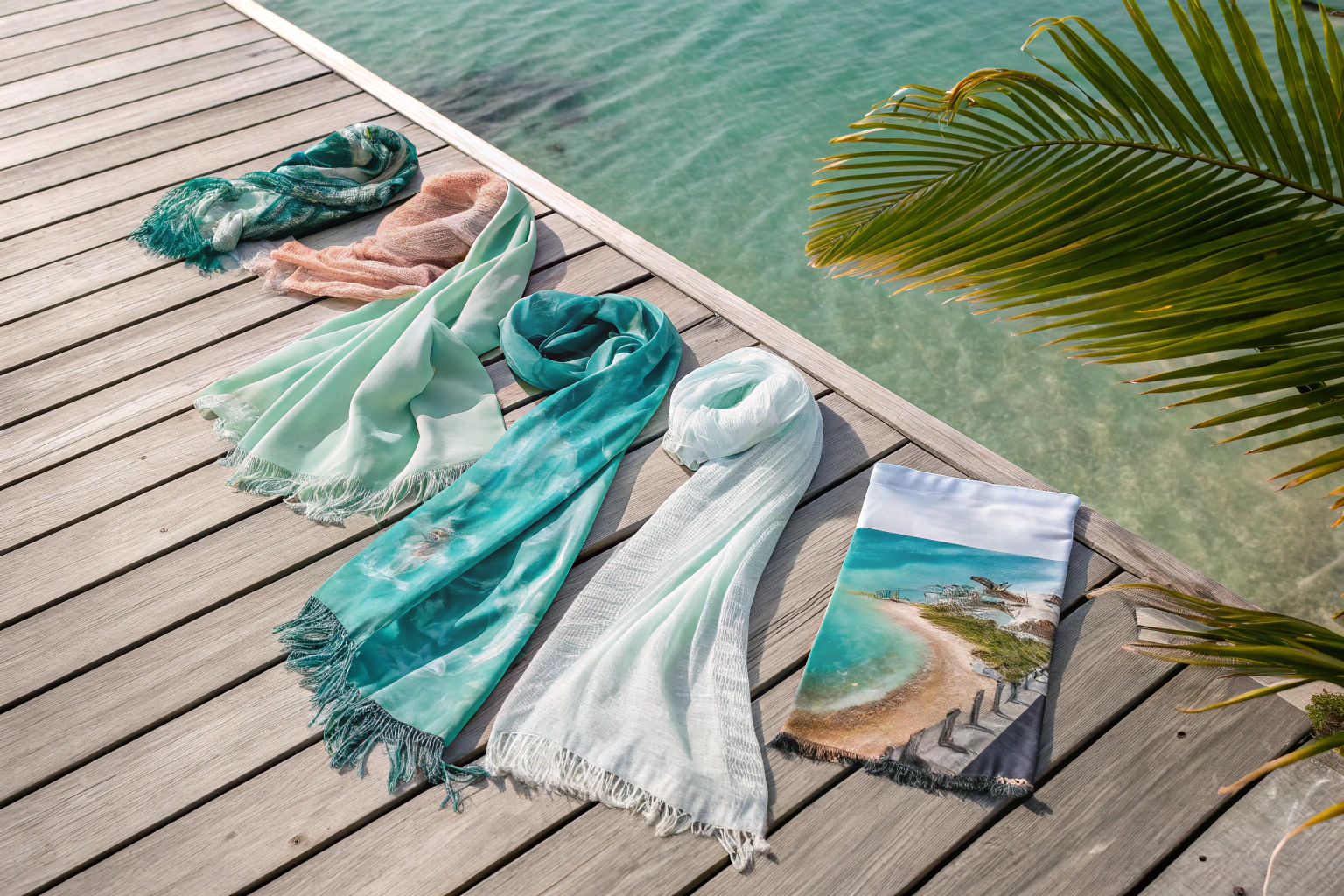
Have you ever walked through a luxurious beachfront boutique, picked up a beautiful scarf, and felt a sudden, jarring disconnect? The fabric felt like plastic. The print screamed "fast fashion." The scarf clashed with the serene, natural beauty of the ocean view outside. I have watched eco-conscious resort guests put down a scarf and walk away, not because of the price, but because the product violated their values. They had traveled to an unspoiled paradise. They wanted to wear something that honored that environment. The scarf was a synthetic, chemical-laden contradiction. The resort boutique lost a high-value sale.
AceAccessory is a professional manufacturer and exporter of accessories. The 2026 scarf trends for eco-resort wear brands center on three key directions: regenerative organic silk blended with seaweed fiber, large-format digital prints of abstract aerial landscapes on recycled polyester, and hand-loomed, naturally dyed cotton-linen gauze scarves finished with raw, fringed edges that embody a zero-waste philosophy.
Eco-resort wear is not just clothing. It is a statement of harmony with the destination. The scarf is the signature accessory. It frames the face against a sunset. It drapes over the shoulders in a sea breeze. It must be as pure as the environment it is worn in. As a factory owner in Zhejiang who collaborates with sustainable resort brands in Bali, the Maldives, and Costa Rica, I have developed a collection that meets the highest ecological and aesthetic standards. Let me unveil the three defining scarf trends for the 2026 season.
Why Are Regenerative Fibers Like Seaweed Silk the Ultimate Resort Statement?
The 2026 eco-resort guest is educated. They know that conventional silk, while natural, can involve exploitative labor and energy-intensive production. They are searching for the next level of ethical luxury. The answer is regenerative fiber blends, specifically silk blended with seaweed fiber. This is the ultimate resort statement.
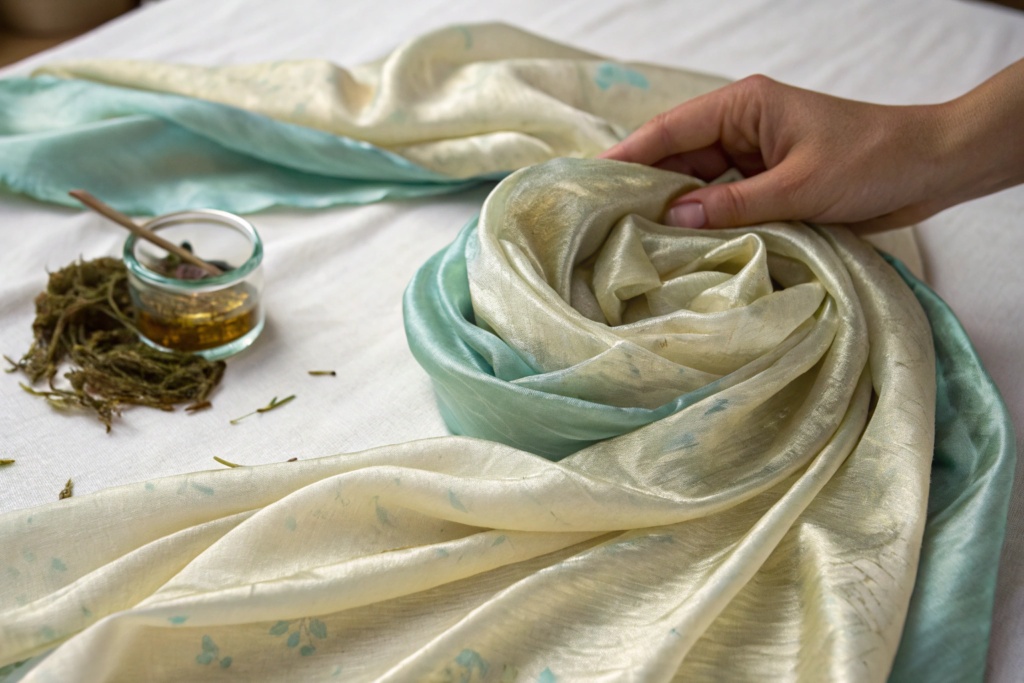
The silk we use is GOTS-certified organic peace silk, also known as Ahimsa silk. The silkworm is allowed to emerge from the cocoon naturally, without being boiled alive. The fiber is processed without harsh chemicals. This silk provides the classic, beautiful drape and soft luster. We blend it with 30% SeaCell fiber. SeaCell is a lyocell fiber manufactured using wood pulp from sustainably managed forests, infused with finely ground brown seaweed. The seaweed is harvested in Iceland’s pristine fjords. The process is a closed-loop lyocell system, meaning the solvent is recycled at 99.8%. The resulting fabric is not just sustainable; it is bioactive. The seaweed releases trace minerals, antioxidants, and vitamins when warmed by the skin’s body heat. It nourishes the skin, combating the drying effects of sun and saltwater. The hand feel is incredibly soft, cool, and breathable. It feels like a gentle sea mist on the skin. The color palette is inspired by the ocean. Soft pearl, sea foam, coral pink, and abalone shell iridescence. The scarf is not just an accessory. It is a spa treatment for the skin and a profound statement of regenerative values.
What Is the Closed-Loop Production Process for Seaweed Fiber?
The SeaCell production uses the lyocell process. Wood pulp is dissolved in a non-toxic amine oxide solvent. The seaweed is added. The mixture is extruded into fiber filaments. The solvent is then washed out, purified, and recycled back into the system in a continuous closed loop. There is zero toxic discharge into the environment. The wood comes from FSC-certified forests. The process is transparent and certified by the EU Ecolabel. This is the technical standard that defines a true, next-generation eco-fiber.
How Does the Silk-SeaCell Fabric Drape and Photograph?
The blend has a beautiful, heavy liquid drape. It catches the sea breeze perfectly. It photographs with a subtle, healthy sheen, not a cheap, shiny glitter. The natural seaweed greenish undertone adds depth and a point of conversation. It is instantly recognizable as a premium, natural material. For a resort brand’s photoshoot on the beach at golden hour, this fabric is the dream. It moves like water.
How Is Recycled Polyester Being Transformed into Art?
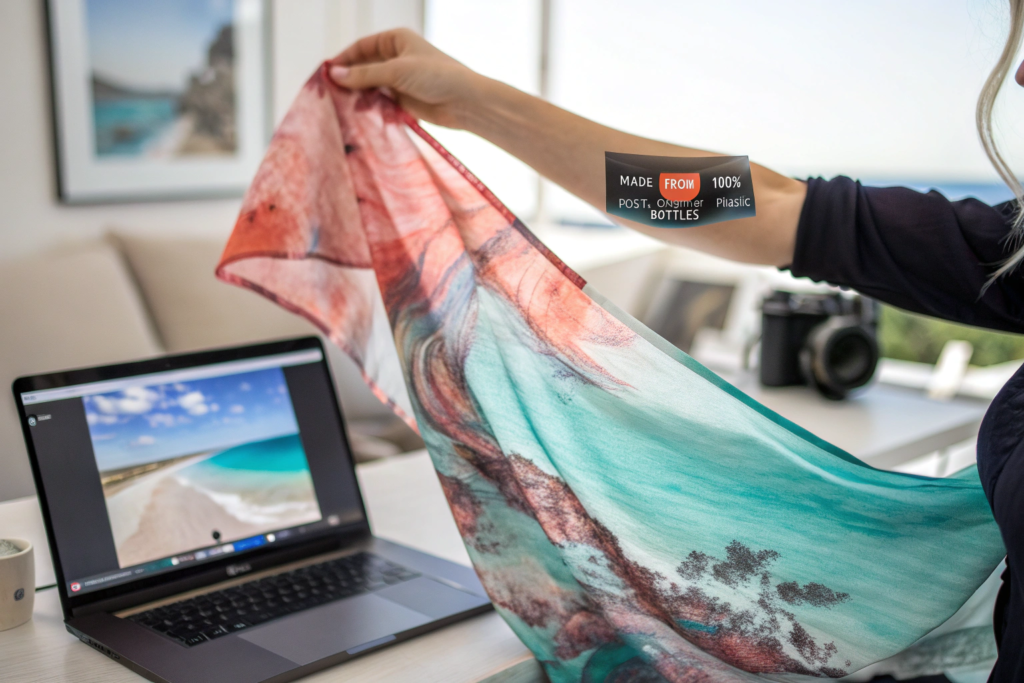
Recycled polyester has suffered from a cheap, rough image. In 2026, that image is completely shattered. The new generation of recycled polyester, specifically a filament yarn made from 100% post-consumer PET bottles, is incredibly fine, soft, and transparent. It has become the preferred canvas for digital art.
The key is the yarn technology. We source a GRS-certified recycled polyester filament yarn. The process grinds plastic bottles into flakes, melts them, and re-extrudes them into exceptionally fine, continuous filaments. The filament is then texturized to give it a soft, silk-like hand, not a stiff, plastic feel. The fabric is a lightweight chiffon or a soft georgette. It is then printed using a high-resolution digital sublimation printer. The printer uses water-based inks. The ink converts to a gas under heat and bonds permanently with the polyester fiber. The result is a photographic-quality, edge-to-edge print with an unmatched color gamut. The 2026 trend in print art is the "abstract aerial landscape." Think of drone photographs of tidal flats, volcanic craters, or glacial rivers. These images are abstract, emotional, and deeply connected to the Earth. They transform the scarf into a wearable piece of environmental art. This trend appeals to the eco-resort guest who is also a tech-savvy, art-conscious global citizen. They appreciate the material’s recycled origin story and the print’s high-tech, artistic execution.
Is This Fabric Soft Against Sun-Kissed Skin?
Yes, the texturizing process is the critical step. The filament yarn is air-textured. This creates millions of tiny loops, which gives the fabric a soft, slightly cottony feel and a matte appearance, not a shiny, synthetic look. It is breathable and quick-drying. It is ideal for draping over a swimsuit. It is comfortable, not clammy. This solves the historical comfort problem of polyester.
How Do You Prove the Fabric Is Genuinely Recycled?
The fabric is certified to the Global Recycled Standard. Every batch comes with a transaction certificate that traces the material from the bottle flake supplier to the yarn spinner to the weaver and finally to our factory. The scarf’s hang tag includes a QR code that the consumer can scan to see the GRS certificate and the specific recycled content claim. This radical transparency is a core requirement of the eco-resort brand.
Why Are Hand-Loomed, Naturally Dyed Gauze Scarves Trending?
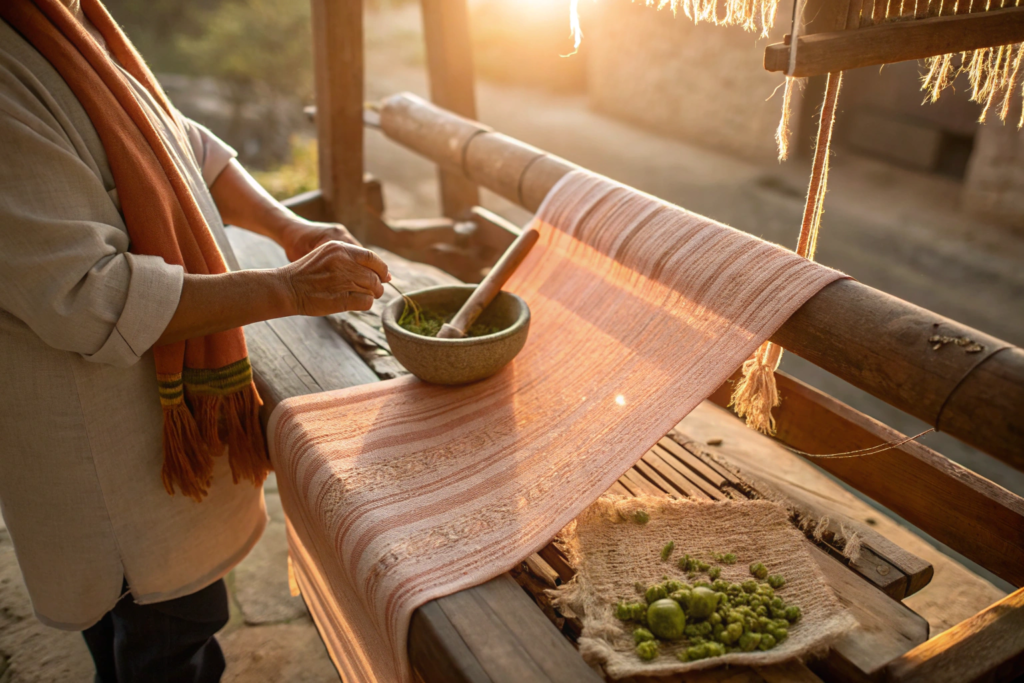
The counter-trend to high-tech digital printing is the ancient art of hand-looming and natural dyeing. This trend speaks to the eco-resort guest seeking authenticity, slowness, and a connection to human craft. The 2026 version is a refined, elevated artisanal piece.
The base fabric is a cotton-linen blend, often 70% organic cotton and 30% organic linen, woven in an open gauze or a loose "jamdani" style weave. The weave is translucent, airy, and incredibly textural. It is the perfect weight for a warm evening. The dyeing process uses only natural, plant-based dyes. Our dye kitchen uses ingredients like madder root for coral reds, indigo for soft blues, avocado pits for dusty pinks, and pomegranate rind for warm ochres. The dyeing is done by hand in small batches. The color is inherently uneven. It has a "living" tonality, with subtle variations and a beautiful, soft, matte finish. There are no harsh, flat chemical colors. The edges of the scarf are not hemmed. They are finished with a hand-knotted, raw fringe. Each fringe is tied by a skilled artisan. The scarf carries the energy of the hands that made it. It is a slow fashion artifact. It aligns perfectly with the eco-resort’s narrative of mindfulness, connection to nature, and support for traditional craft communities. It is the most emotionally resonant trend of 2026.
Are Natural Dyes Colorfast and Resistant to Sunlight?
This is the technical challenge. Natural dyes are fugitive, meaning they fade faster than synthetic dyes. We overcome this through a mordanting process. The fabric is pre-treated with a mineral mordant, usually alum, which is a non-toxic aluminum salt. The mordant forms a chemical bridge between the fiber and the dye molecule. This locks the color in. We use a specific, food-grade alum, not a heavy metal mordant like chrome. We also use a post-dye "sunning" process to pre-fade the scarf to its stable base color before it leaves the factory. The customer receives a color that is already stabilized. We provide a care card explaining the natural dye’s character and how to care for it to maintain its beauty.
How Do You Ensure Ethical Labor in Hand-Looming?
Hand-looming is a traditional craft that is vulnerable to exploitation. We partner with a specific, family-run weaving cooperative. Our project manager visits them regularly. The cooperative is Fair Trade certified. This certification guarantees the weavers receive a living wage, work in safe conditions, and that no child labor is involved. We provide this certification with the scarf. The hang tag tells the story of the specific weaver who made the piece. This traceability is the soul of the product.
How Are These Scarves Packaged for an Eco-Resort Boutique?
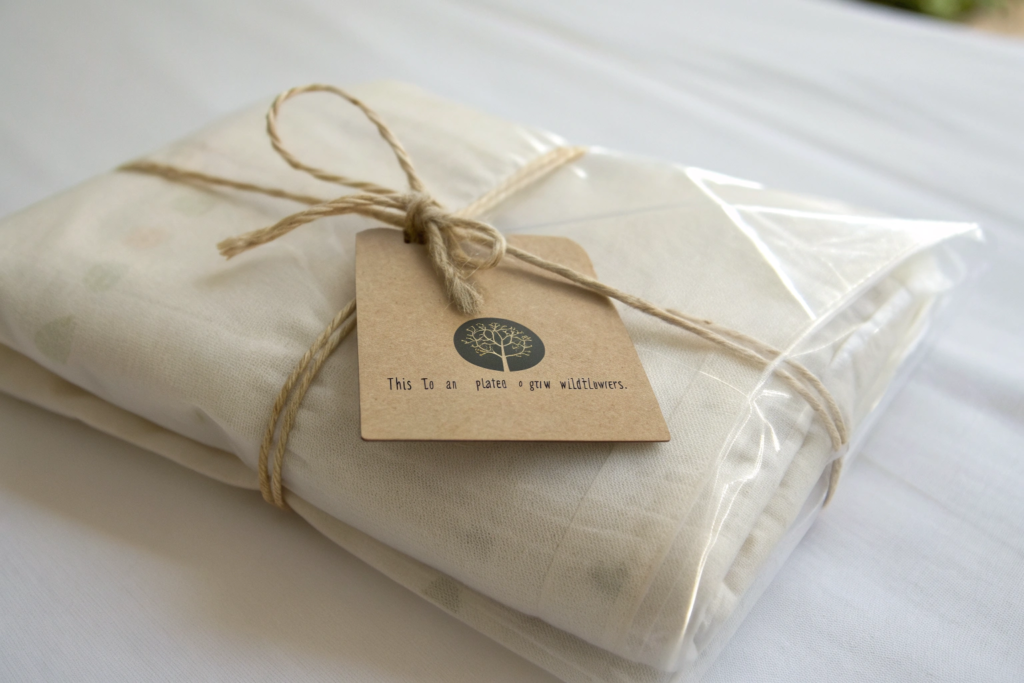
The packaging for an eco-resort brand must align with the product’s values. Zero waste, circularity, and biodegradability are the standards. We use a "plantable packaging" system.
The scarf is folded and secured with a tie made of unbleached, organic cotton string. It is placed in a clear, certified compostable bag made from polylactic acid, which is derived from corn starch. The bag is sealed with a small, compostable sticker. The hang tag is made from seeded paper. This is a thick, textured, handmade paper embedded with a mix of wildflower seeds. The tag is printed with a simple brand logo using soy-based inks. The care instructions are printed on a smaller, matching seeded paper insert. The entire packaging is designed to be planted. The guest removes the tag and the insert. They soak them in water, plant them in a small pot of soil, and water them. Wildflowers grow. The packaging waste becomes a living memory of the resort experience. This is the ultimate circular economy story. It generates immense social media sharing and deepens brand loyalty.
What Happens to the Compostable PLA Bag in a Home Compost?
Standard PLA needs industrial composting. A new generation of home-compostable PLA is available. It breaks down in a backyard compost bin within 6 to 12 months. We specify this home-compostable grade. The bag is certified to the OK Compost Home standard. We include a small "Home Compostable" logo on the bag so the guest knows it can go in their food waste bin, not the trash. This is a crucial distinction for the eco-literate consumer.
Why Is a Seeded Paper Tag More Than Just a Gimmick?
It is a physical commitment. It forces the brand to choose a non-toxic, biodegradable material. It engages the customer in an active, hopeful ritual. It tells a story that continues after the purchase. The memory of the scarf is linked to the memory of planting the tag. It is a powerful emotional differentiator. The cost of the seeded paper tag is marginally higher than a standard card, but the marketing and brand loyalty return is immense. It is the perfect finishing touch for an eco-resort scarf.
Conclusion
The 2026 eco-resort scarf is a fusion of regenerative material science, high-tech digital art, and ancient craft wisdom. The silk-seaweed blend offers a bioactive, luxurious experience that nourishes the skin and honors the ocean. The recycled polyester digital art scarf transforms ocean plastic into a canvas for breathtaking abstract landscapes, certified by the Global Recycled Standard. The hand-loomed, naturally-dyed cotton-linen gauze scarf carries the energy of the artisan’s hands and the color of the earth, a piece of slow fashion with an authentic soul.
All three trends are united by a radical commitment to transparent sourcing, ethical production, and circular, plantable packaging. They are designed to be a harmonious part of the pristine environment they are worn in.
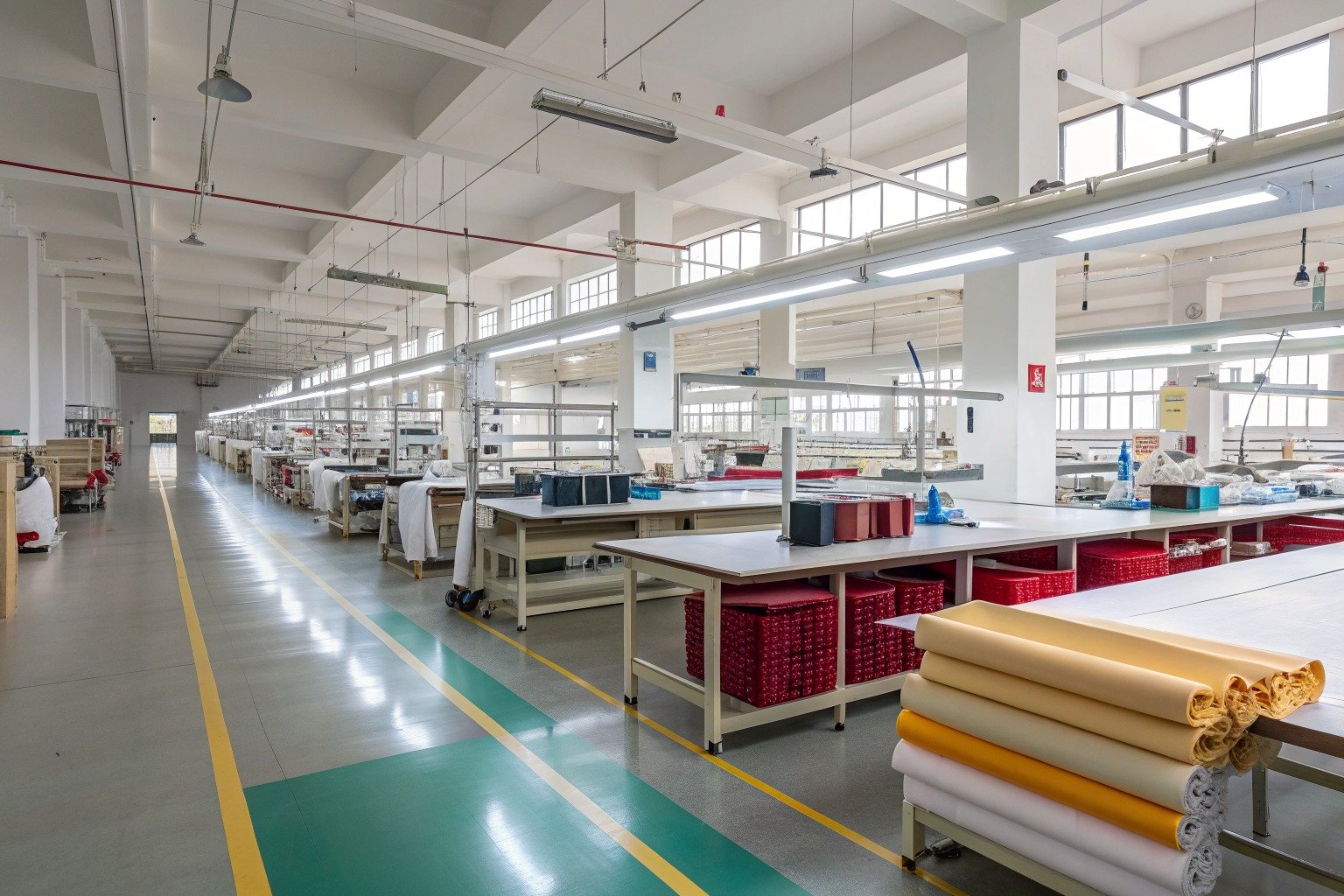
In our Zhejiang factory, we have integrated these sustainable material supply chains. Our digital printers use water-based inks. Our dye kitchen is certified for natural dyeing. Our packaging team sources the seeded paper and the home-compostable bags.
If you are an eco-resort wear brand planning your 2026 collection, I invite you to contact our Business Director, Elaine. She can send you our sustainability material swatch kit, including the silk-seaweed blend, the GRS-certified recycled polyester, and the hand-loomed, naturally dyed gauze. She can share the certification documents and the seeded paper packaging samples. Send her an email at elaine@fumaoclothing.com. Let us create scarves that wrap your guests in the very values of the paradise they seek.