Have you ever received a panicked phone call from a store manager who found a sewing needle embedded in a child’s winter glove? I have been on the receiving end of that call. It was the worst day of my factory’s history. A tiny, broken needle tip had slipped through our entire quality control system. It ended up in a finished glove. It reached a retail shelf in Ohio. A mother found it while dressing her toddler. The child was unharmed. But the brand was destroyed. The recall cost six figures. The problem was not our production. It was our reliance on human visual inspection alone. A human eye missed a metal sliver hidden in thick fleece. The solution was a mandatory, video-recorded metal detector check on every single product.
AceAccessory is a professional manufacturer and exporter of accessories. US importers ask for factory videos of the metal detector check because US product safety laws impose strict liability on importers for foreign objects, and the video serves as the only verifiable proof that due diligence was performed on every single unit before shipment.
A metal detector is not a marketing gimmick. It is a legal shield. It is the last physical barrier between a factory mistake and a child’s skin. US buyers have learned this lesson through painful lawsuits. They now demand video evidence that the shield was active, calibrated, and working correctly for their specific production batch. As a factory owner in Zhejiang who ships to major US retailers, I have integrated video-recorded metal detection into our standard operating procedure. Let me explain what the buyer is looking for in that video, and why it is the most important minute of footage you will ever send.
What Is the Legal Reason Behind the Metal Detector Video Request?
The legal framework in the United States is strict liability. This means the importer of record is legally responsible for a defective product, regardless of fault. If a needle is found in a glove, the US Consumer Product Safety Commission does not care if the factory made a mistake. They hold the US importer liable. The importer can be sued. They can be forced into a mandatory recall. They can face criminal penalties.
The only defense against this liability is documented "due diligence." The importer must prove they took every reasonable step to prevent the defect. A verbal promise from a factory is not evidence. A paper checklist is weak evidence; it can be forged after the fact. A continuous, time-stamped video of the metal detector operating on the specific batch is strong, verifiable evidence. It proves the test happened. It proves the equipment was functioning. It proves the product passed. In a lawsuit, this video is the importer’s Exhibit A. It shifts the legal narrative from negligence to proactive safety management. It is the difference between a catastrophic punitive damage award and a settled case with no admission of guilt. This is why the video is non-negotiable for US buyers.
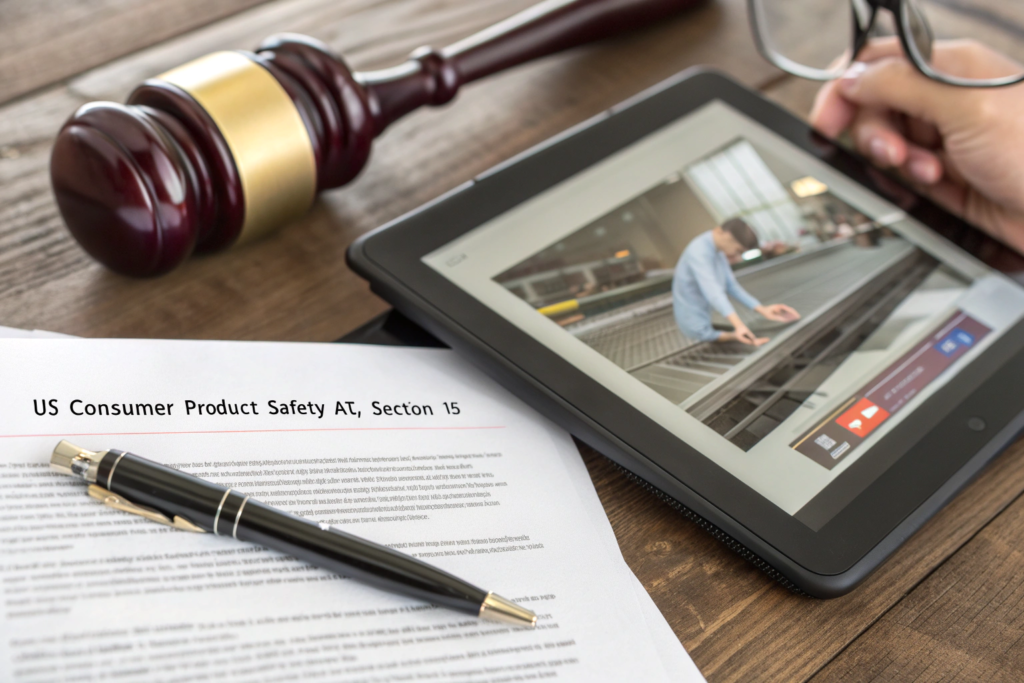
What Is the CPSA and How Does It Mandate Due Diligence?
The Consumer Product Safety Act gives the CPSC authority to regulate consumer products. Section 15(b) requires manufacturers, importers, and retailers to report immediately if a product contains a defect that could create a substantial product hazard.
A broken needle is a classic substantial product hazard. If you discover it, you must report within 24 hours. The metal detector video is a pre-reporting defense. It proves you had a robust system to detect the hazard before it left the factory. It demonstrates a "culture of safety" to the CPSC. This can reduce penalties significantly. The CPSC guidelines explicitly recommend electronic metal detection for textile products. The video is the proof that the recommendation was followed. It satisfies the CPSC due diligence requirements.
How Does a Video Protect Against Frivolous Lawsuits?
Not all claims are genuine. A competitor or a fraudulent customer might plant a needle and claim it came from your factory. The video with the batch code is a time-stamped alibi.
It proves every glove in that batch passed a metal detector before it was sealed in the carton. If a needle is found later, the evidence points to tampering after the factory, not a factory defect. This protects the importer’s insurance rates and their brand reputation. It is a legal firewall. We provide the video files organized by purchase order number. The importer stores them for the statute of limitations period, typically three to seven years. This archive is a strategic asset for risk management.
How Do You Prove the Metal Detector Was Actually Working?
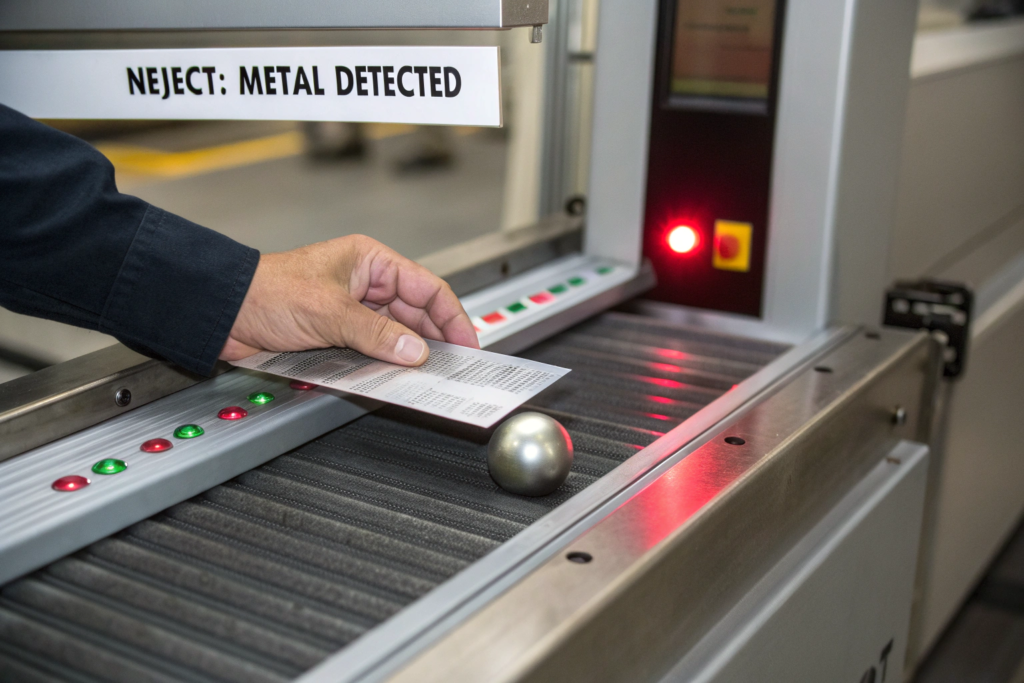
A video of a green light means nothing if the buyer cannot see the machine was sensitive enough to catch a hazard. The importer demands a "challenge test" video. This is a test where a known metal object, a standard test card, is passed through the detector to prove it triggers the alarm.
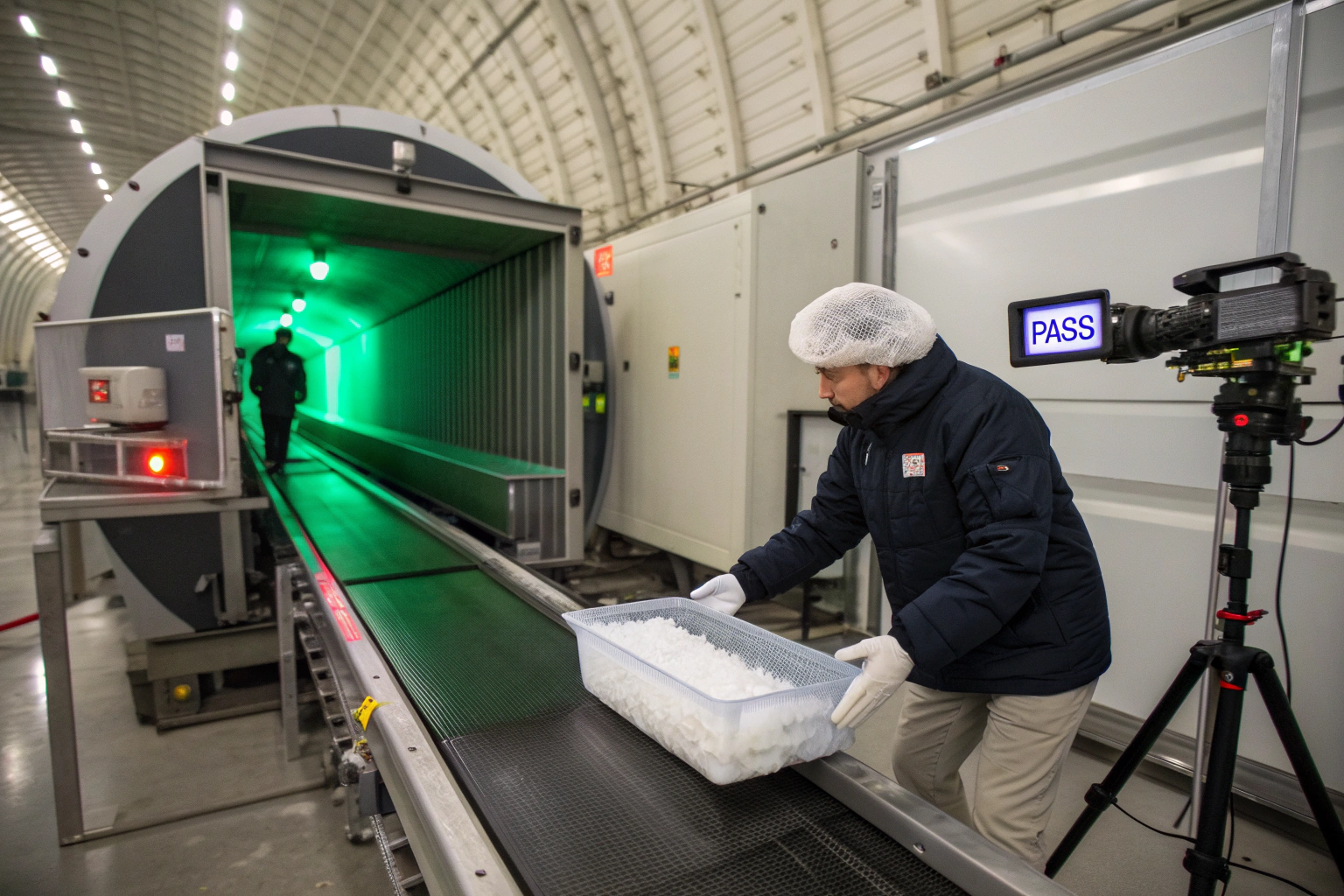
Our video protocol is strict. The recording begins with the machine’s calibration certificate. The certificate must be in date. The screen must show the sensitivity setting. For textile accessories, the standard is a ferrous metal sphere of 1.0 millimeter diameter. The test card must be an accredited standard. The operator inserts the test card into a product. They pass it through the detector. The alarm must sound. The conveyor must stop. The reject bin must open. This sequence must be recorded on the same video, without cuts. The operator then removes the test card. They pass the same product through again. The light must turn green. This proves the machine resets correctly after a reject event. This challenge test is performed at the start of the shift, after every break, and at the end of the shift. The video captures all three tests. This is the complete chain of evidence that the detector was functioning correctly for the entire production run.
What Is the Standard Test Sphere Size for Textile Accessories?
The standard is 1.0 mm for ferrous metal. For non-ferrous metal, like a brass buckle pin, it is 1.5 mm. For stainless steel, it is 2.0 mm.
We set our detector to these limits. The test card contains all three types. The video must show the detector catching all three. A machine that catches ferrous but misses stainless steel is a flawed machine. The buyer’s quality assurance manual specifies these sizes. Our video proves we meet the specification. This is the technical language of food-grade metal detection applied to fashion. It is the highest safety standard available.
Why Must the Test Be a Continuous, Unedited Video?
An edited video can hide the moment the machine was turned off. A single cut in the footage invalidates the evidence. A lawyer will argue the test was faked.
We use a dedicated, tamper-proof camera system. The camera is fixed. It has a time and date stamp burned into the footage. The file is stored in a read-only format. It cannot be edited. We pan the camera at the start to show the empty reject bin. We pan at the end to show the full batch of passed goods. The recording is a single, continuous file. This forensic integrity is what makes the video legally defensible. It is the standard we adopted from the automotive safety industry.
What Does the Batch-Specific Video Evidence Look Like?
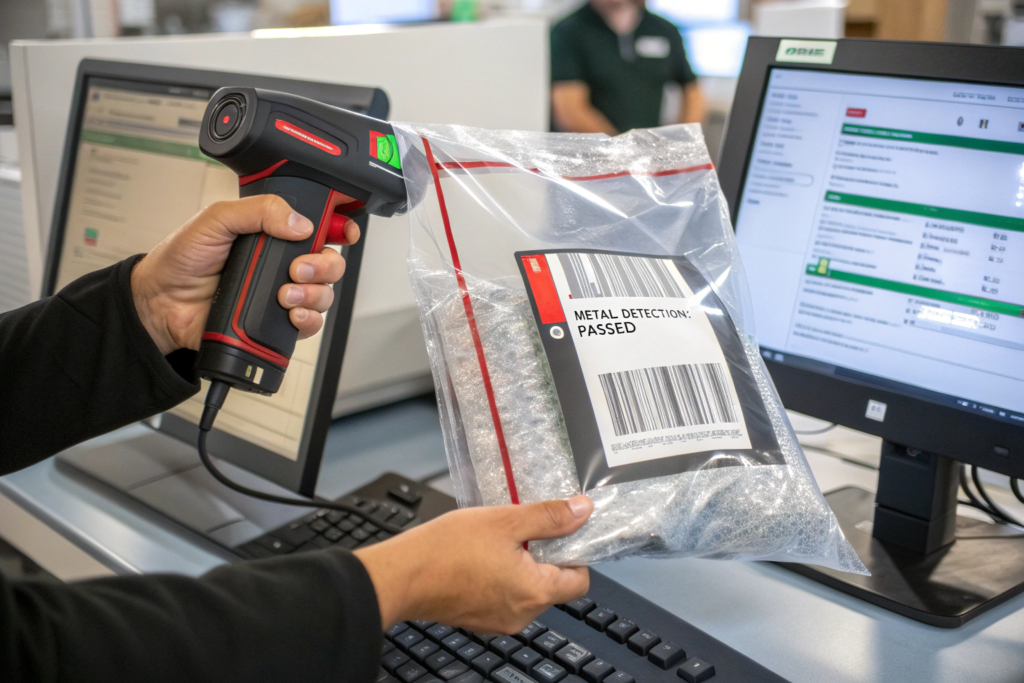
The ultimate level of protection is unit-level traceability. The video must link the specific product to the specific test. We achieve this with a barcode system.
Every product unit, or every inner carton, receives a unique barcode label after sewing. This label travels with the product to the metal detector station. The detector’s conveyor has a barcode scanner. As the product passes through the tunnel, the scanner reads the barcode. The software logs the barcode number, the time stamp, and the test result (Pass/Reject). The video camera frames the monitor and the conveyor together. The buyer can pause the video and read the barcode number on the screen. They can cross-reference this number with the packing list. This proves that their specific gloves, their specific order, passed the metal detection. There is zero ambiguity. If a needle is found later, the batch code traces back to the exact second of the test. This is the gold standard of due diligence.
How Does Barcode Traceability Support a Recall?
If a defective product is found, the importer must recall the affected batch. Without batch traceability, they must recall the entire season’s production. That is a financial disaster.
With barcode traceability, they isolate the recall to a single, small batch. The video proves exactly which units were tested. The recall is precise, limited, and less costly. This targeted recall capability is a requirement in many US retail vendor agreements. It minimizes the business disruption of a safety event. It is a proactive risk mitigation strategy.
What Happens If a Product Triggers the Reject Alarm?
The video must show the rejection procedure. It is not enough to just sound the alarm. The operator must follow a locked protocol.
The product is immediately placed in a locked red "Reject" bin. The key is held by the quality control manager. The alarm event is logged in the software. At the end of the shift, the QC manager opens the bin. They investigate each reject. They find the metal fragment. They tape it to a "Contamination Report" form. They identify the source, a broken needle from machine number 7. They quarantine all products from that machine. The entire investigation is video recorded. This closed-loop corrective action is what makes the system credible. It does not just catch the needle. It stops the machine that is breaking needles. This prevents future defects.
How Does This Video Requirement Change the Factory Relationship?
The video request is a trust test. A factory that refuses is hiding a dark secret. A factory that embraces it is a transparent partner. This requirement elevates the relationship from transactional to strategic.
When we share the video files, we are sharing our raw operational data. We are saying, "Look at our process. Scrutinize it. We have nothing to hide." This radical transparency builds an unbreakable bond. The buyer stops seeing us as a potential risk and starts seeing us as a safety asset. They give us more business. They put us forward as a preferred, approved vendor. The video becomes a marketing tool for our factory’s quality commitment. It demonstrates that we operate at the highest global safety standard. It justifies a premium price for our production. It is the ultimate competitive differentiator. It signals that we understand the legal reality of the US market.
Why Do Some Factories Refuse to Share Video Evidence?
They lack the system. They do not have a metal detector. They rely on a hand-held wand that is not calibrated and not recorded. They know their safety is an illusion.
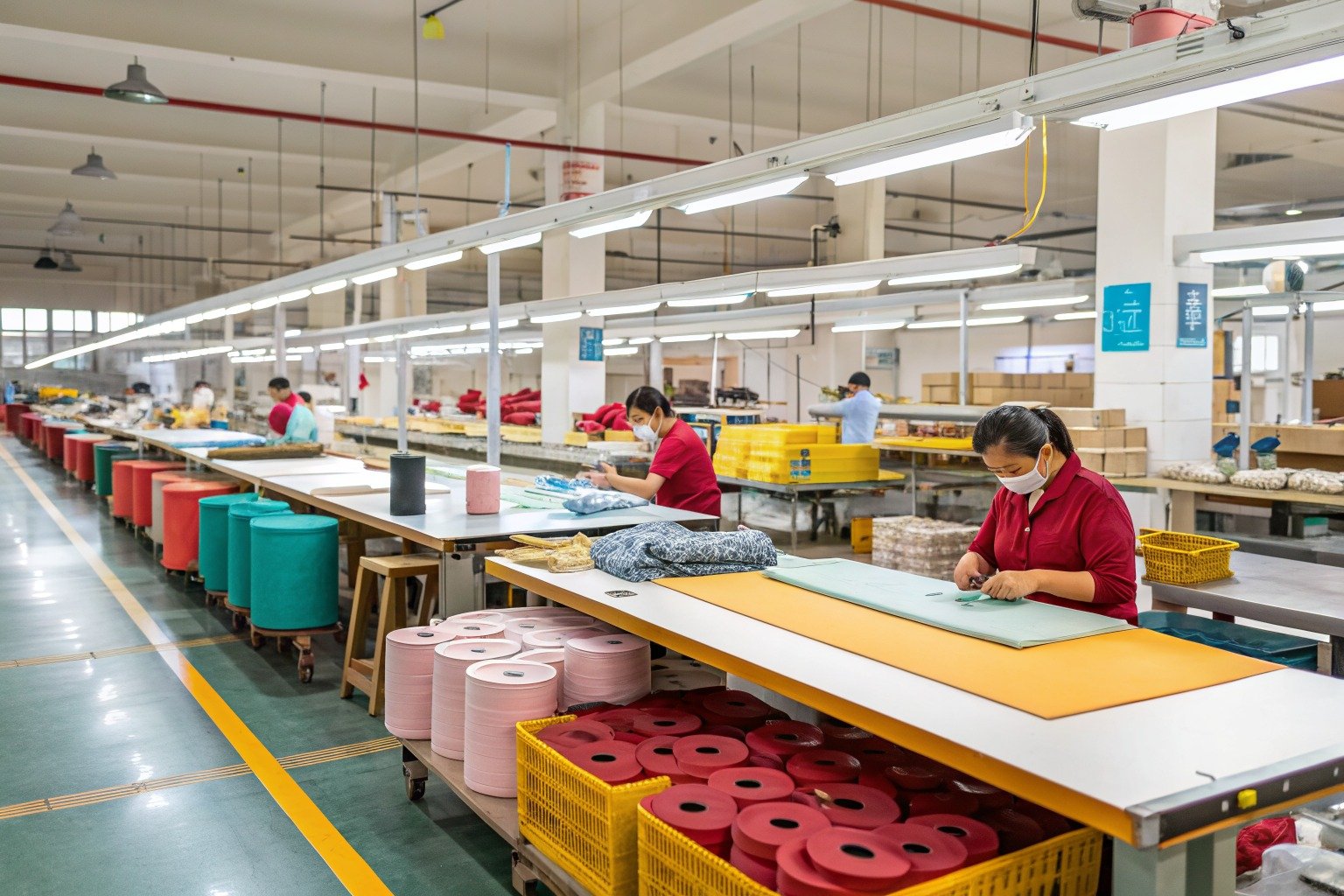
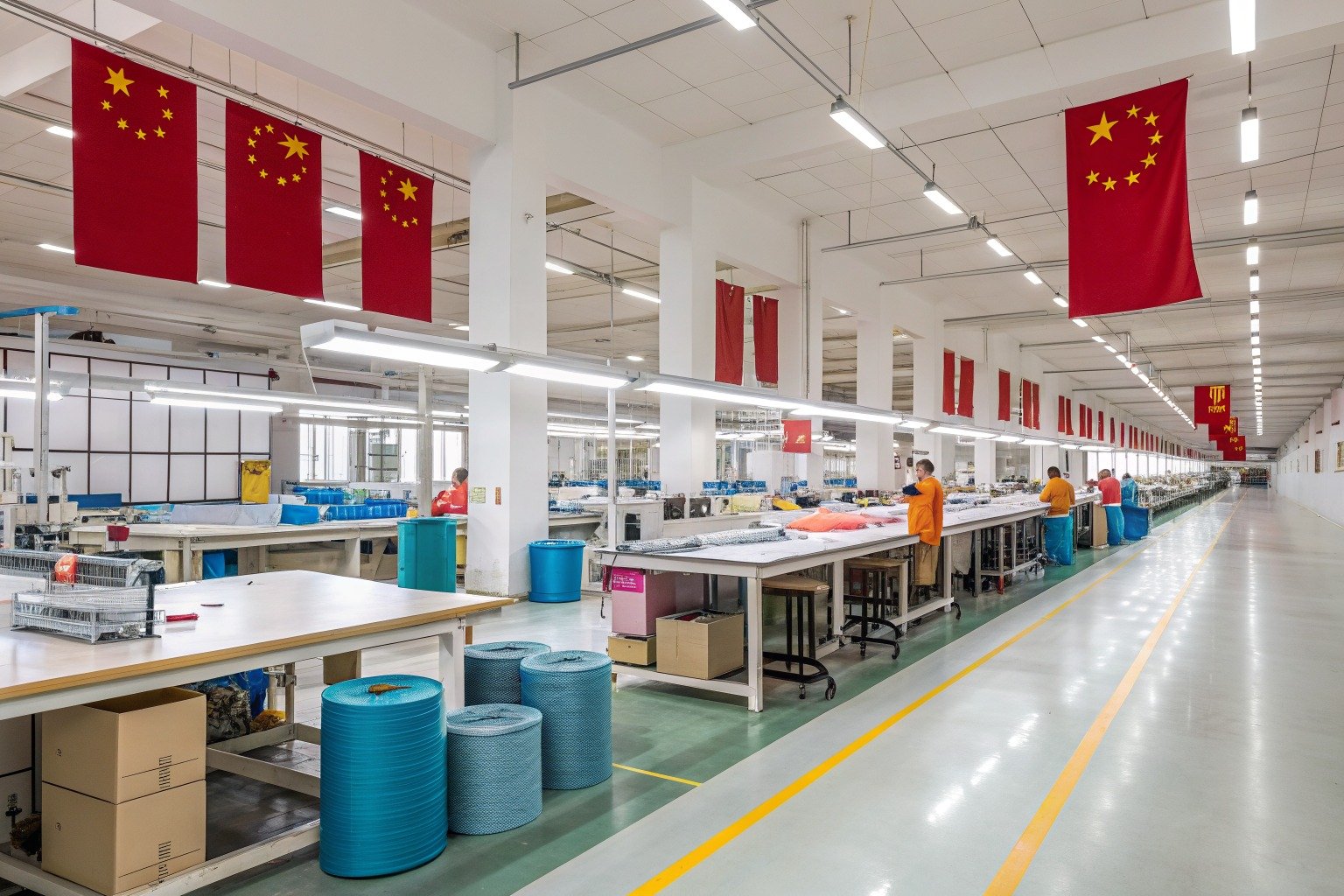
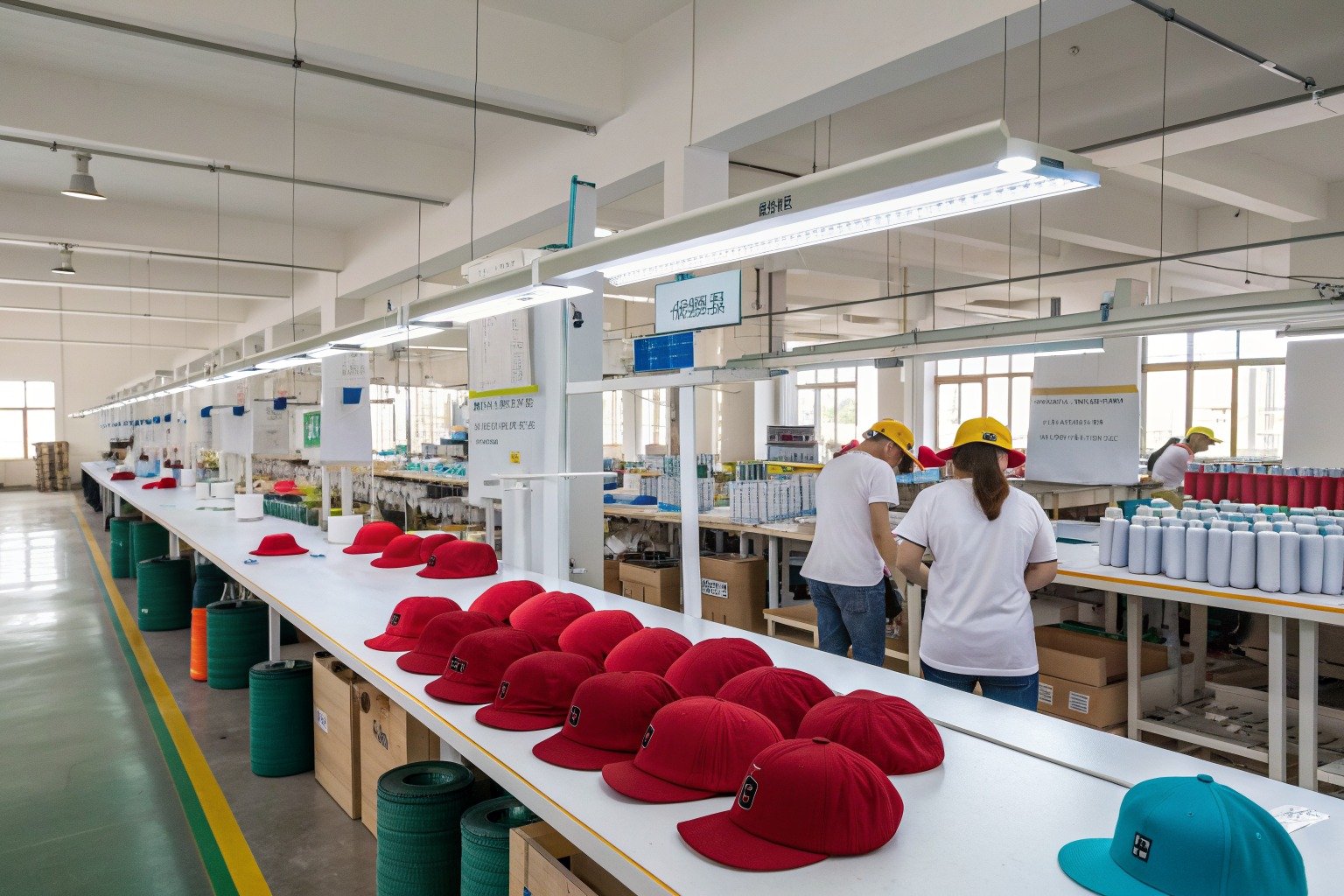
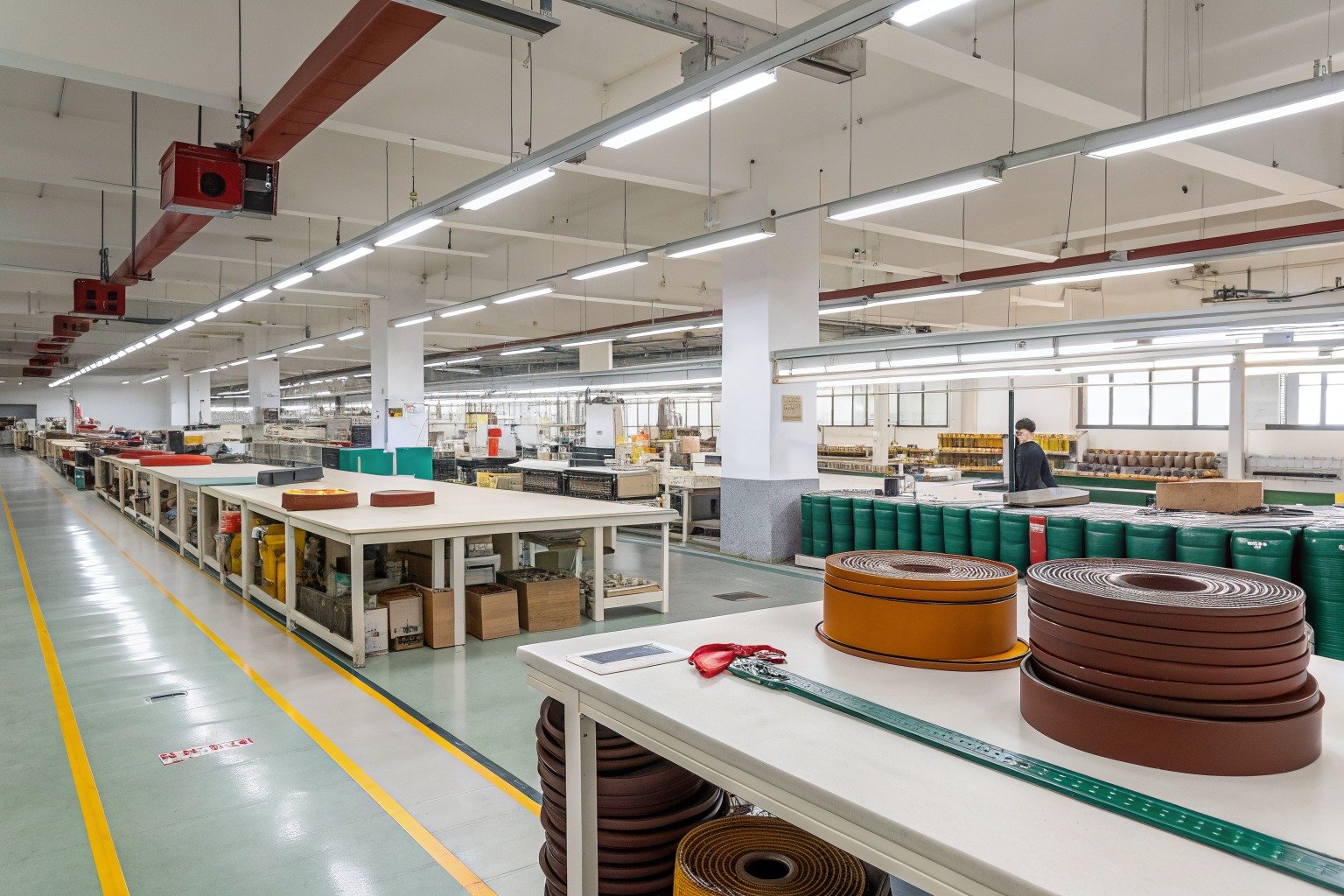
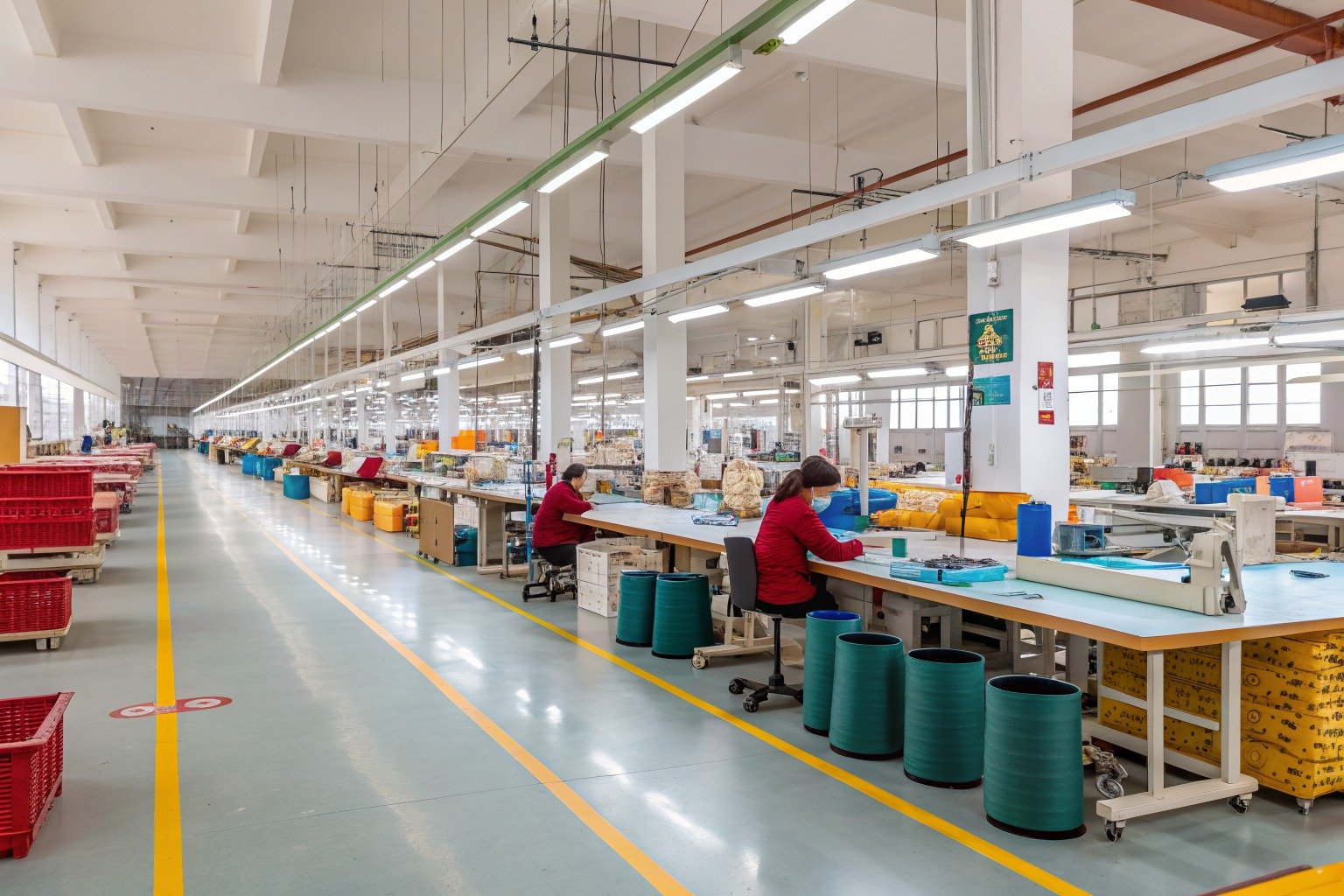
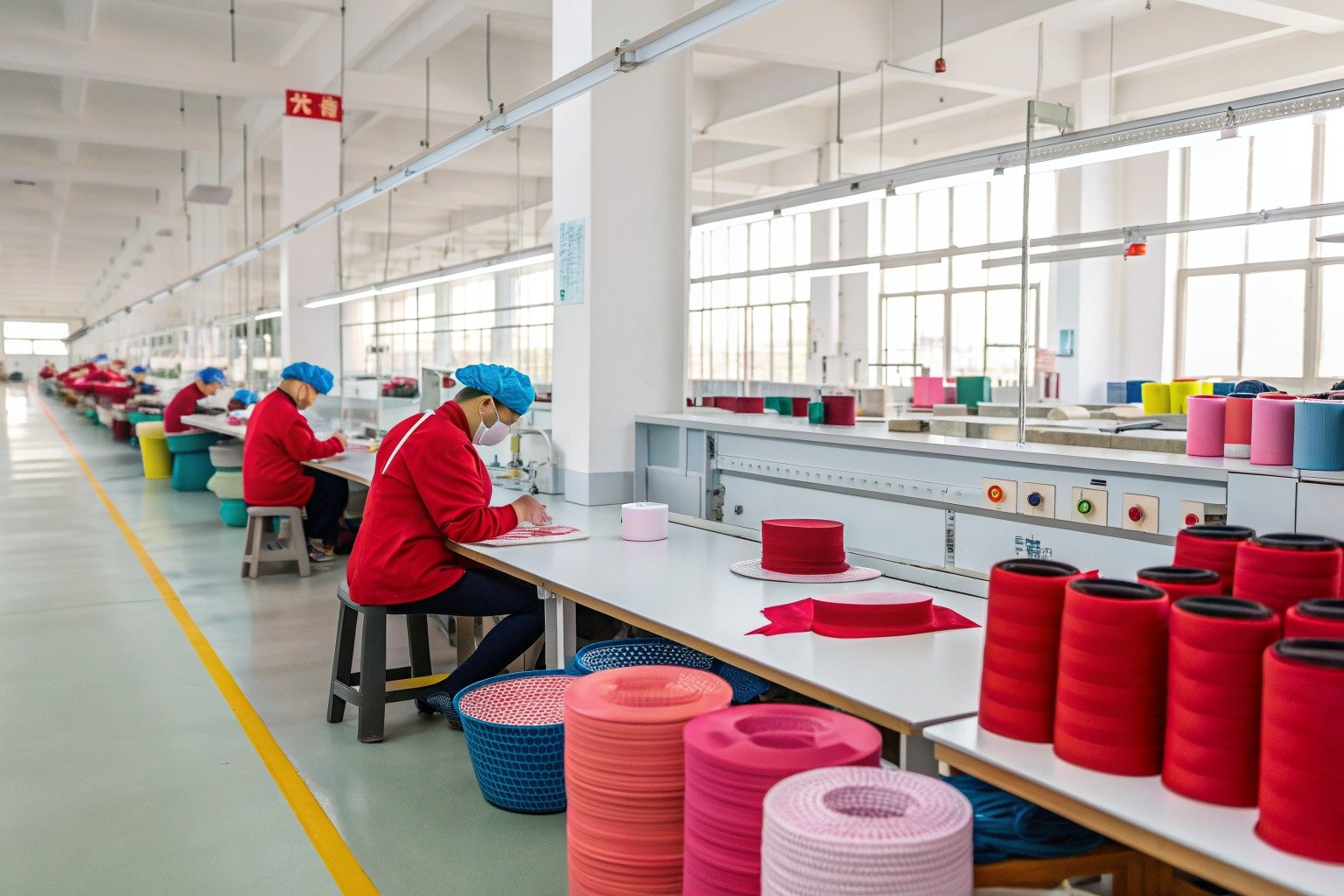
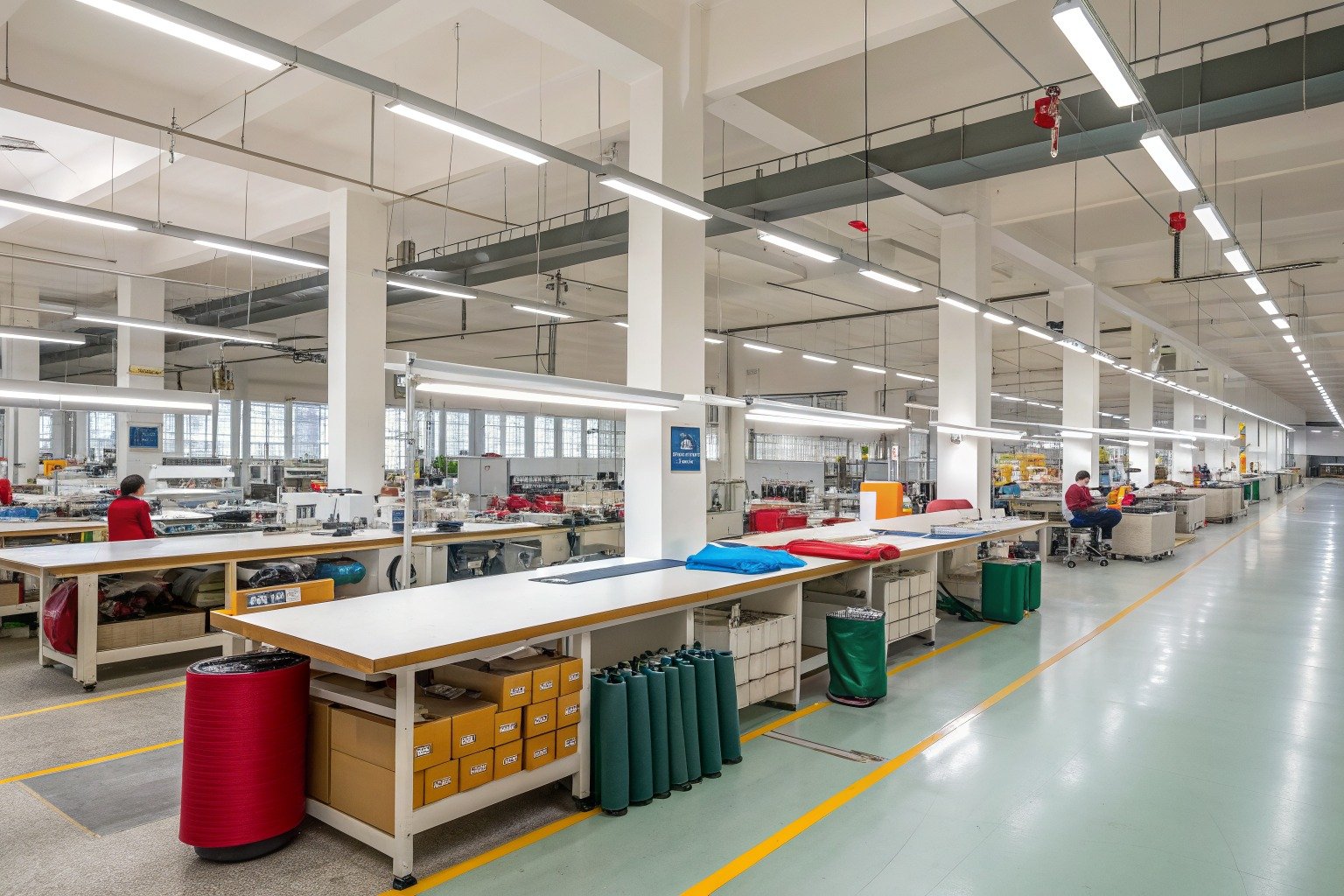
Or they fear exposure of other problems. A video of the metal detector might also show a messy, disorganized floor or workers without proper safety gear. A transparent factory has nothing else to hide. Our entire production floor is video-ready. We are proud of our 5S organization, our worker uniforms, and our clean infrastructure. The metal detector video is just one window into a well-managed operation.
How Can a Buyer Use the Video to Speed Up Factory Audits?
A physical audit is expensive. A plane ticket, a hotel, a day of production lost. The video is a virtual audit. It saves time and money.
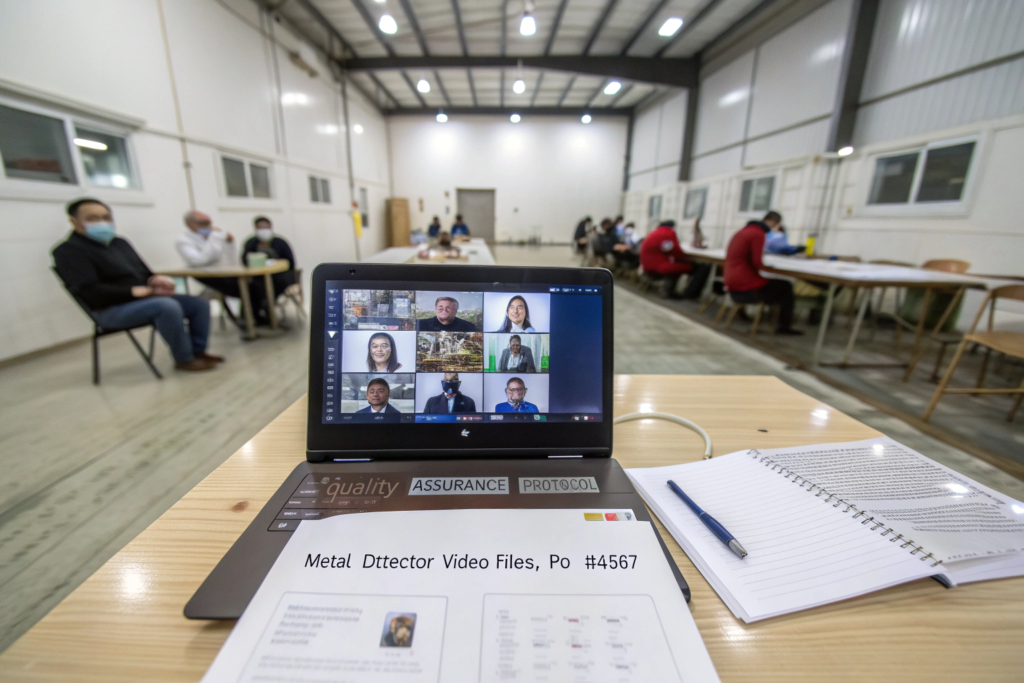
A buyer can watch the video and see the machine’s calibration sticker, the test card, and the barcode traceability. In 10 minutes, they have verified 80% of what a physical auditor would check. It allows them to pre-qualify our factory before a full audit. It speeds up the vendor onboarding process. It is a tool for efficient, remote supplier management. It is the future of quality assurance in the digital age.
Conclusion
The US importer’s request for a metal detector video is not bureaucratic paranoia. It is a rational, legally necessary response to the strict liability laws of the United States. The video proves due diligence. The challenge test proves the machine was sensitive. The continuous footage proves the test was not faked. The barcode traceability links the test to the specific product in the consumer’s hand. This evidence chain protects the importer from lawsuits, limits the scope of recalls, and ultimately protects the end consumer from a hidden, lethal hazard.
In our Zhejiang factory, the metal detector station is not hidden in a corner. It is the centerpiece of our finishing line. The video camera is always on. The test records are archived. We provide the batch-specific video file with the shipping documents. We treat this as a fundamental part of our service, not an extra.
If you are a US brand or retailer who needs this level of documented safety assurance, I invite you to contact our Business Director, Elaine. She can send you a sample video file from a recent production run. She can walk you through our calibration protocol and our barcode traceability system via a live video call. Send her an email at elaine@fumaoclothing.com. Let us build a safety net that protects your customers and your company.