A US importer who has been sourcing private label hair accessories for over fifteen years once told me that finding a factory is easy. Finding a factory that disappears into the background is hard. He explained what he meant. A good private label factory makes the importer look brilliant to their retail buyer. The product arrives on time. The quality is consistent. The packaging is retail-ready. The factory’s name never comes up because nothing ever goes wrong. A bad factory makes the importer look incompetent. Late shipments. Quality failures. Packaging errors. The importer spends their days apologising to their buyer and explaining why the factory let them down. He told me he had fired five factories before he found one that made him look good. That factory was us.
US importers prefer our factory for private label hair accessories because we offer a fully integrated private label service that includes in-house design, custom mold making, material sourcing, production, quality control, and retail-ready packaging, all managed by a single project manager. We combine the scale and efficiency of a large factory with the flexibility and attention to detail that private label programmes demand. Our clients receive custom products that reflect their brand identity, not generic products with their logo attached.
At Shanghai Fumao, private label production is not a side business. It is the core of what we do. We have spent over two decades building the capabilities, the systems, and the team that make private label sourcing simple, reliable, and profitable for US importers. Let me explain exactly why our clients choose us and stay with us.
What In-House Capabilities Support a True Private Label Programme?
A true private label programme is not about picking a product from a catalogue and adding a logo. It is about creating a product that is unique to the brand, from the shape and the colour to the material and the packaging. This requires in-house capabilities across the entire product development and production chain. A factory that outsources its design, its mold making, or its packaging is a middleman, not a manufacturer. The US importer pays a middleman’s margin and has no direct control over the critical production stages.
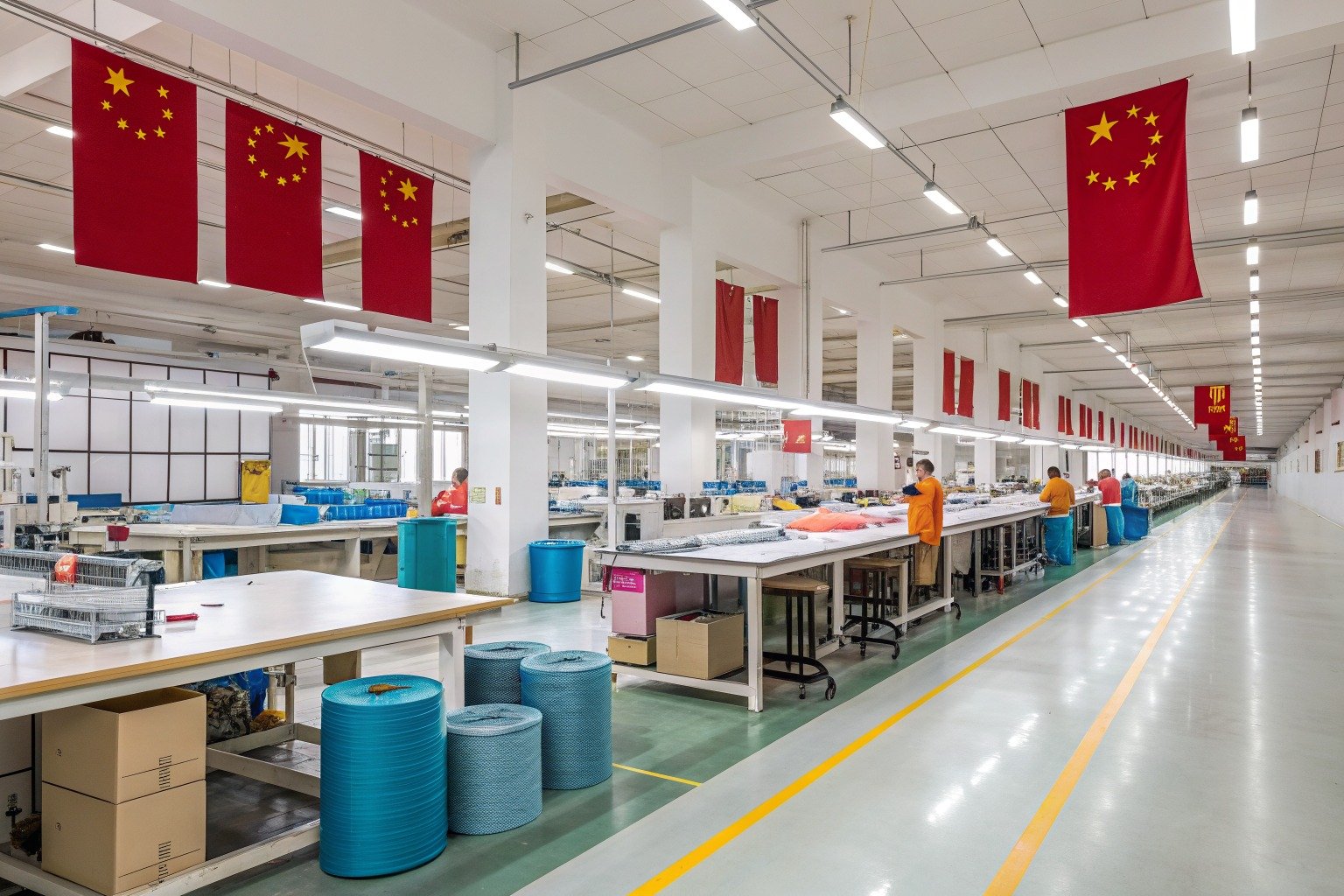
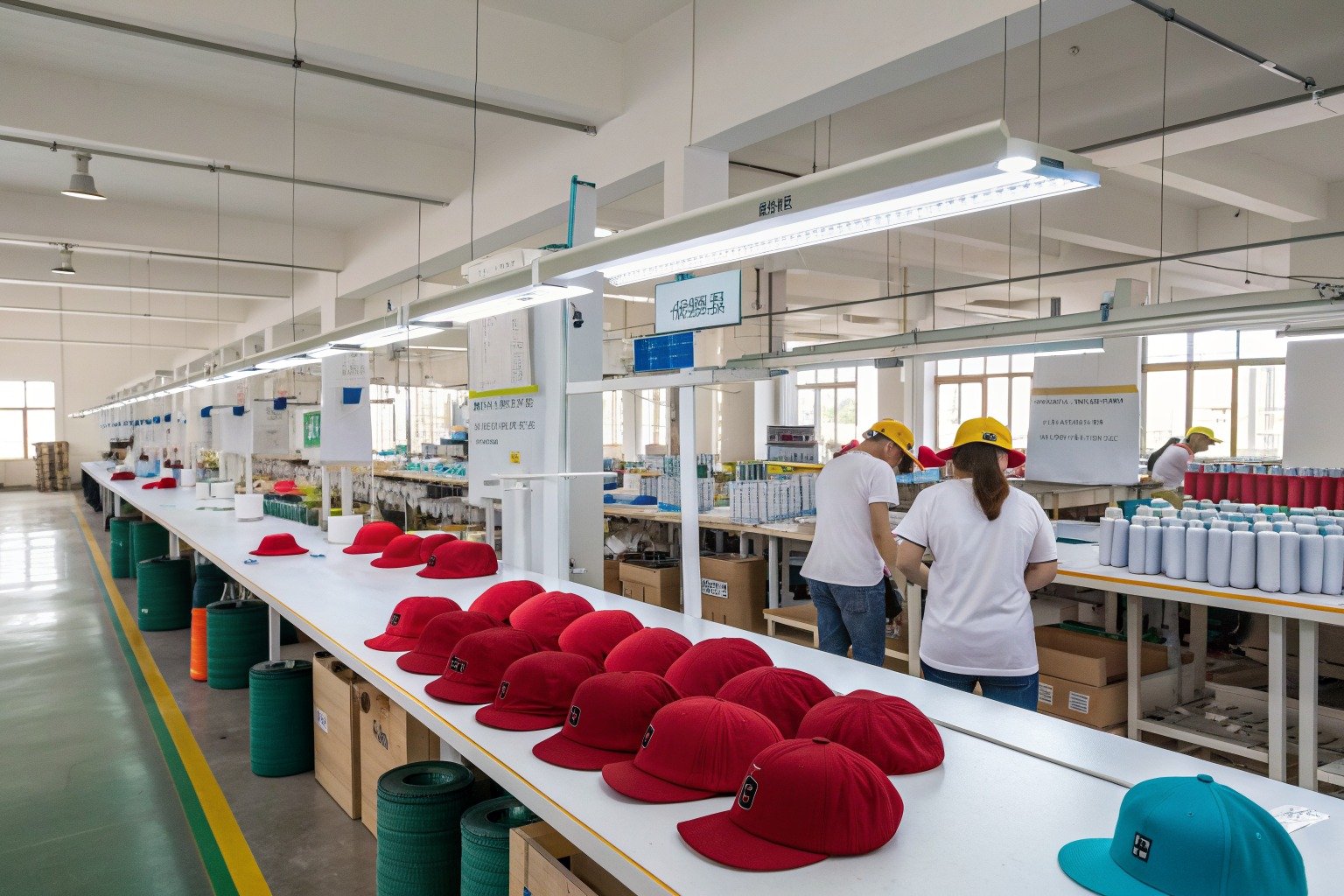
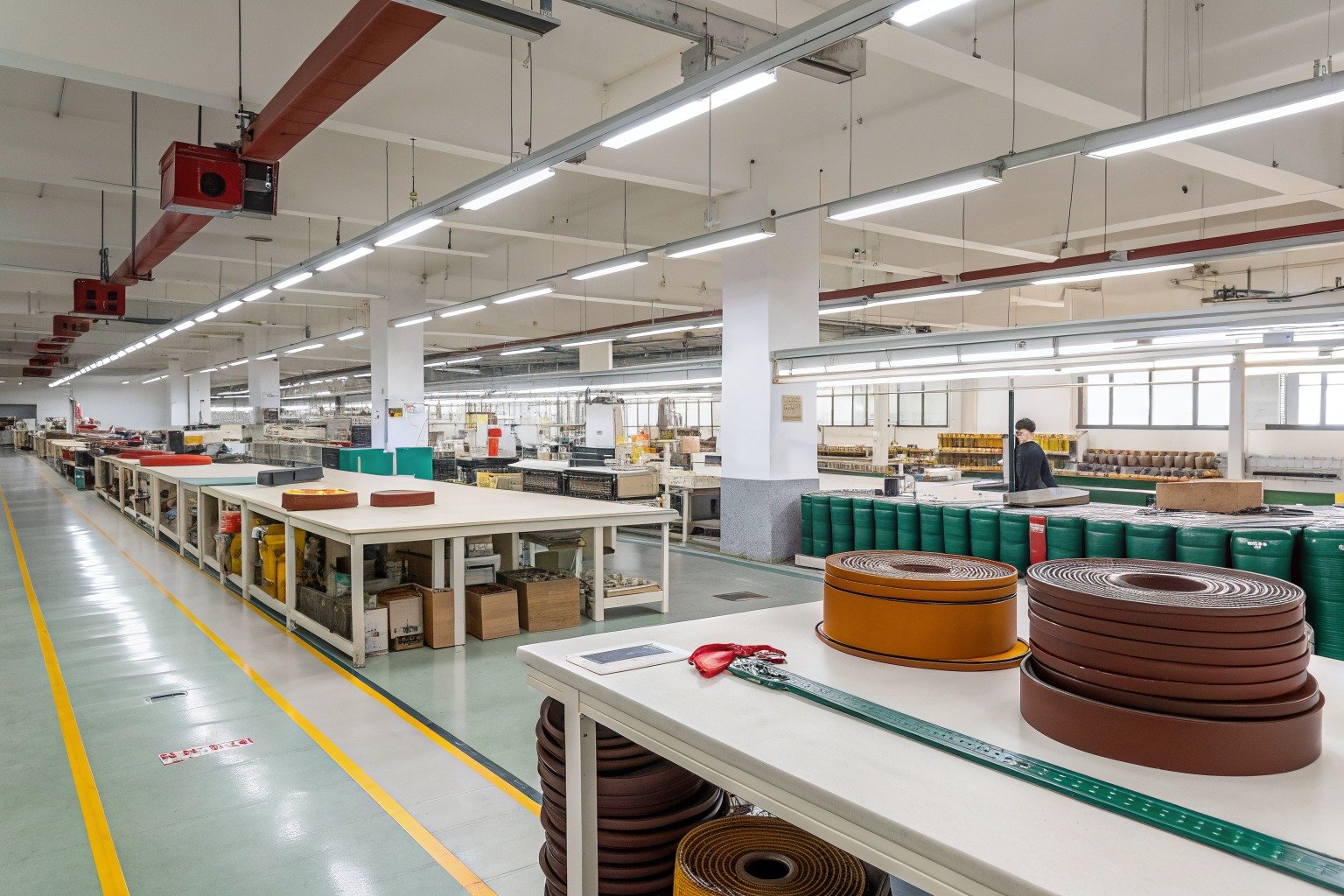
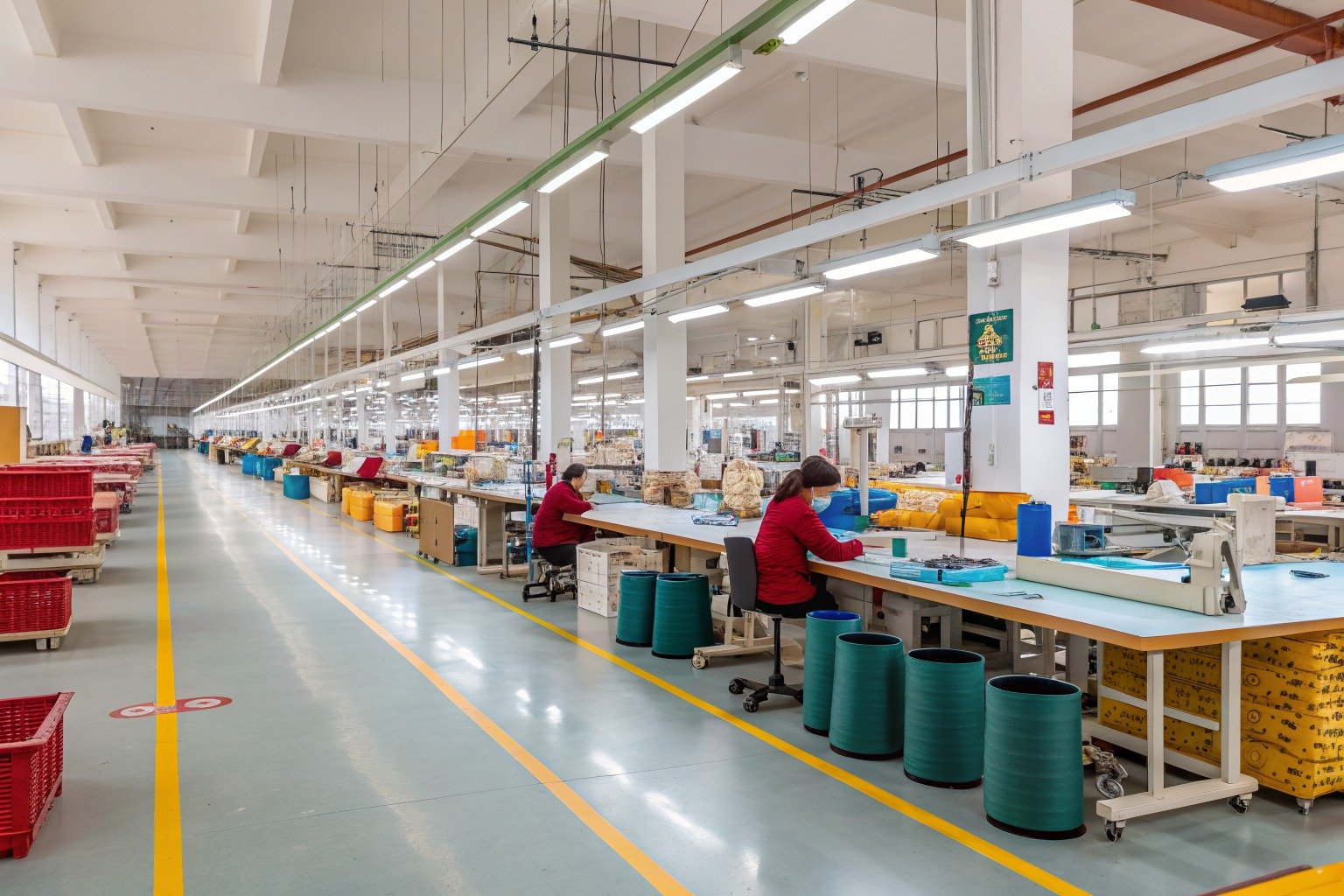
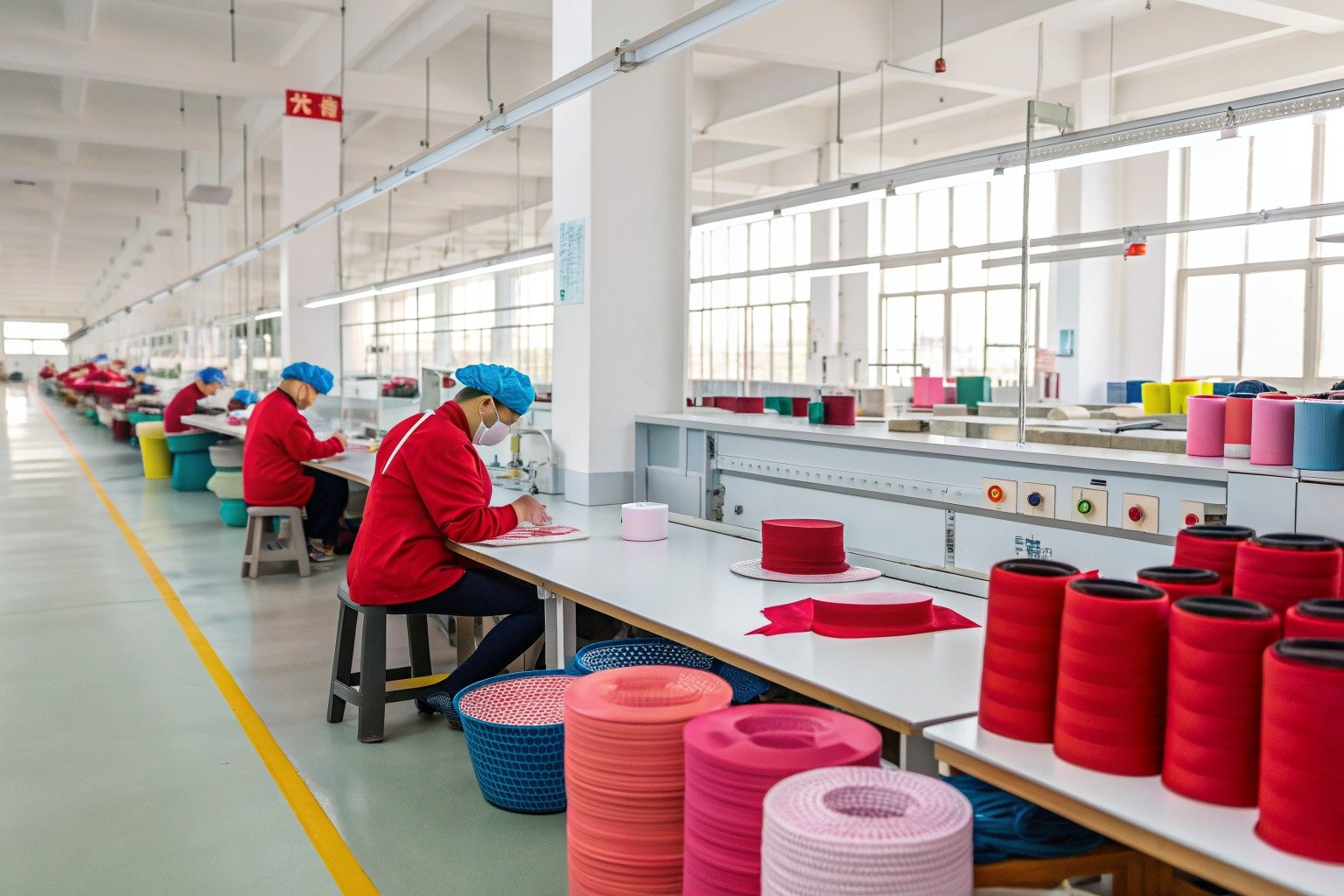
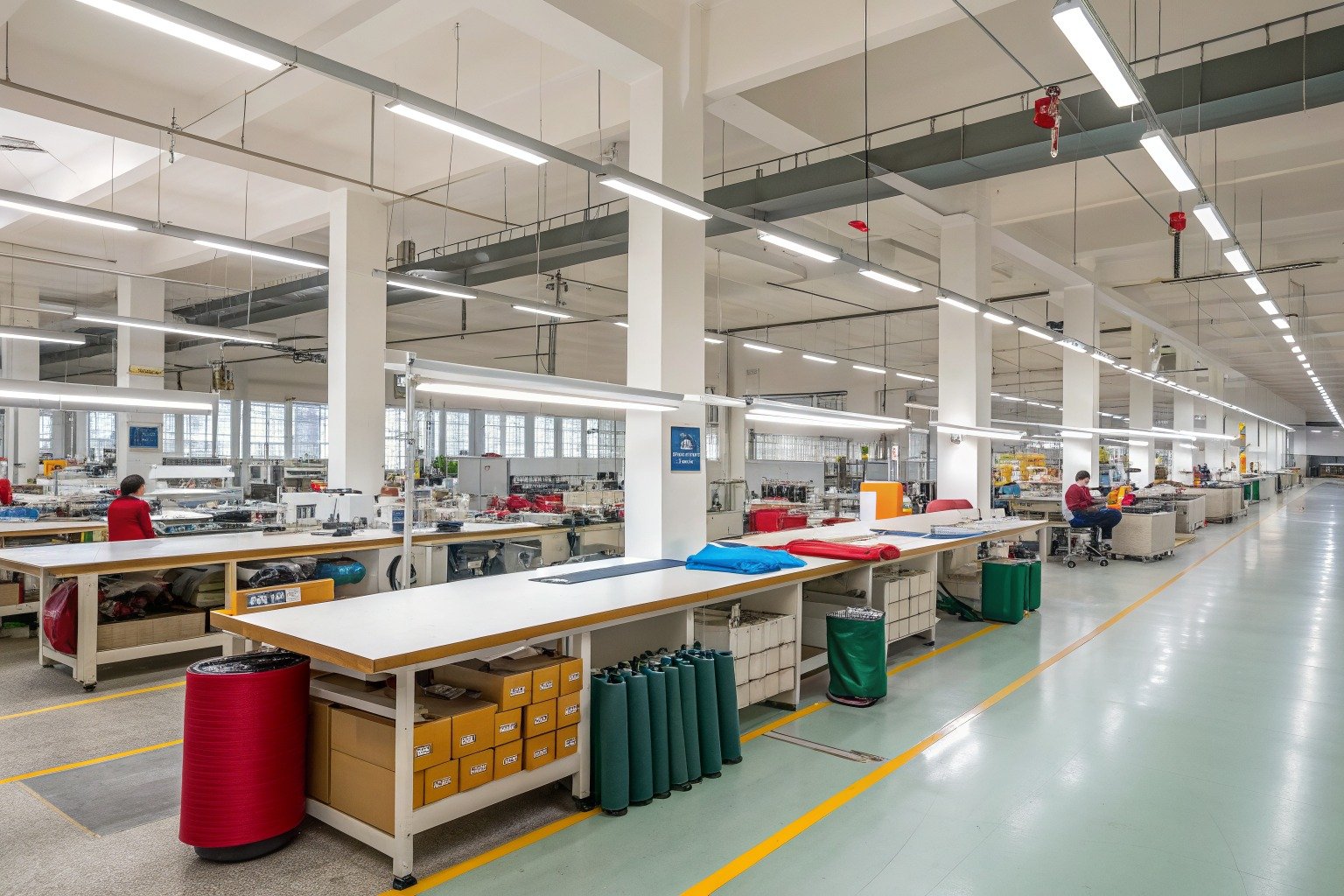
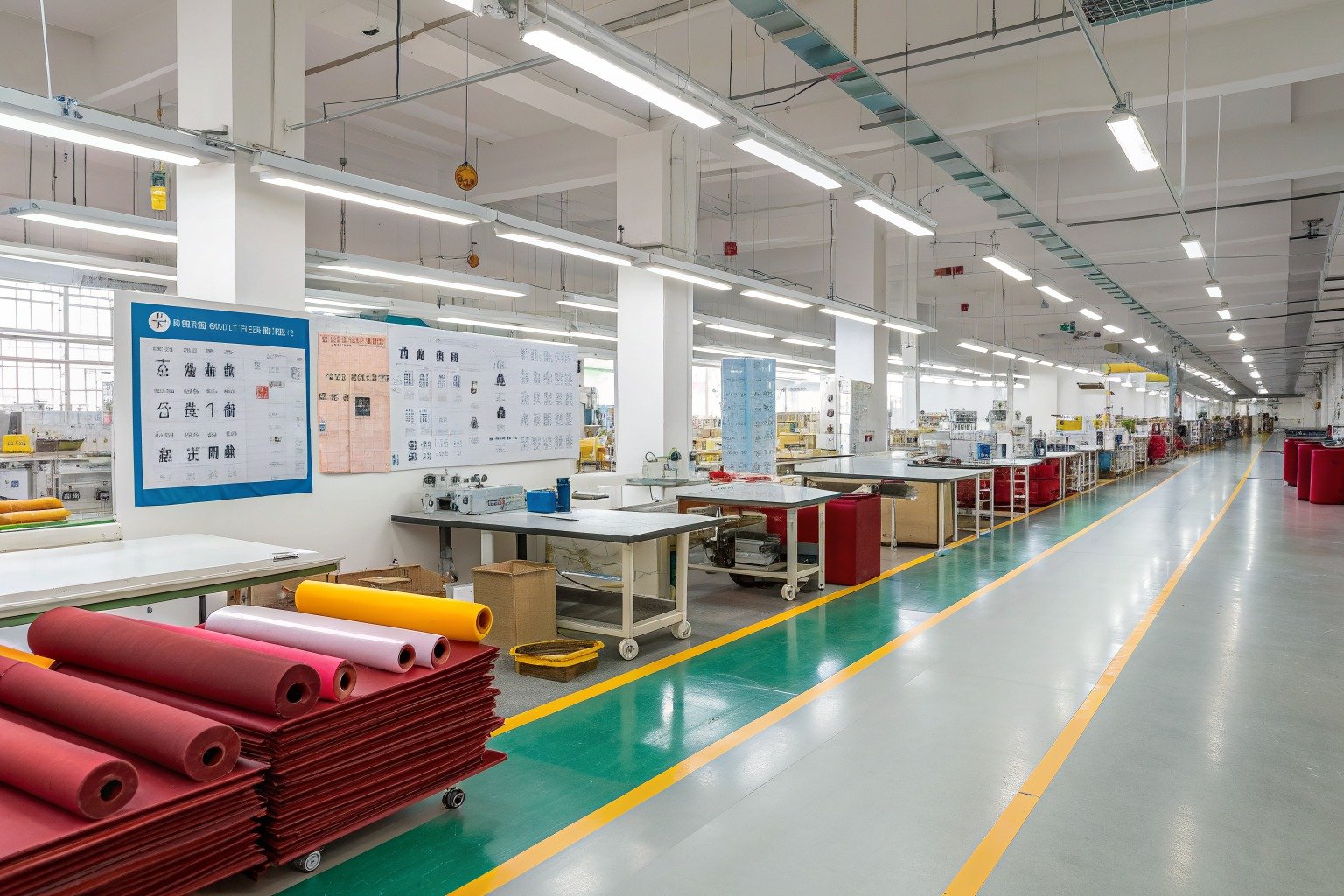
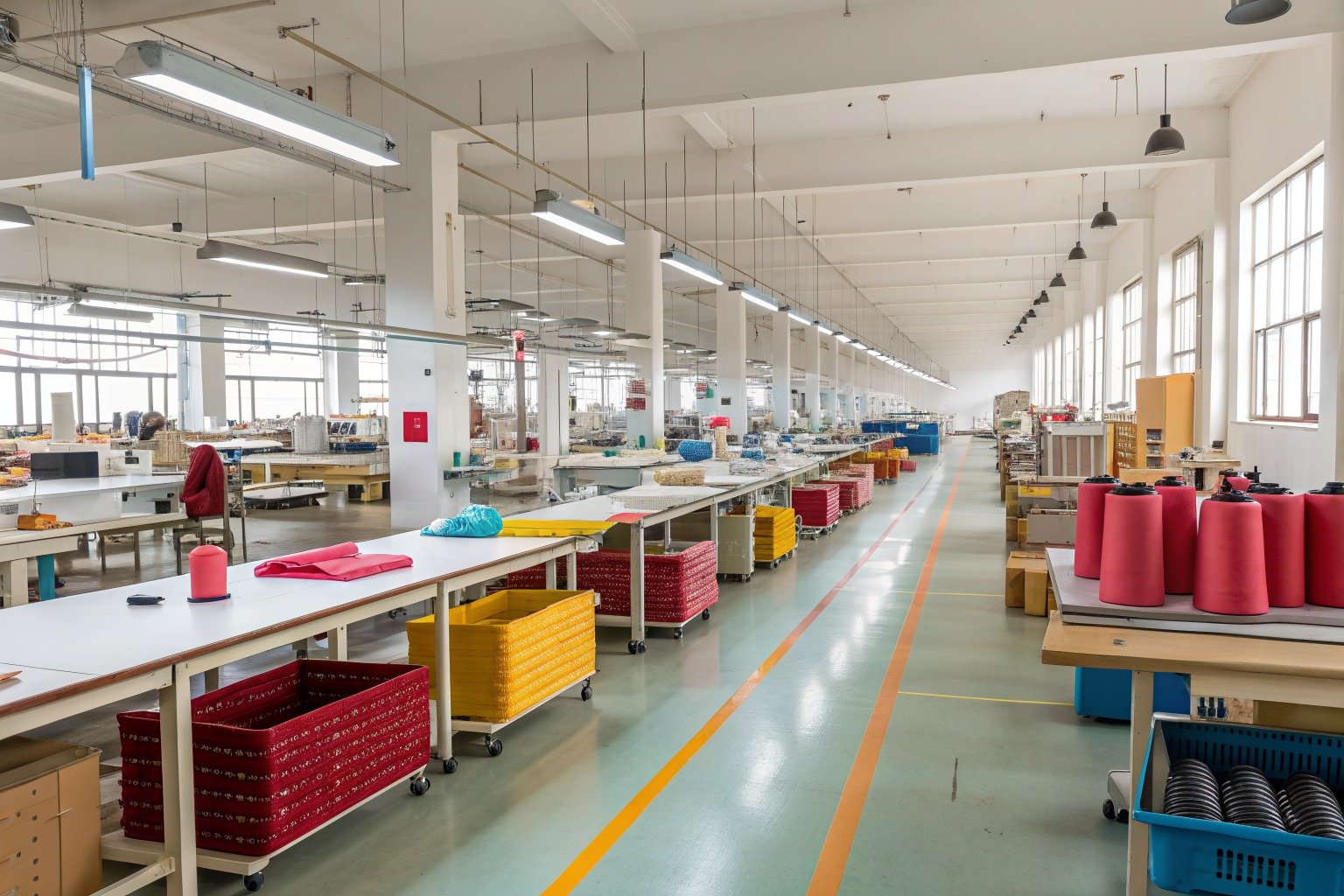
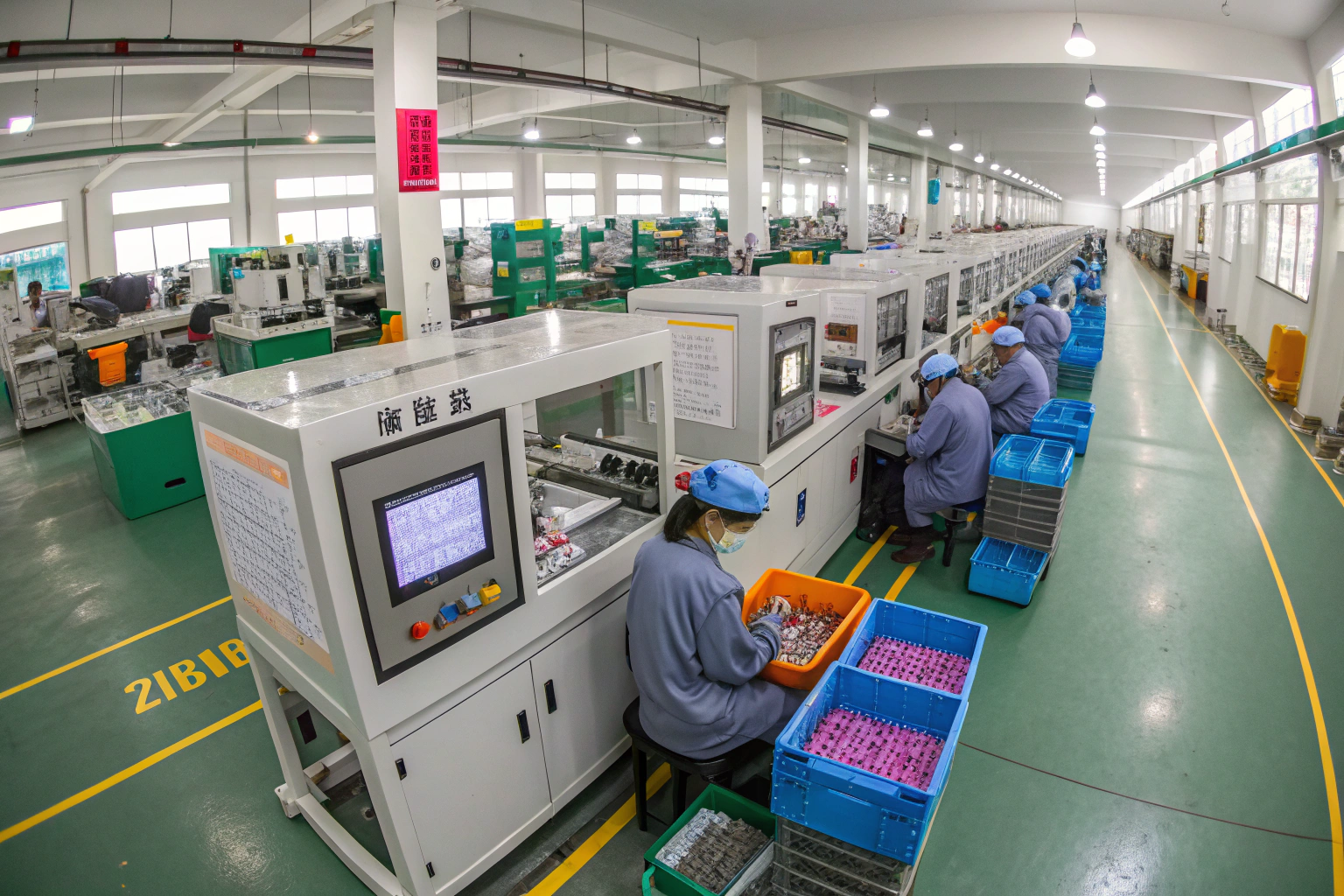
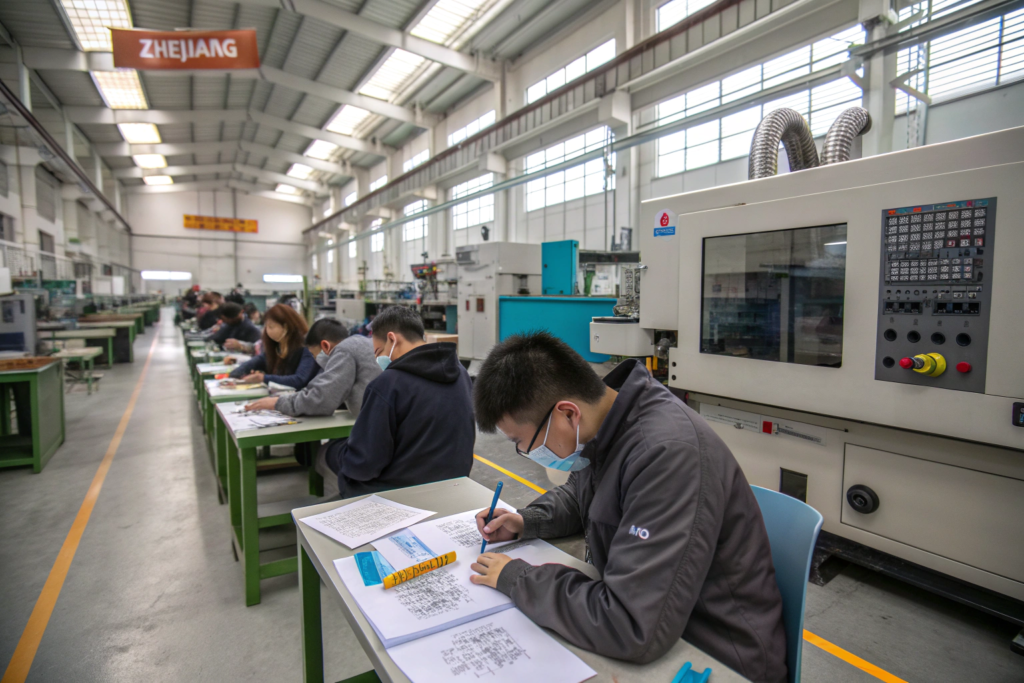
At our Zhejiang facility, every critical function is in-house. Our design team of eight designers creates original shapes and follows trend research to propose new ideas to our clients. Our mold-making workshop cuts and polishes custom steel molds for unique clip shapes. Our injection molding, casting, and assembly lines produce the components. Our finishing and QC teams ensure every piece meets the specification. Our packaging team applies custom labels, barcodes, hangtags, and retail packaging. This vertical integration means we control the quality, the timeline, and the cost. Our clients deal with one factory, one project manager, and one point of accountability.
How Does an In-House Design Team Add Value for Private Label Clients?
A private label client often comes to us with a brand identity and a target customer, but not a specific product design. They know their customer is a 25-year-old fashion-forward woman who shops at mid-tier department stores and follows trends on Instagram. They know their retail price point is $12 to $18. They need products that fit this brief.
Our design team translates the brand brief into product concepts. We research the trends, develop the shapes, propose the colours and finishes, and present a curated collection for the client to review. The client selects the styles they want, requests modifications, and approves the final designs. They have effectively outsourced their accessory design function to us, without the cost of hiring a full-time accessory designer. This design partnership is particularly valuable for importers who manage multiple product categories and do not have deep in-house expertise in hair accessories. They rely on our market knowledge and our creative capability. Professional private label product development is a partnership between the brand’s market knowledge and the factory’s product expertise.
Why Does In-House Mold Making Give Clients a Competitive Advantage?
The mold is what makes a hair clip unique. A custom mold produces a shape that no other brand has. A stock mold produces a shape that any brand can buy. US importers who are building a brand want custom molds. They want their claw clip to have a distinctive silhouette that their customer recognises as theirs.
Our in-house mold-making workshop gives our clients two advantages. Speed, because we control the mold-making schedule and can produce a custom mold in 10 to 15 working days. And exclusivity, because we guarantee that a custom mold made for a client will never be used for any other client’s product. The mold is the client’s asset, maintained by us, dedicated to their brand. Many factories outsource mold making to external workshops. Our clients benefit from direct communication with our mold engineers and a faster, more responsive development process. Understanding custom injection mold development is essential for brands that want to own their product shapes.
How Does Our Private Label Process Work from Concept to Carton?
The private label process at our factory follows a structured, transparent workflow. The client always knows where their project stands and what happens next. This predictability is one of the reasons US importers trust us with their brand.
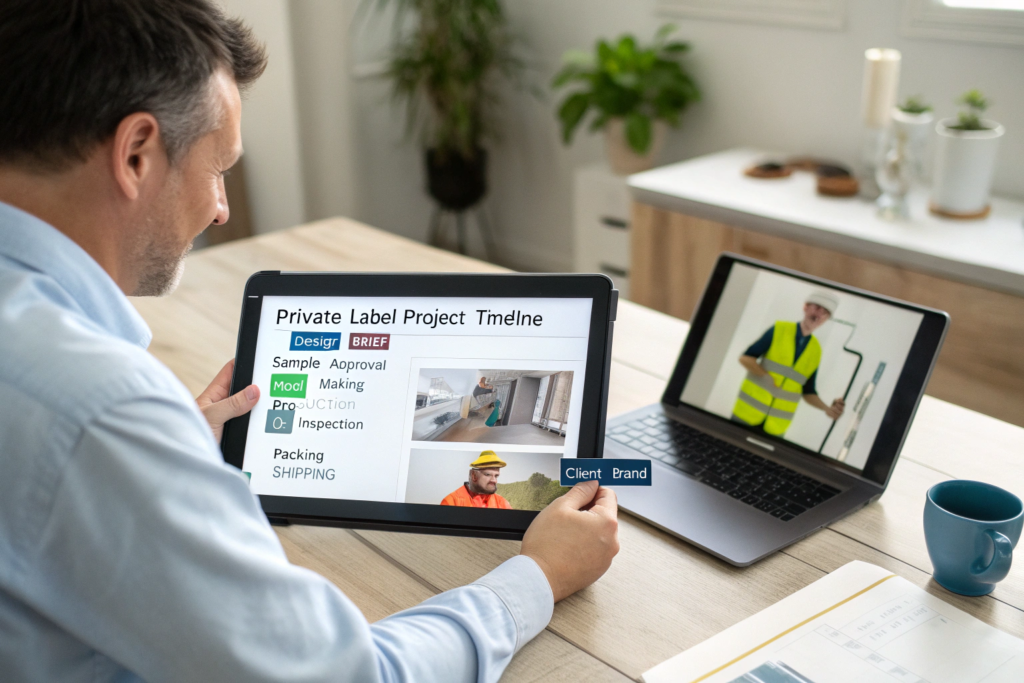
The process begins with a design brief. The client shares their brand identity, their target customer, their target retail price, and any specific design requirements. Our design team develops concepts and presents them for review. Once designs are selected and refined, we produce pre-production samples for approval. These samples are made with the exact materials, colours, and finishes that will be used in production. The client approves the sample, or requests revisions. After final sample approval, we move to production. Molds are confirmed or created. Materials are ordered. Production is scheduled. Inline and final QC inspections are conducted. Packaging is applied. The goods are shipped. The client receives regular updates at every stage.
What Happens During the Sampling and Approval Stage?
The sampling stage is where the product becomes real. The client sees and touches their design for the first time. The sample must be an accurate representation of the production product. There should be no surprises when the bulk order arrives.
We produce two types of samples. The initial design sample is made from available materials and may use a prototype mold or 3D printing. It is for design review and concept approval. The pre-production sample, or PP sample, is made from the final mold, with the final materials, in the final colours, with the final packaging. It is the standard against which bulk production is judged. We do not proceed to bulk production until the client approves the PP sample in writing. This approval is a contract. It says that the client and the factory agree on exactly what will be produced. It protects both parties from misunderstandings. If the bulk product matches the approved PP sample, the order is conforming. If it does not match, the factory is responsible. Professional pre-production sample approval procedures are the foundation of quality assurance in private label manufacturing.
How Is the Production Run Managed and Communicated?
Once the PP sample is approved and the deposit is received, your project manager builds a detailed production schedule. The schedule shows the start and finish dates for each stage: material procurement, mold finalisation, production, QC inspection, packaging, and shipping. You receive this schedule at the start of the project.
During production, you receive weekly updates with photos and, if you wish, video. You see your product coming off the production line. You see the QC inspection being conducted. You see the packaging being applied. If any issue arises, you are informed immediately with a proposed solution. You are never left wondering whether your order is on track. The communication is proactive, not reactive. This transparency is what allows US importers to manage their retail buyer relationships with confidence. They know the status of their order because we tell them. Professional production schedule management and client communication is a core competency that our clients value highly.
What Quality Control Systems Protect Private Label Brands?
Quality is not just about the product. For a private label brand, quality is about the brand’s reputation. A defective hair clip with the brand’s name on it damages the brand, not the factory. US importers choose our factory because our quality control systems protect their brand’s reputation.
Our QC system has three layers. Inline QC catches defects during production, at the molding and assembly stages. A 100% visual screening on key attributes such as surface finish and spring function checks every unit for visible defects. A final AQL-based random sampling inspection provides statistical verification that the batch meets the agreed quality level. The inspection is conducted against the approved PP sample and the written specification sheet. This multi-layer system ensures that defective units are caught and contained before they reach the customer.
How Does Inline QC Prevent Defects from Reaching Final Inspection?
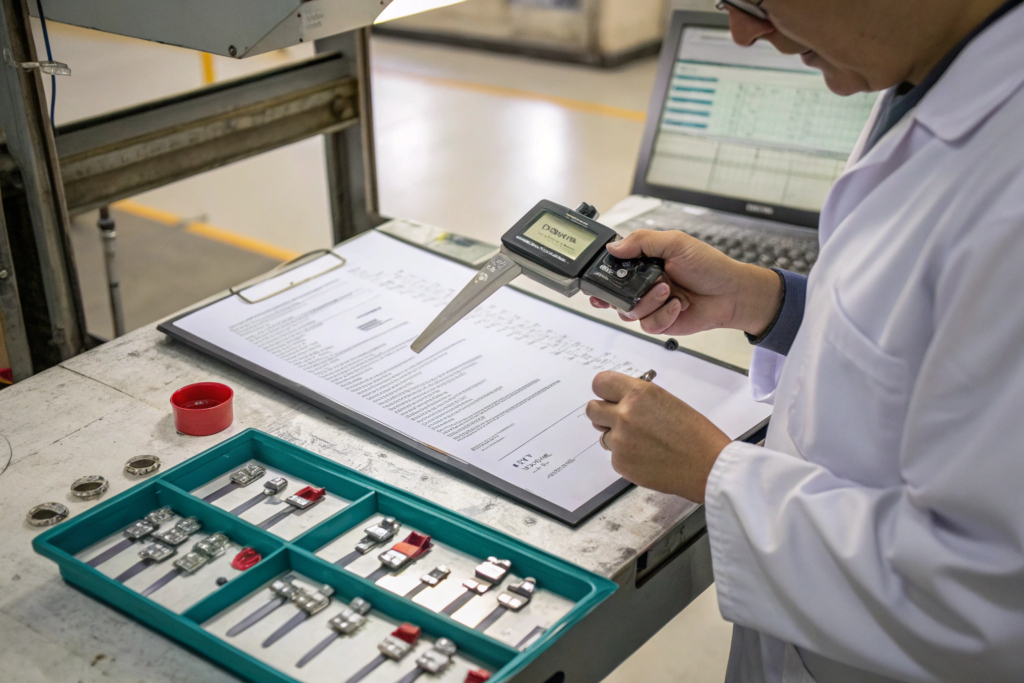
Inline QC positions inspectors directly on the production line. They check components as they come out of the injection molding machine. Every 30 minutes, they pull a sample from each mold cavity, measure critical dimensions, and check for surface defects. If a cavity starts producing a part with a developing flaw, the inspector catches it within 30 minutes and the mold technician adjusts the process immediately.
This rapid detection prevents the production of thousands of defective units that would only be caught at final inspection. It is more efficient and more effective than end-of-line inspection alone. The inline inspection data is recorded by mold cavity number. If a specific cavity has a recurring issue, the mold is pulled for maintenance. This data-driven approach to inline quality control in injection molding is a key differentiator between a factory that manages quality and a factory that hopes for quality.
What Final Inspection Standards Do We Apply to Private Label Orders?
For private label orders destined for US retail, we apply a final AQL inspection based on the ANSI/ASQ Z1.4 standard. The inspection level and the acceptable quality limits are agreed with the client before production. Typically, we inspect at Level II, which provides a statistically robust sample size. Major defects, such as a broken spring or a significant colour mismatch, are set at AQL 1.0 or lower. Minor defects, such as a slight surface scuff, are set at AQL 2.5.
The inspection covers all product attributes. Dimensions. Colour. Surface finish. Spring function. Print or logo quality. Packaging and labelling. The inspector uses the approved PP sample and the written specification as the reference standards. The inspection results are documented in a report that is shared with the client. If the lot passes, it ships. If it fails, we conduct a 100% re-screen of the lot, identify and correct the root cause, and re-inspect before shipping. We do not ship failed lots. Professional AQL sampling for consumer goods provides an objective, internationally recognised basis for lot acceptance.
How Do We Handle Custom Packaging and Retail Compliance?
The product is only half of the private label programme. The packaging is the other half. The packaging is what the consumer sees on the shelf. It carries the brand’s logo, colours, and messaging. It carries the barcode, the price, and the regulatory information. A beautiful product in poorly executed packaging fails at retail.
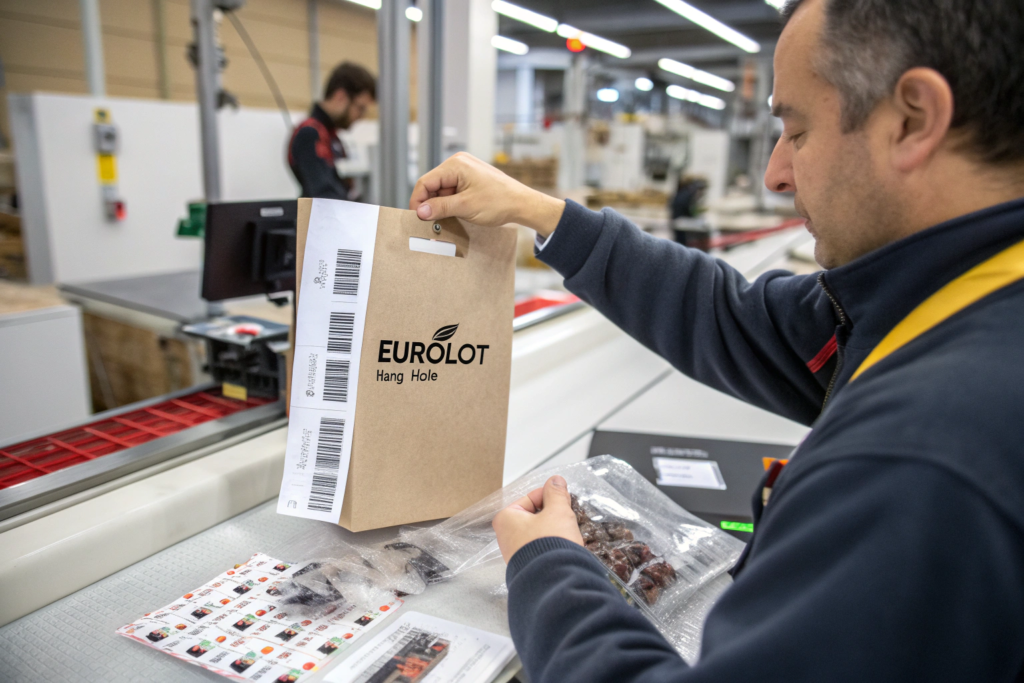
Our factory has a dedicated packaging department that handles custom packaging for private label clients. We apply hangtags, header cards, poly bags, barcode stickers, price tickets, and retail compliance labels. We pack assortments, create multi-packs, and build promotional displays. We follow the specific packaging requirements of major US retailers, including their routing guides, their barcode symbology, and their labelling standards.
What Retail Packaging Formats Do We Support?
We support the full range of retail packaging formats. Hangtag cards with a Euroslot or a butterfly slot for pegboard display. Header cards stapled to a poly bag. Boxed packaging for gift sets and premium products. Multi-packs with a branded band or a display tray. Assortment packs with a specified mix of colours or styles. Each format has specific design and production requirements.
Our packaging team works from your approved packaging artwork. We produce a packaging sample before the bulk packaging run. You approve the sample, confirming the colours, the material, the print quality, and the barcode scan verification. We then produce the packaging and apply it to your products. The barcode is verified with a scanner to ensure it reads correctly and returns the correct product information. A barcode that does not scan at the retail point of sale is a chargeback waiting to happen. We prevent this. Understanding retail packaging compliance standards is essential for private label brands selling into major US retail accounts.
How Do We Ensure Barcode and Labelling Compliance for US Retailers?
Each major US retailer has a specific set of labelling requirements. The barcode must be a specific symbology, typically UPC-A or EAN-13. It must be placed in a specific location on the packaging. It must be a specific size. The human-readable numbers must be a specific font and size. The price ticket, if required, must follow a specific format.
Our packaging team maintains a library of retailer compliance specifications. When a client tells us their goods are destined for a specific retailer, we reference the retailer’s requirements and ensure the packaging is compliant. We verify barcode scannability with a barcode verifier that grades the barcode according to ISO standards. A barcode that passes a simple scan test may still fail a verification test if the contrast, the quiet zone, or the dimensional accuracy is out of specification. We verify, not just scan. Professional retail barcode compliance verification protects our clients from chargebacks and rejected shipments.
Conclusion
US importers prefer our factory for private label hair accessories because we offer a true private label partnership, not just a product with a logo. Our in-house design team creates original shapes and collections. Our in-house mold-making workshop provides speed and exclusivity. Our structured project management process provides transparency and predictability. Our multi-layer quality control system protects brand reputation. Our packaging department delivers retail-ready compliance.
The result is a private label programme that makes the US importer look brilliant to their retail buyer. The product is on-trend, well-made, compliantly packaged, and delivered on time. The importer spends their time growing their business, not managing factory problems.
At Shanghai Fumao, private label hair accessories are the core of our business. We have spent over two decades building the capabilities, the team, and the reputation that US importers trust. Our clients range from major national retailers to independent boutique brands. They all receive the same commitment to quality, communication, and reliability.
If you are a US importer looking for a private label hair accessory partner, or if you are tired of managing factory problems and want a partner who makes you look good, please contact our Business Director Elaine at elaine@fumaoclothing.com. She can discuss your brand vision, share our private label capabilities presentation, and provide a quotation for your specific product requirements. Your brand deserves a factory that treats it as its own.