A promotional products distributor from Texas once called me in a panic. He had promised 500 custom printed neck gaiters for a corporate outdoor event. His usual supplier had just told him their minimum order was 2,000 units. He did not need 2,000. He needed 500, and he needed them in four weeks. He had searched for weeks and kept hitting the same wall. Factories either wanted huge volumes or quoted lead times that missed his event date. He thought he was asking for something unreasonable. He was not. He was just asking the wrong factories.
Our minimum order quantity for custom printed neck gaiters starts at 100 pieces for stock fabric colors with a single-location print using sublimation. For fully custom designs with specific Pantone-matched background colors, the MOQ is 300 pieces. We also offer a 50-piece sample run for market testing and event photography. Production lead time is 10 to 15 working days for standard orders.
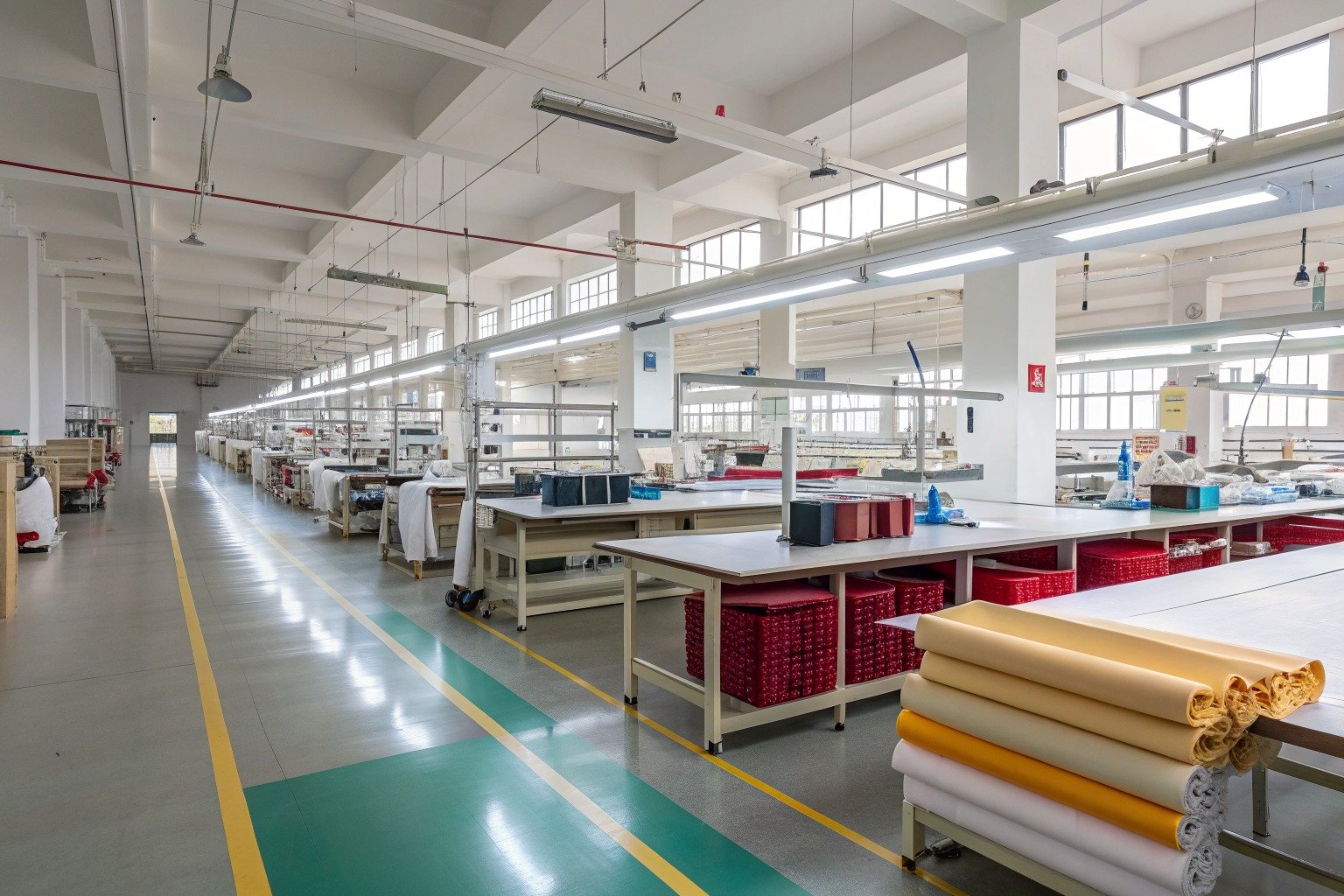
At Shanghai Fumao, neck gaiters are one of our core accessory categories. We produce them for promotional product companies, outdoor brands, sports teams, and fashion labels. Our production lines are set up to handle both small custom runs and high-volume orders without sacrificing print quality or fabric comfort. Let me explain exactly how our MOQ structure works and how we make small orders viable.
What Factors Determine the MOQ for Custom Printed Neck Gaiters?
The minimum order quantity for a custom neck gaiter is not a random number. It is determined by three main factors. The fabric sourcing minimums, the printing method setup costs, and the sewing line changeover requirements. When you understand these factors, you can make design choices that lower your MOQ without sacrificing your vision.
I believe in transparency about these cost drivers. When a client asks why the MOQ is what it is, I can show them the math. Raw material minimums, print setup time, and sewing line configuration all contribute. Sometimes a small adjustment, like choosing a stock fabric color instead of a custom dye lot, cuts the MOQ in half. Knowing these levers puts you in control.
How Do Fabric Sourcing and Dyeing Minimums Affect Your Order?
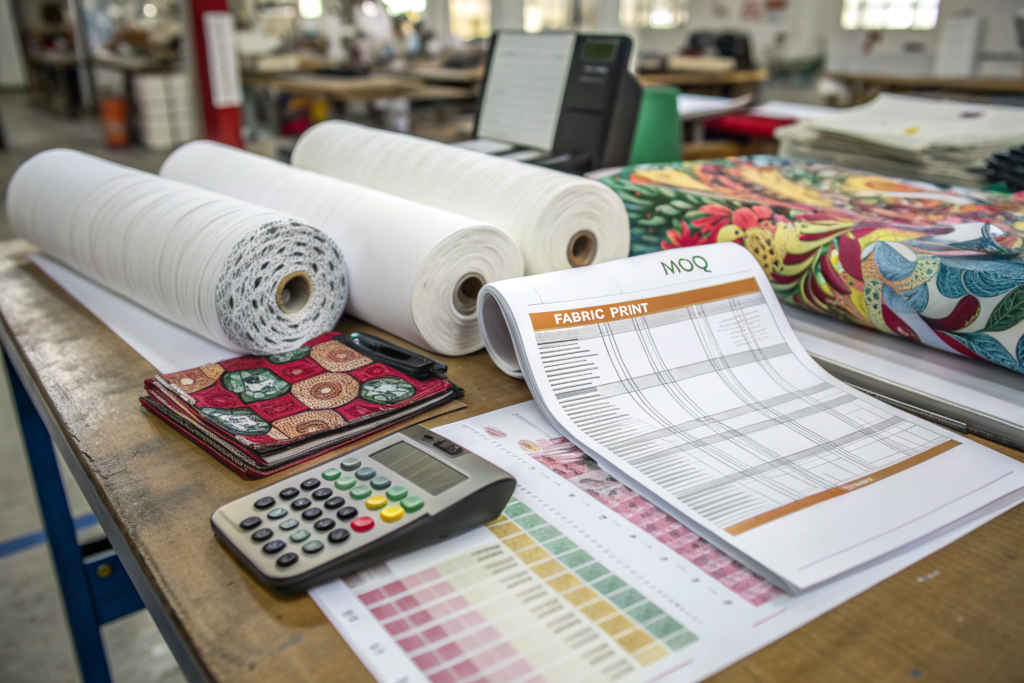
Neck gaiters are typically made from polyester microfiber or a polyester-spandex blend. The fabric must be lightweight, breathable, and moisture-wicking. The base fabric is usually white if the design will be fully sublimated, or a solid color if only a logo will be printed.
If you need a specific background color that we do not stock, the fabric mill has a minimum dyeing quantity. This is usually 100 to 200 kilograms per color. That fabric quantity might cover 500 to 800 gaiters depending on the fabric weight and the gaiter dimensions. The dyeing minimum, not our production minimum, drives the MOQ in this case. If you choose a stock color from our inventory, we can pull fabric immediately and the MOQ drops to our standard 100 pieces. You still get your custom print. You just build it on an available color base. Understanding textile dyeing minimums and custom fabric sourcing helps you plan a cost-effective custom product.
Why Does the Printing Method Change the MOQ Equation?
Sublimation printing is the standard method for neck gaiters. It produces vibrant, all-over prints that will not crack, peel, or fade. The ink becomes part of the fabric fibers. The setup involves printing your design onto transfer paper and heat-pressing it onto the fabric. This setup cost is fixed, whether you print 10 gaiters or 10,000.
For very small quantities, the per-unit setup cost can make the price seem high. This is why we offer a 50-piece digital print option for market testing. The print quality is excellent, but the per-unit cost is higher than a full sublimation run. For orders of 100 pieces and above, standard sublimation becomes the most cost-effective choice. For a single-location logo print on a stock color gaiter, screen printing or heat transfer may be options at lower quantities. We guide you to the right method based on your design and your budget. If you are comparing custom neck gaiter printing methods, understand that sublimation is the gold standard for all-over prints and durability.
How Can You Order Smaller Quantities for Testing or Events?
I have worked with countless startups, sports teams, and event planners who need a small batch of neck gaiters. They are not ready for 1,000 units. They need 100 for a charity run, 200 for a corporate retreat, or 50 to photograph for a Kickstarter campaign. I never tell them to come back when they are bigger. I help them find the right production path for their current needs.
Small orders are the seeds of large accounts. One of our longest-running neck gaiter clients started with a 100-piece order for a local 5K race. Today, they order 15,000 units annually for a national event series. A factory that dismisses small orders is dismissing future growth.
What Is Our Stock Fabric and Simple Print MOQ for 100 Units?
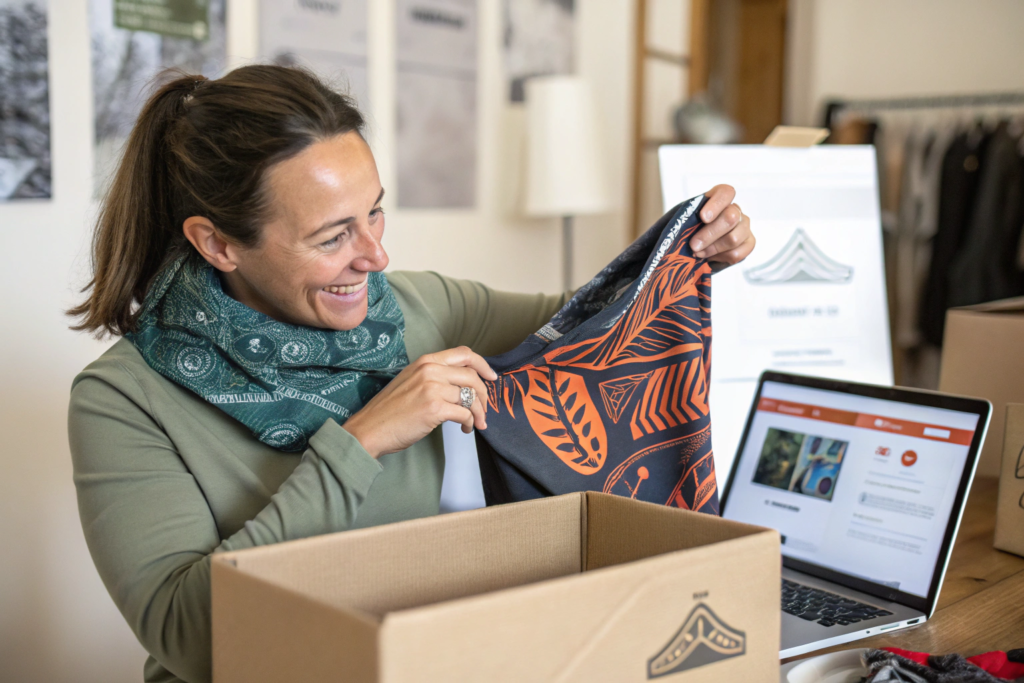
When you choose a stock fabric color from our inventory and a single-location print, our MOQ is 100 pieces. The stock colors include black, white, navy, royal blue, red, heather grey, and neon shades. Your logo or artwork is printed on one side of the gaiter using sublimation for a fabric match or a durable heat transfer for a crisp, opaque logo.
The lead time for a 100-piece stock fabric order is typically 10 to 15 working days from artwork approval. This makes it feasible for events with a known date. I always recommend ordering a pre-production sample before the full run. A sample costs you very little and confirms the print placement, the color accuracy, and the fabric feel. We produce a custom neck gaiter sample within three to five working days so you can approve every detail with confidence.
How Does Our 50-Piece Market Test Program Work?
For brands that need to validate a completely new design, test a fabric, or get product photography samples before committing to inventory, we offer a 50-piece market test program. This is a premium service with a higher per-unit cost, but it gives you real production units in your hand. You get the exact fabric, the exact print, and the exact construction that will scale to larger volumes.
The 50-piece run uses a digital printing process that avoids the full sublimation setup cost. We make the gaiters on our sample production line, which is designed for short runs and rapid changeovers. Many e-commerce sellers use this program to get their first units for photography and to test customer response before placing a larger order. Once their listing gains traction and they have real sales data, they graduate to a full production order with a lower per-unit cost. This low volume manufacturing for product testing approach reduces inventory risk dramatically for new brands.
What Is the Cost Structure Across Different Order Quantities?
Price transparency is how I build trust with new clients. I always break down the cost structure so you understand exactly where your money goes and how volume affects the unit price. The per-unit cost of a custom neck gaiter drops significantly as your quantity increases, but the curve is not linear. Knowing where the step changes occur helps you pick the sweet spot for your budget.
The three main cost buckets are materials, print setup, and sewing labor. Print setup costs are fixed and dilute over larger quantities. Material costs decrease with volume purchasing. Labor costs stay relatively flat per unit once you pass a small efficiency threshold.
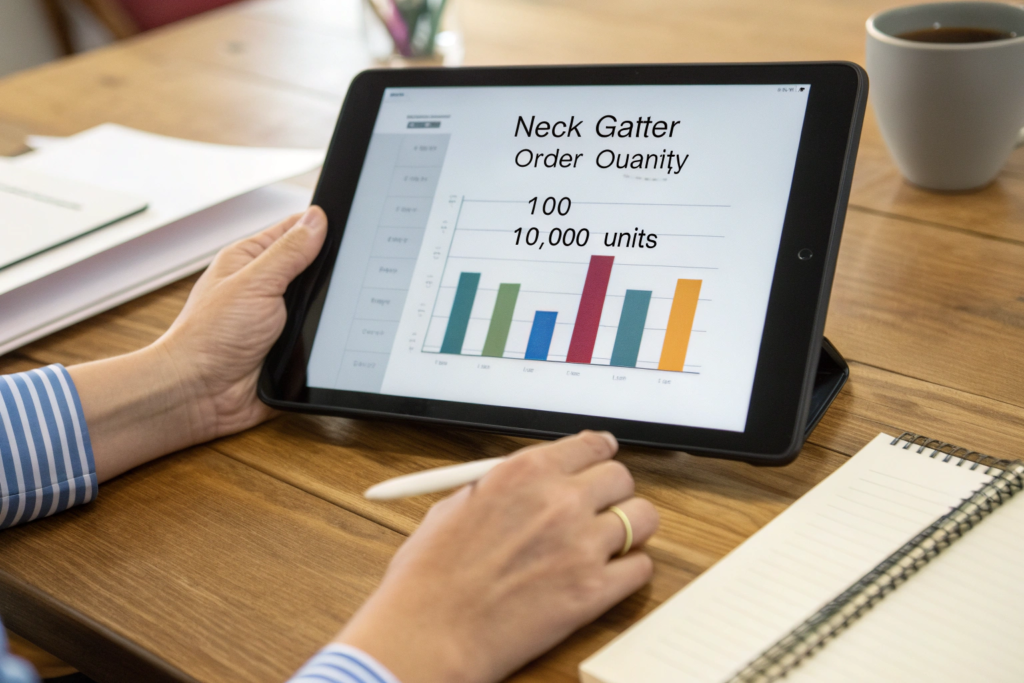
How Do Per-Unit Costs Decrease from 100 to 5,000 Units?
A 100-piece order carries the full weight of fixed costs. The sublimation paper setup, the heat press calibration, and the sewing line changeover all divide across only 100 units. At 100 pieces, the per-unit cost reflects these undiluted fixed costs.
At 500 pieces, those same fixed costs divide by five. The per-unit cost drops noticeably. The material cost per unit remains similar, but the setup cost per unit shrinks. At 1,000 pieces, we can order fabric at a better price from the mill. The sewing line runs more efficiently because the operators settle into a rhythm. At 5,000 pieces, you benefit from bulk fabric purchasing, optimized production flow, and the lowest per-unit fixed cost allocation. The cost difference between 100 and 5,000 units can be 40% or more per unit. I advise buyers to order the largest quantity their budget and sales forecast can support because the economies of scale in custom manufacturing are significant in the 100 to 1,000 unit range.
What Hidden Costs Should You Watch Out For?
Not all cost elements are obvious in a headline price. Custom packaging, individual polybagging with barcode stickers, hang tags, and custom woven labels all add per-unit costs. A multi-color print that requires multiple screens adds setup cost. An oversized gaiter that uses more fabric adds material cost. A rush order that requires overtime labor or expedited material shipping adds a surcharge.
I have seen buyers quote a basic price and then add five custom features that collectively double the landed cost. This is why we provide a detailed line-item quotation. Every option has a stated cost. You control the final price by choosing which features truly add value for your customer. Ask your supplier for a complete cost breakdown. A factory that refuses to itemize is one you should approach with caution. Understanding your complete bill of materials and landed cost helps you budget accurately and avoid invoice surprises.
How Do We Handle Full Customization Beyond Simple Logo Printing?
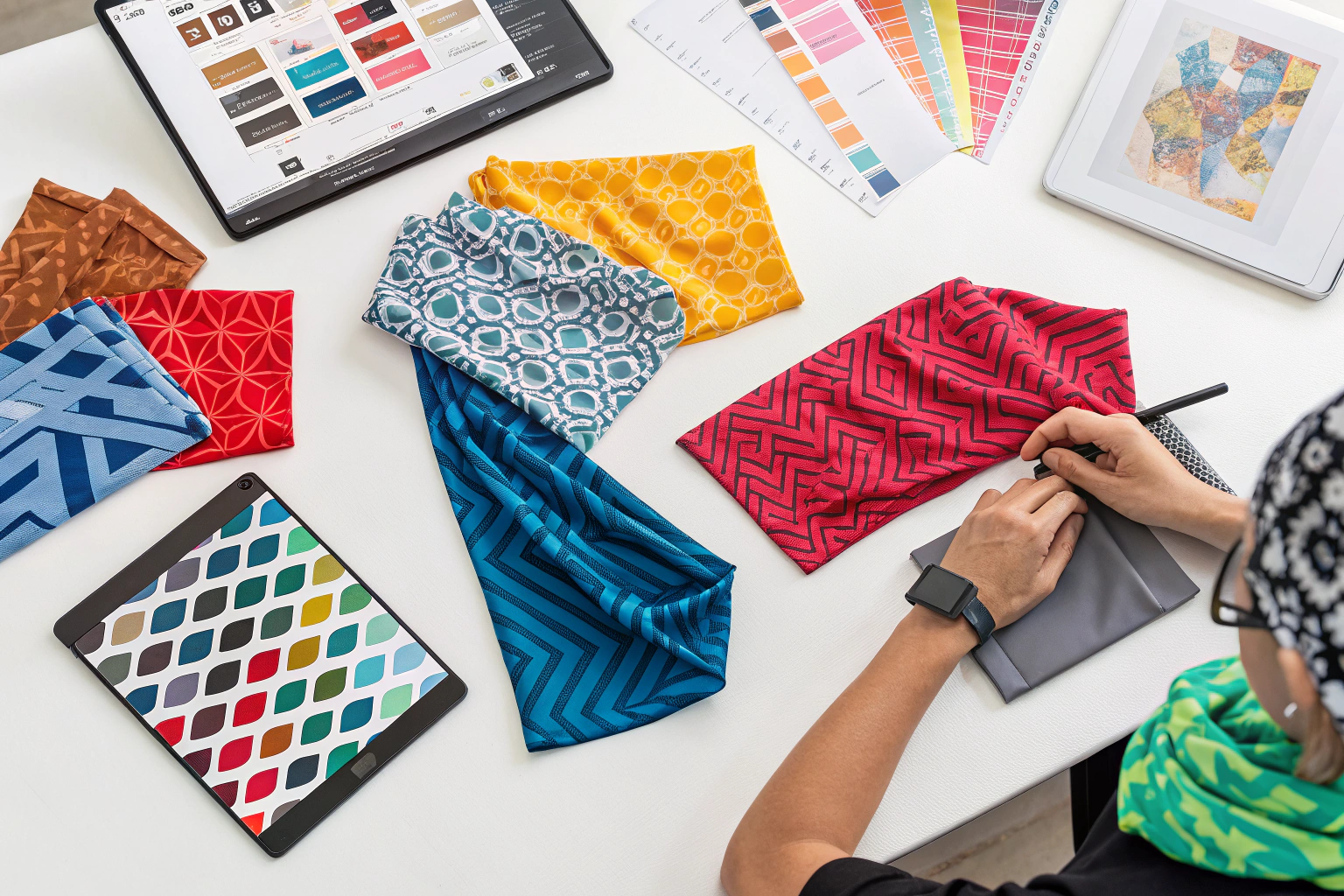
Printing a logo on a stock gaiter is the entry level of customization. Many of our clients need more. A unique shape. A specific performance fabric. A multi-functional design that converts from a gaiter to a headband or a beanie. A custom packaging solution that tells a brand story at retail. This is where our in-house design and sample room become your competitive advantage.
Full customization typically requires a higher MOQ, starting at 300 to 500 pieces, because we may need to source special materials or create new cutting patterns. But the result is a product that no competitor can match because you designed it with us from concept to carton.
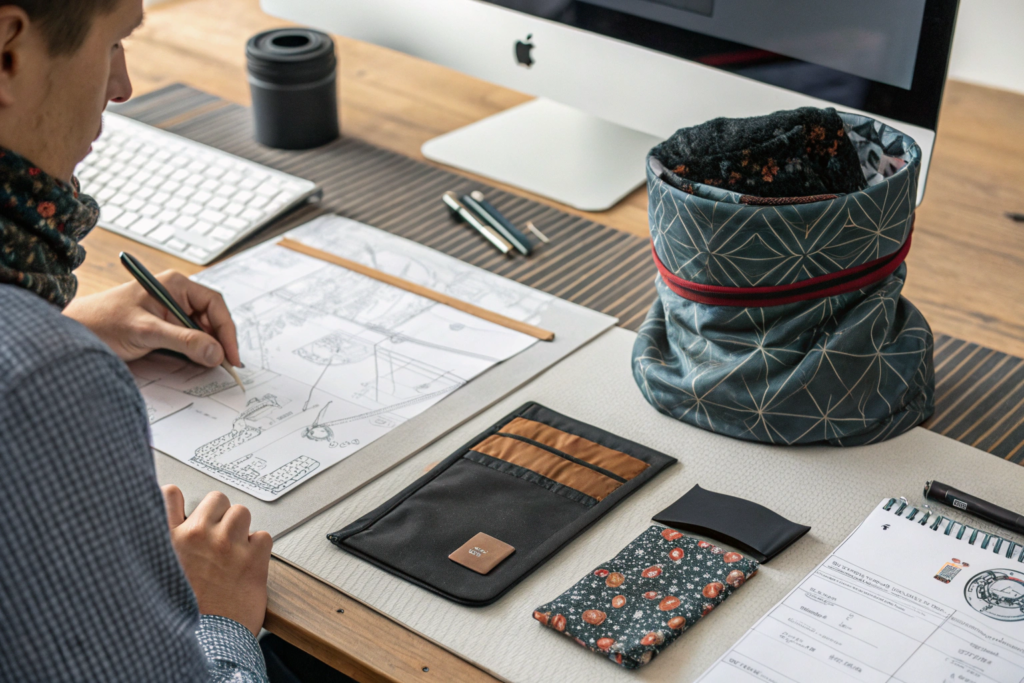
What Custom Features Can You Add to a Neck Gaiter?
The list is extensive. I will share what our clients have actually ordered. A reflective safety strip printed along the bottom edge for runners and cyclists. A hidden pocket with a zipper closure for a key or a credit card. A convertible design with a drawstring and cord lock that allows the gaiter to be cinched into a beanie. A cooling fabric upgrade using a special polyester blend that activates with moisture. A fleece-lined version for cold-weather sports. A mesh breathing panel over the mouth area. A custom hang tag with the brand story and care instructions. A matching storage pouch with a carabiner clip.
Each feature solves a specific user problem. The reflective strip keeps runners visible at dawn. The hidden pocket holds a ski pass. The convertible design reduces the number of accessories a hiker needs to carry. These custom features transform a basic promotional gaiter into a product that people use daily and recommend to friends. If you are exploring custom outdoor accessory design, think about the end user’s experience, not just the logo placement.
How Does Our Product Development Process Work for Fully Custom Gaiters?
You send us your concept, sketches, or reference images. Our design team creates a technical specification sheet with dimensions, material callouts, seam construction notes, and print placement guides. We produce a prototype sample in our sample room, typically within seven to ten working days. You review the sample, wear it on a run or a ride, test the features, and give feedback. We revise until you are satisfied.
Once the sample is approved, we move into pre-production. We order the custom materials if required, prepare the sublimation paper or screens, cut the fabric, and schedule the sewing line. The full process from concept approval to shipment for a fully custom 500-piece order usually takes 25 to 35 working days. This product development timeline for custom accessories includes all the validation steps that prevent costly mistakes in bulk production.
Conclusion
The minimum order for custom printed neck gaiters at Shanghai Fumao starts at 100 pieces for stock fabric colors with simple logo printing. Our 50-piece market test program allows brands to validate a design before committing to inventory. Fully custom designs with unique fabrics, special features, and custom packaging typically start at 300 to 500 pieces to meet material sourcing and setup cost requirements.
The MOQ is not a barrier we put up to exclude small brands. It is a reflection of real material and setup costs that we manage transparently. We offer pathways at every volume level, from 50-piece test runs to 50,000-piece retail orders. Your order, regardless of size, deserves professional production quality, accurate color reproduction, and on-time delivery.
If you are planning a custom neck gaiter project for a corporate event, a sports team, an outdoor brand, or a retail launch, I encourage you to reach out to our Business Director Elaine at elaine@fumaoclothing.com. Tell her your quantity, your design idea, your fabric preference, and your timeline. She will provide a detailed quotation with no hidden costs, explain the options that fit your budget, and guide you through the production process from artwork to delivery. Whether you need 100 gaiters for a charity run or 10,000 for a national promotion, you have found a factory that wants to earn your business.