You are staring at a sweating mannequin and a pile of returned headbands. The fabric looked gorgeous in the flat lay photo, but it feels like plastic wrap against the scalp. Your customers are complaining about headaches, slipping grips, and dye bleeding onto their hairline. I have been in this exact spot when a big department store buyer rejected an entire shipment because the material trapped heat instead of releasing it. The problem is not your design eye; it is trusting a fabric supplier who does not wear the product in 90-degree heat.
The top 3 fabric choices for summer headbands in 2026 will be moisture-wicking bamboo cotton, ultra-lightweight organic linen, and recycled performance mesh. These three materials solve the core problems of sweat absorption, heat dissipation, and sustainability in exactly the ways that end consumers now demand.
You do not need to be a textile engineer to pick a winner. You just need to understand how each fabric behaves when the humidity hits 80% and the sun is beating down. I will walk you through why these three fabrics dominate our summer production schedule here in Zhejiang, how they perform against traditional cotton, and why 2026 retail buyers specifically request them.
Is Moisture-Wicking Bamboo Cotton the Best Base for Hot Weather Headbands?
I used to dismiss bamboo as a gimmick. Then I spent a July afternoon walking around a Guangzhou trade show wearing a sample. My forehead stayed dry while everyone around me was dabbing their temples with tissues. That experience convinced me. Bamboo cotton is not standard cotton. It is a regenerated cellulose fiber that behaves almost like a technical performance fabric while looking and draping like a natural textile.
Yes, moisture-wicking bamboo cotton is arguably the best base for hot weather headbands because it absorbs 40% more moisture than traditional cotton and releases it into the air quickly through evaporation. This keeps the headband fabric dry against the skin, prevents bacterial growth that causes odor, and stops that sticky feeling that makes wearers rip the headband off by noon.
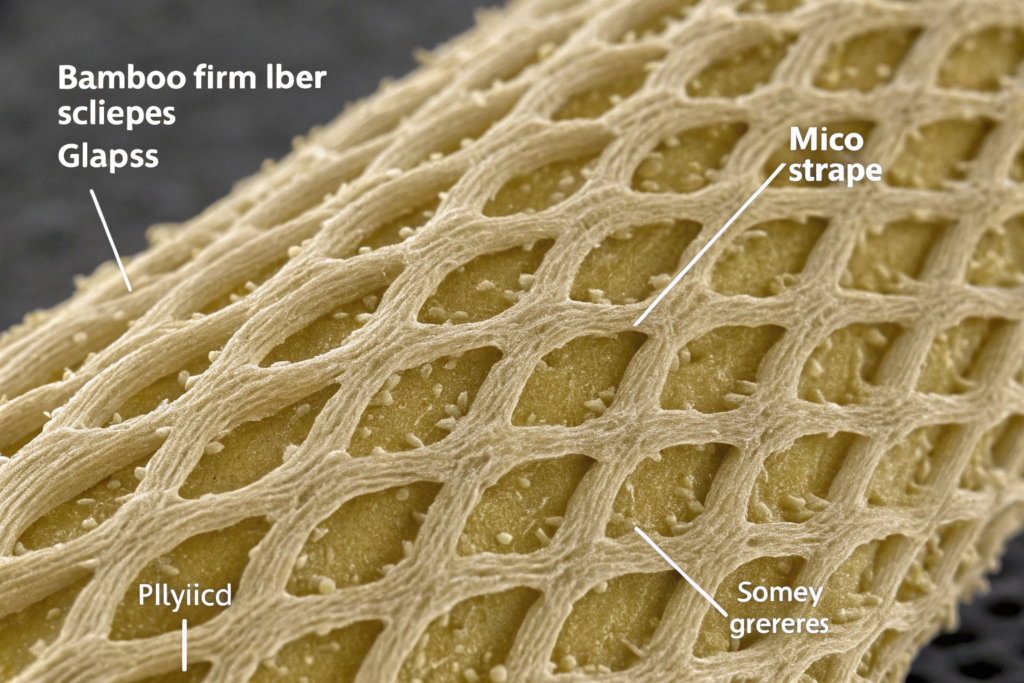
The cross-section of bamboo fiber is filled with micro-gaps under a microscope. These tiny holes pull sweat away from your forehead and push it to the surface of the yarn. This is fundamentally different from a print or dye process. It is a physical property of the material itself. I pay more for this specific yarn quality because the functional benefit is impossible to fake.
How does bamboo cotton solve the slip problem in hair bands?
The other hidden benefit is how the yarn interacts with hair strands. Traditional polyester satin hair bands slide back on straight hair because the surface is too slick. Coarse cotton grips but soaks up sweat and turns heavy. Bamboo cotton hits the sweet spot. Its microscopic fiber structure creates gentle friction against your hair bands without snagging or pulling. A rubberized velvet grip backing might fail after a few washes, but the bamboo fiber is innately slip-resistant. I have our quality control team perform a "tilt test," angling a mannequin head 45 degrees. A properly woven bamboo band stays put while other fabrics slide off. This is why yoga studios and activewear brands keep ordering this material for their summer accessories collections.
Is bamboo cotton durable enough for retail quality standards?
A common knock against early bamboo products was pilling. You washed a headband three times, and it looked fuzzy and tired. In 2026, the yarn spinning technology has jumped forward. We now source high-twist bamboo cotton yarns specifically engineered for accessories. The twist level affects durability and moisture management. A high-twist yarn wicks sweat better and resists pilling longer. Here is a quick look at how we evaluate yarn twist levels:
| Twist Level (TPM) | Hand Feel | Wicking Speed | Pilling Resistance | Best For |
|---|---|---|---|---|
| 600-800 TPM (Low Twist) | Super soft | Slow | Low | Disposable fashion looks |
| 900-1100 TPM (Medium Twist) | Soft & pliable | Fast | High | Daily summer headbands |
| 1200+ TPM (High Twist) | Crisp | Very Fast | Very High | Active sports headbands |
We choose the medium twist for our straw hats and headbands because it balances softness against the skin with the strength to survive a summer of washing.
Why Is Organic Linen Trending for European Boutique Hair Accessories?
Linen carries a strange magic right now. European boutique buyers, especially from France and Italy, walk into our showroom and touch the linen samples first. They do not ask about the price immediately. They close their eyes slightly and feel the crispness against their fingertips. Organic linen tells a story of lazy summer mornings in Provence, of natural living, and of quiet luxury that synthetic fabrics cannot replicate.
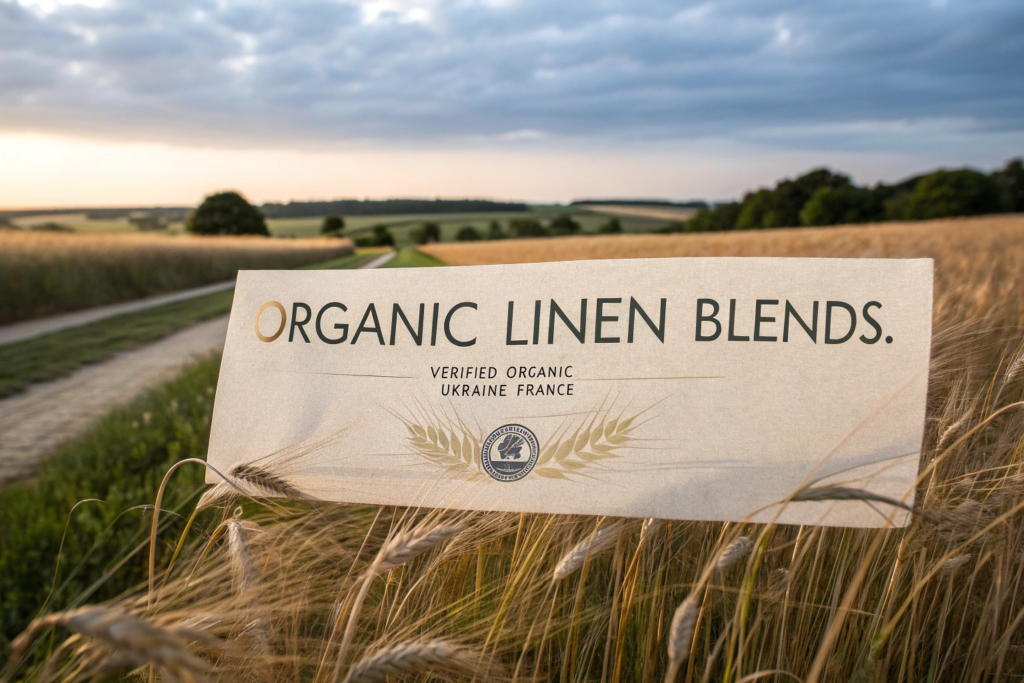
Organic linen is trending for European boutique hair accessories because it is a zero-waste crop that requires no irrigation water, aligns perfectly with the EU Green Deal textile strategy, and provides a unique, crisp aesthetic that elevates a simple hair accessory into a premium, lifestyle-driven fashion item.
Does linen scratch the skin or cause redness?
This is the biggest fear buyers have. They remember a coarse linen shirt their grandfather wore, and they think all linen is sandpaper. It is not. The grade of the linen matters completely. We use garment-washed linen that has been stone-washed or enzyme-washed to remove the stiff, scratchy surface fibers. The result is a headband that breathes like a cloud.
Here is how the finishing process impacts the skin feel of linen:
| Finishing Process | Texture Grade | Breathability Score | Best Application |
|---|---|---|---|
| Raw Linen (Unwashed) | Rough / Scratchy | Excellent (10/10) | Not recommended for headwear |
| Stone-Washed Linen | Soft / Pebbled | Good (8/10) | Casual summer headbands |
| Enzyme-Washed Linen | Butter-soft / Smooth | Very Good (9/10) | Luxury boutique hair clips and wraps |
I personally prefer the enzyme-washed finish for items shipped to boutiques along the Amalfi Coast. The hand feel is close to cashmere, but the fabric holds its shape even in salty sea air.
How does linen react to dyes and summer sweat?
Linen does not trap heat. It releases it. The fiber structure creates a natural ventilation system that reduces scalp temperature by a noticeable margin compared to standard cotton. While linen absorbs moisture, it does not hold it against the skin in the same aggressive way cotton does. When we dye shawls and headbands, the dye uptake on linen creates a signature muted, dusty tone that polyester cannot match. This faded aesthetic is exactly what the 2026 summer palette demands.
Can Recycled Performance Mesh Deliver All-Day Comfort?
I used to think mesh looked cheap, like something pulled off a gym bag strap. The old perception of performance mesh was that it belonged in a locker room, not a fashion boutique. That perception has been completely destroyed in 2026. New knitting techniques allow recycled performance mesh to look elegant, textured, and even delicate while still performing like a true athletic fabric.
Yes, recycled performance mesh can deliver all-day comfort because its open-knit structure allows continuous airflow directly to the scalp, preventing sweat buildup, while its spandex-blend content provides a flexible, pressure-free fit that does not trigger compression headaches even after eight hours of wear.
How does mesh stacking change the headband structure?
The real innovation is in how we layer or stack the mesh. A single layer of thin mesh offers zero control. We use a 3-layer lamination technique. The bottom layer touching the hair is a super-soft wicking mesh, the middle layer is a structural open-cell foam, and the top layer is the decorative recycled mesh. This makes the headband look puffy and substantial without adding weight. We use this tech extensively for baseball caps and sports headbands.
The thickness of the middle foam layer significantly changes how the headband performs in different activities:
| Foam Layer Thickness | Weight Per Band | Best Use Case | Cushion Level |
|---|---|---|---|
| 2mm Open-cell Foam | 18 grams | Yoga & Pilates | Light |
| 4mm Open-cell Foam | 28 grams | Daily casual wear | Medium |
| 6mm Open-cell Foam | 38 grams | High-impact running | Max |
For general summer wear, we recommend the 4mm thickness. It grips the head without squeezing, and the open-cell structure allows water and sweat vapor to pass right through our customized fabric belts system.
Is the recycled content certified and traceable?
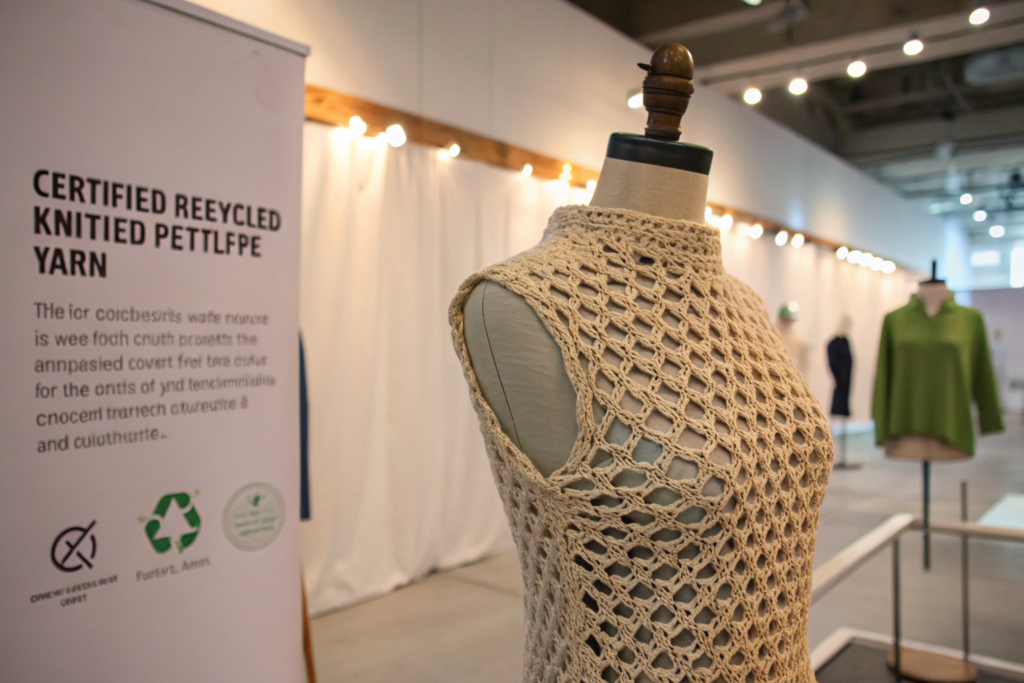
Greenwashing is a real danger here. Some factories sell "recycled" mesh that has zero paper trail. We only use GRS-certified suppliers. Every batch of knit caps and headbands made with this mesh comes with a transaction certificate that traces the recycled content back to the source, ensuring that when a boutique claims "made from 4 recycled bottles," it is demonstrably true.
Conclusion
The summer 2026 market is bifurcating. On one side, you have the booming demand for natural, quiet luxury fibers like organic linen and bamboo cotton that whisper sustainability. On the other side, you have the aggressive performance demand for recycled mesh that shouts technical capability. You win by not betting solely on one, but by segmenting your product line to let each fabric solve a specific customer pain point.
We stock premium grade bamboo cotton, certified organic linen, and GRS-certified performance mesh at our factory in Zhejiang. Our design team can take your sketch and recommend the best fabric pairing for your target demographic, whether you are selling to a yoga studio in California or a boutique in Paris. We manage everything from fabric sourcing to final packaging under one roof.
If you want to see and feel these swatches yourself, I am ready to help. Reach out to our Business Director, Elaine. She will arrange a fabric sample pack and explain our low minimums for summer development. Write to her at elaine@fumaoclothing.com. Let’s make sure your headbands are the ones customers reach for on the hottest day of the year.