You are a buyer for a European boutique, a fashion brand, or an online retailer planning your Spring 2026 collection. The bucket hat is no longer just a 90s revival piece. It has cemented its place as a warm-weather staple, the perfect blend of casual cool and practical sun protection. But the heavy twills and fleeces of winter are gone. Your customer wants a bucket hat that feels light, breathable, and effortlessly chic. They want fabrics that speak to a new season and a more conscious approach to fashion. You are not just picking a hat. You are selecting the very texture and feel of spring.
The defining bucket hat fabrics for Spring 2026 in Europe are all about lightweight, natural, and sustainably-conscious materials. Key fabrics include soft, garment-washed organic cotton twills for a casual, lived-in feel; breathable and textural linen and linen blends for a sophisticated, rumpled elegance; and innovative, lightweight recycled polyesters and nylons, including ripstop, for a modern, technical, and eco-aware aesthetic.
I manage AceAccessory in Zhejiang, and our design team tracks European fabric trends closely. The bucket hat for Spring 2026 is a study in material refinement. Let me walk you through the three key fabric stories that will define the season and explain why they resonate with the European consumer.
The Garment-Washed Organic Cotton Twill: The Effortless Everyday Staple
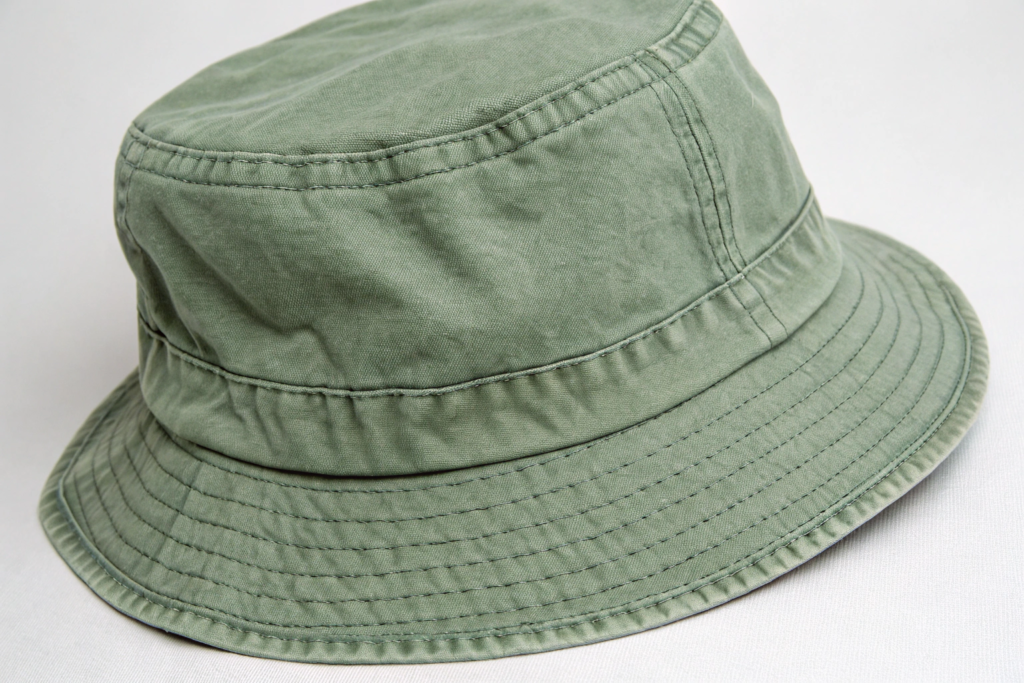
For the European consumer in Spring 2026, the ultimate everyday bucket hat is defined by a specific material and finish: garment-washed organic cotton twill. This is not the stiff, crisp cotton of a traditional baseball cap. This is a fabric that feels like a favorite, well-worn item from the first moment it’s picked up. The key is the garment-washing process. The finished hat is washed with softeners and enzymes. This process relaxes the fibers, removes any stiffness, and gives the fabric an incredibly soft, almost sueded hand feel. It also imparts a beautiful, slightly uneven, "lived-in" color. The use of organic cotton is non-negotiable for a large segment of the European market. It speaks directly to their values of sustainability, reduced water usage, and chemical-free agriculture. This hat feels good, looks effortlessly cool, and tells a responsible story. This garment washed organic cotton twill for sustainable spring bucket hats in Europe is the essential core fabric.
What Is the Difference Between Garment Dye and Pigment Dye for Cotton?
This is a key technical distinction that affects the final look. Garment dye involves submerging the finished hat in a dye bath. The color penetrates the fibers deeply and evenly. The result is a rich, consistent color that is very colorfast. Pigment dye is different. The pigment sits more on the surface of the fabric. It creates a more uneven, "washed" or "vintage" look from the very beginning, with subtle highs and lows in color. It also fades more beautifully over time with wear and washing. Both are popular for Spring 2026, but pigment dye offers a more pronounced, vintage-inspired aesthetic. This garment dye versus pigment dye for achieving a vintage look on cotton hats helps in specifying the exact desired finish.
What Are the Key Spring Colors for Washed Cotton Bucket Hats?
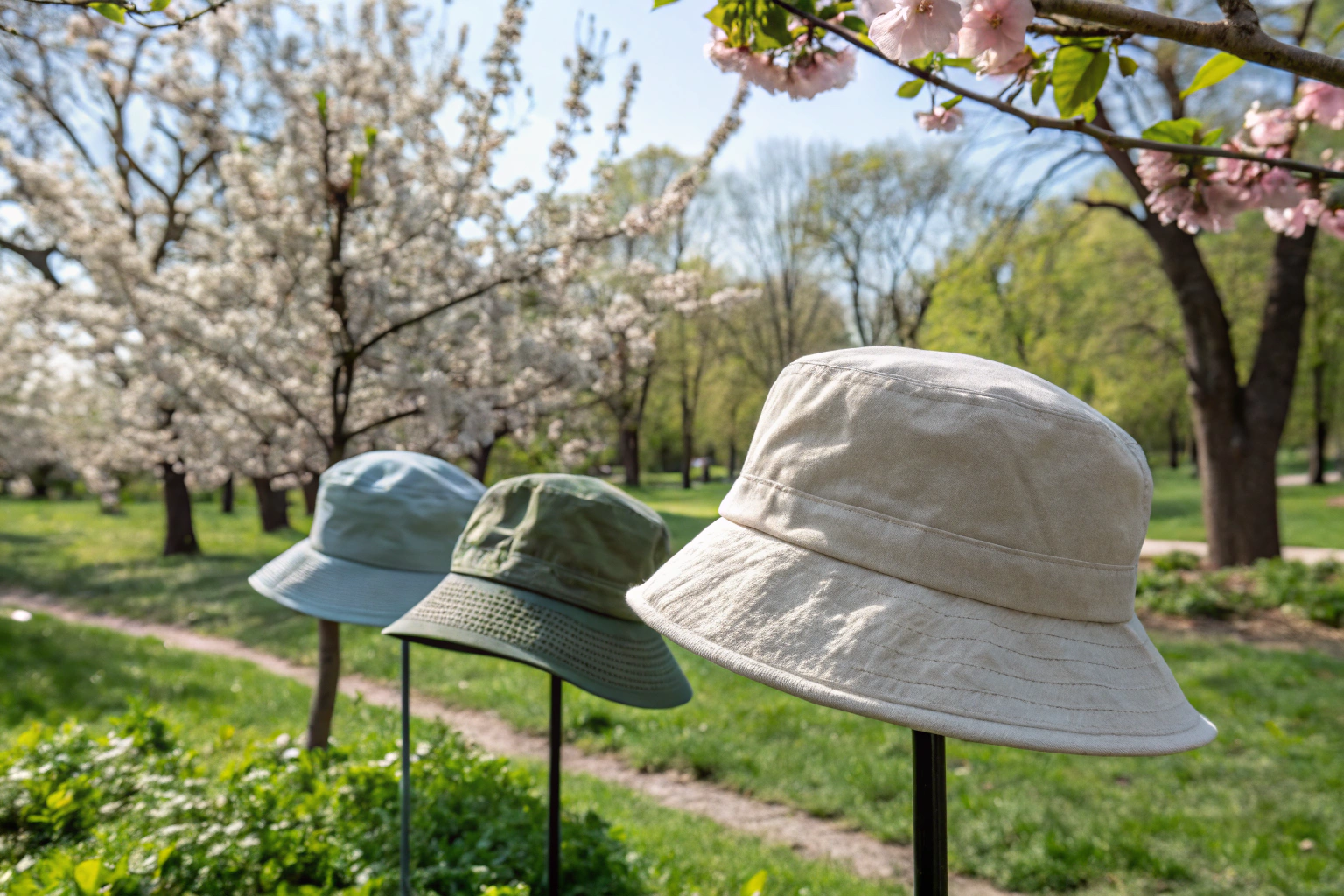
The color palette for this fabric is a direct reflection of the spring landscape. It is soft, muted, and soothing. Key colors include Faded Sage, a soft, grey-green; Warm Sand and Stone, versatile, natural neutrals; Dusty Rose, a subtle, romantic pink; and Washed Indigo, a classic blue that looks like a favorite pair of old jeans. These colors are easy to wear and pair beautifully with the light, neutral tones of a spring wardrobe. This soft muted and earthy color palette for spring 2026 cotton bucket hats is the essential color story.
The Breathable Linen and Linen Blend: Sophisticated Texture and Cool Comfort?
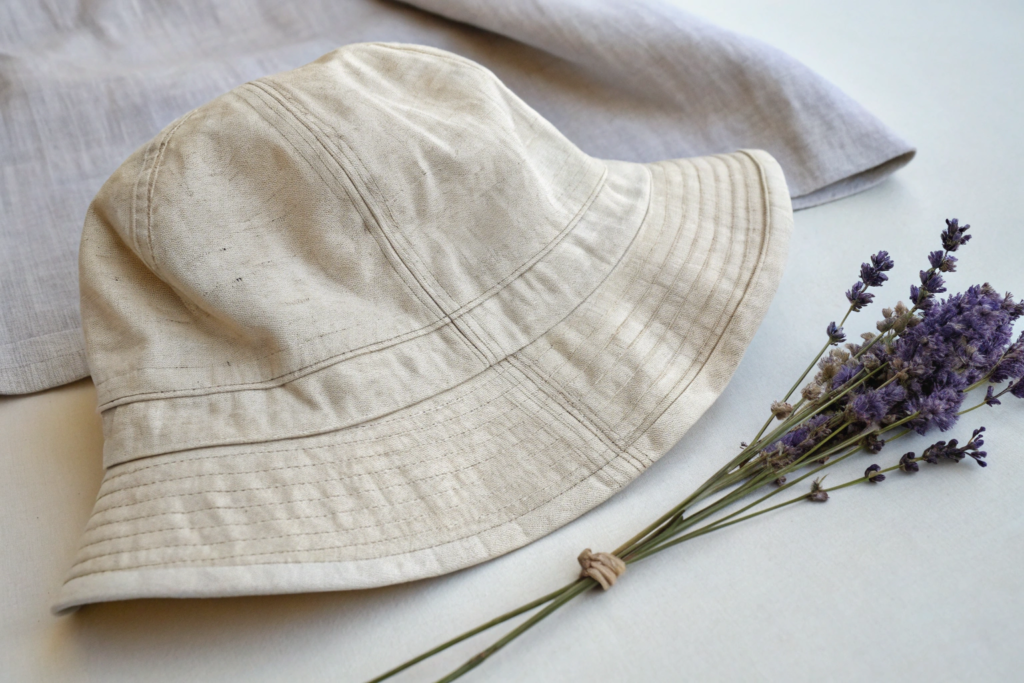
For the consumer seeking a more elevated, sophisticated take on the bucket hat, linen is the material of choice for Spring 2026. Linen is inherently breathable, making it incredibly comfortable as temperatures rise. It has a beautiful, natural slub texture and a characteristic "rumpled" elegance. It does not look overly precious or perfect. It has a relaxed, continental sophistication that feels perfectly suited to a European holiday or a stylish city stroll. While 100% linen is beautiful, a linen blend—often with a small percentage of cotton or Tencel—is more common for hats. The blend helps to soften the fabric’s tendency to wrinkle excessively and can improve its durability and shape retention. This breathable linen and linen blend fabrics for sophisticated spring bucket hats offers a premium, textural alternative to cotton.
How Do You Construct a Bucket Hat in Linen to Maintain Its Shape?
Linen’s beautiful drape can be a challenge for a structured hat like a bucket. It can become too "floppy." We address this through several construction techniques. We select a linen blend with a slightly firmer hand. We may use a lightweight, fusible interfacing on the brim and the upper crown to provide subtle structure without adding weight or stiffness. The brim is often constructed with two layers of fabric, which adds natural body. These techniques ensure the hat holds its intended silhouette while retaining the beautiful, breathable qualities of the linen. This construction techniques for maintaining shape in linen bucket hats is a key manufacturing detail.
What Are the Best Lining Options for a Linen Bucket Hat?
A lining in a summer hat should enhance breathability and comfort. For a linen bucket hat, the best options are lightweight and natural. An unlined hat, with the interior seams cleanly finished with cotton taping, is the most breathable option. If a lining is desired, a lightweight cotton voile or a breathable Tencel fabric is an excellent choice. Avoid synthetic, non-breathable linings like standard polyester, which will trap heat. This breathable lining options for summer linen hats is a key comfort detail.
The Technical Recycled Polyester and Nylon: Modern, Lightweight, and Eco-Aware?
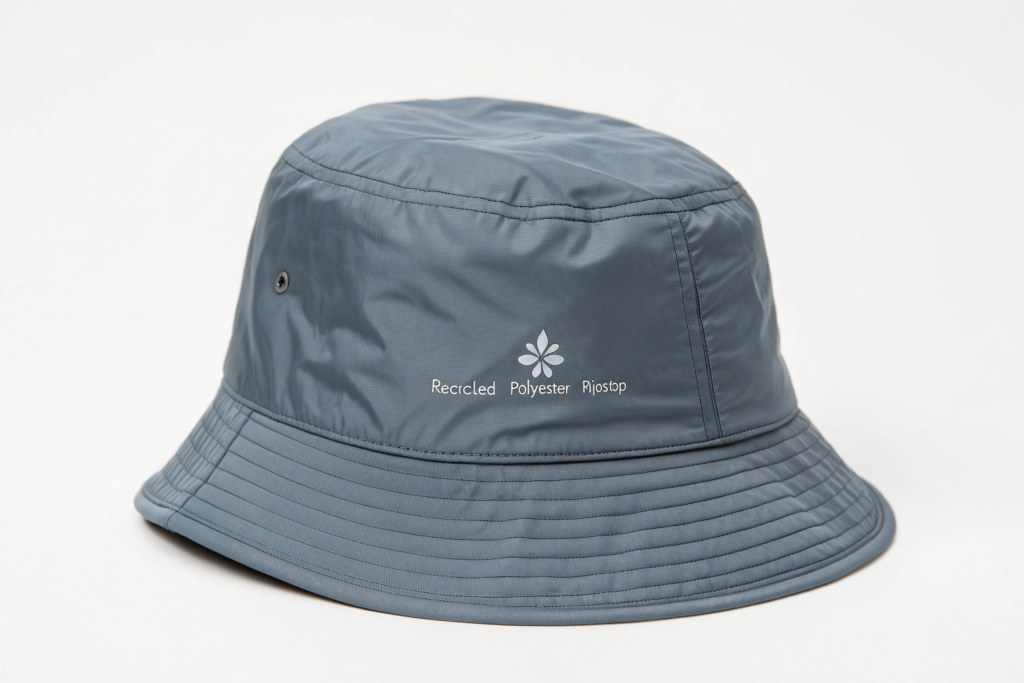
The third key fabric trend for Spring 2026 speaks to a more modern, urban, and technically-minded European consumer. This is the bucket hat rendered in innovative, lightweight, recycled synthetics. Materials like recycled polyester taffeta and recycled nylon ripstop are gaining significant traction. These fabrics offer several advantages. They are incredibly lightweight and packable, perfect for travel and throwing in a bag. They often have a degree of water resistance, making them practical for unpredictable spring showers. The ripstop weave, with its distinctive grid pattern, adds a subtle technical texture and prevents small tears from spreading. Most importantly, when made from post-consumer recycled materials, like plastic bottles or discarded fishing nets, they offer a powerful and credible sustainability story. This lightweight recycled polyester and nylon ripstop for technical spring bucket hats represents the intersection of modern performance and eco-consciousness.
How Do You Verify the Recycled Content of These Synthetic Fabrics?
For the discerning European consumer, a claim of "recycled" must be substantiated. The most credible verification is the Global Recycled Standard (GRS) certification. This independent, third-party standard verifies the chain of custody of the recycled material from the source to the final product. We source our recycled polyester and nylon fabrics from GRS-certified mills and can provide the necessary transaction certificates to our clients. This allows brands to make a confident and legally defensible claim. This GRS certification for verifying recycled content in synthetic fabrics is essential for credibility.
What Are the Key Colors and Finishes for Technical Bucket Hats?
The color palette for this category is modern and often slightly utilitarian. Key colors include Matte Black, Slate Grey, Deep Navy, and Olive Drab. We are also seeing a trend for slightly more adventurous, muted tones like Dusty Lavender and Pale Aqua in these technical fabrics. The finish is typically a soft matte or a subtle, crisp sheen. These hats often feature small, functional details like a discreet ventilation eyelet or a subtle reflective logo. This modern muted and utilitarian color palette for technical spring hats defines the aesthetic.
How Do You Merchandise These Fabric Stories for the European Consumer?
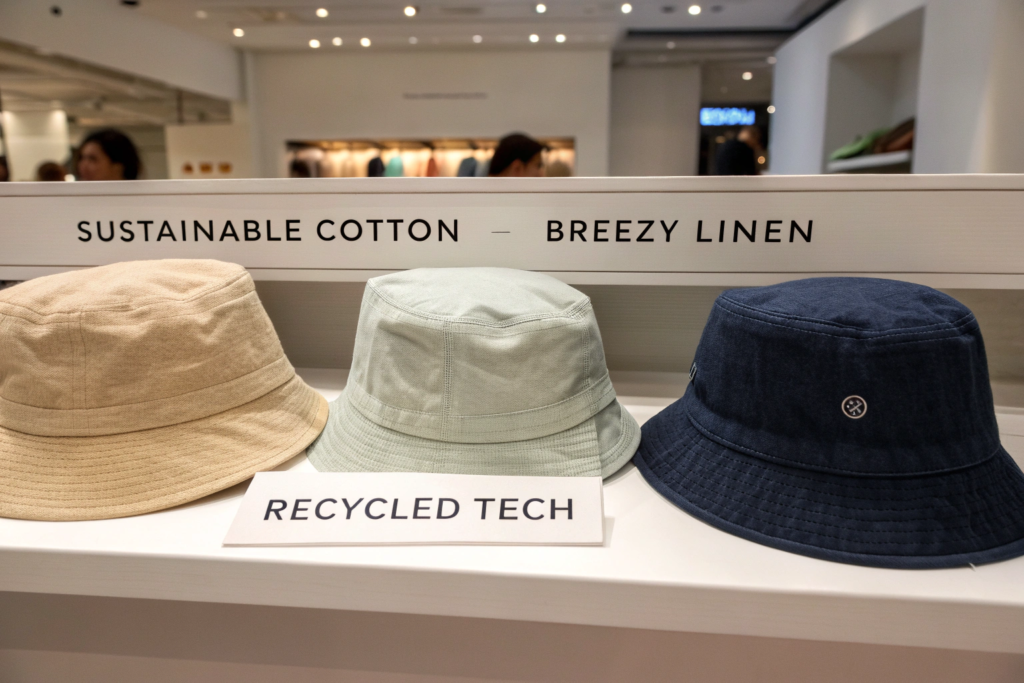
The European consumer is informed. They read labels and product descriptions. They want to know the "why" behind the product. Your merchandising, both online and in-store, must tell the fabric story clearly and compellingly. Group the hats by material. For the organic cotton hats, highlight the "Garment-Washed for Softness" and the "100% Organic Cotton" credentials. For the linen hats, emphasize the "Naturally Breathable" and "Textured Slub Weave." For the recycled technical hats, lead with the "Made from Recycled Materials" and "Lightweight & Packable" features. Use lifestyle photography that places the hats in the appropriate context: the cotton hat in a casual city park, the linen hat on a sunny café terrace, the technical hat on an urban commuter. This storytelling and material-focused merchandising for European spring fashion connects with the values-driven consumer.
How Important Is Sustainable Packaging for This Market?
It is extremely important. A beautiful, sustainable hat that arrives in a single-use plastic polybag creates a negative cognitive dissonance. The packaging must align with the product’s values. We offer a full range of sustainable packaging options, including FSC-certified recycled cardboard boxes, paper belly bands, and compostable or biodegradable polybags. We work with our clients to develop a packaging solution that is both protective and planet-friendly. This sustainable and plastic-free packaging options for the European market completes the responsible product story.
What Are the Expected Price Points for These Fabrics?
The different materials naturally support different retail price points. An organic cotton twill bucket hat will typically retail in the €25-€40 range. A linen blend hat, due to the higher material cost, will be in the €35-€55 range. A technical recycled hat can range from €30-€50 depending on the specific features. These price points offer accessible quality and reflect the value of the materials and construction. This realistic retail price points for spring 2026 bucket hats by fabric type provides a framework for assortment planning.
Conclusion
The 2026 bucket hat for the European spring season is a story told in fabric. It is a move away from generic, heavy materials toward a curated selection of textiles that speak to the season, the lifestyle, and the values of the consumer. The soft, sustainable comfort of garment-washed organic cotton. The breathable, textural sophistication of linen. And the modern, eco-aware performance of recycled technical fabrics. These are not just hats. They are considered choices that reflect a deeper understanding of materiality and responsibility. For the brand or retailer, curating an assortment across these three fabric pillars is the key to offering a compelling, modern, and successful bucket hat collection for Spring 2026.
At AceAccessory, our material library is rich with these exact fabrics. We have invested in sourcing certified organic cottons, premium linens, and innovative recycled synthetics. We understand how to construct a beautiful hat from each of these unique materials.
If you are planning your Spring 2026 bucket hat collection and want to explore these fabric stories further, I encourage you to contact our Business Director, Elaine. She can provide material swatches and discuss our construction capabilities. You can email Elaine at: elaine@fumaoclothing.com. Let us help you build a collection that captures the feeling of spring.