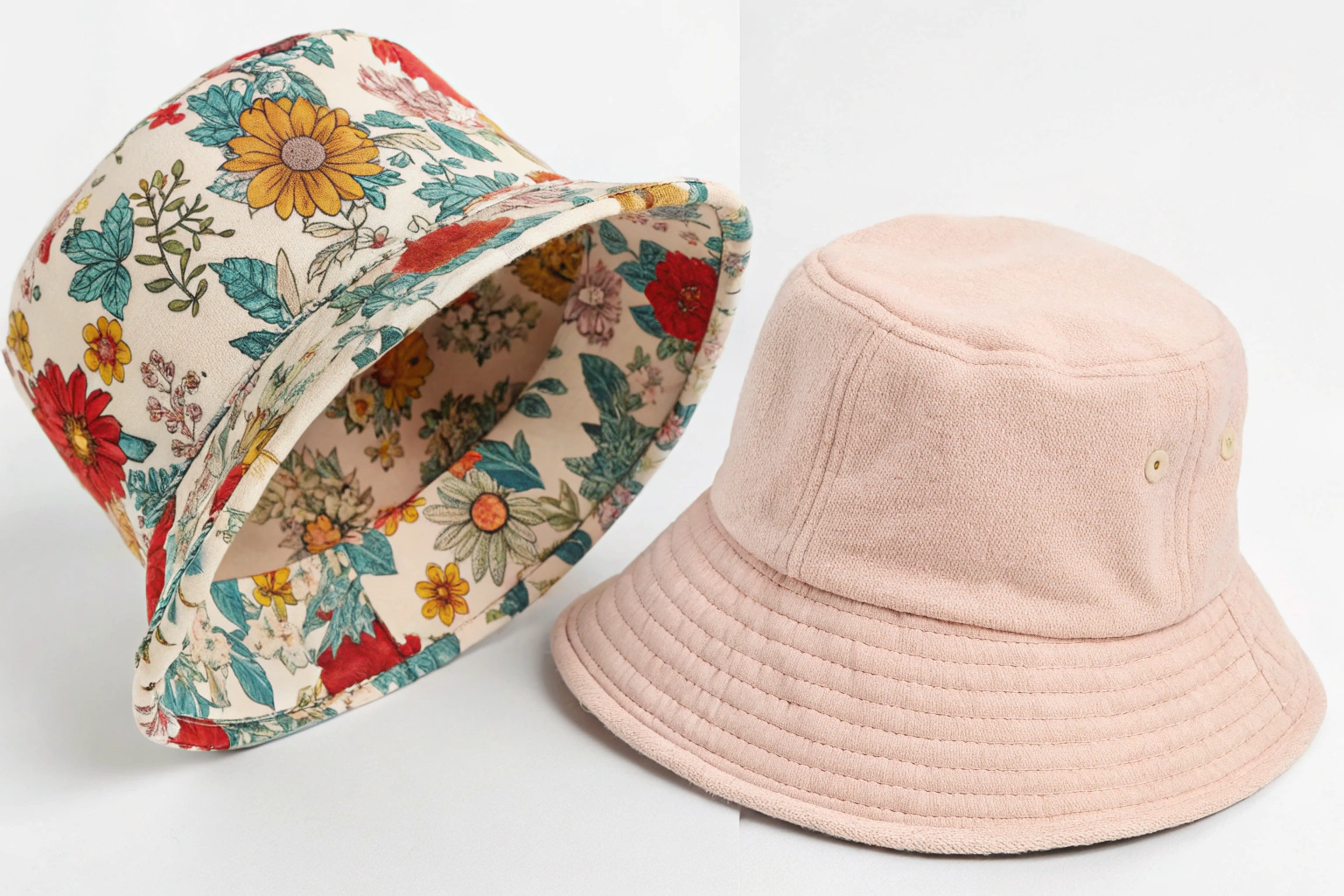
You are a brand owner or a buyer looking for that perfect, high-value item. You want a product that offers the customer more than one look, more than one function. The bucket hat silhouette is a proven seller, but you want to elevate it. You envision a hat that is a lightweight, breathable cotton print on one side for sunny days, and flips to a cozy, warm fleece or wool blend on the other for chilly evenings. It is a two-in-one product that justifies a higher price point and stands out in a crowded market. You ask a few factories. Some say they can only do simple, single-layer hats. Others are confused by the construction. You need a factory that understands the specific engineering required to make a beautiful, functional reversible hat.
Yes, AceAccessory can produce high-quality reversible bucket hats suitable for both summer and winter. This requires specialized pattern making to ensure a clean finish on both sides, careful selection of compatible fabric weights and properties for each season, and precise construction techniques to hide seams and create a fully functional, flippable hat with no "wrong" side.
I manage AceAccessory in Zhejiang, and we have developed significant expertise in manufacturing reversible accessories. The reversible bucket hat is a perfect example of a product that seems simple but requires a higher level of craftsmanship and engineering to execute well. Let me explain exactly how we make a reversible hat that looks and feels premium on both sides.
What Specialized Pattern and Construction Is Required for a Reversible Hat?
The fundamental challenge of a reversible hat is that there is no "wrong" side to hide the messy construction details. In a standard single-layer hat, the interior seams and raw edges are hidden against the head. In a reversible hat, everything must be finished cleanly because both sides will be seen and worn. This requires a completely different approach to pattern making and assembly. The hat is essentially two complete bucket hats, one in the summer fabric and one in the winter fabric, that are sewn together in a specific way. The pattern must be precisely engineered so that the two layers nest perfectly without puckering or pulling. The most critical part is the final seam. The hat must be sewn almost entirely, then turned right-side out through a small, hidden opening. This opening is then meticulously hand-stitched closed using a "blind stitch" or "ladder stitch" that is invisible from both sides. The brim must lie flat and have a clean, finished edge on both the top and bottom. This specialized pattern making and blind stitch construction for reversible bucket hats is the core skill required.
How Do You Ensure the Two Layers Lie Flat and Do Not Shift?
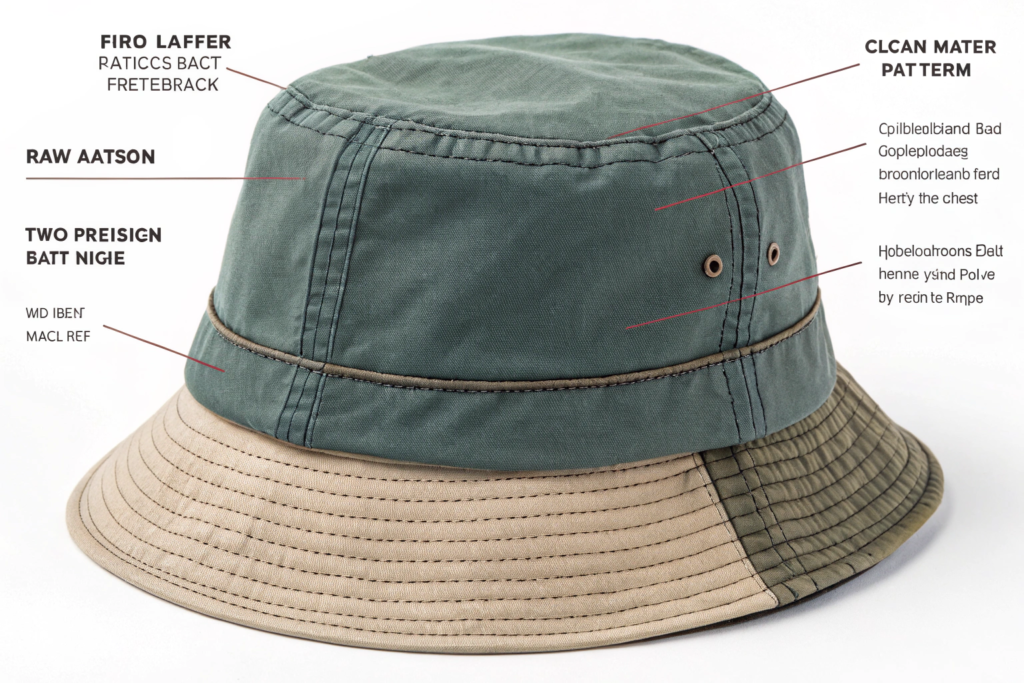
A poorly made reversible hat will have a lining that bunches up, twists, or peeks out from under the outer layer. This is caused by the two layers not being perfectly aligned and secured. We prevent this in two ways. First, the pattern pieces for the outer layer and the lining layer are cut with slightly different dimensions to account for the "turn of cloth." This is a tailoring term that refers to the small amount of space the inner layer needs to sit comfortably inside the outer layer without pulling. Second, after the hat is turned right-side out and pressed, we add a few discreet "tacking" stitches. These are tiny, almost invisible stitches made with matching thread that are placed at the top crown and along the brim. They secure the two layers together and prevent the lining from shifting or pulling out when the hat is flipped. This preventing lining shift and ensuring flat layers in reversible hat construction is a detail that separates a premium product from a frustrating one.
What Is the Best Way to Finish the Brim Edge on a Reversible Hat?
The brim is the most visible and tactile part of a bucket hat. On a reversible hat, both sides of the brim are exposed. The edge must be perfectly clean and finished. The most common and effective method is to sew the two brim layers together with the "right sides" of the fabric facing each other, then turn the hat right-side out. This creates a perfectly clean, self-finished edge with no raw fabric visible. The seam is then topstitched close to the edge. This topstitching serves two purposes. It gives the brim a crisp, structured look, and it helps keep the two layers flat and prevents the inner layer from rolling out. The topstitching must be perfectly straight and even, as it is visible on both sides of the hat. This clean brim edge finishing with topstitching for reversible bucket hats is a hallmark of quality construction.
How Do You Select Compatible Fabrics for a Summer-to-Winter Reversible Hat?
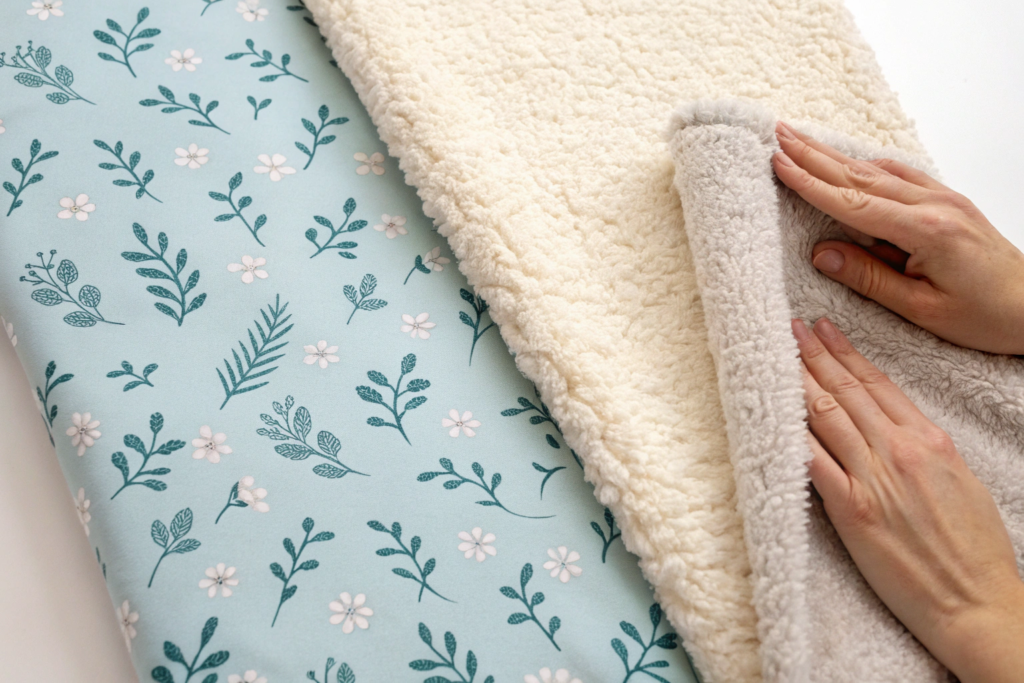
The genius of the summer-to-winter reversible hat lies in the fabric pairing. The two fabrics must be functional opposites, lightweight and breathable for summer, warm and insulating for winter, but they must also be compatible in terms of weight and drape. If one fabric is significantly heavier or stiffer than the other, the hat will not hang correctly or flip easily. A successful pairing requires careful material selection. For the summer side, we typically use a lightweight woven fabric like cotton voile, cotton lawn, or a linen blend. These fabrics are breathable, soft, and take prints beautifully. For the winter side, we use a fabric with warmth and texture, such as a lightweight faux shearling, a soft polar fleece, or a fine-gauge knit like a baby rib or a soft jersey. The key is to match the weights. A heavy winter fabric paired with a flimsy summer fabric will result in a hat that feels unbalanced and looks lumpy. We guide our clients through this material selection process. This compatible fabric pairing for dual season reversible bucket hats is a crucial design decision.
What Are the Best Fabric Combinations for Performance and Aesthetics?
Based on our production experience, certain combinations work exceptionally well. A popular premium pairing is a printed cotton voile for summer, reversed to a soft, solid-colored Tencel or modal fleece for winter. This combination offers a beautiful drape, exceptional softness on both sides, and a strong sustainability story. Another excellent pairing is a yarn-dyed cotton stripe or seersucker for summer, reversed to a lightweight, unbleached cotton thermal knit for winter. This creates a hat with a casual, textural, vintage-inspired feel. For a more value-oriented option, a printed polyester with a soft, brushed finish on one side can be paired with a solid polyester fleece on the other. This combination is durable, colorfast, and cost-effective. This recommended fabric pairings for high performance reversible bucket hats provides a starting point for development.
How Do You Handle the Different Care Requirements of the Two Fabrics?
This is an important practical consideration. A cotton summer side may be machine washable, while a wool-blend winter side may require hand washing. The care label for a reversible hat must provide clear instructions that protect the most delicate fabric. We typically recommend a conservative care approach: hand wash cold, lay flat to dry. This is safe for almost all fabric combinations. We provide care labels with clear, concise instructions. We also educate our clients on the importance of setting realistic customer expectations regarding the care of a mixed-fiber product. This care label instructions for mixed fabric reversible accessories is a necessary detail for customer satisfaction.
How Does the Reversible Feature Impact Sizing and Fit?
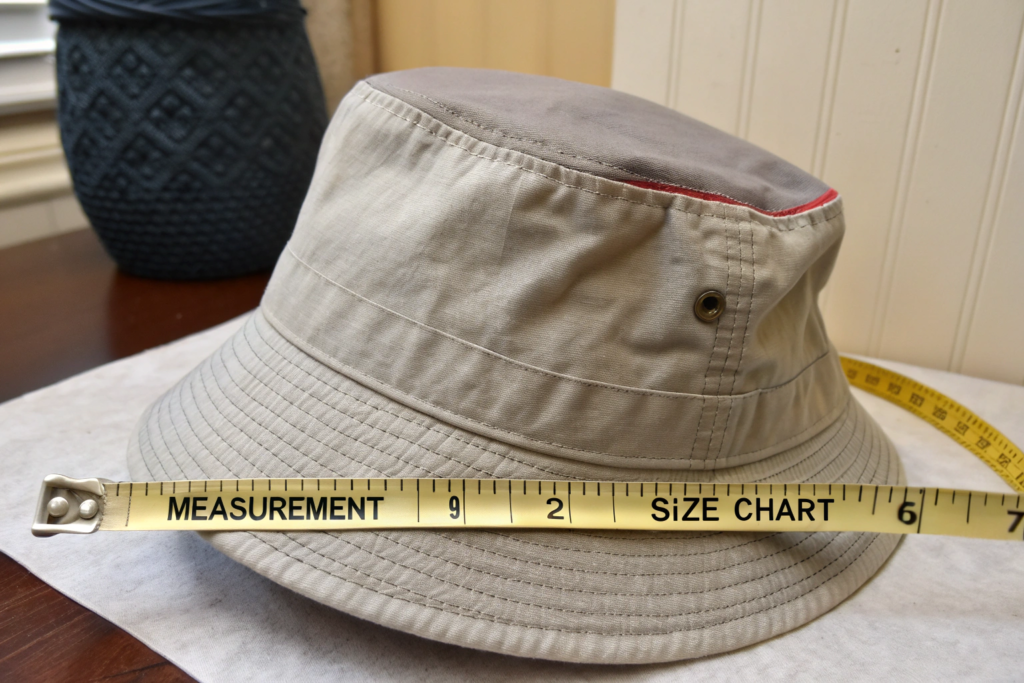
A reversible hat, by its nature, is thicker and less stretchy than a single-layer hat. It has two full layers of fabric. This impacts the fit. A hat that is sized exactly the same as a single-layer hat will feel too tight and shallow on the head. The pattern must be adjusted to account for the added bulk. The circumference needs to be slightly larger. The crown needs to be slightly deeper. We have developed proprietary "reversible hat blocks," or master patterns, that incorporate these necessary adjustments. We also consider the closure. A traditional bucket hat has a stitched-down brim. A reversible hat cannot have this. The brim must be free-floating to allow the hat to be flipped. This changes the way the hat sits on the head. Our patterns are engineered to ensure a comfortable, secure fit despite these design constraints. This adjusting hat pattern dimensions to accommodate reversible double layer construction is essential for a proper fit.
Should a Reversible Hat Have a Sweatband?
A traditional sweatband on the interior would be visible when the hat is reversed, ruining the clean aesthetic. Therefore, reversible hats typically do not have a traditional separate sweatband. The function of the sweatband, providing comfort and absorbing moisture, must be performed by the inner fabric layer itself. This is another reason why fabric selection for the winter side is so critical. We recommend using a fabric that is soft, comfortable against the skin, and has some moisture-wicking properties, such as a cotton fleece or a Tencel blend. This replacing traditional sweatband with functional inner fabric in reversible hats is a key design consideration.
How Do You Ensure the Hat Looks Good on Both Sides When Worn?
The deep, downward-sloping brim of a classic bucket hat is created by the way the brim is stitched to the crown. In a reversible hat, this seam must be clean on both sides. We use a specific seam technique, often a flat-felled seam or a carefully topstitched seam, that is strong, clean, and visually appealing from both the inside and the outside. The shape of the brim must also be consistent. A brim that curls up on one side and down on the other will look sloppy. Our pressing and finishing process ensures the brim lies flat and has a consistent shape regardless of which side is out. This maintaining consistent brim shape and aesthetics on both sides of a reversible hat is a key quality control checkpoint.
What Are the Minimum Order Quantities and Lead Times for a Custom Reversible Hat?
Because a reversible hat requires more fabric, more complex sewing, and more skilled labor, the minimum order quantity, or MOQ, and the lead time are typically higher than for a standard single-layer bucket hat. You are essentially ordering two hats in one. The MOQ is driven by the fabric requirements for both sides. We need to order sufficient quantities of both the summer fabric and the winter fabric. At AceAccessory, a typical MOQ for a custom reversible bucket hat using stock fabrics is 500 to 1,000 units per color combination. The lead time is also longer. The cutting and sewing processes take more time. You should budget approximately 35 to 45 days for production, plus shipping time. We are transparent about these requirements upfront. This realistic MOQ and lead time expectations for custom reversible bucket hats helps you plan your buying calendar effectively.

Can You Produce a Sample of a Reversible Hat Before Bulk Order?
Absolutely. In fact, a pre-production sample is even more critical for a reversible hat than for a standard style. You need to feel the weight of the two fabrics together, see how the hat flips, and evaluate the fit with the double-layer construction. We can produce a proto sample for your approval. The sample fee for a reversible hat is typically higher than for a single-layer hat, reflecting the increased material and labor cost. This sample allows you to test the concept and make any necessary adjustments to the pattern or fabric pairing before committing to bulk production. This importance of a pre production sample for complex reversible hat styles cannot be overstated.
How Does the Cost of a Reversible Hat Compare to a Standard Hat?
The cost is higher, but the perceived value to the customer is also significantly higher, allowing for a stronger retail price point. The cost increase comes from several factors. You are purchasing fabric for two complete hats. The sewing labor is more intensive. The construction requires more skilled operators. However, the "two-in-one" value proposition is a powerful selling point. A reversible hat can command a retail price that is 1.5x to 2x the price of a comparable single-layer hat, often resulting in a higher absolute dollar profit per unit. We provide transparent cost breakdowns so you can model your pricing and margins accurately. This cost analysis of reversible bucket hat versus standard single layer hat demonstrates the strong value proposition.
Conclusion
Producing a high-quality reversible bucket hat that seamlessly transitions from summer to winter is a challenge that requires more than just sewing two hats together. It demands specialized pattern engineering to achieve a clean, flippable finish. It requires a thoughtful curation of compatible fabrics that balance seasonal performance and aesthetic harmony. It necessitates careful adjustments to sizing and construction to ensure a comfortable and attractive fit on both sides. It is a product that embodies thoughtful design and skilled craftsmanship. For the brand that executes it well, the reversible bucket hat is a powerful tool. It offers the customer exceptional value, versatility, and a unique point of differentiation in a crowded market. It is a product that tells a story of intelligent design.
At AceAccessory, we have the expertise, the specialized patterns, and the skilled workforce to bring this sophisticated product to life. We understand the nuances and we relish the challenge. We can guide you through material selection, pattern development, and sampling to create a reversible hat that exceeds your expectations.
If you are interested in developing a reversible bucket hat program, I encourage you to contact our Business Director, Elaine. She can discuss fabric options, provide sample costs, and walk you through our development process for this unique category. You can email Elaine at: elaine@fumaoclothing.com. Let us help you create a hat that works twice as hard.