You are developing your beanie collection for the upcoming winter season. You know the silhouette. You have the colors in mind. But now you are faced with a wall of yarn swatches, each with a cryptic code and a different hand feel. The salesperson is using terms like "microfiber," "anti-pill," and "cashmere-like." You pick up a swatch. It feels soft. But will it be warm? Will it hold its shape? Will it pill after two wears? You are not just choosing a color. You are choosing the very soul of your beanie. The yarn determines the comfort, the warmth, the durability, and the perceived value. Make the wrong choice, and your beautiful beanie becomes a scratchy, pilled disappointment.
The top three beanie yarn types for 2026 that deliver an exceptional combination of softness and warmth are premium brushed acrylic blends for their plush hand feel and durability, superfine merino wool blends for their natural breathability and luxurious softness, and innovative recycled polyester chenille and faux fur yarns for their extreme coziness and strong sustainability story.
I manage AceAccessory in Zhejiang, and we work with a vast array of yarns for our knit accessories. The yarn is the single most important material decision you will make. I have felt the difference between a cheap, scratchy acrylic and a truly premium yarn. Let me guide you through the three yarn types that are defining softness and warmth for the 2026 season.
Why Is Premium Brushed Acrylic Blend Still the King of Softness and Value?
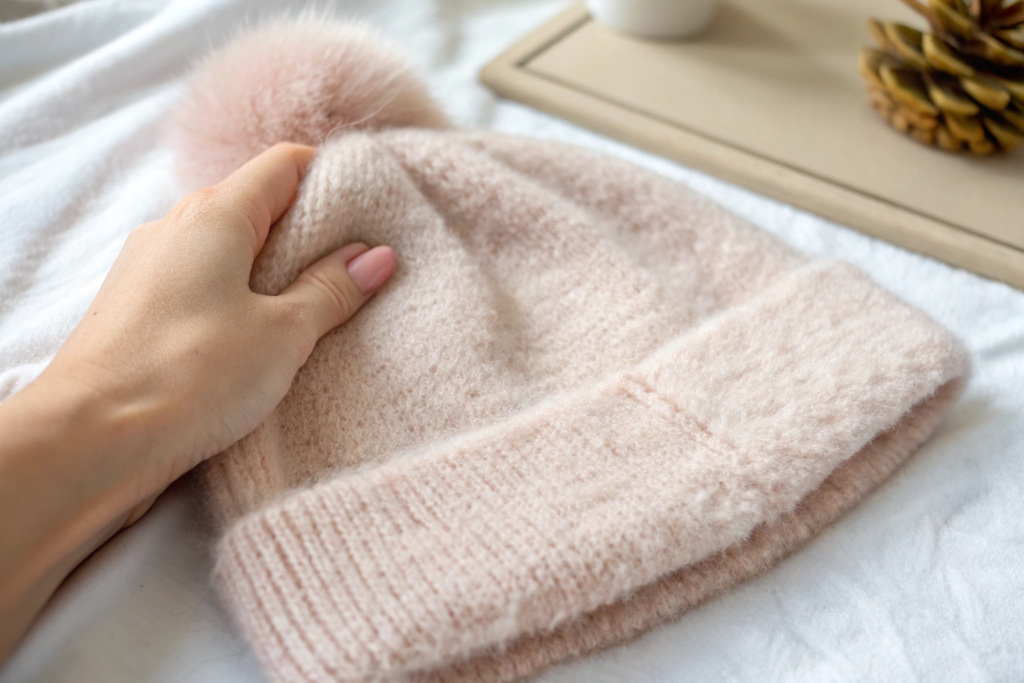
For the vast majority of the market, from value-driven promotional beanies to mid-tier fashion brands, a premium brushed acrylic blend remains the optimal choice for balancing exceptional softness, reliable warmth, durability, and cost-effectiveness. The acrylic fiber has evolved dramatically. The cheap, scratchy "plastic" feel of old is gone. Modern premium acrylics are engineered to be incredibly soft. The key process is brushing. After the beanie is knitted, the fabric is mechanically brushed. This process raises the surface fibers, creating a soft, fuzzy "halo" that feels plush and luxurious against the skin. It also traps more air, significantly enhancing the warmth of the beanie. Acrylic is also inherently lightweight, colorfast, and easy to care for. It resists shrinking and holds its shape well. It is an incredibly forgiving and durable fiber. This premium brushed acrylic yarn properties for soft warm and durable beanies makes it the workhorse of the industry for very good reason.
How Does Brushing Transform the Hand Feel and Warmth of Acrylic?
The brushing process is a mechanical finishing step. The knitted fabric is passed over rotating cylinders covered with fine wire teeth. These teeth gently pull the individual acrylic fibers to the surface, breaking some of them to create the fuzzy, soft pile. This process does two critical things. First, it dramatically increases the surface softness. The skin touches the soft, raised fibers, not the denser knit structure underneath. Second, it creates millions of tiny air pockets within the fuzzy surface layer. This trapped air is an excellent insulator, significantly boosting the beanie’s thermal performance without adding weight. A brushed acrylic beanie will feel noticeably warmer than an unbrushed one of the same weight. This mechanical brushing process and its effect on acrylic yarn softness and insulation is the secret to its success.
What Is "Anti-Pill" Acrylic and Why Is It Essential?
The single biggest complaint about acrylic knitwear is pilling. Pilling is the formation of those small, fuzzy balls on the surface of the fabric caused by abrasion during wear. It makes a beanie look old and worn quickly. Anti-pill acrylic is a specific type of fiber engineered to resist this. The fibers are stronger and more resistant to breaking. The yarn is spun in a way that minimizes the migration of short fibers to the surface. While no yarn is 100% pill-proof, a quality anti-pill acrylic will pill significantly less than a standard acrylic. For any brand concerned with quality and longevity, specifying anti-pill acrylic is non-negotiable. This importance of anti pill acrylic fiber for long lasting beanie quality protects your brand’s reputation.
Why Is Superfine Merino Wool Blend the Premium Choice for Natural Warmth?
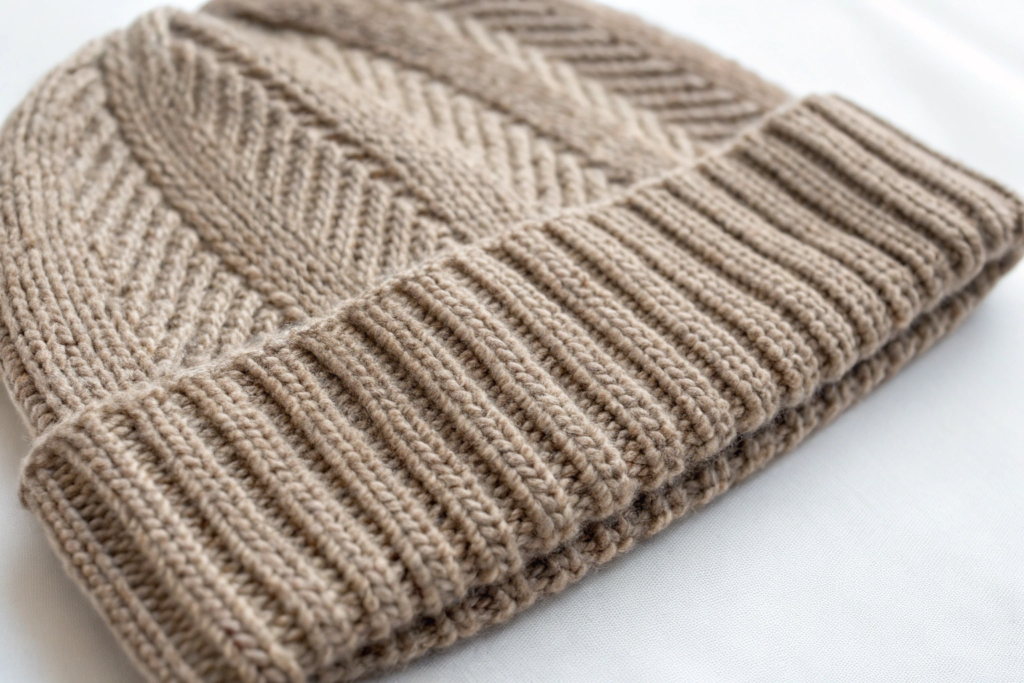
For brands positioning themselves in the premium or "better" tier, a beanie made with a significant percentage of superfine merino wool offers a level of natural performance and luxurious softness that synthetic fibers cannot fully replicate. Merino wool is fundamentally different from the coarse, scratchy wool of old sweaters. Merino sheep produce an exceptionally fine fiber, typically less than 22 microns in diameter. This fineness means the fiber bends easily when it touches the skin, eliminating the scratchy "prickle" sensation. It feels incredibly soft and smooth. Merino wool is also naturally breathable. It wicks moisture vapor away from the skin, helping to regulate temperature and prevent that clammy, sweaty feeling that can occur with purely synthetic hats. It is warm, even when damp. This superfine merino wool properties for soft breathable and warm premium beanies appeals to the discerning consumer who values natural materials and performance.
Why Is Merino Typically Blended with Acrylic or Nylon?
While 100% merino wool beanies exist, they are expensive, can be delicate, and may lose their shape more easily. Blending merino wool with a synthetic fiber, typically acrylic or nylon, creates a yarn that combines the best properties of both. The merino provides the luxurious softness, natural warmth, and breathability. The acrylic adds durability, helps the beanie retain its shape, improves colorfastness, and reduces the overall cost. A common and excellent blend is 50% Merino Wool and 50% Acrylic. This blend offers a truly premium hand feel and performance at a more accessible price point than 100% merino. This benefits of merino wool and acrylic blends for beanie performance and cost is the sweet spot for the premium market.
What Does the Micron Count of Merino Wool Signify?
The micron count is a measure of the average diameter of the wool fibers. A lower micron count means a finer, softer fiber. Standard wool might be 30 to 40 microns and feel scratchy. Fine merino wool is typically 18 to 24 microns and feels soft. Superfine or ultrafine merino is less than 18 microns and feels exquisitely soft and luxurious. When sourcing merino, the micron count is a key quality specification. We source merino wool with a specified micron count to ensure a consistent, premium hand feel for our clients’ beanies. This importance of merino wool micron count for softness and luxury perception is a detail that distinguishes a truly premium product.
Why Is Recycled Polyester Chenille and Faux Fur the Cozy, Sustainable Newcomer?
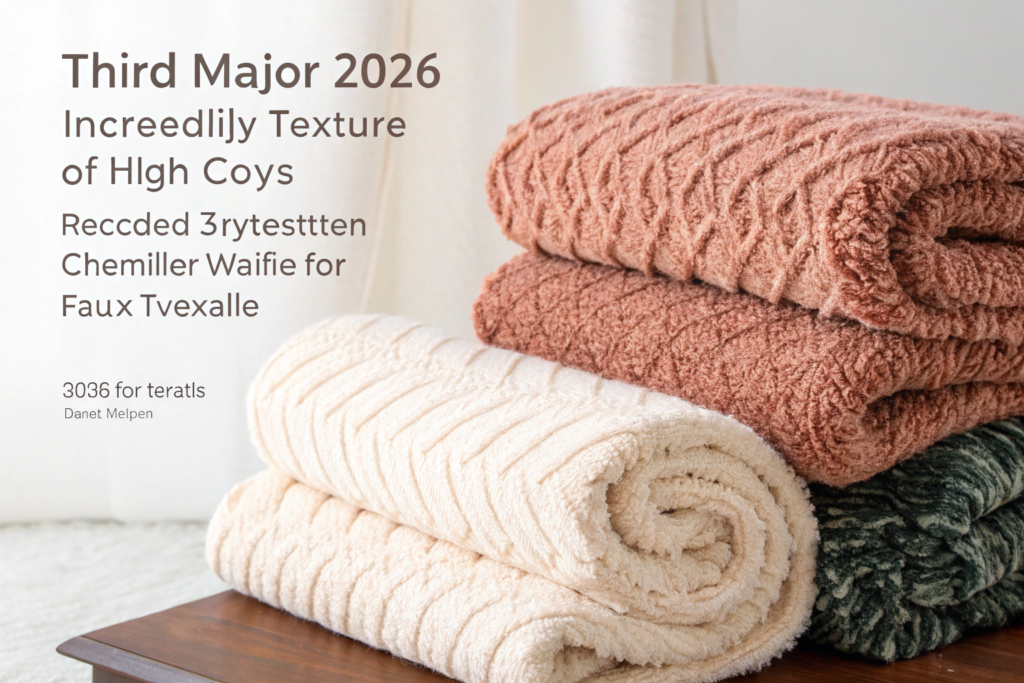
The third major trend for 2026 is the rise of incredibly cozy, high-texture yarns made from recycled materials. The consumer’s desire for tactile comfort and "huggable" textures has met the growing demand for sustainability. The result is the popularity of yarns like recycled polyester chenille and faux fur. Chenille yarn has a unique velvety, caterpillar-like texture. It is created by weaving short lengths of fiber, called "pile," between two core yarns. The result is a fabric with a deep, soft, directional pile that is incredibly plush and warm. Faux fur yarns, which are essentially long-pile versions of this, create a luxurious, animal-friendly fur look and feel. When these yarns are made from recycled polyester, or rPET, derived from post-consumer plastic bottles, they offer a powerful sustainability narrative. The beanie is not just incredibly soft and cozy. It is also helping to reduce plastic waste. This combination of extreme texture and eco-consciousness is highly appealing to the 2026 consumer. This recycled polyester chenille and faux fur yarns for cozy sustainable beanies is a major trend.
How Does Chenille Yarn’s Structure Create Its Unique Softness?
The softness of chenille comes from its unique construction. The short pile fibers are packed densely together and stand upright from the core yarn. When you touch a chenille beanie, your hand primarily contacts the very ends of these soft pile fibers. This creates a sensation of deep, velvety plushness. The density of the pile also makes chenille beanies exceptionally warm, as the thick layer of fibers traps a significant amount of air. However, chenille can be prone to "worming" or shedding if the yarn is not properly constructed. We source our chenille yarns from reputable spinners who use a tight twist and a strong core to lock the pile fibers in place. This construction and properties of chenille yarn for extreme softness and warmth ensures durability alongside the cozy feel.
How Do You Verify the Recycled Content Claim for rPET Yarns?
As with any sustainability claim, verification is essential. To confidently market a beanie as being made from recycled polyester, you need credible, third-party certification. The most widely recognized standard is the Global Recycled Standard, or GRS. A GRS certificate verifies the chain of custody of the recycled material from the source, the plastic bottles, to the final yarn. It also includes environmental and social criteria for the manufacturing process. We source our rPET yarns from GRS-certified suppliers and can provide the transaction certificates to our clients. This GRS certification for verifying recycled polyester content in yarns and textiles is the documentation you need to support your sustainability marketing.
How Do You Choose the Right Yarn for Your Specific Beanie Project?
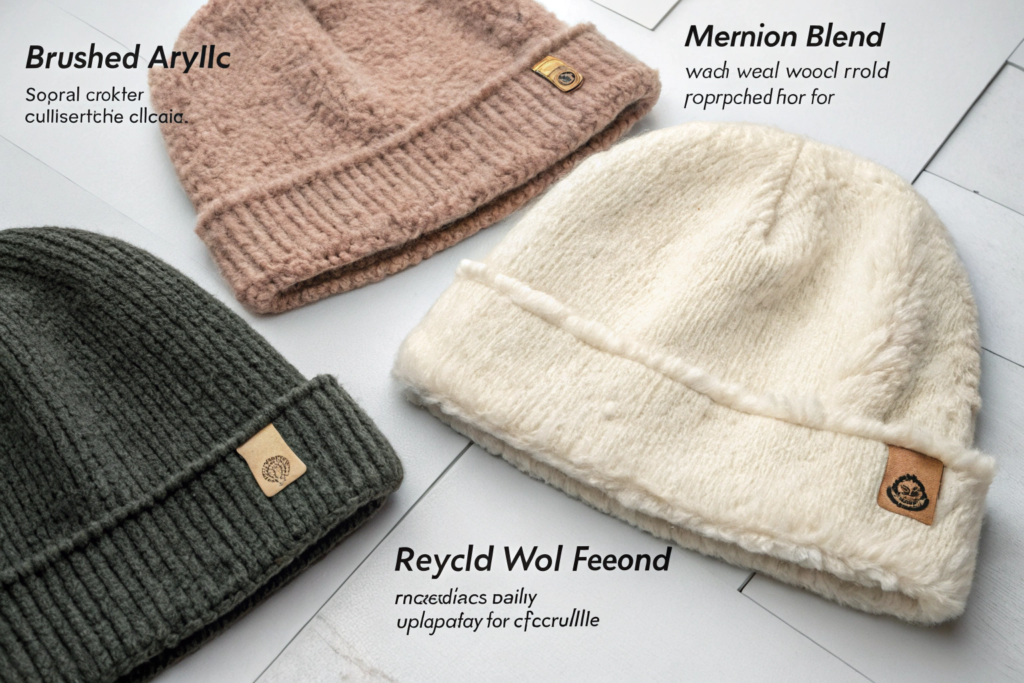
There is no single "best" yarn. The right choice depends entirely on your brand’s positioning, your target retail price, and the specific story you want to tell. The brushed acrylic blend is your go-to for achieving a beautiful, soft, and durable beanie at an accessible price point. It is the reliable, high-volume workhorse. The merino wool blend is the choice for a premium, "better" product. It signals natural quality, performance, and understated luxury. The recycled polyester chenille or faux fur is the choice for a brand that wants to make a strong statement about extreme coziness and sustainability. It is a trend-driven, high-impact product. Many successful brands use a mix of all three, offering a good-better-best tiered assortment. We work with our clients to understand their brand identity and guide them toward the yarn that best aligns with their goals. This decision guide for selecting beanie yarn based on brand positioning and target market is a key part of our consultative approach.
How Does Yarn Weight Affect the Warmth and Silhouette of the Beanie?
Yarn weight, the thickness of the yarn, is a separate but related decision. A heavier, bulkier yarn, like a chunky weight, will knit up into a thicker, warmer, and more structured beanie. A lighter, finer yarn, like a sport or DK weight, will create a thinner, more drapey, and less warm beanie. The yarn types I have described are available in a range of weights. You choose the yarn type for its softness and material properties, and you choose the yarn weight for the desired warmth and silhouette. We guide our clients through this combined selection process. This relationship between yarn weight and beanie warmth structure and silhouette is a fundamental design consideration.
What Role Does Gauge Play in the Final Feel of the Fabric?
Gauge refers to the number of stitches per inch in the knitted fabric. A tighter gauge, more stitches per inch, creates a denser, firmer, and often warmer fabric. A looser gauge creates a more open, airy, and flexible fabric. The same yarn can produce very different beanies depending on the gauge at which it is knitted. We work with our clients to develop the optimal gauge for their desired hand feel and performance. This impact of knitting gauge on fabric density hand feel and warmth of beanies is a technical detail that we manage to achieve the perfect result.
Conclusion
The yarn you choose is the foundation upon which your beanie’s success is built. It dictates the first touch, the lasting comfort, the visual texture, and the story you tell your customer. For 2026, the landscape of softness and warmth is defined by the continued dominance of the refined, brushed acrylic blend, the enduring appeal of the premium merino wool blend, and the exciting emergence of the cozy, sustainable recycled chenille. Each yarn type serves a distinct purpose and speaks to a different consumer need and brand identity. Understanding the unique properties, the benefits, and the trade-offs of each empowers you to make a strategic, informed decision that elevates your product and resonates with your customer.
At AceAccessory, we are passionate about yarn. Our material library is stocked with the best examples of each of these categories. Our team has the technical expertise to guide you through the selection process and to ensure that the yarn you choose is knitted into a beautiful, high-quality beanie.
If you are developing a beanie collection and want to explore yarn options, I encourage you to contact our Business Director, Elaine. She can provide yarn swatches, discuss performance characteristics, and help you find the perfect fiber for your project. You can email Elaine at: elaine@fumaoclothing.com. Let us help you create a beanie that feels as good as it looks.